How Can Better Planning Reduce Relocation Stress
Moving home is often described as one of life’s most stressful experiences. Between packing, paperwork, travel arrangements, and adjusting to a new environment, it is easy to feel overwhelmed before moving day even arrives.
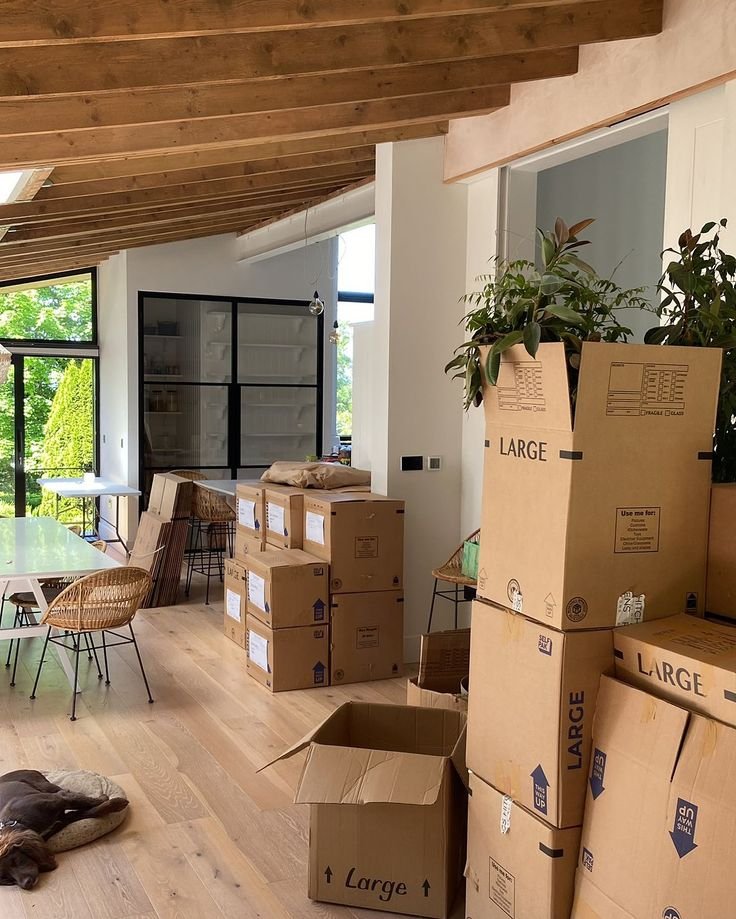
In this article, we will explore how better planning reduces relocation stress by replacing uncertainty with clear steps, realistic timing, and practical systems that keep you in control from start to finish.
The goal is not to create a perfect move with zero surprises. Instead, the goal is to make decisions early, reduce last-minute pressure, and build a relocation plan that supports a smoother transition for your household, your budget, and your peace of mind.
No. 1
Create a Realistic Moving Timeline
One of the biggest drivers of relocation stress is leaving key tasks until the final week. A rushed move can quickly become chaotic, especially when important details are overlooked or you discover too late that a preferred service is fully booked. A timeline gives your move structure and turns an intimidating project into smaller, manageable steps.
A strong relocation timeline should start earlier than most people think. For a local move, 4–6 weeks is often workable. For long-distance or multi-vehicle moves, 8–12 weeks provides much more breathing room. Whether you're looking for Sydney to Brisbane Interstate Removalists or planning suburb-level move, booking early gives you the best choice of dates and providers.
What to include in your moving schedule
Sorting and decluttering belongings
Booking movers or transport services
Organising utility transfers
Updating addresses
Packing non-essential items early
Confirming travel arrangements
Preparing important documents
A simple timeline structure that works
8–12 weeks out: choose dates, compare quotes, begin decluttering
6–8 weeks out: book services, order supplies, notify schools or landlords
4–6 weeks out: start packing non-essentials, confirm time off work
2–3 weeks out: transfer utilities, finalise travel plans, label rooms
1 week out: pack essentials, confirm bookings, clean and recycle
A timeline can also reduce stress by improving coordination within families. When responsibilities are visible, tasks can be assigned logically rather than falling on one person at the last minute.
No. 2
Reduce Clutter Before the Move
Relocation is dramatically easier when you are not transporting items you do not want or use. Planning ahead gives you time to sort properly, rather than panic-packing drawers and closets into boxes you will later regret.
Many people underestimate how much they own until they start packing. Decluttering early reduces the number of boxes, lowers transport costs, and makes unpacking faster and less emotionally draining. It also helps your new home feel comfortable sooner because you are not surrounded by unnecessary items.
Benefits of decluttering early
Fewer items to pack, carry, insure, and organise
Lower moving costs, especially by volume or weight
Faster unpacking and easier room setup
Less decision fatigue on moving week
A calmer arrival experience in the new space
Category sorting that prevents confusion later
Daily essentials
Seasonal items
Sentimental possessions
Furniture and appliances
Items no longer needed
If you find it hard to make decisions, try a “two-touch rule”: pick an item up once, decide immediately whether it is keep, donate, sell, recycle, or dispose. Momentum is one of the most effective antidotes to moving stress.
No. 3
Plan Transportation Well in Advance
Transportation is the backbone of any relocation. When transport is poorly organised, everything else becomes harder: schedules slip, costs rise, and stress spikes. Early planning allows you to compare providers, secure availability, and confirm the practical details that prevent moving-day surprises.
This is especially important for long-distance relocations or moves involving multiple vehicles. Some families choose specialist services to help safely transport cars to Colorado Springs when relocating long distances. Arranging vehicle transport in advance removes the pressure of coordinating multiple drivers or taking on long road journeys during an already demanding time.
Transportation details to confirm early
Collection and delivery windows (and what happens if dates shift)
Insurance coverage and what it does or does not include
Vehicle condition documentation (photos, inspections, checklists)
Access limitations at either property (stairs, narrow roads, parking)
Contingency plans for delays (weather, traffic, scheduling changes)
Planning transport early also reduces decision fatigue. When the most complex logistics are locked in, everything else feels more manageable.
No. 4
Avoid Last-Minute Packing Panic
Packing is usually more time-consuming than expected. Waiting until the final few days increases stress, raises the chance of breakage, and often leads to disorganised unpacking. A planning-led approach lets you pack gradually and strategically, while keeping daily life functioning.
Start with items you rarely use. This reduces visual clutter and gives you early wins, which is important psychologically when a move feels endless.
A practical packing order
Storage areas first (attic, garage, closets)
Seasonal and decorative items
Books, extra linens, backup kitchenware
Non-essential electronics and cables
Daily essentials last
Box labelling that saves hours later
Helpful labels may include:
Room destination
Fragile items
Priority essentials
Heavy boxes
Electronics and cables
An essentials box (or suitcase) is one of the most effective stress-reduction tools you can prepare. Include toiletries, chargers, medication, snacks, paper towels, a change of clothes, basic tools, and important documents, so your first night does not feel like a scavenger hunt.
No. 5
Manage Financial Stress With a Clear Budget
Moving can become expensive quickly, and financial uncertainty adds a heavy layer of anxiety to an already busy period. A moving budget allows you to plan for known costs, prepare for common extras, and avoid unpleasant surprises.
Creating a budget early also helps you make calmer decisions. Rushed choices often cost more, either because availability is limited or because you are forced into last-minute options.
Common moving expenses to plan for
Removal services
Packing materials
Storage fees
Fuel and travel costs
Utility deposits
Temporary accommodation
Cleaning services
Budget tips that reduce pressure
Get multiple quotes early and compare what is included
Set aside a contingency buffer for unexpected costs
Track spending weekly so you stay ahead of overruns
Avoid “double paying” (overlapping rent, utilities, or storage) when possible
Even a simple spreadsheet can reduce stress because it turns vague worry into concrete numbers and decisions.
No. 6
Keep Important Documents Organised and Accessible
Relocation often involves a surprising amount of paperwork. Losing documents during a move can cause delays, extra fees, and unnecessary stress, especially when you need something quickly for a service provider, school, or property handover.
Create a dedicated folder that stays with you, not in the moving truck. Many households also keep a scanned digital backup for peace of mind.
Documents to keep in a single dedicated place
Identification
Lease or mortgage agreements
Insurance information
School records
Medical documents
Moving contracts
Utility account details
Having these records organized in a binder or encrypted cloud folder ensures you can immediately verify utility activations or handle medical emergencies on day one. Your official lease agreement or mortgage contract is particularly vital, as it confirms your move-in timeline, key building rules, and security deposit terms.
Meanwhile, keeping signed moving contracts and inventory lists at hand allows you to inspect delivered boxes and resolve damage claims before the movers depart. A small organizational step here prevents some of the most frustrating moving-week problems, particularly when you are tired and time-sensitive.
No. 7
Support Children and Pets Through the Transition
Relocation is not only logistical. Children and pets often experience a move as a disruption to safety and routine, even if the new home is objectively better. Planning ahead allows you to reduce anxiety, preserve stability, and create predictability during a period of change.
For children, communication matters, but so does consistency. Maintaining familiar routines around meals, bedtime, and downtime helps protect emotional regulation.
Ways to help children adjust
Explain the move in simple, age-appropriate language
Involve them in small choices (room setup, a “first night” kit)
Keep bedtime routines consistent even during packing
Prepare a comfort box with favourite items kept accessible
For pets, stress often shows up as restlessness, appetite changes, or clinginess. Planning reduces the chance of last-minute scrambling, which pets sense immediately.
Pet preparations that prevent avoidable problems
Updating identification tags
Preparing travel arrangements
Packing familiar toys and bedding
Researching nearby veterinary clinics
No. 8
Build Buffer Time for the Unexpected
Even well-organised moves encounter setbacks. Weather issues, delayed paperwork, traffic problems, and scheduling conflicts can all affect relocation plans. Planning reduces stress partly by acknowledging this reality and building in slack.
When there is no buffer, every disruption becomes a crisis. When extra time exists, the same disruption becomes a manageable adjustment.
Where buffers matter most
Packing completion (finish early if possible)
Cleaning and property handover
Travel days and vehicle collection/delivery windows
Utility activation dates and internet installation
A flexible timeline keeps you calm under pressure, which improves decision-making when something changes.
No. 9
Create a Smoother Transition Into Your New Home
Stress does not stop when the boxes arrive. The first week in a new home can feel disorienting, especially if essentials are buried in random boxes or utilities are not set up properly. Planning ahead makes the “landing” easier.
Prioritise functional comfort first. You do not need to unpack everything immediately, but you do need the home to work.
First-day priorities that reduce overwhelm
Set up beds and basic linens
Confirm water, power, heating/cooling, and internet
Unpack the kitchen basics (a few dishes, mugs, key utensils)
Establish a “drop zone” for keys, chargers, and documents
Pre-move research that reduces uncertainty
Grocery stores and pharmacies nearby
Schools, childcare, or commuting routes
Healthcare providers and urgent care options
Waste collection schedules and local rules
When the basics are handled early, the new space becomes livable faster, which reduces the emotional load of the transition.
Takeaways
Planning reduces relocation stress by replacing uncertainty with a clear timeline, defined responsibilities, and buffer time. When key decisions are made early, moving week feels more controlled and far less reactive.
Decluttering, budgeting, and document organisation are high-impact steps that prevent avoidable chaos. Packing gradually and labelling strategically also improves the first few days in your new home.
Transportation planning, including specialist options to transport cars to Colorado Springs, can remove one of the biggest logistical burdens of long-distance moves. The smoother the logistics, the easier it is for everyone, including children and pets, to settle in confidently.
Looking for Home resources?
Looking to enhance your living space and create a sanctuary that supports your well-being? Explore our home partners who offer a wide range of resources to elevate your home environment.