How Intentional Window Treatments Can Transform Your Living Space
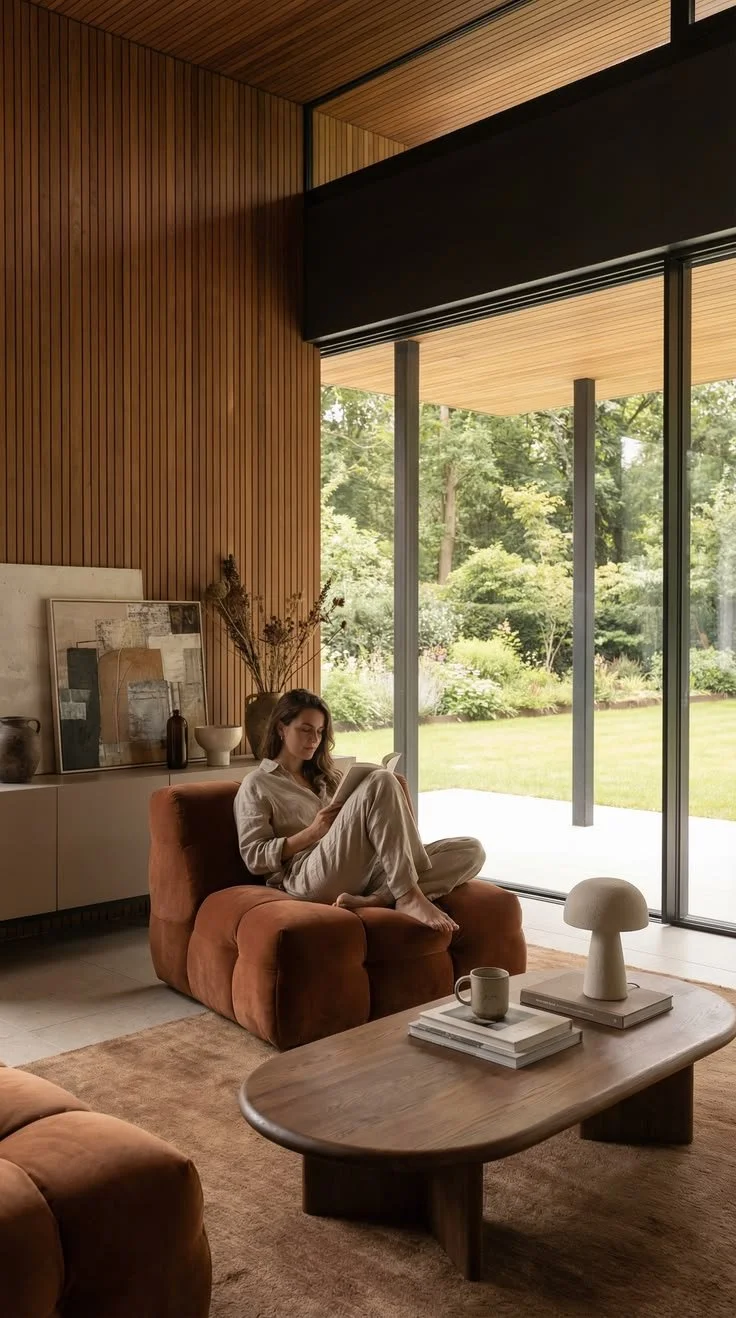
A well-designed home is not defined only by what you place inside it, but also by how you shape the light that moves through it. Many people spend weeks choosing sofas, paint colors, and flooring, yet leave windows as an afterthought, even though windows influence almost every design decision that follows. When natural light is harsh, unfiltered, or inconsistent, a room can feel uncomfortable and visually incomplete. When it is managed intentionally, the same space can feel calmer, larger, and more refined.

In this article, we will explore how intentional window treatments change the mood of a room, support popular Australian aesthetics, improve thermal comfort and energy efficiency, and help you build a layered, functional look that feels cohesive year-round.
No. 1
The overlooked power of natural light control
Light is one of the most powerful “materials” in interior design. It changes color temperature, alters the way textures read, and affects how spacious a room feels at different times of day. Window treatments are the most direct tool you have for shaping that experience without renovating structural elements.
When you manage daylight intentionally, you also manage:
Visual comfort, especially in glare-prone rooms
Privacy without sacrificing brightness
The way artwork, flooring, and fabrics fade over time
How “warm” or “cool” a color palette appears in real conditions
The room’s overall mood, from energising to restful
Common problems window treatments can solve
Many households live with small daily frustrations that are ultimately light-management issues. Thoughtful coverings can help address:
Overheated living rooms in summer afternoons
Blinding glare on screens during work-from-home hours
Bedrooms that never get fully dark
Street-facing windows that feel exposed at night
Rooms that feel flat because light is either too strong or too dim
The key is to view window treatments as both an aesthetic feature and a performance layer, much like flooring or insulation. When you treat them as foundational rather than decorative, your entire space benefits.
No. 2
The art of light management for a better mood
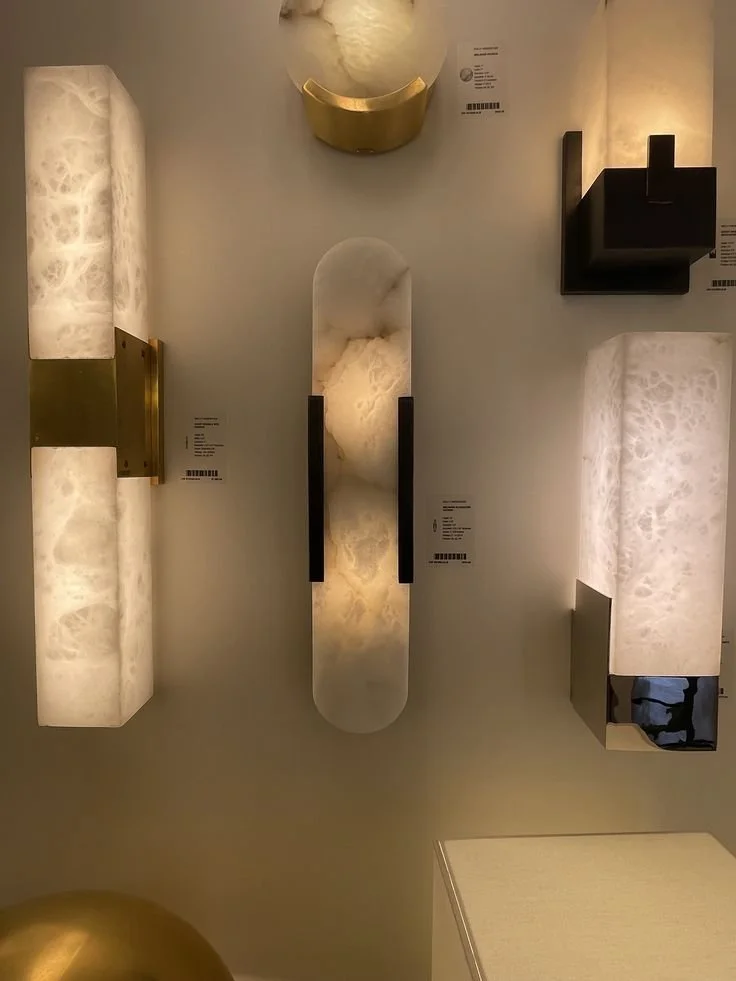
A room with balanced light feels grounded. A room with uncontrolled light can feel chaotic, even if the furniture is beautiful. The design goal is not always “more light,” but the right type of light, in the right amount, at the right time. Just as thoughtful, high-quality artificial fixtures redefine modern illumination, selecting the right custom window treatments allows you to master the natural light entering your space.
Window treatments allow you to work with three primary lighting modes:
Bright and open for daytime energy
Soft and diffused for calm, glare-free comfort
Darkened and private for rest, media rooms, or evening wind-down
How different treatments shape daylight
Different styles influence how daylight behaves in the room:
Sheer curtains soften sunlight and reduce harsh contrast without blocking brightness
Blockout blinds control light fully, making them ideal for bedrooms and nurseries
Venetians and adjustable slats let you direct light upward or downward for precision control
Layered systems allow you to shift lighting throughout the day without changing the entire setup
A simple approach to matching light to room function
If you want an intentional result, start by considering what each room is for:
Bedrooms often benefit from blockout performance for better sleep
Living rooms typically need flexible options that shift from bright to private
Kitchens and dining spaces usually look best with light-filtering control rather than full darkness
Home offices need glare reduction without making the space feel gloomy
When you choose treatments based on how the room is lived in, rather than only how it looks in photos, the design tends to hold up far better over time.
No. 3
Finding your aesthetic without the hassle
Australian interiors continue to lean into warm minimalism, organic texture, and relaxed sophistication. Two styles often referenced in modern homes are Luxe Farmhouse and Coastal Canvas, which both rely on tactile materials and a sense of “effortless cohesion.” Windows play a major role here because they sit at the boundary between architecture and soft furnishing.
At the window line, texture matters. It can soften hard edges, balance large open-plan spaces, and create visual rhythm across a room.
How window materials reinforce popular Australian looks
To support these aesthetics, consider how material choices communicate style:
Linen-look sheers bring softness and a breezy, coastal feel
Sustainably sourced timber venetians add structure and warmth
Woven textures, such as bamboo-inspired finishes, introduce natural depth
Neutral palettes help window lines blend seamlessly with walls and ceilings
Texture also affects how light looks. A woven or softly textured material produces a gentler glow than a flat, reflective surface, which can make a room feel more inviting.
Making custom design more accessible
Achieving a curated look no longer requires expensive, time-consuming in-home consultations. It is now straightforward to Buy Blinds Online and select modern, designer-quality options while tailoring dimensions, finishes, and controls to your space. This approach supports better decision-making because you can move at your own pace, compare options carefully, and coordinate colors with your existing décor.
If you are aiming for a cohesive result, it helps to:
Order swatches where available and view them in morning and afternoon light
Compare finishes against flooring, benchtops, and major furniture pieces
Decide whether you want the treatment to blend in or become a feature
Consider consistent hardware or finishes across adjoining rooms for flow
No. 4
Thermal comfort and energy efficiency in Australian homes
Window treatments are not just visual tools; they also influence how your home handles heat. Glass is a major point of heat transfer, which means your windows can undo the benefits of otherwise good insulation if they are not properly managed.
The Australian Window Association estimates that up to 40 percent of a home's heating energy can be lost through inadequate windows. In summer, up to 87 percent of unwanted heat can be gained through those same panes of glass. These figures highlight why thoughtful shading is a comfort decision and an energy decision at the same time.
Why this matters more now
Energy standards are rising. With the minimum energy rating requirement for new Australian homes increased to 7 stars out of 10, homeowners are paying more attention to solutions that improve thermal performance. Programs like the Nationwide House Energy Rating Scheme evaluate how effectively occupants utilize blinds and window shading to manage indoor temperatures.
Window treatments become a practical way to support:
Reduced reliance on air conditioning during peak heat
Better heat retention on cold nights
More stable indoor temperatures across the day
Potentially lower energy bills over the long term
Evidence-based performance benefits
Efficiency is not only theoretical. An Oak Ridge National Laboratory study found that installing cellular shades can provide up to 24% heating energy savings during winter. While results vary depending on glazing, orientation, and installation quality, the takeaway is clear: certain styles are designed to do real thermal work, not just look good.
Ways to improve thermal performance room by room
A functional strategy can be as simple as matching the treatment to the exposure:
West-facing rooms often need stronger afternoon heat control
South-facing rooms may prioritize insulation and warmth retention
Bedrooms benefit from both blockout light control and thermal stability
Large windows and sliding doors often perform best with layered solutions
No. 5
Essential elements of a layered window treatment look
Layering is one of the most reliable methods for achieving both style and performance. It gives you flexibility, allowing one layer to handle light diffusion and another to handle privacy, darkness, or insulation.
Dual-purpose combinations that work in real life
Layering creates a versatile setup for day and night:
Pair sheers with blockout roller blinds for daytime softness and nighttime privacy
Combine curtains with a discreet blind to add depth and stronger insulation
Use adjustable slats behind curtains to fine-tune glare control without changing the room’s look
Cellular and honeycomb structures for insulation
If your priority is energy efficiency, cellular and honeycomb shades are designed to trap air in internal pockets, forming a barrier against temperature fluctuation. They are particularly useful when you want a clean, modern profile while still improving comfort.
Key advantages include:
Reduced heat transfer through the window surface
A more consistent indoor feel, especially in older homes
A tidy look that works with minimalist and contemporary styles
Tactile and organic materials for warmth
Biophilic design principles are popular for good reason: natural textures make homes feel calmer. At the window, organic materials can soften an otherwise “hard” room.
Consider:
Woven textures for visual depth
Neutral, earthy tones for a grounded palette
Materials that echo timber furniture or flooring for continuity
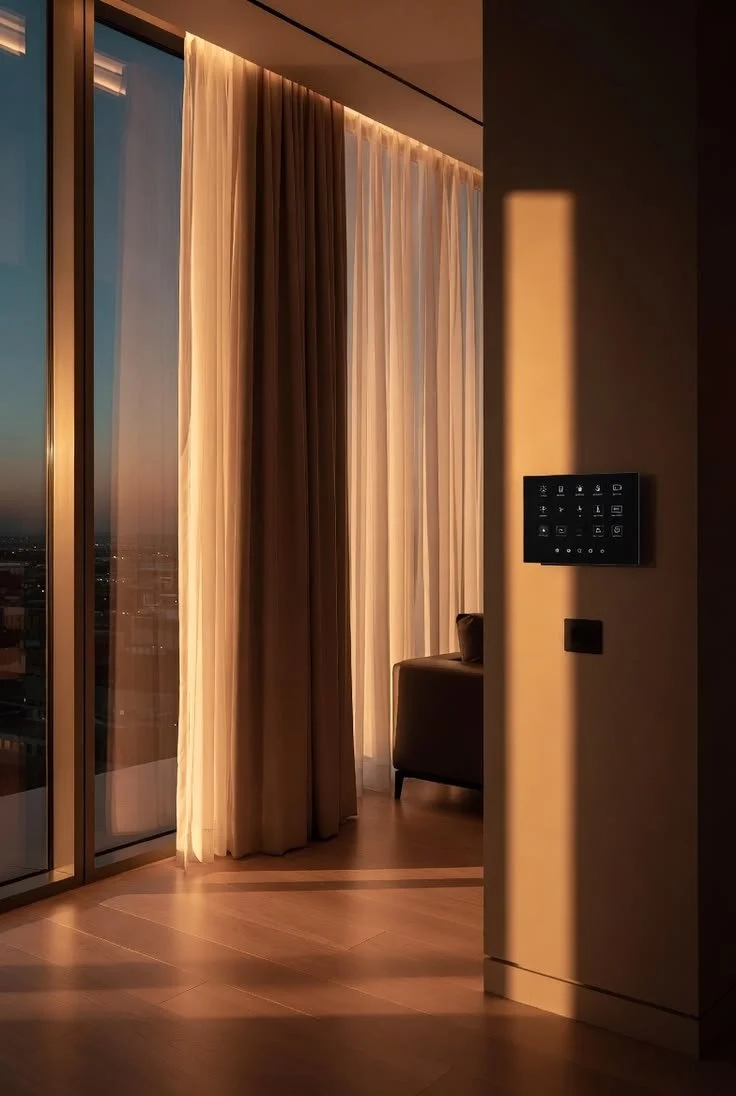
Smart living integrations for effortless control
Motorized and automated systems are no longer niche. They can be a practical solution if you want predictable temperature control without constantly adjusting blinds by hand.
Smart options can help you:
Schedule shades to close during the hottest part of the day
Reduce UV exposure that fades floors and furniture
Improve privacy automatically at dusk
Support accessibility needs in hard-to-reach windows
No. 6
A practical framework for choosing the right option
When you are deciding, aesthetics are only one part of the equation. The best outcomes come from aligning design with orientation, privacy needs, and the way each room is actually used.
Start with three core questions
Before selecting any product style, clarify:
What do I need most: privacy, light control, insulation, or a blend?
When is the room used most: mornings, afternoons, evenings, or all day?
What is the window exposure: full sun, partial sun, or shaded?
Then match your choice to priorities
A useful way to narrow options is to match treatments to the primary goal:
For privacy with daylight: light-filtering blinds or sheers
For sleep and media: blockout systems
For thermal support: cellular shades or layered solutions
For flexible glare control: venetians or adjustable slat options
Don’t overlook measurement and installation details
Even premium materials can underperform if the fit is wrong.
To protect your result:
Measure carefully and confirm whether you need inside- or outside-mount
Consider how the treatment will clear handles, locks, and window frames
Think through cord safety and control placement, especially with children
Plan consistency across open-plan areas so adjacent rooms feel connected
Takeaways
Intentional window treatments do more than finish a room; they shape natural light, improve daily comfort, and elevate the overall design. In this article, we explored how managing brightness, privacy, and glare can transform how a space looks and feels throughout the day.
We also discussed how Australian design trends benefit from texture-rich window materials and how it is easier than ever to buy blinds online without sacrificing a curated look. Beyond aesthetics, we covered the major energy and comfort benefits of better window insulation, including performance findings like the Oak Ridge National Laboratory research on cellular shades.
Finally, we outlined layered approaches and a practical selection framework to help you choose treatments that match your home’s orientation and lifestyle needs. When your window strategy is deliberate, your interior feels more complete, more liveable, and more efficient for years to come.
Looking for Home resources?
Looking to enhance your living space and create a sanctuary that supports your well-being? Explore our home partners who offer a wide range of resources to elevate your home environment.