Patio Upgrades That Make a Backyard Feel Bigger
A backyard does not need expansive square footage to feel open and inviting. With the right patio upgrades, a compact outdoor area can appear larger, function better, and feel like a true extension of the home. The key is not to add more elements, but to choose improvements that create flow, reduce visual clutter, and encourage people to linger comfortably.
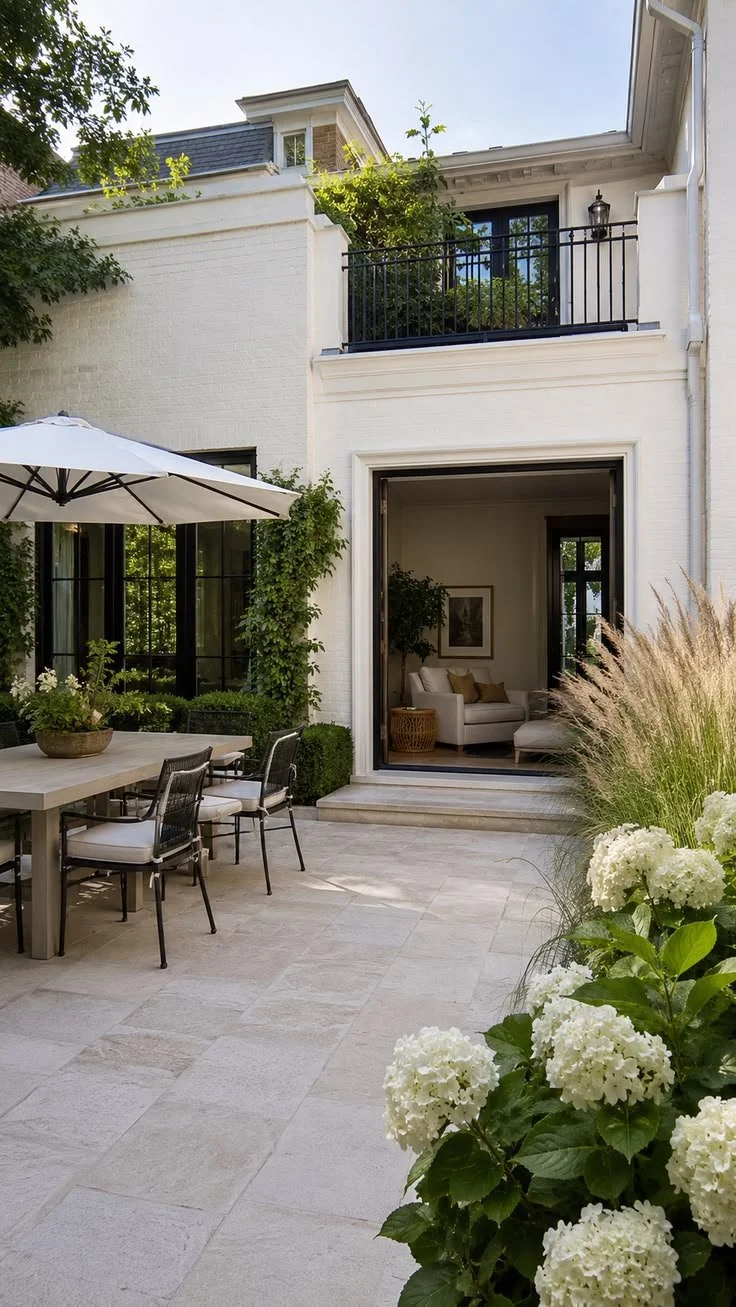
In this article, we will explore patio upgrades that make a backyard feel bigger by clarifying the space’s purpose, improving layout and materials, layering comfort, adding greenery strategically, and finishing with details that keep the area polished and easy to maintain.
No. 1
Start With Purpose
Before selecting furniture, lighting, or hardscaping materials, the patio should be defined by what it needs to do. A clear purpose prevents overcrowding and ensures every choice, like natural stone patio ideas, supports a cohesive, spacious feel. When a patio tries to serve too many roles at once, it often ends up feeling cluttered, even if the yard itself is not small.
Identify the Patio’s Primary Use
A simple priority list is often enough to guide decisions:
Dining and entertaining for family meals or hosting friends
Quiet relaxation for reading, coffee, or decompression
Family-friendly lounging with flexible seating and open floor space
A multipurpose “outdoor room” with a few adaptable pieces
Translate Purpose Into Space Requirements
Different goals create different spatial needs, especially in a small yard:
Entertaining typically benefits from wider walkways and seating that can shift as guests arrive
Relaxation typically benefits from shade, privacy, and a comfortable chair or loveseat
Family use typically benefits from open edges, fewer breakables, and easy-clean materials
Selecting one primary purpose and one secondary purpose keeps the patio from becoming visually busy. This is often the fastest way to make a backyard feel bigger without increasing its footprint.
No. 2
Pick the Right Layout
Layout determines how large a patio feels in practice. A well-planned arrangement creates clear pathways, makes furniture feel intentional, and keeps the eye moving through the space. A poor layout interrupts movement and makes a small backyard feel confined.
Prioritize Flow and Movement
A patio feels more spacious when movement is effortless. Helpful layout principles include:
Leave clear walkways from the house to seating areas
Avoid forcing people to squeeze between chairs and planters
Keep high-traffic zones open, especially near doors and grills
Match the Patio Shape to the Yard
The patio shape should work with the yard’s proportions rather than fight them:
In narrow yards, a long rectangular patio often makes the space feel stretched and more open
In wider yards, zoning can help create function without crowding, such as dining on one side and lounging on the other
In boxy yards, curved borders can soften the geometry and reduce the “boxed-in” feeling
Create “Breathing Room” Around Furniture
Even small gaps matter. Leaving a perimeter of open space around furniture can make the entire patio feel less packed. A foot or two of open edge often improves the sense of scale, especially in smaller backyards where every inch is noticeable.
No. 3
Choose Easy, Light-Reflecting Materials
Materials influence how bright, clean, and cohesive the patio feels. In many cases, homeowners can make a backyard appear larger simply by choosing surfaces that reflect light and reduce visual noise.
Choose Colors That Brighten the Space
Lighter tones typically create a more open feeling because they reflect more daylight.
Consider:
Warm beige or sand tones for a soft, sunlit look
Light gray for a modern, airy feel that still hides dust
Gentle mixed tones that add depth without looking busy
Balance Texture With Visual Calm
Texture adds character, but overly complex patterns can shrink the space visually.
A balanced approach works best:
Subtle variation adds interest without chaos
Consistent joints and clean edges feel more “finished”
Busy patterns can compete with furniture, planters, and décor
Select Materials That Support Low Maintenance
A patio should not become a constant upkeep project. Materials that sweep easily and resist staining help the area look larger because a clean surface reads as more expansive.
Natural stone is often chosen for its visual depth and timeless appeal. It can feel rustic, relaxed, or refined depending on the finish and color. For homeowners drawn to a classic style, selecting a practical finish for the local climate can preserve the look while keeping maintenance reasonable.
No. 4
Layer in Comfort Without Adding Clutter
A patio feels bigger when it feels livable. Comfort encourages longer use, which makes the space feel like an “extra room.” The goal is not to fill the patio with items, but to choose the right core pieces and add soft layers selectively.
Start With One Strong Seating Anchor
Rather than combining several small, mismatched pieces, choose one anchor that fits the scale:
A compact outdoor sofa for a lounge-style patio
Two deep chairs with a small table for conversational seating
A properly sized dining set that does not dominate the footprint
Use Soft Elements to Define Zones
Soft layers can “frame” the space the way a rug and lighting define an indoor room:
Outdoor rugs can visually expand a seating zone
Cushions add comfort and encourage use
A small side table reduces clutter by giving items a home
Add Shade to Increase Usable Space
Shade expands how often the patio can be used, particularly in warm climates.
Options include:
A patio umbrella for flexible, budget-friendly shade
A pergola for structure and visual height
Strategic planting, such as a well-placed tree for natural cover
No. 5
Use Lighting to Extend the Patio’s “Hours”
Lighting makes the patio feel welcoming after sunset, which effectively increases the time the space feels usable. It also adds depth: layered lighting pulls the eye outward and reduces harsh contrasts that can make a yard feel smaller.
Consider Layered Outdoor Lighting
A combination of light sources tends to feel more spacious and intentional:
String lights overhead to create a ceiling effect
Lanterns for warm pools of light near seating
Low solar path lights to define edges and walkways
Lighting should highlight pathways and seating zones while avoiding overly bright, single-source glare. A softer glow typically creates the most inviting “outdoor room” effect.
No. 6
Add Simple Greenery for Depth and Softness
Plants are a practical design tool, not just decoration. Greenery softens hard edges, adds depth, and helps a patio feel integrated with the yard. The right plants can also draw the eye upward or outward, both of which increase the sense of spaciousness.
Use Containers to Save Floor Space
Containers offer flexibility and allow greenery without permanent planting:
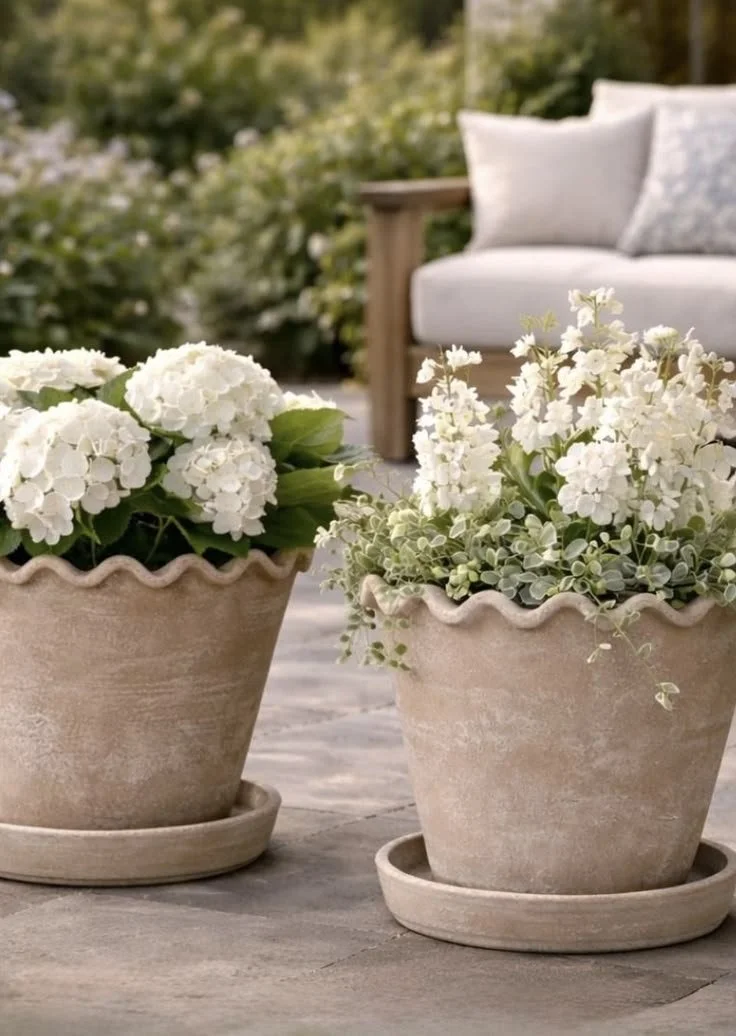
Large planters in patio corners frame the space
Medium pots near seating add color without blocking walkways
A mix of upright and trailing plants adds movement and dimension
Plant Borders to Create a Smooth Transition
A harsh edge between patio and lawn can make a yard feel smaller. Border plantings create a gradual transition:
Low shrubs for structure
Ornamental grasses for softness and movement
Seasonal flowers for low-commitment color
Add Vertical Greenery to Draw the Eye Upward
Vertical elements create height, which can make a small yard feel less confined:
A trellis with climbing plants
Wall planters on fences
Vines trained upward to soften boundaries
Plant selection should match realistic maintenance habits. A patio should reduce stress, not create a demanding routine.
No. 7
Make the Space Feel Finished and Organized
A patio appears larger when it looks intentional and uncluttered. “Finished” does not mean expensive. It means the space has enough structure and storage that everyday items do not spill into view.
Add Storage That Disappears Into the Design
Storage reduces visual clutter, which immediately makes the patio feel bigger:
A bench with hidden storage for cushions and accessories
A weather-safe storage box for outdoor items
A small shelving unit for compact patios with vertical space
Finish With a Few Practical Details
A few well-chosen accents can elevate the patio without crowding it:
A tray for drinks and snacks
A small fire bowl for cooler evenings
Outdoor-friendly pillows that coordinate with the home’s exterior
A lantern or two for warm ambiance
Refresh Seasonally Without a Full Redesign
Small, seasonal swaps keep the patio feeling current:
Replace cushion covers for a new color palette
Add potted flowers for quick, temporary impact
Rotate one decorative element rather than changing everything
The most effective patios feel curated, not crammed. When every element has a place and purpose, the entire backyard reads as larger, calmer, and easier to enjoy.
Takeaways
Thoughtful patio upgrades can make a backyard feel bigger by improving flow, reducing clutter, and creating a clear purpose for the space. A patio that is designed around one or two primary uses nearly always feels more open than one trying to do everything at once.
Layout and materials have an outsized impact on perceived size, especially in compact yards. Light-reflecting surfaces, clear walkways, and well-spaced furniture help the eye travel and make the area feel more expansive.
Comfort features such as shade, lighting, and well-placed greenery extend usability and create an outdoor-room effect. Finishing touches like smart storage and a few practical accessories keep the patio polished, functional, and easy to maintain.
Looking for Home resources?
Looking to enhance your living space and create a sanctuary that supports your well-being? Explore our home partners who offer a wide range of resources to elevate your home environment.