Smart Ways To Make Your Patio More Comfortable
Your patio can be one of the most enjoyable parts of your home, but only if it feels genuinely comfortable to use. Harsh sun, trapped afternoon heat, and a sense of being “on display” can quickly turn an outdoor space into an area you walk past rather than settle into. The encouraging reality is that comfort is not reserved for large renovations; it often comes from a handful of smart, well-planned improvements.
In this article, we will explore practical, design-forward ways to make your patio cooler, calmer, and more inviting. You will learn why shade is a foundational comfort feature, how to plan upgrades around how you actually live, which daily-use details matter most, and how to balance style, privacy, and maintenance so the space stays enjoyable long-term.
No. 1
Why Shade Matters
If your patio feels too bright or too hot, that is not your imagination. Direct sunlight can make seating uncomfortable, raise surface temperatures fast, and push everyone indoors long before you want the day to end. Shade is not only about blocking light; it is about expanding the hours your patio is usable and improving comfort across seasons.
What Shade Improves, Immediately
A well-chosen shade solution can change the feel of your patio in a single afternoon by reducing common problems such as:
Glare that makes it difficult to read, eat, or relax
Heat buildup on cushions, metal furniture, railings, and decking
Sun exposure that fades fabrics and dries out finishes
The “pressure cooker” effect in enclosed or partially walled patios
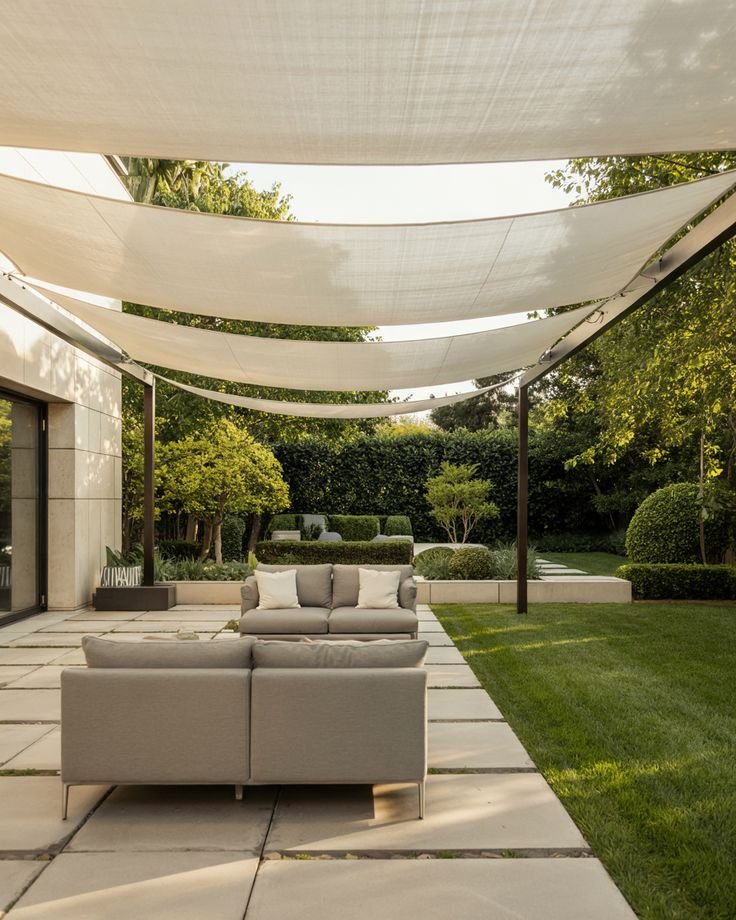
One practical option many homeowners consider is motorized retractable patio shades. These shades can help reduce glare, create a more comfortable seating area, and add a layer of privacy without making your patio feel closed in. That balance matters because an outdoor space should still feel open, just more protected.
Shade also changes how your patio functions. A space that once felt harsh at noon can suddenly work for lunch, reading, or a quiet coffee break, which is often the difference between a patio you admire and one you use.
No. 2
Plan Around Your Space
Before you invest in any upgrade, take a close look at how your patio actually behaves throughout the day. This planning step prevents the most common frustration in outdoor design: choosing something that looks great in theory but feels awkward, cramped, or ineffective in real life.
Assess Sun, Wind, and Traffic Flow
Start with a simple observation checklist and jot down what you notice:
Sun exposure
When does the patio get the most direct sun?
Which side gets hit hardest in late afternoon?
Are there reflective surfaces nearby that amplify heat or glare?
Wind patterns
Is there a consistent breeze that makes umbrellas unstable?
Do certain corners collect dust, leaves, or pollen?
Movement and layout
Where do people naturally walk?
Do doors swing into seating areas?
Is there enough space to pull out dining chairs comfortably?
Then consider what already exists. Dining tables, grills, lounge seating, planters, and storage benches each claim physical space and create “routes” you use without thinking. Your comfort plan should support those routines, not fight them.
Use Your Patio the Way You Actually Live
Design works best when it matches real habits.
Clarify your main use case:
Quiet everyday use, like morning coffee or reading
Family meals and casual dinners
Weekend hosting, where guests gather for longer stretches
A mixed-use space that changes purpose throughout the day
A patio meant for real living should be planned around your routine, not a staged photo. That is where practical design becomes noticeably more satisfying.
No. 3
Choose Daily Comfort Features
The most valuable patio upgrades are the ones you feel right away. Comfort is not only temperature control. It is also ease of use: how effortless it is to sit down, settle in, and stay there.
Focus on Comfort You Notice Every Time You Step Outside
Look for improvements that remove friction from everyday outdoor time:
Glare control so you can use a phone, read, or eat without squinting
More stable shade coverage than a small umbrella can provide
A calmer atmosphere created by partial screening from neighbors or the street
Seating that stays comfortable for more than ten minutes
A more protected patio can also feel more private, which directly influences how long you want to stay outside. Even subtle privacy support can shift the space from a “pass-through zone” to a true destination.
Make Entertaining Easier, Not Harder
If you host friends or family, comfort becomes a practical hosting tool. Guests naturally gather where it feels pleasant, and they tend to linger where the temperature and light feel controlled.
Consider how comfort supports common hosting needs:
Keeping food and drinks out of direct sun
Creating a seating zone that does not feel exposed
Reducing heat so people are not hovering in the doorway searching for shade
Making the patio usable earlier in the day and later into the evening
A patio that stays comfortable through more hours makes entertaining simpler and helps your outdoor space earn its keep.
No. 4
Match Your Home Style
Comfort should lead, but appearance still matters. The goal is for your patio to feel like a natural extension of your home rather than a separate project with mismatched materials or visual clutter.
Create a Cohesive Look With a Simple Style Checklist
Start by identifying what your home already communicates:
Exterior colors, including siding and trim
Metal finishes, such as black, bronze, brushed nickel, or stainless
Window and door shapes that suggest modern, traditional, or transitional style
Existing furniture lines, fabrics, and patterns
Then choose patio elements that reinforce that direction. Clean lines and neutral tones often complement modern homes, while warmer palettes and classic finishes can feel more at home with traditional architecture.
Aim for Visual Balance
Any shade feature should support the patio, not dominate it. When you choose proportions that suit the space, the patio feels intentional rather than improvised.
Helpful balance considerations include:
Scale: the shade coverage should match the seating or dining zone it serves
Alignment: lines that echo window frames or roof edges often look more polished
Color: a shade that coordinates with trim or exterior paint tends to look integrated
When style and function work together, the patio looks more finished, and that is often what makes an outdoor area feel higher-end even when the upgrades are straightforward.
No. 5
Think About Maintenance Before You Buy
A patio loses its charm quickly if it creates extra chores every weekend. Maintenance is not an afterthought; it is part of comfort because an outdoor space should feel relaxing, not like another responsibility.
Choose Materials and Systems That Fit Real Life
Outdoor features deal with sun, wind, dust, pollen, and surprise weather shifts. Whenever possible, prioritize choices that are easy to clean and durable in your climate.
As you compare options, ask practical questions:
Does it wipe down easily, or does it trap dirt and mildew?
Will it fade, warp, or become brittle under strong sun?
Is it designed to handle sudden rain or gusty wind?
Will it require seasonal removal, storage, or special care?
Low-maintenance does not mean low-quality. It typically means fewer steps between you and enjoying the patio.
Plan for Seasonal Upkeep
Even low-effort patios benefit from a simple seasonal rhythm. Consider:
A quick spring refresh to remove pollen and check hardware
Mid-summer cleaning for dust and outdoor grime
Pre-fall adjustments if you want to extend use into cooler evenings
When upkeep is predictable and light, you are more likely to keep the patio guest-ready without feeling like it is consuming your time.
No. 6
Make Outdoor Time Easier
A well-planned patio makes everyday life feel smoother. It creates a reliable place to eat outside, unwind after work, or let guests settle in comfortably during a visit. Those moments may seem small, but they add up into a noticeable lifestyle improvement.
Design for “Yes, I’ll Sit Outside” Moments
The goal is to make the patio easy to use on normal days, not just special occasions.
Comfortable patios typically have:
A shaded seating area that works during peak sun hours
A sense of privacy that encourages you to relax
Furniture arranged for conversation and simple movement
A layout that supports quick habits like coffee, reading, or a casual meal
When your patio is protected from harsh light and feels comfortable, you are more likely to use it without overthinking it, which is what makes the upgrade worth it.
Solve the Specific Problems That Keep You Indoors
You do not need a huge yard or a magazine-perfect setup. You need targeted fixes for the issues that make the space inconvenient.
For many homes, comfort improves most when you:
Add shade where you actually sit, not just where it looks balanced
Plan around sun direction and the time of day you use the space
Choose features that feel simple and dependable to operate
Keep maintenance realistic for your schedule
A patio should not be a space you admire only through a window. It should be somewhere you can comfortably spend time, and once that happens, the entire home feels more livable.
Takeaways
A comfortable patio starts with practical protection from harsh sun and glare, because shade expands the hours your outdoor space is usable. Thoughtful choices like motorized retractable patio shades can improve comfort while preserving an open-air feel.
Plan patio upgrades around how your patio functions in real life, including sun patterns, wind, and how people move through the space. Daily comfort features such as privacy support, better layout, and seating you can enjoy for longer stretches make the patio far more inviting.
Style and maintenance matter because a patio should feel cohesive with your home and easy to care for over time. When comfort, design, and upkeep align, outdoor time becomes effortless and the space gets used the way it was intended.
Looking for Home resources?
Looking to enhance your living space and create a sanctuary that supports your well-being? Explore our home partners who offer a wide range of resources to elevate your home environment.