Fold-Away Patio Doors Vs. Sliding Doors: Which Suits Your Space
Choosing between fold-away patio doors and sliding doors can dramatically change how your home looks, feels, and functions, especially in spaces that open to a backyard, deck, or patio. Both styles increase daylight, improve sightlines to the outdoors, and can make a room feel more expansive, but they achieve those benefits in different ways.
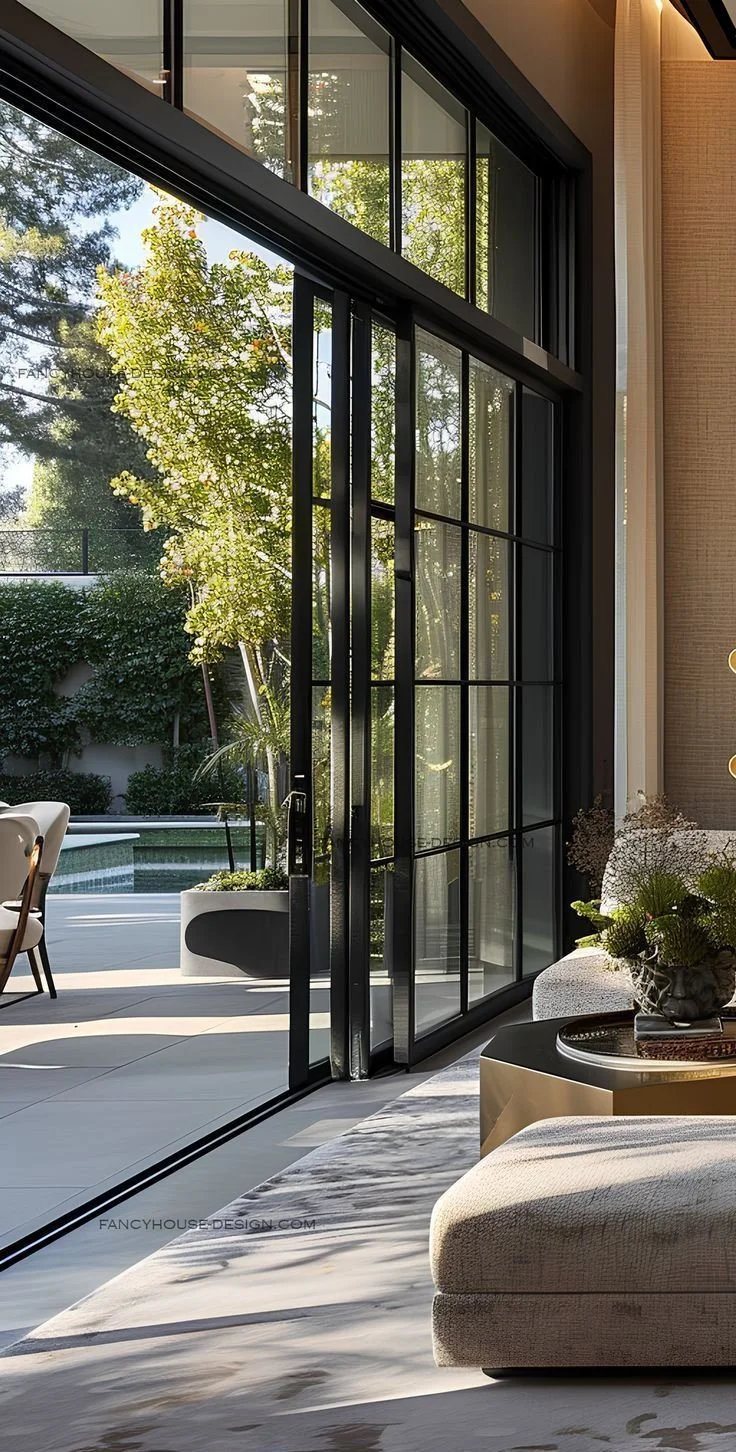
In this article, we will explore the key differences between fold-away patio doors and sliding doors, including how each system operates, how much opening you gain, what they require from your layout, and what to expect for comfort, efficiency, maintenance, and everyday living. By the end, you will have a clearer framework for choosing the option that fits your space and lifestyle rather than simply picking what looks best in a showroom.
No. 1
How Fold-Away Patio Doors Work
Fold-away patio doors, also known as bifold patio doors, are built from multiple glass panels that fold accordion-style and stack neatly to one side (or sometimes split to both sides). When fully open, the panels compress into a stacked bundle, creating a wide opening that can feel like an extension of your living room into the outdoor area.
This style is popular in homes where entertaining is a priority, because it creates an “open wall” effect that naturally encourages movement and conversation between the kitchen, dining area, and patio.
Best-use scenarios for fold-away doors
Frequent hosting, where guests move between indoors and outdoors
Open-plan living rooms that benefit from a wide, uninterrupted opening
Homes with a patio or deck that functions like an outdoor room
Households that want a “wow factor” for design and resale appeal
Spaces where ventilation matters, since you can open a much larger area
Practical considerations before choosing bifolds
Panels require stacking space on one side, which affects furniture placement
Larger openings may require structural planning, such as header support
The threshold and track system must be installed precisely for smooth operation
More moving parts means hardware quality matters significantly
No. 2
How Sliding Doors Work
Sliding doors operate on a track system, where one or more panels glide horizontally behind a fixed panel (or into a multi-panel configuration). They are familiar, widely available, and typically easier to integrate into existing layouts because they do not require swing clearance or stacking space.
Sliding doors are especially useful when interior or exterior space is tight. Because the panels move within the frame footprint, they work well in compact areas where you need to keep furniture close to the doorway.
Best-use scenarios for sliding doors
Narrow patios, small decks, or tight side-yard access points
Rooms where sofas, dining tables, or traffic paths sit close to the opening
Households that want simple operation for daily in-and-out use
Projects where a straightforward retrofit is preferred
Designs that prioritize large glass visibility even when the door is closed
Practical considerations before choosing sliders
Most configurations open only about half the total width (one panel remains fixed)
Tracks must be kept clean to prevent dragging or sticking
Roller quality affects long-term performance and ease of use
Airtightness depends heavily on correct installation and good seals
No. 3
Space, Layout, and Opening Size
The most noticeable difference between the two options is how much usable opening you get and how each system interacts with your floor plan.
Fold-away doors can open nearly the full width of the frame, which is ideal if your goal is a seamless indoor-outdoor transition. Sliding doors, by contrast, typically open to about half the frame width, since at least one panel stays in place to support the track and structure.
Questions to guide the right choice for your layout
Do you want a “full opening” for entertaining, or is standard access enough?
Will the stacked bifold panels interfere with where you want furniture to sit?
Is the outdoor area wide enough to justify a larger opening?
Do you need to move bulky items through the opening (bikes, prams, furniture)?
Would you benefit from having multiple partial opening positions?
Quick comparison: opening behaviour
Fold-away doors
Maximum opening area and strongest indoor-outdoor flow
Panels stack to one side (or split stack), affecting usable wall space
Sliding doors
Reliable everyday access with minimal layout disruption
Usually half-width opening, but consistent full-height glass visibility
No. 4
Style and Home Design Fit
Both door systems can look modern and refined, but they create different visual impressions and suit different architectural priorities.
Fold-away doors tend to complement homes with open layouts and modern entertaining zones. They can visually “erase the boundary” between inside and outside when open, which works particularly well when you have attractive landscaping or a well-designed patio.
Sliding doors have a clean, understated look that works in both older and newer homes. They are often the best match when you want something functional and timeless without changing the way the room is arranged.
Design factors worth weighing
Sightlines
Sliding doors often have fewer visual breaks when closed (depending on panel count)
Bifolds may have more vertical frame lines due to multiple panels
Hardware and frame style
Consider slim frames for maximum glass area
Choose finishes that match nearby windows, cabinetry, and exterior elements
Indoor-outdoor “moment”
Bifolds feel more dramatic and event-ready
Sliders feel efficient and calm for everyday use
No. 5
Energy Efficiency and Comfort
Both fold-away patio doors and sliding doors can be highly energy efficient when you choose quality glazing and ensure expert installation. Patio doors face direct sun, wind pressure, rain, and temperature shifts, so performance depends on more than the glass alone.
Fold-away systems have more panel joints, which means there are more sealing points that must align correctly. Sliding doors have fewer joints, but they rely heavily on track alignment and tight weatherstripping to prevent drafts.
What to look for in an energy-smart patio door
Double or triple glazing options suitable for your climate
Low-E coatings to reduce heat transfer and glare
Gas-filled insulated glass units where appropriate
Robust weather seals and compression gaskets
Thermally broken frames (often important in more extreme climates)
Proper flashing and water management at the sill and frame
A professional assessment from a trusted door installer can help you determine which option suits your home’s structure, exposure (wind and sun), and comfort requirements. It is also a practical way to learn whether your existing opening can support a larger multi-panel system or if a sliding configuration is the smarter, lower-risk upgrade.
No. 6
Ventilation, Light, and Daily Living
Although both styles bring in generous natural light, they behave differently in day-to-day use.
Sliding doors typically provide a consistent, large glass area at all times, even when closed. Fold-away doors can offer a similar light level when closed, but their greater strength is flexibility: you can partially open one panel for airflow or fold the whole system back when the weather is perfect.
Lifestyle considerations that matter more than people expect
Pets and children
Sliding doors can be simpler for quick supervision and frequent access
Bifolds can create a wider opening, but you may want added screening solutions
Hosting and entertaining
Bifolds create a natural serving and social flow
Sliders handle casual gatherings well, but feel more “separated”
Everyday convenience
Sliders are often the fastest for repeated short trips outside
Bifolds feel best when you plan to keep them open for longer periods
No. 7
Maintenance, Durability, and Long-Term Reliability
Maintenance should be part of the decision, because the most beautiful door system will become frustrating if it is hard to keep operating smoothly.
Sliding doors are generally straightforward to maintain. Keeping the track clean and occasionally checking the rollers is usually enough to preserve smooth movement. Fold-away doors have more hinges, pivot points, and alignment requirements, so they may demand a bit more attention over time, especially if the opening is large or exposed to the elements.
Maintenance checklist for sliding doors
Vacuum and wipe down the track regularly to prevent grit buildup
Inspect rollers if the panel starts to drag or feels uneven
Clean weatherstripping and check for wear at seasonal changes
Keep drainage channels clear to avoid water pooling in the track
Maintenance checklist for fold-away doors
Clean and inspect hinges and pivots periodically
Check that panels align correctly and latch smoothly
Keep top and bottom tracks clean (if your system uses both)
Confirm seals are intact along panel joints, especially after extreme weather
Lubricate hardware only with manufacturer-approved products
For busy households, sliding doors often feel simpler and more forgiving. For homeowners who value the widest possible opening and a stronger indoor-outdoor connection, fold-away doors can be worth the extra planning, provided the hardware and installation quality are excellent.
No. 8
Cost and Installation Complexity (What to Expect)
While exact pricing varies by materials, size, and labour, it is helpful to understand the typical cost logic.
Fold-away patio doors often cost more than sliding doors because they involve:
More panels and more hardware
Tighter tolerances for alignment
More complex installation and finishing requirements
Potential structural modifications for wider openings
Sliding doors are often more budget-friendly and can be easier to retrofit into an existing opening, especially when you are replacing an older slider with a newer one of similar dimensions.
Ways to keep costs under control without sacrificing quality
Choose the configuration that matches your actual use, not an idealized scenario
Invest in better hardware and glazing rather than extra panels you will rarely open
Ensure the installer includes proper water management details in the scope
Confirm warranty coverage on both the product and the installation workmanship
Takeaways
Fold-away patio doors deliver the most dramatic indoor-outdoor connection, because they can open nearly the full width of the frame. Sliding doors prioritize simple operation and space efficiency, making them a strong fit for compact layouts and everyday use.
Your best choice depends on how you live in the space, how often you want a wide opening, and what your floor plan can support. Pay close attention to furniture clearance, panel stacking space, and whether the outdoor area truly benefits from a larger opening.
Both styles can be energy efficient and comfortable with quality glazing and expert installation. If you want clarity on structure, sealing, and the best configuration for your home, consult a door installer to assess the opening, exposure, and long-term maintenance needs.
Looking for Home resources?
Looking to enhance your living space and create a sanctuary that supports your well-being? Explore our home partners who offer a wide range of resources to elevate your home environment.