Why You Shouldn't Accept Clutter In Your Home
Many people live with clutter because it feels normal, especially when life is busy, and you do not have time to “do a full clean.” Over time, though, clutter stops being a harmless inconvenience and starts shaping how you think, how you spend money, and how you use your home. It can quietly create friction in your day: you avoid certain rooms, postpone tasks, and feel like you are always catching up.
In this article, we will explore the most practical, real-world reasons clutter can negatively affect your productivity, finances, focus, and comfort. You will also get simple, repeatable strategies for reducing clutter without turning your life upside down, so your home supports you instead of draining you.
No. 1
It Stops You From Getting Things Done
Clutter is not just “stuff.” It is a barrier between intention and action. When key surfaces are covered, tools are buried, or rooms feel chaotic, even small tasks become harder to start, and unfinished chores stack up faster.
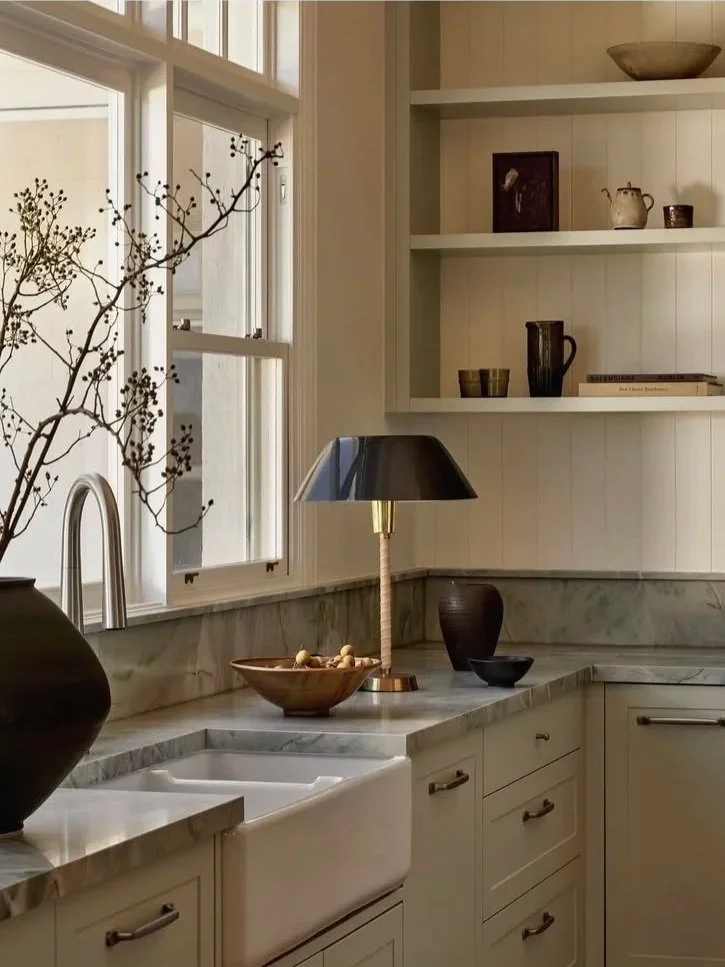
A messy kitchen is a perfect example. If the sink is full, the counters are crowded, and it has not been cleaned in a while, cooking becomes a two-step project: clean first, then cook. When you are tired, stressed, or short on time, that extra step often pushes you toward the easier option, like ordering takeout.
Common ways clutter blocks everyday tasks
You avoid cooking because the kitchen feels overwhelming
You delay laundry because clean and dirty piles have mixed together
You postpone home projects because you cannot find tools or a clear surface
You skip workouts because your space is not usable or inviting
A simple “task-ready” reset you can use
If you feel stuck, aim for a quick reset that makes action possible again:
Clear one functional surface, such as the kitchen counter or dining table
Put away items that do not belong in that room
Wash or load only enough dishes to free the sink and one prep area
Set a 10-minute timer and stop when it ends
This approach works because it reduces the starting friction. You are not trying to perfect the room; you are making it usable.
No. 2
It Wastes Your Time
A cluttered home is expensive in the one currency you cannot replace: time. The more items you have without a clear “home,” the more minutes you lose searching, sorting, shifting piles, and re-checking places you already looked.
Most people do not notice this time loss because it shows up in small fragments. Five minutes looking for keys, seven minutes for a charger, ten minutes for a document, and suddenly you have lost an hour of your week with nothing to show for it.
Where clutter steals time most often
Entryways where shoes, bags, and keys accumulate
Kitchens with overcrowded drawers and “junk” cabinets
Bedrooms where clothes build up on chairs or floors
Home offices where papers, mail, and cords gather
Quick wins that save time immediately
Create a key and wallet landing spot near the door
Store chargers in one labeled basket or drawer
Use a simple file system for documents you actually need
Reduce duplicates so you are not sorting through five versions of the same item
A practical rule for frequently used items
If you use it daily, it should be reachable in 10 seconds
If you use it weekly, it should be reachable in 60 seconds
If you use it rarely, it should be stored out of your prime living zones
This is not about perfection; it is about designing your storage around real behavior.
No. 3
It Costs You Money
Clutter tends to create two money problems at once. First, you forget what you already own and buy duplicates. Second, you cannot easily see what you have, so items expire, go unused, or get replaced prematurely.
This is especially common in spaces you do not visit often, such as the attic, garage, shed, or storage closet. If those areas are full of unlabeled bins and mixed piles, you lose the ability to “shop your own home” before heading to the store.
How clutter leads to unnecessary spending
Duplicate purchases of tools, batteries, chargers, and household supplies
Re-buying clothing because favorite items are buried or misplaced
Food waste because pantry items expire unseen
Replacing damaged items that were stored improperly under heavy piles
Small systems that protect your budget
Keep a simple inventory list for high-duplicate categories (batteries, light bulbs, basic tools)
Group similar items together so you can see what you have
Use clear bins or labels for storage areas you rarely open
Set a reminder twice a year to review garage or closet storage
A decision filter before you buy
When you feel the urge to purchase something “just in case,” ask:
Do I already own a version of this?
Where will it live in my home?
Will I still want it in 90 days?
If you cannot answer the “where will it live” question, it often becomes future clutter.
No. 4
It Affects Your Focus
Clutter competes for attention, even when you are not consciously thinking about it. Visual noise creates mental noise. When your surroundings look unfinished, your brain quietly tracks it as “open loops,” which makes it harder to settle into deep concentration or relaxation.
This is why clutter can feel exhausting. You might sit down to read a book, work on a project, or watch a movie, but part of your mind keeps returning to the mess in your peripheral vision.
Signs clutter is hurting your concentration
You feel restless at home and struggle to fully relax
You procrastinate on tasks you normally handle easily
You get distracted moving items from place to place
You avoid inviting people over because you feel embarrassed
Create focus zones with minimal effort
You do not need a perfectly tidy home to think clearly. You need one or two clutter-controlled zones that support your main priorities.
Try setting up:
A clear table or desk area for focused work
A living room corner that stays “guest-ready”
A calm bedtime zone where floors and surfaces are mostly clear
A 15-minute daily routine that improves focus
Put away visible items that do not belong in the room
Clear one surface completely
Reset cushions, blankets, and lighting
Toss obvious trash and collect dishes
This small routine is often enough to lower stress and make your home feel more intentional.
No. 5
It Reduces Your Living Space
Clutter not only takes up physical space; it reduces usable space. Rooms become harder to move through, furniture becomes less functional, and areas stop serving their purpose.
When clutter builds up, even larger homes can feel cramped. A well-organized one-bedroom apartment can feel more comfortable than a cluttered three-bedroom house because the space is actually usable.
How clutter shrinks your home in practice
You lose countertop space, so the kitchen becomes less functional
You lose floor space, so rooms feel tighter and darker
Closets stop being storage and become “stuff piles with doors”
Guest rooms become storage rooms, limiting flexibility
Restore space without a massive purge
If the idea of decluttering everything feels overwhelming, focus on reclaiming space in the highest-impact areas:
Clear walkways first, so that movement feels easier immediately
Create breathing room around doorways and entrances
Remove items stored on floors whenever possible
Aim for fewer, more functional surfaces rather than more storage furniture
A room-by-room starting plan
Kitchen: clear one counter and one drawer
Bedroom: clear the floor and one nightstand
Living room: remove items that do not belong there
Bathroom: discard empty products and duplicates
Entryway: set up a basket or hooks for daily essentials
Each step makes the next one easier, because a functional room gives you momentum.
No. 6
What You Can Do About It Without Getting Overwhelmed
Many people avoid decluttering because they think it requires a weekend-long, emotionally exhausting project. In reality, the most sustainable strategy is to reduce clutter in small, repeated sessions and build simple rules that prevent it from returning.
The “keep, donate, trash” method (with a twist)
Use three bags or boxes:
Keep: items you use, love, or truly need
Donate: items in good condition that you no longer use
Trash/recycle: broken, expired, or unusable items
The twist is to add one more category:
Unsure: place items here if you cannot decide in the moment, then revisit later with a time limit
Maintenance rules that keep clutter from coming back
One in, one out for clothing and small household items
Do a 5-minute reset before bed
Do not store items “temporarily” without a clear end date
Keep donation-ready bags in a closet so you can add to them anytime
When outside storage makes sense
Sometimes you are not ready to part with certain items, but you do not need them in your daily living space. In those cases, using a storage unit can be a practical short-term bridge, especially during moves, renovations, or family transitions. The key is to store intentionally, label clearly, and set a calendar reminder to reassess, so storage does not become a permanent decision you never revisit.
Takeaways
Clutter is more than an aesthetic issue; it can block productivity by making everyday tasks harder to start and easier to avoid. Reclaiming even one task-ready surface can reduce friction and help you follow through on routines like cooking, cleaning, or working from home.
A cluttered home also costs you time and money through constant searching, duplicate purchases, and wasted supplies. Simple systems like designated “homes” for essentials, basic labeling, and grouping similar items can deliver immediate, noticeable relief.
You do not need a dramatic purge to see results; consistent small resets and room-by-room progress are often more sustainable. When you notice clutter affecting more than one area of life, it is a strong signal to start with one small zone and build from there.
Looking for Home resources?
Looking to enhance your living space and create a sanctuary that supports your well-being? Explore our home partners who offer a wide range of resources to elevate your home environment.