What To Do If You Rip Up Your Floors Only To Find Asbestos
If you start ripping up old flooring without prior asbestos removal in Toronto and discover materials that may contain asbestos, stop work immediately and do not continue pulling, scraping, sanding, or sweeping the area. Older homes and buildings may contain asbestos in flooring products, adhesives, underlayment, or leveling compounds, and disturbing these layers can release fibres into the air.
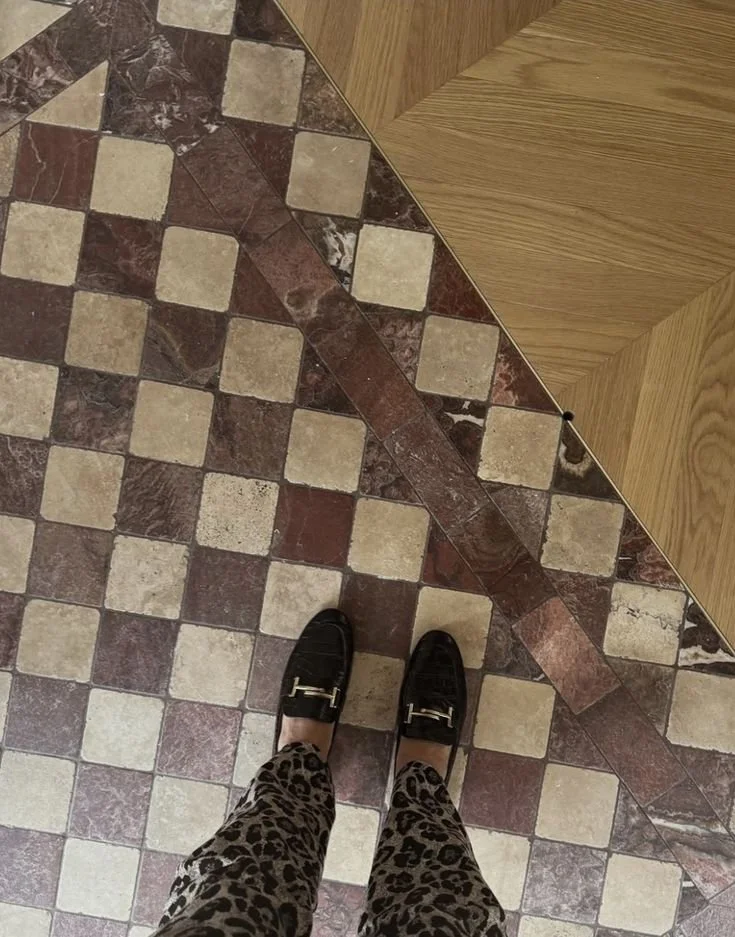
Discovering suspected asbestos after you have already started removing flooring is a situation that demands calm, immediate action. The right response is not to rush and “finish demo,” but to pause the work and shift to a safety-first plan that protects everyone in the property. Before you continue with renovations, contact a professional, certified team for asbestos abatement and ask for a proper inspection, testing, and guidance on asbestos removal costs so you know what steps are required to safely move forward.
In this article, we will explore what to do if you rip up your floors and then find materials that may contain asbestos, including how to stop work safely, how to isolate the area, how professional testing works, and what drives asbestos removal costs. You will also learn why do-it-yourself removal is rarely worth the risk and what steps to take before you restart renovations.
No. 1
Stop the renovation immediately and avoid further disturbance
The moment you suspect asbestos, treat the area as contaminated until proven otherwise and line up a certified specialist, such as asbestos removal Epping, to assess it. The primary goal is to prevent additional fibres from becoming airborne, which can happen quickly when materials are scraped, snapped, sanded, or dry-swept.
Actions to stop right away
Stop any task that can break materials into dust or debris, including:
Pulling up additional tiles or sheets
Scraping adhesive, mastic, or levelling compound
Sanding subflooring or using abrasive pads
Cutting flooring materials with saws or oscillating tools
Sweeping, dry mopping, or using compressed air
What to do in the first 10 minutes
If you have already exposed layers you did not expect, prioritize containment:
Put down tools and leave materials where they are
Ask everyone to leave the area calmly, including pets
Close doors to the room and block access if possible
Avoid tracking debris through the house on shoes or clothing
If the area is open-plan, create a temporary boundary and restrict movement nearby
A key point: do not attempt to “clean up quickly.” Cleanup is where many exposures occur, especially when people use the wrong vacuum or start bagging dusty debris without containment controls.
No. 2
Do not vacuum, sweep, or use a shop vac
Standard household vacuums and shop vacs are not designed to capture asbestos fibres. Instead, they can take fine particles and redistribute them into the air or exhaust them through the machine, contaminating the space further.
Cleaning methods to avoid
To reduce spread, do not use:
Household vacuums, shop vacuums, or non-HEPA units
Brooms, dustpans, or dry microfiber mops
Fans, air movers, or portable blowers
HVAC systems set to circulate air through the work zone
Safe “hold position” approach
Until professionals assess the area, the best approach is minimal interference:
Leave debris in place
Keep the room closed and unused
Avoid opening windows if it could increase air movement through the home
Wait for professional guidance before any cleanup is attempted
No. 3
Do not guess based on appearance or age alone
Asbestos cannot be confirmed visually. Many materials that look suspicious are asbestos-free, and many asbestos-containing materials look ordinary. The only reliable way to confirm asbestos is with proper sampling and laboratory analysis.
Flooring layers that commonly raise concern
If your building is older and you uncover any of the following, proceed cautiously:
Vinyl floor tiles
Sheet flooring backing
Linoleum backing
Black flooring adhesive or mastic
Older underlayment materials
Flooring levelling compounds
Some older cement or patching products
Even if only one layer contains asbestos, disturbing it during removal can affect adjacent dust and debris. That is why testing should happen before you continue demolition.
No. 4
Isolate the area and limit exposure
If flooring is already partially removed, you may worry that the damage is “done.” While you cannot reverse the disturbance, you can prevent the situation from getting worse by controlling access and reducing movement.
Practical isolation steps you can take
Without attempting DIY cleanup, you can still reduce risk by:
Closing doors and sealing gaps with tape if available
Turning off forced-air heating or cooling that pulls air from the area
Keeping children, pets, and unnecessary foot traffic away
Removing clothing carefully if you were working in the space, and placing it in a bag until you can wash it separately
What not to do during isolation
Avoid steps that create more airflow or dust:
Do not run fans to “air out” the room
Do not carry rubble through the house uncovered
Do not shake dusty clothing or drop cloths indoors
No. 5
Book professional inspection and testing before continuing
If you uncover possible asbestos while removing old Toronto flooring, stop immediately—do not pull, scrape, sand, or sweep. Older flooring, adhesives, and underlayments may contain asbestos; disturbing them can release fibres. Before continuing renovations, hire a certified asbestos-abatement team for inspection, testing, and cost guidance so you can proceed safely.
A certified asbestos inspection typically involves controlled sample collection and documentation, followed by laboratory testing. Professionals also assess the condition of the material and whether the disturbance has likely spread debris beyond the immediate footprint of the flooring removal.
What to expect from a professional assessment
A reputable team will typically:
Review the age and renovation history of the property
Identify which layers may contain asbestos (tile, sheet backing, adhesive, underlayment)
Collect samples using procedures that reduce fibre release
Explain the lab process and typical timelines for results
Outline next steps based on risk level and material condition
Why testing matters even if you “already removed some”
Testing provides clarity on the safest path forward. Depending on what is found, professionals may recommend:
Full removal (abatement) of asbestos-containing layers
Encapsulation (sealing) if materials are intact and can remain undisturbed
Localized removal plus cleaning of affected adjacent areas
Clearance testing before reoccupancy or renovation restart
No. 6
Understand what drives asbestos removal costs
Asbestos removal costs vary widely because removal is not “one-size-fits-all.” Flooring projects can be straightforward if the material is intact and limited to one area, but costs increase when damage is extensive, the footprint is larger, or contamination spreads.
Key factors that influence asbestos removal costs
Pricing commonly depends on:
Size of the affected area
Type of asbestos-containing flooring material
Whether the material is intact or damaged
Amount of debris already disturbed
Level of containment required
Air filtration and negative pressure needs
Disposal requirements
Post-removal clearance or air testing
Cost-related choices that affect the scope of work
Certain conditions can expand the project scope, such as:
Adhesive bonded aggressively to subflooring, requiring careful removal
Multiple layers (tile over tile, sheet goods over underlayment)
Open-concept layouts where dust could travel farther
Demolition that exposed subfloor voids or cracked brittle materials into smaller fragments
Because every site is different, avoid relying on generic online estimates. A professional assessment is the most reliable way to understand what work is required and what can safely remain in place.
No. 7
Why DIY asbestos removal is not worth the risk
DIY removal can appear cheaper, but the financial and health risks compound quickly if fibres spread. Once asbestos dust contaminates adjacent rooms, soft furnishings, or HVAC pathways, remediation can become more complex than the original flooring removal.
Common DIY mistakes that increase contamination
Homeowners often worsen exposure by:
Breaking tiles into smaller pieces for easier disposal
Using a shop vac to “clean dust” from the subfloor
Bagging debris in thin garbage bags that tear
Carrying materials through common areas without containment
Continuing work to “get to a clean layer,” which disturbs more surfaces
What certified professionals do differently
Professional asbestos removal in Toronto is handled with containment, protective equipment, proper disposal methods, and safety procedures designed to reduce exposure. Certified teams generally use practices such as:
Controlled containment zones to isolate the work area
Specialized filtration and negative air setups where required
PPE protocols to reduce worker exposure and prevent tracking fibres elsewhere
Regulated handling and disposal procedures
Cleanup processes designed specifically for hazardous particulates
No. 8
What to do after asbestos removal is complete
After removal, the next priority is confirming the area is safe to re-enter and ready for renovations. Depending on the scope of work and local requirements, you may be advised to complete clearance testing or a final inspection.
Post-removal steps before installing new flooring
Before you resume renovation work, plan for:
A final inspection of the subfloor condition
Clearance testing or air testing, if recommended
Documentation of the removal for your records (useful for resale and future renovations)
Moisture testing or levelling work if the subfloor was affected during removal
Consider testing other materials before the next demolition phase
If your renovation includes additional tear-outs, it may be wise to test other suspect materials before disturbing them, including:
Ceiling tiles
Drywall compound or joint compound
Insulation
Pipe wrap
Textured finishes
No. 9
Protect your project timeline with a renovation restart plan
Finding suspected asbestos can delay a renovation, but a structured plan helps you regain control quickly. The best outcomes come from treating the discovery as a checkpoint rather than a disaster.
A simple restart checklist
Once testing and, if needed, abatement are complete, proceed with:
Confirming clearance requirements with your contractor
Scheduling flooring installation only after the site is verified as safe
Ensuring trades understand which areas are cleared and which are off-limits
Reviewing disposal and compliance documentation for your records
How to prevent a repeat scenario in other rooms
Before you begin any new tear-out in an older building:
Assume hidden layers may exist until proven otherwise
Schedule sampling before demolition begins
Build a contingency buffer into the budget and timeline
Use contractors familiar with older building materials and safe work sequencing
Takeaways
Finding suspected asbestos under old floors is not uncommon in older properties, but the correct response is to stop work immediately and avoid further disturbance. Limiting access, avoiding sweeping or vacuuming, and preventing dust from spreading can significantly reduce risk.
Do not rely on appearance to confirm asbestos, because only professional testing can provide a reliable answer. After an assessment, a certified team can recommend the appropriate approach, explain asbestos removal costs, and complete work using compliant containment and disposal procedures.
Once removal is complete, clearance steps and a structured restart plan help you return to floor renovations safely and confidently. If you are renovating an older home, proactive testing in other areas can prevent future surprises and protect your timeline and budget.
Looking for Home resources?
Looking to enhance your living space and create a sanctuary that supports your well-being? Explore our home partners who offer a wide range of resources to elevate your home environment.