Renovation Ideas That Help Maximize Space In Any Home
Homes in Cincinnati often reflect decades of layout trends that no longer align with how people live today. Floor plans can feel chopped up, storage disappears quickly, and awkward corners become permanent clutter zones because nothing fits them well. The encouraging reality is that you can often reclaim meaningful space without adding a single square foot to your home’s footprint.

In this article, we will explore renovation ideas that maximize space in any home by improving flow, upgrading storage, and putting overlooked areas to work. These strategies focus on practical layout changes, built-in solutions, and design choices that make rooms function better and feel larger every day.
No. 1
Rework the kitchen for better flow and storage
The kitchen carries more daily activity than almost any other space, and when it is poorly planned, the whole home can feel tighter. Narrow aisles, dead-end counter runs, and hard-to-reach cabinets create friction that reads as “cramped,” even when the square footage is reasonable.
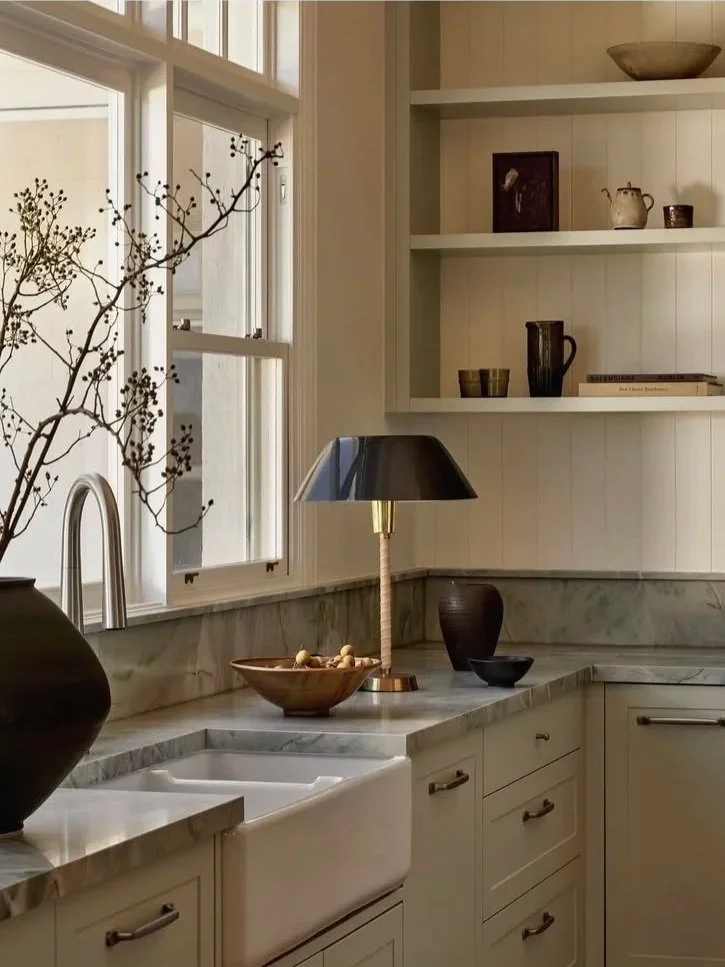
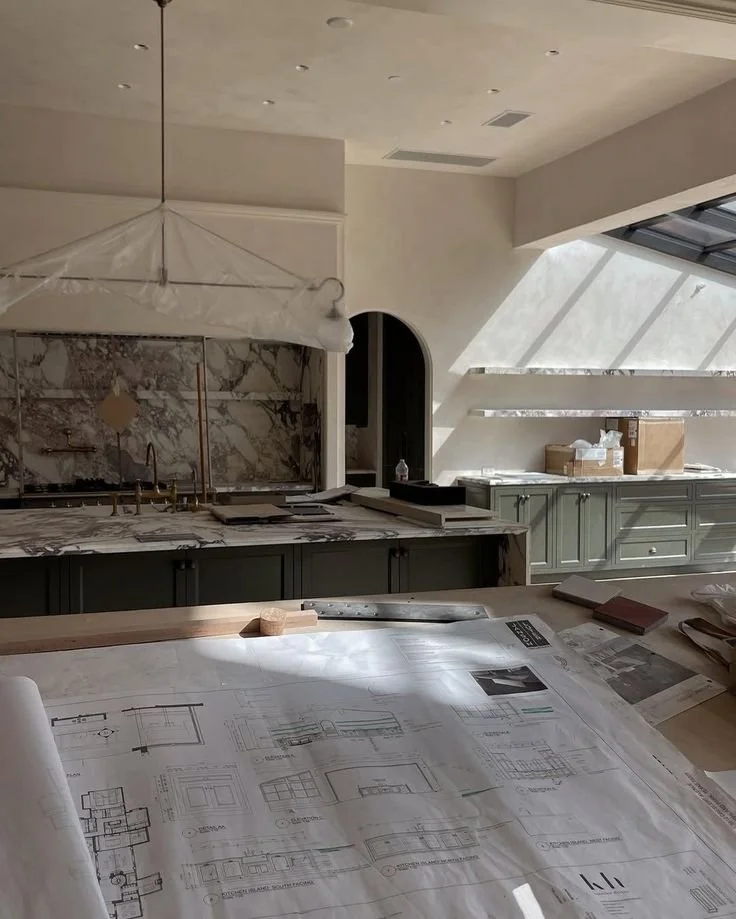
A skilled Cincinnati kitchen remodeling contractor can redraw the layout, remove walls that no longer serve a purpose, and build cabinetry around how your household actually cooks and gathers. The most effective remodels improve circulation first, then build storage systems that prevent counters from becoming permanent catch-alls.
Layout upgrades that instantly recover usable space
Consider changes that eliminate pinch points and improve movement:
Replace a peninsula that blocks traffic with an island that allows walk-around access
Widen primary walkways so two people can pass without stopping
Relocate appliances to create a functional work triangle or work zones
Extend cabinetry to the ceiling to eliminate wasted space above uppers
Build a pantry wall with pull-outs instead of scattered small cabinets
Storage features that reduce clutter at the source
Smart storage keeps the room feeling open because fewer items live on visible surfaces:
Deep drawer bases for pots, pans, and small appliances
Pull out trash and recycling to remove bulky bins from sight
Vertical tray dividers for cutting boards and baking sheets
Corner solutions, such as swing-out shelves or angled drawers
Appliance garages to keep counters visually clean
No. 2
Rethink bedrooms to support calm and function
Bedrooms accumulate clutter quietly, and once storage overflows, the room loses its sense of rest. The goal is not just adding more storage, but integrating it so the floor stays open and furniture does not dominate the room.
Built-ins and tailored storage tend to outperform freestanding pieces because they use every inch efficiently, including height and awkward wall spans.
Built-in solutions that free up floor space
Target the “horizontal sprawl” that makes bedrooms feel smaller:
Wall-to-wall wardrobes with sliding doors instead of swinging doors
A platform bed with drawers built into the frame
A window seat with hidden storage underneath
Floating nightstands or wall-mounted shelves in place of bulky tables
Headboards with integrated shelving to reduce furniture count
Closet improvements that make small spaces feel bigger
A closet that is organized well reduces the need for dressers and overflow storage:
Double-hang sections for shirts and pants
Shelf dividers to prevent stacked items from toppling
Pull-out baskets for accessories and athletic wear
Door-mounted organizers for shoes or small items
Integrated lighting so the closet is fully usable, not a dark cave
No. 3
Make bathrooms feel larger without expanding them
Bathrooms are often the smallest rooms in the house, which makes each design choice carry extra weight. In compact baths, the most valuable upgrades are the ones that reduce visual clutter, improve circulation, and create storage that does not intrude into the room.
Space-saving fixture and layout upgrades
Small changes can make a room more functional:
Wall-hung vanities that expose more floor area and improve sightlines
Frameless glass shower enclosures to keep the room visually open
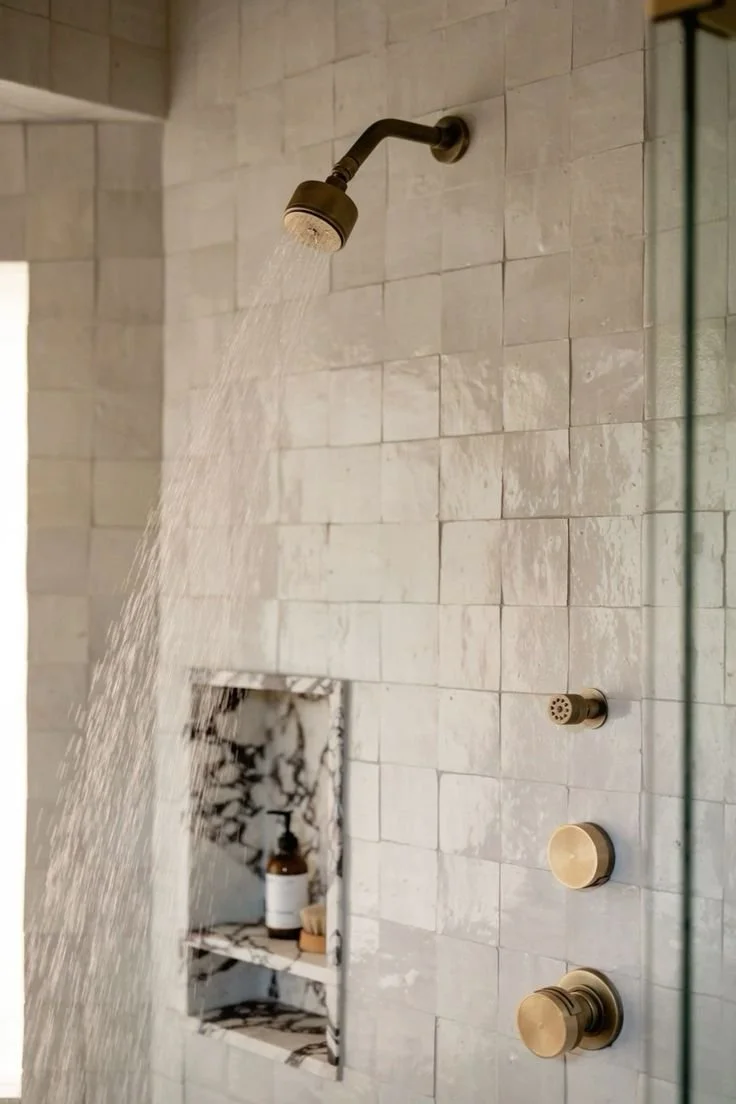
Recessed shower niches to eliminate hanging caddies
Pocket doors instead of swinging doors to reclaim clearance space
Compact toilets or wall-mounted toilets, where plumbing allows
Storage and lighting moves that amplify openness
A bright, organized bathroom always feels larger than a dim, cluttered one:
Mirrored medicine cabinets with integrated shelving
Sconces or improved overhead lighting to reduce shadows
Open shelving for towels only if you can keep it tidy
Light-colored tile and paint to reflect more illumination
A larger mirror to bounce light deeper into the room
No. 4
Put vertical space to work in every room
Many homes have unused cubic space because storage stops at eye level. Renovations that extend rooms upward help rooms function better while keeping the footprint unchanged.
Vertical solutions are especially powerful in older homes with higher ceilings, but they work in any home when designed thoughtfully.
High-impact ways to use height effectively
Add storage that feels intentional, not like an afterthought:
Full-height built-ins that reach the ceiling
High wall hooks in mudrooms and entryways for seasonal items
Tall pantry cabinets or broom closets instead of short utility cupboards
Overhead racks in garages for bins and seasonal decorations
Wall-mounted shelving above doorways in laundry rooms or hallways
Tips for keeping vertical storage practical
The best vertical storage still needs to be accessible:
Reserve upper shelves for seasonal or rarely used items
Use labeled bins so you do not “lose” items up high
Add a slim step stool that stores neatly in a closet or pantry
Include integrated lighting where upper storage is deep
No. 5
Create multi-use rooms that adapt throughout the day
In smaller or older homes, single-purpose rooms can limit how efficiently you live. A room that serves two or three functions reduces pressure on the rest of the home and makes the entire layout feel more expansive.
The key is flexibility that does not require constant setup and takedown.
Renovation-friendly multi-use concepts
These approaches work well in real households, not just in photos:
Guest room plus home office with a Murphy bed or daybed
A dining area that converts to a work zone with a built-in banquette
Living room with hidden storage seating and flexible lighting zones
Basement or bonus room with built-in cabinets for hobbies and overflow storage
Furniture and built-ins that make flexibility effortless
Choose pieces designed for fast transitions:
Wall-mounted folding desks that close flat
Ottomans with internal storage for blankets and games
Nesting tables that expand and collapse as needed
Mobile islands or carts for kitchens that need occasional extra prep space
Built-in benches with lift-top compartments
No. 6
Turn hallways and transitions into usable space
Hallways typically get treated as dead space, but they often contain long walls and unused width that can support storage or functionality. When transitions “earn their keep,” you effectively expand your home without moving any exterior walls.
Smart ways to upgrade hallways and landings
Look for narrow, shallow options that keep circulation clear:
Slim shelving for books or display items
Picture ledges that add personality without taking away depth
Built-in bench seating at the end of a corridor
A small desk on a stair landing for a compact work nook
Under-stair conversions that add real square footage
The space beneath stairs is often one of the most valuable hidden zones in a home:
Pull-out drawers for shoes and coats
A compact powder room where plumbing allows
Closed cabinetry for cleaning tools and bulky items
A tucked-away home office with a built-in desk
No. 7
Use light and finishes to make rooms feel bigger
Space is not only about measurements; it is also about perception. Light, color, and reflectivity influence how open a room feels, and these upgrades often cost less than structural changes.
Renovation moves that increase light and visual depth
Options vary based on budget and the home’s structure:
Larger windows or additional windows where feasible
Skylights to pull daylight into central areas
Interior glass panels to share light between rooms
Wider doorways to extend sightlines and reduce “boxed-in” feelings
Finish choices that amplify brightness
Small finish decisions compound across a whole home:
Pale wall colors that reflect more light
Consistent flooring to reduce visual breaks between areas
Reflective surfaces, such as glossy tile or polished stone, used in moderation
Strategically placed mirrors opposite windows to double perceived light
No. 8
Extend living space outdoors with purposeful design
Outdoor spaces can function like bonus rooms for much of the year. A deck, patio, or screened porch can absorb gatherings and daily living, making indoor rooms feel less crowded.
The difference between an unused patio and a true outdoor living room is planning for comfort and storage.
Outdoor upgrades that increase usable “living” space
Design features that support real use:
Built-in seating to reduce the need for bulky furniture
Weatherproof storage benches for cushions and outdoor items
Shade structures, such as pergolas or umbrellas, for daytime comfort
Exterior lighting that supports evenings and entertaining
Outdoor power outlets for speakers, laptops, or cooking appliances
No. 9
Build storage that disappears into the architecture
The best storage is not always the biggest; it is the least visually disruptive. When storage blends into walls, stairs, and built-ins, rooms feel calmer, cleaner, and more spacious.
High-value hidden storage ideas
These details add capacity without adding visual clutter:
Toe-kick drawers beneath cabinetry for flat items
Benches with flip-top lids for entryways and dining nooks
Built-in shelving recessed between studs where possible
Stair treads that lift or stair-side drawers for compact storage
Trim panels that conceal shallow compartments
How to keep “invisible storage” from becoming junk storage
Hidden storage should still be intentional:
Assign each hidden zone a specific category, such as linens or seasonal items
Use bins or dividers so items do not become a mixed pile
Review contents every few months to prevent overflow
Takeaways
A home that feels larger usually results from multiple targeted improvements rather than one dramatic renovation. When you refine flow, reduce bottlenecks, and upgrade storage, the same footprint starts working harder and feeling more open.
Prioritize high-impact zones such as kitchens, bedrooms, bathrooms, and hallways, where layout and storage decisions create daily friction. Use vertical space, built-ins, and multi-use rooms to eliminate clutter and reclaim areas that are currently underused.
Light, finishes, and outdoor living spaces also shape how spacious your home feels in everyday life. With a thoughtful plan, you can maximize space while preserving the character of your home and avoiding unnecessary additions.
Looking for Home resources?
Looking to enhance your living space and create a sanctuary that supports your well-being? Explore our home partners who offer a wide range of resources to elevate your home environment.