Create A Home Sanctuary For Mindful Living Daily
Many people juggle demanding jobs, constant notifications, and packed schedules that leave little room to properly switch off. Stress and wellbeing have become increasingly visible, with Mental Health UK's 2026 Burnout Report finding that 91% of adults experienced high or extreme levels of pressure in the previous year.

Against this backdrop, your home environment deserves more attention than it typically gets. In this article, we will explore practical, design-led ways to shape your home into a sanctuary for mindful living, so it supports calmer routines, clearer thinking, and more consistent rest without requiring a full-scale renovation.
No. 1
Why Happy Living Starts at Home
Your environment influences your mood, attention, and energy levels more than you may realise. A mindful home is not about perfection or strict minimalism; it is about creating conditions that reduce friction in daily life and make it easier to feel present.
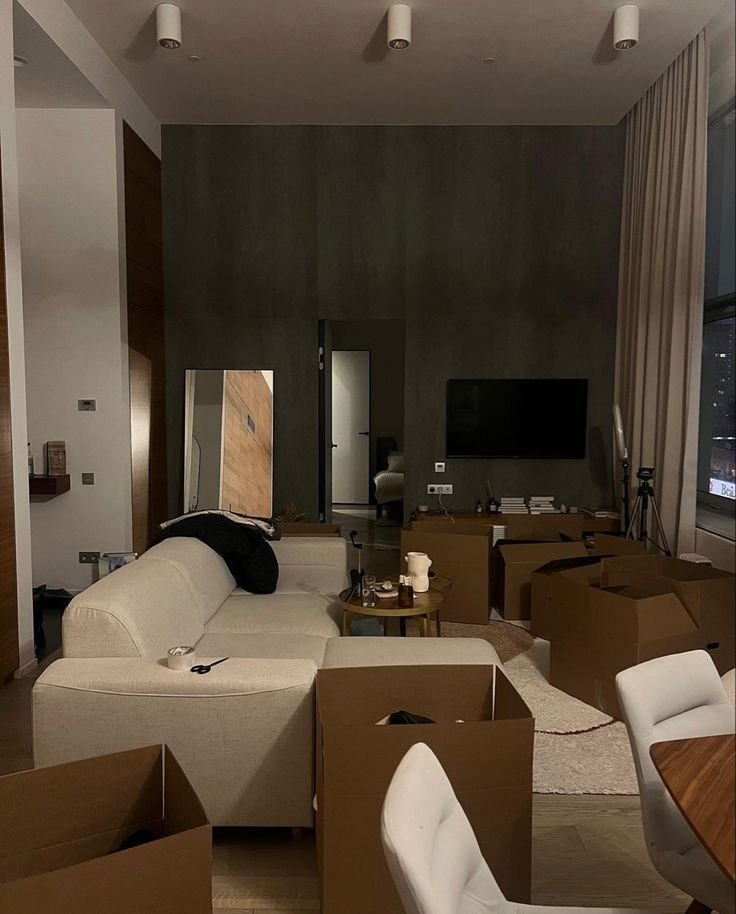
Rather than attempting a complete redesign, start by noticing how you actually use each room. Many homes unintentionally blend activities that pull your brain in competing directions, such as working where you eat, sleeping near unresolved clutter, or relaxing in spaces dominated by unfinished tasks.
How to “Read” a Room Like a Mindfulness Tool
Observe what the room encourages you to do the moment you enter it
Identify items that trigger stress, such as visible work piles or unopened post
Notice if the space supports a single purpose or forces constant switching
Pay attention to sensory cues such as glare, noise, drafts, or stale air
Simple Boundaries That Help the Brain Shift Gears
If your dining table doubles as a workspace, introduce a small ritual that marks the end of the working day. Store laptops, chargers, and paperwork out of sight once you have finished, even if that means using a simple storage box or dedicated drawer.
Try these low-effort boundaries:
A “closing routine” at the end of the day: clear the surface, wipe it down, reset chairs
A dedicated container for work items that can be put away in under two minutes
A screen-free zone (even a single chair) for reading, breathing exercises, or journaling
A consistent scent cue, such as lighting a candle only after work ends
No. 2
Bringing Nature In
People often feel calmer outdoors because nature engages the senses without overwhelming them. Natural environments provide soft fascination: enough interest to hold attention gently, but not so much stimulation that it keeps your nervous system on high alert.
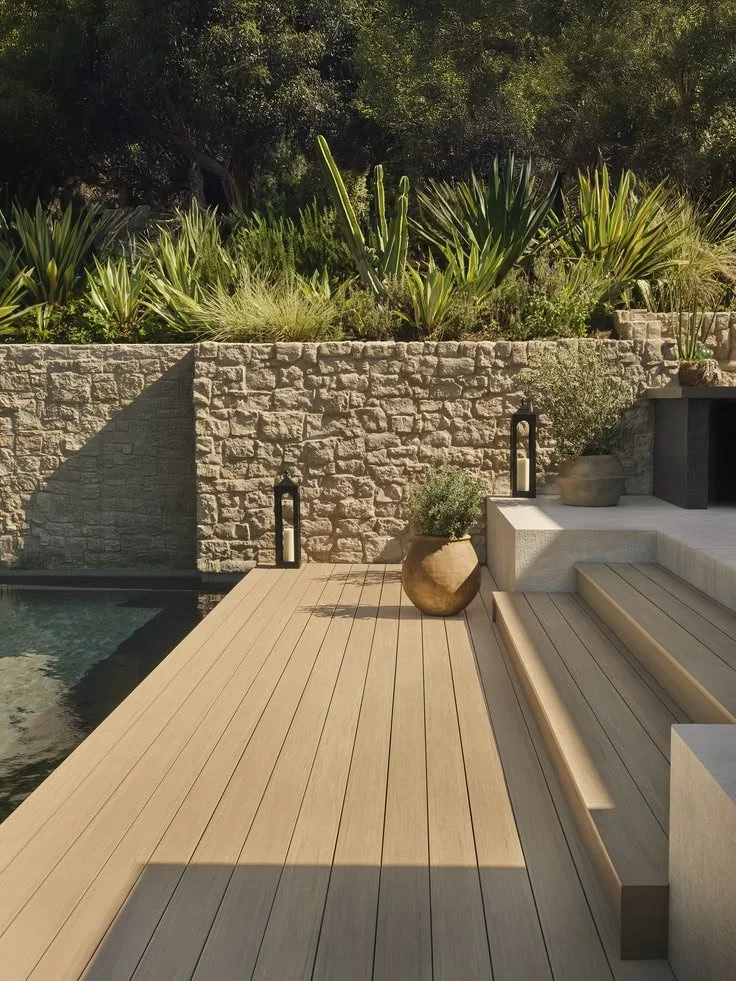
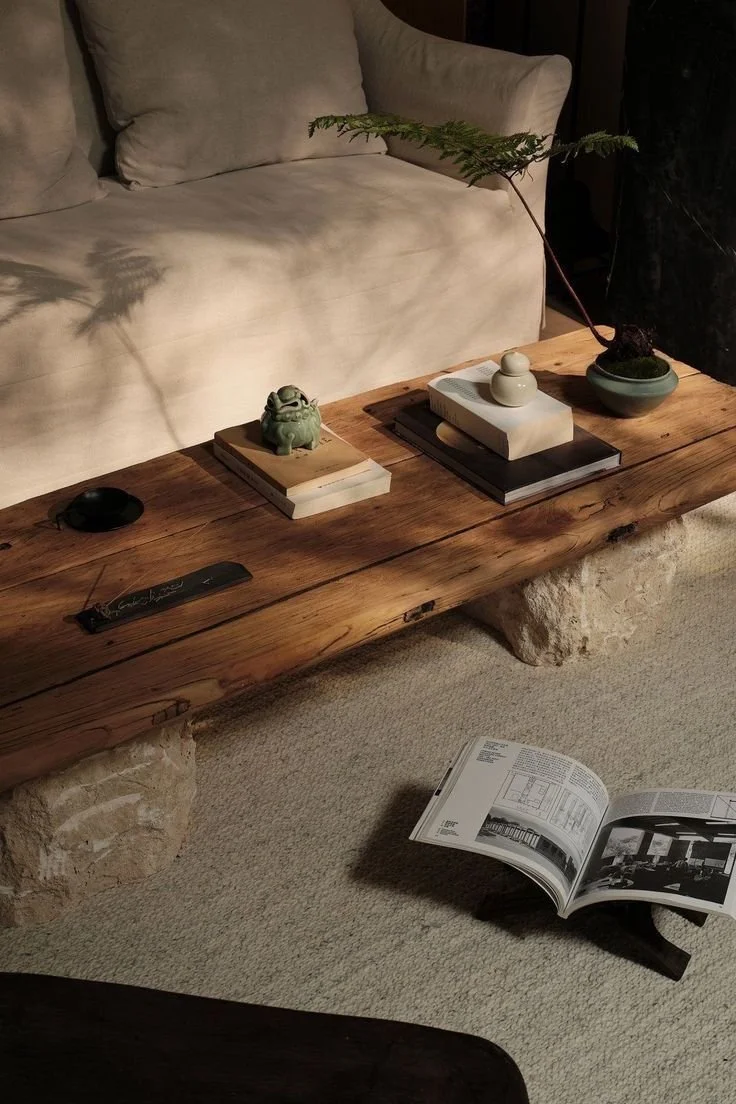
You can recreate some of that effect indoors through greenery, organic textures, and nature-inspired colour palettes. Even small changes can have an outsized impact when they are placed where you will repeatedly notice them, such as near a sofa, beside your bed, or in the kitchen where you begin your day.
Low-Maintenance Plants That Support a Calmer Home
Snake plants and peace lilies require relatively little maintenance and are well-suited to many indoor conditions. Herbs like rosemary or mint add both greenery and fragrance, which can make routine moments like cooking or making tea feel more grounding.
Consider these options based on lifestyle:
For low effort: snake plant, ZZ plant, pothos
For fragrance: rosemary, mint, lavender (if you have enough light)
For visual softness: ferns, spider plant, trailing ivy
For small spaces: succulents, compact herbs, mini peace lilies
Natural Materials That Instantly Warm Up a Space
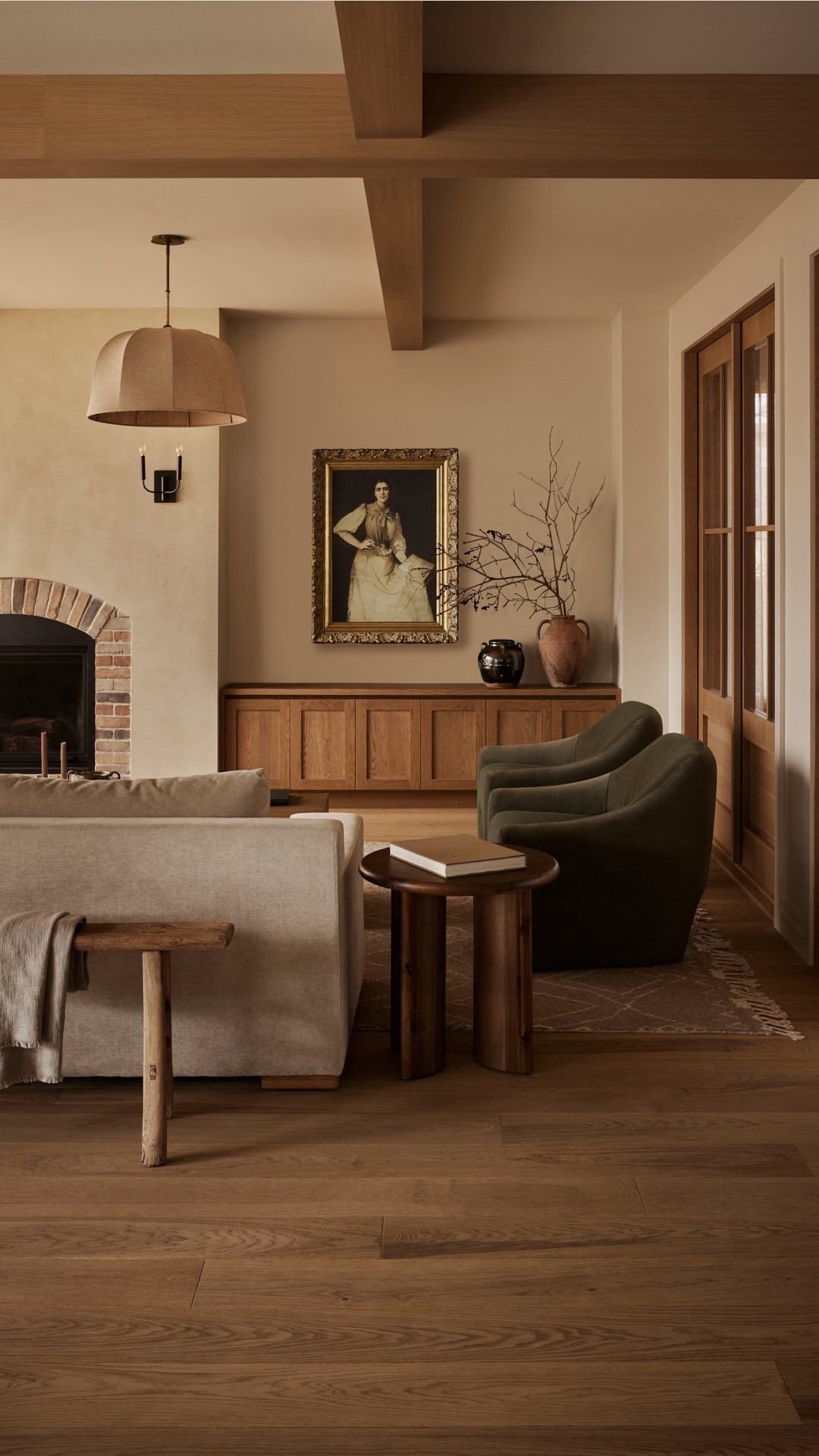
Natural materials make a difference because they add depth and tactile comfort that many synthetic finishes struggle to replicate. The goal is not to replace everything at once, but to introduce a few anchor textures that make the room feel lived-in and restorative.
Ideas that work across most styles:
Solid wood furniture or wooden trays to corral everyday items
Wool throws and cotton blankets for comfort without clutter
Rattan baskets for storage that still looks calm and intentional
Linen curtains for softness and better light diffusion
Stone, ceramic, or clay accessories for subtle visual grounding
No. 3
Let There Be Light!
Light shapes the atmosphere of rooms throughout the day. Dark, poorly lit spaces can feel enclosed and mentally “heavy,” while brighter rooms tend to feel more welcoming and energising.
The most supportive lighting approach is layered: you aim for good daylight in the morning and midday, then softer, warmer lighting in the evening to help your body transition into rest.
Ways to Improve Natural Light Without Major Work
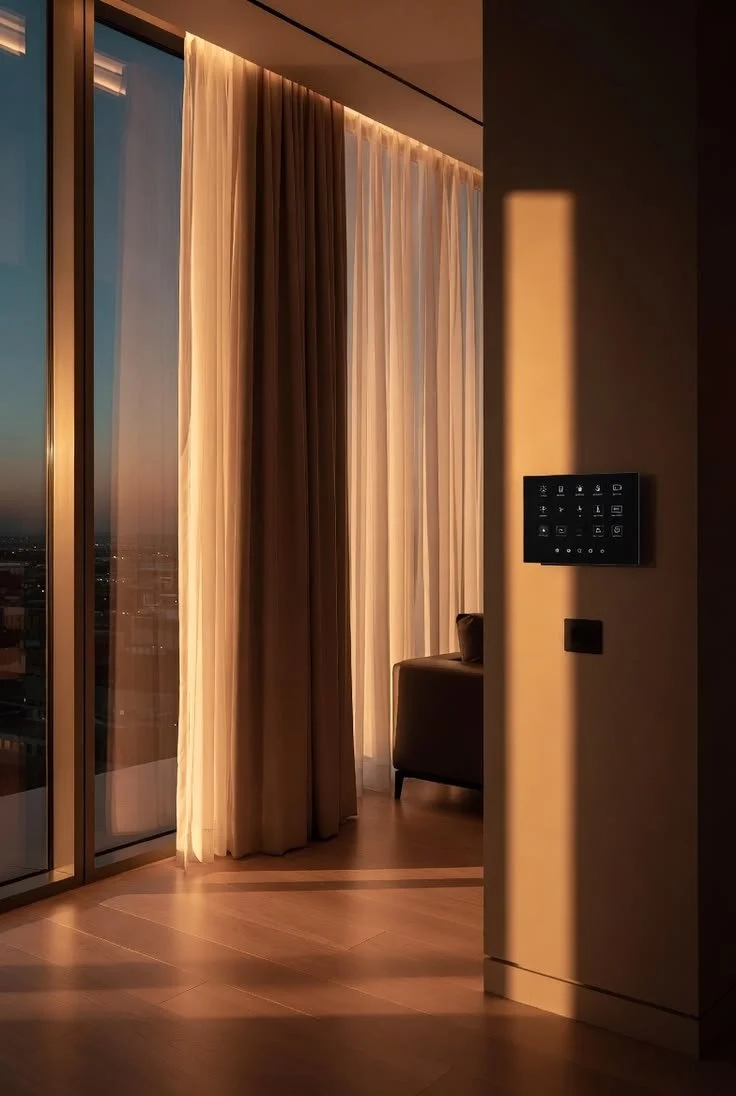
Make the most of natural light by keeping window areas clear and choosing treatments that allow daylight to filter through. Shutters are an elegant choice, while sheer curtains and adjustable blinds offer different levels of privacy without completely blocking sunlight.
To get more from the light you already have:
Move tall furniture away from windows where possible
Use mirrors to reflect daylight deeper into the room
Choose lighter wall colours in rooms that feel dim
Keep window ledges relatively uncluttered to reduce visual noise
Trim outdoor plants that block key windows (if applicable)
Evening Lighting That Encourages Calm
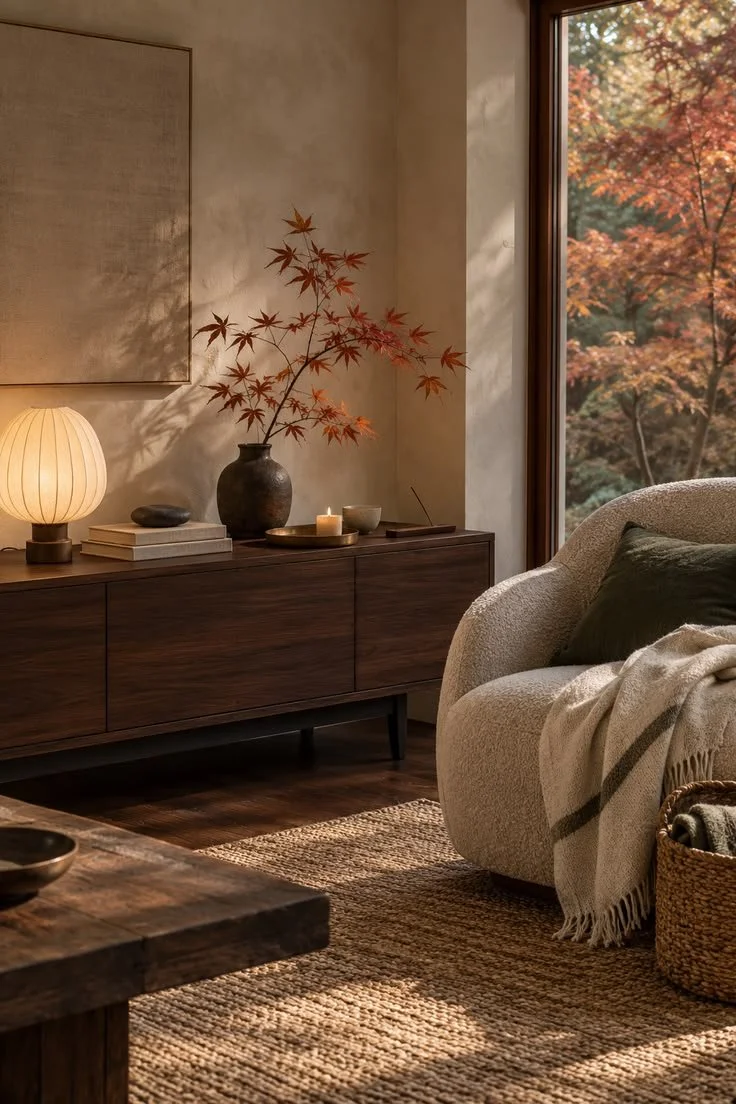
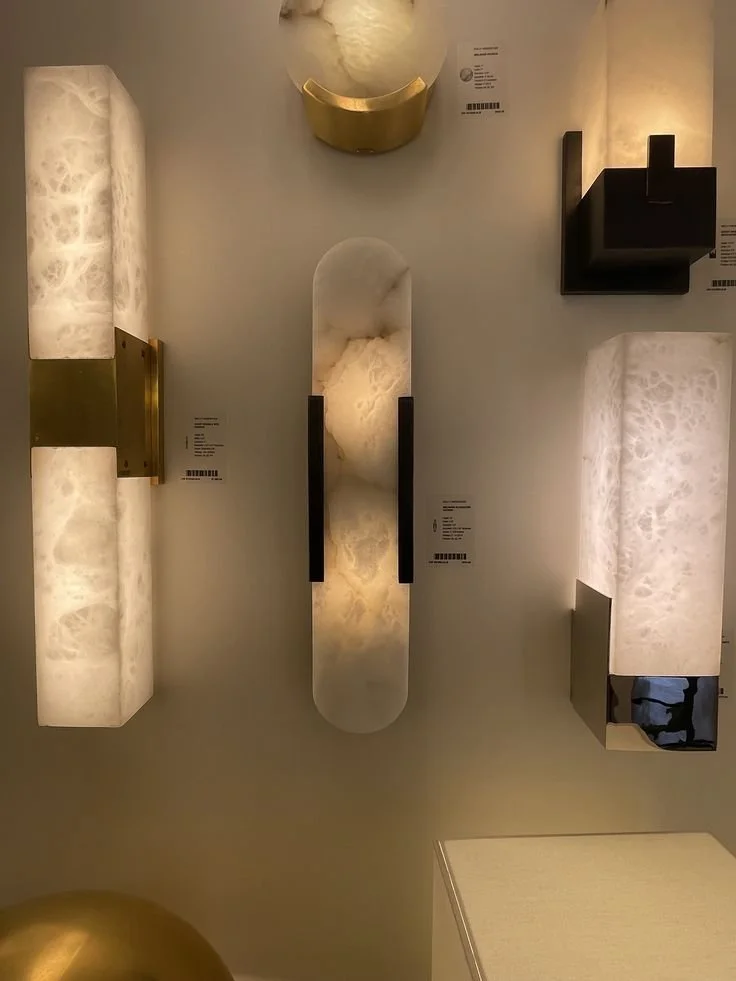
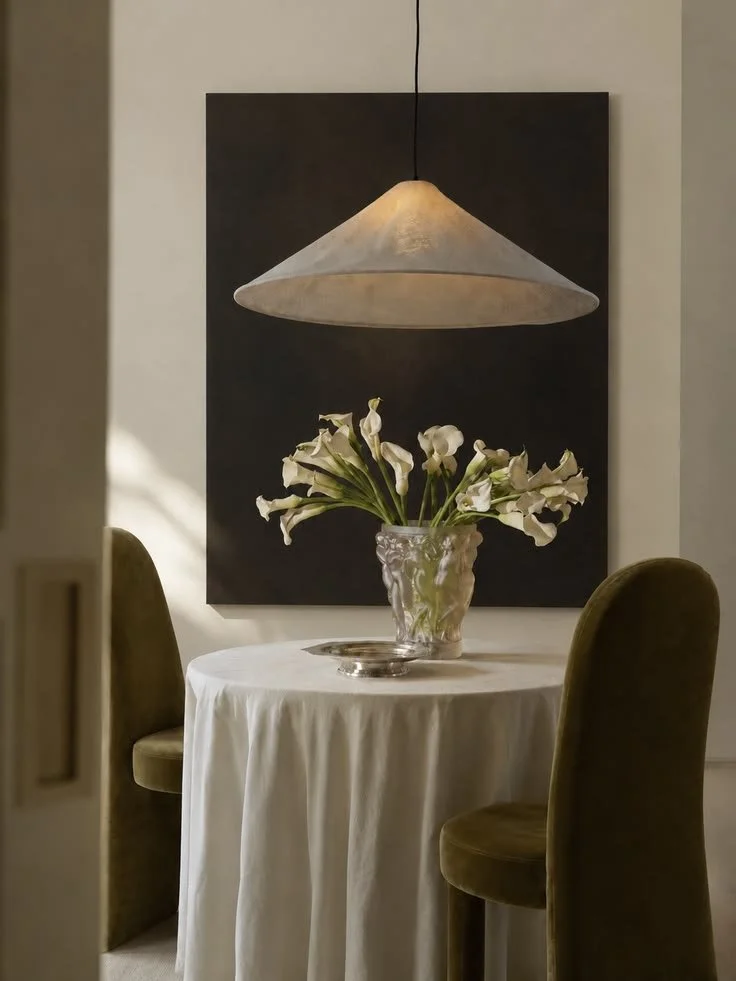
Once evening arrives, avoid relying on a single bright ceiling fitting. Instead, create pools of warm light that support slower, quieter activities such as reading, conversation, stretching, or a gentle bedtime routine.
A practical layering plan:
Ambient: floor lamps or wall lights with warm bulbs
Task: reading lamp near the sofa or bed
Accent: small lamp on a sideboard or shelf to soften corners
Optional: dimmers for adjustable brightness as the night progresses
No. 4
Smart Storage and Decluttering
Mindful homes do not need to look minimalist, but daily tasks require less effort and lead to less frustration when everything has an obvious place. When items drift and pile up, your brain keeps receiving small signals that something is unfinished, which can quietly elevate stress.
Before buying new storage, reduce clutter at the source by deciding what you actually want to keep. Keeping only possessions you regularly use or genuinely value makes any storage system work better.
Decluttering Prompts That Prevent Decision Fatigue
Have I used this in the last 12 months?
Would I buy this again today?
Is this item replacing something better, or duplicating it?
Does it support the person I am now, not a past version of me?
Storage That Supports Daily Mindfulness
For example, storage benches and fitted cupboards help contain everyday items without making them difficult to access. The most effective storage is the kind you will actually use when you are tired, busy, or distracted.
Options that reduce friction:
Entryway drop zone: hooks, tray for keys, basket for bags
Bedroom reset: a hamper, bedside drawer, and a “tomorrow” basket for clothes
Living room calm: lidded baskets for chargers, remotes, and magazines
Kitchen clarity: clear containers for staples and a small station for tea/coffee
No. 5
Personal Touches That Make a Home Feel Like Yours
Meaningful objects create an emotional connection to your space and encourage comfort. A mindful home should feel personal and supportive, not like a showroom. The point is to surround yourself with reminders of what matters, while avoiding excess that becomes visual clutter.
Choose items that tell a story, like travel photographs or artwork from local creators, and display them where you will naturally notice them during your day. When personal items are curated and intentionally placed, they can act as grounding cues, pulling your attention back to the present.
Meaningful Decor That Supports Wellbeing
Travel photos in a small cluster rather than spread everywhere
One or two pieces of art you genuinely love, placed at eye level
Family heirlooms displayed with space around them so they feel special
Books you actually read, not just ones you feel you “should” own
A small “ritual corner” for journaling, meditation, or reflection
How to Avoid Turning Personal Items Into Clutter
Use frames, trays, and shelves to create clear boundaries
Rotate display items seasonally instead of displaying everything at once
Leave negative space so the room can visually “breathe”
Choose fewer, higher-impact pieces that you truly care about
No. 6
Renovations and Refurbishment: Focus on High-Impact Changes
Are you due renovations or refurbishment? A mindful home cannot remove the pressures of modern life, but it can offer a place where those pressures do not dominate your attention. If you are planning upgrades, prioritise changes that improve comfort, functionality, and sensory calm.
You do not need to renovate every room. Often, one improved “core space” (typically the bedroom or living room) creates a noticeable improvement in daily wellbeing because it becomes the place you reliably recover.
Renovation Priorities That Support Mindful Living
Acoustic comfort: rugs, curtains, door seals, soft furnishings
Thermal comfort: draft-proofing, better insulation, reliable heating control
Air quality: ventilation improvements and reduced mould risk
Practical flow: better storage, clearer pathways, fewer “stuff zones”
Rest-focused bedroom upgrades: supportive mattress, blackout options, calming lighting
Takeaways
A mindful home starts with intentional use of space, not a perfect design aesthetic. Small boundaries and rituals help your brain separate work from rest and make it easier to feel present.
Nature, light, and texture are powerful tools for creating calm. By layering lighting, adding low-maintenance plants, and choosing natural materials, you can make your home feel more restorative without major structural changes.
Decluttering and smart storage reduce daily friction, while personal touches strengthen your emotional connection to your space. If you are renovating, focus on high-impact improvements that enhance comfort, air quality, and the overall flow of everyday life.
Looking for Home resources?
Looking to enhance your living space and create a sanctuary that supports your well-being? Explore our home partners who offer a wide range of resources to elevate your home environment.