How Professional Landscaping Transforms Outdoor Spaces
A beautifully designed yard does more than look good from the street. It shapes how you arrive home, how you relax after work, how you entertain, and how your property performs in heavy rain, summer heat, and changing seasons. While interior upgrades often get the spotlight, the exterior is what sets expectations the moment someone pulls into the driveway.
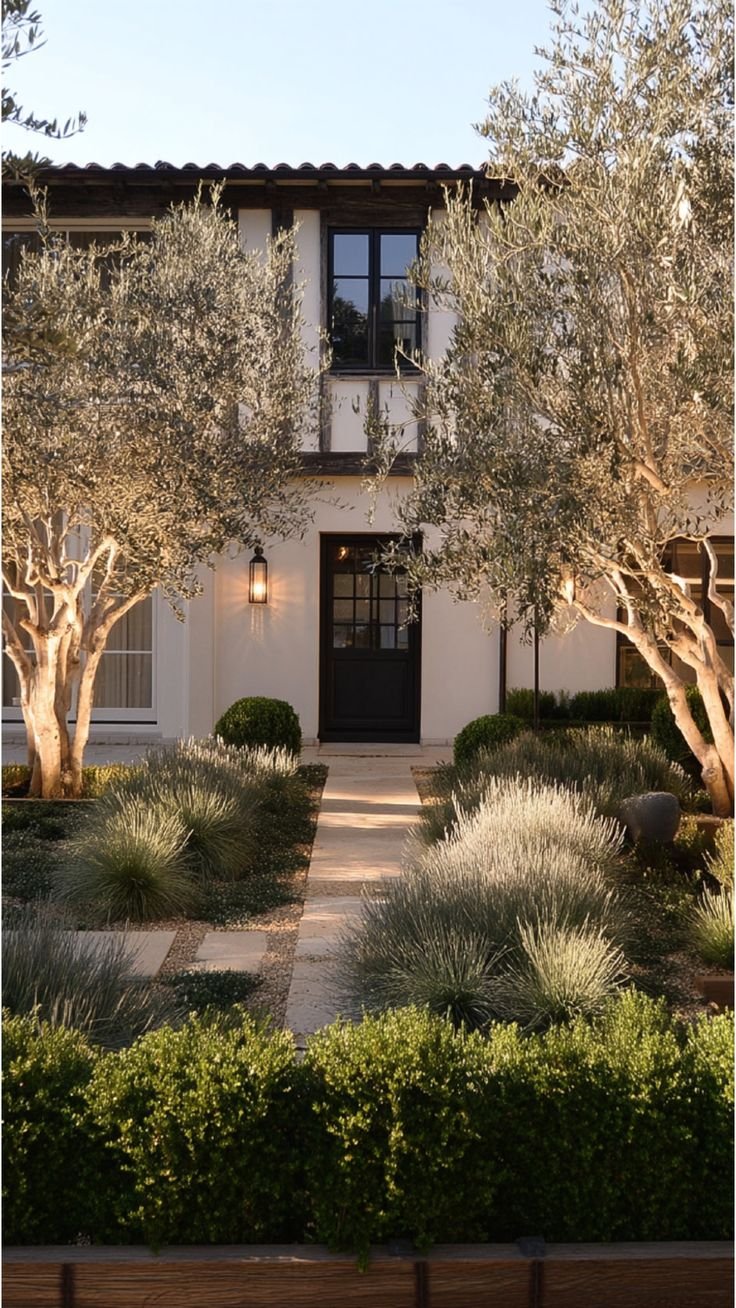
In this article, we will explore how professional landscaping can completely transform your outdoor space by improving curb appeal, usability, drainage, comfort, and long-term property value. You will also see how experienced planning helps you avoid common design mistakes, choose the right plants and materials, and build an outdoor environment that stays attractive and practical year after year.
No. 1
Landscaping Is More Than “Yard Work”
Many homeowners associate landscaping with mowing, trimming, and occasional planting. Professional landscaping is fundamentally different because it starts with design, purpose, and a long-term plan. It blends horticulture, construction, and site engineering to create an outdoor setting that feels intentional and cohesive.
Rather than adding random features, a professional approach considers how the yard will be used and maintained, how the home is positioned on the lot, and how water, sunlight, and soil conditions affect every decision.
What professional landscaping typically includes
Site evaluation and concept design
Plant selection based on sunlight, soil, and local climate
Hardscape planning, such as patios, walkways, and retaining walls
Grading and drainage solutions to protect the home and lawn
Lighting design for safety and nighttime curb appeal
Irrigation planning for efficiency and plant health
Ongoing maintenance strategies that match your lifestyle
No. 2
Curb Appeal: The Fastest Visual Upgrade with Real Payoff
Curb appeal is not just about impressing neighbors. It affects how you feel about your home and how others perceive it, including guests and future buyers. A professionally landscaped property tends to look more polished because it uses clear lines, balanced plant placement, and healthy, well-supported growth.
Even small enhancements, when planned properly, can make the exterior feel updated and more valuable without changing the home itself.
Curb appeal upgrades that make an immediate difference
Fresh edging that defines lawn and garden borders
Layered planting (low plants in front, taller plants behind) for depth
A clean, consistent mulch or rock treatment for contrast and weed control
Foundation plantings that soften the home’s edges without blocking windows
Seasonal color in controlled areas for impact without clutter
Updated path materials and entry lighting for a welcoming approach
A professional plan also prevents a common problem: planting too much, too close, or in the wrong areas. Overcrowding eventually makes a yard look messy, increases maintenance, and can lead to plant failure.
No. 3
Outdoor Functionality: Turning a Yard into Living Space
The most meaningful landscaping transformations improve how you use the property, not just how it looks. Today’s homeowners increasingly want outdoor areas that function like extensions of the home, with space for dining, lounging, play, gardening, or quiet retreat.
Professional landscapers help define “zones” so the yard feels organized and easy to navigate. The result is a backyard that supports real habits: morning coffee outside, family dinners on the patio, or a fire pit gathering on cool evenings.
Popular functional features to consider
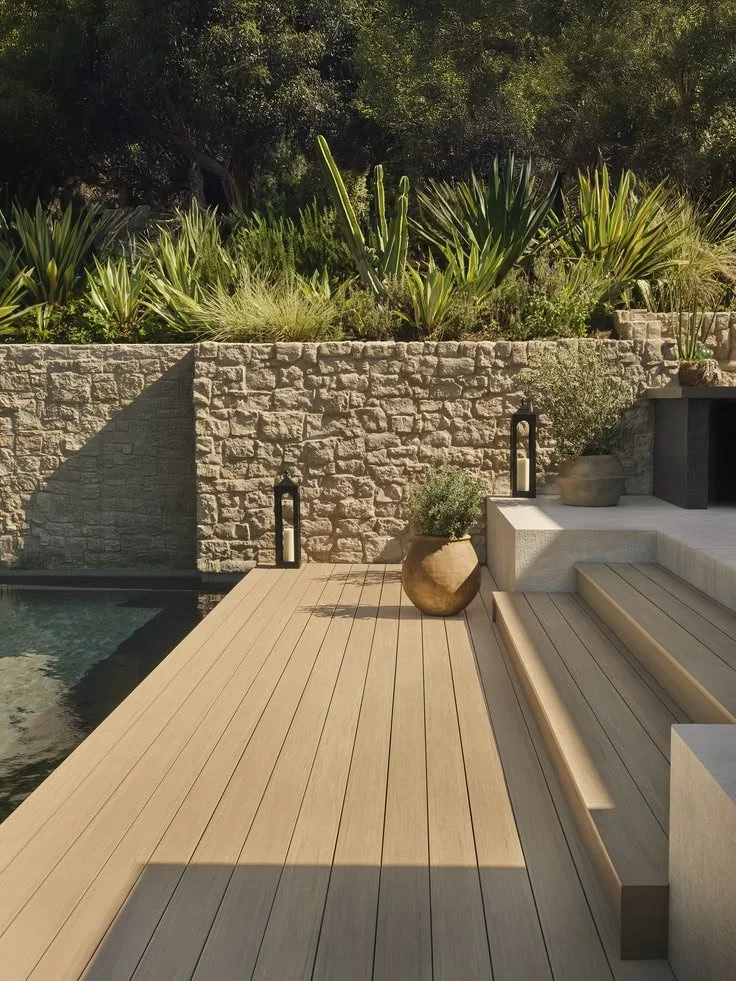
Patios and paver terraces designed for furniture placement
Walkways that guide movement and reduce muddy traffic paths
Retaining walls that create flat, usable areas on sloped yards
Seating walls and built-in benches for low-maintenance comfort
Pergolas or shade structures for relief from summer sun
Fire pits or fireplaces as a year-round focal point
Outdoor kitchens for entertaining and convenience
How professionals plan for usability
They size features to your real needs, not generic templates
They consider foot traffic patterns, gate locations, and door access
They account for sun exposure so seating is comfortable at peak hours
They select surfaces that drain well and resist slipping
No. 4
Drainage and Grading: The Transformation You Do Not Want to Skip
Drainage is one of the most overlooked reasons to invest in professional landscaping, and it is also one of the most valuable. Poor drainage can lead to standing water, erosion, muddy lawns, dying plants, and, in the worst cases, water-related foundation concerns.
A good landscaper looks at the property as a system. Water should move away from the home, not toward it, and it should have a controlled path during storms rather than carving one through your yard.
Warning signs your yard needs drainage help
Pooled water that remains hours after rainfall
Soggy areas where grass never thrives
Soil erosion, exposed roots, or washed-out mulch
Water stains on basement walls or damp crawl spaces
Downspouts dumping water too close to the foundation
Common professional drainage solutions
Regrading to correct slope and water flow direction
French drains to capture and redirect subsurface water
Dry creek beds that manage runoff while adding visual appeal
Downspout extensions and drainage catch basins
Retaining walls with proper backfill and drainage management
This work often makes the difference between a yard that looks good for one season and a yard that stays healthy and stable for years.
No. 5
Trees, Shrubs, and Planting Design That Improves Comfort
Plants are not just decorative. With proper placement, landscaping can increase privacy, reduce noise, create shade, and even lower outdoor temperatures around the home. Strategic planting can also frame views, hide less attractive features (like utility boxes), and guide the eye toward your home’s best architectural details.
Benefits of thoughtful plant placement
Privacy screening from neighbors or street views
Shade near patios and windows to reduce heat buildup
Wind buffering in open lots
Habitat value and improved ecological balance
Natural borders that reduce the need for fencing in some areas
Smart planting considerations professionals handle
Mature size of trees and shrubs to prevent future overcrowding
Root behavior near foundations, sidewalks, and irrigation lines
Plant compatibility with sun exposure and soil conditions
Spacing for airflow to reduce disease and improve longevity
Evergreens add year-round structure, while flowering shrubs and ornamental grasses bring seasonal texture. The best designs mix evergreen stability with seasonal interest so the yard never feels bare.
No. 6
Four-Season Interest: A Landscape That Looks Good All Year
One reason some yards feel “flat” is that they peak for a short period and then fade. Professional landscaping often focuses on creating a sequence of visual interest across the year, using plants with staggered bloom times, foliage changes, and winter structure.
Elements of a four-season planting plan
Spring bulbs and early-blooming perennials for the first color
Summer flowering shrubs and long-bloom perennials for consistency
Fall foliage trees and late-season grasses for warmth and movement
Winter evergreens, bark texture, and seed heads for structure
This approach helps the yard feel alive and intentional even when the weather shifts. It also prevents the common issue of relying on one type of plant for all impact, which can leave the landscape looking empty once that plant’s season ends.
No. 7
Maintenance Planning: Designing for Your Lifestyle
A transformation should not become a burden. Maintenance is a key factor in any landscaping project, and professionals can design around how much time and energy you realistically want to spend outdoors.
Some homeowners enjoy gardening and want layered plant beds that evolve. Others prefer low-maintenance simplicity with clean lines, durable materials, and fewer high-care plants.
Options that reduce long-term upkeep
Native and climate-adapted plants that require less water and fertilizer
Mulch or rock groundcover to reduce weeds and protect soil
Perennials and shrubs instead of annual-heavy beds
Drip irrigation for targeted watering and less waste
Hardscape choices that resist shifting and cracking
Good maintenance planning also includes practical access. Landscapers think about how you will reach planting beds, trim shrubs, and clean out leaves without stepping through mud or damaging plantings.
No. 8
Outdoor Lighting: Safety, Security, and Nighttime Beauty
Outdoor lighting is often underestimated, but it can dramatically elevate a landscape once the sun goes down. It improves safety on steps and walkways, adds security around entry points, and highlights key features like trees, stonework, and garden beds.
A professional lighting plan avoids harsh glare and “runway” looks. Instead, it uses layered lighting to create a warm, inviting atmosphere.
Lighting types that enhance outdoor spaces
Path lighting for walkways and transitions
Step and riser lighting for safe movement
Uplighting to showcase trees and architectural features
Downlighting for a soft, moonlit feel under branches or pergolas
Accent lighting for focal points like water features or sculptures
The end result is a yard that feels usable and welcoming well into the evening, especially in summer when outdoor time often happens after work.
No. 9
Emotional and Lifestyle Benefits You Actually Feel
A well-designed outdoor environment changes daily life in subtle but meaningful ways. It can become a place to decompress, spend time with family, or host friends without feeling exposed or unfinished. Homeowners often report using their outdoor space far more once it is designed for comfort and flow.
Ways landscaping supports well-being
Creates quiet, shaded areas that encourage downtime
Adds natural beauty that reduces stress and improves mood
Supports healthy habits like walking, gardening, and outdoor meals
Makes gatherings easier by improving seating areas and lighting
These benefits are difficult to quantify, but they are often the reason homeowners say the investment was “worth it” beyond resale value.
No. 10
Why Working with Professionals Protects Your Investment
Landscaping combines design decisions with technical realities: soil, sun, drainage, grading, material durability, and plant maturity. Professionals help prevent expensive mistakes such as improper grading, poor plant selection, undersized patios, or hardscape installations that shift and crack.
They also bring local knowledge, which matters for climate and seasonal challenges. Choosing a trusted family owned landscaping company in Indianapolis can provide personalized service and local expertise tailored to the unique needs of Indiana homeowners.
What to expect when planning a landscaping project
A consultation focused on goals, budget, and how you want to use the space
A plan that prioritizes improvements in phases if needed
Guidance on materials and plants that match maintenance preferences
A clearer timeline for installation and seasonal planting windows
Takeaways
Professional landscaping transforms outdoor spaces by combining design, functionality, and long-term planning rather than focusing on quick cosmetic changes. The best results improve curb appeal while also making the yard easier and more enjoyable to use.
A complete landscape plan often includes hardscapes, planting design, drainage solutions, and lighting that work together as one system. When grading, water management, and plant maturity are considered from the start, the landscape stays attractive and durable across seasons.
Working with experienced professionals reduces costly mistakes and helps align the final result with your lifestyle, budget, and maintenance preferences. With the right plan, your yard can become a true extension of your home that delivers value and enjoyment for years.
Looking for Home resources?
Looking to enhance your living space and create a sanctuary that supports your well-being? Explore our home partners who offer a wide range of resources to elevate your home environment.