How Artificial Grass Installation Creates A Year-Round Outdoor Space
If you've spent any time in a Connecticut town like New Canaan, you know that the outdoor living season can feel frustratingly short. Spring arrives tentatively, summer is glorious for a few months, and then the question of what to do with a backyard that looks tired, muddy, or simply uninviting for the other six months of the year becomes very real.

More homeowners in the region are finding a surprisingly elegant answer to that question, and it's one that improves the yard in every season, not just the ones when the weather cooperates. In this article, we will explore how artificial grass can be used for more than a simple lawn replacement, what realistic maintenance looks like after installation, and how to think about layout, function, and long-term value before you commit.
No. 1
What Artificial Grass Actually Does for an Outdoor Space
The instinctive reaction to artificial grass, for anyone who hasn’t seen a quality modern installation, is to picture the flat, plasticky turf of older sports facilities. That’s no longer what contemporary residential artificial grass looks like.
Modern artificial grass products are designed to replicate the natural variation of real grass, with softer textures, varied blade tones, and a more natural appearance underfoot. The difference between a quality installation and a cheaper alternative is usually obvious immediately, which is why both product and installer selection matter.
A well-installed artificial lawn offers:
Consistent appearance year-round
Minimal maintenance requirements
Better usability after rain
Durable surfaces for pets and children
Artificial grass has also become increasingly popular in residential landscaping because of its low-maintenance appeal, durability, and year-round appearance.
No. 2
The Year-Round Living Argument
This is the point that resonates most strongly with Connecticut homeowners, who have significant investment in outdoor spaces that they can only enjoy for part of the year.
Natural lawns in this climate need to be overseeded in autumn, protected in winter, and given time to recover in early spring before they look their best. The window for a genuinely well-presented natural lawn is, realistically, June through September, four months out of twelve.
An artificial lawn removes that seasonal limitation entirely. In November, it looks the same as it does in July. After a February snowfall and thaw, it bounces back to its normal appearance as the ground dries. In April, when natural lawns in the region are typically at their worst, an artificial lawn already looks summer-ready.
For homeowners who have outdoor dining areas, play spaces, or simply a backyard they want to enjoy looking at from inside during the winter months, that year-round consistency has genuine quality-of-life value.
No. 3
What the Installation Process Involves
Understanding the installation process helps homeowners make more informed decisions about what they're commissioning, and what questions to ask a potential installer.
A quality artificial grass installation involves several stages:
Site preparation is the foundation of a good result. The existing natural lawn is removed. The ground is excavated to the appropriate depth, typically around 75-100mm, to create room for the base layers. The level and drainage of the sub-base are established at this stage.
Base layer installation provides the drainage and structural foundation. A crushed aggregate base, typically decomposed granite or similar, is compacted to create a stable, well-draining surface. This layer is what prevents the grass from becoming waterlogged or developing uneven surfaces over time.
Weed membrane is laid over the base to prevent weed growth through the turf over its lifespan.
Grass installation involves cutting the artificial turf to the precise dimensions of the space, securing it at the edges, and joining any seams in a way that's invisible in the finished surface.
Infill application for most residential products involves brushing an infill material, typically sand or rubber crumb, into the grass blades to provide stability, resilience, and a natural standing position for the blades.
The quality of every stage affects the finished result and the longevity of the installation. This is why the installer's experience matters as much as the product specification.
No. 4
Finding the Right Installer for Your Area
In Fairfield County and surrounding areas, the range of artificial grass installers varies considerably in experience, product quality, and installation standards.
The questions worth asking any potential installer include:
What products do you use, and what are the specifications, pile height, density, blade shape, and UV stability?
Can you provide references from installations of similar scope in comparable conditions?
What does your base preparation involve, and how do you handle drainage?
What warranty covers both the product and the installation?
How do you handle seams and edges, the areas where quality differences are most visible?
Homeowners considering artificial grass installation near New Canaan are often looking for outdoor solutions that combine low maintenance with a clean, polished appearance year-round.
Companies like ForeverLawn bring regional installation expertise and product knowledge that align with the landscape conditions and design expectations commonly seen across Fairfield County properties.
No. 5
Design Possibilities That Go Beyond a Simple Lawn Replacement
Artificial grass isn't limited to replacing an existing lawn shape. The installation process creates design opportunities that a natural lawn doesn't offer.
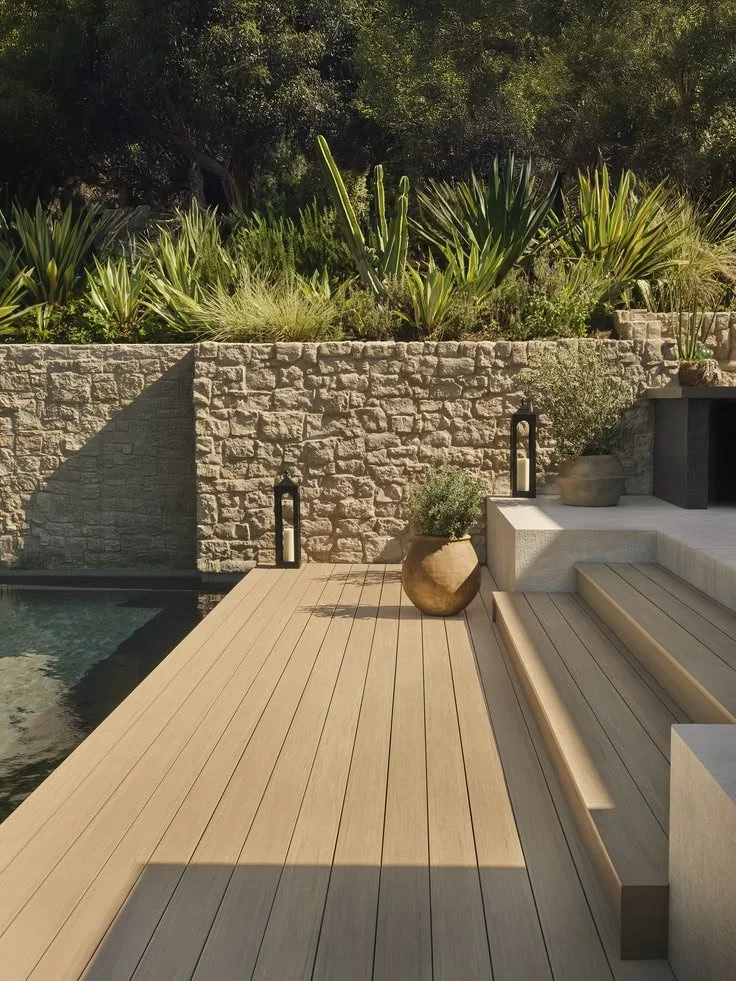
Integrated hardscape — artificial grass installed in combination with pavers, decking, or gravel creates visually interesting patterns and functional zoning that natural grass can't maintain cleanly.
Curved and shaped areas — artificial turf can be cut to any shape, enabling curved lawn edges, circular feature areas, or irregular lawn shapes that would be difficult to maintain in natural grass.
Level changes — artificial grass can be installed on slopes and tiered areas where natural lawn struggles to establish or maintain coverage.
Under-feature installations — around the base of trampolines, play equipment, or in areas where natural grass takes the most damage from concentrated foot traffic.
No. 6
The Maintenance Reality
One of the most practically appreciated aspects of artificial grass, reported consistently by homeowners who've made the switch, is the psychological relief of removing lawn maintenance from the weekly to-do list.
Artificial grass requires:
Occasional brushing to keep the blades upright and remove light debris
Rinsing with a hose to clean pet waste or organic debris
Removing leaves and heavier debris that accumulates on the surface
That's it. No weekly mowing through spring and summer. No autumn reseeding. No watering during dry spells. No patchy repair work. For households where the lawn was a source of seasonal maintenance pressure, this simplification has a quality-of-life impact that's genuinely appreciated.
Takeaways
Artificial grass installation is one of the more transformative changes a homeowner can make to an outdoor space, particularly in a climate where the limitations of natural lawn are felt for half the year. The result is a backyard that looks good in every season, requires minimal upkeep, and supports the kind of outdoor living that Connecticut homeowners invest in outdoor spaces to enjoy.
If the question has been whether it's right for your property, for most yards, the answer is simpler than you'd expect. The bigger question is usually just who to trust with the installation.
Looking for Home resources?
Looking to enhance your living space and create a sanctuary that supports your well-being? Explore our home partners who offer a wide range of resources to elevate your home environment.