How Do You Know If Your Lawn Needs Sod Or Grass Seeding?
Standing in your patchy backyard trying to picture a lush green lawn, you've probably hit the big question: Should you lay sod or just plant grass seed? Both can absolutely get you there, but they're very different paths — one's fast and pricey, the other's cheap and patient. There's no single right answer, only the one that fits your situation.
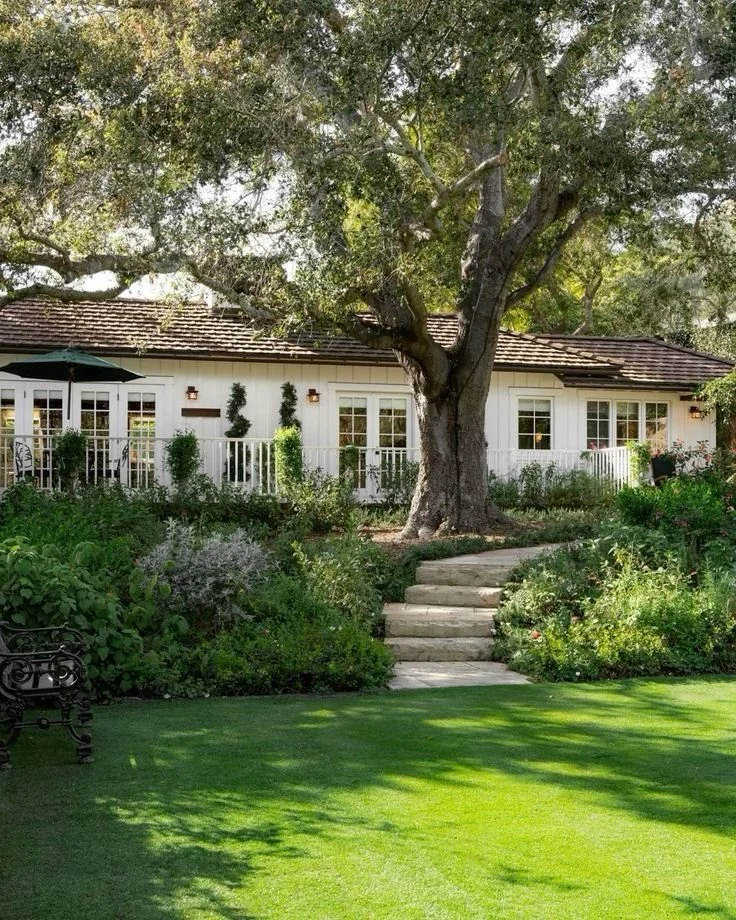
The decision really comes down to your yard, your wallet, and how soon you want to kick off your shoes in the grass. Instead of guessing, it helps to run through a few honest questions before you commit a single dollar.
In this article, we will explore how to decide between sod and grass seeding using six practical questions that clarify cost, timing, site conditions, and the level of effort you can realistically commit. Both approaches can produce a healthy, attractive lawn, but they take different routes to get there, and choosing the right one up front can save time, money, and frustration later.
No. 1
How Soon You Need It
This is usually the make-or-break factor. Sod is essentially an instant lawn — rolls of mature grass laid down for immediate, walk-on-it-soon green. Seed, by contrast, asks you to wait weeks, sometimes a couple of months, before it fills in and looks like anything.
If you're staging a home for sale or hosting a summer party, sod wins on speed alone. Homeowners weighing professional sod and seeding services often start right here, because the timeline quietly shapes everything that follows.
Industry professionals often describe the decision between sod and seed as a balance between speed and budget. Companies such as Western Landscape generally note that sod delivers faster visual results, while traditional seeding tends to be the more cost-conscious option for larger lawn projects.
No. 2
What Your Budget Allows
Cost is where the two options really diverge. Seed is dramatically cheaper per square foot, which matters a lot once you're covering a big property. Sod's price climbs quickly when you add up the material, delivery, and labor of laying it strip by strip.
A rough way to think about it:
Small yard and you want it now → sod stays manageable
Large yard with a flexible timeline → seed stretches your dollar furthest
Mid-size and undecided → price out both before committing
Just remember the upfront number isn't the whole story. Soil prep and weeks of watering add to the total either way.
No. 3
The Time of Year
Mother Nature has strong opinions about seeding. Grass seed needs the right temperatures and steady moisture to germinate, so the calendar genuinely limits your options in a way sod doesn't.
University of Maryland Extension points to mid-August through mid-October as the prime window for seeding cool-season grasses, with early spring as the runner-up. Sod is far more forgiving and can go down through most of the growing season. So if you've already missed that ideal seeding stretch, sod may simply be the more practical choice for this year.
No. 4
Whether Your Yard Slopes
Got a hill or a noticeable grade? That changes the math. On slopes, loose grass seed tends to wash away with the first heavy rain before it ever takes root, leaving you with bare, washed-out gullies.
Sod holds firm the moment it's laid, knitting into the soil and guarding against erosion right away. That instant coverage is a big part of why landscapers reach for it on graded sites. For steep or runoff-prone areas, sod isn't just more convenient — it's often the more reliable way to keep your investment from literally sliding downhill after a storm.
No. 5
How Much Care You Can Commit
Be honest with yourself about your schedule. A seeded lawn needs real babysitting in its early life: light, frequent watering, protection from foot traffic, and patience while it slowly thickens. Skip a few waterings during germination and you can lose the whole batch.
Sod needs intense watering too, but for a shorter, more defined stretch before it settles in. If daily lawn duty sounds exhausting, the shorter commitment of sod might suit you better. If you actually enjoy the process, seed rewards the effort with a deeper-rooted lawn.
No. 6
The Look You're After
Finally, think about the grass itself. Seeding opens up a huge range of species and custom blends, so you can match your yard's sun, shade, and traffic level pretty precisely. Sod farms usually grow only a handful of popular varieties, which means less room to customize.
If you've got a tricky shady corner or your heart is set on a specific turf type, seed gives you more control over the final result. If a uniform, ready-made carpet of green is the dream — and you'd rather not stare at bare dirt for a month — sod delivers that polished look the same day it's installed.
Takeaways
There's no universal winner here — only what fits your yard and your life. Run through these six questions, and the answer usually reveals itself: lean toward sod when speed, slopes, or timing push you that way, and choose seed when budget and variety matter most. Whichever route you take, solid soil prep underneath is the real secret to a lawn that actually lasts for years rather than fading by next season.
Looking for Home resources?
Looking to enhance your living space and create a sanctuary that supports your well-being? Explore our home partners who offer a wide range of resources to elevate your home environment.