Backyard Playset Maintenance Issues Homeowners Overlook
Installing a backyard playset is an exciting investment for families. It creates a dedicated space for outdoor fun, encourages physical activity, and gives children a place to make lasting memories. However, once the excitement of installation fades, many homeowners begin to notice several unexpected maintenance challenges that come with having a large play structure in the yard.
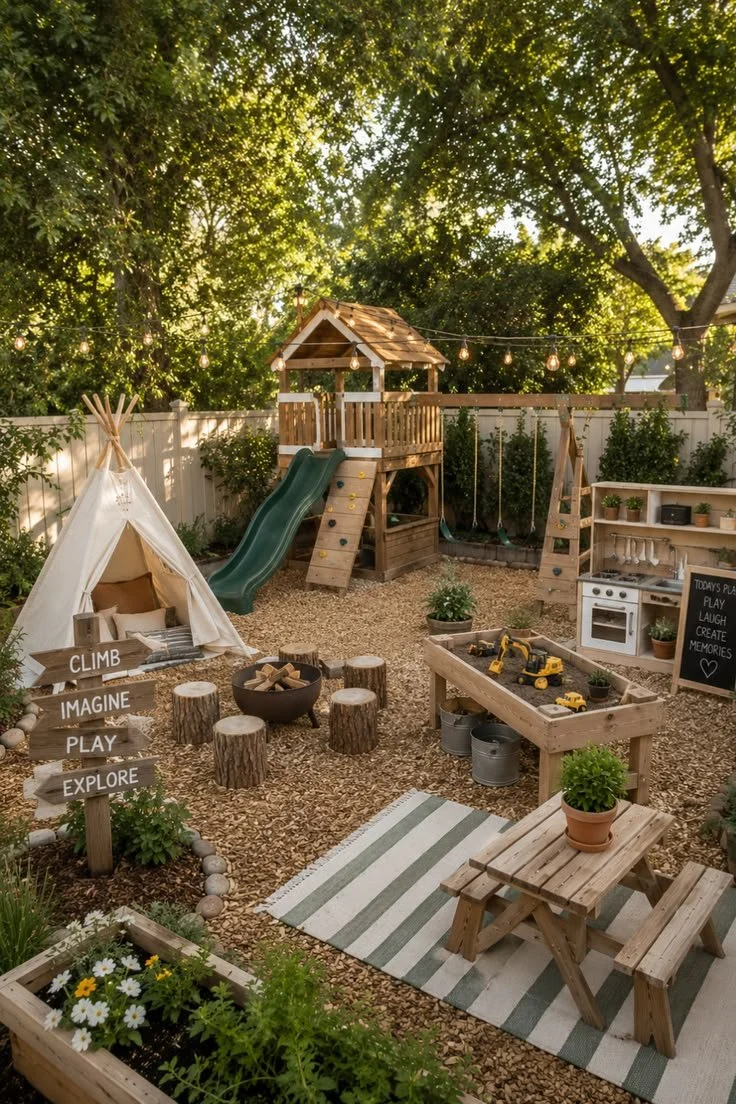
From drainage problems to worn-out grass and increased wear on nearby surfaces, a backyard playset can significantly change how your outdoor space functions. In this article, we will explore the most common post-installation maintenance issues, why they happen, and what homeowners can do to protect both the playset and the surrounding landscape for years to come.
No. 1
Changes in Drainage Patterns
One of the most overlooked consequences of installing a playset is how it affects water movement throughout the yard. Large structures can alter natural drainage patterns, especially when installation requires leveling the ground or adding mulch, rubber surfacing, or gravel.
Even small grading changes can redirect runoff. In some yards, the playset area becomes a low point where water gathers; in others, compacted soil around the structure prevents water from absorbing normally, causing it to move toward patios, fence lines, or the home’s foundation.
Why drainage shifts after installation
Ground leveling changes the slope that previously directed runoff
Added base materials can block or reroute water flow
Compacted soil from construction reduces infiltration
Roof-like playset features can “dump” water in concentrated spots
High-traffic zones become packed down and drain poorly
What to check after storms
Pooling water beneath swings, slides, or platforms
Muddy rings around the perimeter of the play area
Erosion channels where water repeatedly cuts through soil or mulch
Water washing mulch away from high-use fall zones
Soggy turf extending outward from the playset
Practical drainage fixes to consider
Re-grade surrounding soil to guide water away from the play zone
Install French drains or dry wells in chronic low spots
Add edging to keep mulch contained and reduce washout
Use landscaping features, such as small berms or rock swales, to redirect runoff
Choose a surfacing material that balances drainage and safety for your climate
Homeowners should regularly inspect the area after storms to identify pooling water and consider adding drainage solutions such as French drains, grading adjustments, or strategically placed landscaping features.
No. 2
Grass Health Often Suffers
A beautiful green lawn can quickly change after a playset is installed. The structure creates shade that limits sunlight exposure, making it difficult for grass beneath and around the equipment to thrive.
Shade is only part of the problem. Once children begin using the playset daily, the area experiences repeated foot traffic, running starts, abrupt stops, and gathering points that quickly wear down turf. In warm months, stressed grass dries out faster and becomes more vulnerable to weeds.
Common lawn problems around playsets
Thin, patchy grass beneath platforms and roofs due to shade
Bare spots at entry points, such as the ladder base or slide exit
Weeds taking over weakened turf along the edges
Soft, muddy ground that never fully recovers after rain
Uneven growth where watering patterns change after installation
Options for handling turf loss
Reinforce the lawn
Overseed with shade-tolerant grass varieties where appropriate
Improve soil health with topdressing and gentle fertilization
Adjust irrigation to avoid overwatering shaded areas
Replace grass in the highest-wear zones
Mulch for a natural look and easier refreshes
Artificial turf for cleaner play and less mud tracking
Rubber ground cover for consistent cushioning and reduced mess
Many families discover that maintaining healthy turf around a playset requires additional lawn care efforts. Some choose to replace grass with mulch, artificial turf, or rubber ground cover to reduce maintenance demands while improving safety.
No. 3
Increased Foot Traffic Creates Wear Patterns
Children naturally follow the same routes when moving between the house, patio, and playset. As a result, distinct foot traffic patterns often emerge throughout the yard.
These “desire paths” are not just a cosmetic issue. Repeated traffic compacts the soil, weakens root systems, and reduces water absorption. Once the ground hardens, grass recovery becomes slow, and rain can create runoff instead of soaking in.
Typical wear pattern hotspots
The straight line from the back door to the playset
Corners where kids cut across the yard
Narrow side yards used as a race track
The area around seating where adults supervise
Paths between the playset and a trampoline, pool, or garden gate
Ways to manage traffic and protect the yard
Create a designated route
Install stepping stones or a simple paver walkway
Use mulch or gravel paths with edging for containment
Add low landscape borders to nudge traffic toward the intended path
Repair compaction regularly
Aerate the lawn during the proper season for your region
Topdress compacted areas to improve soil structure
Reseed with durable, high-traffic grass blends where possible
Installing stepping stones, pathways, or designated walkways can help distribute traffic more evenly and preserve the overall appearance of the landscape. Regular aeration may also be necessary to reduce soil compaction and improve lawn health.
No. 4
Soil Movement Around the Structure
Another common issue homeowners encounter is soil displacement around the playset. Active play, weather conditions, and seasonal ground movement can gradually shift soil away from key support areas.
Mulch and loose-fill materials are especially prone to movement. Children kicking, running, and jumping can cause protective ground coverings to migrate away from high-use zones. Heavy rain can accelerate this process by washing lighter materials outward, particularly on slightly sloped yards.
What soil movement can lead to
Exposed bare soil that turns into mud
Uneven safety surfacing that reduces fall protection
Hidden trip hazards at the edges of displaced material
Increased erosion that spreads beyond the play area
In severe cases, loosened posts or shifting supports
Maintenance habits that prevent bigger problems
Rake and redistribute loose-fill materials every few weeks during peak use
Replenish mulch routinely to maintain a safe depth
Install sturdy edging to keep surfacing materials contained
Check support posts and anchor points seasonally for stability
Confirm that hardware remains tight after temperature swings
Routine inspections are essential to ensure proper ground coverage remains in place. Homeowners should periodically redistribute mulch, replenish materials, and verify that support posts remain stable and properly anchored.
No. 5
Damage to Nearby Landscaping
The area surrounding a backyard playset often experiences more wear than anticipated. Shrubs, flower beds, and decorative landscaping elements can suffer from increased activity as children move around the yard.
Plants located near the play area may become trampled, while exposed roots can emerge due to soil erosion and compaction. Even well-behaved play creates unplanned impacts, such as balls landing in beds, kids hiding behind shrubs, or bikes cutting tight turns near garden borders.
Landscaping problems that often appear
Trampled edges of garden beds
Broken stems and compacted soil around shrubs
Mulch scattered beyond planting areas
Exposed roots that become trip hazards
Soil erosion that undermines borders or edging
How to design landscaping that tolerates play
Increase separation
Use low fencing, edging, or a small buffer zone around beds
Place delicate plants farther from the main play route
Choose more durable materials
Opt for hardy, low-maintenance plants suited to your sun and soil
Consider groundcovers or tough ornamental grasses near boundaries
Use rock or heavier mulch blends that resist scattering
Families frequently find themselves redesigning nearby landscaping to accommodate the new traffic patterns created by the playset. Selecting durable, low-maintenance plants and creating clear boundaries around garden beds can help reduce damage and maintain an attractive outdoor environment.
No. 6
Greater Wear on Concrete and Hardscape Surfaces
Many backyards feature patios, sidewalks, driveways, or other hardscape surfaces that connect the home to the play area. Once a playset is installed, these surfaces often experience much heavier use.
Children frequently move between indoor and outdoor spaces, tracking dirt, mulch, mud, and debris onto surrounding concrete. Over time, this increased activity can lead to visible staining, discoloration, and buildup on walkways and patios. In humid climates, shaded or damp areas may also develop slippery algae or mildew faster than expected.
Common hardscape issues after a playset goes in
Dirt and mulch staining near doorways and high-traffic corners
Dark streaking where runoff carries debris across concrete
Green algae growth in shaded sections of patios and sidewalks
Grit that scratches sealed surfaces over time
Mud tracked into grout lines or textured finishes
Maintenance strategies that keep surfaces looking clean
Place an outdoor mat and a shoe-drop zone near the entry
Sweep high-traffic concrete weekly during peak season
Rinse muddy areas quickly after storms to prevent staining
Consider resealing concrete if it is older or particularly porous
To maintain a clean and inviting outdoor space, homeowners may eventually consider professional pressure washing services in Irmo SC to remove accumulated dirt and restore the appearance of nearby hardscape surfaces.
No. 7
Ongoing Maintenance Becomes Essential
While playsets provide years of enjoyment, they also introduce ongoing maintenance responsibilities that many homeowners do not anticipate. Regular inspections of drainage conditions, soil stability, grass health, and surrounding surfaces become important parts of yard upkeep.
The goal is not to create constant chores. Instead, a simple maintenance rhythm prevents small issues, such as minor erosion or a developing wear path, from becoming expensive landscaping repairs or safety concerns.
A practical seasonal maintenance checklist
Weekly during heavy use
Quick scan for pooling water, loose-fill displacement, and muddy spots
Sweep patios and walkways near the primary traffic route
Monthly
Redistribute mulch or surfacing and verify safe coverage depth
Inspect for soil compaction and emerging dirt paths
After major storms
Look for erosion, washouts, and gutter/downspout issues nearby
Check whether water is draining away from the play area
Start and end of each season
Confirm playset stability and check for ground shifting
Refresh landscaping borders and reestablish worn pathways
Addressing minor issues early can prevent larger and more costly problems later. Seasonal maintenance helps preserve the safety, appearance, and functionality of both the playset and the landscape around it.
No. 8
Final Thoughts
A backyard playset can transform an outdoor space into a fun and engaging environment for children, but it also changes how the yard performs over time. Drainage concerns, grass damage, soil movement, increased foot traffic, and wear on nearby hardscape surfaces are common challenges families often discover after installation.
By anticipating these changes, homeowners can make smarter decisions about surfacing, pathways, lawn care, and landscaping design. With a proactive approach, it is possible to enjoy the benefits of a playset while keeping the yard attractive, safe, and easier to maintain year after year.
Takeaways
Backyard playsets often change drainage patterns and create new low spots where water collects after heavy rain. Monitoring runoff early and correcting grading or drainage issues protects safety surfacing and reduces erosion.
Grass typically struggles due to shade and concentrated foot traffic, and worn paths tend to form between the home and the play area. Simple walkways, periodic aeration, and targeted surfacing choices keep the yard looking better with less frustration.
Hardscapes and nearby landscaping can experience more staining, compaction, and physical wear than homeowners expect. A light but consistent maintenance routine, plus occasional professional cleaning when needed, helps preserve the look and function of the entire outdoor space.
Looking for Home resources?
Looking to enhance your living space and create a sanctuary that supports your well-being? Explore our home partners who offer a wide range of resources to elevate your home environment.