A Practical Guide To Winter Getaways
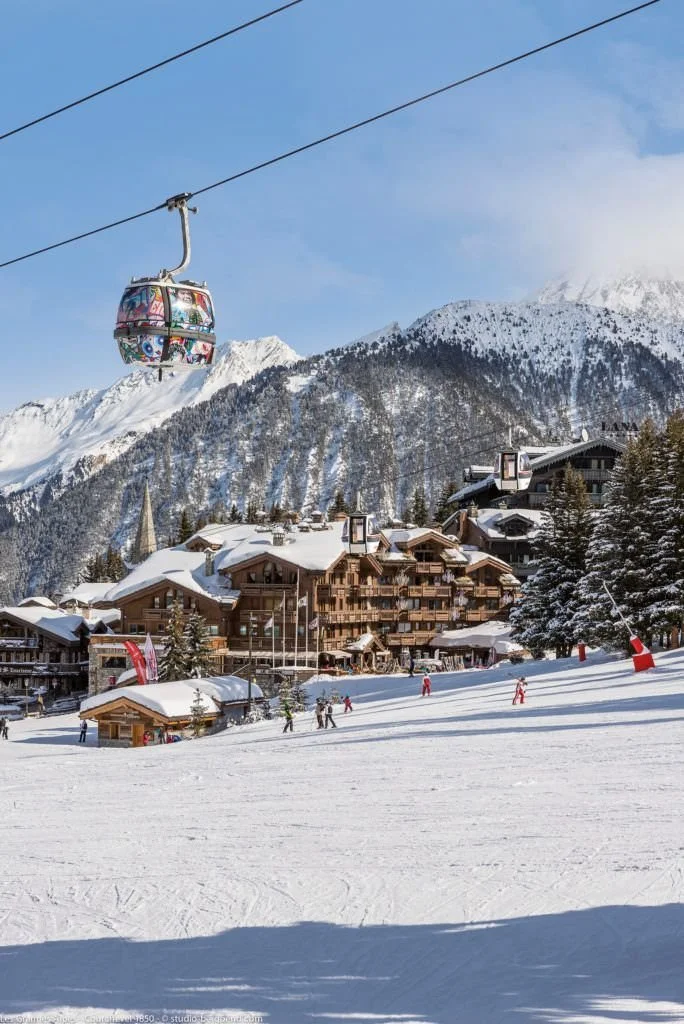
Winter travel has a way of making the familiar feel new again. Cities glow with seasonal lights, mountain towns settle into a cozy rhythm, and warm-weather destinations feel even more rewarding when you’ve left cold temperatures behind. For some travelers, winter is about snow-covered peaks, hot drinks, and ski days that end by the fireplace. For others, it’s the perfect excuse to swap heavy coats for sunshine, ocean breezes, and outdoor dining.
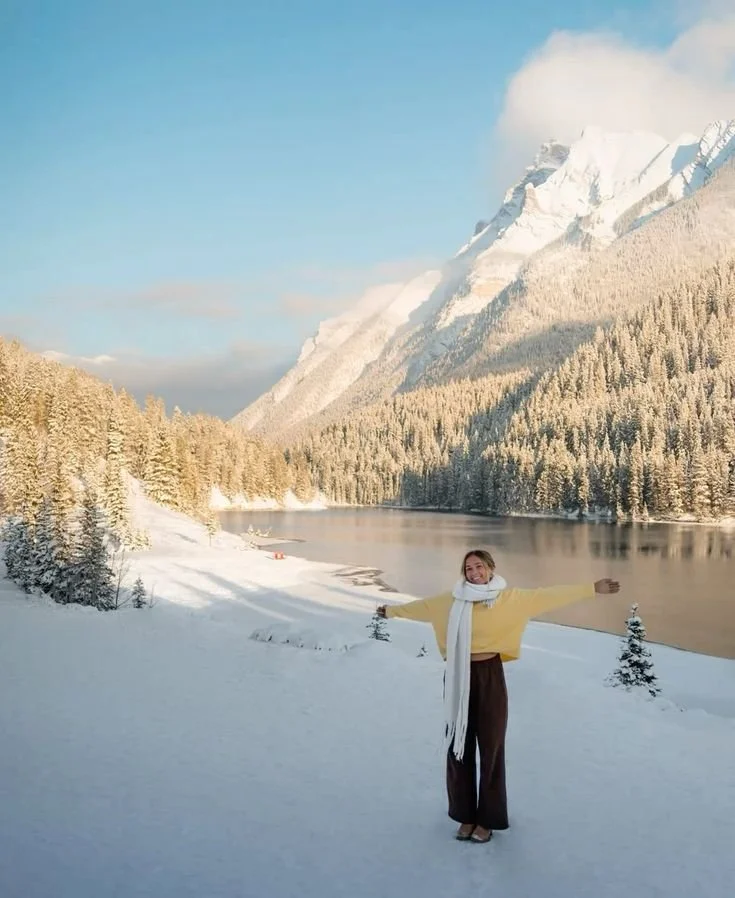
Either way, winter trips require slightly different planning than vacations during milder seasons. Weather can change quickly, daylight hours can be shorter, and peak travel periods can drive up costs. The good news is that a little organization goes a long way. With the right destination, packing strategy, and budget plan, a winter getaway can be smooth, comfortable, and genuinely memorable.
In this article, you’ll find practical, experience-based tips for planning a winter escape—whether you’re chasing powdery snow, cultural city breaks, or a warm coastal retreat. We’ll cover how to choose a destination, pack smartly, manage your costs, stay safe in winter conditions, and make the most of seasonal activities without feeling overwhelmed.
No. 1
Selecting the Ideal Destination
The best winter destination is the one that fits your priorities. Winter is not a single travel “type”—it’s an entire range of experiences, from blizzards and ski lifts to tropical sunsets. Before browsing deals, it helps to decide what you want the trip to feel like.
Start with your winter travel style
Ask yourself a few simple questions:
Do you want cold-weather adventure (skiing, snowboarding, skating, hiking)?
Are you craving warmth and relaxation (beaches, pools, boat tours, outdoor dining)?
Would you enjoy a seasonal city break (museums, markets, shows, restaurants, architecture)?
Are you traveling for a holiday week, a quiet reset, or a celebration?
Once you’re clear on your travel style, research weather patterns and seasonal highlights. A destination that is perfect in summer may feel very different in December. Likewise, a snowy town may be magical—but only if you enjoy cold weather and have the right gear.
Match activities to timing
Winter destinations often have seasonal events and limited-time experiences, so it’s smart to check what’s actually available during your dates. For example, if you’re planning a trip to Fort Lauderdale, exploring the things to do in Fort Lauderdale in December is essential before finalizing your plan. Seasonal guides help you align your itinerary with the best events, weather expectations, and local attractions.
No. 2
Packing Essentials for Winter Trips
Packing can make or break a winter getaway. Cold-weather trips require layering and weather protection, while warm-weather escapes still come with winter-specific needs (like extra sunscreen or travel-size skincare for drier air).
For cold climates: pack for comfort and safety
Harsh conditions can become risky when you’re underprepared. If you’re heading into snow, wind, or low temperatures, prioritize:
A warm, insulated jacket (preferably wind-resistant)
Thermal base layers (top and bottom)
Waterproof boots with solid traction
Thick socks (wool or thermal blends work well)
Gloves or mittens and a warm hat
A scarf or neck gaiter for wind protection
Even if you’re not doing winter sports, these essentials keep you comfortable while walking around towns, visiting scenic spots, or commuting in cold weather.
For sunny winter getaways: pack light, but pack smart
If you’re escaping to warmth, avoid overpacking “just in case.” Instead, focus on versatile, breathable clothing and the right accessories:
Comfortable walking shoes or sandals
Lightweight layers for evenings (some beach areas cool down at night)
Sunblock and lip balm (sun exposure is still intense in winter)
Sunglasses (especially near water, where glare increases)
Use a checklist to reduce stress
A simple checklist prevents the classic travel mistake: forgetting the one thing that’s hard to replace quickly. Include essentials such as chargers, medications, documents, and weather-specific items.
No. 3
Budget Planning and Cost Management
Winter can be one of the most expensive seasons to travel, largely due to holiday demand and limited availability in popular destinations. But planning early—and planning strategically—can keep costs manageable.
Book early when possible
Flights and accommodations often get pricier closer to peak dates. Booking in advance typically helps you access:
Better flight times and fewer layovers
More lodging options in your preferred area
Competitive rates before demand surges
Compare pricing and stay flexible
Securing multiple quotes (especially for hotels, rental cars, and tours) can reveal significant savings. If your schedule allows, consider:
Traveling mid-week instead of weekends
Avoiding major holiday weeks
Choosing slightly off-peak dates when crowds are smaller
Create a realistic trip budget
A winter trip budget should include categories that travelers sometimes forget:
Airport transfers and local transportation
Winter gear rentals or lift tickets (if applicable)
Extra dining costs during peak weeks
Travel insurance (highly recommended in winter)
Activity fees and museum passes
A simple budget reduces overspending and helps you prioritize what matters most—whether that’s comfort, experiences, dining, or shopping.
No. 4
Accommodation Choices
Where you stay shapes your entire winter trip. A cozy cabin can make a snowy getaway feel magical, while a beachfront hotel can turn a warm escape into a true reset.
Choose lodging that supports your itinerary
Consider convenience and practicality, not just aesthetics:
Ski resorts can reduce transportation hassle and offer direct access to slopes.
Cabins provide privacy and atmosphere, especially for couples or families.
City hotels near public transport simplify sightseeing in winter weather.
Beachfront villas offer quiet, views, and effortless relaxation.
Use reviews and policies as decision tools
Reading recent reviews gives insight into cleanliness, noise levels, and service quality.
In winter, it’s also wise to check:
cancellation policies (weather changes can affect plans)
heating and hot water reliability (for cold destinations)
parking or shuttle availability (especially in snow-heavy regions)
A beautiful property isn’t worth it if logistics are stressful every day.
No. 5
Travel Insurance and Safety Measures
Winter weather increases the odds of delays, cancellations, and unexpected disruptions. That doesn’t mean you should avoid winter travel—only that you should plan with reality in mind.
Why winter is a smart time for travel insurance
Travel insurance can help protect you from costs related to:
flight delays and missed connections
trip cancellations due to weather or illness
medical emergencies away from home
Before purchasing, review what’s covered and what documentation you’ll need if you file a claim.
Build a simple safety routine
To avoid unnecessary stress:
check weather forecasts before travel days and major excursions
keep emergency contact numbers accessible
note local health services near where you’ll stay
leave extra time for winter driving or airport security
In snowy destinations, even short distances can take longer than expected.
No. 6
Transportation Tips
Transportation in winter can be smooth—or surprisingly complicated—depending on conditions. The best strategy is flexibility.
Match transportation to the environment
In heavy snow areas, you may need a rental car with appropriate tires or features.
Trains can be an excellent choice for long distances, offering warmth and comfort.
Pre-booked airport transfers reduce arrival stress—especially late at night or during storms.
If you’re renting a car in winter conditions, confirm what equipment is included and whether you need to request anything in advance.
No. 7
Enjoying Seasonal Activities
Winter getaways offer experiences you simply can’t replicate in other seasons. The key is to plan early so popular activities don’t sell out.
Outdoor winter activities
For snow destinations, consider:
skiing or snowboarding
ice skating
sledding or tubing
scenic winter hikes (when safe and permitted)
Indoor and cultural options
Not every winter day is built for the outdoors. Great alternatives include:
spas and wellness centers
museums and galleries
theater, concerts, and seasonal performances
local markets and food tours
Local festivals are also worth prioritizing. They often combine regional cuisine, traditions, and entertainment—making your trip feel more distinctive than a generic itinerary.
No. 8
Eating Well When Away From Home
Food is part of what makes travel feel meaningful. Winter is especially rich in seasonal dishes, warm drinks, and regional specialties.
Practical dining tips
Try local seasonal menus—you’ll often get the best flavors and value.
Pack snacks for day trips to avoid low-energy moments during long outings.
If you have dietary needs, research options in advance so you aren’t scrambling later.
Reserve tables at popular restaurants during peak weeks.
This approach keeps meals enjoyable instead of stressful, especially in crowded tourist areas.
No. 9
Maintaining Health and Wellness
Winter travel can challenge your immune system, energy, and routines—particularly with dry air, temperature swings, and long travel days.
Simple wellness habits that help
Drink water consistently (it’s easy to forget in cold weather).
Choose balanced meals to keep energy steady.
Wash hands regularly to reduce the chance of getting sick while traveling.
For higher-altitude trips, acclimatize gradually to avoid altitude sickness.
Carry required medications in original packaging to avoid airport delays.
Small health habits protect your trip investment—because nothing disrupts a vacation faster than feeling unwell.
No. 10
Capturing Memories
A winter trip often produces vivid moments: snowy landscapes, glowing evenings, seasonal food, or unexpected adventures. Capturing those memories adds lasting value to the experience.
Ways to document your trip
Take photos with your phone—or bring a dedicated camera for more creative control.
Film short clips of everyday moments (street scenes, waves, mountain views).
Keep a travel journal, even if it’s just a few lines per day.
A thoughtful alternative to buying more souvenirs is printing your favorite photos afterward. They make personal gifts and help you relive the trip long after you’re home.
Takeaways
A winter getaway can be one of the most rewarding ways to travel, whether you’re seeking snow-filled adventure or a warm-weather reset. The difference between a stressful trip and a smooth one usually comes down to planning: choosing a destination that fits your preferences, packing appropriately for the conditions, budgeting carefully around peak-season pricing, and building flexibility into transportation and scheduling.
When you also plan for seasonal activities, prioritize health and safety, and leave room for spontaneous enjoyment, winter travel becomes less about managing obstacles and more about experiencing the season at its best. With the right preparation, both adults and children can enjoy a winter trip that feels comfortable, memorable, and genuinely refreshing.
Looking for Travel resources?
Looking to embark on a transformative journey to discover new cultures, expand your horizons, and reconnect with yourself? Explore, learn, and awaken your wanderlust with our travel partners designed to support you on your next getaway.