Why Playful Family Days Matter
Family life can quickly become an endless loop of routines: school runs, work, shopping, meals, homework, bedtime—and then it all starts again. None of that is inherently negative. In many ways, routine is what keeps everyone fed, safe, and on schedule. The problem is that when most days follow the same pattern, it’s easy to drift into survival mode. Weeks blur together, stress builds quietly, and “time together” can start to mean “time managing tasks in the same room.”
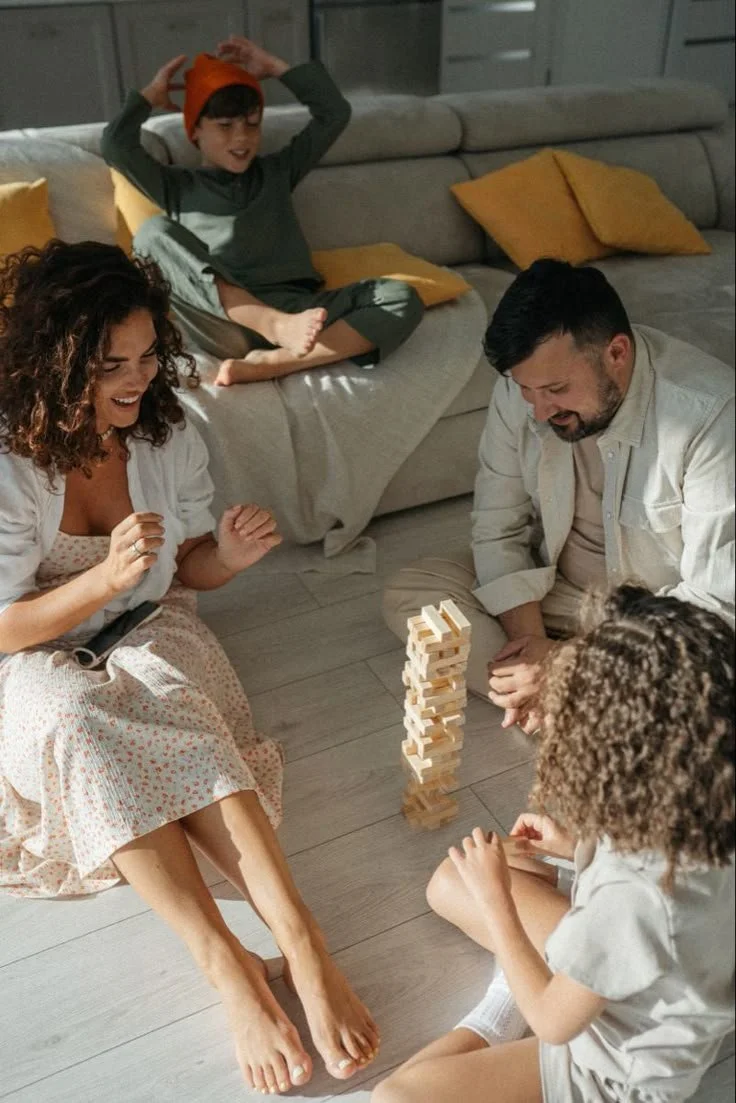
That’s why playful family days matter. They create space for joy, connection, and relief—without needing to be extravagant or time-consuming. A playful day doesn’t have to be a full weekend trip or a carefully curated itinerary. It can be a few intentional hours that remind everyone what it feels like to enjoy one another’s company.
In this article, you’ll learn what playful family days actually do for your family’s wellbeing, why they help children and adults alike, and how to plan them realistically. You’ll also find practical ideas and simple planning strategies so that fun doesn’t become “one more thing” on the to-do list.
No. 1
Playful Family Days Create Shared Memories That Last
Most of the moments families remember aren’t the everyday routines. You rarely look back with fondness at the 200th packed lunch you made, or the hundredth time you reminded someone to put their shoes on. Those tasks are necessary, but they’re not distinctive. They blend into the background of daily life.
Instead, the most vivid memories tend to come from days that felt a little different—days when everyone focused on fun, novelty, and togetherness.
Why “different” days stand out
Playful family days create what you might think of as emotional bookmarks.
They stand out because:
They break the pattern. Novelty makes memories more vivid.
They carry emotion. Laughter, excitement, and shared surprise stick in the mind.
They create shared reference points. Families bond through “remember when…” stories.
They give everyone something to retell. Those stories become part of family identity.
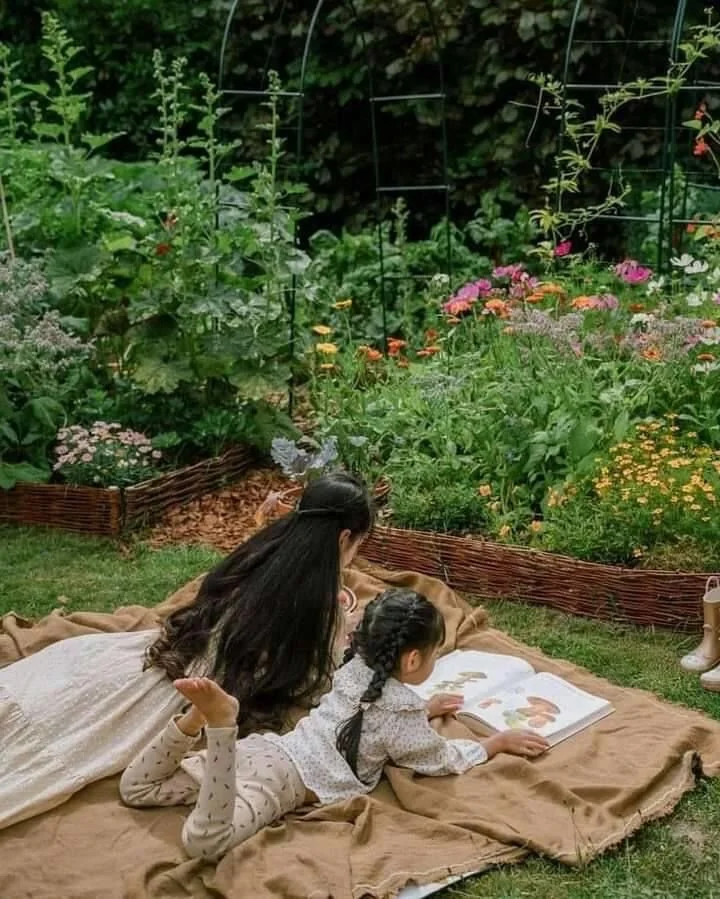
These shared experiences create a beautiful sense of connection. They give you stories to revisit later—sometimes years later, when children are older and family life has changed. And importantly, these memories don’t have to come from expensive trips. Even small adventures can have lasting impact: a spontaneous picnic, a silly game in the living room, or an afternoon exploring somewhere new.
The quiet message behind shared memories
Beyond the fun itself, playful days communicate something powerful to children:
“You matter enough for us to make time.”
“Our family enjoys being together.”
“Home isn’t only about responsibility—it’s also about joy.”
These messages help children feel secure and valued. Over time, they influence how kids view relationships, family, and connection.
No. 2
They Help Everyone Relax (Yes, Even Adults)
One reason playful days are so beneficial is that they lower the pressure to be productive. In day-to-day life, parents often carry a heavy mental load: remembering schedules, planning meals, anticipating needs, managing behaviour, and making sure everything keeps moving. Even weekends can feel like “catch-up time” rather than recovery time.
When the goal of the day is simply to have fun, the emotional atmosphere changes. There’s less pressure to be organised, efficient, or on top of everything. Instead of striving to accomplish, you’re allowed to experience.
Why relaxation is essential (not optional)
Relaxation isn’t laziness. It’s recovery. When families never truly reset, stress accumulates and often shows up as:
irritability and short tempers
low patience (for children and adults)
increased conflict between siblings
emotional distance (“we’re together but not connected”)
exhaustion that doesn’t improve with sleep alone
A playful day can provide a reset because it gives everyone a break from constant demands. It’s not just the activity that helps—it’s the shared permission to let go for a while.
Why places like waterparks work so well
Spending time somewhere like a waterpark is almost guaranteed to encourage playfulness.
It has all the ingredients:
water (sensory fun that instantly changes your mood)
movement (without feeling like structured exercise)
laughter and spontaneity
a setting where everyone is naturally engaged
The best part is that a waterpark day usually doesn’t require complicated planning. You pick a day, pack the basics, and go. The environment does the heavy lifting—meaning parents don’t have to “create” the fun, they just have to show up and be present.
This is a helpful principle to apply elsewhere: choose activities where fun is built in, so the day doesn’t depend entirely on your energy.
No. 3
They Break Up Routine (Without Removing the Stability Routine Provides)
Routine is useful. Children often thrive when life is predictable. Adults also benefit from structure because it helps manage time, commitments, and responsibilities. The goal isn’t to eliminate routine—it’s to balance it.
Too much routine, without breaks, can make time feel like it’s racing by. Days blur together, and you may find yourself rushing through life without pausing to appreciate what you have and who you’re with.
Playful family days act like punctuation marks. They break up the sameness and give everyone something to look forward to.
Why this prevents burnout
Preventing burnout isn’t only an adult problem. Kids experience it too—especially in busy households where school, activities, and social pressures fill the week. When you plan occasional playful days, you reduce emotional strain by creating:
anticipation (something enjoyable on the horizon)
a sense of reward after effort
emotional “breathing room”
a reminder that life includes enjoyment, not just responsibilities
And again, it doesn’t have to be an all-day event. A few hours can absolutely do the trick. In fact, shorter playful outings are often easier to repeat regularly, which is what makes them effective long-term.
No. 4
They Strengthen Relationships Through Low-Pressure Connection
Many parents want more closeness and better communication with their children, but formal “talks” don’t always work—especially with kids who dislike being questioned or teens who shut down when they feel analysed.
Playful family days create an alternative pathway to connection. When you’re doing something enjoyable side-by-side, conversation tends to happen naturally. Children often open up when they feel relaxed and unobserved.
Connection that doesn’t feel forced
Play encourages:
teamwork (planning, exploring, collaborating)
shared laughter (which builds trust)
casual conversation (which feels safer than formal discussions)
emotional warmth (a sense of “we’re good together”)
Even if you don’t have deep conversations on every playful day, the emotional tone still matters. Warmth and enjoyment build a foundation that makes communication easier at other times.
No. 5
How to Make Playful Family Days Easier to Plan
A major obstacle for many families isn’t a lack of desire for fun—it’s friction. Planning can feel like a job. If a “fun day” requires lots of organising, packing, budgeting, and coordinating, it may never happen.
The solution: make fun easier.
1) Keep a “Family Fun List”
Decision fatigue is real. Create a simple list of options your family enjoys so you don’t have to brainstorm every time you get a free afternoon.
You can keep it in your phone notes.
Include ideas like:
park, picnic, and playground
bike ride with a snack stop
beach/lake afternoon
waterpark or swimming pool
mini golf or bowling
zoo, aquarium, or museum
local festival or farmers’ market
at-home movie afternoon with themed snacks
baking or “make your own pizza” night
living-room fort building
2) Use the “one main activity” rule
Overplanning often kills joy. Instead of stacking multiple activities into one day, choose one main thing and build around it. This keeps the day calmer and reduces the chance of stress.
For example:
“Waterpark, then home.”
“Park and picnic.”
“A short hike, then a café.”
“Bowling and dinner.”
3) Prepare a grab-and-go basics kit
You don’t need military-level organisation, but having a few basics ready makes leaving the house far easier.
Consider keeping a small “outings kit” with:
water bottles
suncream
wipes/tissues
small snacks
plasters (bandages)
a light jacket or rain layer (season-dependent)
When the essentials are easy, spontaneous fun becomes more realistic.
4) Make it a rhythm rather than a rare event
Playful family days work best when they happen regularly enough to be part of your family culture. That doesn’t mean every weekend.
It could be:
a few hours every other week
one planned outing per month
seasonal traditions (summer water day, autumn walk, winter lights, spring picnic)
Consistency matters more than scale.
No. 6
Practical Ideas for Playful Family Days (Low-Cost and High-Impact)
To make planning even easier, here are a few flexible ideas.
Outdoor play (simple and restorative)
nature walk with a “spot five things” challenge
park games: frisbee, football, tag, scavenger hunt
a picnic with one special treat
sunset walk with hot chocolate
Creative and cozy play (great for home days)
family baking challenge
craft afternoon (painting, collage, DIY)
living-room camping with blankets and flashlights
board game or puzzle tournament
“Mini-adventures” close to home
explore a new neighbourhood
visit a local market and let each person pick one snack
try a new playground or trail
take a “photo walk” where everyone captures a theme (shapes, colours, funny signs)
The best playful day is the one your family will actually do. Start with what feels easy, then build from there.
Takeaways
Playful family days are important because they create balance in a life that can otherwise feel dominated by routine. They help you build shared memories, give everyone permission to relax, and break up the week in a way that protects against burnout. Most importantly, they strengthen connection—not through pressure or perfect planning, but through simple, joyful experiences you share.
If you want a practical next step, choose one low-effort idea from your “Family Fun List,” set aside two or three hours, and treat it like a real appointment. Over time, those small pockets of play add up to something meaningful: a family culture where joy is not an occasional extra, but a normal part of life.
Looking for resources?
At Hello Lovely Living, we aim to empower you to earn and save money and time while benefiting from our expansive network of home, life, wellness, travel, work-from-home, career, and business resources and opportunities. Discover a wealth of tools to support your journey.