Creating Simple Yet Meaningful Family Traditions At Home
There’s something undeniably special about family traditions that begin right at home. Whether it’s decorating for the holidays, hosting annual gatherings, or keeping small seasonal rituals, these moments quietly shape memories that can last for decades. Yet while the traditions themselves get most of the attention, one factor often determines whether they feel joyful or exhausting: the setup.
When preparation is complicated—untangling lights, deep-cleaning under pressure, coordinating every detail—it can drain the very energy you hoped to bring into the celebration. When setup is simple and shared, it does the opposite: it creates space for laughter, presence, and genuine connection.
In this article, you’ll learn why simplifying preparation can make family traditions more sustainable, more enjoyable, and more meaningful. We’ll also look at practical ways to reduce stress without losing the heart of what makes these moments special.
No. 1
The Heart of Traditions: Togetherness Over Perfection
At their core, family traditions aren’t about perfection—they’re about presence. The real magic isn’t the photo-ready centerpiece or the perfectly symmetrical tree. It’s the moment someone pulls out an old ornament and tells the story behind it. It’s the familiar smell of a family recipe in the oven. It’s the shared feeling of, “We’re doing this again—together.”
Traditions work because they create:
Continuity: a sense that your family has a rhythm and history
Belonging: everyone has a role, even if it’s small
Emotional safety: familiar rituals can be grounding during busy seasons
Shared identity: “This is what our family does.”
The problem starts when the preparation becomes the main event. If you spend your time fixing what’s “wrong,” rushing to meet expectations, or working until you’re too tired to enjoy the tradition, the emotional purpose gets buried under logistics.
A healthier approach is to treat setup as a support system—not a performance. “Good enough” often creates more warmth than “perfect,” because it leaves room for patience and joy.
No. 2
Decorating as a Shared Experience (Not a Stress Test)
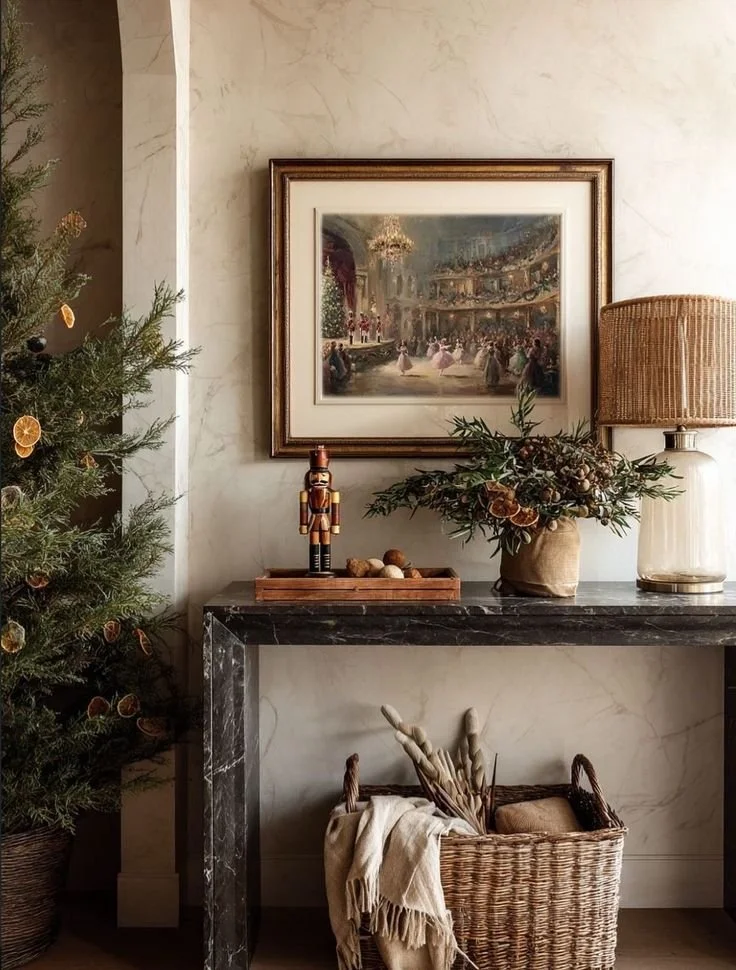
Decorating is one of the most beloved seasonal traditions, especially around the holidays. Done well, it becomes a family activity rather than a solitary chore. Kids hang ornaments in unusual places, parents adjust a few items, music plays, and the house slowly changes mood. Even the imperfections become part of the memory.
But decorating is also a common source of stress.
It can involve:
Hours of unpacking and re-packing
Broken décor that needs replacing at the last minute
Ladders, cold weather, and outdoor work
Tangled lights and uneven placement
Time pressure—especially when weekends are already packed
Simplify what drains your energy
The key is to keep the meaningful parts in-house and simplify the parts that consistently cause frustration. Many families find that exterior lighting is the biggest “energy leak”—the portion that takes the longest, has the most hassle, and creates the most tension.
Outsourcing that specific task can preserve your capacity for the moments that matter. For example, working with the best holiday lighting company in Lebanon OH can allow your home to look festive without turning your weekend into a marathon of ladders and troubleshooting. Instead of spending a full day installing lights, you can redirect that time toward what actually builds connection: decorating the tree together, cooking, watching a favorite movie, or simply enjoying a slower evening.
Make decorating easier without losing the tradition
A few small changes can protect the joy of decorating:
Create a “decorating day” playlist and let it set the pace
Sort decorations into clearly labeled bins by room or purpose
Keep a small “fix-it kit” with hooks, spare bulbs, tape, and scissors
Put up less décor, but choose pieces with a stronger meaning
Built-in breaks (hot chocolate, cookies, a short walk)
When setup is manageable, decorating returns to what it should be: a shared experience that marks the season together.
No. 3
Hosting Without the Overwhelm (Warmth Doesn’t Require Exhaustion)
Hosting is another tradition that can bring families closer. A holiday dinner, an annual cookie exchange, or a simple seasonal gathering turns your home into a place of welcome. Done with intention, hosting is less about impressing and more about opening the door to connection.
Still, many people avoid hosting because preparation feels like a second job. The most common pressure points are:
Cleaning the whole house in a panic
Cooking too many dishes at once
Over-decorating and overcomplicating the table
Trying to control every detail of timing and presentation
The irony is that guests rarely remember perfection. They remember how they felt in your home. They remember ease, laughter, and being included.
Practical ways to simplify hosting
You can reduce the workload without lowering the quality of the experience:
Host potluck-style: assign categories (appetizers, sides, desserts)
Cook ahead: choose dishes that improve overnight
Limit the menu: a smaller menu reduces stress and food waste
Create “zones”: one drink station, one snack area, one seating area
Use meaningful décor: a few candles, greenery, or family heirlooms can be enough
When you reduce the workload, you gain the ability to engage. That’s the real point of hosting—being present with the people you invited.
No. 4
Seasonal Routines That Build Lasting Memories (Small Can Be Powerful)
Traditions don’t need to be grand to be meaningful. Some of the most cherished rituals are small routines that repeat year after year. Their strength comes from consistency, not complexity.
Examples of simple traditions that often stick:
Watching the same movie on the first cold night of the season
Taking a yearly family photo in the same spot
Lighting candles at dinner on certain evenings
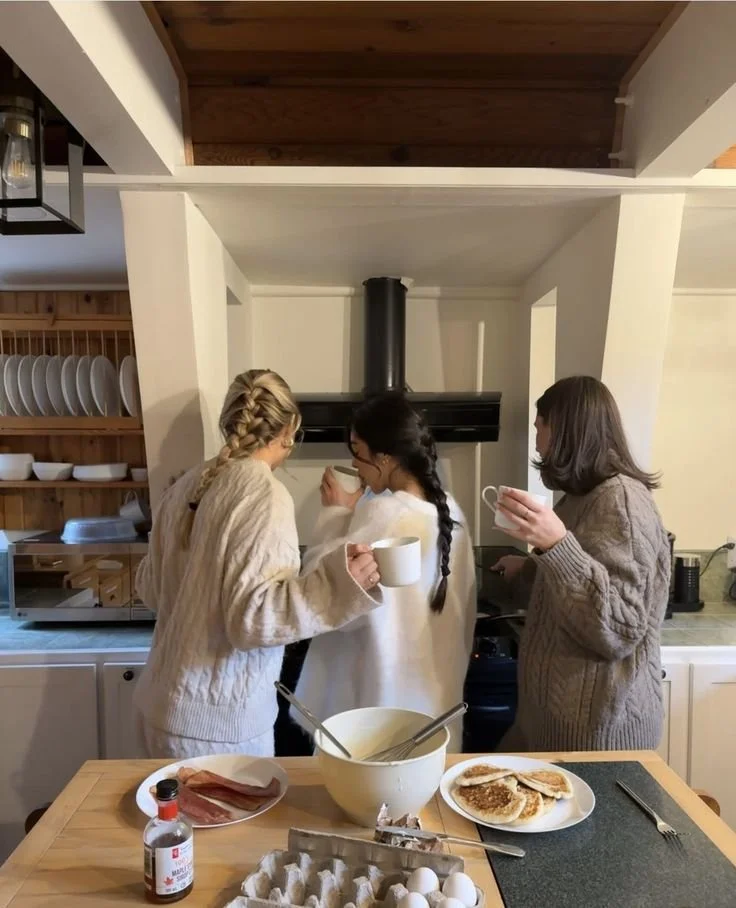
Making one signature recipe together every year
Doing a “winter walk” or a “first spring picnic” on a chosen weekend
What makes these traditions last is that they are easy to maintain. If a ritual requires a big budget, perfect timing, or a huge amount of prep, it becomes fragile—easier to skip when life gets busy.
The rule of sustainability
A tradition that survives is usually one that feels achievable even on a tired week. If you want rituals that last as your family grows and schedules change, design them with real life in mind.
No. 5
Why the Setup Matters More Than You Think (It Sets the Emotional Tone)
It’s easy to underestimate preparation because it happens “behind the scenes.” But setup is not neutral—it sets the emotional tone for the entire experience.
A stressful setup often leads to rushed conversations, irritability, and fatigue.
A streamlined setup creates room for humor, flexibility, and warmth.
Think of setup as the foundation. When the foundation is stable, the celebration feels easier. When the foundation is shaky—too many tasks, too little time, too much pressure—even a well-intended tradition can feel heavy.
This is where convenience becomes meaningful. Choosing convenience isn’t laziness; it’s a decision to protect the emotional core of your family time.
Convenience can look like:
Hiring help for high-effort tasks
Planning earlier than you think you need to
Saying no to extra commitments during tradition-heavy weeks
Letting go of unrealistic expectations
Repeating what works rather than reinventing everything every year
No. 6
Creating Traditions That Last (By Letting Them Evolve)
The strongest traditions are rarely the ones that look the most impressive. They’re the ones that evolve with your family’s real needs—new ages, new schedules, new homes, and changing energy levels.
A tradition can remain “the same” in spirit while changing in form.
For example:
A big holiday party might become a smaller dinner when kids are young
A complicated decorating routine might become simpler, with one meaningful item per room
Outdoor light installation might shift from DIY to professional support as schedules tighten
A long day of activities might become one signature outing and one relaxed night at home
This flexibility keeps the tradition alive. It prevents rituals from becoming burdens that people dread. The goal is to create traditions that people want to return to—not obligations they survive.
Takeaways
In this article, we explored a simple idea with a big impact: the easier the setup, the more space you create for connection. Family traditions thrive when they prioritize togetherness over perfection, and when preparation supports the experience rather than overshadowing it.
Decorating can be a joyful group ritual—especially when you simplify the parts that drain energy. Hosting becomes more meaningful when you reduce pressure and focus on warmth rather than performance. Small seasonal routines often last longer than complicated ones because they’re sustainable. And most importantly, setup matters because it sets the emotional tone for everything that follows.
When you simplify preparation—whether through smarter planning, smaller expectations, or support from professionals like the best holiday lighting company in Lebanon, OH—you’re not “doing less.” You’re making room for what traditions are actually meant to give you: time, presence, and memories that feel as natural as they are lasting.
Looking for resources?
At Hello Lovely Living, we aim to empower you to earn and save money and time while benefiting from our expansive network of home, life, wellness, travel, work-from-home, career, and business resources and opportunities. Discover a wealth of tools to support your journey.