Practical Ways To Spend More Time Outdoors
Studies show that spending time outside is good for our bodies and souls. Fresh air, natural light, and contact with green space can help us feel calmer, more focused, and more energised—yet many of us still spend most days indoors. Work, commuting, family responsibilities, screens, and endless to-do lists can make “getting outside more” feel like a luxury rather than a realistic habit.

In this article, you’ll discover practical, achievable ways to spend more time outside without turning your life upside down. The key is to make outdoor time easier to start, simpler to maintain, and natural to return to—whether that means adding short breaks to your workday, planning trips that revolve around nature, or choosing hobbies that give you a reason to step out the door.
No. 1
Schedule Outdoor Breaks
If you work indoors, it can be tricky to find time to get outside and reap the rewards of fresh air and scenic views. The hours fly by, and before you know it, you’ve spent all day under artificial light, barely moving beyond your desk, the kitchen, and the nearest screen.
One of the simplest ways to build a healthier rhythm is to schedule outdoor breaks. When outdoor time is left to chance, it often disappears. When it’s planned—like a meeting or appointment—you’re far more likely to follow through.
Even if this simply means taking a quick walk during your lunch break, it can make a noticeable difference to your mindset and energy levels. Being outside can reduce stress and anxiety, promote calm, clear your mind, and help you feel more like yourself again—especially on long or demanding days.
Make outdoor breaks realistic (not idealistic)
To make this work long term, it helps to keep the barrier to entry low. Outdoor breaks don’t need to be long to be valuable. For many people, the most sustainable approach is to start small and be consistent.
Here are a few easy ideas that fit into most schedules:
Take a 5–10 minute walk around the block between tasks.
Drink your morning coffee outside instead of at your desk.
Use part of your lunch break for a short stroll and eat afterward.
Step outside for a quick fresh air reset after finishing a difficult task.
If you’re working from home, begin the day by standing outside for two minutes of daylight before opening your laptop.
These micro-breaks are especially effective because they don’t require special equipment, planning, or a dramatic time commitment. They simply shift part of what you’re already doing—resting, thinking, eating—into an outdoor setting.
Bring the outdoors into work culture
If you have an office job, it’s a brilliant idea to consider activities like walking meetings and outdoor teambuilding. Not every conversation needs to happen in a meeting room. A walk can reduce tension, stimulate ideas, and make discussions feel less intense—particularly for one-to-one check-ins, brainstorming sessions, or informal planning.
If you manage a team, even encouraging “get outside for five minutes” breaks can improve morale and help people return to work with a clearer head.
No. 2
Plan Outdoor Vacations
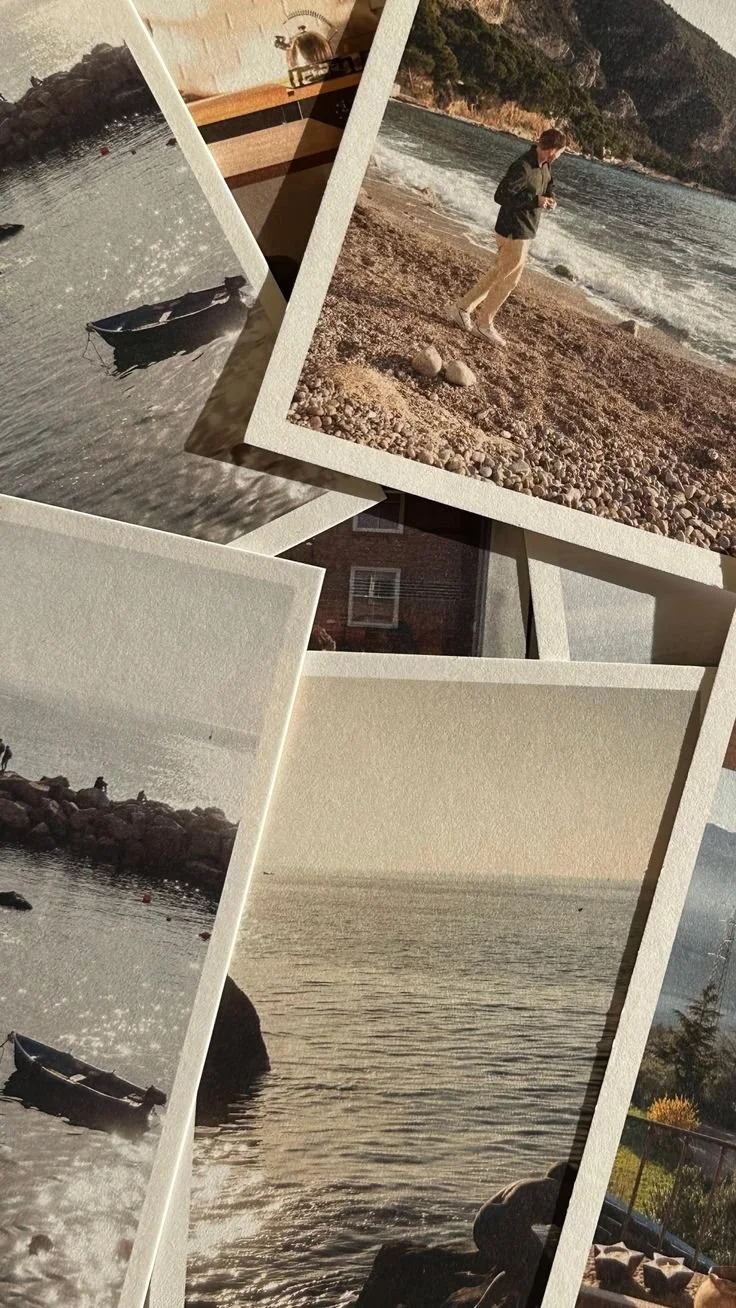
When you hear the word “vacation,” what kinds of images pop into your head? For many of us, it’s bright blue swimming pools, coastal resorts, and cultural city breaks packed with museums and restaurants. Those trips can be wonderful—but if your goal is to spend more time outside, it’s worth considering travel that naturally places you in the middle of nature.
Outdoor vacations offer an ideal opportunity to explore, relax, appreciate the beauty and wonders of the natural world, and enjoy a slower pace of life. They also make it easier to disconnect from indoor routines, because being outside becomes the default rather than something you “try” to fit in.
From camping and taking advantage of stunning views and accessible amenities at an RV park to adventure breaks and retreats in nature, there are options to suit everyone.
Choose a trip style that matches your personality
Not everyone wants the same kind of outdoor escape. Some people want comfort and convenience; others want challenge and adrenaline. The key is to pick a style of trip that feels inviting rather than intimidating.
Consider options like:
Camping trips for quiet mornings, starry nights, and a simple routine.
Cabin stays near lakes, forests, or national parks for comfort with easy access to trails.
Adventure weekends focused on hiking, surfing, climbing, kayaking, or cycling.
Nature retreats that include yoga, mindfulness, or guided outdoor experiences.
If you’ve struggled to spend time outside at home, planning a nature-focused vacation can be a powerful reset. It gives you a concentrated dose of what your body and mind may be craving—space, movement, light, and calm.
Road tripping and RV travel: freedom, comfort, and flexibility
Road tripping is an excellent choice for those keen to wander at their leisure, try a range of activities, discover new places, and design a bespoke itinerary. There’s something uniquely satisfying about moving through landscapes slowly, stopping when something catches your eye, and building your days around curiosity rather than rigid schedules.
Traveling in an RV affords luxury and convenience. You can keep essentials close, store outdoor gear easily, and stay in scenic locations without constantly checking in and out of accommodations. For many people, this combination—comfort plus proximity to nature—makes outdoor travel far more appealing and sustainable.
No. 3
Try New Hobbies
Many popular hobbies involve spending time outside and making the most of nature. Whatever your interests, it’s usually possible to find ways to get out and about—whether you’re drawn to athletic pursuits, creative outlets, or gentle movement.
If you’re looking for inspiration, why not try active pursuits like kayaking, hiking, climbing, surfing, cycling, and running? If you prefer something slower and more reflective, creative activities like painting, photography, sketching, and writing can be incredibly satisfying outdoors.
You could also take outdoor yoga and Pilates classes, join a running club, or indulge your inner adventurer with hobbies such as geocaching.
Why outdoor hobbies are so effective
The beauty of hobbies is that they provide a built-in reason to step outside. Instead of relying on willpower (“I should go out”), you’re pulled outdoors by interest (“I want to do this”). That’s a much stronger motivator—and it’s why hobbies are often the missing link for people who love nature but struggle to make time for it.
Research suggests that hobbies can improve your mental well-being. They offer opportunities to develop and learn new skills, make friends, gain confidence, and broaden your horizons. Outdoor hobbies add additional benefits because they encourage you to leave the house, take breaks from your desk, and pay attention to your surroundings.
Outdoor hobbies that work even in a city
You don’t need mountains or beaches to benefit from nature. Even in the middle of a city, it’s possible to get a boost by visiting:
local parks and gardens
riverside or canal paths
tree-lined neighbourhood walks
community sports fields
outdoor markets and pedestrian areas
If you live in an urban area, choosing a hobby like photography, jogging, sketching, or walking-based exploration can turn familiar streets into something new. You’ll start noticing details—light, colour, seasonal changes, birds, plants, architecture—that you might otherwise miss.
No. 4
Make Spending Time Outside Easier to Maintain
Even great ideas fail when they’re inconvenient. If your shoes are hard to find, your coat is buried in a closet, or you feel like you need to “prepare” to go outside, you’ll default to staying in—especially on busy days.
A few small systems can make outdoor time almost automatic:
Reduce friction with simple preparation
Keep a grab-and-go outdoor kit by the door (shoes, jacket, sunglasses, sunscreen).
Store a water bottle where you’ll see it before leaving.
Choose a default walking route so you don’t waste energy deciding where to go.
Set a daily alarm titled “Step outside” rather than a vague reminder like “be healthy.”
Pair outdoor time with something you enjoy (podcast, music, a phone call with a friend).
Use “minimum viable outdoors” on hectic days
On days when time is tight, aim for the smallest version of outdoor time that still counts.
For example:
3 minutes outside between meetings
one loop around the building
a short walk to pick up one item from a local shop
sitting on a bench for five minutes with no scrolling
These tiny moments matter because they keep the habit alive. Consistency is what changes your lifestyle, not occasional big bursts of effort.
Takeaways
Spending time outside is beneficial for your body, mind, and soul, yet most people spend the majority of their days indoors. The good news is that you don’t need to move to the countryside or overhaul your schedule to change that. Small, intentional choices—like scheduling outdoor breaks, planning outdoor vacations, and exploring hobbies that encourage you to step outside—can add up quickly.
If you want to begin today, start with the simplest step: put one short outdoor break on your calendar. Once you’ve proven to yourself that you can make time for fresh air, you can build from there—one walk, one outing, one nature-focused plan at a time.
Looking for resources?
At Hello Lovely Living, we aim to empower you to earn and save money and time while benefiting from our expansive network of home, life, wellness, travel, work-from-home, career, and business resources and opportunities. Discover a wealth of tools to support your journey.