School Readiness Tips: Helping Kids Start Confidently
Some children walk into their first day of school as if they have been there for years. Most do not. More often, a child feels excited for a few minutes and then gets hit with the reality of a new environment: unfamiliar adults, loud rooms, new rules, tricky bathroom routines, a lunchbox they suddenly cannot open, and the uncomfortable fact that mum or dad is not staying.
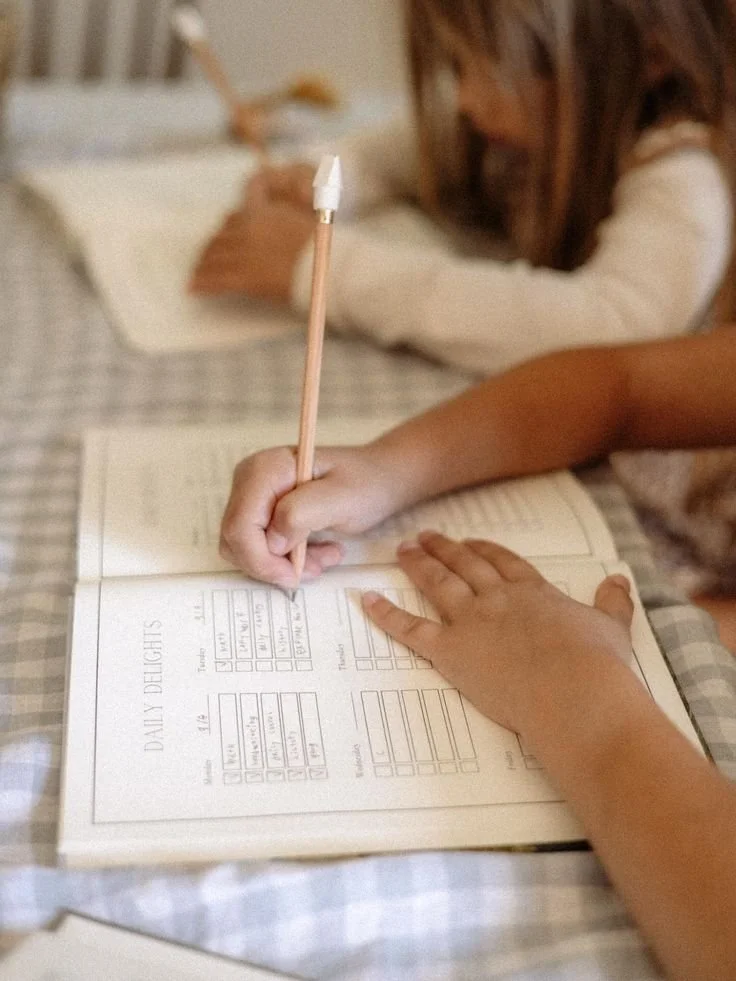
In this article, we will explore practical, realistic ways to prepare your child for the start of school without turning your home into a miniature classroom. The goal is not early academics or perfection; it is familiarity, predictability, and confidence with everyday skills that reduce stress in the first few weeks.
No. 1
Drop the “They’ll Just Figure It Out” Mindset
The idea that children will simply adjust on their own sounds comforting, but it often leads to avoidable overwhelm. A new school setting is a sensory and emotional overload for many children, even when they are excited. Preparation matters because it reduces how foreign the day feels, and children cope better when they can predict what will happen next.
This does not mean formal lessons or rigid schedules. It means helping the basics feel familiar before day one so your child can spend their energy on learning, playing, and connecting, rather than constantly trying to decode the environment.
Why familiarity makes such a difference
When children know what to expect, they tend to:
Transition more calmly at drop-off
Follow routines with less resistance
Ask for help sooner instead of shutting down
Recover faster after small frustrations
Feel more secure when a parent is not present
No. 2
Build the Routine Before School Starts
Many “first-week problems” are really routine problems. If a child has been waking up whenever they feel like it, eating at irregular times, and getting dressed slowly because there is no urgency, the first school morning can feel like a shock to the system.
Aim to adjust routines two to three weeks before school begins. You are not trying to create a perfect schedule; you are trying to remove surprises.
A simple routine to practise daily
Use a repeatable morning framework that your child can learn:
Wake up at a consistent time
Use the bathroom
Get dressed
Eat breakfast at roughly the same time
Brush teeth and wash face
Put on shoes
Pack and carry the bag
Leave the house at a set time
Practice runs that reduce first-day stress
Short “dress rehearsal” outings help more than parents expect.
A few times a week:
Leave the house at the time you would for school
Walk or drive a short loop
Go to the park or shops and come home
Talk about what happens next in the day
Children rarely struggle because they cannot sing the alphabet. They struggle because everything feels unfamiliar and fast.
No. 3
Teach the Skills That Save Them Stress
School readiness is often mistaken for early reading or advanced counting. In reality, the children who settle best are usually the ones who can manage a handful of practical, everyday tasks. These skills reduce embarrassment, reduce dependence on adults, and prevent minor problems from turning into big emotional spirals.
Core “self-help” skills that matter most
Focus on skills that protect your child from daily frustration:
Using the toilet with minimal help, including wiping and clothing
Washing and drying hands properly
Opening and closing lunch containers
Drinking from their bottle independently
Recognising their own name on belongings
Following a simple instruction the first time
Asking for help without freezing, crying, or refusing to speak
How to practice without power struggles
Keep practice low-pressure and consistent:
Choose one skill per week as a focus
Practise at the calmest time of day, not when you are rushed
Use the same phrases you want educators to use, such as “Try first, then ask”
Praise effort and strategy, not speed
No. 4
Practise Short Separations Without Making It Dramatic
If your child finds it extremely difficult when you leave, school drop-off will not magically fix that. Separation skills can be learned, but they need repetition in small, predictable steps.
The goal is to teach your child a simple truth: you leave, and you reliably come back. That builds security.
Separation practice that builds confidence
Try separations that are short, planned, and consistent:
Leave them with a grandparent for an hour
Schedule a short play session with a trusted carer
Step outside while they play with another adult nearby
Practice being in a different room while they complete a small task
A goodbye script that works
Keep it brief, warm, and clear:
“I’m going now.”
“You are safe.”
“I’ll be back after lunch / this afternoon.”
“Have a good time.”
Avoid sneaking away. It may stop a moment of crying, but it teaches children they must stay on high alert because you might disappear when they are distracted. That increases anxiety over time rather than reducing it.
If they cry, it does not mean you did it wrong. It means the relationship is strong.
No. 5
Talk About School Like It’s Normal, Not a Huge Emotional Event
Parents often accidentally add pressure by overselling school.
“You’re going to have the best day ever.”
“You’ll make heaps of friends straight away.”
“You’re going to love every minute.”
Some children do love it quickly. Others take weeks to feel comfortable. If you hype it too much, an ordinary first day can feel disappointing, and a hard first day can feel like failure.
Steady language that supports secure kids
Use calm, realistic phrases:
“You’ll meet your teacher.”
“You’ll have story time, play time, and snack time.”
“If you need help, you can ask an adult.”
“I’ll pick you up after school.”
Calm beats hype, every time.
Questions that open conversation without pressure
Instead of asking “Did you have the best day?” try:
“What was something you played with today?”
“Who did you sit near?”
“What was the noisiest part of the day?”
“Was anything tricky today?”
These questions make it easier for children to share real information rather than perform a “happy story” to match your expectations.
No. 6
Let Them Visit and Get Familiar With the Place
If you have enrolled your child in a kindergarten in Morayfield, do not wait until the first morning to show them the environment. Visit if you can, even briefly. Walk past the gate, point out where bags go, where the toilets are, and where pickup happens.
That basic exposure reduces uncertainty, and uncertainty is one of the biggest drivers of first-week anxiety.
What to point out during a familiarisation visit
Keep the tour simple and child-focused:
Where they enter, and where you will say goodbye
Where their bag goes
Where the toilets are
Where they eat snacks or lunch
Where you will pick them up
Why visits help both kids and parents
Familiarity does two things at once:
Children feel less overwhelmed because the space is not entirely new.
Parents feel steadier at drop-off because they understand the routine and layout.
That matters because children read adult emotions extremely well. Your calm is part of their confidence.
No. 7
Read Less About School and Role-Play More
Books about starting school can be helpful, but they are not the main event. Many children learn best by doing, not by hearing a story about doing.
Role-play lets children rehearse the emotional moments, not just the concept of school. That is the part they usually struggle with.
A simple pretend-school game (5–10 minutes)
Keep it short and playful:
One person acts as the teacher
One person packs the bag
Your child practises arriving, sitting down, and packing away
Practise asking for help, such as “Can you help me open this?”
Practise asking to use the toilet
Role-play often works especially well for children who refuse to talk about school directly. The moment it becomes a game, they can explore it without pressure.
Scenarios worth rehearsing
These are the situations that commonly trigger stress:
Saying goodbye at the door
Not being first in line
Waiting for a turn
Being told “Not right now”
Opening food containers
Moving from play to group time
No. 8
Get Serious About Independence (Without Rushing It)
If you still do everything for your child because it is faster, that is understandable. But speed today can become stress later. When children can manage basic tasks, they conserve emotional energy for the bigger challenges: transitions, social dynamics, and following routines with a group.
Independence is not about being “advanced.” It is about reducing daily friction.
Independence skills to practise in everyday life
Give them frequent chances to do small tasks:
Carry their own bag
Put rubbish in the bin
Unpack and repack simple items
Choose between two snack options
Put clothes in the laundry basket
Sit through a short meal without constantly leaving the table
How to support independence without creating battles
A practical approach:
Build in extra time so you are not rushing
Offer choices within boundaries
Let them struggle briefly before stepping in
Teach simple problem-solving language, such as “What could you try next?”
Teachers cannot provide one-on-one support for every tiny task all day. A child who can manage the basics has more energy left for learning, play, and coping.
No. 9
Keep Your Own Nerves Under Control
Children pick up on adult emotions quickly. If you hover, linger, apologise repeatedly, renegotiate the goodbye, or ask “Are you okay?” ten times, your child will assume there is something to worry about.
Being calm does not mean being cold. It means being steady.
What calm confidence looks like at drop-off
Aim for a goodbye that is warm and boring:
“Love you.”
“Have a good morning.”
“See you this afternoon.”
Then go.
Long farewell speeches tend to make children more distressed, not less. Your confidence communicates safety.
Helpful habits for parents in the first week
To stay regulated yourself:
Prepare the night before to reduce morning chaos
Arrive with a few minutes to spare
Use the same goodbye routine each day
Save detailed questions for the educator rather than interrogating your child at the door
No. 10
Watch the First Few Weeks, Not the First Day
One rough drop-off does not mean something is wrong. One easy drop-off does not mean everything is sorted. Look for patterns across the first few weeks, because settling is usually a process, not a single moment.
Signs your child is adjusting over time
Look for gradual change, such as:
They eat at least some food during the day
Sleep is reasonably stable
They mention parts of their day, even small details
Distress eases more quickly after drop-off
Educators report that they settle once you leave
When to ask deeper questions
If intense distress continues after a few weeks, speak with the educator and ask for specific information:
What happens at drop-off, minute by minute?
How do they cope during group time?
What are transitions like, especially pack-up and toileting?
Do they eat and drink?
When do they seem most comfortable?
Specific answers help you solve the right problem instead of guessing.
Takeaways
Starting school is less about academic readiness and more about emotional readiness, predictable routines, and practical self-help skills. When the basics feel familiar, children have more capacity to cope with noise, transitions, and new social expectations.
Build confidence through repetition rather than hype, including short separation practice, calm school talk, and quick role-play sessions at home. Familiarisation visits and consistent goodbye routines also reduce uncertainty for both children and parents.
Track progress across the first few weeks and look for patterns instead of judging everything by day one. If distress stays intense, ask educators targeted questions so you can address the real pressure points with a clear plan.
Looking for resources?
At Hello Lovely Living, we aim to empower you to earn and save money and time while benefiting from our expansive network of home, life, wellness, travel, work-from-home, career, and business resources and opportunities. Discover a wealth of tools to support your journey.