How Long Are Flying Lessons? 6 Factors That Affect Training Time
There’s a moment most people have before starting flight training. It usually sounds something like this: How long is this actually going to take? Not just in hours, but in real life. Weeks? Months? Longer? The answer isn’t as fixed as many expect.
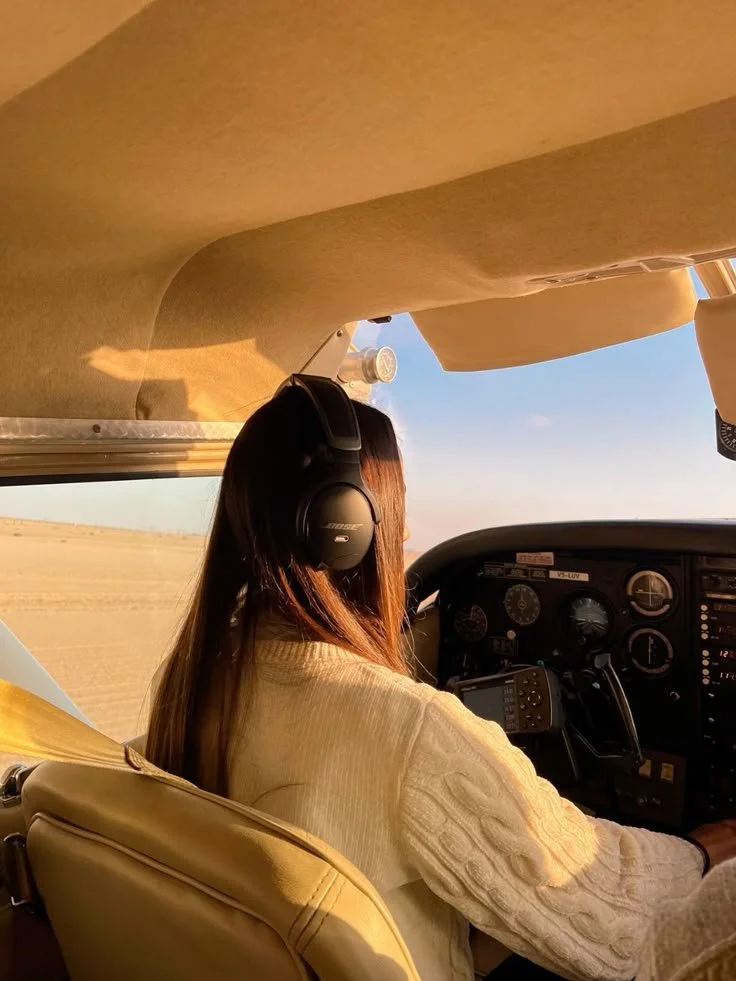
While there are general benchmarks, the timeline for learning to fly tends to shift depending on how often you train, how quickly you adapt, and what your schedule realistically allows. Some students move steadily and finish close to the minimum required hours. Others take a more gradual route, balancing lessons with work, weather, and everything else life throws in.
That’s part of what makes flight training feel different from other skills. It’s structured, yes. But it’s also personal. Progress doesn’t always follow a straight line.
In this article, we break down the six factors that most influence how long airplane flying lessons take, so you can better estimate a realistic timeline for your training.
No. 1
How Often You Actually Fly
Frequency shapes everything. Flying once every couple of weeks might sound manageable at first, but it often stretches the learning curve more than people expect. Skills fade quickly in between sessions, and a good portion of each lesson ends up going toward catching up rather than moving forward. That’s why many learners start leaning toward more structured airplane flying lessons, where consistency becomes part of the process rather than something you have to figure out on your own.
On the other hand, students who fly two or three times a week tend to progress differently. There’s a rhythm to it. Maneuvers begin to feel familiar, and confidence builds in a more natural way. You’re not starting from scratch each time. Instead, you’re building on what’s still fresh in your mind, which makes each lesson feel more productive.
In many training environments, including those associated with Kubick Aviation, the emphasis tends to stay on maintaining that steady cadence rather than compressing lessons into a shorter timeframe. It’s a subtle shift, but it often helps learning feel more continuous and less fragmented over time.
No. 2
Your Learning Pace and Comfort Level
Not everyone processes flight training the same way. Some students pick up radio communication quickly, but take longer with landings. Others feel comfortable in the air early on but need more time to build confidence with navigation.
There’s no standard pace that applies to everyone. What matters is how you respond to each stage. Hesitation, overthinking, or even small gaps in understanding can slow things down. Not dramatically, but enough to stretch the timeline.
Then there are those moments where everything suddenly makes sense. A landing feels smoother. A maneuver feels controlled instead of forced. Those shifts don’t follow a schedule, but they do shape how long training takes overall.
No. 3
Weather Conditions and Seasonal Gaps
This is one factor people often underestimate. Weather doesn’t just delay lessons. It interrupts rhythm. A week of poor conditions can easily turn into a break that affects progress. Especially for newer students who rely on repetition.
Wind, visibility, and cloud cover all play a role. Some days look fine from the ground but aren’t ideal for training. And instructors won’t push a lesson if conditions aren’t right.
Over time, these small gaps add up. Not always in a frustrating way, but enough to stretch the overall timeline. Students who train in regions with more predictable weather often move faster simply because they can fly more consistently. Others learn to work around it, adjusting expectations rather than forcing progress.
No. 4
Instructor Availability and Scheduling Flexibility
Even with the best intentions, scheduling can become a bottleneck. Flight instructors manage multiple students. Aircraft availability comes into play. And then there’s your own schedule to consider. Work, family, and unexpected commitments don’t always align neatly with training plans.
When scheduling is flexible, progress feels steady. You can adjust, reschedule, and keep things moving. When it’s tight, delays start creeping in.
This doesn’t always show up immediately. It builds over time. A missed lesson here, a delayed slot there. Eventually, it adds a few extra weeks—or more—to the process. Having some flexibility, even just a little, often makes a noticeable difference in how smoothly training moves forward.
No. 5
Ground School and Knowledge Retention
Flying isn’t just about being in the air. A significant part of training happens on the ground. To become a pilot, one needs to understand airspace, weather patterns, navigation, and regulations. Some students move through this quickly, especially if they enjoy studying independently. Others need more time to absorb the material.
The pace at which you handle ground knowledge directly affects your flight training. If concepts aren’t clear, it shows up during lessons. You hesitate. You second-guess. Progress slows down.
When the knowledge side is strong, everything else tends to feel more controlled. You’re not just reacting—you’re anticipating. That shift matters more than most expect.
No. 6
Your End Goal and Training Path
Not all flight training follows the same path. Some people are working toward a private pilot license for personal flying. Others are thinking ahead, considering aviation as a long-term career. The depth and pace of training can change depending on the goal.
A recreational flyer might take a more relaxed approach, spacing out lessons and enjoying the process. Someone with career plans may train more intensively, aiming to complete requirements as efficiently as possible.
Neither approach is better. They’re just different. What matters is alignment. When your training pace matches your goal, the timeline feels more natural. Less rushed. Less stretched.
Takeaways
So, how long do airplane flying lessons take? There’s no single number that fits everyone. The minimum requirements give you a baseline, but real timelines are shaped by consistency, learning style, weather, and how life fits around training.
For some, it’s a few months of steady progress. For others, it’s a longer journey that unfolds at a more comfortable pace. And that’s not a drawback. It’s part of the process.
Learning to fly isn’t just about reaching a finish line. It’s about building skill, confidence, and awareness over time. However long that takes, the experience tends to stay with you long after the training ends.
Looking for resources?
At Hello Lovely Living, we aim to empower you to earn and save money and time while benefiting from our expansive network of home, life, wellness, travel, work-from-home, career, and business resources and opportunities. Discover a wealth of tools to support your journey.