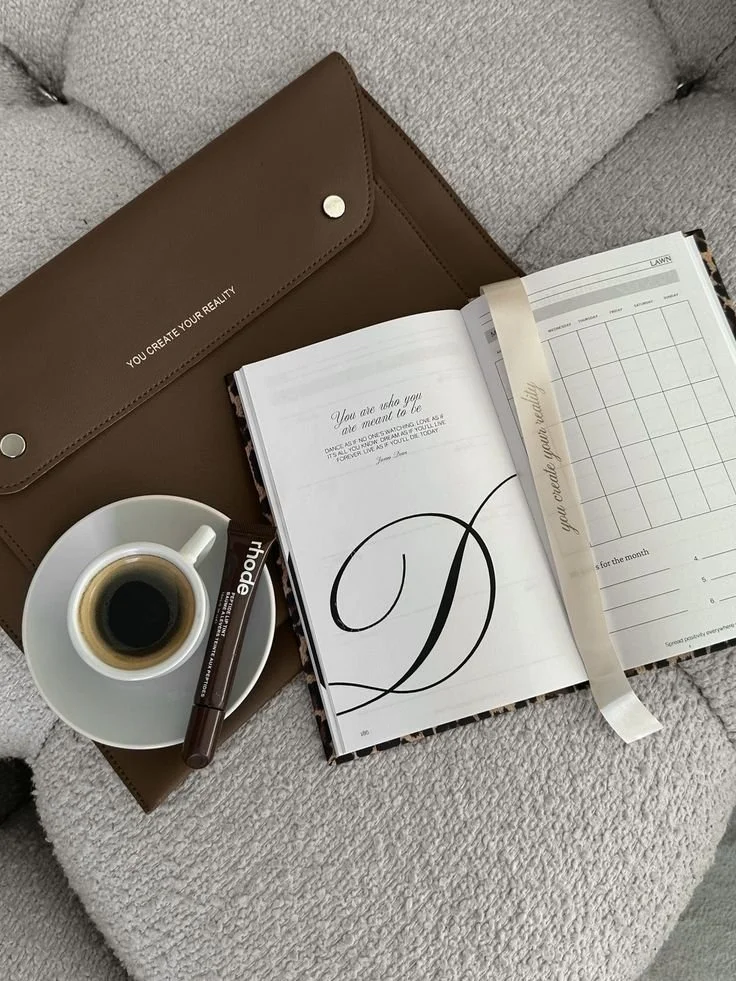
How To Build A Routine That Works With You, Not Against You
Routines are often framed as the secret to productivity, balance, and wellbeing, yet many people end up trapped in systems that feel rigid, guilt-inducing, or impossible to maintain. The issue usually is not a lack of discipline; it is a routine that was designed for an imaginary life rather than the one you actually live.

In this article, we will explore how to build a routine that supports your energy, priorities, and responsibilities, so it feels natural to follow and resilient when life gets busy. You will learn how to start small, use flexible structure instead of strict schedules, and create a system that evolves with you over time.
No. 1
Start With How You Actually Live, Not How You Wish You Lived
The most common routine mistake is building for an idealized version of yourself. A “perfect” plan might look great on paper, but if it clashes with your work hours, family responsibilities, sleep needs, or personality, it will feel like a daily fight.
A routine is most sustainable when it is rooted in reality. That means paying attention to your current patterns, not judging them.
Map your real day before you try to change it
Before you add new habits, take a quick inventory of your current routine. You do not need a complicated spreadsheet; you simply need clarity on where your time and energy actually go.
Use questions like:
When do I naturally have the most energy: morning, midday, or evening?
What are my non-negotiables each day: work hours, school runs, caregiving, commuting?
When do I usually feel rushed, scattered, or depleted?
What typically derails my plans: notifications, fatigue, lack of preparation, unrealistic goals?
Build from what already works
Instead of “reinventing your life,” look for existing behaviors you can strengthen. If you already make coffee each morning, that is a natural place to attach a small habit, such as reviewing your top priorities or doing a two-minute tidy.
Ideas for building from current habits:
After brushing your teeth, do a 60-second stretch
After your first drink of water, write down the day’s top three tasks
After shutting your laptop, do a quick reset of your workspace
No. 2
Keep It Simple Enough to Repeat Daily
A routine only works if it is repeatable on ordinary days, not just on your most motivated days. Many routines fail because they include too many steps, require too much willpower, or take too long to complete.
The goal is not to create an impressive routine. The goal is to create one you will actually do.
Choose high-impact actions that feel easy
Start with a small number of actions that noticeably improve your day. You can always expand later, but beginning with too much is the fastest route to inconsistency.
Consider focusing on:
One health action (walk, stretch, protein-focused breakfast)
One organizational action (plan the day, prep tomorrow, quick tidy)
One wellbeing action (short reading session, journaling, skincare)
Make upgrades that add benefits without adding complexity
Small additions can improve how you feel without turning your routine into a project. For example, incorporating something like a self tan lotion for aging skin from Gatineau into your routine can be a low-effort upgrade that enhances your overall look without requiring a major time commitment.
If you are deciding whether a new step belongs in your routine, ask:
Does this take under five minutes?
Does it create a noticeable benefit for me?
Can I do it even on busy days?
No. 3
Build Around Anchors, Not Strict Timings
Time-blocking can work well for some people, but rigid schedules often collapse the moment life shifts. Meetings run late, kids get sick, errands take longer, motivation fluctuates, and suddenly a “perfect” routine feels broken.
Anchors create structure without the pressure of a strict timetable. Instead of saying “I will do this at 6:00 AM,” you link your routine to events that already happen.
Examples of anchor-based routines
You can attach habits to reliable daily triggers, such as waking up, eating meals, commuting, or finishing work.
Common anchors:
After I wake up, I open the curtains and drink water
After I start my coffee, I review my top three priorities
After lunch, I take a ten-minute walk
After I finish work, I reset my space and write tomorrow’s first task
After I brush my teeth at night, I do a short wind-down routine
Why anchors reduce friction
Anchors work because they eliminate decision fatigue. You do not have to negotiate with yourself about when to start; the trigger does the work.
Anchor-based routines tend to be:
Easier to remember
More adaptable to different schedules
Less likely to trigger “I missed it, so I failed” thinking
No. 4
Make It Flexible, Not Fragile
A routine should survive real life. If one disruption causes you to abandon the entire system, the routine was too fragile. Flexibility is what turns a routine into a long-term support rather than a short-lived burst of motivation.
Think in terms of “minimum viable routines.” You want a version you can do even on your hardest days.
Create a full version and a fallback version
A reliable routine often comes in tiers. On good days, you do the full routine; on busy days, you do the baseline.
Examples:
Full: 30-minute workout; Fallback: 5-minute walk and stretching
Full: cook dinner; Fallback: assemble a simple meal with pre-prepped ingredients
Full: full skincare and self-care; Fallback: cleanse and moisturize only
Plan for predictable obstacles
Most disruptions are not surprises; they are patterns. If Mondays are chaotic or evenings are consistently low-energy, design your routine around that reality.
Common routine-proofing tactics:
Prep the night before when mornings are rushed
Keep “easy wins” available (healthy snacks, simple outfits, packed bag)
Batch tasks (laundry, meal prep, planning) when you have more bandwidth
No. 5
Pay Attention to What Actually Works
Many people copy routines that are popular online rather than routines that match their needs. A routine is not “good” because it is trendy; it is good if it improves your life.
Track results, not aesthetics. If a habit makes you more stressed, it is not a supportive habit.
Use a quick weekly review
You do not need perfection or elaborate tracking. A five-minute reflection once a week is enough to refine your routine over time.
Ask yourself:
What felt easy to maintain this week?
What felt heavy or unrealistic?
What improved my mood, focus, or energy?
What caused friction, and why?
What is one small change I can make for next week?
Give yourself permission to adjust
Changing your routine is not failing; it is optimizing. A routine should evolve as your work, health, family life, or goals change.
Adjustments might include:
Shifting harder tasks to your best energy window
Removing steps that do not deliver real benefits
Adding preparation steps that reduce stress later
No. 6
Create Clear Transitions Between Parts of Your Day
A day can feel exhausting when you move from one task to the next with no reset. Transitions prevent “mental pileup,” especially if you work remotely, manage a household, or switch between roles throughout the day.
Transitions are small actions that signal to your brain that one chapter is ending, and another is starting.
Simple transition rituals you can use immediately
Short transitions help you feel more in control without requiring extra time.
Ideas:
Step outside for two minutes and take a few deep breaths
Make tea or a cold drink before starting your next task
Do a one-song tidy or reset of your workspace
Write down the next single action before you move on
Take a short walk after work to create a boundary
Transitions that support better evenings
Evenings often unravel when you carry work stress straight into personal time. A transition routine helps you shift gears.
Try:
A quick “shutdown” list: what you finished, what is next, what can wait
Changing clothes to signal a different mode
A short stretch to release physical tension
No. 7
Focus on Consistency Over Perfection
Routines fail when they become a test of willpower. The most effective routines are simple, repeatable, and forgiving.
A routine does not need to be perfect to be effective. Consistency, even at a small scale, is what creates results.
Aim for “often” instead of “always”
If you try to follow a routine perfectly, you will eventually break it and feel discouraged. If you aim to follow it most days, you build momentum and identity.
Helpful mindset shifts:
Something is better than nothing
Progress beats intensity
A routine is a tool, not a moral scorecard
Use small wins to build confidence
Consistency becomes easier when you choose habits that create visible improvements. Even a two-minute habit can reinforce a sense of control and capability.
No. 8
Let Your Routine Grow With You
Your routine should change as your life changes. A routine that worked during one season might become unrealistic during another, and that is normal.
Instead of trying to find the one perfect routine, build a routine-building skill. When you can adapt your system, you stay supported regardless of what life throws at you.
When to update your routine
Review and refresh your routine when:
Your schedule changes (new job, school schedule, move)
Your energy changes (sleep issues, health shifts)
Your goals change (training, career push, new family needs)
Your routine starts to feel heavy instead of supportive
Keep your routine focused on what matters now
A routine is most effective when it reflects your current priorities, not a long list of “shoulds.” When your routine matches what you value, it becomes easier to follow because it feels meaningful.
Takeaways
A routine works best when it matches your real life, not an idealized schedule you feel pressured to follow. Start by mapping your current patterns and building from habits you already do consistently.
Keep your routine simple, anchored to existing daily triggers, and flexible enough to survive disruptions. Small upgrades and clear transitions can make your day feel more organized without making your routine complicated.
Consistency matters more than perfection, and routines should evolve as your needs change. With regular review and small adjustments, your routine becomes a supportive system you can rely on long term.
Looking for resources?
At Hello Lovely Living, we aim to empower you to earn and save money and time while benefiting from our expansive network of home, life, wellness, travel, work-from-home, career, and business resources and opportunities. Discover a wealth of tools to support your journey.