Achieving Peace Of Mind Through Daily Habits
A sense of calm and control can feel out of reach when life is busy, unpredictable, or stressful, but it’s often built through small, consistent actions repeated over time—the transformative power of routine. The good news is that grounded confidence isn’t something you “find” once and keep forever—it’s something you build through repeatable choices, supportive environments, and practical skills you can rely on when things get messy.

In this article, we will explore how predictable routines, a safer home environment, situational awareness in public spaces, and skill-building habits work together to create real peace of mind. Rather than chasing perfection, the goal is to create a steady baseline: a life that feels more manageable because your systems, spaces, and responses are designed to support you.
No. 1
The Power of Predictable Routines
The power of routines shows up in the moments that feel ordinary but quietly shape your entire day. Your brain is designed to conserve energy, and predictability is one of the simplest ways to do it. When you build consistent routines, you reduce the number of decisions you have to make each day, which can lower stress and quiet the “background noise” of anxiety.
Predictability doesn’t mean rigidity. It means having a dependable structure that supports your well-being even when everything else changes.
Why routines reduce stress
Routines help because they:
Reduce decision fatigue (fewer “What should I do next?” moments)
Create cues that regulate your nervous system (morning cues for energy, evening cues for rest)
Improve follow-through (you don’t rely on motivation as much)
Increase self-trust (you keep small promises to yourself consistently)
Simple routine ideas you can actually maintain
Try building routines that are short enough to repeat even on tough days.
Morning routine (10–15 minutes)
Wake up at a consistent time
Drink water before coffee
Do 2–3 minutes of stretching
Step outside or look out a window for natural light
Evening wind-down routine (15–30 minutes)
Turn off screens 30–60 minutes before bed
Prep one small thing for tomorrow (outfit, lunch, to-do list)
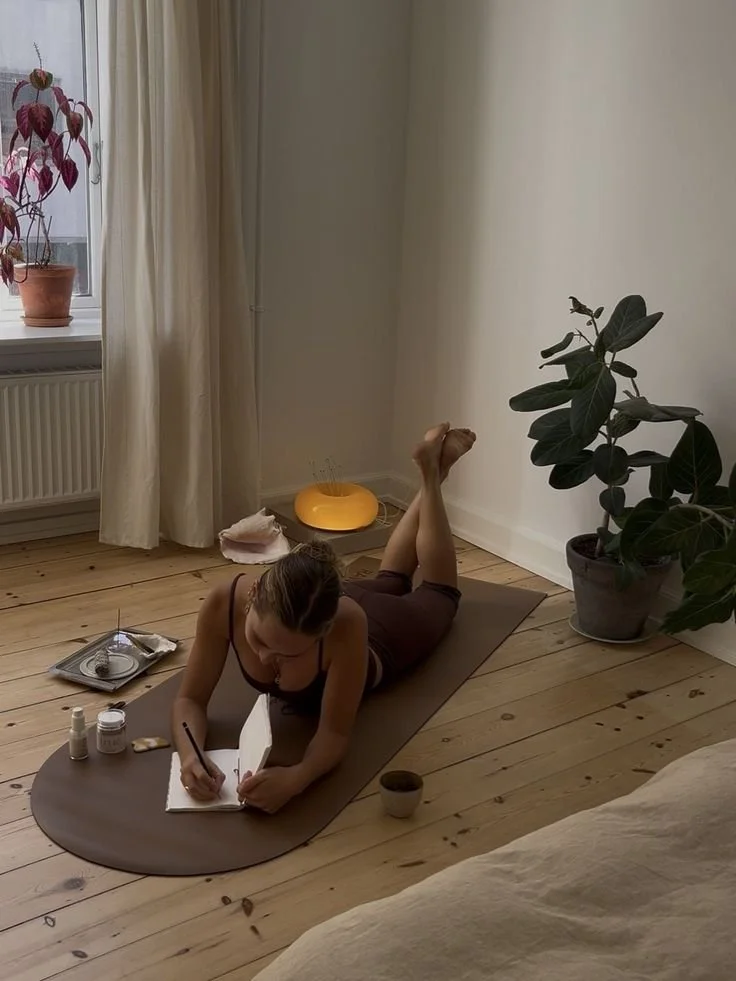
Read, journal, or listen to calm music
Keep lighting dim to signal rest
The key is sequence, not intensity. A gentle routine repeated daily can be more stabilizing than a “perfect” routine you quit after a week.
Routines for children and families
Establishing healthy habits early on is especially powerful for kids because they reduce uncertainty. Research shows that consistent daily schedules are essential for children's mental health. When children know what to expect, they often feel safer, behave more cooperatively, and experience fewer anxiety-driven disruptions.
For families, routines that tend to offer the biggest payoff include:
Predictable mealtimes
A consistent bedtime schedule
Clear transition cues (for example: “In 10 minutes we clean up, then we read.”)
A weekly rhythm (laundry day, library day, family walk day)
No. 2
Creating a Safe Home Environment
Home should feel like a sanctuary—physically, emotionally, and practically. When your environment supports you, your mind can relax. When your environment is full of “low-grade threats” (clutter hazards, unfinished maintenance, digital vulnerabilities), your brain stays on alert even if you don’t realize it.
A safe home environment is not about fear. It’s about reducing preventable risks so they don’t occupy mental space.
Physical home safety essentials
These basics are simple, but they matter because they reduce the likelihood of emergencies and the stress that comes with them.
Fire and air safety
Test smoke detector batteries regularly
Check carbon monoxide detectors (especially near sleeping areas)
Keep a small fire extinguisher accessible in the kitchen
Fall prevention
Keep stairs and hallways clear
Add non-slip pads under rugs
Use adequate lighting in entryways and bathrooms
Electrical and furniture safety
Avoid overloaded power strips
Replace frayed cords promptly
Anchor heavy furniture if children are present
Each small task communicates one message to your nervous system: “This space is handled.”
Hygiene and food handling confidence at home
Health safety at home often gets overlooked until something goes wrong. But food handling is one of the most practical areas where knowledge directly reduces anxiety—especially if you cook for children, older relatives, or anyone with allergies.
Knowing how to store, prepare, and reheat food properly turns a common worry (“Did I do that right?”) into confidence based on skill. For anyone who prepares meals regularly, understanding the basics of proper food safety training can be a meaningful part of creating a safer, calmer household.
To make food safety feel manageable, focus on a few high-impact habits:
Shopping and storage
Refrigerate perishables quickly
Keep raw meats sealed and separate from ready-to-eat foods
Label leftovers with dates to avoid guesswork
Preparation
Wash hands before and after handling raw ingredients
Use separate cutting boards for raw proteins and produce
Sanitize counters after meal prep
Cooking and reheating
Cook foods to safe internal temperatures
Reheat leftovers thoroughly
When in doubt, throw it out rather than gambling
Digital safety is part of feeling secure
Modern “home safety” includes privacy and data security.
A few protective habits can prevent stressful scenarios later:
Use strong, unique passwords (and a password manager if helpful)
Secure your Wi‑Fi router with updated firmware
Enable two-factor authentication for key accounts
Teach kids simple online safety boundaries early
A home that’s safe in both the physical and digital sense is easier to relax in.
No. 3
Ensuring Safety in Public Spaces
Confidence in public spaces doesn’t come from being fearless. It comes from being prepared, paying attention, and having a plan for what you’ll do if something feels off.
Situational awareness without anxiety
Healthy awareness is calm and practical. It means you notice your environment without spiraling into worst-case scenarios.
Useful public-safety habits include:
Identifying exits when you enter a new space
Choosing well-lit, populated routes at night
Keeping one ear free when using headphones
Avoiding deep phone focus in unfamiliar areas
Staying aware of where your valuables are
The goal isn’t hypervigilance. The goal is reducing vulnerability through simple, repeatable behaviors.
Trusting your instincts and honoring boundaries
If something or someone makes you uncomfortable, you are allowed to leave—immediately and without explanation. This is one of the most underrated personal safety skills because it doesn’t require strength, speed, or confrontation; it requires permission.
Practical boundary phrases can help in real moments:
“I have to go—take care.”
“No thanks.”
“I’m meeting someone right now.”
“I’m not comfortable with that.”
A calm exit is a powerful form of self-protection.
No. 4
Training for Ultimate Confidence
Confidence is built through competence. When you know what to do, you worry less about what might happen. Skill-building reduces anxiety because it turns uncertainty into capability.
High-value skills that pay off for years
Consider training in areas that are both practical and widely applicable:
First-aid and CPR basics
Basic car care (tire changes, jumper cables, fluid checks)
Home essentials (shutting off water, resetting breakers)
Communication skills (public speaking, conflict de-escalation)
Workplace tools and software that reduce daily friction
Each new skill becomes a quiet support beam in your life. You don’t need to master everything—just enough to know you can respond.
How to make training stick
Learning is only empowering if it becomes usable under pressure.
To improve retention:
Choose one skill area per month rather than stacking too many
Practice in small doses (10 minutes weekly beats one long session)
Keep tools visible (first-aid kit stocked and accessible, flashlight charged)
Teach someone else what you learned to reinforce it
Competence creates a specific kind of calm: the calm that comes from not being helpless.
No. 5
Beyond Compliance: True Assurance
There is a difference between doing something because you “should” and doing it because you understand why it matters. Compliance is checking boxes. Assurance is internalizing the purpose so the habit becomes part of who you are.
For example:
Compliance is checking smoke alarm batteries once a year because someone told you to.
Assurance is understanding that this two-minute task protects your home and everyone in it.
Compliance is following a recipe step-by-step out of fear of messing up.
Assurance is understanding food safety principles so you can cook creatively while still protecting your family.
The actions might look similar from the outside, but the mindset changes everything.
When safety habits become integrated, they stop feeling like chores and start feeling like self-respect. Your routines become grounding rituals. Your public awareness becomes calm presence. Your learned skills become quiet confidence you carry everywhere.
The most lasting peace of mind comes from systems you can repeat—especially on the days you feel tired, distracted, or overwhelmed.
Takeaways
Small routines create stability because they reduce decision fatigue and signal safety to your nervous system. The best routines are simple sequences you can repeat even on stressful days.
A safe home environment supports calm by removing preventable risks, from smoke detector maintenance to clutter-free walkways and secure digital habits. Building basic knowledge around food handling can also reduce everyday worry and protect your family’s health while improving your lifestyle.
Looking for wellness resources?
Are you looking to enhance your wellness routine? Explore our wellness partners who offer a wide range of resources to support your journey toward holistic living and well-being.