What To Know Before Renting A Wedding Tent
Planning a wedding is an exciting journey filled with countless decisions—from selecting the perfect dress to choosing the ideal venue, cake, entertainment, and more. One often-overlooked yet transformative element is the wedding tent. Whether you're hosting your ceremony, reception, or both outdoors, a tent can provide the perfect blend of elegance, flexibility, and protection from the elements.
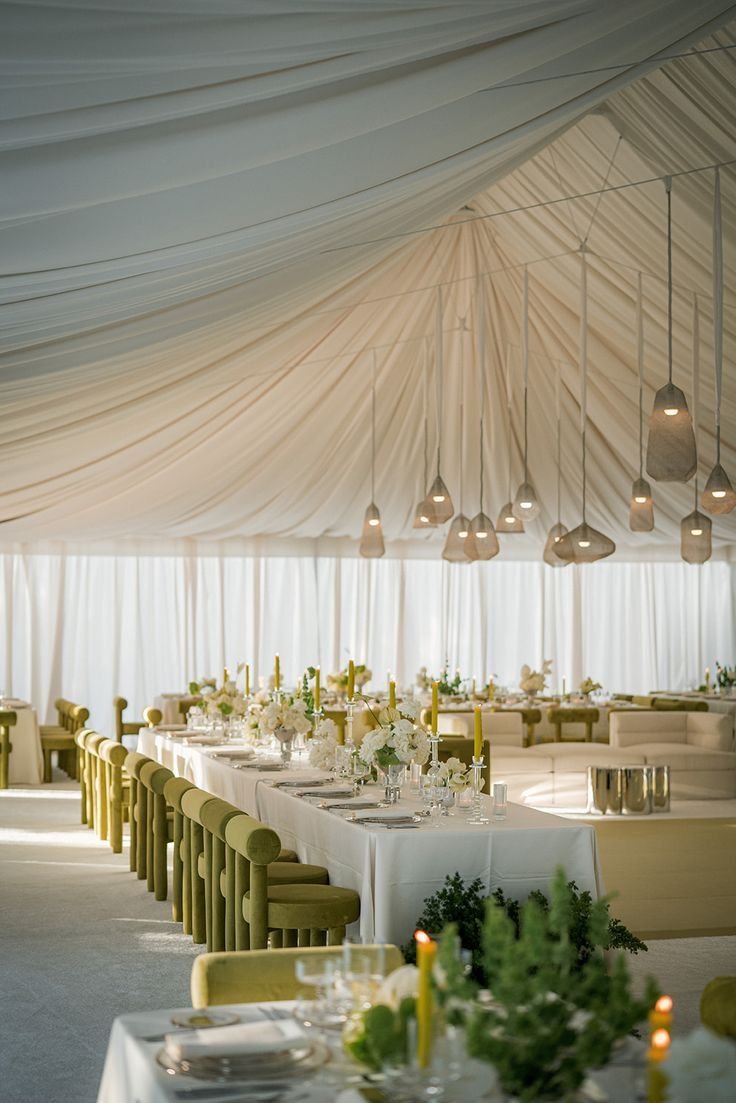
In this article, we’ll walk you through everything you need to know before renting a wedding tent. From understanding the different types of tents and selecting the right size to budgeting, vendor coordination, and weather preparedness, this guide will help you make informed decisions that ensure your special day goes off without a hitch.
No. 1
Understanding Tent Types
Before diving into décor and logistics, it's essential to understand the types of wedding tent rentals available. Each style offers unique benefits and aesthetic appeal, and your choice will influence everything from layout to lighting.
Frame Tents
Frame tents are a favorite among event planners for their versatility. They:
Require no center poles, allowing for unobstructed views and open floor plans.
Can be installed on a variety of surfaces, including concrete and decks.
Offer more flexibility in tight or irregular spaces.
Pole Tents
Pole tents are known for their dramatic, sweeping peaks and classic elegance.
They:
Use central poles to create a high, tented ceiling.
Are ideal for grassy areas where stakes can be driven into the ground.
Often have a more traditional, romantic appearance.
Some modern pole tents can even be styled to resemble circus tents, adding a whimsical flair. Understanding these differences will help you choose a tent that aligns with your vision and venue constraints.
No. 2
Size Matters: Choosing the Right Dimensions
Selecting the right tent size is crucial to ensuring your guests are comfortable and your layout flows smoothly.
Several factors influence this decision:
Guest Count: A general rule of thumb is to allow 10 to 12 square feet per guest.
Seating Style: Will you have round tables, long banquet tables, or a mix?
Additional Features: Consider space for a dance floor, buffet tables, bar area, lounge seating, or a stage for entertainment.
Pro Tip: It’s better to slightly overestimate your space needs than to risk overcrowding.
No. 3
Consider the Location
The event space plays a pivotal role in determining the type of tent and anchoring method required.
Ground Surface
Grass or Soil: Allows for traditional staking, which provides strong support.
Concrete or Asphalt: Requires weighted anchors or water barrels to secure the tent.
Surroundings and Accessibility
Check for trees, uneven ground, or overhead obstructions.
Ensure there’s ample space for setup and takedown.
Confirm that delivery trucks and equipment can access the site easily.
Pro Tip: Conduct a site visit with your rental provider to assess potential challenges and solutions.

Amazon wedding registry
Create your happily ever after with an Amazon Wedding Registry! From dream essentials to unforgettable gifts, everything you need to start your new chapter together is just a click away.
No. 4
Weather Preparedness
Outdoor weddings are beautiful, but unpredictable weather can quickly disrupt your plans. Fortunately, proper preparation can mitigate most weather-related issues.
Sidewalls and Enclosures
Offer protection from wind, rain, and cold.
Can be clear for visibility or solid for privacy.
Climate Control
Heaters are essential for cooler months or chilly evenings.
Fans or portable AC units help keep guests comfortable in warmer climates.
Backup Plans
Always have a contingency plan in case of severe weather.
This might include:
A secondary indoor venue.
Flexible rental agreements that allow for last-minute changes.
Weather insurance for added peace of mind.
No. 5
Permits and Regulations
Depending on your location, setting up a tent may require permits or inspections. Failing to obtain the necessary approvals can lead to fines or forced removal.
What to Check
Local zoning laws and municipal regulations.
Fire safety codes, especially if using heaters or cooking equipment.
Noise ordinances and event curfews.
Pro Tip: Contact your city or county office well in advance to understand the requirements and timelines.
No. 6
Budget Considerations
There are so many things to budget for a wedding, and that extends to the tent that you rent. Wedding tents come in a wide range of styles and prices. To avoid surprises, it’s important to plan your budget carefully.
Factors That Affect Cost
Tent size and type
Optional add-ons: lighting, flooring, drapery, climate control
Delivery and setup fees
Permit costs
Labor charges for installation and takedown
How to Save
Get multiple quotes from reputable rental companies.
Ask about package deals that include tables, chairs, and linens.
Consider off-peak dates for potential discounts.
Pro Tip: Always ask for a detailed breakdown of costs to compare services accurately.
No. 7
Customization and Decor
One of the biggest advantages of a wedding tent is the creative freedom it offers. A tent is essentially a blank canvas, allowing you to design a space that reflects your personal style and wedding theme.
Popular Decor Options
Draped ceilings and fabric swags
Chandeliers, fairy lights, or LED uplighting
Themed flooring: wood, carpet, or even custom dance floors
Floral installations and hanging greenery
Pro Tip: Work with your rental company or a wedding designer to explore decor possibilities that align with your vision and budget.
No. 8
Vendor Coordination
A seamless tented event requires careful coordination with all your vendors. From caterers to photographers, everyone needs to be on the same page regarding setup, access, and timing.
Key Considerations
Caterers may need access to a prep area or tented kitchen space.
Florists and decorators need time to install arrangements and lighting.
Musicians or DJs require power sources and staging areas.
Pro Tip: Share your layout and timeline with all vendors to avoid confusion and ensure a smooth flow of events.
No. 9
Timing and Setup
Proper scheduling is essential to ensure your tent is ready well before guests arrive.
Setup Timeline
Confirm installation and takedown dates with your rental provider.
Allow at least one full day before the event for setup.
Schedule decor and vendor installations after the tent is secure.
Post-Event Planning
Arrange for takedown and cleanup to occur promptly after the event.
Ensure rental companies and vendors coordinate their timelines to avoid overlap or delays.
Pro Tip: Build a detailed event timeline and share it with all parties involved.
Takeaways
Renting a wedding tent involves more than just picking a style and size—it’s about creating a beautiful, functional, and safe environment for one of the most important days of your life. From understanding tent types and sizing to preparing for weather and coordinating with vendors, every detail matters.
By planning ahead, asking the right questions, and working with experienced professionals, you can transform any outdoor space into an unforgettable celebration. A well-executed tented wedding offers not only flexibility and protection but also a unique charm that indoor venues simply can’t match.
With thoughtful preparation, your wedding tent can become the perfect backdrop for memories that will last a lifetime.
Looking for resources?
At Hello Lovely Living, we aim to empower you to earn and save money and time while benefiting from our expansive network of home, life, wellness, travel, work-from-home, career, and business resources and opportunities. Discover a wealth of tools to support your journey.