How Luxury Pawn Shops In Scotland Work: A Beginner's Guide
Needing cash quickly can make even sensible people consider options they would normally avoid. You may have a watch sitting unworn in a drawer, a gold bracelet you no longer reach for, or a piece of jewelry you would rather not sell permanently. In those moments, luxury pawnbroking can look appealing: you hand over a valuable item, receive a short-term loan, and reclaim your item when you repay.

In this article, we will explore how luxury pawnbroking works in Scotland, what items typically qualify, how valuations and costs are calculated, what your key legal rights are, how remote courier-based services compare with visiting a shop, and which alternatives you should consider before you commit. The headline concept is simple, but the details of the agreement, timelines, and your exit options are what determine whether a pawn loan is a smart bridge or an expensive mistake.
No. 1
What counts as “luxury” for pawnbroking in Scotland?
In pawnbroking, “luxury” typically refers to items with a reliable resale market, clear authentication signals, and enough value to secure a meaningful short-term loan. A luxury pawn loan is still a secured credit agreement, but the security is your item rather than property or income.
Two factors matter more than the label “luxury”:
Liquidity: how easily the pawnbroker could resell the item if the loan is not redeemed
Verifiable value: how confidently they can authenticate, grade condition, and price it
This is why some expensive items are not considered “good” pawn items, while other items with strong demand can attract surprisingly competitive offers.
Typical items luxury pawnbrokers accept
Most luxury pawnbrokers focus on categories where pricing is relatively standardized and demand is consistent.
Typical items include:
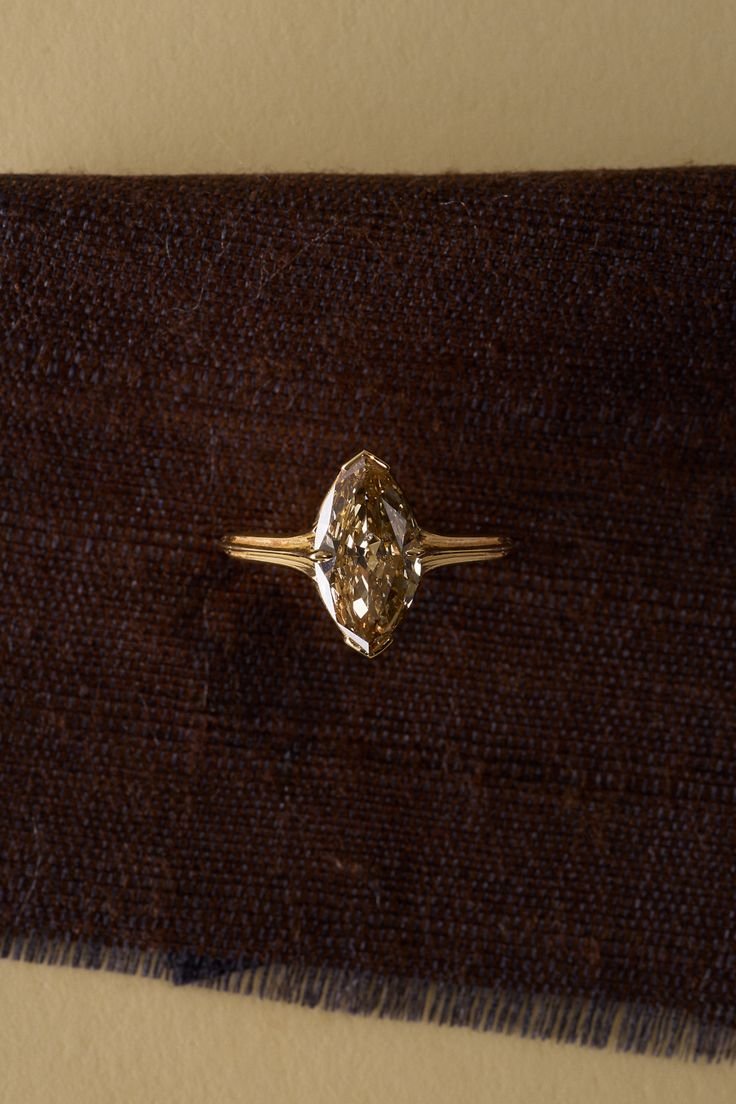
Fine jewelry, particularly diamonds and branded pieces
Branded watches such as Rolex, Omega, and Cartier
Gold bullion and high-carat gold jewelry
Sometimes designer handbags, gemstones, and collectible items with provable authenticity
Your offer will depend on more than what you originally paid. The valuation is based on what the pawnbroker believes they could sell the item for, minus risk, costs, and a margin that protects them if market demand falls.
What increases (or reduces) a valuation
If you want the strongest possible offer, present your item as “complete” and easy to verify.
Factors that can raise an offer include:
Excellent condition with minimal wear or damage
Original box, papers, receipts, certificates, and service history (especially for watches)
Clear hallmarks for precious metals and documentation for gemstones
Current market demand for the specific model, brand, size, or metal type
Factors that can reduce an offer include:
Missing documents that make authenticity harder to confirm
Evidence of heavy wear, aftermarket parts, or repairs not done by approved service centres
Items that are difficult to resell quickly, even if they are genuinely valuable
No. 2
When pawning might fit, and when it might not
A pawn loan can work well as a one-off bridge for a short cash gap because it is typically fast and does not require the same underwriting process as an unsecured personal loan. You also keep the right to reclaim your item if you repay on time, which is the main reason people choose pawning over selling.
That said, it is not a universal solution, and it is not “risk-free” simply because you are borrowing against an item.
Situations where pawning can be a sensible option
Pawning may fit if you:
Need funds quickly for a short period
Have an item you can comfortably part with temporarily
Prefer not to sell, but can realistically repay within the term
Want a predictable repayment figure you can plan around
Situations where pawning is usually a poor fit
Pawning is less suitable if:
The item has strong sentimental value and losing it would be genuinely distressing
Your income is uncertain and repayment is not realistic
You are borrowing repeatedly to cover ongoing shortfalls, which may indicate a budgeting issue that a single pawn loan cannot solve
You could access cheaper funding through a credit union or bank overdraft
No. 3
How a luxury pawn loan works, step by step
The mechanics of a pawn loan are straightforward, but the agreement is still regulated credit. You should read the contract carefully and compare offers before signing, especially if the item value is high.
Valuation basics
You will usually:
Present the item in person or send it via an insured courier option
Provide photo ID and, where possible, proof of ownership or supporting paperwork
Receive a valuation and a loan offer based on the item’s resale value and the lender’s risk model
If you accept, the pawnbroker must provide a credit agreement. The agreement should show the APR (annual percentage rate) so you can understand the overall borrowing cost. MoneyHelper describes many UK pawnbroking agreements as lasting around six to seven months, and you can repay early if you choose.
What to check in the agreement
Before you sign, make sure the paperwork is complete and specific. A vague description of your item or unclear fees are avoidable sources of dispute.
Check for:
A clear, accurate description of the item, including identifying details (brand, model, serial number where applicable)
The loan amount and the total repayable amount
The interest rate and the APR
Any additional fees, including storage and insurance, and whether they are included in the quoted price
The redemption date and any rules for extensions
The process if you do not redeem the item, including notice rules and sale terms
Practical tip: keep a copy of the agreement and receipt somewhere safe and accessible, since you will need documentation to redeem the pledge smoothly.
Redeem, extend, or let it go
At the end of the term, you typically have three paths:
Redeem the item by repaying the balance plus interest
Extend the loan if the pawnbroker offers extensions and you can afford the added cost
Allow the item to be sold if you do not redeem within the agreed period
If you do not redeem the item by the end of the agreement, the pawnbroker may sell it. For loans above £75, the pawnbroker normally must give you notice before selling and allow time for repayment. If the sale raises more than you owe, after permitted costs, any surplus should be returned to you.
No. 4
Costs made simple: how to compare offers properly
The cheapest-looking monthly rate is not always the cheapest agreement. What matters is what you repay in total on the same borrowing amount over the same time period.
Interest and total repayable
Pawnbrokers often quote interest as a monthly rate, but UK rules require them to show the APR as well. To compare providers sensibly:
Ask for the total repayable figure on the same loan amount and term
Confirm whether storage or insurance fees are included or added separately
Check whether early repayment reduces the total interest in practice (it often does, but confirm)
Map repayment against your income dates using digital banking tools so you can see whether the redemption date is realistic
A disciplined comparison method prevents you from choosing an offer that looks good on paper but becomes costly because of add-on fees or an unrealistic term.
The risk if you cannot repay
The main risk is simple: if you do not repay, you may lose the item. Also, remember that the loan is usually a percentage of the item’s resale value, not the full value.
For example:
If a watch might sell for £3,000, the pawnbroker may offer a loan below that figure
The “gap” protects the lender, but it also means you borrow less than the item may be worth on the open market
This is why you should always consider whether selling outright could be more rational if you are not emotionally attached to the piece.
No. 5
Your rights and key rules in Scotland and the UK
Pawnbroking in Scotland sits within the UK consumer credit framework and FCA rules, with some Scotland-specific court processes if enforcement becomes formal. Your protections matter most when something goes wrong: disagreement about terms, unclear fees, or difficulty redeeming on time.
Cooling-off and early repayment
Pawnbroking agreements in the UK are regulated consumer credit and are subject to FCA rules. You generally have a 14-day right to withdraw from the credit agreement after signing, which means repaying the amount borrowed and any interest due for the days you had the money. You can also repay early, which may reduce the total interest you pay.
What happens with overdue items
If your loan is not repaid, what happens next depends partly on the loan size and the agreement:
For loans of £75 or less, ownership of the item can pass to the pawnbroker once the redemption period ends
For larger loans, the pawnbroker must follow a formal process, including written notice before any sale
Some firms may offer a grace period or extension, but you should not rely on this unless it is confirmed in writing.
A note on Scotland specifically
Some enforcement and court-order issues may be handled through the sheriff court in Scotland under the Consumer Credit Act. If something goes wrong and you cannot resolve it with the pawnbroker directly, you can take your complaint to the Financial Ombudsman Service.
No. 6
Remote pawnbroking from Scotland: courier-based services
Not everyone lives near a specialist lender, and some luxury providers operate outside Scotland while still serving Scottish customers. Courier-based pawnbroking can be convenient, but it requires careful attention to shipping, insurance, and documentation.
Typical process for remote services:
You request a quote and receive shipping instructions
The provider arranges insured collection or you ship via an approved method
The item is inspected and authenticated at their premises
You receive a valuation and can accept or decline
If you accept, the agreement is handled digitally or by post and the loan is paid by bank transfer
A search for a pawn shop Scotland may also lead to London-based providers that offer insured courier collection and valuations from their branches. If a provider says it has no Edinburgh branch, confirm exactly how shipping, insurance, valuation, and returns work before sending anything. Treat stated terms and example APRs as that provider’s figures, not as a market benchmark.
Remote pawn loans are still FCA-regulated credit agreements. You should have the same cooling-off period, early repayment rights, and surplus rules. Always confirm the provider is FCA-authorized on the Financial Services Register before sending valuables.
Remote vs in-person: quick comparison
Remote courier pawning may suit you if you value:
Convenience and access to specialists
Discretion, particularly for high-value items
The ability to compare several providers without travelling
In-person pawning may suit you if you prefer:
Same-day valuation and immediate answers
Direct inspection of storage conditions and documentation
Face-to-face explanation of terms before signing
No. 7
Where pawnbroking sits among short-term money options
A pawn loan is only one tool. Before committing, it is worth comparing it against alternatives that may be cheaper, simpler, or less risky.
Selling outright versus pawning
Selling to a jeweler, auction house, or private buyer offers finality:
No repayment obligation
Potentially more money than a pawn loan, because the buyer takes ownership immediately
The trade-off is that you cannot get the item back. If you are confident you will not miss it, selling can be the cleaner financial decision.
Other short-term money options to check first
Before you sign a pawn agreement, consider:
Credit unions across Scotland, which often offer small loans at lower costs to members
An arranged overdraft with your bank for short gaps at a known cost
Salary advance schemes offered by some employers
Community development finance institutions for borrowers who do not qualify for mainstream credit
A basic household budget can also help you spot future gaps before they become emergencies, especially if you build emergency savings buckets for rent, bills, travel, and food.
The right choice depends on speed, total cost, and how comfortable you are with the risk of losing an item if repayment becomes difficult.
No. 8
Prepare and protect your valuables before you pawn
Preparation can improve your offer and reduce the chance of misunderstandings later. Treat the process like any other financial transaction: document what you are doing and keep evidence.
Quick checklist before you go
Use this list to stay organized:
Take clear photos of the item from multiple angles before handing it over or shipping it
Gather receipts, certificates, service records, and original packaging, especially for watches
Get two to three quotes from different pawnbrokers so you can compare like-for-like
Confirm the pawnbroker is FCA-authorized
Check whether the firm is a member of the National Pawnbrokers Association (helpful, though not compulsory)
Keep your pawn receipt and agreement in a safe place; you will need it to redeem your item
Packing and insuring for courier shipments
If you use a remote service, follow packing instructions exactly.
Also:
Use a tracked, insured delivery method
Do not under-declare the value when insuring the parcel
Confirm who is responsible if the item is lost or damaged in transit, especially if the provider arranges the courier
A simple example timeline
Here is a rough, generic idea of how the process might unfold.
Timescales vary between providers:
Day 1: You enquire online or visit a shop, present the item, and provide ID
Day 1 to 3: The pawnbroker values the item and makes an offer
Day 1 to 5: If you accept, you sign the credit agreement and receive funds (in person or by bank transfer)
Months 1 to 6: Your item is stored securely; you can repay at any time and only pay interest for the time you borrow
End of term: You redeem, request an extension, or the item enters the sale process with the notice and surplus rules described above
This is not a guaranteed timeline. Each lender works differently, and remote services may add extra time for shipping and inspection.
FAQ
Are pawn shops in Scotland regulated the same way as in England?
Yes. Pawnbrokers across Scotland operate under the same UK consumer credit framework and FCA rules, with some Scottish enforcement matters handled through the sheriff court.
Do I need to live near a pawnbroker in Scotland?
No. Many specialist UK pawnbrokers accept luxury items from Scotland by insured courier collection. Confirm the provider is FCA-authorized before sending anything valuable.
What is the difference between pawning and selling outright?
Pawning lets you borrow against your item and reclaim it if you repay on time. Selling transfers ownership permanently and often pays more upfront, but you lose the item for good.
Will pawning a luxury item affect my credit score in Scotland?
No. Pawn loans are secured against the item, not your credit history, so most pawnbrokers do not run credit checks or report to credit reference agencies.
Takeaways
Luxury pawnbroking in Scotland can be a practical way to cover a short-term cash gap, provided you understand that it is a regulated credit agreement secured against your valuables. The smartest approach is to treat it as a considered decision rather than a last-minute reaction.
Compare at least two offers, review the agreement carefully, and focus on the total repayable amount rather than headline rates. If you choose a remote option, confirm shipping, insurance, and FCA authorization before sending any high-value items.
Finally, remember that the primary risk is losing the item if you cannot repay, so avoid pledging anything you would be devastated to part with. If alternatives such as credit unions, arranged overdrafts, salary advances, or selling outright are cheaper or lower risk, they may be a better fit for your situation.
Looking for resources?
At Hello Lovely Living, we aim to empower you to earn and save money and time while benefiting from our expansive network of home, life, wellness, travel, work-from-home, career, and business resources and opportunities. Discover a wealth of tools to support your journey.