Posts in style
Fine Jewelry Design Trends: The New Luxury Era

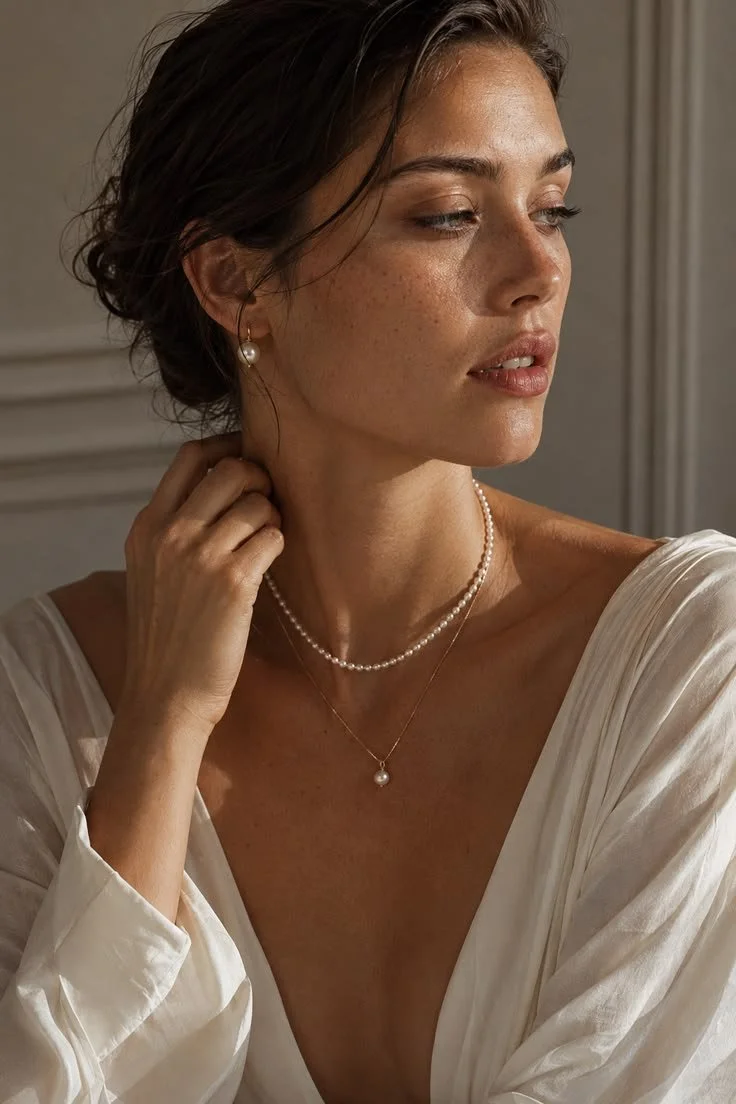
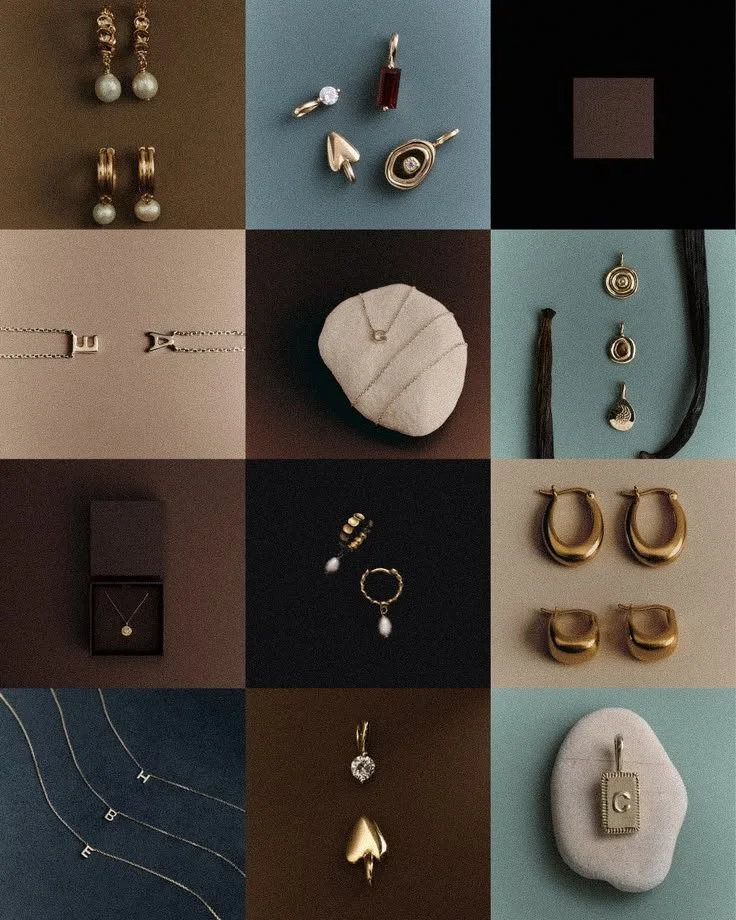
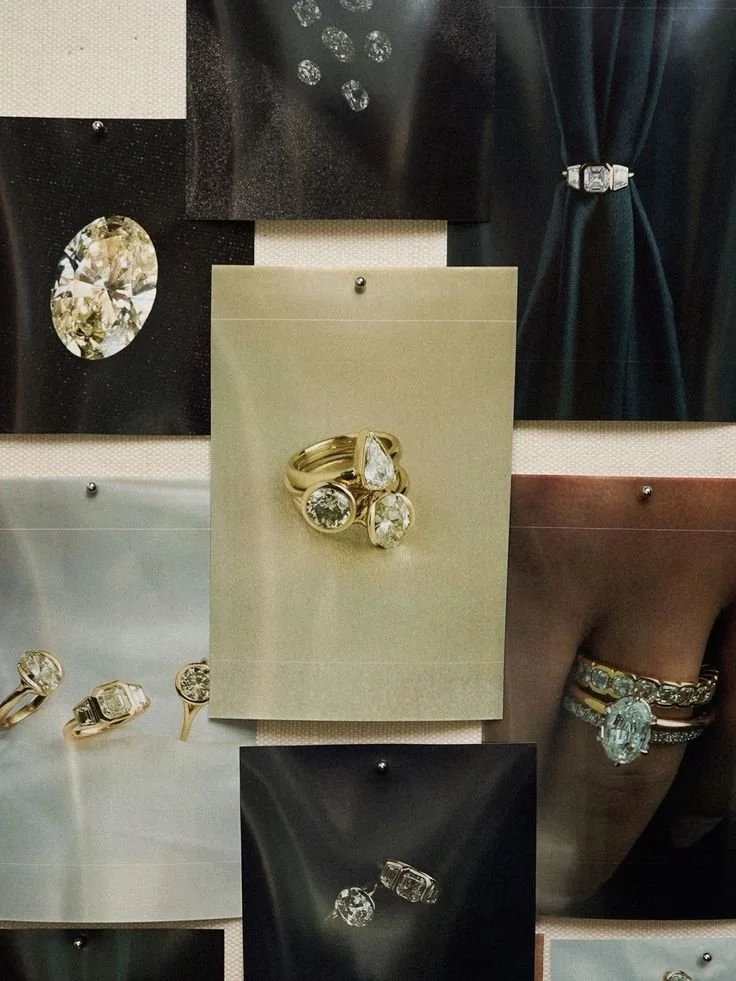
Fine jewelry has entered a new era shaped by individuality, artistic experimentation, and emotional storytelling. While heritage and craftsmanship remain central to the definition of luxury, modern clients are reshaping the category through new expectations around personalization, design originality, and self-expression.


In this article, we will explore how fine jewelry design is evolving, why personal meaning now carries as much weight as prestige, and which creative, cultural, and ethical influences are defining the next generation of high-end jewelry.

No. 1

Personal Expression Has Become Central to Luxury Jewelry

Luxury jewelry has always communicated something about the wearer, but the message has changed. Where status and recognition once dominated, many buyers now prioritize pieces that feel intimate, distinctive, and aligned with their identity. Instead of asking, “Is this impressive?” clients increasingly ask, “Is this me?”

This shift is especially visible in engagement and commitment jewelry, where couples want rings and heirloom pieces that tell a story rather than replicate a template. Today, the most compelling designs often include subtle, personal decisions that only the wearer (or the couple) fully understands.

What personal expression looks like in modern fine jewelry

  • Design choices that signal individuality

    • Unusual stone shapes, unexpected proportions, or asymmetric layouts

    • Signature details such as hidden halos, meaningful engravings, or mixed-metal bands

  • Symbolic elements with private meaning

    • Gemstones chosen for birth months, places, or shared memories

    • Motifs that reference nature, architecture, art movements, or cultural heritage

  • Preference for character over uniformity

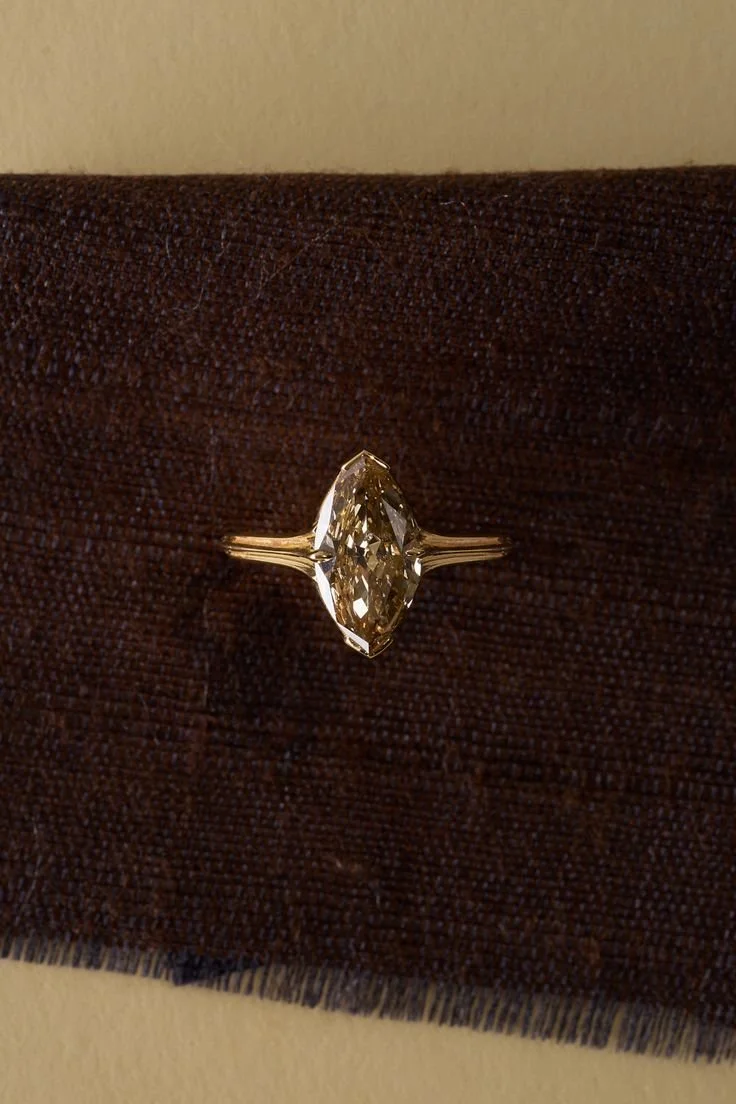
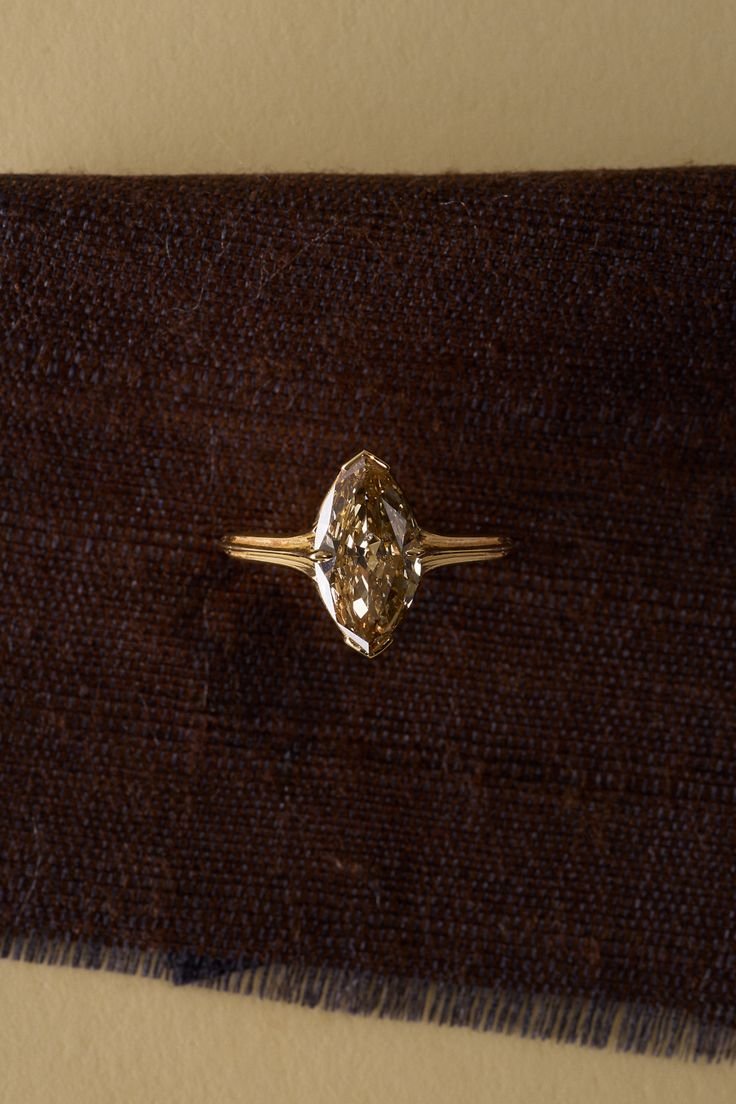
    • Antique cuts, warm-toned stones, and settings that highlight natural variation

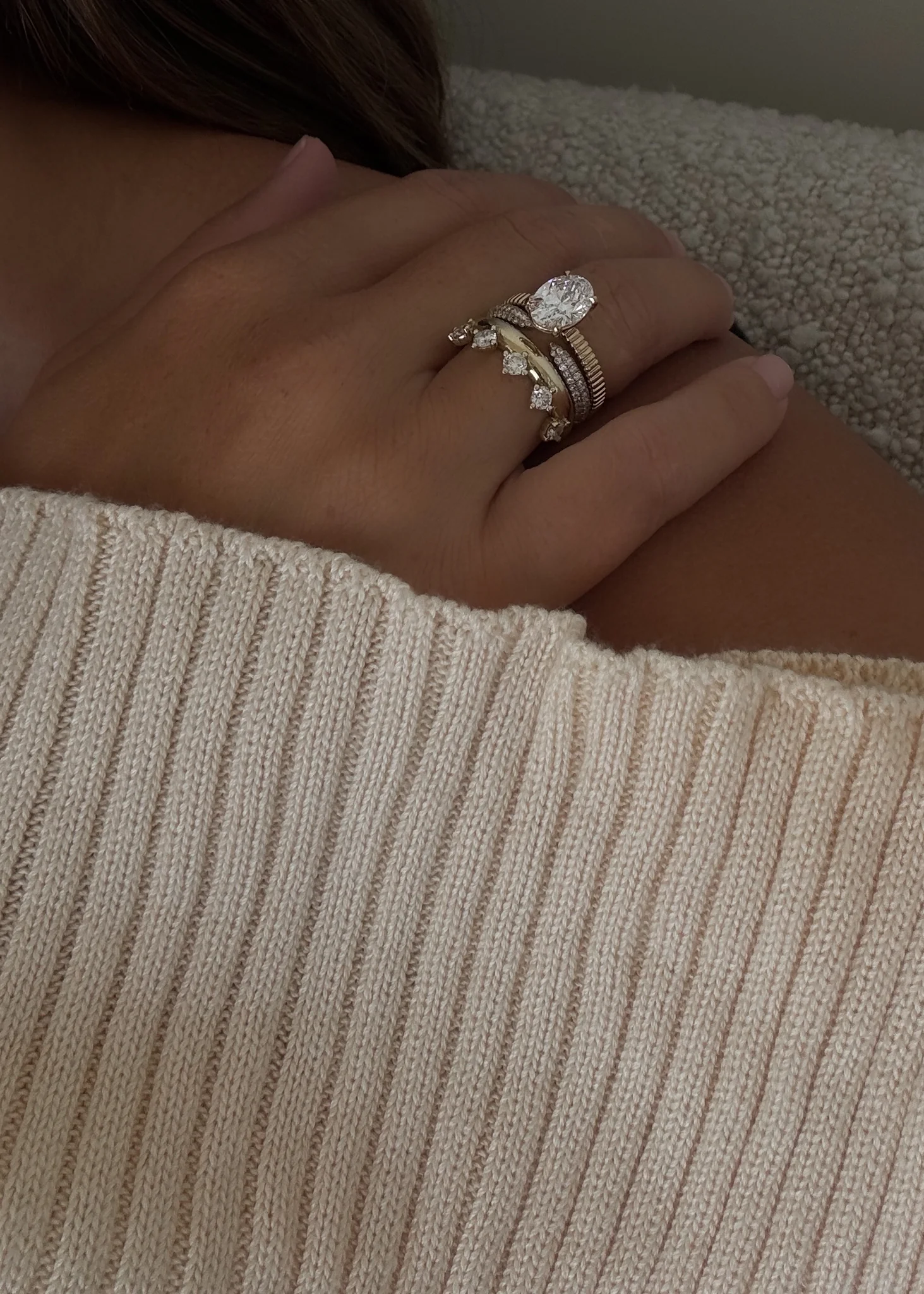
This move toward self-expression has also influenced how luxury houses position their collections. High-end brands are increasingly balancing tradition with modern creativity, offering designs that feel collectible yet personal. Luxury maisons such as Fabergé continue to embrace this evolution through collections featuring 18K diamond engagement rings that combine heritage craftsmanship with modern artistic expression.

No. 2

Heritage Craftsmanship Still Defines True Luxury

Even as the aesthetic language of fine jewelry changes, one constant remains: craftsmanship is non-negotiable. Modern clients may want more creative freedom, but they still expect impeccable finishing, material integrity, and a level of construction that ensures a piece can be worn, repaired, and passed down.

Heritage craftsmanship is not simply a marketing concept in fine jewelry; it is the infrastructure behind longevity. When a ring feels substantial, when stones sit securely, when settings are balanced and comfortable, and when details are refined from every angle, the wearer experiences quality in a way that is difficult to replicate at lower tiers.

What buyers typically associate with true craftsmanship

  • Technical excellence

    • Secure stone setting and durable prong or bezel work

    • Clean symmetry where intended, and controlled asymmetry where designed

    • Smooth interior finishing for comfortable daily wear

  • Material standards that support longevity

    • Thoughtful alloy selection for color and durability

    • Precision in metal thickness, especially in delicate designs

  • Artisanal detail and design integrity

    • Hand finishing, fine pavé execution, and refined gallery work

    • Visual cohesion between stone choice, setting style, and band proportions

Historic jewelry houses have influence because they can merge innovation with authenticity. Fabergé, for example, remains closely associated with artistic excellence, colored gemstones, intricate detailing, and luxury craftsmanship rooted in its iconic heritage. In today’s market, clients often view craftsmanship as part of a piece’s emotional value, because the care and skill embedded in the object mirrors the importance of the milestone it represents.


No. 3

Colored Gemstones Are Reshaping Engagement Design

The dominance of the white diamond solitaire is no longer unquestioned. While it remains a classic choice, engagement design is widening to include color, contrast, and personal symbolism. This change is less about rejecting tradition and more about expanding it, allowing couples to keep timeless elegance while making the ring unmistakably their own.

Sapphires, emeralds, rubies, champagne diamonds, and mixed gemstone combinations are increasingly popular, not only for their visual impact but also for their narrative potential. Color makes emotion visible, and it often creates a stronger sense of individuality than a standard center-stone approach.

Why clients are choosing more color

  • Emotional and symbolic resonance

    • Certain stones may represent resilience, love, growth, or personal heritage

    • Color can reference a place, a shared experience, or a family tradition

  • Distinctiveness without sacrificing refinement

    • A colored center stone can still feel formal and enduring

    • Mixed-stone accents can add depth while remaining subtle

  • Design flexibility and creative expression

    • Colored stones pair well with sculptural settings and mixed metals

    • Contrasts can highlight the center stone and make the design feel bespoke

Luxury jewelry brands are responding with bolder gemstone palettes, more architectural settings, and intentional metal-stone contrasts. The best results come from disciplined design: color is most powerful when it is balanced with proportion, wearability, and a setting style that protects the stone for long-term use.

No. 4

Bespoke Jewelry Is Becoming More Desirable

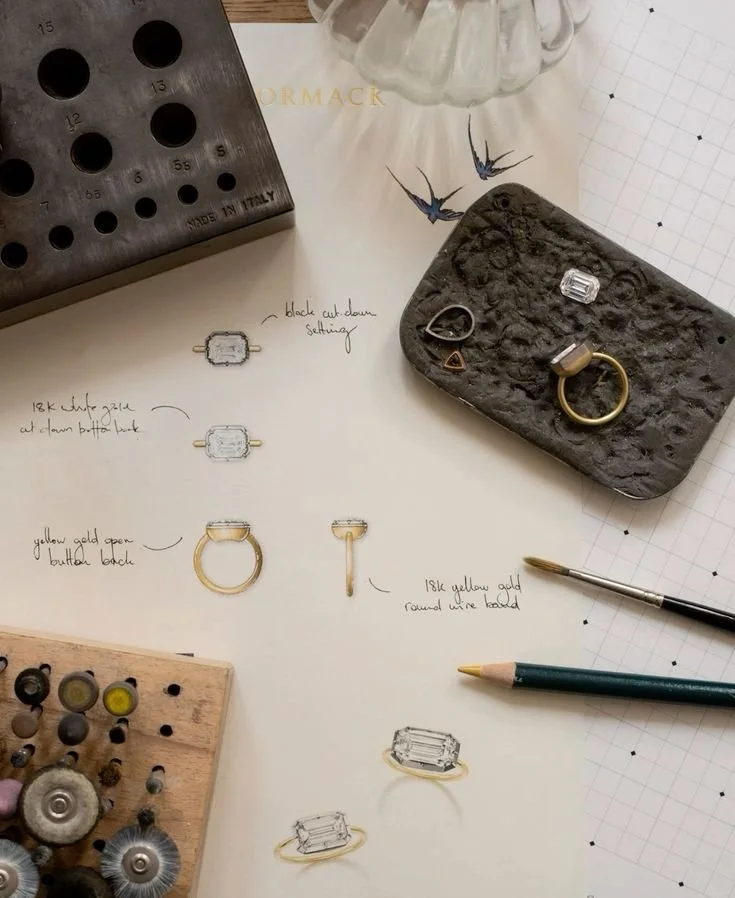
Luxury is increasingly defined by participation, not just possession. Many clients want to collaborate, make informed decisions, and feel a sense of authorship over the final piece. Bespoke jewelry responds to this desire by turning the purchase into a creative process rather than a transaction.

This trend is not only about exclusivity; it is also about meaning. A bespoke piece can carry design choices that are impossible to replicate: a stone selected for a specific reason, a motif drawn from a personal memory, or a redesign that preserves elements of a family heirloom.

What clients often customize in bespoke commissions

  • Gemstones

    • Selecting a particular color profile, cut style, or unusual shape

    • Choosing stones for symbolism, origin story, or rarity

  • Architecture of the piece

    • Band width, profile, and comfort fit

    • Setting height, prong style, bezel details, or side-stone layout

  • Hidden personal details

    • Engravings, secret stones, or internal patterns

    • Motifs that reference a shared experience or family history

Why bespoke feels like modern luxury

  • It creates narrative value

    • The design story becomes part of the heirloom

  • It improves long-term satisfaction

    • The piece feels tailored, not merely selected

  • It reframes exclusivity

    • Originality becomes the marker of distinction, not just price or visibility

As bespoke becomes more common, luxury houses are refining how they guide clients through the process, often emphasizing education, transparent design steps, and craftsmanship demonstrations. For many buyers, the experience of designing becomes as meaningful as the piece itself.


No. 5

Vintage Inspiration Is Influencing Contemporary Design

The renewed interest in vintage aesthetics is one of the most important style developments in fine jewelry. Clients are drawn to designs that feel storied, architectural, and rich in detail, often taking cues from Art Deco geometry, Edwardian delicacy, and mid-century refinement.

What makes this vintage revival distinct is how it is being reinterpreted. Rather than copying antique pieces outright, modern designers borrow the visual language of earlier eras and translate it into contemporary proportions, updated setting techniques, and more wearable silhouettes.

Vintage elements appearing in modern collections

  • Stone and cut preferences

    • Old cuts and antique-inspired shapes

    • Softer brilliance profiles that emphasize character

  • Design structure and geometry

    • Step-like forms, symmetry, and framing halos

    • Intricate metalwork that adds depth without excess

  • Heirloom-style detailing

    • Filigree-inspired patterns and refined gallery work

    • Milgrain edges used with restraint for texture and finish

This aesthetic resurgence also reflects a cultural desire for permanence. In an era of rapid trend cycles, vintage-inspired jewelry signals patience, continuity, and legacy. Many buyers want pieces that will still feel relevant decades from now, not designs that rely on short-term novelty.

No. 6

Sustainability Is Influencing Luxury Jewelry Choices

Sustainability has moved from a niche consideration to a serious value driver in fine jewelry. Clients investing in high-end pieces increasingly care about sourcing, longevity, and the ethical dimensions of craftsmanship. They also care about waste, and fine jewelry is uniquely positioned to address it because it can be repaired, redesigned, and worn across generations.

Sustainable luxury often looks less like minimalism and more like intention. Buyers want fewer pieces, chosen more carefully, made to last, and designed with emotional staying power.

How sustainability shows up in purchase decisions

  • Preference for longevity over trend appeal

    • Pieces designed for daily wear, not just occasion use

    • Construction choices that support future maintenance and resizing

  • Redesign and repurposing

    • Incorporating heirloom stones into new settings

    • Updating inherited jewelry to match modern lifestyle needs

  • Materials and sourcing awareness

    • Increased interest in recycled metals and responsible craftsmanship

    • Desire for transparency, documentation, and care guidance

Many buyers now treat fine jewelry as a long-term asset emotionally, aesthetically, and practically. Rather than buying for a single moment, they invest in pieces intended to become future family treasures, carrying both personal meaning and responsible design decisions forward.

No. 7

Fine Jewelry Is Evolving Through Craftsmanship and Meaning

The future of fine jewelry design will continue to move toward individuality, artistry, and emotional storytelling. Clients want jewelry that reflects personal taste, values, and milestones while still embodying the precision and heritage expected at the luxury level.

This evolution does not abandon tradition; it reframes it. Brands that thrive will be those that keep the discipline of classic craftsmanship while expanding the possibilities of color, symbolism, and bespoke collaboration.

What will likely define the next era of luxury jewelry

  • Greater personalization within house design codes

    • More customization options without losing brand identity

  • Stronger storytelling through materials and design

    • Gemstone choices and motifs tied to personal narratives

  • Ongoing respect for heritage skills

    • Fine finishing, secure construction, and pieces built to endure

Luxury jewelry is becoming more human in its purpose: less about conforming to a fixed idea of prestige, and more about capturing a life moment in a form that can last.

Takeaways

Fine jewelry design is shifting toward individuality, emotional storytelling, and meaningful self-expression, while still relying on heritage craftsmanship as the foundation of true luxury. In this article, we explored how modern clients are shaping design choices through personalization, bespoke commissions, and a desire for authenticity.

Colored gemstones, vintage inspiration, and collaborative creation are expanding what “timeless” can look like in engagement and fine jewelry. The most successful designs balance creativity with wearability, proportion, and meticulous construction.

Sustainability is also redefining luxury by elevating longevity, redesign, and intentional buying over short-term trends. The new era of fine jewelry is ultimately about reinterpreting tradition in a way that feels personal, lasting, and unmistakably modern.


Looking for resources?

At Hello Lovely Living, we aim to empower you to earn and save money and time while benefiting from our expansive network of home, life, wellness, travel, work-from-home, career, and business resources and opportunities. Discover a wealth of tools to support your journey.


styleThe List Editor


7 Things To Know Before Buying Handmade Jewelry Online

There's something genuinely exciting about discovering a piece of jewelry that feels like it was made just for you: a one-of-a-kind ring, a hand-forged necklace, something with real character behind it. The online handmade jewelry market makes that possible from anywhere in the world. But it also comes with a few pitfalls that first-time buyers often stumble into.


Upstate New York, for instance, has long been home to talented independent goldsmiths and artisan jewelers whose work you'd never find on the high street. The good news is you can access pieces like that from your phone. The bad news is that not every seller calling their work "handmade" actually means it. Knowing what to look for before you buy makes all the difference.

In this article, we share what experienced shoppers know about buying handmade jewelry online that first-timers usually have to learn the hard way.

No. 1

"Handmade" Isn't a Protected Term

This trips up a lot of buyers. The word "handmade" has no legal definition in most markets, which means it can technically be applied to anything from a piece assembled by hand from mass-produced components to a fully bespoke creation made from raw metal by a trained goldsmith.

Before you buy, it's worth digging a little deeper. Look for:-

  • Evidence of the maker's actual process — studio photos, work-in-progress shots, or video content showing real fabrication.

  • Specific technique language like "forged," "fabricated," "cast in-house," or "hand-engraved" — these signal genuine craft.

  • A maker who can answer detailed questions about the piece if you reach out.

If a listing is vague about process and heavy on lifestyle imagery, that's worth noting.

No. 2

Know What Material You're Actually Buying

Descriptions like "gold-toned," "silver-coloured," or "metal alloy" are not the same as sterling silver or 14k gold. Plated pieces can look identical to solid metal in photographs, but they behave very differently over time as the finish wears away, often within months of regular wear.

What to look for in listings:

  • Sterling silver: marked .925 or described as "925 sterling".

  • Gold: karat weight should be stated (9k, 14k, 18k) — "gold-filled" and "gold-plated" are not solid gold.

  • Gemstones: natural, lab-created, or simulant — these are three different things with very different values.

If the listing doesn't specify, ask before buying. A reputable maker will always know exactly what their pieces are made from.


No. 3

Seek Out Makers With a Physical Presence

Online-only sellers aren't inherently less trustworthy, but a maker with a real studio, a physical address, and verifiable roots in a specific place adds a layer of accountability that matters. You can trace them. Other customers can review them in person. There's someone genuinely behind the work.

Buyers looking for genuinely original pieces often discover that exploring handcrafted jewelry upstate New York connects them with working goldsmiths who have dedicated studios, local reputations, and years of craft behind each piece. 

Companies like Hudson Valley Goldsmith reflect the tradition of regional craftsmanship that still exists within handmade jewelry, where long-standing goldsmithing techniques, material quality, and careful bench work remain central to how pieces are designed and produced. 

No. 4

Read Return and Sizing Policies Carefully

Custom and handmade pieces frequently have different return policies from mass-market retailers and often for legitimate reasons. A ring sized to your specifications or a pendant made to order can't simply be restocked. That's fair. But it does mean you need to understand the terms before you commit.

Key questions to check before buying:

  • Is this a made-to-order piece or in stock and ready to ship?

  • What is the return or exchange window, and does it apply to custom work?

  • For rings, does the maker offer resizing after purchase, and is there a fee?

Reputable makers are transparent about all of this upfront. If you have to dig to find the policy or worse, can't find it at all, that's a flag worth taking seriously.


No. 5

Don't Let Price Alone Guide You

Handmade jewelry spans an enormous price range, and neither cheap nor expensive is a reliable quality signal on its own. A $30 pair of earrings might be beautifully made from good materials. A $300 necklace from an anonymous online shop might be mass-produced overseas and mislabelled.

According to a study by the Better Business Bureau, 1 in 4 people have bought something online that turned out to be counterfeit or significantly misrepresented, and jewelry is among the categories most commonly affected. The price looked right. The photos looked convincing. The product wasn't what was described.

Price should inform your expectations, not replace your due diligence.

No. 6

Look Beyond the Product Photos

Photography can do a lot of heavy lifting for mediocre pieces. A skilled photographer with good lighting and a macro lens can make almost anything look exceptional. What tells you more about the actual quality of a piece:

  • Customer review photos — taken in real light, on real people.

  • Scale reference in product shots — without it, you genuinely can't tell if a pendant is the size of a coin or a fingernail.

  • Multiple angles — reputable makers photograph clasps, settings, hallmarks, and backs of pieces, not just the glamour shot.

  • Video content — seeing a piece move in natural light reveals texture and finish in ways that stills often don't.

If a listing has only one or two perfectly styled photos and no supporting content, you're working with incomplete information.

No. 7

Build a Relationship With Makers You Trust

The real reward of buying handmade jewelry online isn't the transaction; it's discovering a maker whose aesthetic speaks to you and whose work you want to return to. The best handmade jewelry experiences tend to involve some actual conversation: asking questions, discussing customization options, and understanding the story behind a particular design.

Makers who invest in that relationship consistently produce better experiences and better pieces. They'll remember your ring size, suggest pieces that suit your style, and often give returning customers priority access to new work.

The online handmade market at its best isn't a marketplace; it's a direct line to someone who genuinely cares about their craft. That's worth a little extra effort to find.

Takeaways

Shopping for handmade jewelry online rewards the careful buyer. Take your time, ask questions, and prioritise makers who are genuinely transparent about their materials, methods, and the hands behind the work.


Looking for resources?

At Hello Lovely Living, we aim to empower you to earn and save money and time while benefiting from our expansive network of home, life, wellness, travel, work-from-home, career, and business resources and opportunities. Discover a wealth of tools to support your journey.


styleThe List Editor


How To Style Opalite Jewelry For Everyday And Special Occasions

There's something about opalite that makes it genuinely hard to put down once you've tried it on. That soft, glowing iridescence. The way it shifts between pale blue and warm peach depending on the light.


It looks like it belongs somewhere beautiful, and the best part? It fits almost anywhere.

Whether you're dressing for a quiet Tuesday or a special evening out, in this article, we share how to style opalite jewelry in a way that always feels intentional and effortlessly put-together.

No. 1

Everyday Styling: Effortless, Low-Key, and Always Polished

For daily wear, the goal with opalite is simplicity. One well-chosen piece does more than a layered stack ever will.

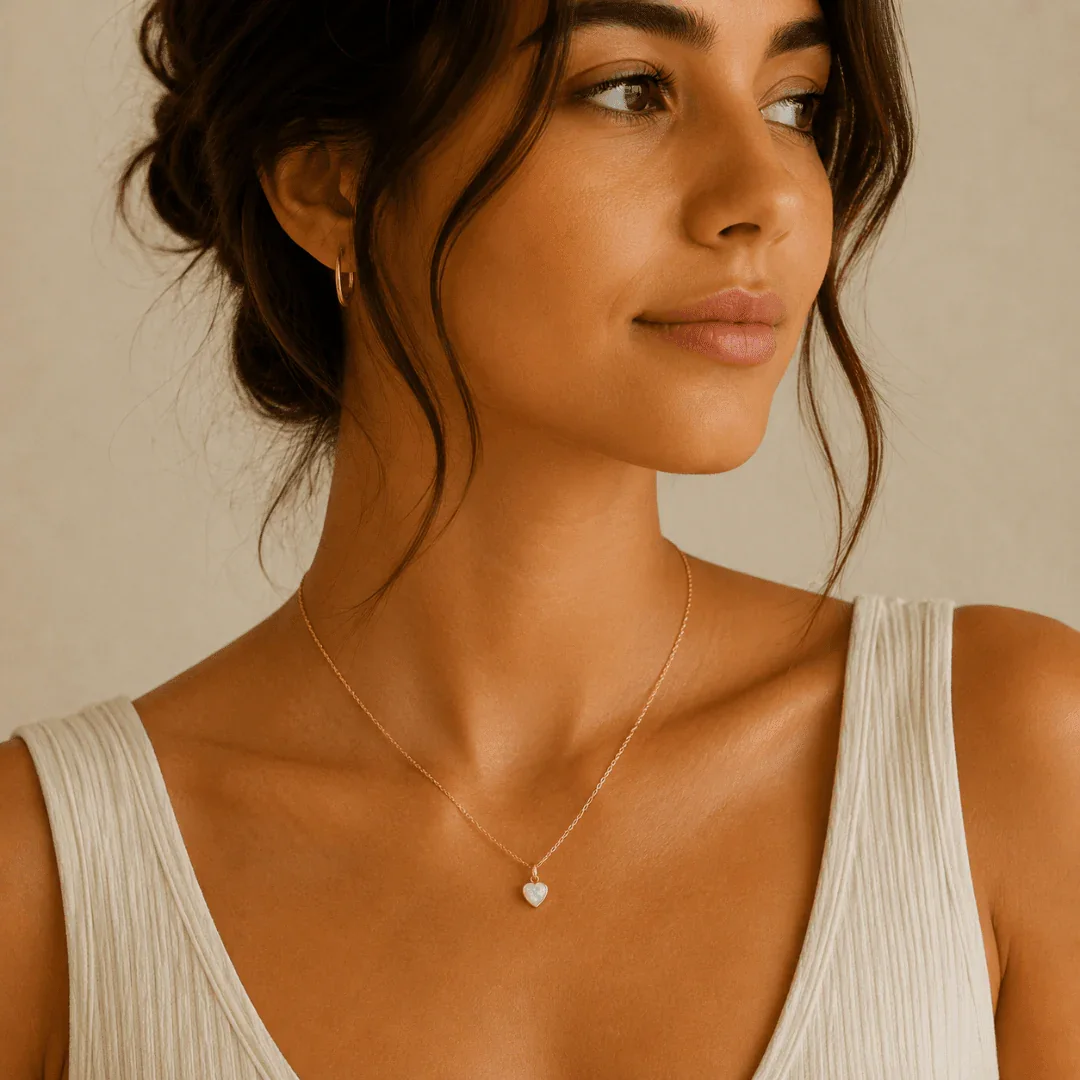
A pendant necklace with anything neutral- An opalite pendant sits beautifully against a white tee, a linen shirt, or a simple crew neck. The stone's soft glow adds just enough visual interest to make a plain outfit feel considered, without demanding attention. Keep the chain delicate. A thin gold or silver chain lets the stone do the work.

A single ring for clean, minimal style- An opalite ring, particularly a simple oval or round setting, works beautifully as a daily wear piece. It's understated enough that it doesn't clash with other jewelry, but distinctive enough that people notice it. Wear it alone on one hand for that intentional minimalist effect that's everywhere in fashion right now.

Small stud earrings for an everyday polish- Opalite studs are one of the easiest ways to incorporate the stone daily. They add a soft, luminous quality to your face without any fuss. They work with a ponytail, with a loose bun, and with a full blowout; they're genuinely versatile.

No. 2

Office and Smart-Casual Styling

Opalite's muted, sophisticated palette makes it a natural fit for professional environments where you want to look polished without being overdressed.

  • With a blazer: A simple opalite pendant or a pair of small drop earrings adds personality to a structured outfit without undermining its seriousness.

  • With tailored trousers and a silk blouse: Opalite earrings in a teardrop or oval shape elevate this combination beautifully — the stone's softness contrasts nicely with the crispness of tailored clothing.

  • With monochrome looks: Opalite is particularly striking against all-black, all-white, or any single-color outfit. It provides just enough contrast to complete the look.

The key to office styling is restraint; one piece, worn with confidence, is always more impressive than three pieces worn for impact.


No. 4

Special Occasions: When Opalite Becomes the Statement

Opalite doesn't need a formal occasion to shine, but it genuinely rises to one. The stone's natural iridescence catches light in a way that looks deliberately luxurious in an evening setting.

1. For a formal event or dinner

A longer opalite pendant, a statement cocktail ring, or chandelier-style drop earrings are all strong choices. The stone's glow reads as genuinely elegant in candlelit or warm-lit settings; think of it as a natural light catcher. Pair it with a deep jewel-tone dress in navy, emerald, or burgundy, and opalite's blue-white iridescence becomes especially striking.

2. For a wedding guest look

Opalite is an exceptional choice for wedding guest jewelry. It's formal enough to feel appropriate, soft enough not to compete with the wedding party, and versatile enough to work across a wide range of dress styles and colors. A matching set, pendant and earrings, or ring and bracelet, creates a coordinated look that feels intentional without being overdone.

3. For a romantic evening

Opalite carries a soft, almost mystical quality that makes it feel perfectly suited to intimate occasions. A delicate bracelet paired with simple earrings is all you need. Let the stone's natural luminosity do the talking.

No. 5

Where to Find Quality Opalite Pieces Worth Wearing

The quality of opalite jewelry varies significantly. The setting, the craftsmanship, and the clarity of the stone all affect how the piece looks and wears over time.

For those interested in soft, luminous accessories that pair easily with modern styling, you can shop opalite jewelry in a variety of subtle and versatile designs. Le Serey is known for minimalist gemstone pieces created with a clean, everyday aesthetic in mind.


No. 6

Caring for Your Opalite Jewelry

Opalite is durable but benefits from a little routine care:

  • Store pieces individually in a soft pouch or lined jewelry box to prevent scratching

  • Remove before swimming, showering, or applying lotions and perfumes

  • Clean gently with a soft, damp cloth, no harsh chemicals

  • Avoid prolonged exposure to direct sunlight, which can affect the stone's luster over time

The Gemological Institute of America (GIA) jewelry care guide also recommends gentle cleaning methods for softer and more delicate gemstone jewelry. Simple habits significantly extend the life of your pieces.

Takeaways

Opalite is rare in the jewelry world because it genuinely transitions between casual and formal without missing a beat. It's soft enough for daily wear and luminous enough for special occasions. It suits minimalist aesthetics and elevated ones equally well.

The styling secret, if there is one, is this: wear it with intention. One piece, chosen well, will always outperform a collection of pieces worn without thought. Once opalite is in your jewelry rotation, you'll wonder how your wardrobe got along without it.


Looking for resources?

At Hello Lovely Living, we aim to empower you to earn and save money and time while benefiting from our expansive network of home, life, wellness, travel, work-from-home, career, and business resources and opportunities. Discover a wealth of tools to support your journey.


styleThe List Editor


Why Athleisure Is Perfect For Everyday Living

Athleisure has evolved from a passing fashion moment into a practical standard for daily wear. Its appeal goes far beyond style; it is rooted in function, comfort, and adaptability across the many settings people move through in a typical day. When you are transitioning from commuting to meetings, errands, social plans, and downtime, clothing that supports those shifts without requiring outfit changes becomes a genuine efficiency upgrade.


In this article, we will explore why athleisure is ideal for everyday living, from its comfort-forward construction and mobility benefits to its versatility, durability, and role in simplifying daily decision-making. You will also see how the right pieces can support an active routine while still looking polished enough for modern, multi-purpose lifestyles.

No. 1

Built for Movement and Comfort

Traditional clothing can look sharp, but it often comes with trade-offs: restrictive waistbands, stiff seams, limited breathability, and fabrics that wrinkle or bunch as the day goes on. Athleisure is designed to remove that friction so you can move naturally without constant adjustments.

What makes athleisure feel better throughout the day

The comfort advantage is not just about softness; it is engineering. Many athleisure pieces are built with stretch, recovery, and breathability in mind, which makes them easier to wear across long, varied days.

Key comfort features commonly found in athleisure:

  • Four-way stretch that moves with your body rather than against it

  • Breathable knits that reduce overheating in warm indoor environments

  • Moisture-wicking fibers that manage sweat during commutes or quick activity

  • Flat seams and tag-free designs that reduce irritation

  • Waistbands designed for sitting, bending, and walking without digging in

Why comfort improves more than just how you feel

Comfort has a practical payoff. When clothing fits well and stays comfortable, it reduces distraction and helps you stay focused on your day instead of your outfit.

Athleisure supports everyday comfort during:

  • Long periods of sitting, such as driving, flying, or desk work

  • Walking-heavy days that include commuting and errands

  • Light activity, like taking the stairs or fitting in a short workout

  • Temperature changes between outdoors, transit, and indoor spaces

No. 2

Works Across Multiple Settings

One of the strongest arguments for athleisure is versatility. It can be casual, polished, sporty, or minimalist, depending on how you style it, and the same base outfit can carry you through multiple environments with minor adjustments.

Why versatility matters in modern schedules

Many people do not have a day with one clear setting. A normal routine might include work tasks, a quick grocery run, school pickup, coffee with a friend, and a walk in the evening. Clothing that adapts across these situations reduces both time and stress.

Athleisure makes that easier because:

  • Fabrics resist wrinkles better than many traditional materials

  • Neutral colorways mix and match with minimal effort

  • Clean lines and modern cuts can look structured, not sloppy

  • Layering works well for shifting temperatures

A practical formula for an all-day athleisure outfit

If you want athleisure to look intentional rather than accidental, build outfits around pieces that hold shape and create a clean silhouette.

A functional daily outfit often includes:

  • Lightweight tops that can layer easily

  • Flexible bottoms that maintain shape and structure

  • Footwear that supports extended walking

Small upgrades that add polish without sacrificing comfort:

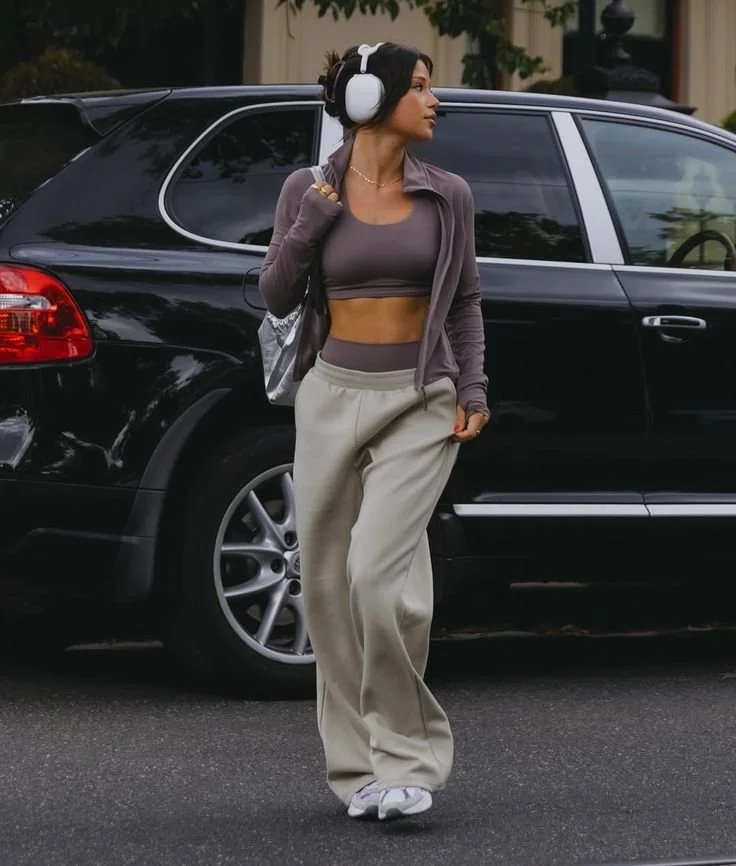
  • A fitted jacket or overshirt to sharpen the profile

  • A streamlined sneaker in a solid color

  • A well-proportioned bag that suits your daily carry needs

  • Minimal accessories that do not compete with the outfit’s simplicity


No. 3

Supports Active Lifestyles Without Outfit Changes

Modern routines often include activity, even if it is not a formal workout. Walking more, taking transit, climbing stairs, or fitting in a short session between commitments all become easier when your clothing is already built for movement.

How athleisure removes barriers to activity

A common reason people skip movement during the day is simple friction: they do not have the right clothes on. Athleisure reduces that barrier because it is already designed for flexibility and performance, even if you are only being moderately active.

Daily activities, athleisure supports well:

  • A lunchtime walk or short bike ride

  • Stretching, mobility work, or a quick home workout

  • Walking-heavy commuting and travel days

  • On-the-go tasks that require bending, lifting, or carrying

When you need more sport-specific performance

Some people need gear built for training intensity, team needs, or repeated wear under physical strain. For those situations, options like quality track uniforms provide durability and performance while maintaining the same flexibility and comfort principles. The key advantage is that the performance DNA remains consistent with everyday athleisure, so your wardrobe still feels cohesive.

No. 4

Simplifies Daily Decision Making

What you wear affects how quickly you can start your day. When you have too many options that do not work together, getting dressed becomes a daily negotiation. Athleisure supports a simpler approach because pieces are often designed to be interchangeable.

How athleisure creates an easy mix-and-match system

The category naturally leans toward coordinated palettes and consistent fits, which makes it easier to build outfits that look cohesive without planning.

Athleisure supports faster decisions through:

  • Neutral colors that pair easily

  • Minimal patterns that reduce matching complexity

  • Consistent cuts across brands or collections

  • Layer-friendly pieces that work in multiple combinations

A quick “capsule” approach using athleisure pieces

You do not need a huge wardrobe to have variety. You need fewer items that work harder.

A simple athleisure capsule might include:

  • 2 to 3 tops in neutral tones

  • 1 to 2 layering pieces (zip-up, lightweight jacket, hoodie)

  • 2 bottoms with different silhouettes (jogger and leggings, or jogger and tapered pants)

  • 1 pair of daily sneakers that match most outfits

This approach reduces the time spent choosing clothes and lowers the chance of wearing something that does not match your day’s demands.


No. 5

Reduces Wardrobe Complexity and Clutter

A large closet does not automatically create better outfits. In many cases, it creates more visual noise, more laundry sorting, and more items that rarely get worn. Athleisure encourages a more focused wardrobe where each piece has multiple uses.

Why fewer, better pieces often win

When items can shift between errands, casual work environments, and downtime, you stop needing separate categories of clothing for every scenario. That reduces clutter and makes organization easier.

A streamlined wardrobe often includes:

  • Core tops that can be worn alone or layered

  • Bottoms that work in both casual and semi-structured settings

  • Outerwear that adjusts to different conditions

How to spot athleisure pieces that truly earn their place

Not all athleisure is equally versatile. Some items are too gym-specific, while others are basically loungewear. Look for pieces that hold their shape and maintain a clean look.

Practical criteria:

  • Fabric that feels substantial, not flimsy

  • Fit that skims the body rather than clinging or sagging

  • Pockets and seams placed for function and comfort

  • Colors that do not show wear quickly

No. 6

Maintains Durability Over Time

Athleisure garments are generally designed to handle repeated use. Because the category is rooted in performance and movement, construction often prioritizes stretch recovery, seam strength, and fabric resilience.

What durability looks like in everyday terms

Durability is not only about surviving workouts. It is about clothing that can handle real life: frequent washing, sitting, walking, travel days, and daily movement.

Signs of long-term performance:

  • Waistbands that do not roll or lose elasticity quickly

  • Fabric that resists pilling in high-friction areas

  • Colors that stay consistent after many washes

  • Seams that remain flat and intact over time

Why durability supports better value

When pieces last longer and keep their shape, you replace them less often. That creates a wardrobe that feels reliable, especially when you need clothing that performs consistently without extra care or special handling.

No. 7

Balances Function and Personal Style

Athleisure is not limited to performance. It also leaves room for personal expression, which is part of why it has become so widely adopted. You can build a consistent look while still prioritizing comfort.

How to personalize athleisure without losing versatility

Style in athleisure often comes from fit, color, and small details rather than heavy trends. That makes it easier to maintain a signature look without constantly buying new items.

Ways to express personal style:

  • Stick to a consistent palette that suits your aesthetic

  • Use one statement layer (jacket, overshirt, or coat) over simple basics

  • Choose one silhouette as your “uniform,” then rotate colors

  • Add subtle branding or custom details for identity

Customization plays a role here. Items like custom t-shirts let individuals maintain a consistent style while still using functional clothing. That balance between identity and practicality is a major reason athleisure works for such a wide range of preferences.

No. 8

Aligns With Daily Efficiency

Athleisure works because it matches how people actually live. It reduces unnecessary steps, supports movement, and minimizes outfit changes, all while maintaining a put-together appearance when chosen and styled intentionally.

Why athleisure keeps growing as a daily default

Athleisure is not just about comfort; it is about efficiency. When you can dress once and stay comfortable across multiple settings, your clothing becomes a tool that supports your routine instead of an obstacle.

Athleisure supports everyday efficiency by:

  • Reducing time spent changing outfits

  • Lowering the mental load of planning clothing

  • Keeping you comfortable in varied conditions

  • Supporting spontaneous movement and activity

Takeaways

Athleisure is ideal for everyday living because it is built for comfort, movement, and real-world transitions. With breathable fabrics, stretch construction, and functional design, it reduces distraction and supports long days.

Its versatility helps you move across multiple settings with fewer outfit changes and less planning. A streamlined athleisure wardrobe also reduces clutter and decision fatigue while still giving you room for personal style.

Over time, athleisure can offer strong value through durability and consistent performance. When you choose pieces that hold shape and fit your lifestyle, the result is a simpler, more efficient way to get dressed every day.


Looking for resources?

At Hello Lovely Living, we aim to empower you to earn and save money and time while benefiting from our expansive network of home, life, wellness, travel, work-from-home, career, and business resources and opportunities. Discover a wealth of tools to support your journey.


styleThe List Editor


Versatile Layers: Everyday Jackets For Every Season

As the seasons shift, so do the demands on our daily wear—and jackets often act as the versatile heroes of a well-built wardrobe. One of the most important criteria when choosing an everyday jacket is adaptability: the ability to handle changing conditions, from spring drizzles to crisp autumn breezes, without sacrificing comfort or style. The right piece doesn’t just protect you from the elements; it also helps you transition seamlessly through unpredictable weather.


In this article, you’ll explore how to choose an everyday jacket for each season—spring, summer, autumn, and winter—so you can stay comfortable, look polished, and make smart wardrobe choices all year round.

Jackets for every season come in an array of styles, materials, and features designed to meet specific climatic needs. Fashionably functional, these garments keep us shielded from the elements while still adhering to our personal aesthetic. Below, explore how to choose the right everyday jacket for each season and make a stylish statement all year round.

No. 1

Versatile Layers for Spring Showers and Blossoms

When spring rains intermittently interrupt sunny days, a water-resistant jacket becomes a wardrobe staple. Ideally, spring jackets should be lightweight and breathable, made from materials like nylon or treated cotton, to provide protection without overheating.

Options such as trench coats or hooded anoraks can offer an elegant solution to staying dry and stylish during unexpected downpours. The integration of features like detachable hoods and adjustable cuffs adds to their practicality, allowing for necessary adjustments as the weather fluctuates.

When selecting a spring jacket, search for pieces that combine function with fashion, such as the Everyday Jackets Collection, which offers versatility through various silhouettes. A zippered utility jacket, for instance, could serve both outdoor adventures and urban commutes with ease.

No. 2

Lightweight Jackets for Breezy Summer Evenings

During the summer, a light jacket serves as the perfect accessory for cooler evenings or overly air-conditioned spaces. Breathable fabrics such as linen or lightweight denim offer the ideal balance between comfort and coverage.

Bomber jackets, in summery materials and colors, may add a sporty yet chic layer over evening casual wear. For a more bohemian nature, a loose-fitting, draped kimono-style jacket can be practical while effortlessly enhancing a simple tank-top-and-shorts combo.

Consider investing in neutral colors or subtle prints that can be easily paired with the more vibrant summer wardrobe selections. A cropped jacket or a structured blazer lends sophistication to summer dresses, ensuring a jacket can accentuate rather than detract from your look.

No. 3

Autumn Attire: Transitional Jackets for Crisp Weather

As autumn ushers in cooler temperatures, jackets become the prominent attire in transitioning stylishly between seasons. Transitional jackets, like a classic leather jacket or denim “shacket” (a shirt-jacket hybrid), can be layered to increase warmth as needed.

Materials such as suede, corduroy, or wool blends provide coziness and texture suited to the fall vibe. These fabrics don’t just add visual interest—they also retain warmth effectively, making them ideal for layering over knits and flannels.

For those who want both utility and style, a quilted jacket with pockets is ideal for casual outings and can easily be layered over or under other pieces. This type of jacket typically balances warmth with weight, making it a practical choice for fluctuating autumn temperatures.


hellolovelyliving quince

Quince

Upscale, gorgeous home and lifestyle staples to elevate everyday life that cost way less than they look. Purchase styles for 50 percent less than you might pay elsewhere.


No. 4

Winter Warmth: Everyday Jackets to Brave the Cold

When winter temperatures drop, the need for a reliable, warm jacket becomes non-negotiable. Options filled with down or synthetic insulation are popular for their heat-retention capabilities while still maintaining a manageable weight.

Features like storm flaps, fleece-lined pockets, and ribbed cuffs make a meaningful difference in day-to-day comfort and warmth. For urban environments, a wool pea coat or insulated trench may offer sufficient protection with a touch of sophistication.

Finding the right winter jacket involves assessing your specific climate and lifestyle needs. A long parka, for instance, is a smart option for wet, windy conditions or frequent outdoor time. Ultimately, ensuring a snug (but not tight) fit allows for essential layering without sacrificing mobility or style.

Takeaways

Ultimately, finding the ideal everyday jacket for each season comes down to balancing warmth, style, and functionality. From the fresh blossoms of spring to the snowflakes of winter, the right jacket can complement your daily ensembles while providing the protection you need. No matter the forecast, there’s a jacket style that fits seamlessly into your wardrobe—helping you look put-together and feel comfortable year-round.

Looking for resources?

At Hello Lovely Living, we aim to empower you to earn and save money and time while benefiting from our expansive network of home, life, wellness, travel, work-from-home, career, and business resources and opportunities. Discover a wealth of tools to support your journey.


styleThe List Editor


How To Reconnect With Your Sense Of Self Through Style

In the whirlwind of daily responsibilities, shifting priorities, and the passage of time, it’s all too easy to lose touch with your personal style. One day you’re thoughtfully curating outfits that express who you are, and the next, you’re reaching for whatever’s clean and convenient. Sound familiar? You’re not alone—and more importantly, you’re not stuck.


In this article, we’ll explore how to reconnect with your sense of self through style. You don’t need a brand-new wardrobe or a fashion degree—just a willingness to rediscover what makes you feel most like you. From identifying what you genuinely love to removing the pressure to impress others, this guide will help you rebuild a wardrobe that reflects your identity, boosts your confidence, and brings joy to getting dressed again.

No. 1

What Do You Actually Like? Rediscovering Your Style DNA

You might think you’ve lost your sense of style—but chances are, it’s still there, quietly waiting for your attention. Often, it’s not about starting from scratch but about reconnecting with preferences you’ve simply stopped noticing. Then you might think about the fabrics that feel best, and so on.

Start Small and Reflect:

  • Colors: What shades make you feel energized, calm, or confident?

  • Memorable outfits: Think back to clothes you loved wearing. What made them stand out?

  • Textures and fabrics: Do you gravitate toward soft knits, structured cotton, or flowing silks?

  • Patterns and silhouettes: Are you drawn to bold prints or minimalism? Fitted or oversized?

By identifying these patterns, you begin to rebuild your personal style—not based on trends, but on what truly resonates with you. This process is less about reinvention and more about reclamation.

No. 3

Remove the Pressure to Get It Right

One of the biggest obstacles to rediscovering your style is the fear and stress of getting it wrong. But here’s the truth: style is not a test you pass or fail. It’s a form of self-expression, and like any creative process, it thrives when you give yourself permission to explore.

Embrace the Experiment:

  • Try one new piece and pair it with something you love

  • Mix unexpected colors or textures just to see how they feel

  • Step outside your comfort zone in small, manageable ways

The goal isn’t to impress others—it’s to reconnect with yourself. When you remove the pressure to be perfect, you create space for authenticity and joy. And in that space, your true style begins to emerge.


hellolovelyliving cettire

Cettire

Step into luxury with Cettire – your destination for designer fashion at irresistible prices.


No. 4

How You Feel in Your Body Matters

You can’t fully embrace your personal style if you feel disconnected from your body. This doesn’t mean you need to look a certain way—it means you need to feel comfortable and confident in your own skin.

Ways to Reconnect with Your Body:

  • Wear clothes that fit well, not just in size but in comfort and movement

  • Let go of outdated fashion rules that don’t serve you

  • Make personal choices that support your self-esteem—whether that’s a new haircut, a fitness routine, or even a cosmetic procedure like a hair transplant if it helps you feel more like yourself

Style isn’t about conforming to an ideal—it’s about celebrating who you are right now. When you feel at ease in your body, your clothing becomes an extension of that self-assurance.

Takeaways

Reconnecting with your sense of self through style isn’t about chasing trends or pleasing others—it’s about coming home to yourself. It’s a process of rediscovery, reflection, and gentle experimentation. And the best part? You don’t need to overhaul your wardrobe or spend a fortune to do it.

In this article, we’ve explored how to identify what you love, remove the pressure to get it right, and embrace your body as it is. These steps aren’t just about fashion—they’re about self-acceptance and empowerment.

So take a breath. Open your closet. And start choosing pieces that make you feel alive, aligned, and unapologetically you. Because style isn’t just what you wear—it’s how you show up in the world.

Looking for resources?

At Hello Lovely Living, we aim to empower you to earn and save money and time while benefiting from our expansive network of home, life, wellness, travel, work-from-home, career, and business resources and opportunities. Discover a wealth of tools to support your journey.


styleThe List Editor


The Future of Fashion: Trends And Transformations To Expect By 2026

Fashion has always been a dynamic reflection of culture, identity, and innovation. Yet, as we move toward 2026, the pace at which the industry is evolving is unprecedented. With the rise of artificial intelligence (AI), the influence of social media, and a growing demand for sustainability and personalization, fashion is no longer as predictable as it once was. These rapid changes are reshaping not only how we dress but also how we think about clothing, consumption, and creativity.


hellolovelyliving fashion trends


Today, it's increasingly difficult for both consumers and businesses to anticipate what will be in demand in the coming months—let alone years. From the fabrics used in underwear to the silhouettes gracing the runway, the industry is more volatile and exciting than ever. This article explores key insights into what the fashion world might look like in 2026, highlighting the trends, technologies, and transformations that are shaping its future.

You can also explore the economic Underwear Index here, which shows how economic shifts influence fashion, a unique indicator that reflects consumer confidence through lingerie sales.

No. 1

Comfort and Conscious Underwear

The lingerie and underwear market is undergoing a significant transformation, driven by a cultural shift toward comfort, self-expression, and sustainability. As we look ahead to 2026, these values are expected to dominate the landscape.

  • Women’s lingerie is moving away from restrictive, traditional designs and embracing wireless, breathable options made from eco-friendly fabrics. These pieces are not only functional but also fashionable, often doubling as ready-to-wear ensembles.

  • Expect to see darker color palettes and more sensual textures, with slip dresses and bold statement pieces becoming staples in intimate wear collections.

  • Men’s underwear will continue to prioritize performance, comfort, and versatility. Features such as moisture-wicking materials, ergonomic fits, and seamless construction are becoming standard.

This shift reflects a broader trend in fashion: the desire for clothing that empowers the wearer while respecting the planet.

No. 2

Color and Prints

Color and print trends are among the most fluid aspects of fashion, often influenced by cultural movements, art, and digital aesthetics. For 2026, the forecast is vibrant and grounded in nature.

  • Earth tones such as terracotta, olive, and sand will provide a calming base.

  • In contrast, bold digital-inspired prints and high-energy colors like citrus yellow, fiery red, and soft lilac will inject excitement and individuality into collections.

  • Floral patterns and mismatched prints will continue to thrive, reflecting a playful, expressive approach to personal style.

This juxtaposition of natural and digital elements mirrors the duality of our modern lives—rooted in the real world, yet deeply connected to the virtual.

No. 3

Textures and Embellishments

Fashion in 2026 is expected to be a tactile experience, with designers embracing textures and embellishments that invite touch and visual intrigue.

  • Foulard prints, traditionally used in scarves, are being reimagined in garments for a sophisticated yet whimsical effect.

  • Knotted details, ruffles, feathers, and fringe will add movement and dimension to clothing, making each piece a sensory experience.

  • These embellishments are not just decorative—they serve to enhance the emotional connection between the wearer and the garment.

By incorporating rich textures, fashion becomes more than visual—it becomes immersive.


hellolovelyliving cettire

Cettire

Step into luxury with Cettire – your destination for designer fashion at irresistible prices.


No. 4

Forms and Silhouettes

Silhouettes are becoming more experimental, with a focus on proportion and self-expression. Designers are drawing from historical references while pushing boundaries to create garments that are both comfortable and avant-garde.

  • Playful proportions will dominate, such as pairing long, flowing skirts with cropped jackets or oversized tops with tailored bottoms.

  • Loose-fitting clothing will be favored for its fluidity and ease, appealing to those seeking both comfort and style.

  • Structured garments with hidden elements—like internal corsetry or sculpted padding—will create dramatic, voluminous shapes that challenge conventional norms.

This evolution in form reflects a deeper cultural shift: fashion as a medium for individuality and freedom.

No. 5

Artistic Intelligence: The Role of AI in Fashion

Artificial intelligence is revolutionizing the fashion industry, influencing everything from design to shopping experiences.

  • AI shopping assistants are becoming increasingly sophisticated, helping consumers curate wardrobes with complementary colors, flattering fits, and personalized recommendations—all in just a few clicks.

  • Designers are leveraging AI to generate innovative patterns, predict trends, and even co-create garments that push creative boundaries.

  • AI also plays a role in supply chain optimization, reducing waste and improving sustainability by forecasting demand more accurately.

While trends will always matter, AI is making fashion more intuitive, accessible, and personalized than ever before.

Takeaways

The fashion industry has always been a mirror of societal change, but as we approach 2026, it is becoming a canvas for technological innovation, environmental consciousness, and radical self-expression. From the rise of AI to the reinvention of underwear, fashion is entering a new era—one that is as unpredictable as it is inspiring.

With comfort, sustainability, and individuality at the forefront, the future of fashion invites us to rethink not just what we wear, but why we wear it. Whether it's the tactile allure of rich textures, the bold statement of digital prints, or the seamless integration of AI in our shopping habits, one thing is clear: fashion is no longer just about trends—it's about transformation.

As we continue to navigate this ever-evolving landscape, staying informed and open to change will be key. So, whether you're a designer, a retailer, or simply someone who loves to express themselves through style, the future of fashion holds endless possibilities. And with tools like the Underwear Index offering unique insights into economic and cultural shifts, there's never been a more exciting time to explore what lies ahead.

Looking for resources?

At Hello Lovely Living, we aim to empower you to earn and save money and time while benefiting from our expansive network of home, life, wellness, travel, work-from-home, career, and business resources and opportunities. Discover a wealth of tools to support your journey.


styleThe List Editor


The Rise Of Modern Fit Shirts: Why Every Man Needs One In His Wardrobe

In the ever-evolving world of menswear, one garment has emerged as a defining staple of contemporary style: the modern fit shirt. Striking the perfect balance between classic tailoring and modern sensibilities, this versatile piece has become a go-to for men who value both form and function. Whether you're heading to the office, attending a social event, or simply upgrading your daily wardrobe, modern fit shirts offer a refined silhouette without sacrificing comfort.


As the lines between formal and casual attire continue to blur, men are increasingly seeking clothing that adapts to multiple settings while maintaining a polished appearance. Modern fit shirts answer that call with precision, offering a flattering cut that enhances personal style and supports a more sustainable, streamlined wardrobe. In this article, we explore why every man should consider adding modern fit shirts to his collection—and how they can transform the way you dress.

No. 1

The Evolution of Men's Fashion: Embracing the Modern Fit Shirt

Men’s fashion has always been a reflection of societal shifts, lifestyle changes, and evolving body types. From the billowing garments of the past to the sharp, slim silhouettes of today, the journey of menswear has been one of constant refinement. The modern fit shirt is a product of this evolution—a response to the need for clothing that is both flattering and functional.

Unlike traditional boxy cuts or ultra-slim designs, modern fit shirts offer a middle ground. They contour the body in a way that enhances natural shape while allowing for ease of movement. This balance has made them a favorite among men who want to look sharp without feeling restricted.

The rise of the modern fit shirt also signals a growing interest in personal style. Men are no longer content with one-size-fits-all solutions; they seek garments that reflect their individuality and adapt to various aspects of their lives. With advancements in fabric technology, today’s modern fit shirts are wrinkle-resistant, breathable, and durable—making them as practical as they are stylish.

No. 2

Tailored to Perfection: Benefits of Modern Fit Shirts in a Man's Wardrobe

What sets modern fit shirts apart is their precise tailoring. Designed to follow the contours of the body without clinging too tightly, they offer a clean, structured look that flatters a wide range of physiques. This makes them an ideal choice for men who want to avoid the extremes of overly loose or overly tight clothing.

Key benefits include:

  • Flattering silhouette that enhances posture and presence

  • Comfortable fit that allows for natural movement

  • Versatility across both formal and casual settings

  • Minimalist appeal that supports a capsule wardrobe

  • Breathable fabrics that ensure all-day comfort

Their adaptability means you can wear the same shirt to a business meeting, a dinner date, or a weekend outing—simply by changing how you style it. This level of versatility not only simplifies your wardrobe but also promotes more sustainable fashion choices.

No. 3

How Modern Fit Shirts Enhance Your Personal Style

Modern fit shirts are more than just a wardrobe basic—they’re a canvas for personal expression. Available in a wide range of fabrics, colors, patterns, and detailing, they allow men to showcase their style while maintaining a polished appearance.

Their tailored design naturally highlights the shoulders and tapers at the waist, creating a streamlined look that complements the male form. When paired with a blazer or jacket, modern fit shirts add structure and sophistication to any outfit.

Styling tips include:

  • Pair with tailored trousers for a business-ready ensemble

  • Layer under a blazer for a smart-casual look

  • Wear untucked with jeans for relaxed refinement

  • Choose bold patterns or colors to make a statement

Details like collar shape, cuff style, and button design can further personalize your look. Whether you prefer a classic Oxford or a more contemporary spread collar, modern fit shirts offer endless possibilities for self-expression.


hellolovelyliving paul james

Paul James

Upgrade your wardrobe with Paul James modern fit shirts – timeless design, premium quality, and effortless style.


No. 4

The Versatility of Modern Fit Shirts: From Casual to Formal

One of the standout features of modern fit shirts is their ability to transition effortlessly between different dress codes. In professional settings, they offer a crisp, tailored appearance that communicates confidence and competence. Their structured design pairs seamlessly with suits, enhancing the clean lines of formal attire.

Outside the office, modern fit shirts adapt to more relaxed environments. Rolled-up sleeves, open collars, and casual pairings with denim or chinos make them ideal for social gatherings, date nights, or weekend brunches.

This flexibility means you can invest in fewer shirts while still covering a wide range of occasions. With the right styling, a single modern fit shirt can serve multiple purposes—making it a smart and sustainable choice for any wardrobe.

No. 5

Making the Right Choice: Selecting the Perfect Modern Fit Shirt

Choosing the right modern fit shirt involves more than just picking a color or pattern. Key elements to consider include:

  • Shoulder fit: Seams should align with the edge of your shoulders

  • Waist tapering: A gentle taper that flatters without restricting

  • Length: Long enough to stay tucked in, but not so long it looks oversized when untucked

  • Fabric: Cotton blends offer breathability and comfort; textured weaves add seasonal variety

When building your collection, start with neutral tones like white, light blue, and grey. These provide maximum versatility and can be easily dressed up or down. Once you’ve covered the basics, explore bolder hues and patterns to inject personality into your wardrobe.

Investing in high-quality pieces—such as modern fit shirts for men—ensures durability, comfort, and timeless appeal. These shirts are not only stylish but also built to withstand the demands of daily wear, making them a worthwhile addition to any man’s closet.

Takeaways

The rise of modern fit shirts marks a pivotal moment in men’s fashion—one that celebrates both style and practicality. With their tailored silhouette, breathable fabrics, and unmatched versatility, these shirts have become essential for the modern man who values appearance without compromising comfort.

Whether you're dressing for a boardroom presentation, a weekend gathering, or a casual day out, modern fit shirts provide the foundation for a polished, confident look. By investing in a few well-chosen pieces, you can streamline your wardrobe, enhance your personal style, and adapt effortlessly to any occasion.

In a world where first impressions matter and comfort is key, modern fit shirts are more than just a trend—they’re a timeless staple every man should own.

Looking for resources?

At Hello Lovely Living, we aim to empower you to earn and save money and time while benefiting from our expansive network of home, life, wellness, travel, work-from-home, career, and business resources and opportunities. Discover a wealth of tools to support your journey.


styleThe List Editor


The Ultimate Guide To Choosing The Best Camisoles

Camisoles are a timeless and essential component of every woman’s wardrobe. Whether worn as a base layer, sleepwear, or a standalone top, camisoles offer a unique blend of comfort, elegance, and versatility. With so many styles, fabrics, and features available, selecting the right camisole can feel overwhelming. However, understanding the key elements—from material and fit to design details and care—can help you make informed choices that enhance both your comfort and style.


In this guide, we’ll walk you through everything you need to know about camisoles, including how to choose the best one for your needs, what features to look for, and how to care for them to ensure they last.

No. 1

Navigating Camisole Features: Lace, Straps, and Support Options

Camisoles come in a variety of designs that cater to different functions and fashion preferences. Some of the most notable features include lace accents, strap styles, and built-in support—all of which contribute to the camisole’s versatility and appeal.

  • Lace Detailing: Lace adds a touch of sophistication and femininity. Whether used as a trim or a full panel, it elevates a simple camisole into a more refined piece, suitable for layering under blazers or wearing on its own.

  • Strap Styles: The type of strap can influence both comfort and appearance. Thin spaghetti straps are ideal for layering and offer a delicate aesthetic, while wider straps provide more coverage and are better at concealing bra straps.

  • Built-in Support: Many camisoles now include shelf bras or support panels, which provide light support without the need for an additional bra. This is especially useful for those seeking a sleek, minimal look under sheer or low-cut tops.

For a balance of elegance and practicality, explore the best camisoles for women that offer a combination of these features to suit a variety of occasions and outfit choices.

No. 2

How to Select the Right Material for Comfort and Style in Camisoles

Choosing the right fabric is essential for both comfort and functionality. The material affects how the camisole feels against your skin, how it performs throughout the day, and how easy it is to care for.

  • Cotton and Jersey Blends: These are ideal for everyday wear. They are breathable, soft, and durable, making them perfect for layering or lounging.

  • Silk and Satin: These luxurious fabrics are hypoallergenic and gentle on sensitive skin. They offer a smooth, elegant look but require more delicate care. Silk camisoles are excellent for special occasions or as sleepwear.

  • Performance Fabrics: For active lifestyles, look for microfiber or spandex blends. These materials offer stretch, moisture-wicking properties, and breathability, making them suitable for workouts or long days on the go.

Selecting the right material ensures that your camisole not only looks good but also feels good and functions well in your daily life.

No. 3

The Role of Fit and Cut in Finding Your Perfect Camisole

Fit and cut are critical when it comes to choosing a camisole that flatters your body and works well with your wardrobe.

  • Fit: A camisole should skim the body without clinging too tightly. It should feel like a second skin—smooth and comfortable, not restrictive.

  • Cut: The shape of the camisole affects how it looks under clothing. A straight hem offers a clean, classic silhouette, while curved or lace-trimmed hems add a feminine touch.

  • Adjustable Straps: These allow for a customized fit, ensuring the camisole sits properly on your shoulders and neckline.

  • Neckline Options: Scoop, V-neck, and square necklines each serve different purposes. Choose based on the outerwear you plan to pair it with and the level of coverage you prefer.

A well-fitted camisole enhances your overall look and ensures comfort throughout the day.


hellolovelyliving farfetch

Farfetch

Elevate your wardrobe with Farfetch's chic camisole collection – versatile, timeless, and effortlessly stylish.


No. 4

Caring for Your Camisoles to Maintain Quality and Longevity

Proper care is essential to preserving the quality and extending the lifespan of your camisoles. Each fabric type has unique care requirements, so always refer to the garment’s care label first.

  • Delicate Fabrics: For silk, lace, or satin camisoles, hand washing or using a gentle cycle in a lingerie bag is recommended. This prevents damage and maintains the garment’s shape.

  • Detergents: Use mild, fabric-safe detergents to avoid breaking down fibers or fading colors. Avoid bleach or harsh chemicals.

  • Drying Methods: Never wring out your camisoles. Instead, gently press out excess water and lay them flat or hang them to dry. Avoid high heat, which can damage elastic and delicate materials.

  • Storage: Store camisoles flat or folded neatly to prevent stretching and snagging. If hanging, use padded hangers to maintain their shape.

By following these care tips, your camisoles will remain in excellent condition, providing comfort and style for years to come.

Takeaways

Camisoles are more than just a layering piece—they are a versatile and essential part of any wardrobe. Whether you're dressing for comfort, elegance, or practicality, the right camisole can elevate your outfit and provide unmatched ease.

In this guide, we’ve explored the key features to look for, from lace details and strap options to built-in support and fabric choices. We’ve also highlighted the importance of fit and shared best practices for caring for your camisoles to ensure they remain a reliable and stylish part of your clothing collection.

By understanding your personal needs and preferences, you can confidently choose camisoles that not only look great but also feel amazing. With the right selection and care, camisoles can become one of the most dependable and cherished items in your wardrobe.

Looking for resources?

At Hello Lovely Living, we aim to empower you to earn and save money and time while benefiting from our expansive network of home, life, wellness, travel, work-from-home, career, and business resources and opportunities. Discover a wealth of tools to support your journey.


styleThe List Editor


Changed For The Better: The Rise Of Men’s Fashion

Once considered rigid and repetitive, men’s fashion has undergone a remarkable transformation in recent years. Gone are the days when a plain t-shirt and jeans or a muted suit were the only acceptable options. Today, men are embracing creativity, personality, and versatility in their wardrobes like never before.


This shift reflects broader cultural changes, including the rise of digital platforms, evolving norms, and the influence of celebrities who challenge traditional fashion boundaries. In this article, we’ll explore the current influences shaping men’s fashion and how everyday style has evolved into a powerful form of self-expression.

No. 1

An Era of Self-Expression

Over the past few decades, menswear has experienced a significant evolution. What was once reserved for avant-garde runway shows has now become part of everyday fashion. Cultural shifts and changing societal norms have made self-expression not only acceptable but celebrated.

One of the most transformative influences on this shift is the rise of digital platforms and social media channels like TikTok and Instagram. These platforms have democratized fashion, allowing users to access global trends and inspiration beyond what’s available in local stores or traditional magazines.

Younger generations, particularly Gen Z, are leading this movement. They are particularly bold with their style, unapologetic, and unafraid to challenge outdated norms around gender and fashion. Their style choices reflect a desire to express individuality rather than conform to expectations.

Another major influence is the role of celebrities and pop culture. Actors, musicians, and athletes have become modern-day style icons. They often blend streetwear with high-end fashion, experiment with silhouettes, and accessorize in ways that redefine fashion.

Take Harry Styles, for example. His eclectic wardrobe choices have helped dismantle rigid perceptions of what men "should" wear, encouraging others to explore their own personal style without fear of judgment.

No. 2

Beyond the Basics: Everyday Looks Are Evolving

Perhaps the most exciting aspect of this fashion evolution is how it has impacted everyday outfits. The once-standard uniform of jeans and a plain tee has been replaced by thoughtful, layered, and personality-driven ensembles.

Men are no longer confined to simplicity. Instead, they are embracing variety and creativity in their daily wear.

Key Trends in Everyday Men’s Fashion Include:

  • Flared Leg Jeans
    Once considered a retro relic, flared jeans are making a strong comeback. They offer both comfort and a bold fashion statement, allowing for a wide range of styling options that reflect individuality.

  • Layering for Depth and Dimension
    Layering has become a cornerstone of modern men's fashion. Amusing novelty t shirts are worn together with some form of blazer or even a vest. You might see knitwear paired with a light trench coat, or a bomber jacket worn over a hoodie. These combinations add depth and visual interest to any outfit.

  • Accessorizing with Confidence
    Accessories are no longer an afterthought. Men are now confidently incorporating jewelry such as rings, necklaces, and bracelets into their looks. Functional yet stylish additions like crossbody bags, hats, and scarves help complete an outfit while making a personal statement.

This shift toward thoughtful styling reflects a broader desire among men to express themselves through fashion. It’s no longer just about dressing for function—it’s about dressing with intention.


hellolovelyliving general pants co

General Pants Co.

Elevate your style game with General Pants Co. – bold, trendy, and effortlessly cool men’s fashion.


No. 3

The Future of Men’s Fashion

The evolution of men’s fashion shows no signs of slowing down. As traditional barriers continue to dissolve, men are gaining the freedom to explore their personal aesthetics more openly and authentically.

We’re also seeing a rise in a broader range of designs and more platforms that showcase diverse fashion options. These developments are making it easier for men of all shapes, sizes, and backgrounds to find and define their own style.

As men continue to experiment with fashion, we can expect even greater diversity in how masculinity is expressed through clothing. While trends may come and go, the underlying movement toward creativity, inclusivity, and self-expression is here to stay.

Takeaways

Men’s fashion has come a long way from its utilitarian roots. Today, it’s a dynamic, expressive, and inclusive space where individuality is not only accepted but celebrated. From the influence of social media and celebrity culture to the bold styling choices of younger generations, men are redefining what it means to dress well.

Whether it’s through layering, accessorizing, or embracing retro trends like flared jeans, modern menswear is all about authenticity and creativity. As the fashion world continues to evolve, one thing is clear: men are no longer dressing to fit in—they’re dressing to stand out.

Looking for resources?

At Hello Lovely Living, we aim to empower you to earn and save money and time while benefiting from our expansive network of home, life, wellness, travel, work-from-home, career, and business resources and opportunities. Discover a wealth of tools to support your journey.


styleThe List Editor


The Quiet Art of Looking Effortlessly Put-Together

There’s a fine line between glowy and glazed ham. Between elevated and overdone. And we’ve all seen it—when someone clearly spent hours trying to look like they didn’t try at all. The real magic? It’s in subtle shifts. Upgrades so seamless, they don’t shout for attention—but trust me, people notice.


This is for you if you love looking polished without that heavy-handed, over-filtered vibe. Here’s how to upgrade your appearance and your confidence without it being obvious to anyone but you.

No. 1

Upgrade Your Basics, Not Just Your Statement Pieces

Don’t get us wrong—statement pieces have their place. But real style lives in the layers you repeat. Your white tee. Your sneakers. That denim you throw on without thinking.

Investing in high-quality versions of your basics makes a quiet impact. Think a perfectly fitting pair of jeans with a structured waistband. A cotton tee that doesn’t stretch out after one wash. Understated pieces in elevated fabrics do more for your style than any trending accessory ever could.

No. 2

Let Your Face Do the Talking (Subtly)

You don’t need an entirely new face. You just need to treat the one you’ve got with a little more respect. A subtle brow tint can make you look awake on the dreariest mornings. Lash lifts, done right, let you skip mascara entirely. And no, it doesn’t make you vain. It makes you prepared.

This also includes caring for your skin like it’s your job. A dewy, balanced complexion—achieved with a good barrier repair serum or an oil cleanser that actually does its job—makes even makeup feel optional. Nothing screams “effortless” like skin that doesn’t need to be covered up.

No. 3

Whisper-Level Changes That Still Make an Impact

This is the sweet spot. Whisper-level upgrades. Think of the things that are so subtle, people don’t know what’s changed—but they know something has.

One such upgrade? Clear braces. Gone are the days of metal brackets and teenage flashbacks. These invisible aligners work behind the scenes, literally, aligning your smile without interrupting your overall aesthetic.

No one needs to know you’re wearing them unless you tell them. And yet, the impact? Noticeable. A more symmetrical smile gives structure to your whole face. It’s one of those upgrades that works quietly, but powerfully, in the background.


hellolovelyliving naked nutrition

Naked Nutrition

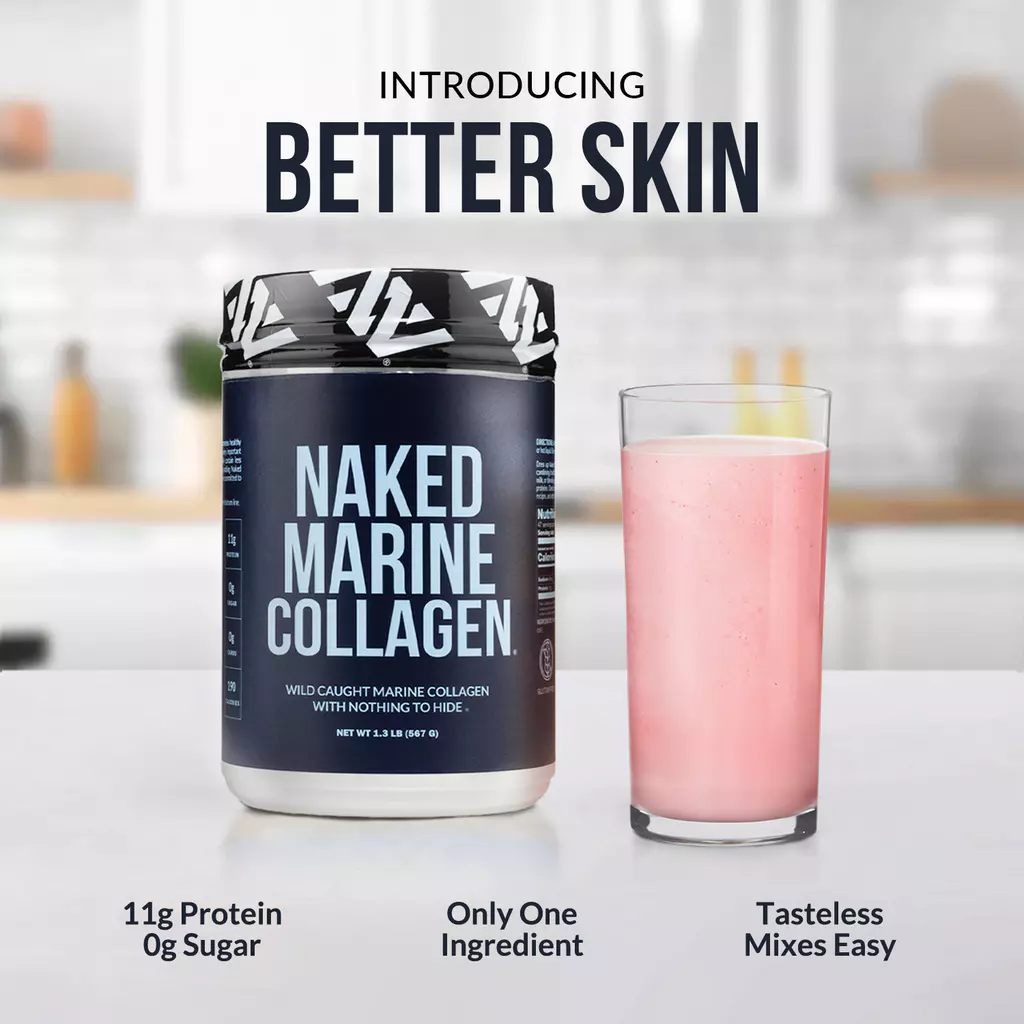
Glow from within with Naked Marine Collagen – pure, sustainable, and made for radiant beauty.


No. 4

The Hair Strategy: Texture Over Trend

Hair doesn’t need to be blown-out perfection to look good. In fact, nothing looks more forced than curls that haven’t moved since 8 a.m.

Focus on texture and health instead. Find the natural movement your hair wants to have, and work with it—not against it. A razor-sharp bob might look amazing on TikTok, but if you’re spending hours flat-ironing it into submission, it’s probably not serving you.

Soft, air-dried waves or a well-maintained curl pattern often say “I woke up like this” more convincingly than a mirror-polished blowout ever could.

No. 5

Know When to Leave It Alone

Here’s the trick nobody talks about: restraint is an aesthetic strategy. You don’t have to accessorize every outfit, contour every cheek, or jump on every trend. Knowing when to stop—or better yet, when not to start—is a skill worth cultivating.

Sometimes the best thing you can do is leave your face bare, wear your comfiest black dress again, or skip the nail art and go with a clean buff. Aesthetic upgrades aren’t always about adding. They’re about curating.

Takeaways

If your look is shouting, you’re probably not whispering confidence. True style has nothing to prove. The best upgrades don’t interrupt your life—they integrate into it. They free up your mornings, boost your quiet confidence, and let the real you (the unfussy, modern, already-beautiful you) show up with zero apology.

Turns out, trying not to try is actually an art. And now you know exactly where to start.

Looking for resources?

At Hello Lovely Living, we aim to empower you to earn and save money and time while benefiting from our expansive network of home, life, wellness, travel, work-from-home, career, and business resources and opportunities. Discover a wealth of tools to support your journey.
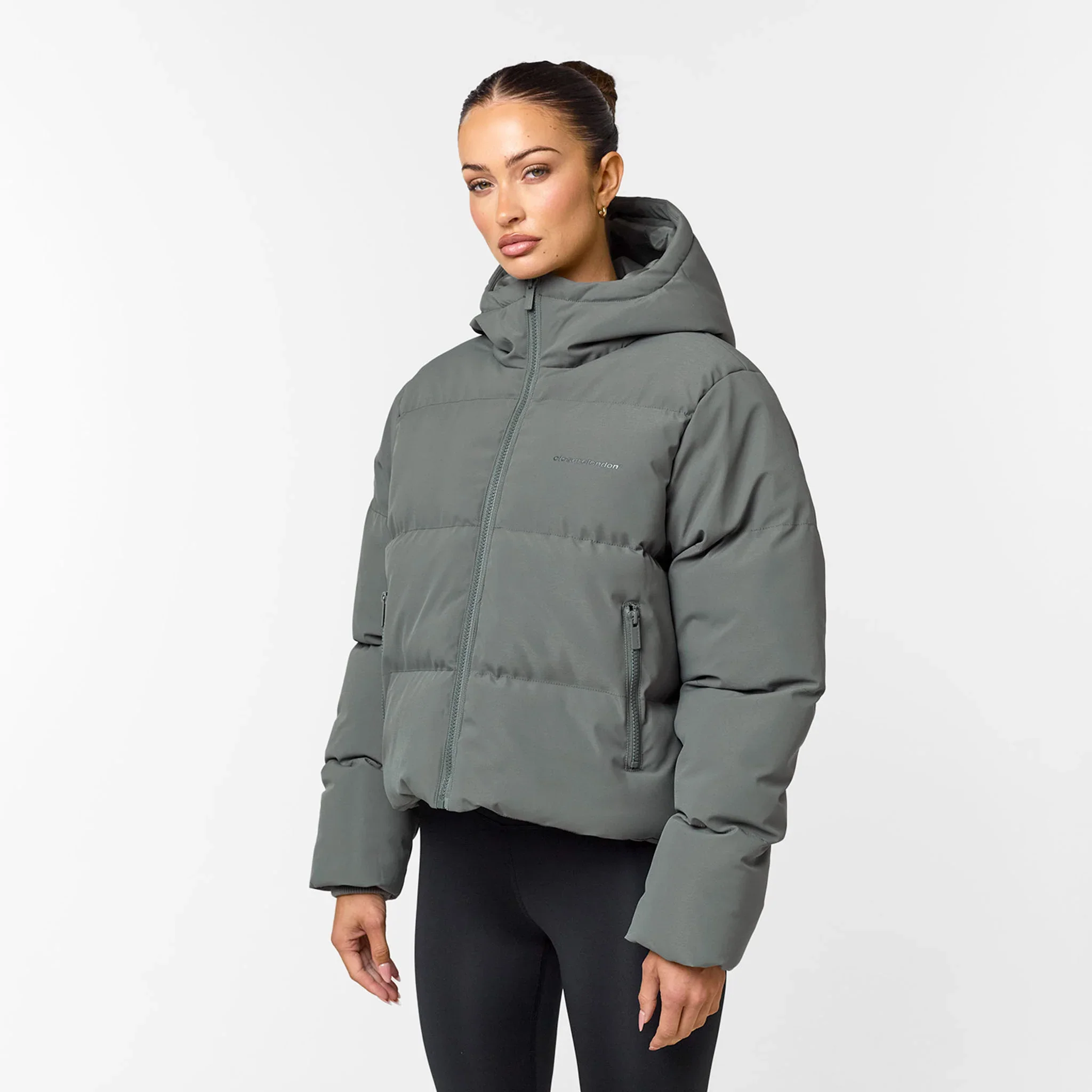


styleThe List Editor


Why Precision Matters When You're Ironing Delicate Fabrics

Ever found yourself frozen mid-motion, iron hovering uncertainly over a silk blouse or linen shirt, wondering if you're about to ruin your favorite piece? You're not alone.


Delicate fabrics are notoriously tricky—they demand finesse, not force. Hold the iron too long, and you risk a scorch mark. Use too much steam, and the fabric puckers. Use too little, and the wrinkles remain stubbornly in place.

Ironing delicate garments isn’t about speed—it’s about control, awareness, and technique. If you’ve ever noticed some clothes looking worse after ironing, it’s not your imagination. The difference lies in how you approach the process—and the tools you use. In this article, we share why precision matters when ironing delicate fabrics, and how to get it right every time.

No. 1

How Heat and Pressure Come Into Play

Each fabric responds differently to heat and pressure. Silk, for example, can become stiff or develop an unwanted sheen if the temperature is too high. Linen, while more resilient, can still cross that fine line from smooth to shiny with just a little too much pressure.

The challenge is that many standard irons don’t offer consistent heat or steam distribution—especially when working with sensitive materials. Achieving that perfect balance is what separates a crisp, professional press from a frustrating, unfixable crease.

Modern steam irons are designed to address this issue. With enhanced control over steam bursts and pressure, they’re ideal for fabrics like organza or garments with intricate beading. Irons that distribute steam evenly across the soleplate handle lightweight fabrics with greater care. And when you're dealing with mixed-material garments, it becomes less about brute heat and more about intelligent design.

No. 2

Why Technique Still Matters—No Matter Your Iron

Even with the most advanced iron in hand, technique is everything. Sheer fabrics like chiffon or georgette require a gentle touch. Pressing straight down or lingering in one spot can flatten the fabric’s natural texture or leave behind sharp, unwanted impressions.

The key is to keep the iron moving—slowly and steadily. This prevents heat from concentrating in one area and causing damage. And if you’re working with higher-end irons, like steam irons at Laura Star, a lot of people find they respond better to slight hand movements, especially when switching between fabrics.

Linen, for instance, responds beautifully to a light misting before ironing. Working while the fabric is slightly damp helps smooth out wrinkles more effectively. For layered or pleated garments, a softer approach is essential. A pressing cloth can be a lifesaver—but only if paired with mindful, controlled movements. Small shifts and gentle turns are what transform a good press into a flawless finish.

No. 3

Avoiding Common Slip-Ups with Silks and Linens

Some mistakes don’t show up until it’s too late. Silk, for example, is sensitive to sudden temperature changes. If your iron fluctuates mid-press, you might end up with a faint sheen along seams or darts. It may seem minor at first, but after a few washes, those shiny patches become more pronounced—leaving the fabric looking prematurely worn.

Linen, on the other hand, loves to cling to creases. Press too hard, and you risk setting folds into the fabric permanently. This is fine if the creases are intentional—but frustrating if they’re not. Skipping the pressing cloth or forgetting to dampen the fabric often leads to uneven, patchy results.

Don’t overlook water quality either. Hard tap water can clog steam vents and leave behind faint mineral marks—especially noticeable on light-colored garments. These marks often go unnoticed until the fabric dries.

And then there are embellishments—delicate trims, embroidery, or lace inserts. Pressing directly over them can warp or flatten fine details. Many instinctively press harder, hoping to smooth everything out, but this only distorts the fabric further. Once the damage is done, it’s usually permanent.


hellolovelyliving cettire luxury fashion

Cettire

Step into luxury with Cettire – your destination for designer fashion at irresistible prices.


No. 4

When It’s Better to Skip the Iron Altogether

Sometimes, the smartest move is to not iron at all. Certain garments—especially those made from synthetic blends or cut on the bias—can shift or lose shape under heat and pressure.

In these cases, a hand steamer is your best friend. While it may not deliver the same crisp finish as an iron, it’s far less likely to damage the fabric. Wrinkle-release sprays are also handy, particularly when traveling or freshening up a garment between wears.

And don’t underestimate the power of a steamy bathroom. Hanging clothes while you shower is an old-school trick, but it still works wonders for delicate items.

The real skill lies in knowing when to put the iron away. Some wrinkles are part of a garment’s natural character. Ironing them out might strip the piece of its intended texture or drape. When in doubt, skip the iron.

No. 5

Don’t Forget the Final Touches

Finishing up doesn’t mean switching off the iron and tossing your clothes on a hanger. How you let garments cool plays a big role in how long they stay looking freshly pressed.

Hanging a hot blouse immediately can cause it to lose its shape. Folding too soon can reintroduce faint lines. Instead, let delicate fabrics cool flat on a clean surface. It only takes a few extra minutes, but it helps the fibers “set” properly.

Storage matters, too. Use wide, padded hangers to avoid shoulder bumps. Keep delicate garments out of direct sunlight to prevent fading—especially in areas that may have been slightly heat-affected.

These small, thoughtful steps may seem minor, but they’re what keep your clothes looking as elegant as the day you bought them.

Takeaways

Ironing delicate fabrics isn’t just a chore—it’s a craft. From understanding how different materials respond to heat and pressure to mastering the right technique and knowing when to step back, every detail matters.

Whether you’re working with silk, linen, or a blend of both, the right tools and a little patience go a long way. And when you pair modern technology with mindful handling, you’ll find that even the most temperamental fabrics can be tamed.

So next time you’re standing there, iron in hand, take a breath. With the right approach, you won’t just press your clothes—you’ll preserve them.

Looking for resources?

At Hello Lovely Living, we aim to empower you to earn and save money and time while benefiting from our expansive network of home, life, wellness, travel, work-from-home, career, and business resources and opportunities. Discover a wealth of tools to support your journey.
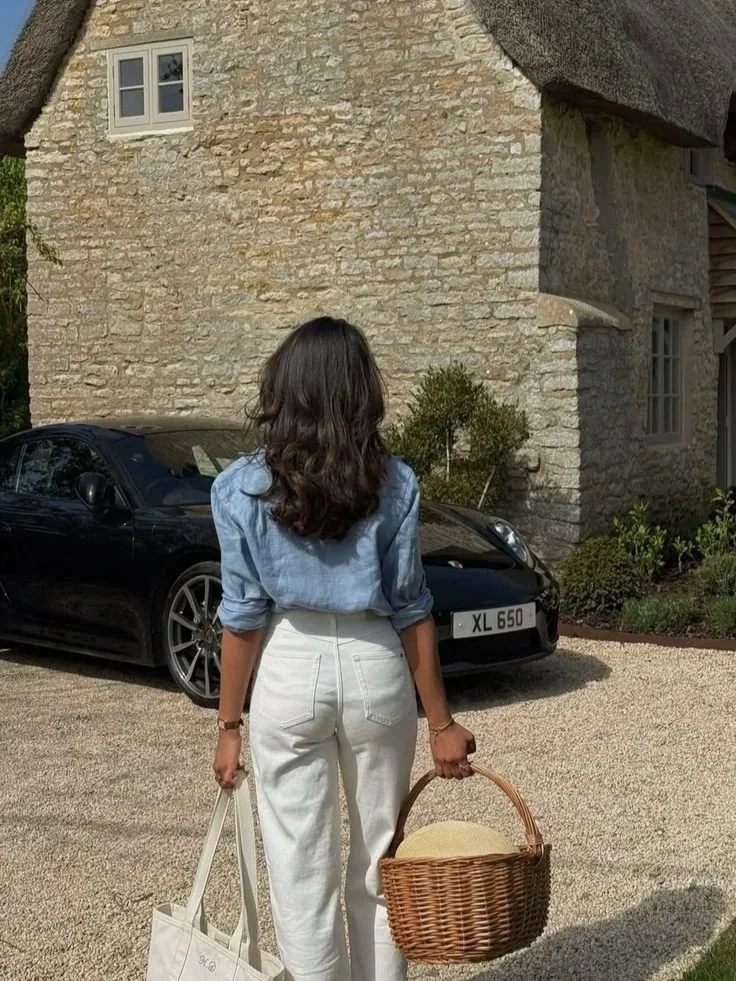


styleHLL x Editor


Designing Comfort Into Your Daily Wardrobe

In today’s fast-paced world, your wardrobe needs to do more than just look good—it should work as hard as you do. Whether you're navigating a busy commute, running errands, or escaping for a weekend getaway, your clothing should offer more than aesthetics. It should support your lifestyle, keep you comfortable, and adapt to a variety of settings.


Designing comfort into your daily wardrobe means choosing pieces that move with you, not against you. It’s about blending function with fashion, ensuring that every item you wear enhances your experience rather than hinders it. In this guide, we’ll explore how to build a wardrobe that prioritizes comfort without compromising personal style.

No. 1

Start with the Foundation

Comfort starts at the core. The secret to feeling good all day begins with your base layers. Investing in high-quality underlayers and breathable fabrics creates the foundation for a wardrobe that supports you from the inside out.

Whether you’re layering for warmth or dressing for a long day on your feet, these essentials set the tone for how you’ll feel. Choose soft, moisture-wicking materials that keep you fresh, dry, and flexible throughout the day. These foundational pieces may not always be visible, but they’re the unsung heroes of your wardrobe—ensuring that everything you wear on top feels even better.

No. 2

Layering with Purpose

Layering isn’t just a style choice—it’s a strategy. It allows you to respond to changing environments, shifting temperatures, and varying activity levels. Lightweight tops paired with structured outerwear offer both versatility and practicality.

When planning your outfit, consider how easy it is to add or remove a layer. This is especially useful when transitioning between indoor and outdoor settings or moving from work to a casual evening stroll.

One standout layering piece is the gilet. A sleeveless insulated vest provides core warmth without restricting movement. For instance, the women’s insulated gilets from Thrudark are designed with lightweight insulation and a sleek, functional silhouette. They strike a perfect balance between performance and everyday wear—ideal for pairing with a hoodie or thermal base layer to take on whatever the day throws your way.

No. 3

Function Meets Style

A comfortable wardrobe doesn’t mean sacrificing style. The key is finding garments that combine functionality with a refined aesthetic. Look for features like tapered cuts, stretch panels, and adjustable elements that allow your clothing to move with you while maintaining a flattering fit.

Neutral tones and earthy hues make it easy to mix and match, giving your wardrobe more versatility with fewer pieces.

Footwear is another area where comfort and design must align. Choose shoes with supportive soles and breathable uppers—options that look polished but also carry you through your day without fatigue. Whether you’re navigating city sidewalks or attending a casual social event, a well-designed pair of shoes can elevate your entire outfit while keeping your feet happy.


hellolovelyliving quince sustainable luxury

Quince

Upscale, gorgeous home and lifestyle staples to elevate everyday life that cost way less than they look. Purchase styles for 50 percent less than you might pay elsewhere.


No. 4

Weather-Ready Without the Bulk

Comfort is seasonal, and what feels cozy in winter can become cumbersome in spring. That’s why building a transitional wardrobe is essential. Select pieces that keep you prepared without weighing you down.

Insulated yet lightweight materials are key. Look for water-resistant outer layers, down-alternative fillings, and breathable designs that offer warmth when needed but never feel heavy or restrictive.

A weather-ready wardrobe also reduces stress. There’s nothing more comforting than knowing your outfit is ready for anything—rain, wind, or shine.

No. 5

Practical Elegance for Everyday Life

Your wardrobe should be an extension of your daily rhythm. Whether you’re heading to the office, the grocery store, or a weekend hike, your clothing should support your lifestyle with ease.

Small design details—like well-placed pockets, smooth-gliding zippers, and collars that don’t bunch or scratch—contribute to a more elevated and comfortable experience. These thoughtful touches reflect intention and care, qualities that resonate in both fashion and life.

When your clothes make your day easier instead of adding to discomfort, it shows. You move with confidence, feel more relaxed, and present your best self to the world.

Takeaways

Designing comfort into your daily wardrobe is about more than just choosing the right fabric—it’s about embracing function, fit, and flexibility. When your clothing adapts to your environment and enhances your confidence, it becomes more than fashion—it becomes a trusted companion in your daily journey.

With smart choices like a breathable base layer or a thoughtfully designed gilet, you can step into each day with ease, assurance, and style that truly supports your lifestyle.

Comfort isn’t a compromise—it’s a design principle. And when done right, it’s the foundation of a wardrobe that works beautifully, every single day.

Looking for resources?

Are you looking to enhance your wellness routine? Explore our wellness partners who offer a wide range of resources to support your journey toward holistic living and well-being.


styleThe List Editor


How Designer Crop Tops Are Redefining Maternity Fashion

Gone are the days when pregnancy meant hiding your body beneath oversized, shapeless garments. Today’s expectant mothers are embracing their changing figures with confidence, style, and individuality. Modern maternity fashion has evolved into a celebration of pregnancy, not a concealment of it.


With the global maternity wear market projected to reach $32.3 billion by 2034, growing at a steady rate of 4.3% annually, it’s clear that pregnant women are no longer willing to sacrifice style for comfort.

One of the most exciting developments in this fashion revolution? The rise of designer crop tops as a staple in trendy maternity clothes.

In this article, we explore how maternity crop tops have become a symbol of empowerment, self-expression, and practicality for today’s moms-to-be. From celebrity influence to fabric choices and styling tips, we’ll uncover why this once-unlikely garment is now redefining maternity fashion.

No. 1

The Rise of Designer Crop Tops in Maternity Fashion

High-profile pregnancies have played a pivotal role in normalizing belly-baring fashion. Celebrities like Rihanna and Emily Ratajkowski have redefined maternity style by confidently showcasing their baby bumps in designer crop tops. Their bold fashion choices have inspired a wave of expectant mothers to celebrate their bodies rather than hide them.

Retailers have taken note. The designer crop top is now among the fastest-growing segments in maternity departments, with sales climbing year after year. This shift reflects a broader cultural movement—one where pregnancy is seen as a time for self-expression, not sartorial sacrifice.

Luxury and contemporary fashion houses are responding with maternity collections that blend high fashion with comfort. These collections bring signature aesthetics to maternity wear, proving that style and practicality can coexist beautifully.

No. 2

Breaking Fashion Rules: The New Maternity Aesthetic

Today’s pregnant women are rewriting the rules of maternity fashion. No longer confined to outdated norms, they are embracing body-positive, bump-forward styles that challenge traditional expectations.

Challenging Traditional Maternity Norms

The notion that pregnant women should hide under billowing fabrics is being replaced by styling choices that highlight the bump. Designer crop tops paired with maternity bottoms create chic, confident looks that celebrate pregnancy as a powerful and beautiful phase of life.

Psychological Benefits of Maintaining Personal Style

Research shows that maintaining your fashion identity during pregnancy can positively impact mental health. Many women report feeling more connected to themselves and more confident when they wear clothing that reflects their personal style—even as their bodies change.

Social Media’s Impact on Maternity Fashion

Platforms like Instagram and TikTok have played a significant role in normalizing belly-baring maternity outfits. Pregnant influencers now regularly share their bump-embracing ensembles, encouraging others to break free from outdated fashion rules and embrace their own unique maternity style.

No. 3

Designer Crop Tops: Practical Benefits for Expectant Mothers

Beyond their bold aesthetic, designer crop tops offer a host of practical benefits that make them ideal for pregnancy.

Temperature Regulation and Comfort

Pregnancy often raises body temperature and increases sensitivity to fabrics. Crop tops offer ventilation and reduce fabric contact with the belly, helping moms-to-be stay cool and comfortable.

Adaptability to Growing Baby Bumps

Unlike traditional maternity tops that may quickly become too tight or too loose, crop tops naturally accommodate a growing belly. Their flexibility makes them a cost-effective and stylish addition to any maternity wardrobe.

Reduced Skin Irritation and Discomfort

Many pregnant women experience skin sensitivity, especially around the belly. Crop tops eliminate friction in this area, reducing irritation and enhancing comfort throughout all stages of pregnancy.


hellolovelyliving babyletto crib

Albeebaby

Sweet dreams start here.

Explore Babyletto cribs at Albee Baby—where style, safety, and comfort come together for your little one’s perfect nursery.


No. 4

7 Ways to Style Designer Crop Tops Throughout Your Pregnancy

Creating stylish maternity outfits with crop tops is easier than you might think. Here’s how to wear them at every stage:

First Trimester Styling: Subtle Elegance

  • During early pregnancy, pair loose-fitting crop tops with high-waisted pants or skirts

  • Add lightweight cardigans or blazers for a polished, work-appropriate look

  • Opt for neutral tones for a timeless aesthetic

Second Trimester Statement Pieces

  • Choose fitted crop tops to highlight your growing bump

  • Combine with stretchy pencil skirts or maternity jeans

  • Embrace bold colors or prints for a fashion-forward edge

Third Trimester Confidence Boosters

  • Select supportive, stretchy crop tops with room for a full-term belly

  • Pair with under-bump leggings or wide-leg pants for comfort and flair

  • Accessorize with statement earrings or layered necklaces to elevate your look

These styling tips ensure your crop tops remain wearable and flattering throughout your pregnancy.

No. 5

Top Designer Brands Revolutionizing Maternity Crop Tops

Several forward-thinking brands are leading the charge in maternity fashion, offering stylish, high-quality crop tops for expectant mothers.

Luxury Labels

High-end designers are now entering the maternity space, offering premium crop tops crafted from luxe fabrics. These pieces combine runway-worthy aesthetics with the functionality required during pregnancy.

Sustainable and Ethical Maternity Pioneers

Eco-conscious brands are creating responsibly made maternity crop tops using organic and recycled materials. These options prioritize both maternal comfort and environmental sustainability.

Size-Inclusive Designer Options

Progressive brands are expanding their size ranges to ensure all pregnant bodies have access to stylish maternity wear. This inclusivity marks a major step forward in making fashion-forward pregnancy clothing available to everyone.

No. 6

Material Matters: Choosing the Right Fabrics

The fabric of your maternity clothing plays a crucial role in comfort and wearability.

Premium Stretchy Fabrics That Grow With You

Look for blends that include elastane or spandex for optimal stretch and recovery. These fabrics adapt to your changing shape while retaining their structure.

Breathable Natural Materials for Sensitive Skin

Cotton, bamboo, and modal are excellent choices for sensitive skin. They offer breathability and softness, reducing the risk of irritation.

Seasonal Fabric Considerations

  • Choose lightweight linen blends for summer

  • Opt for jersey knits or soft wool blends for winter

  • Keep versatile options like modal for year-round wear

Selecting the right fabric ensures your crop tops remain comfortable and flattering throughout your pregnancy.

No. 7

Creating a Capsule Maternity Wardrobe with Designer Crop Tops

Building a stylish maternity wardrobe doesn’t require a massive investment. A capsule approach can help you stay fashionable and comfortable without overspending.

Essential Pieces That Pair with Crop Tops

  • 2–3 high-quality crop tops in neutral shades

  • One statement crop top with a bold print or color

  • Maternity leggings, jeans, and a stretchy pencil skirt

  • A versatile pair of black maternity pants

Investment vs. Trend Pieces

Invest in well-constructed basics that will last throughout pregnancy and beyond. Add a few affordable trend pieces to keep your wardrobe fresh and fun.

Mixing Designer Items with Affordable Basics

Pair designer crop tops with budget-friendly staples for a high-impact look without the high price tag. This balanced approach maximizes both style and practicality.

Common Questions About Designer Crop Tops in Maternity Fashion

Are crop tops safe and comfortable to wear during pregnancy?

Yes! There’s no medical reason to avoid crop tops. In fact, many women find them more comfortable than full-length tops due to reduced fabric contact with the belly.

How can I style a designer crop top for a professional work environment?

Layer your crop top with a blazer or cardigan and pair it with high-waisted maternity trousers or a pencil skirt. Add structured accessories for a polished, office-ready look.

What’s the best way to transition designer crop tops into my postpartum wardrobe?

Choose nursing-friendly styles with overlapping panels or button details. These designs offer breastfeeding access while maintaining your fashion-forward aesthetic.

Takeaways

The evolution of maternity fashion is about more than just changing silhouettes—it reflects a cultural shift toward celebrating the pregnant body. Designer crop tops have emerged as powerful symbols of this transformation, offering expectant mothers a way to express their style, confidence, and individuality.

From practical benefits like temperature regulation and fabric comfort to the psychological boost of maintaining personal style, crop tops are redefining what it means to dress during pregnancy. With thoughtful styling, quality materials, and inclusive designs, today’s maternity fashion empowers women to feel beautiful and bold throughout every trimester.

Your pregnancy is a journey worth celebrating—and your wardrobe should reflect that. Embrace the freedom to dress in a way that makes you feel confident, stylish, and authentically you.

Looking for resources?

At Hello Lovely Living, we aim to empower you to earn and save money and time while benefiting from our expansive network of home, life, wellness, travel, work-from-home, career, and business resources and opportunities. Discover a wealth of tools to support your journey.
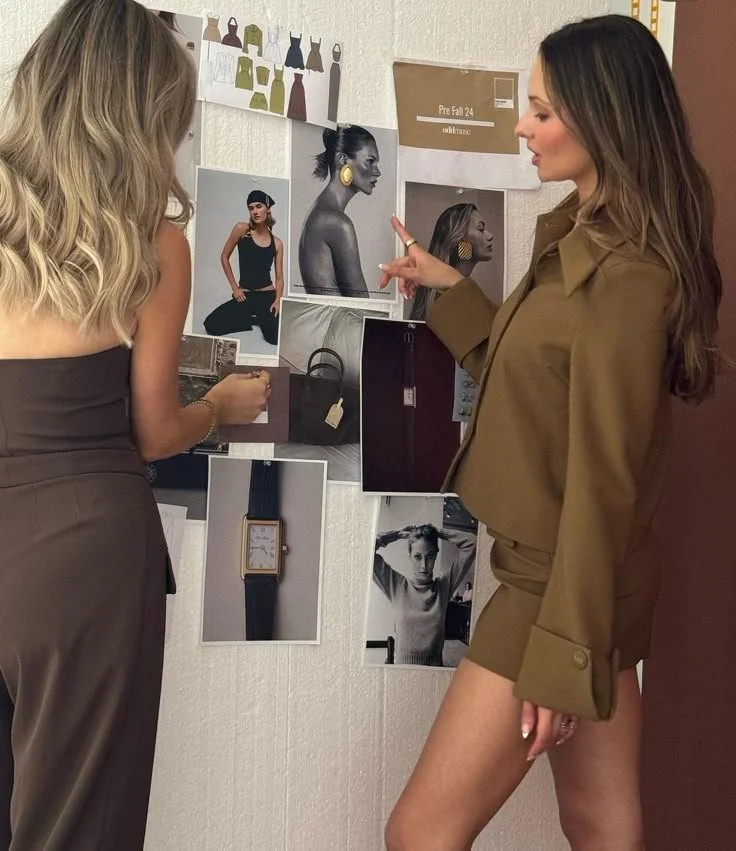


styleThe List Editor


The Perfect Pairing: Best Gemstone Earrings To Wear With A Blue Dress

A blue dress is more than just a wardrobe staple—it’s a symbol of elegance, confidence, and timeless style. Whether you're donning a navy gown for a black-tie event, a sky-blue sundress for a garden party, or a bold cobalt number for a night out, blue has the power to captivate. But what truly elevates your ensemble is the right choice of accessories—especially earrings.


Gemstone earrings, in particular, can add sparkle, contrast, or harmony to your outfit, depending on the shade of blue and your personal style. In this comprehensive guide, we explore the best gemstones to pair with blue dresses, offering expert tips and curated suggestions to help you shine at any occasion.

Understanding Blue: Why It’s a Powerful Choice

In the world of fashion, blue is a universally flattering color that symbolizes calmness, depth, and sophistication. It’s a versatile hue that works beautifully with both cool and warm-toned accessories, making it a favorite for formalwear, office attire, and casual chic looks alike.

From powder blue to teal, each shade brings its own mood and style. That’s why choosing the right gemstone earrings means understanding not just your dress, but also how color theory and contrast can enhance your overall appearance.

No. 1

Sapphire – The Quintessential Blue Match

Why Choose Sapphire?

Sapphire is the ultimate gemstone companion for blue dresses. Its rich, deep hue mirrors many shades of blue, especially navy, royal, and cobalt, creating a luxurious monochromatic look.

Best For:

  • Formal events

  • Evening wear

  • Glamorous minimalist styles

Pairing Tip: Opt for sapphire drop earrings in white gold or platinum. They pair beautifully with silver or beaded embellishments.

Undertone Match: Perfect for cool skin tones, but also flattering on neutral and olive complexions.

No. 2

Diamond – Classic, Clean, and Always Right

Why Choose Diamond?

Diamond earrings are timeless and universally flattering. Their clear brilliance complements every shade of blue, adding elegance without overpowering your outfit.

Best For:

  • Bridal looks

  • Professional events

  • Romantic dinners

Pairing Tip: Choose classic studs or chandelier earrings for open necklines. Diamonds also pair well with any hairstyle—from sleek buns to soft curls.

Undertone Match: Universally flattering on all skin tones.

No. 3

Aquamarine – A Soft, Ethereal Harmony

Why Choose Aquamarine?

Aquamarine’s pale blue hue creates a dreamy, monochromatic look that’s ideal for light blue dresses. It’s romantic, soft, and perfect for daytime elegance.

Best For:

  • Outdoor weddings

  • Spring events

  • Baby showers

Pairing Tip: Go for aquamarine earrings in silver or white gold. Add a matching pendant for a cohesive look.

Undertone Match: Best suited for cool and neutral undertones.


hellolovelyliving shane co aquamarine earrings

Shane Co.

Discover timeless romance with Shane Co.'s aquamarine earrings—where classic elegance meets modern minimalism.


No. 4

Pearl – Understated Grace with Blue Hues

Why Choose Pearl?

Pearls add a touch of classic sophistication to any blue dress. Their soft luster contrasts beautifully with darker blues and complements lighter shades.

Best For:

  • Work functions

  • Bridal parties

  • Traditional ceremonies

Pairing Tip: Use pearl studs for subtlety or long drops for elegance. Pair with a pearl necklace or bracelet for a complete look.

Undertone Match: Flattering on all skin tones, especially fair to medium.

No. 5

Topaz – Vibrant Options Beyond the Basics

Why Choose Blue or White Topaz?

Topaz offers a brilliant sparkle similar to diamonds but at a more accessible price point. Blue topaz complements blue dresses tonally, while white topaz adds shimmer.

Best For:

  • Cocktail parties

  • Graduations

  • Creative events

Pairing Tip: Choose geometric or bold-cut topaz earrings. They pair well with modern dress cuts and structured tailoring.

Undertone Match: Cool tones pair well with silver settings; warm tones shine with yellow gold.

No. 6

Emerald – The Bold Contrast You Didn’t Know You Needed

Why Choose Emerald?

Emeralds offer a striking contrast to blue dresses. As neighboring colors on the color wheel, blue and green create a rich, fashion-forward look.

Best For:

  • Artistic events

  • Fashion shoots

  • Statement styling

Pairing Tip: Choose modern shapes like triangles or asymmetrical designs. Let the earrings shine with minimal makeup.

Undertone Match: Best for warm and neutral skin tones, especially in yellow gold settings.


hellolovelyiving kinn studio emerald earrings

Kinn Studio

Classic pieces that stand the test of time.

Explore timeless elegance with emerald jewelry from Kinn Studio—perfectly crafted for your most cherished moments.


No. 7

Amethyst – A Touch of Royal Whimsy

Why Choose Amethyst?

Amethyst’s purple hue adds a regal, whimsical flair to blue dresses. It’s ideal for those who love to stand out with subtle drama.

Best For:

  • Evening affairs

  • Fall weddings

  • Creative styling

Pairing Tip: Pair with navy or cobalt blue dresses. Add a plum lip for a bold, cohesive look.

Undertone Match: Best for cool tones and medium complexions.

No. 8

Moonstone – Mysterious and Feminine

Why Choose Moonstone?

Moonstone’s iridescent glow reflects soft blues and whites, making it perfect for ethereal, boho-inspired styles.

Best For:

  • Garden parties

  • Bohemian weddings

  • Summer soirées

Pairing Tip: Choose minimalist silver settings or handcrafted artisan designs. Loose waves or braids complete the look.

Undertone Match: Ideal for cool or neutral undertones.

No. 9

Garnet or Ruby – When Contrast Is Key

Why Choose Red Gemstones with Blue Dresses?

Red and blue are both primary colors, and when paired right, they create a bold, unforgettable contrast.

Best For:

  • Holiday parties

  • Fashion-forward events

  • Patriotic themes

Pairing Tip: Choose delicate ruby drops over bold studs. Pair with red lipstick and a structured blue dress for timeless glamour.

Undertone Match: Best for warm undertones and olive skin.

No. 10

Lapis Lazuli – Natural and Bold

Why Choose Lapis Lazuli?

Lapis lazuli offers a deep, celestial blue with golden flecks—perfect for boho or earthy styles. It’s ideal for casual to semi-formal blue dresses.

Best For:

  • Music festivals

  • Travel photoshoots

  • Smart-casual events

Pairing Tip: Look for lapis earrings in brass or antique gold for a rich, exotic vibe.

Undertone Match: Best for warm or olive skin tones.

How to Choose the Best Gemstone Based on Your Dress Shade


Takeaways

A blue dress is a canvas of elegance, and the right gemstone earrings are the brushstrokes that complete the masterpiece. Whether you’re drawn to the classic sparkle of diamonds, the rich depth of sapphires, or the bold contrast of emeralds and rubies, your choice of earrings can elevate your look from stylish to unforgettable.

Consider your dress shade, skin undertone, and the occasion when selecting your gemstone. And don’t be afraid to experiment—fashion is, after all, a form of self-expression.

So the next time you slip into that stunning blue dress, let your earrings do more than accessorize—let them tell your story.

Looking for resources?

At Hello Lovely Living, we aim to empower you to earn and save money and time while benefiting from our expansive network of home, life, wellness, travel, work-from-home, career, and business resources and opportunities. Discover a wealth of tools to support your journey.
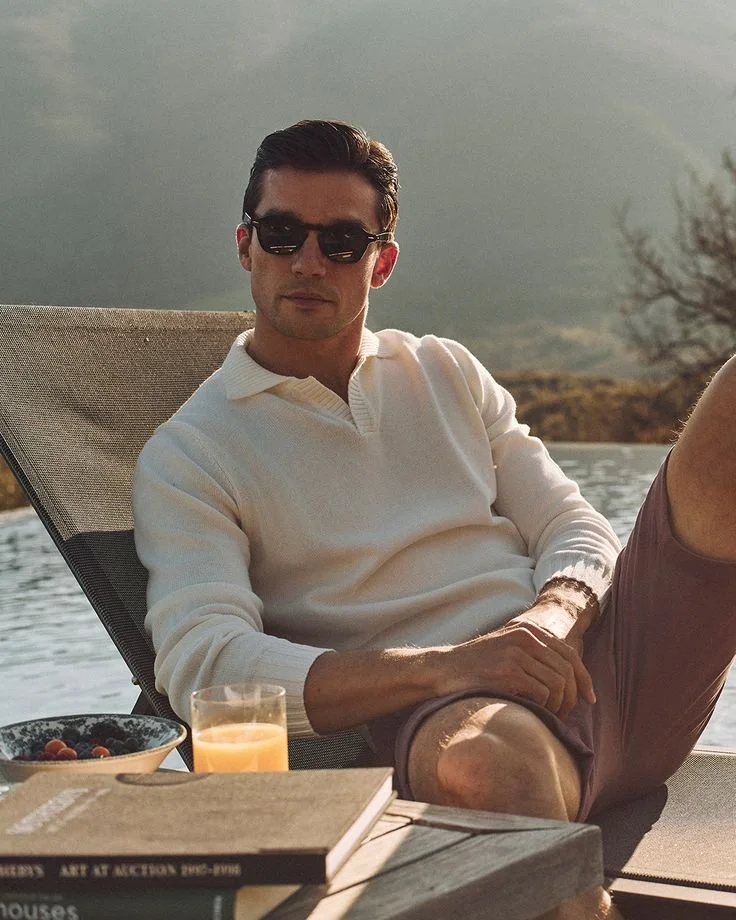


Which iPhone Cases Work Best With Screen Protectors?

When it comes to safeguarding your sleek new iPhone, pairing a high-quality case with a reliable screen protector is the gold standard. But here's the twist: not all cases are screen protector-friendly. The wrong combination can lead to frustrating air bubbles, edge lifting, or even worse—damage to your device.


In this guide, we explore the science behind case and screen protector compatibility, break down the best materials and designs, and recommend top-performing combos for every iPhone model. Whether you're rocking the latest iPhone 16 Pro or holding onto a trusty iPhone 14, this article will help you find the perfect protection duo—without compromise.

No. 1

Why Some iPhone Cases and Screen Protectors Don’t Work Together

Before diving into the best case-protector pairings, it’s essential to understand why compatibility issues arise in the first place. This knowledge will help you avoid common pitfalls and make smarter buying decisions.

The “Edge Lift” Phenomenon

Have you ever installed a screen protector only to see its edges slowly peel away? This is known as edge lift, and it’s a common issue caused by cases with overly aggressive lips or tight-fitting edges. When the case presses against the protector, it creates pressure points that eventually cause the adhesive to fail—leading to unsightly bubbles and reduced protection.

Material Interactions That Matter

The materials used in both your iPhone case and screen protector play a critical role in compatibility.

For example:

  • Rigid polycarbonate cases often have sharp, inflexible edges that can push against screen protectors.

  • Flexible TPU (thermoplastic polyurethane) cases are more forgiving and allow slight give, reducing the risk of lifting.

Design Features That Cause Problems

Certain design elements can also interfere with screen protector adhesion:

  • Curved edges or wraparound lips

  • Decorative metal or plastic accents around the screen

  • Overly thick bezels that press against the screen protector

When shopping for an iPhone 16 Pro phone case, always check for mentions of “screen protector compatibility” in the product description.

No. 2

Best iPhone Case Materials for Screen Protector Compatibility

Material choice is one of the most important factors in ensuring your screen protector stays firmly in place.

Here’s how the most common case materials stack up:

TPU vs. Polycarbonate

  • TPU Cases: Flexible and soft, TPU cases are generally the most screen protector-friendly. They allow for slight expansion and don’t exert as much pressure on the screen protector’s edges.

  • Polycarbonate Cases: While durable, these hard-shell cases can be too rigid, especially if they have tight-fitting bezels. They’re more likely to cause lifting or cracking of tempered glass protectors.

Silicone Cases

Silicone cases are soft, grippy, and extremely compatible with screen protectors. Their gentle edge grip minimizes pressure, making them ideal for use with both film and glass protectors. However, they may lack the structural protection of hybrid or hard-shell cases.

Hybrid Materials

Hybrid cases combine the best of both worlds—TPU bumpers for flexibility and polycarbonate backs for structure. These protective iPhone cases offer excellent drop protection while maintaining screen protector compatibility.

No. 3

Case Design Elements That Work Best with Screen Protectors

Beyond material, the actual design of your case can make or break your screen protector’s performance.

Here’s what to look for:

Ideal Raised Bezel Height

The sweet spot for raised bezels is 0.7mm to 1.2mm above the screen. This provides adequate face-down protection without putting excessive pressure on the protector’s edges.

  • Too high: Causes edge lifting and bubbles

  • Too low: Leaves your screen vulnerable to scratches

Lip Depth for Different Screen Protector Types

  • Thin film protectors: Work well with deeper lips

  • Tempered glass protectors: Require more conservative lips to avoid edge pressure

Look for phone cases for screen protectors that specify compatibility with tempered glass if that’s your preferred type.

MagSafe Compatibility Considerations

MagSafe-compatible cases often have slightly altered dimensions to accommodate magnetic rings. Always verify that your MagSafe iPhone case is screen protector-friendly, as the added components can affect fit and alignment.


hellolovelyliving pela iphone phone cases

Pela

Protect your phone and the planet with Pela iPhone cases!

Stylish, durable, and 100% compostable.


No. 4

Top Screen Protector-Friendly Cases by iPhone Model

Let’s apply everything we’ve learned to real-world recommendations. These cases are known for their excellent compatibility with screen protectors across Apple's device lineup.

iPhone 16 Series

  • OtterBox Symmetry+: Slim, MagSafe-compatible, and designed with screen protector clearance

  • Spigen Ultra Hybrid: TPU bumper + polycarbonate back = perfect hybrid balance

  • Caseology Parallax: Stylish texture with raised bezels that won’t interfere with glass protectors

  • Ringke Fusion: Minimalist design with precise cutouts and screen protector-safe lips

iPhone 15 Series

  • Mous Limitless 5.0: Premium materials like aramid fiber, engineered for screen protector compatibility

  • ESR Metal Kickstand Case: Built-in stand, MagSafe-ready, and edge-safe for tempered glass

iPhone 14 & Older

  • Speck Presidio2 Grip: Excellent grip and shock absorption, with screen protector-friendly bezels

  • Casetify Impact Series: Customizable, stylish, and designed to work with most screen protectors

No. 5

Premium vs. Budget: What to Expect

No matter your budget, you can find a case that works harmoniously with your screen protector.

Luxury iPhone Accessories

Brands like Mous and Nomad offer premium cases made from leather, Kevlar, and other high-end materials. These cases are engineered with precision to avoid screen protector interference.

Mid-Range Marvels

In the $25–$45 range, brands like Spigen and Caseology offer top-tier compatibility without the luxury price tag.

Budget-Friendly Finds

Even under $20, you’ll find reliable options like:

  • JETech Clear Case

  • TORRAS Slim Fit

  • Ringke Onyx

These cases may be affordable, but they’re thoughtfully designed to avoid screen protector issues.

No. 6

Installation Tips for Flawless Compatibility

Even the perfect case and screen protector combo can fail if installed incorrectly. Follow these steps for a bubble-free, secure fit.

Step-by-Step Installation

  1. Clean your phone with alcohol wipes and a microfiber cloth

  2. Apply the screen protector carefully, aligning it with the screen edges

  3. Let it set for 30–60 minutes to ensure full adhesion

  4. Install the case gently, starting from the bottom corners and working your way up

Troubleshooting Tips

  • Bubbles after case installation? Your case may be pressing too tightly. Try a different case or reapply the protector.

  • Protector lifting over time? Check for dust or misalignment. Re-clean and reapply if needed.

No. 7

Advanced Features That Complement Compatibility

Looking for even more protection? Consider these modern enhancements that work seamlessly with screen protectors.

Anti-Bacterial Coatings

Some protective iPhone cases now include antimicrobial layers to reduce bacterial buildup—ideal for hygiene-conscious users.

Camera Lens Protection

Many screen protector kits include lens protectors. Ensure your case design leaves room for these without applying pressure to the camera area.

FAQ

Can tempered glass screen protectors work with any case?

Not always. Look for cases with slightly recessed bezels or flexible materials like TPU. Avoid rigid polycarbonate cases with tight lips.

Will removing my case regularly damage my screen protector?

Yes, frequent removal can loosen the edges of your screen protector. If you switch cases often, consider using a thin film protector instead of tempered glass.

Do waterproof cases work with screen protectors?

Most fully waterproof cases include built-in screen protection and aren’t compatible with separate protectors. Water-resistant cases, however, often work fine with third-party screen protectors.

What’s the best case material for screen protector compatibility?

TPU and hybrid materials (TPU + polycarbonate) offer the best balance between flexibility and protection.

Can I use MagSafe accessories with a screen protector?

Yes, but make sure your MagSafe-compatible case is designed with screen protector clearance in mind to avoid pressure on the edges.

Takeaways

Finding the ideal case and screen protector combo doesn’t have to be a gamble. By understanding material interactions, design considerations, and installation best practices, you can enjoy full-device protection without compromise.

The perfect pairing balances:

  • Material flexibility

  • Thoughtful design dimensions

  • Proper installation technique

Choose a case that’s explicitly designed for screen protector compatibility, and follow our expert tips to keep your iPhone safe, stylish, and scratch-free so you can enjoy the latest must-have apps.

Looking for resources?

At Hello Lovely Living, we aim to empower you to earn and save money and time while benefiting from our expansive network of home, life, wellness, travel, work-from-home, career, and business resources and opportunities. Discover a wealth of tools to support your journey.
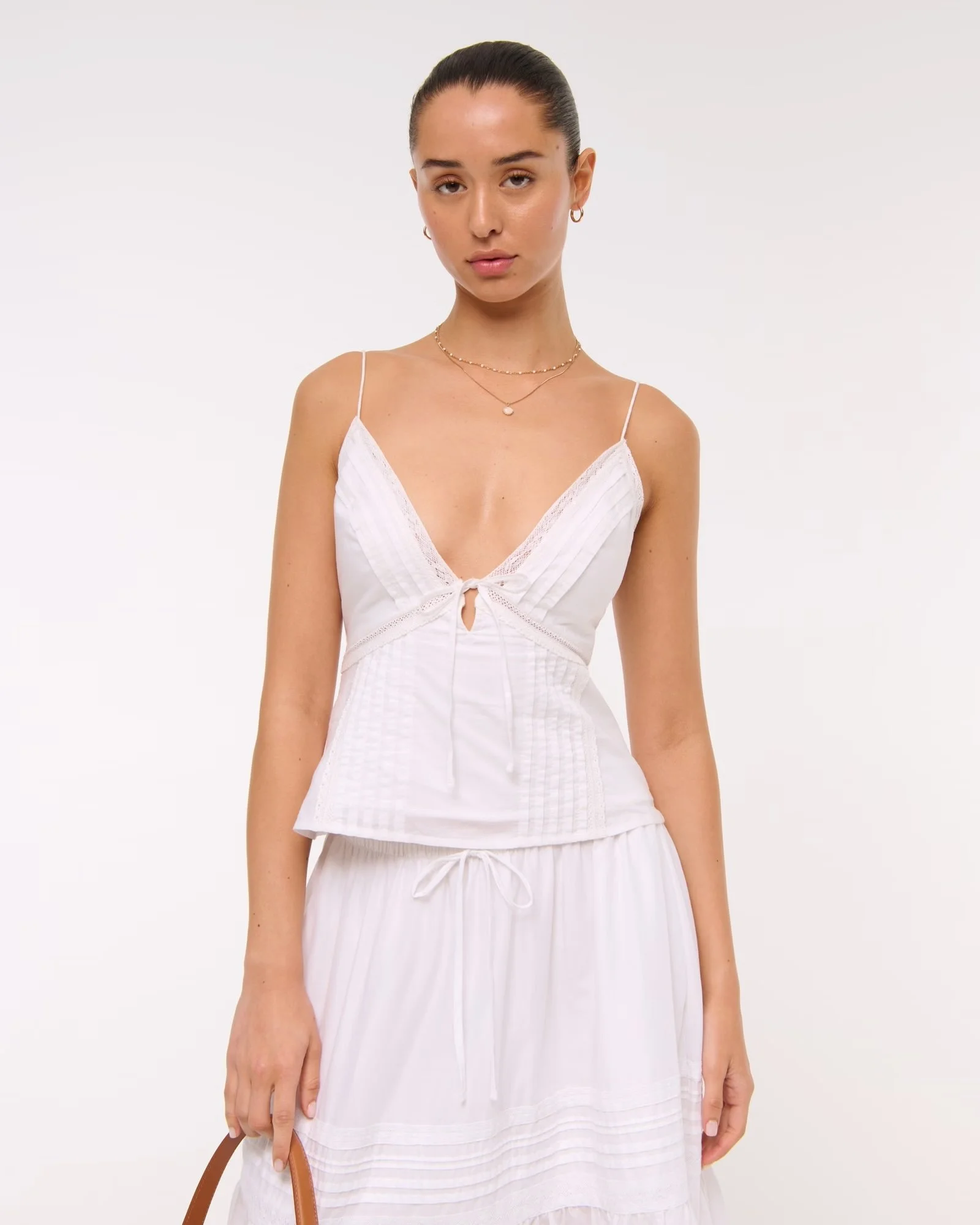


styleThe List Editor


Easy Weekend Outfits That Make You Look Put Together

Weekend wear has undergone a quiet revolution. No longer confined to old sweatpants or oversized tees, modern casual fashion now embraces a blend of comfort, versatility, and refined style. As our lifestyles shift—balancing remote work, self-care, and laid-back socializing—our wardrobes have adapted to meet these evolving needs.


Today’s weekend outfits are about more than just lounging—they’re about expressing personal style while staying effortlessly comfortable. Whether you're relaxing at home, running errands, or meeting friends for a casual brunch, your weekend wardrobe should work with you, not against you.

In this article, let’s explore how to elevate your off-duty looks with thoughtful layering, sustainable choices, and fashion-forward comfort.

No. 1

Prioritizing Comfort and Versatility in Weekend Wear

Modern athleisure has redefined weekend fashion by combining functional design with contemporary style. These pieces are ideal for both lounging and light activities, offering flexibility without compromising on style.

High-waisted leggings paired with cropped hoodies create a flattering silhouette while allowing for unrestricted movement. Adding a quality custom baseball hat can instantly elevate your outfit while keeping the vibe casual and cool.

Oversized sweatshirts, comfortable joggers, and stylish lightweight jackets now cater to a diverse range of body types and individual preferences, ensuring that everyone can find the perfect fit for their personal style and comfort needs. This shift breaks traditional fashion boundaries and ensures that everyone can find stylish, comfortable options that reflect their needs.

Performance fabrics have further revolutionized casual wear. Moisture-wicking properties and temperature-regulating materials allow your weekend outfits to transition seamlessly from indoor relaxation to outdoor errands.

These innovations mean you no longer have to choose between comfort and functionality.

Fun Fact: Globally, about $460 billion worth of clothing is discarded every year—even though much of it is still wearable. This highlights the importance of investing in versatile, long-lasting wardrobe staples.

No. 2

Sustainability in Fashion: Reducing Waste

Making smart fashion choices for your weekends can help cut down this waste while keeping your style intact. A sustainable wardrobe starts with investing in quality pieces that stand the test of time.

Instead of buying new outfits every weekend, focus on versatile items that can be worn in multiple ways. Mix and match to create fresh looks without constantly adding to your closet.

Changing your mindset about clothing is key. View your wardrobe as a long-term investment rather than a collection of disposable items.

By purchasing fewer, higher-quality pieces and caring for them properly, you’ll save money and reduce your environmental impact. Plus, you’ll develop a signature style that feels authentic and effortless.

To Do: Start a monthly closet audit. Identify items you no longer wear, reorganize your essentials, and make thoughtful decisions about future additions.

No. 3

Comfort Evolution: Pajama Pants in Everyday Fashion

A recent surge in loungewear popularity has blurred the lines between sleepwear and streetwear, with many high school students now wearing pajama pants outside their homes. Pajama pants, once confined to bedrooms, are now making regular appearances in everyday outfits.

This shift is more than a passing trend—it reflects a deeper change in how we view comfort and self-expression.

Modern pajama styles now feature tailored cuts, premium fabrics, and versatile prints. These pieces are just as suitable for a coffee run as they are for a cozy night in.

Fashion-conscious individuals are pairing silk pajama pants with structured blazers or styling matching sets with sneakers. The result is a look that’s effortlessly chic and undeniably comfortable.

Major fashion brands have embraced this relaxed aesthetic, creating collections that prioritize ease without sacrificing sophistication.

Why This Matters: The mainstream acceptance of pajama pants signals a cultural shift. Informal attire is no longer seen as lazy—it’s a confident expression of individuality and lifestyle.


hellolovelyliving quince sustainable fashion

Quince

Elevate your style with Quince – sustainable fashion that’s affordable, timeless, and kind to the planet.


No. 4

Elevating Weekend Looks Through Layering and Accessories

Layering is the secret to turning basic weekend outfits into polished ensembles. Start with soft cotton basics like fitted tees or ribbed tank tops, then build your look with versatile outer layers.

A lightweight cardigan in a neutral tone adds warmth without bulk. For a more structured feel, an unlined blazer can instantly elevate your outfit while keeping it relaxed.

These foundational layers pair seamlessly with joggers, leggings, or even pajama-style trousers. The key is to create a balance between comfort and sophistication.

Try These Layering & Accessory Combos

  • Oversized knit cardigans + delicate gold necklaces

  • Cotton button-downs + ribbed tank tops

  • Casual blazers + simple stud earrings

  • Structured crossbody bags + weekend essentials

  • Classic tortoiseshell sunglasses + indoor-outdoor ease

Accessories are the finishing touch that brings your weekend style together. Thin chain bracelets, minimal rings, or a sleek belt can add subtle elegance without overpowering your look.

A well-chosen bag keeps your essentials close, while stylish sunglasses help you transition effortlessly between indoor and outdoor settings.

Expert Tip: Mix contrasting textures for added depth. Try waffle knits over silky camisoles or matte cotton under a linen wrap to create visual interest without overcomplicating your outfit.

Takeaways

The evolution of weekend wear is more than a fashion trend—it’s a reflection of how we live, work, and express ourselves in today’s world. As comfort becomes a priority and sustainability takes center stage, our wardrobes are adapting to meet both our personal and environmental needs.

By embracing versatile pieces, thoughtful layering, and mindful shopping habits, you can create a weekend wardrobe that’s as stylish as it is functional. Whether you’re lounging at home, heading out for errands, or catching up with friends, your outfit should reflect your lifestyle—relaxed, confident, and uniquely you.

So go ahead, redefine your weekend look. Choose comfort, choose style, and most importantly, choose what makes you feel good.

Looking for resources?

At Hello Lovely Living, we aim to empower you to earn and save money and time while benefiting from our expansive network of home, life, wellness, travel, work-from-home, career, and business resources and opportunities. Discover a wealth of tools to support your journey.


styleThe List Editor


Essential Tips To Re-Wear A Preserved Wedding Dress

Your wedding day is finally set! From selecting the perfect wedding theme to finalizing the guest list, you have meticulously planned every detail of your big day.


Instead of investing in a brand-new gown, you have chosen to re-wear your mother’s preserved vintage wedding dress—a sentimental and elegant choice. However, before walking down the aisle in this cherished heirloom, there are several essential steps to ensure it looks flawless.

A vintage wedding dress may have outdated silhouettes, loose threads, or fitting issues that need attention. To help you navigate this process, we have created a detailed guide outlining everything you need to do before giving your gown a second chance to shine.

Read on to discover how to restore, alter, and preserve your mother’s wedding dress for your special day!

Step 1

Check the Condition of the Dress

The first and most crucial step is to thoroughly inspect the condition of the dress.

Look for signs of:

  • Discoloration or yellowing

  • Stains or fabric damage

  • Loose threads or missing embellishments

Over time, improper storage methods may have affected the fabric. If your mother had the gown professionally preserved by a wedding dress preservation company, it is likely in better condition. However, you should still handle it with gloves to prevent dirt, oil, or lotion from transferring onto the fabric.

Carefully remove the dress from its storage box and examine it under natural light to detect any hidden stains or fabric weaknesses. If necessary, consult a professional wedding dress cleaner to restore its original beauty.

Step 2

Check the Fit of the Dress

Since the gown was tailored to your mother’s measurements, it is essential to assess the fit before making alterations.

Pay close attention to:

  • The structure of the gown

  • Zipper or button closures

  • Neckline shape and fit

  • Strap tightness or looseness

  • Sleeve length and comfort

  • Overall hemline length

Try on the dress with the shoes and accessories you plan to wear on your wedding day. This will help you determine if any adjustments are needed to achieve the perfect fit.

Step 3

Take the Dress to a Professional for Alterations

Once you have identified the necessary adjustments, take the dress to an experienced tailor who specializes in vintage wedding dresses.

A skilled professional can help:

  • Modernize the gown while preserving its vintage charm

  • Adjust the neckline or sleeves for a contemporary look

  • Add embellishments such as lace, beading, or embroidery

  • Ensure a perfect fit by altering the bodice and hemline

Have an open discussion with the tailor about your vision for the dress. Schedule multiple fittings to ensure that all alterations are completed well in advance of your wedding day.


hellolovelyliving shane co design your own engagement ring

Shane Co.

Design the engagement ring of your dreams with Shane Co. – Customize a ring that is uniquely yours.


Step 4

Refresh the Dress with a Professional Cleaning

After alterations are made, the next step is to give the gown a fresh clean-up before the wedding.

Consider ordering a clean-only preservation kit from a renowned wedding dress preservation company. This ensures that the fabric is gently cleaned without causing damage.

A professional cleaning will remove any dust, stains, or odors, leaving the dress looking pristine for your big day.

Step 5

Take Extra Care of the Dress Before the Wedding

Once the dress is cleaned and altered, it is essential to store it properly until the wedding.

Follow these steps to keep it in perfect condition:

  • Use an acid-free storage box to prevent discoloration

  • Hang it in a sturdy garment bag with a padded hanger for support

  • Handle the dress with gloves to avoid transferring oils from your hands

Keep the dress in a cool, dry place, away from direct sunlight or humidity. This will help maintain its beauty until the moment you walk down the aisle.

Step 6

Wear the Dress with Care on Your Wedding Day

On your wedding day, take extra precautions to keep the dress spotless.

Follow these tips:

  • Complete your makeup and hairstyling first to avoid stains

  • Avoid applying perfume, lotion, or body shimmer while wearing the dress

  • Ensure the floor is clean before putting on the gown to prevent dirt from accumulating

Having a trusted bridesmaid or family member assist you while getting dressed can help minimize the risk of accidental stains or damage.

Step 7

Preserve the Dress for Future Generations

After the wedding, it is important to preserve the gown properly so that it remains a cherished family heirloom.

Consult a wedding gown restoration service to have the dress professionally cleaned and stored in an acid-free preservation chest. This will protect it from yellowing, fabric deterioration, and environmental damage.

By taking these steps, you ensure that the dress remains in perfect condition for future generations to cherish and possibly wear on their wedding day.

Takeaways

Re-wearing your mother’s preserved wedding dress is more than just a cost-saving decision—it is a beautiful way to honor family tradition and celebrate your legacy.

By following this comprehensive guide, you can ensure that your gown looks as stunning as it did when your mother or mother-in-law first wore it. From checking its condition to making alterations and preserving it for the future, every step is essential in maintaining its timeless elegance.

Wishing you a beautiful and unforgettable wedding day! Enjoy every moment of your wedding day, knowing that your dress carries a rich history and sentimental value.

Looking for resources?

At Hello Lovely Living, we aim to empower you to earn and save money and time while benefiting from our expansive network of home, life, wellness, travel, work-from-home, career, and business resources and opportunities. Discover a wealth of tools to support your journey.


styleThe List Editor


5 Accessories To Elevate Your Look

The right accessories have the power to transform any outfit, adding personality, elegance, and structure. Whether you’re dressing up for a formal event or refining your everyday wardrobe, incorporating key accessories can make a lasting impression.


In this article, we share five essential accessories that will effortlessly enhance your style.

No. 1

Statement Necklaces: Bold and Eye-Catching

A statement necklace can instantly bring life to a simple outfit, acting as a focal point that enhances your overall style. Bold, eye-catching designs work well with minimalist clothing, drawing attention and adding a unique touch.

When selecting a statement necklace, consider:

  • Neckline compatibility to ensure a polished look.

  • Color coordination to complement your outfit.

  • Layering techniques for added depth and texture.

Layering different textures and lengths can enhance visual interest and create a cohesive, eye-catching look when paired with wrist accessories.

No. 2

Quality Watches: Timeless Sophistication

A well-crafted watch does more than just tell time—it exudes sophistication and style. A sleek timepiece can seamlessly transition from casual to formal wear, making it a versatile addition to any wardrobe.

Many style experts agree that a classic watch serves as a subtle statement piece, often associated with confidence and refinement. Luxury watches, such as used Breitling watches offer both charm and function, carrying a legacy of precision and craftsmanship.

If watches aren’t your thing but you want to wear something attractive and eye-catching on your wrist, then consider investing in some stylish bracelets. Look into getting some Kendra Scott bracelets, which are fashionable and come in a variety of styles and colors.

The perfect bracelet can elevate your look and will be just what you need to complete any outfit you decide to put on. You can wear them to work or out with friends as they are a good option for any occasion.

No. 3

Stylish Belts: Defining Your Silhouette

Belts are often overlooked, yet they play a crucial role in defining an outfit’s silhouette. Whether cinching a dress at the waist or adding structure to tailored trousers, the right belt enhances both shape and style.

Popular belt styles include:

  • Leather belts with bold buckles for a polished, classic look.

  • Woven or fabric belts for a more relaxed, casual feel.

  • Oversized and textured designs for a modern, fashion-forward statement.

Trends in belt fashion continue to evolve, making them an essential accessory for both men and women.

The right accessories have the power to transform any outfit, adding personality, elegance, and structure. Whether you’re dressing up for a formal event or refining your everyday wardrobe, incorporating key accessories can make a lasting impression.


hellolovelyliving zoe lev jewelry

Zoe Lev

Female-founded fine jewelry brand based in Los Angeles created for everyday wear with sustainable practices and ethically sourced diamonds and gemstones.


No. 4

Trendy Scarves: Versatile and Chic

Scarves are both functional and fashionable, offering warmth while allowing for creative styling that can be an art in itself. A lightweight silk scarf adds a touch of elegance, while a thick wool scarf provides coziness during colder months.

Experimenting with different tying methods can significantly alter the look of an outfit.

Popular styles include:

  • Looping or draping for a sophisticated touch.

  • Triangle scarves for a modern, effortless aesthetic.

  • Layering scarves with coats or blazers for added dimension.

Scarves are a simple yet effective way to elevate any look.

No. 5

Elegant Cufflinks: Subtle Refinement

For formal occasions, cufflinks are a subtle yet sophisticated addition to any outfit. These small accessories add refinement to a suit or dress shirt, allowing for personal expression through different metals, gemstones, and designs.

Consider:

  • Classic silver or gold cufflinks for a timeless look.

  • Intricate patterns or engraved designs for a modern twist.

  • Gemstone accents for a touch of luxury.

Cufflinks may be small, but they make a big impact on formal attire.

Takeaways

Accessorizing is an effortless way to enhance any outfit while showcasing personal style. From statement necklaces to luxury timepieces, each piece adds a distinctive touch, helping to refine your overall look.

By thoughtfully selecting key accessories, you can create outfits that feel complete, polished, and uniquely yours.

Looking for resources?

At Hello Lovely Living, we aim to empower you to earn and save money and time while benefiting from our expansive network of home, life, wellness, travel, work-from-home, career, and business resources and opportunities. Discover a wealth of tools to support your journey.


styleThe List Editor


Sustainable Loungewear: Why Eco-Friendly Fabrics Matter

More people today are becoming aware of the environmental and ethical impacts of their clothing choices. With this growing awareness, many are making conscious efforts toward sustainability by choosing eco-friendly fabrics. These materials are responsibly sourced, produced with minimal environmental impact, and free from harmful chemicals.


This shift extends beyond statement pieces and everyday wear to now include loungewear, ensuring that even the most comfortable clothing aligns with sustainable values. Choosing eco-friendly loungewear not only enhances comfort but also promotes overall well-being while contributing to a healthier planet.

In this article, we’ll explore why eco-friendly fabrics matter in loungewear and how they make a difference for consumers and the environment.

No. 1

They’re Gentle on the Skin

The fabrics we wear for lounging and sleeping should be soft, breathable, and free from harmful chemicals. Many conventional textiles, such as synthetic blends, are treated with harsh dyes and chemicals that can cause skin irritation or allergies.

In contrast, eco-friendly fabrics like organic cotton and bamboo are naturally hypoallergenic and free from toxic residues, making them ideal for people with sensitive skin. These materials are produced without pesticides, formaldehyde, or other harmful substances, reducing the risk of discomfort and rashes.

This is especially important for garments like men’s and women’s lounge pants, as they’re worn for extended periods and should provide maximum comfort without irritation. With sustainable loungewear, you get a soothing, irritation-free experience, allowing for relaxation without compromising skin health.

Key Benefits for Skin Health

  • Hypoallergenic properties – Ideal for sensitive skin.

  • Free from toxic chemicals – No exposure to harmful residues.

  • Breathable and soft – Enhances comfort for prolonged wear.

No. 2

They Enhance Overall Comfort and Wearability

Loungewear is designed for relaxation, and eco-friendly fabrics excel in providing a luxurious yet breathable feel. Materials like bamboo offer natural moisture-wicking and temperature-regulating properties, keeping you cool in summer and warm in winter.

In addition to bamboo, linen and hemp are naturally breathable, allowing air to circulate for a fresher, more comfortable experience. Unlike synthetic fabrics that trap heat and moisture, sustainable materials work in harmony with the body’s natural functions, reducing excessive sweating and discomfort.

The softness of these fabrics adds to the overall experience, making relaxing at home even more enjoyable.

Why Sustainable Fabrics Feel Better

  • Temperature regulation – Keeps you comfortable in all seasons.

  • Moisture-wicking properties – Prevents excessive sweating.

  • Soft and breathable – Enhances relaxation.

No. 3

They’re Superior in Quality and Last Longer

Another reason eco-friendly fabrics matter is their durability. Unlike fast-fashion materials that degrade after a few washes, sustainable fabrics maintain their softness, structure, and strength over time.

For example, organic cotton and hemp become softer with each wash while retaining their durability. This means that sustainable loungewear offers better value for money, as consumers do not need to frequently replace worn-out pieces.

Additionally, these fabrics resist pilling, fading, and stretching, ensuring that loungewear maintains its shape and comfort even after repeated use.

Durability Advantages

  • Longer lifespan – Reduces the need for frequent replacements.

  • Resistant to wear and tear – Maintains softness and structure.

  • Better investment – Offers superior quality over time.


hellolovelyliving quince sustainable brand

Quince

Elevate your style with Quince – sustainable fashion that’s affordable, timeless, and kind to the planet.


No. 4

They’re Environmentally Friendly

The environmental impact of fabric production is significant, from water consumption to pollution caused by synthetic fibers. However, choosing sustainable loungewear helps minimize this damage.

Conventional fabric production often involves excessive water usage, chemical-laden dyeing processes, and synthetic fibers that release microplastics into the environment. In contrast, eco-friendly fabrics are produced with sustainability in mind.

For instance, organic cotton uses significantly less water than conventional cotton farming, while bamboo grows rapidly without the need for pesticides or excessive irrigation.

Environmental Benefits

  • Reduced water consumption – Less strain on natural resources.

  • No synthetic microplastics – Prevents pollution in oceans and waterways.

  • Sustainable farming – Supports eco-friendly agricultural practices.

No. 5

They Support Ethical and Sustainable Practices

Fast fashion often relies on exploitative labor and unsustainable farming practices. The production of conventional fabrics is frequently linked to poor labor conditions, including low wages and unsafe environments.

In contrast, many brands that produce sustainable loungewear ensure fair wages, ethical working conditions, and responsible sourcing. When you support brands that use certified sustainable fabrics, you contribute to fair trade and ethical fashion.

Look for certifications like GOTS (Global Organic Textile Standard) and Fair Trade to ensure that the fabrics you’re purchasing are made with respect for workers and the environment.

Ethical Fashion Benefits

  • Fair wages and safe working conditions – Supports ethical labor practices.

  • Transparency and accountability – Encourages responsible sourcing.

  • Certified sustainability – Ensures eco-friendly and ethical production.

No. 6

They Reduce Waste and Promote Circular Fashion

Fast fashion has led to an increase in textile waste, with many garments being discarded after only a few uses. Thankfully, the rise of eco-friendly fabrics ensures longevity and reduces the need for constant replacements.

Many sustainable fabrics, such as organic cotton and lyocell, are biodegradable, meaning they naturally break down without leaving harmful microplastics in the environment. Additionally, some brands incorporate recycled fibers into their loungewear, further minimizing waste.

Sustainability in Fashion

  • Biodegradable materials – Reduce landfill waste.

  • Recycled fibers – Give new life to old textiles.

  • Long-lasting quality – Encourages mindful consumption.

takeaways

As the demand for sustainable fashion grows, making thoughtful fabric choices can help drive the industry toward a greener future. Whether you're lounging at home or getting a good night’s sleep, choosing eco-friendly loungewear ensures you stay comfortable while making a positive impact.

By opting for sustainable fabrics, you not only enjoy superior quality and lasting softness but also contribute to a healthier planet and ethical fashion industry. Indeed, making conscious choices in fashion proves that comfort and sustainability can go hand in hand.

If you’re looking to upgrade your loungewear collection, consider investing in eco-friendly options that align with your values. Your skin, your wallet, and the environment will all thank you for it!

Looking for resources?

At Hello Lovely Living, we aim to empower you to earn and save money and time while benefiting from our expansive network of home, life, wellness, travel, work-from-home, career, and business resources and opportunities. Discover a wealth of tools to support your journey.
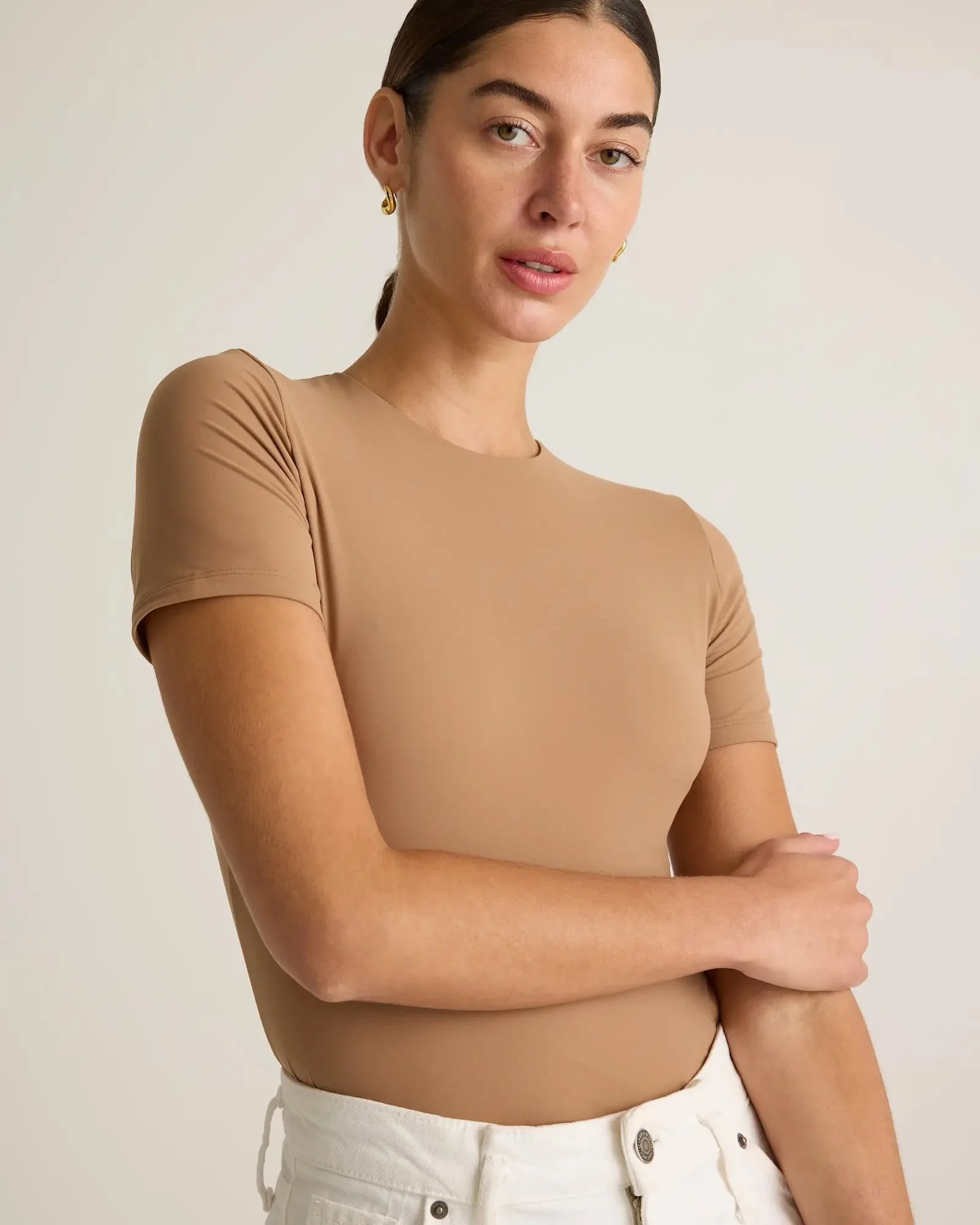


styleThe List Editor