7 Things To Know Before Buying Handmade Jewelry Online
There's something genuinely exciting about discovering a piece of jewelry that feels like it was made just for you: a one-of-a-kind ring, a hand-forged necklace, something with real character behind it. The online handmade jewelry market makes that possible from anywhere in the world. But it also comes with a few pitfalls that first-time buyers often stumble into.

Upstate New York, for instance, has long been home to talented independent goldsmiths and artisan jewelers whose work you'd never find on the high street. The good news is you can access pieces like that from your phone. The bad news is that not every seller calling their work "handmade" actually means it. Knowing what to look for before you buy makes all the difference.
In this article, we share what experienced shoppers know about buying handmade jewelry online that first-timers usually have to learn the hard way.
No. 1
"Handmade" Isn't a Protected Term
This trips up a lot of buyers. The word "handmade" has no legal definition in most markets, which means it can technically be applied to anything from a piece assembled by hand from mass-produced components to a fully bespoke creation made from raw metal by a trained goldsmith.
Before you buy, it's worth digging a little deeper. Look for:-
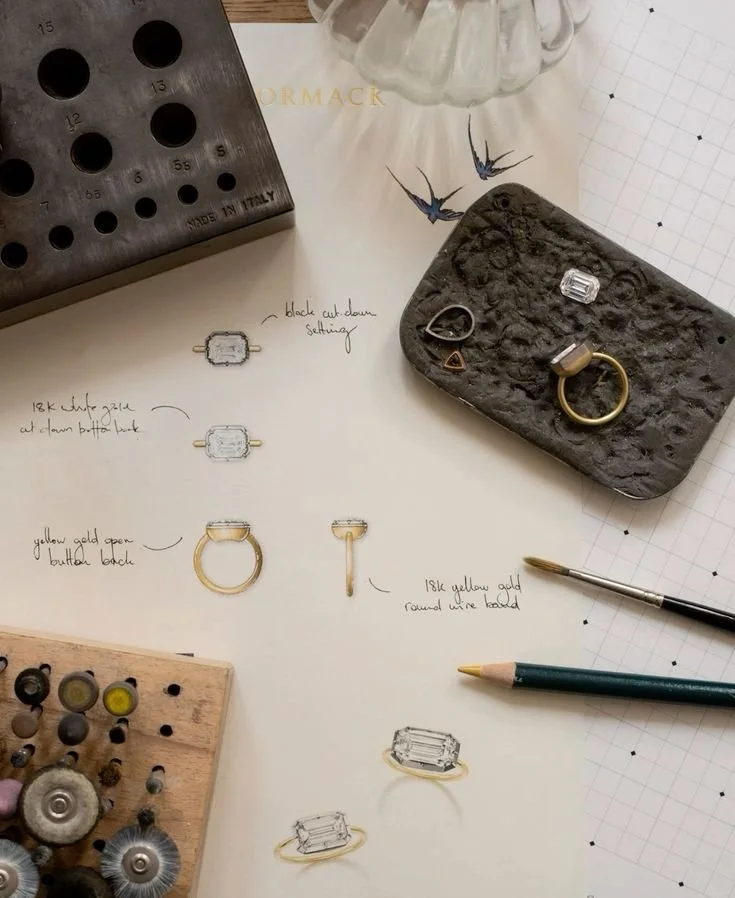
Evidence of the maker's actual process — studio photos, work-in-progress shots, or video content showing real fabrication.
Specific technique language like "forged," "fabricated," "cast in-house," or "hand-engraved" — these signal genuine craft.
A maker who can answer detailed questions about the piece if you reach out.
If a listing is vague about process and heavy on lifestyle imagery, that's worth noting.
No. 2
Know What Material You're Actually Buying
Descriptions like "gold-toned," "silver-coloured," or "metal alloy" are not the same as sterling silver or 14k gold. Plated pieces can look identical to solid metal in photographs, but they behave very differently over time as the finish wears away, often within months of regular wear.
What to look for in listings:
Sterling silver: marked .925 or described as "925 sterling".
Gold: karat weight should be stated (9k, 14k, 18k) — "gold-filled" and "gold-plated" are not solid gold.
Gemstones: natural, lab-created, or simulant — these are three different things with very different values.
If the listing doesn't specify, ask before buying. A reputable maker will always know exactly what their pieces are made from.
No. 3
Seek Out Makers With a Physical Presence
Online-only sellers aren't inherently less trustworthy, but a maker with a real studio, a physical address, and verifiable roots in a specific place adds a layer of accountability that matters. You can trace them. Other customers can review them in person. There's someone genuinely behind the work.
Buyers looking for genuinely original pieces often discover that exploring handcrafted jewelry upstate New York connects them with working goldsmiths who have dedicated studios, local reputations, and years of craft behind each piece.
Companies like Hudson Valley Goldsmith reflect the tradition of regional craftsmanship that still exists within handmade jewelry, where long-standing goldsmithing techniques, material quality, and careful bench work remain central to how pieces are designed and produced.
No. 4
Read Return and Sizing Policies Carefully
Custom and handmade pieces frequently have different return policies from mass-market retailers and often for legitimate reasons. A ring sized to your specifications or a pendant made to order can't simply be restocked. That's fair. But it does mean you need to understand the terms before you commit.
Key questions to check before buying:
Is this a made-to-order piece or in stock and ready to ship?
What is the return or exchange window, and does it apply to custom work?
For rings, does the maker offer resizing after purchase, and is there a fee?
Reputable makers are transparent about all of this upfront. If you have to dig to find the policy or worse, can't find it at all, that's a flag worth taking seriously.
No. 5
Don't Let Price Alone Guide You
Handmade jewelry spans an enormous price range, and neither cheap nor expensive is a reliable quality signal on its own. A $30 pair of earrings might be beautifully made from good materials. A $300 necklace from an anonymous online shop might be mass-produced overseas and mislabelled.
According to a study by the Better Business Bureau, 1 in 4 people have bought something online that turned out to be counterfeit or significantly misrepresented, and jewelry is among the categories most commonly affected. The price looked right. The photos looked convincing. The product wasn't what was described.
Price should inform your expectations, not replace your due diligence.
No. 6
Look Beyond the Product Photos
Photography can do a lot of heavy lifting for mediocre pieces. A skilled photographer with good lighting and a macro lens can make almost anything look exceptional. What tells you more about the actual quality of a piece:
Customer review photos — taken in real light, on real people.
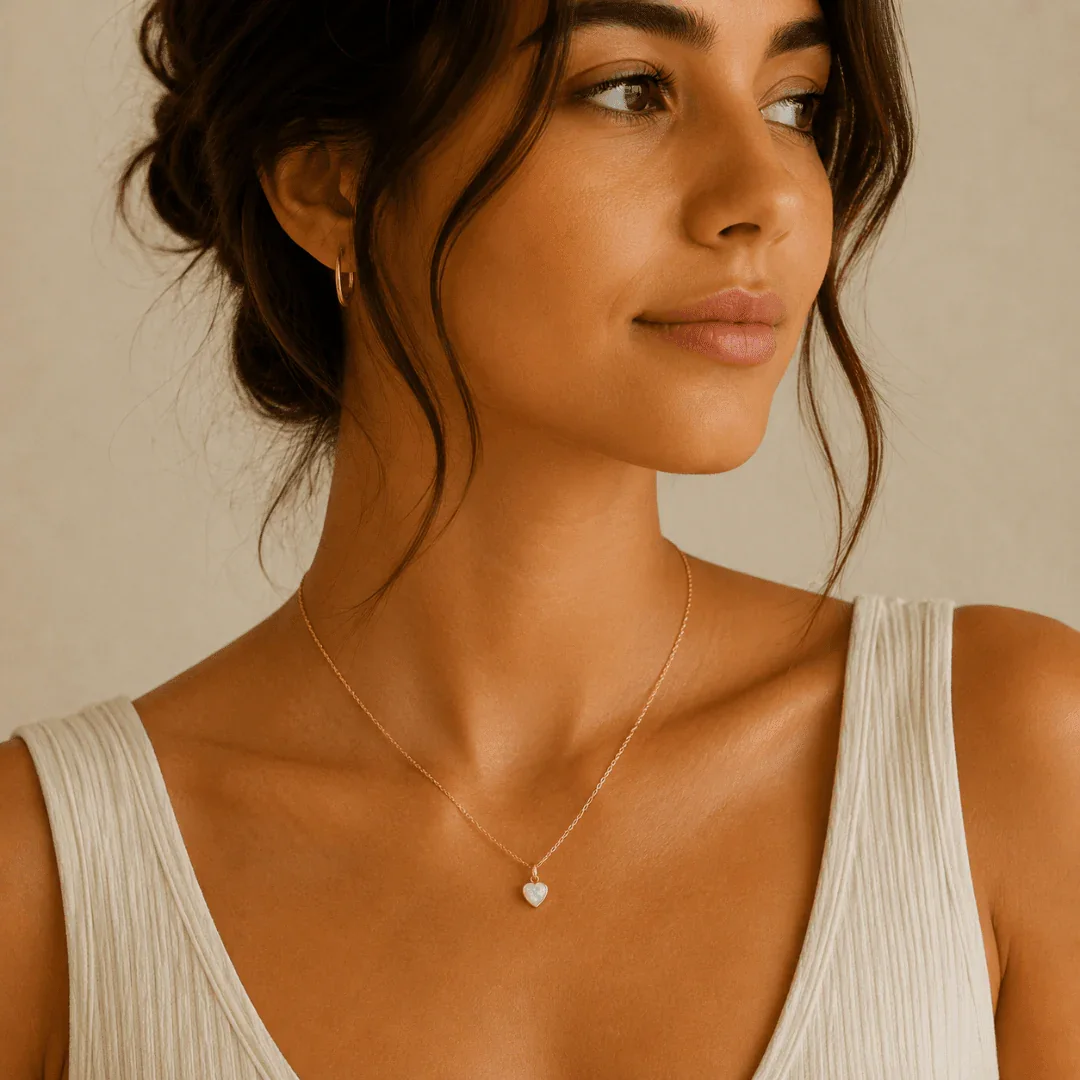
Scale reference in product shots — without it, you genuinely can't tell if a pendant is the size of a coin or a fingernail.
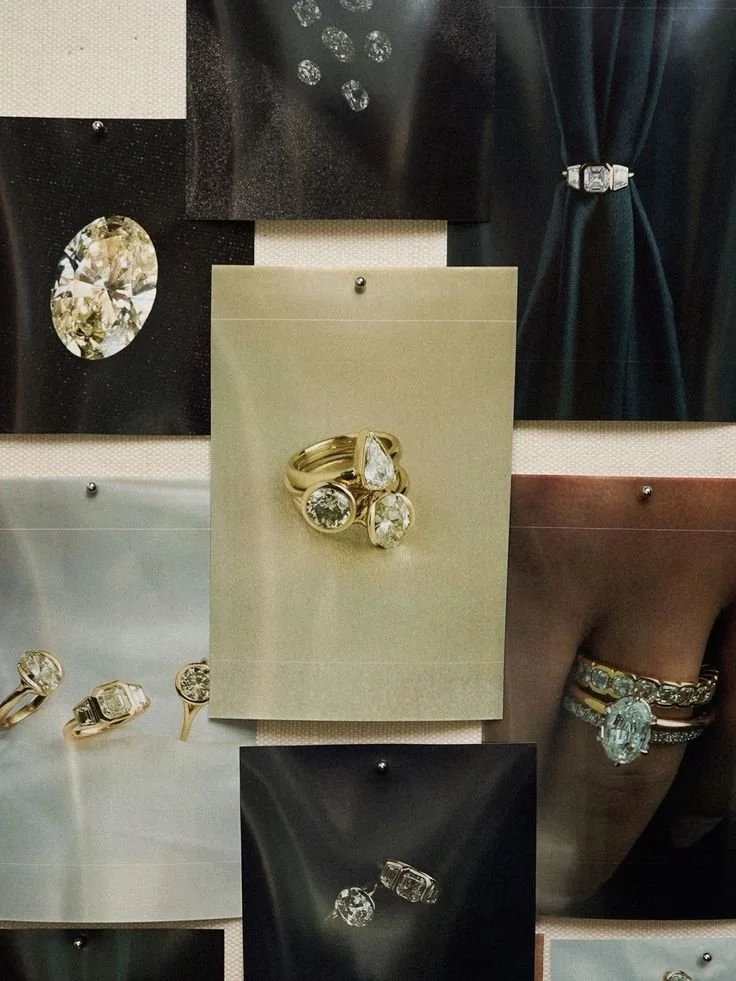
Multiple angles — reputable makers photograph clasps, settings, hallmarks, and backs of pieces, not just the glamour shot.
Video content — seeing a piece move in natural light reveals texture and finish in ways that stills often don't.
If a listing has only one or two perfectly styled photos and no supporting content, you're working with incomplete information.
No. 7
Build a Relationship With Makers You Trust
The real reward of buying handmade jewelry online isn't the transaction; it's discovering a maker whose aesthetic speaks to you and whose work you want to return to. The best handmade jewelry experiences tend to involve some actual conversation: asking questions, discussing customization options, and understanding the story behind a particular design.
Makers who invest in that relationship consistently produce better experiences and better pieces. They'll remember your ring size, suggest pieces that suit your style, and often give returning customers priority access to new work.
The online handmade market at its best isn't a marketplace; it's a direct line to someone who genuinely cares about their craft. That's worth a little extra effort to find.
Takeaways
Shopping for handmade jewelry online rewards the careful buyer. Take your time, ask questions, and prioritise makers who are genuinely transparent about their materials, methods, and the hands behind the work.
Looking for resources?
At Hello Lovely Living, we aim to empower you to earn and save money and time while benefiting from our expansive network of home, life, wellness, travel, work-from-home, career, and business resources and opportunities. Discover a wealth of tools to support your journey.