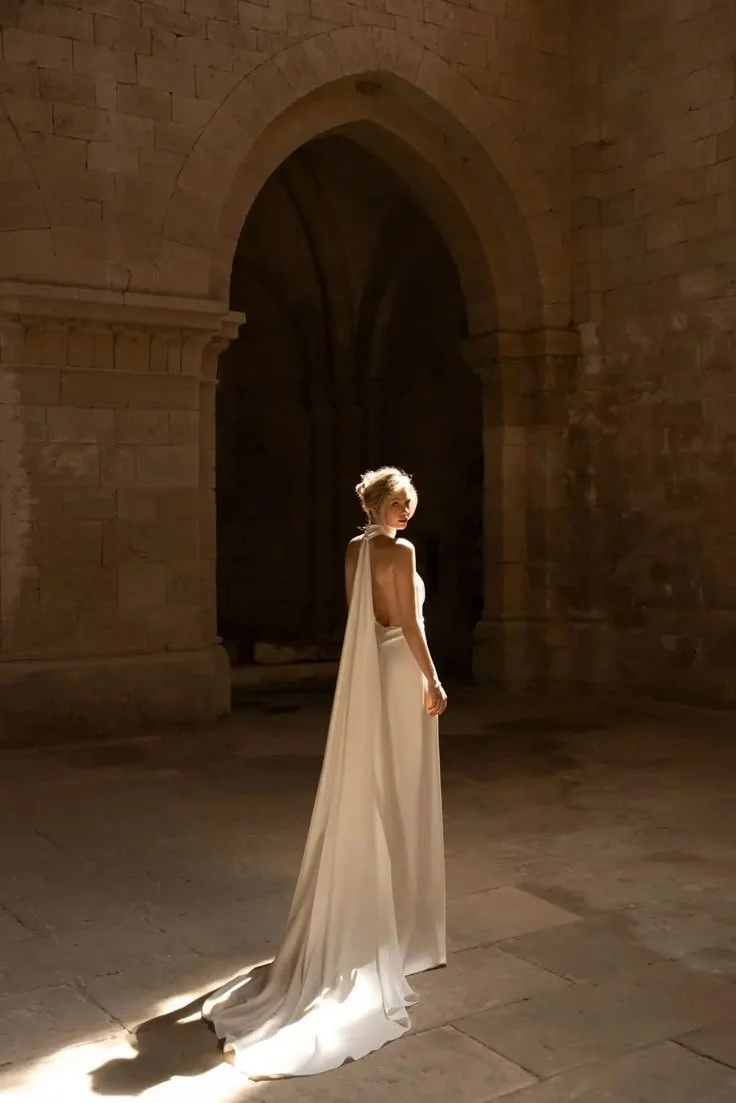
Fine Jewelry Design Trends: The New Luxury Era
Fine jewelry has entered a new era shaped by individuality, artistic experimentation, and emotional storytelling. While heritage and craftsmanship remain central to the definition of luxury, modern clients are reshaping the category through new expectations around personalization, design originality, and self-expression.
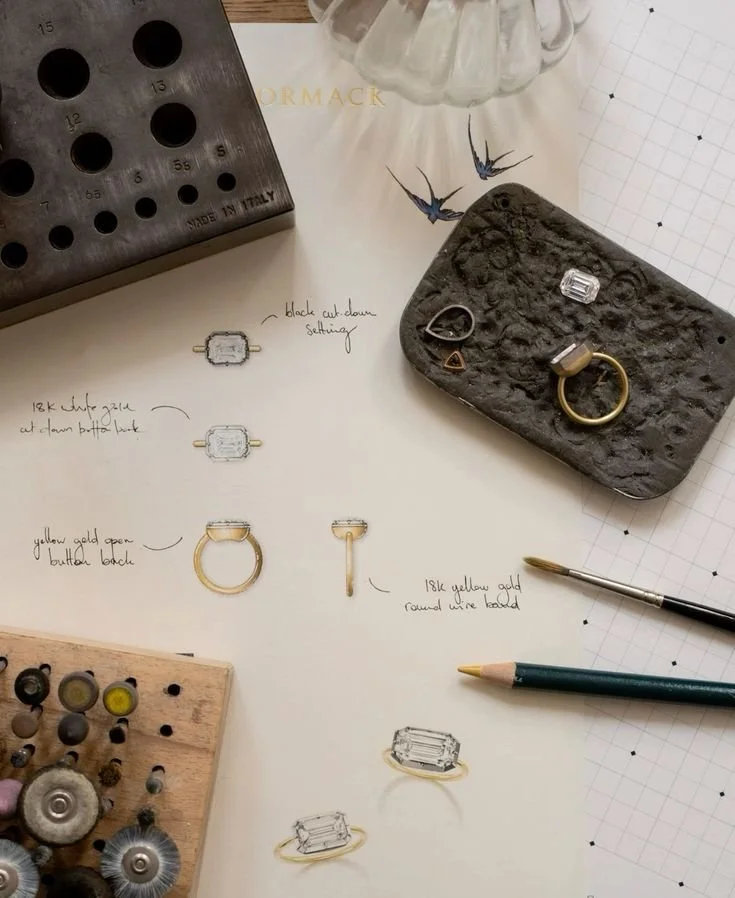
In this article, we will explore how fine jewelry design is evolving, why personal meaning now carries as much weight as prestige, and which creative, cultural, and ethical influences are defining the next generation of high-end jewelry.
No. 1
Personal Expression Has Become Central to Luxury Jewelry
Luxury jewelry has always communicated something about the wearer, but the message has changed. Where status and recognition once dominated, many buyers now prioritize pieces that feel intimate, distinctive, and aligned with their identity. Instead of asking, “Is this impressive?” clients increasingly ask, “Is this me?”
This shift is especially visible in engagement and commitment jewelry, where couples want rings and heirloom pieces that tell a story rather than replicate a template. Today, the most compelling designs often include subtle, personal decisions that only the wearer (or the couple) fully understands.
What personal expression looks like in modern fine jewelry
Design choices that signal individuality
Unusual stone shapes, unexpected proportions, or asymmetric layouts
Signature details such as hidden halos, meaningful engravings, or mixed-metal bands
Symbolic elements with private meaning
Gemstones chosen for birth months, places, or shared memories
Motifs that reference nature, architecture, art movements, or cultural heritage
Preference for character over uniformity
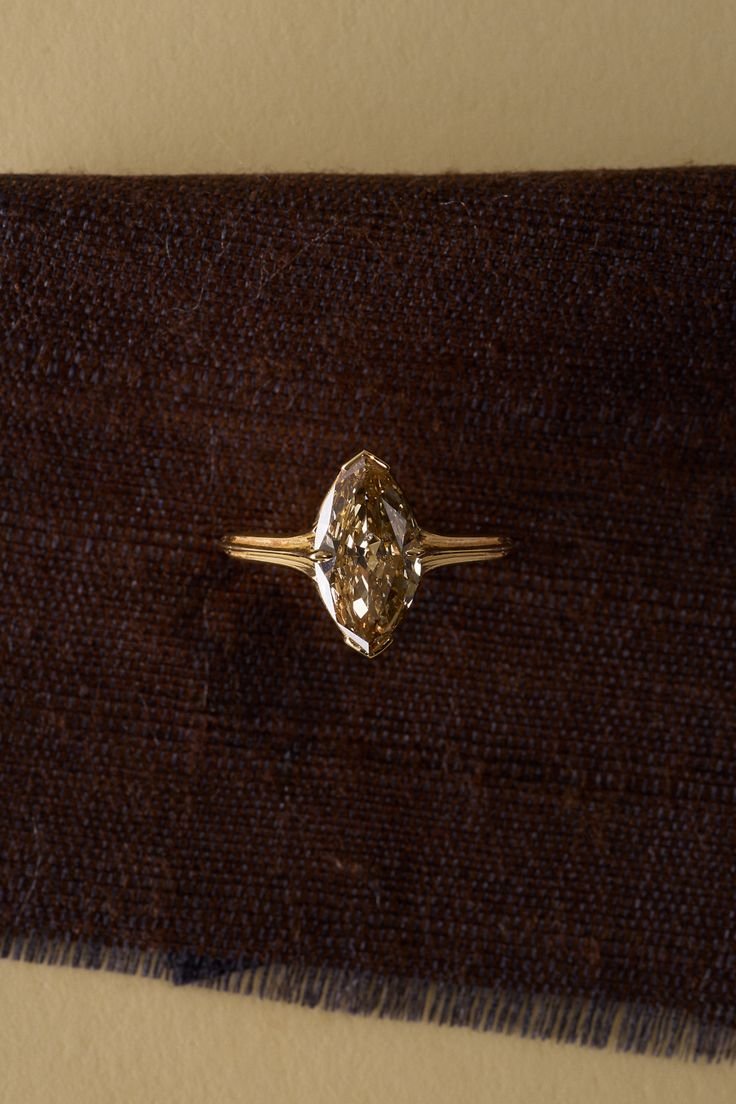
Antique cuts, warm-toned stones, and settings that highlight natural variation
This move toward self-expression has also influenced how luxury houses position their collections. High-end brands are increasingly balancing tradition with modern creativity, offering designs that feel collectible yet personal. Luxury maisons such as Fabergé continue to embrace this evolution through collections featuring 18K diamond engagement rings that combine heritage craftsmanship with modern artistic expression.
No. 2
Heritage Craftsmanship Still Defines True Luxury
Even as the aesthetic language of fine jewelry changes, one constant remains: craftsmanship is non-negotiable. Modern clients may want more creative freedom, but they still expect impeccable finishing, material integrity, and a level of construction that ensures a piece can be worn, repaired, and passed down.
Heritage craftsmanship is not simply a marketing concept in fine jewelry; it is the infrastructure behind longevity. When a ring feels substantial, when stones sit securely, when settings are balanced and comfortable, and when details are refined from every angle, the wearer experiences quality in a way that is difficult to replicate at lower tiers.
What buyers typically associate with true craftsmanship
Technical excellence
Secure stone setting and durable prong or bezel work
Clean symmetry where intended, and controlled asymmetry where designed
Smooth interior finishing for comfortable daily wear
Material standards that support longevity
Thoughtful alloy selection for color and durability
Precision in metal thickness, especially in delicate designs
Artisanal detail and design integrity
Hand finishing, fine pavé execution, and refined gallery work
Visual cohesion between stone choice, setting style, and band proportions
Historic jewelry houses have influence because they can merge innovation with authenticity. Fabergé, for example, remains closely associated with artistic excellence, colored gemstones, intricate detailing, and luxury craftsmanship rooted in its iconic heritage. In today’s market, clients often view craftsmanship as part of a piece’s emotional value, because the care and skill embedded in the object mirrors the importance of the milestone it represents.
No. 3
Colored Gemstones Are Reshaping Engagement Design
The dominance of the white diamond solitaire is no longer unquestioned. While it remains a classic choice, engagement design is widening to include color, contrast, and personal symbolism. This change is less about rejecting tradition and more about expanding it, allowing couples to keep timeless elegance while making the ring unmistakably their own.
Sapphires, emeralds, rubies, champagne diamonds, and mixed gemstone combinations are increasingly popular, not only for their visual impact but also for their narrative potential. Color makes emotion visible, and it often creates a stronger sense of individuality than a standard center-stone approach.
Why clients are choosing more color
Emotional and symbolic resonance
Certain stones may represent resilience, love, growth, or personal heritage
Color can reference a place, a shared experience, or a family tradition
Distinctiveness without sacrificing refinement
A colored center stone can still feel formal and enduring
Mixed-stone accents can add depth while remaining subtle
Design flexibility and creative expression
Colored stones pair well with sculptural settings and mixed metals
Contrasts can highlight the center stone and make the design feel bespoke
Luxury jewelry brands are responding with bolder gemstone palettes, more architectural settings, and intentional metal-stone contrasts. The best results come from disciplined design: color is most powerful when it is balanced with proportion, wearability, and a setting style that protects the stone for long-term use.
No. 4
Bespoke Jewelry Is Becoming More Desirable
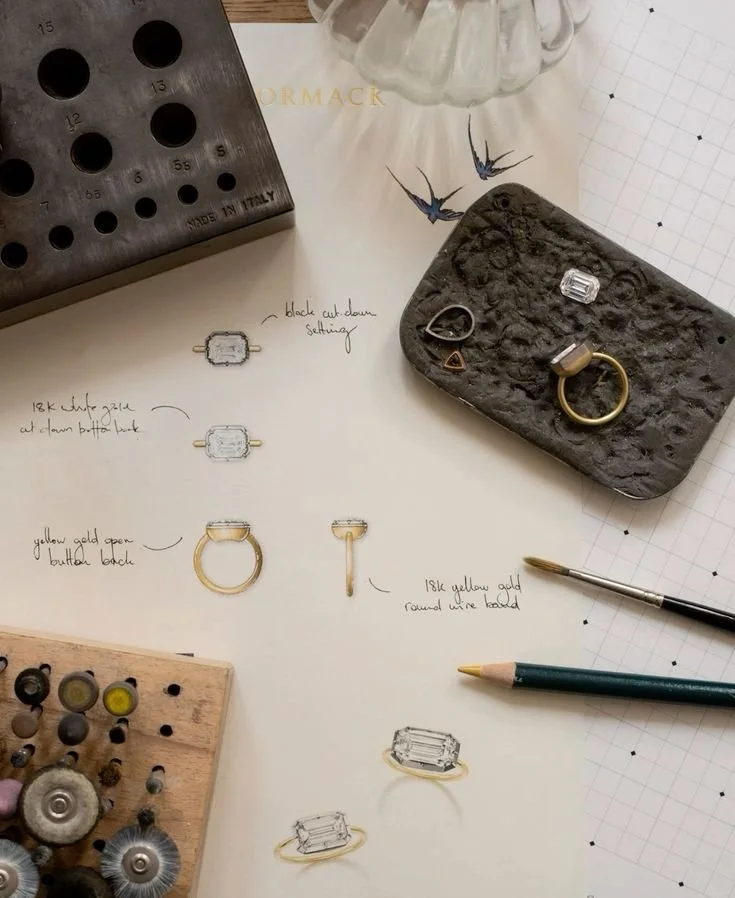
Luxury is increasingly defined by participation, not just possession. Many clients want to collaborate, make informed decisions, and feel a sense of authorship over the final piece. Bespoke jewelry responds to this desire by turning the purchase into a creative process rather than a transaction.
This trend is not only about exclusivity; it is also about meaning. A bespoke piece can carry design choices that are impossible to replicate: a stone selected for a specific reason, a motif drawn from a personal memory, or a redesign that preserves elements of a family heirloom.
What clients often customize in bespoke commissions
Gemstones
Selecting a particular color profile, cut style, or unusual shape
Choosing stones for symbolism, origin story, or rarity
Architecture of the piece
Band width, profile, and comfort fit
Setting height, prong style, bezel details, or side-stone layout
Hidden personal details
Engravings, secret stones, or internal patterns
Motifs that reference a shared experience or family history
Why bespoke feels like modern luxury
It creates narrative value
The design story becomes part of the heirloom
It improves long-term satisfaction
The piece feels tailored, not merely selected
It reframes exclusivity
Originality becomes the marker of distinction, not just price or visibility
As bespoke becomes more common, luxury houses are refining how they guide clients through the process, often emphasizing education, transparent design steps, and craftsmanship demonstrations. For many buyers, the experience of designing becomes as meaningful as the piece itself.
No. 5
Vintage Inspiration Is Influencing Contemporary Design
The renewed interest in vintage aesthetics is one of the most important style developments in fine jewelry. Clients are drawn to designs that feel storied, architectural, and rich in detail, often taking cues from Art Deco geometry, Edwardian delicacy, and mid-century refinement.
What makes this vintage revival distinct is how it is being reinterpreted. Rather than copying antique pieces outright, modern designers borrow the visual language of earlier eras and translate it into contemporary proportions, updated setting techniques, and more wearable silhouettes.
Vintage elements appearing in modern collections
Stone and cut preferences
Old cuts and antique-inspired shapes
Softer brilliance profiles that emphasize character
Design structure and geometry
Step-like forms, symmetry, and framing halos
Intricate metalwork that adds depth without excess
Heirloom-style detailing
Filigree-inspired patterns and refined gallery work
Milgrain edges used with restraint for texture and finish
This aesthetic resurgence also reflects a cultural desire for permanence. In an era of rapid trend cycles, vintage-inspired jewelry signals patience, continuity, and legacy. Many buyers want pieces that will still feel relevant decades from now, not designs that rely on short-term novelty.
No. 6
Sustainability Is Influencing Luxury Jewelry Choices
Sustainability has moved from a niche consideration to a serious value driver in fine jewelry. Clients investing in high-end pieces increasingly care about sourcing, longevity, and the ethical dimensions of craftsmanship. They also care about waste, and fine jewelry is uniquely positioned to address it because it can be repaired, redesigned, and worn across generations.
Sustainable luxury often looks less like minimalism and more like intention. Buyers want fewer pieces, chosen more carefully, made to last, and designed with emotional staying power.
How sustainability shows up in purchase decisions
Preference for longevity over trend appeal
Pieces designed for daily wear, not just occasion use
Construction choices that support future maintenance and resizing
Redesign and repurposing
Incorporating heirloom stones into new settings
Updating inherited jewelry to match modern lifestyle needs
Materials and sourcing awareness
Increased interest in recycled metals and responsible craftsmanship
Desire for transparency, documentation, and care guidance
Many buyers now treat fine jewelry as a long-term asset emotionally, aesthetically, and practically. Rather than buying for a single moment, they invest in pieces intended to become future family treasures, carrying both personal meaning and responsible design decisions forward.
No. 7
Fine Jewelry Is Evolving Through Craftsmanship and Meaning
The future of fine jewelry design will continue to move toward individuality, artistry, and emotional storytelling. Clients want jewelry that reflects personal taste, values, and milestones while still embodying the precision and heritage expected at the luxury level.
This evolution does not abandon tradition; it reframes it. Brands that thrive will be those that keep the discipline of classic craftsmanship while expanding the possibilities of color, symbolism, and bespoke collaboration.
What will likely define the next era of luxury jewelry
Greater personalization within house design codes
More customization options without losing brand identity
Stronger storytelling through materials and design
Gemstone choices and motifs tied to personal narratives
Ongoing respect for heritage skills
Fine finishing, secure construction, and pieces built to endure
Luxury jewelry is becoming more human in its purpose: less about conforming to a fixed idea of prestige, and more about capturing a life moment in a form that can last.
Takeaways
Fine jewelry design is shifting toward individuality, emotional storytelling, and meaningful self-expression, while still relying on heritage craftsmanship as the foundation of true luxury. In this article, we explored how modern clients are shaping design choices through personalization, bespoke commissions, and a desire for authenticity.
Colored gemstones, vintage inspiration, and collaborative creation are expanding what “timeless” can look like in engagement and fine jewelry. The most successful designs balance creativity with wearability, proportion, and meticulous construction.
Sustainability is also redefining luxury by elevating longevity, redesign, and intentional buying over short-term trends. The new era of fine jewelry is ultimately about reinterpreting tradition in a way that feels personal, lasting, and unmistakably modern.
Looking for resources?
At Hello Lovely Living, we aim to empower you to earn and save money and time while benefiting from our expansive network of home, life, wellness, travel, work-from-home, career, and business resources and opportunities. Discover a wealth of tools to support your journey.