Posts in home
7 Unique Gifts For Plant Lovers In 2026

Shopping for a plant lover sounds simple until you try it. They already have a shelf of pots, a windowsill of herbs, and more cuttings than they can count, so another “generic plant thing” can feel like clutter rather than care.


In this article, we will explore seven unique gifts for plant lovers that go beyond standard pots and basic houseplants. Each idea adds either a functional upgrade, a design-forward detail, or an experience that unfolds over time, so your gift feels genuinely thoughtful and surprisingly useful.

What Makes a Plant Gift Feel Unique

A memorable plant-related gift does something a basic pot cannot. It either solves a real pain point in plant care, elevates the display, or supports a hobby that plant lovers naturally gravitate toward, such as propagation, journaling, or preserving blooms.

Look for functional upgrades that matter

Practical features are often what separates a “nice” gift from a gift they reach for every week.

Consider options that include:

  • Proper drainage holes to reduce the risk of root rot

  • Built-in drip trays or saucers that protect surfaces

  • Self-watering components that support consistent moisture

  • Materials that regulate moisture and temperature better than plastic

  • Kits with truly complete supplies, not just a token packet of seeds

Choose gifts that match how they live with plants

The most impressive gift can still miss the mark if it does not fit their home or routines.

Before you buy, think about:

  • Light conditions: bright window, low light, or a mix

  • Lifestyle: frequent travel, busy schedule, or daily plant-check ritual

  • Home factors: pets, kids, limited shelf space, or minimal surfaces

  • Aesthetic: playful color, natural terracotta, modern neutrals, or maximalist décor

Prioritize “experience” gifts for plant lovers who have everything

Plant people tend to enjoy gifts that evolve, transform, or invite participation.

Examples include:

  • Kits that grow something over time

  • Tools that help preserve flowers or leaves

  • Subscriptions that deliver seasonal surprise plants

  • Display pieces that let them watch roots develop and multiply cuttings

No. 1

Capra Designs Archie Pot

The Capra Designs Archie Pot is sculptural and practical at the same time, which is exactly why it stands out in a sea of ordinary planters. The arched base is not just a design flourish; it doubles as a drip tray, and the pot includes a proper drainage hole, which makes it far more plant-friendly than many decorative planters.

Why plant lovers appreciate it

  • The terrazzo look adds texture and visual interest without overpowering the plant

  • The built-in drainage setup supports healthier watering habits

  • Handcrafted, small-batch production means each piece feels personal

Best for

  • Design-forward plant parents who treat plants as part of home styling

  • Small to medium indoor plants that deserve a standout pot

  • Gifting for new apartments, home refreshes, or “upgrade their plant corner” moments

Fit note

If you are shopping for someone who primarily keeps oversized floor plants, this pot is better suited to smaller profiles, where the silhouette and pattern can be appreciated up close.


No. 2

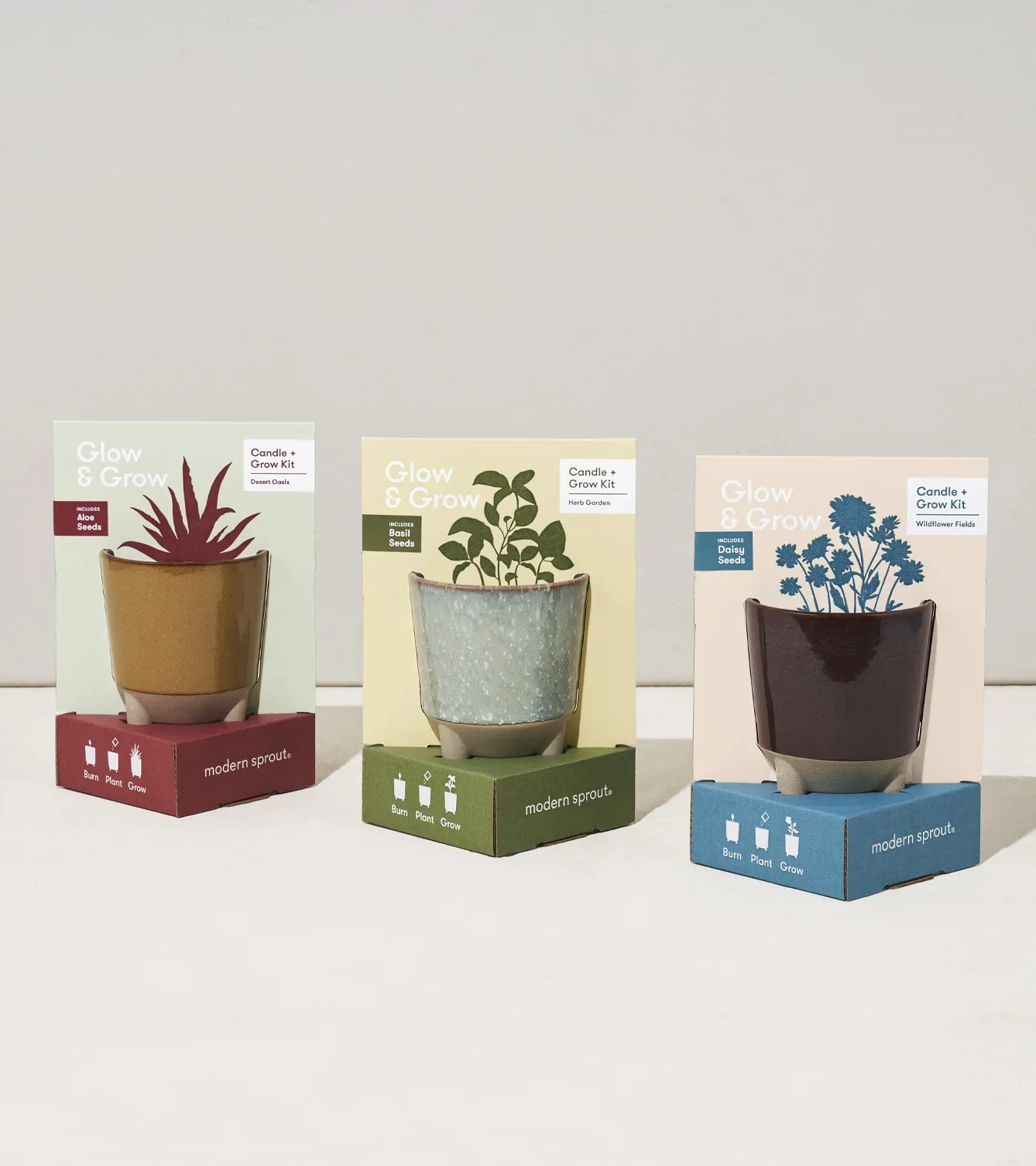
Modern Sprout Glow & Grow Kit

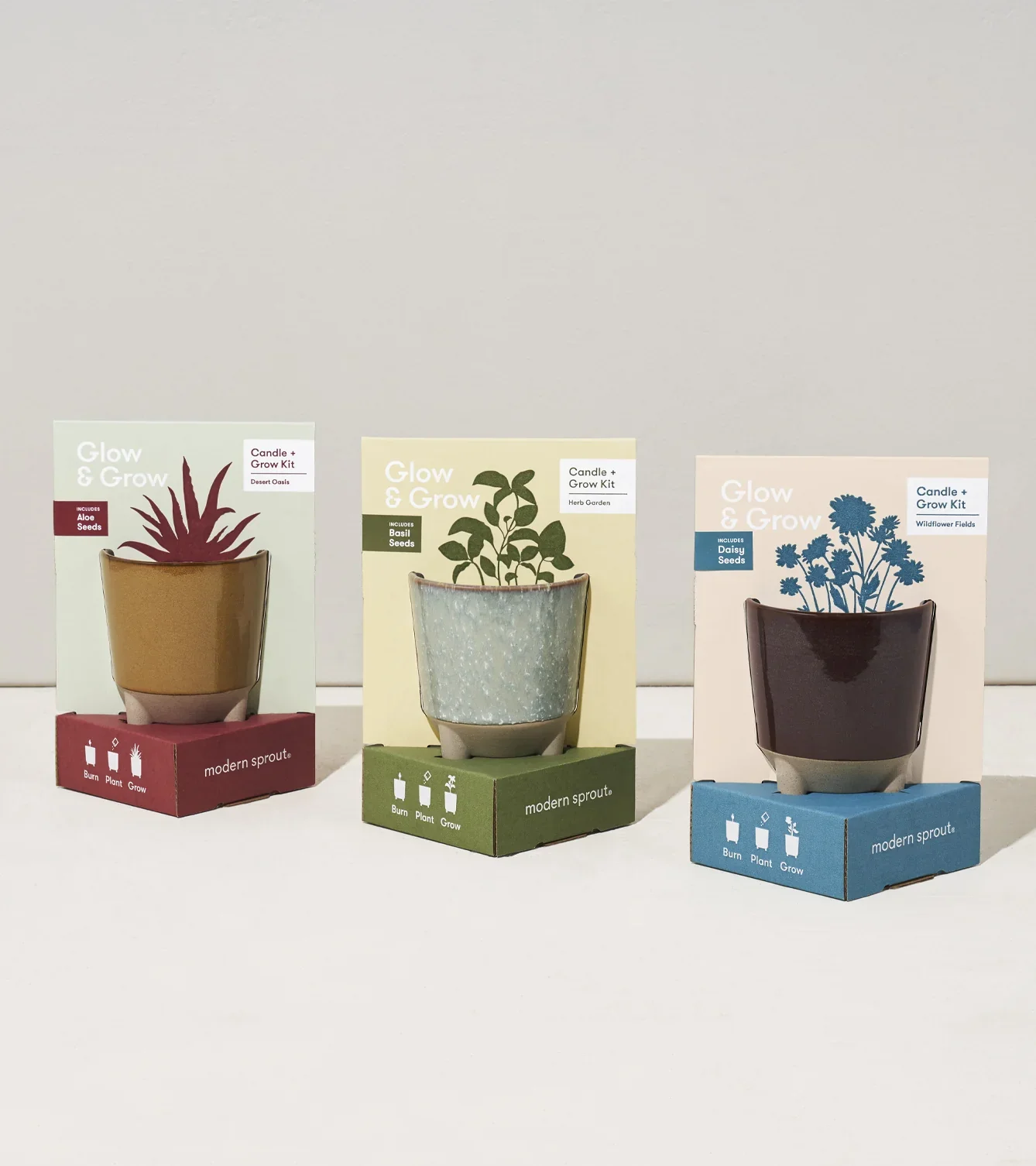
Some gifts are clever once; this one stays clever twice. Modern Sprout’s Glow & Grow Kit starts as a soy-blend candle that grows into a plant when the candle burns down. The ceramic vessel becomes the home for a complete grow kit, with options like basil, wildflowers, aloe, or even a small spruce tree in the same reactive-glaze container.

Why it feels genuinely unique

  • It eliminates the “what do I do with the empty candle jar” problem

  • The transformation from candle to plant feels intentional and satisfying

  • It doubles as décor and then becomes a living gift

Best for

  • Eco-minded plant lovers who prefer waste-reducing gifts

  • People who enjoy multipurpose home items

  • Anyone who likes the ritual of lighting a candle and tending plants

Fit note

The seeds typically want plenty of direct sun, so this is best for a home with a bright window or strong indoor light.

No. 3

June & December Flower Press

For plant lovers who want to keep what they grow, a flower press turns petals and leaves into lasting keepsakes. June & December makes linen-covered presses with gold foil details and acid-free, reusable pressing boards, which elevates the entire experience from “craft tool” to “heirloom-quality ritual.”

Each press is assembled by hand in the brand’s Michigan studio from recycled, FSC-certified materials. It is a slow-living gift that brings a different kind of satisfaction than buying another plant.

What makes it a thoughtful choice

  • Preserves flowers from birthdays, anniversaries, and meaningful moments

  • Encourages creativity: framing, scrapbooking, card-making, journaling

  • Looks beautiful left out on a desk or shelf

Best for

Fit note

Pressing takes a few weeks, so it is ideal for patient recipients who enjoy the process, not just the result.


No. 4

Lively Root Plant Subscription

If one plant is a nice gesture, a year of surprise plants becomes a story that arrives in chapters. Lively Root’s gift subscriptions are prepaid, with a new plant arriving each quarter, which keeps the excitement going long after the wrapping paper is gone.

Recipients can choose easy-care, rare and unusual, or pet-friendly varieties, which is especially useful for households with curious cats or dogs.

Why subscriptions work so well for plant people

  • The gift stays interesting over time, rather than peaking on one day

  • It supports learning: new species, new care habits, new styling ideas

  • Quarterly pacing is exciting without overwhelming their space

Best for

  • People who love surprises and enjoy meeting new plants

  • Plant parents who like expanding their collection gradually

  • Gift-givers who want something memorable without guessing a single plant

Fit note

The surprise element is the charm, so it may not be ideal for someone who prefers choosing every plant personally.

No. 5

Terracotta Self-Watering Spikes

Terracotta self-watering spikes are not flashy, and that is exactly why plant lovers end up adoring them. You push one into the soil, connect a water source, and the porous terracotta releases moisture slowly as the soil dries. It is one of the simplest ways to reduce underwatering without switching to a complicated system.

Why they are more useful than they look

  • Helps maintain more consistent moisture for thirsty plants

  • Reduces stress for frequent travelers or busy weeks

  • Can support plant sitters by making watering more foolproof

Best for

  • Friends who travel often for work or take weekend trips

  • People who love plants but forget to water on schedule

  • Pairing with another gift, such as a planter or a new houseplant

Buying tips

  • Look for sturdy spikes that sit firmly in soil

  • Consider how the water source will sit, especially on shelves

  • If your recipient has many plants, buy a set rather than a single spike

No. 6

A Propagation Station

Propagation is the hobby inside the hobby, and by 2026 it is fully mainstream. A propagation station holds cuttings in glass vessels, typically set in a wood or metal stand, so roots develop in plain view. It turns a practical process into something display-worthy.

Why plant lovers get excited about propagation gear

  • It makes cuttings feel like an intentional collection, not clutter in jars

  • Watching root growth is satisfying and educational

  • It supports sharing: plant lovers can grow extras to give away

Best for

  • People who already have pothos, philodendron, tradescantia, or other easy propagators

  • Anyone who keeps cuttings in random cups and wants a cleaner setup

  • Gift recipients who enjoy “before and after” progress

What to look for when you buy

  • Narrow-necked vessels that support delicate stems

  • A stable base that will not tip if bumped

  • Enough spacing between vessels so leaves are not overcrowded

  • Easy-to-clean glass shapes so algae buildup is manageable

No. 7

A Houseplant Field Guide

Sometimes the most useful gift is knowledge wrapped in a beautiful format. A well-illustrated houseplant field guide helps a plant lover identify, place, and troubleshoot indoor plants with more confidence.

This also makes an excellent companion gift alongside cuttings, a propagation station, or a statement pot, because it supports the long-term success of whatever they are growing.

Why it is a smart, lasting gift

  • Helps diagnose common issues like yellowing leaves, pests, and overwatering

  • Encourages better placement decisions based on light and humidity

  • Builds plant confidence, which often leads to healthier plants

Best for

  • New plant parents who are building foundational skills

  • Intermediate plant lovers ready to refine care routines

  • Anyone who likes reference books and practical guidance

Alternative for tech-inclined recipients

A plant identification app subscription can offer similar benefits through a phone camera, particularly for people who prefer digital tools over books.

No. 8

A Gift That Keeps Growing

The common thread in this list is intention. Each gift supports something a plant lover already values, whether that is design, sustainability, consistency of care, or the slow joy of watching something change over time.

How to choose the right one quickly

If you want a simple decision shortcut, match the gift to their personality and habits:

  • For the design lover: Capra Designs Archie Pot

  • For the eco-minded homebody: Modern Sprout Glow & Grow Kit

  • For the sentimental creative: June & December Flower Press

  • For the collector who likes surprises: Lively Root Plant Subscription

  • For the busy traveler: Terracotta self-watering spikes

  • For the propagator who shares cuttings: A propagation station

  • For the learner and problem-solver: A houseplant field guide

Choosing the gift that fits how they actually live with their plants will outlast trends. The best outcome is not just a delighted reaction on opening day, but a gift they keep using, and thinking of you, every time a new leaf unfurls or a cutting finally roots.

Takeaways

Unique plant gifts stand out when they offer more than decoration, such as built-in functionality, a reusable transformation, or a skill-building experience. When you prioritize practical upgrades and thoughtful design, your gift becomes something they genuinely incorporate into their routine.

Matching the gift to the recipient’s lifestyle makes the difference between a nice object and a perfect fit. Consider their light conditions, schedule, home constraints like pets, and whether they enjoy hands-on projects or curated surprises.

The best plant-related presents keep delivering value long after the moment they are opened. A well-chosen gift supports healthier plants, more enjoyable care rituals, and the ongoing satisfaction that comes from watching something grow.


Looking for Home resources?

Looking to enhance your living space and create a sanctuary that supports your well-being? Explore our home partners who offer a wide range of resources to elevate your home environment.



homeThe List Editor


Premium Aluminum Pergola Design That Lasts For Years

A backyard upgrade is rarely just a purchase; it is a long-term design decision that has to look right in every season, under real weather, and through years of daily use. The difference between a pergola that feels premium and one that merely looks premium on installation day usually comes down to whether the engineering supports the aesthetic over time. When the structure stays straight, the coating stays intact, and the roof system performs as promised, the space continues to feel intentional instead of “aging out” prematurely.


In this article, we will explore what separates a truly premium pergola design from a short-lived upgrade, using three real-world exposure conditions as the test: extreme heat, heavy snow load, and coastal salt air. Each scenario highlights the same core principle: in a properly engineered aluminum pergola - the kind Hansø engineers around - durability is not an add-on feature. It is the design.

Design That’s Built to Stay Premium

Every backyard improvement begins with a few visual decisions: where the structure sits, how it frames the view, what the ceiling plane looks like from inside the house, and where the eye naturally lands. A pergola is not just shade; it is architecture. If it warps, fades, loosens, or starts to look uneven, those original design decisions lose their impact.

A premium pergola design is measured by what you do not have to do later:

  • No repainting to fix chalking or patchy fading

  • No re-tightening hardware each season

  • No “temporary fixes” that become permanent

  • No replacing panels or components because the system no longer aligns

With a well-built aluminum pergola, the clean lines you paid for are not a moment in time; they are the baseline. That is the standard a Hansø-style approach aims for: engineering a structure to hold its geometry and finish for years, not just survive a season.

What “premium” should mean in practice

When you evaluate long-term quality, focus on outcomes that remain visible and measurable:

  • Visual integrity: straight beams, consistent spacing, louvers that close flush

  • Finish integrity: stable color, minimal chalking, no premature edge wear

  • Structural confidence: no wobble, no creeping shifts, no seasonal “settling”

  • Usability: shade and shelter that actually change how often the space gets used

In the next section, these three backyards show what premium looks like in practice. Three different reasons the yard needed an upgrade - and in every case, the same underlying choice: a pergola structure engineered to hold its design, not just wear it for a season.


No. 1

Built for Heat: Shade That Actually Cools

In high heat and constant UV exposure, many outdoor structures fail first at the surface. The finish fades, edges chalk, and the most visible lines of the design start to look tired. Even before major structural issues appear, the pergola can lose the crispness that made it feel premium.

Heat also exposes the limits of traditional materials:

  • Wood expands and contracts with seasonal swings, which can gradually loosen joints and create hairline cracks near fasteners.

  • Painted finishes tend to chalk and fade fastest where UV exposure is most direct, especially on top edges, beam faces, and corners.

  • Lesser coatings often degrade unevenly, which makes the pergola look older than it is.

A T6 aerospace-grade aluminum pergola avoids many of these problems at the root. It is engineered for stability and does not behave like wood when temperatures fluctuate, which helps preserve alignment and tight tolerances over time. The powder-coat finish is baked on rather than painted on, which is why it resists chalking and fading far better than basic coatings.

Heat performance is part of the design, not a bonus

A premium pergola is not only supposed to “block the sun.” It should actively improve comfort beneath it, turning harsh afternoon hours into usable time.

Closed louvers do more than create shade:

  • They reduce direct solar load hitting the seating zone

  • They help lower perceived heat by preventing overhead sun exposure

  • They reduce surface temperature underneath the structure by roughly 15°F compared to open sky

That last point is what separates design from decoration. A lesser structure may look similar from the street, but if it does not materially change the microclimate under the pergola, it is not delivering a premium experience.

Heat-ready design checklist

When designing for hot climates, look for features that keep the space comfortable and the structure visually crisp:

  • Tight, consistent louver closure to block direct overhead sun

  • Powder-coated aluminum designed to resist UV breakdown

  • Strong beam geometry that stays straight through temperature swings

  • Layout that positions shade where people actually sit, not just where it photographs well


No. 2

Built for Snow Load: A Roofline That Doesn’t Give an Inch

Snow load is where design and engineering either align perfectly or quietly diverge. Plenty of structures look clean in a showroom or in a mild climate, yet begin to show stress after the first serious winter. The earliest warning signs are not always dramatic failures; they are subtle distortions that undermine the design:

  • A slight bow along a beam line

  • Louvers that no longer seat flush

  • Gaps that appear where the roof system used to look seamless

  • A roofline that looks “off” from inside the home

Once those lines shift, the pergola stops reading as architecture and starts reading as a compromise.

Double-Layer Louvers on a properly engineered aluminum pergola are designed to manage weight and shed load to the perimeter beam intentionally. A system rated for 65 PSF snow load is built for real winter conditions, not just light accumulation. The upgrade is not simply that you can keep using the deck for more months of the year; it is that the structure earns those extra months without sacrificing the clean geometry that made it worth installing.

Why snow rating protects aesthetics

A snow-load rating is not only an engineering number; it is a design insurance policy.

When the structure is truly prepared for winter, you preserve:

  • Straight beam lines that remain visually level

  • Louvers that continue to align cleanly

  • A roof plane that looks intentional year after year

  • Confidence that the structure will not “relax” into a new shape

Snow-ready planning considerations

If you live in a snowy region, the best results come from matching the pergola to the environment, not the other way around:

  • Confirm snow-load rating is appropriate for local conditions

  • Prioritize systems with robust louver and perimeter-beam engineering

  • Choose an installation location that avoids roof snow dumps where possible

  • Plan for drainage and melt patterns so water does not pool near posts


No. 3

Built for Salt Air: A Coating Outlasting the Ocean

Coastal environments test finishes before they test frames. Salt air is relentless: it settles into corners, clings to surfaces, and accelerates wear in ways that can make outdoor products look years older within a couple of summers. In many cases, what “fails” first is not structural integrity. It is the visual layer that makes the pergola feel premium.

That is why the coating is not a detail worth compromising on. NASA and luxury yacht builders trust AkzoNobel Premium Coating, and the connection to pergolas is straightforward: in coastal conditions, the finish is the first line of defense. A superior coating can be the difference between a pergola that still looks freshly installed after multiple seasons and one that becomes visibly chalked, pitted, or dulled early in its life.

Coastal exposure requires total-system thinking

Premium performance near the ocean is not just about the beams; it is also about the ground-level connection where moisture collects and sits. Many cheaper systems use standard aluminum baseplates that pit or corrode precisely where water, salt, and grime accumulate.

Hansø uses reinforced SUS304 marine-grade stainless steel at the baseplates, a material spec used in boat hardware for a reason. That choice is designed to deliver zero corrosion in coastal, poolside, or sub-zero environments, right where the structure takes the most abuse and gets the least attention.

Coastal durability checklist

For a pergola that will still look new in salt air, prioritize:

  • High-performance coating designed for harsh exposure

  • Marine-grade stainless steel where the structure meets the ground

  • Component design that reduces crevices where salt and moisture linger

  • A maintenance routine that is simple enough to actually follow

A practical, low-effort coastal routine often includes an occasional rinse to remove salt buildup, especially after storms or windy weeks.


What Holds Up in All Yards

Across heat, snow, and salt air, the pattern is consistent: the design decision and the durability decision are the same choice, made once. When the material and finish are engineered for the environment, the pergola keeps looking like the version you approved in the design phase.

By contrast, common alternatives tend to demand ongoing correction:

  • Wood often needs re-staining and can develop visible movement at joints

  • Vinyl can chalk and lose visual sharpness over time

  • Budget aluminum may pit at joints or show wear where components meet

A properly engineered aluminum pergola with a real finish does not require constant cosmetic rescue. It simply continues to look premium, because it was built to preserve its lines, coating, and function long after installation day.

The long-term value of “right from day one”

A structure that is right-sized and well-built from the start does not need replacement when the rest of the landscape plan evolves. Instead, it becomes the anchor that everything else grows toward: seating layouts, outdoor kitchens, planting, lighting, and seasonal décor all benefit from a pergola that remains visually consistent. That's the standard every Hansø pergola is built to — not just on installation day, but five, ten, fifteen years in. 

Takeaways

Premium pergola design is not defined by how it looks on installation day; it is defined by how well it holds its lines, finish, and function years later. The most reliable way to get that outcome is to treat durability as the design, not an optional upgrade.

In heat, a high-quality aluminum frame and powder-coated finish protect both comfort and aesthetics, while closed louvers can meaningfully reduce the temperature beneath the structure. In snow, proper engineering and a strong load rating keep the roofline straight and the louvers aligned, preserving the clean geometry that makes a pergola feel architectural.

In salt air, the finish and the ground connection are the first points of failure for lesser systems, which is why premium coating and marine-grade baseplates matter. When every component is engineered for the exposure it will face, the pergola continues to look new and perform well across seasons.


Looking for Home resources?

Looking to enhance your living space and create a sanctuary that supports your well-being? Explore our home partners who offer a wide range of resources to elevate your home environment.


homeHLL x Editor


6 Best Smelling Laundry Detergents Of 2026, By Scent Profile

There is a moment, usually right as you pull warm laundry from the dryer, when the task feels less like maintenance and more like a reset. Often, it is the fragrance that creates that shift: a scent you genuinely enjoy can make clean clothes, towels, and sheets feel finished in a way that “just clean” sometimes does not.


In this article, we will explore six of the best-smelling laundry detergents of 2026 by scent profile, focusing on how each one actually smells, who it tends to suit, and what to consider before buying. Because fragrance is personal, this is not a strict ranking; it is a practical guide to distinct scent families, from warm woods and soft musks to fresh linen and playful gourmand notes.

Before you choose, three principles will save you time and disappointment:

  • Use fragrance notes as your most reliable preview. Notes tell you the scent family (woody, floral, musk, citrus, gourmand), which is more useful than mood-based marketing language.

  • Match format to how much control you want. Liquids let you fine-tune intensity; pods lock you into a set dose.

  • Compare value by loads, not by bottle size. Concentrates may look expensive until you calculate cost per wash.

No. 1

Mozi Wash

Mozi Wash is unapologetically fragrance-first. Instead of offering one “clean” scent and a few variations, Mozi builds its lineup like a curated perfume wardrobe, with each option aiming for a clear personality and a recognizable dry-down.

Scent profiles to know

Mozi’s scents lean warm, layered, and perfume-like, with enough depth to linger on fabric without turning your laundry room into a candle store.

  • Golden Hour: sandalwood, cardamom, leather; warm and slightly smoky with a textured, evening vibe

  • Signature Cozy: amber, clean cotton, florals; familiar, soft, and “freshly made bed” adjacent

  • Vanilla Moon: vanilla, white flower, coffee; sweeter and more gourmand, but still structured

Format, performance, and who it suits

Mozi Wash comes as an ultra-concentrated liquid rated for more than 50 loads per tin, and the dose is small: typically one to two tablespoons per load. That is a real shift if you are used to filling a cap, but it is also the reason the product lasts.

Best for:

  • People who want laundry to smell intentionally fragranced, not simply “fresh”

  • Anyone who likes warm notes such as amber, woods, spice, and soft leather

  • Shoppers who care about packaging aesthetics and shelf presence

Potential drawbacks:

  • One tin lasts a long time, so you are committing to a single scent for months

  • If you are unsure, the nine-scent sample kit is the sensible entry point

  • There is a Free and Clear option if you want the format without fragrance

No. 2

Laundry Sauce

Laundry Sauce sits firmly in the woody, resinous, masculine-leaning end of the fragrance spectrum. The notes are not coy, and the overall effect is closer to cologne than dryer sheet.

Key scent character

If your ideal “clean laundry” is more cedar closet than cotton bouquet, this is the most direct match on the list.

  • Australian Sandalwood: bergamot, cedarwood, eucalyptus; then sandalwood; settling into woodleather, amber, suede, airy musks

  • Other range anchors: Siberian Pine, Indonesian Patchouli, Italian Bergamot, all staying within a wood-and-resin style family

Pods: convenience versus control

Laundry Sauce comes as pods, which changes the user experience.

Advantages of pods:

  • Fast and mess-free

  • Consistent dosing with no measuring

  • Easy storage and travel convenience

Trade-offs to understand:

  • Less control over scent intensity, because you dose by whole pods rather than tablespoons

  • If your household varies load size frequently, you may want more flexibility than pods allow

  • Those sensitive to fragrance may find pods harder to “dial down”

Best for:

  • People who like woody, cologne-style profiles and want laundry to be effortless

  • Anyone who prioritizes convenience over customization


No. 3

The Laundress

The Laundress remains a reference point for premium laundry care, largely because it approaches fragrance like fine perfumery. The compositions feel classic, structured, and familiar in the way department-store fragrance families feel familiar.

Classic: a traditional perfume structure

Classic is built like a complete fragrance pyramid.

  • Top: aldehydic, citrus, marine

  • Heart: lavender, rose, jasmine, lily of the valley, ylang-ylang

  • Base: musk, oakmoss, patchouli, sandalwood, cedarwood

The result is polished and traditional, with a “laundered at a high-end hotel” sensibility rather than trendy minimalism.

Isle: a cleaner coastal alternative

If Classic is too traditionally floral-perfume for your taste, Isle leans brighter and more outdoorsy.

  • Lime, bergamot, basil, mint

  • Heliotrope, jasmine, sandalwood underneath

Value considerations

The brand has strong recognition, including Allure’s Best of Beauty in 2024 and Marie Claire’s fabric care fragrance award in 2024 and 2025. That said, value is not its strongest advantage: a 32-ounce bottle is rated for around 31 washes, which is fewer per bottle than several others here.

Best for:

  • People who want a “real perfume” feel on fabric

  • Fans of classic florals grounded by moss, musk, and woods

  • Anyone who likes a prestige, established brand in fabric care

No. 4

DedCool

DedCool comes to laundry from fragrance culture rather than traditional cleaning-product positioning, and it shows. The product feels like an extension of personal scent, not a utilitarian necessity.

Taunt: soft musk with sweetness

Dedtergent 01 “Taunt” is designed to be skin-close and smooth rather than bright or sharply soapy.

  • Bergamot and fresh dew at the top

  • Floral and cassis in the mid

  • Vanilla and amber in the base

The overall profile reads as soft musk with sweetness, the kind of scent that tends to spark strong opinions. People often love it immediately or decide it is too sweet for everyday laundry.

Practical details: loads and packaging

DedCool’s 32-ounce bottle is rated for around 60 washes, making it one of the better values by load count. Packaging is aluminum, with refills available, which reduces single-use waste compared to typical plastic jugs.

Important limitation:

  • There is no unscented option, which matters for scent-sensitive households or anyone who prefers fragrance-free basics for towels and bedding

Best for:

  • Fans of musky, amber-vanilla profiles

  • People who want laundry scent to feel like personal fragrance layering

  • Those who value refillable packaging


No. 5

L’AVANT Collective

L’AVANT is for people who want their laundry to smell clean, not loudly perfumed. Compared with the other brands here, its fragrance presence is intentionally restrained.

Fresh Linen: soft, green, and quiet

Fresh Linen is built on:

  • Ylang-ylang and bamboo

  • Lavender, geranium, basil, lemon

The impression is gentle and green rather than sweet or heavy. If you dislike “laundry perfume,” this is the most conservative entry on the list while still being scented.

Other options and an important rarity

If you want slightly more presence, the range includes:

  • Blushed Bergamot for a brighter citrus direction

  • Ambre Santal for warm-woody comfort without going fully cologne

Notably, there is also an unscented version, which is rare among brands that market themselves on fragrance appeal.

The main trade-off: reordering frequency

The quietness of the scent is the point, but the bottle-to-load ratio is the catch. At 30 ounces and roughly 24 loads, you will likely reorder more often than with any other option listed.

Best for:

  • People who want “freshly cleaned” more than “fragranced”

  • Scent-sensitive households that still want a light aroma option

  • Shoppers who want an unscented alternative available from the same brand

No. 6

Snif

Snif takes the most playful approach to fragrance. It treats laundry scent the way it treats personal fragrance: as something to experiment with, not something that must fit a traditional “fresh cotton” template.

Tart Deco: fruity-floral with structure

Tart Deco centers on black cherry, but it is designed to avoid smelling like candy.

  • Black cherry supported by rose and jasmine

  • Birchwood, vetiver, and vanilla to add depth and keep it grounded

Signature Spin: brighter and fresher

Signature Spin moves into a fresher, fruit-forward territory:

  • Rhubarb, Italian citrus, melon

  • Lily of the valley, Indonesian patchouli, white musk

The brand’s broader scent lineup includes an espresso scent and a buttery croissant one, which communicates the overall sensibility: modern, slightly irreverent, and intentionally not “standard laundry aisle.”

Format and dosing flexibility

The Everything Wash comes in 16- and 32-ounce bottles rated for up to 32 and 64 loads. Dosing guidance is by load size rather than a single fixed amount, which is helpful if you want to adjust fragrance intensity without changing products.

Limitations:

  • There is no fragrance-free option

Best for:

  • People who want laundry scent to feel fun and specific

  • Anyone who likes fruit, gourmand, or unexpected blends

  • Households that want dosing flexibility without switching to pods

No. 7

How to Choose the Right Scent Profile for Your Home

If you want a faster path to the right bottle, treat this like choosing a candle or perfume you will smell repeatedly, not like choosing a generic cleaning supply.

Start with the scent family you actually enjoy

A practical filter:

  • Warm and cozy: amber, vanilla, sandalwood, soft spice

  • Woody and crisp: cedar, bergamot, eucalyptus, pine, patchouli

  • Classic floral-perfume: aldehydes, lavender, jasmine, rose, musk, moss

  • Light and clean: bamboo, basil, gentle citrus, subtle linen vibes

  • Playful and modern: cherry, rhubarb, coffee, pastry-style gourmands

Match scent intensity to fabric type and use

Different textiles hold fragrance differently, and different items call for different impact.

Helpful guidelines:

  • Bedding: many people prefer softer, calming profiles over heavy sweetness

  • Towels: light clean or fresh scents often feel more “hygienic”

  • Workout gear: consider whether the fragrance will clash with deodorant or body spray

  • Everyday clothing: choose what layers well with your personal fragrance or stays neutral if you wear perfume/cologne

Decide how much control you want

  • If you want to fine-tune scent per load, choose a liquid and dose lightly at first

  • If you want zero mental effort, pods are the simplest, but accept less adjustability

Takeaways

Mozi Wash and DedCool are the most perfume-forward options, with layered notes that read like personal fragrance rather than traditional “laundry clean.” Laundry Sauce and The Laundress sit in more classic territory, leaning woody-cologne and structured perfumery respectively.

L’AVANT Collective is the best fit for shoppers who want a quiet, clean impression instead of an obvious fragrance trail. Snif is the most experimental choice, offering playful blends and flexible dosing for people who like variety.

Choose by scent notes, format, and loads-per-bottle rather than marketing claims about “freshness” or longevity. When you are uncertain, start with a smaller size or sampler approach so you can live with the scent on your own fabrics before committing long-term.


Looking for Home resources?

Looking to enhance your living space and create a sanctuary that supports your well-being? Explore our home partners who offer a wide range of resources to elevate your home environment.


homeThe List Editor


Thinking About A Home Audio System? A Guide For Modern Homes

Modern living has evolved beyond static floor plans and eye-catching furniture—it’s about experiences. From open kitchens that blend effortlessly with living areas to bedrooms doubling as wellness sanctuaries and offices that inspire creativity, the contemporary home is designed to support not just how we live, but how we feel while living there.


One of the most overlooked contributors to that experience is sound. Audio weaves itself subtly into our rituals and routines—calm background music during breakfast, rich surround sound during movie nights, or clear, professional audio for virtual meetings. Yet, many homes rely on fragmented setups: portable speakers scattered in corners, mismatched devices with inconsistent output, or audio that thrives in just one room and vanishes in another.

In this article, we take a closer look at why a thoughtfully designed home audio system isn’t about cranking up the volume or embracing tech for tech’s sake—it's about enhancing your environment without intrusion. From design principles and room-specific strategies to overlooked considerations, we’ll walk you through how today’s audio systems are crafted not around specs, but around lifestyle.

No. 1

What a Home Audio System Really Means Today

When you hear “home audio systems,” what comes to mind? For many, it’s a web of wires, oversized subwoofers, or an elaborate setup you’d expect in a high-end theater room. Fortunately, things have changed.

Today’s audio systems are lifestyle tools, not luxury statements. They focus on subtle integration—supporting activities you already do, enriching routines you already enjoy, and adding comfort, not complexity.

A modern home audio system might include:

  • Background playlists in the kitchen during cooking

  • Warm, ambient music in the evening to wind down

  • Crisp, echo-free audio during work-from-home video conferences

  • Effortless control from your phone or voice assistant

Instead of relying on a single Bluetooth speaker that doesn’t project evenly, multi-room solutions now allow consistent, quality sound across your entire home. Providers like Home Media Designs specialize in creating sound environments that blend with your space and respond to how you live, making audio feel like a built-in layer of your home—no extra cords, no sound dead zones, just seamless comfort.

No. 2

Why More Homeowners Are Prioritizing Audio Design

This shift toward immersive, experience-driven interiors isn’t just about luxury. Rather, it’s fueled by how our homes have changed. We use and inhabit our spaces differently today—and we want technology, particularly audio, to support those shifts naturally.

Here’s why more people are rethinking their audio plans:

  • Open-concept living areas demand even sound distribution between zones

  • Remote work culture requires professional, distraction-free communication

  • In-home entertainment rivals trips to the cinema, especially post-2020

  • Wellness trends like meditation, yoga, and sound therapy are on the rise

  • Integrated smart homes rely on responsive scene-setting technologies, including sound

As our environments become more personalized, so must the audio that supports them. And a good system doesn’t overwhelm—it melts into the background and adapts with you.

No. 3

How Audio Fits Into Different Areas of the Home

Custom audio design isn’t one-size-fits-all. Every room has a unique purpose and energy. Sound should reflect that. Let’s explore room-specific audio needs:

Living Rooms and Shared Spaces

These multipurpose areas are used for everything from family movie nights to hosting guests. You need balanced audio that renders dialogue clearly and fills the room without overwhelming conversation.

  • Use discreet in-wall speakers or sleek soundbars to maintain clean visuals

  • Calibrate speakers to reflect off surfaces without echo

Kitchens and Dining Areas

A surprising audio hotspot, the kitchen often craves music—not bass-heavy beats, but clear, consistent audio that travels well over the hum of appliances and conversation.

  • Install ceiling speakers for seamless integration

  • Ensure speakers are heat- and moisture-resistant if near cooking zones

Home Offices

As professional hubs, home offices must manage more than just background music. Clarity is king—for video calls, webinars, and presentations.

  • Avoid audio feedback by using directional speakers

  • Use sound-dampening panels or rugs to reduce echo

Bedrooms and Personal Spaces

These are your retreat zones. Here, comfort and ease of control matter more than power.

  • Install bedside-capable controls (voice, app, or panel-based)

  • Use smaller, focused speakers for audiobooks, nature sounds, or ambient playlists


hellolovelyliving twopages

Two Pages

Transform your space with Two Pages curtains, blinds, and shades.

Elegant designs meet functionality to enhance any room. Create the perfect ambiance while enjoying privacy and light control.

Elevate your decor today!


No. 4

Design Considerations People Often Overlook

Even with the right technology, common missteps can compromise your system’s effectiveness. Great sound doesn't just come from great speakers—it’s shaped by thoughtful design.

Essential things homeowners often neglect:

  • Acoustics matter: Don’t ignore how wall materials, ceiling height, and flooring affect reverberation.

  • Speaker placement > speaker specs: A modest speaker in the right place often outperforms a premium speaker in the wrong one.

  • Control matters: Ensure everyone in your home can operate the system intuitively. Choose simplicity over sophistication in shared zones.

  • Think long term: Your habits will evolve—design your system to be flexible. Allow for upgrades without drilling into walls or rewiring entire rooms later on.

Well-planned audio design is both invisible and intelligent—it works quietly behind the scenes and evolves with your life.

No. 5

Is a Home Audio System Worth It?

Absolutely—but not for the reasons some assume. Home audio systems aren’t about raw power or technical bragging rights. Its true value lies in utility, consistency, and subtlety.

A worthwhile system provides:

  • Clutter-free living, eliminating wires and scattered devices

  • Effortless routines—from morning news in the kitchen to quiet jazz at night

  • Long-term home value, as integrated systems appeal to future buyers

  • Spatial enhancement, making rooms feel as good as they look

It’s less about listening louder—and more about living better.

Takeaways: Designing with Sound in Mind

To sum it all up, reimagining your home audio system is really about reimagining how you live. It’s about curating ambience, supporting daily rituals, and improving the emotional rhythm of your space.

In this article, we explored how home audio has evolved from a tangle of gadgets into a silent partner in everyday life. Whether you're unwinding at night, deep in a Zoom call, or cooking Sunday dinner, thoughtfully placed sound enriches it all.

Modern audio design isn’t just about listening—it’s about feeling aligned with your environment. So whether you’re renovating, building, or just refining your routine, consider this: sound is not a finishing touch; it’s part of the foundation for how good home life can sound—and truly feel.

Looking for resources?

At Hello Lovely Living, we aim to empower you to earn and save money and time while benefiting from our expansive network of home, life, wellness, travel, work-from-home, career, and business resources and opportunities. Discover a wealth of tools to support your journey.


homeThe List Editor


How To Choose The Perfect Clock For Your Home

Clocks are far more than simple time-telling devices—they are powerful decorative elements that can enhance the ambiance of a space, promote a sense of order, and even reflect your personal style. Whether you're furnishing a modern apartment, a rustic cottage, or a traditional family home, the right clock can serve as both a functional tool and a visual centerpiece.


In this article, we’ll guide you through the key considerations to help you choose the ideal clock for your home. From deciding between digital and analog to selecting a statement piece or a subtle accent, this guide will help you navigate the many options available and find a clock that complements both your lifestyle and your interior design.

No. 1

Digital or Analog?

One of the first decisions to make is whether you prefer a digital or analog clock. Each has its own advantages, and the best choice depends on your needs and aesthetic preferences.

Digital Clocks:

  • Easier to read, especially from a distance or in low light

  • Often more accurate due to electronic timekeeping

  • Available in plug-in or battery-operated models

  • Ideal for modern interiors or tech-savvy households

However, digital clocks contribute to screen fatigue for some people and may not blend well with traditional decor.

Analog Clocks:

  • Offer a classic, timeless look

  • Available in a wide range of designs and materials

  • Help children learn to tell time traditionally

  • May require occasional maintenance (e.g., battery replacement or time adjustments)

Analog clocks are perfect for those who appreciate craftsmanship and want to avoid adding another digital screen to their space.

No. 2

Vintage or Modern?

Your home’s architectural style and interior design can help guide your choice between a vintage or modern clock.

Vintage Clocks:

  • Ideal for period homes or antique lovers

  • Include styles like grandfather clocks, mantel clocks, or retro digital models

  • Add a sense of nostalgia and character to a room

A vintage clock can serve as a conversation starter and a charming focal point in a traditionally styled space.

Modern Clocks:

  • Sleek, minimalist designs that suit contemporary homes

  • Often incorporate advanced technologies like quartz movement for enhanced accuracy

  • Pair well with modern furniture and decor

Modern clocks are perfect for clean, uncluttered spaces where functionality and design go hand-in-hand.

No. 3

Hanging, Tabletop, or Floorstanding?

The placement of your clock plays a major role in both its functionality and visual impact.

Hanging Clocks:

  • Great for bare walls or as part of a gallery wall

  • Require wall mounting, which may not be ideal for renters

  • Come in various sizes—from small accents to oversized statement pieces

Tabletop Clocks:

  • Perfect for nightstands, mantelpieces, or desks

  • Easy to move and reposition

  • Often used in bedrooms, home offices, or kitchens

Floorstanding Clocks:

  • Include grandfather clocks and other tall, freestanding designs

  • Require ample floor space and often a higher budget

  • Serve as bold statement pieces in living rooms or entryways

Each type offers unique benefits, so consider your available space and how prominent you want the clock to be.


hellolovelyliving joon loloi

Joon Loloi

Transform your space with the timeless beauty of Joon Loloi area rugs, textiles, and decor! Style, comfort, and quality come together to elevate any room.


No. 4

Subtle or Statement?

Do you want your clock to blend into the background or stand out as a focal point?

Statement Clocks:

  • Large, bold designs like cuckoo clocks or designer Rolex clocks

  • Ideal for rooms that lack other focal points

  • Can reflect your personality and style

Statement clocks are excellent for dining rooms, foyers, or above a fireplace where they can draw attention.

Subtle Clocks:

  • Minimalist or compact designs that complement existing decor

  • Ideal for bedrooms, bathrooms, or quiet reading nooks

  • Help maintain a calm, uncluttered aesthetic

If your room already has strong visual elements, a subtle clock can add function without overwhelming the space.

No. 5

Ticking or Silent?

The sound of a ticking clock can be soothing to some and irritating to others. Consider your sensitivity to sound when selecting a clock.

Silent Clocks:

  • Include digital clocks and silent sweep analog clocks

  • Ideal for bedrooms, nurseries, or study areas

  • Provide peace and quiet without sacrificing style

Ticking or Chiming Clocks:

  • Traditional analog clocks may have a ticking second hand

  • Some models include hourly chimes or cuckoo sounds

  • Can create a nostalgic or ambient atmosphere

If you enjoy the rhythmic sound of a ticking clock or the charm of a chime, these options can add character and warmth to your space.

No. 6

Choosing the Right Clock

Clocks come in a vast array of styles, sizes, and functionalities. By considering the factors outlined above—digital vs. analog, vintage vs. modern, placement, visual impact, and sound—you can narrow down your options and find the perfect timepiece for each room in your home.

Quick Tips:

  • Use statement clocks in living rooms or dining areas to draw attention

  • Opt for silent clocks in bedrooms or quiet zones

  • Choose tabletop clocks for flexibility and ease of relocation

  • Match clock style to your home’s overall aesthetic for cohesion

  • Don’t be afraid to mix styles in different rooms to suit their unique functions

TAkeaways

A clock is more than just a tool—it’s a reflection of your taste, lifestyle, and how you interact with your space. Whether you're drawn to the precision of a digital display or the charm of a vintage analog piece, the right clock can elevate your home’s atmosphere while keeping you on schedule.

In this article, we’ve explored the key elements to consider when choosing a clock, from function and form to placement and sound. The beauty of clocks lies in their variety, so don’t hesitate to experiment with different styles in different rooms.

With the right timepiece, you’re not just keeping track of time—you’re adding rhythm, personality, and harmony to your home.

Looking for resources?

At Hello Lovely Living, we aim to empower you to earn and save money and time while benefiting from our expansive network of home, life, wellness, travel, work-from-home, career, and business resources and opportunities. Discover a wealth of tools to support your journey.


homeThe List Editor


The Quiet Power of Light: How Research.Lighting Redefines Modern Illumination

In the world of interior design, lighting is often considered the final flourish—the element added once everything else is in place. But for those who understand the subtle yet transformative power of light, it’s clear that lighting is much more than a decorative afterthought. It is, in many ways, the foundation upon which atmosphere, emotion, and spatial harmony are built.


hellolovelyliving research.lighting


One design house that exemplifies this philosophy is Research.Lighting, a Brooklyn studio that has quietly carved out a reputation for producing lighting fixtures that are minimal in form but rich in character. Their work doesn’t scream for attention; instead, it invites a second look, a deeper appreciation. In a design landscape often dominated by bold statements and fleeting trends, Research.Lighting offers a refreshing alternative: lighting that is calm, intentional, and deeply considered. In this article, we take a closer look at their unique design philosophy and the meticulous craftsmanship that sets their work apart.

No. 1

A Softer Approach to Modern Design

Modern design frequently walks a fine line between sleek sophistication and clinical coldness. It’s a style that can easily veer into the impersonal if not handled with care. Research.Lighting, however, embraces a softer interpretation of modernism. Their fixtures are pared down, yet never sterile. They are minimal, yet never lacking in warmth or personality.

This quiet elegance is what sets the studio apart. Their lighting pieces don’t demand attention through flashy embellishments or exaggerated forms. Instead, they exude a quiet confidence, allowing the surrounding space—and the people within it—to shine.

No. 2

The Dome Pendant: Simplicity with Presence

Among the studio’s standout designs is the Dome Pendant Light. At first glance, it appears almost elemental: a simple orb, a steel rod, a metal shade. But upon closer inspection, the brilliance of its proportions becomes clear. The fixture doesn’t try to dominate a room. Rather, it complements it, offering a gentle, ambient glow that enhances rather than overwhelms.

This kind of design is particularly effective in transitional spaces. Imagine a trio of Dome Pendants suspended above a kitchen island, or a series lining a hallway. They create rhythm and cohesion without ever feeling repetitive or forced. The Dome Pendant is a masterclass in restraint—proof that simplicity, when done right, can be profoundly expressive.

No. 3

The Tier 3 Chandelier: A Playful Twist

While many of Research.Lighting’s pieces lean toward subtlety, the Tier 3 Chandelier introduces a touch of playfulness. Its layered design adds depth and movement, giving it a sculptural quality that draws the eye. Yet, even with its more pronounced form, it never feels overdone.

This balance—between character and control—is a hallmark of the studio’s work. The Tier 3 Chandelier can serve as a focal point in a living room or dining space, anchoring the room with its presence. But it does so with grace, never shouting for attention. It’s a fixture that knows when to speak and when to listen.


hellolovelyilving maiden home

Maiden Home

Embrace simplicity with Maiden Home: Discover timeless, minimalist furniture and decor that brings effortless elegance to every space.


No. 4

The Y Sconce: Versatility in Design

One of the most impressive aspects of Research.Lighting’s portfolio is the adaptability of their designs. The Y Sconce, for instance, demonstrates a level of versatility that is rare in lighting. It works just as beautifully in a hallway as it does beside a bed.

This flexibility speaks to the strength of the design itself. Rather than being confined to a specific style or setting, the Y Sconce adapts to its environment, enhancing it without imposing on it. That kind of design confidence—where a piece can seamlessly integrate into various contexts—is the mark of a truly thoughtful creation.

No. 5

Materials and Craftsmanship: Made in Brooklyn

In an era where mass production often takes precedence over quality, Research.Lighting’s commitment to craftsmanship is particularly noteworthy. Every fixture is assembled by hand in their Brooklyn studio, using materials like steel, brass, and glass.

This hands-on approach not only ensures a high level of quality control, but it also imbues each piece with a sense of care and authenticity. When a light from Research.Lighting is turned on, it’s not just illuminating a room—it’s telling a story of craftsmanship, intention, and design integrity.

No. 6

Lighting as Foundation, Not Afterthought

Perhaps the most compelling aspect of Research.Lighting’s philosophy is the way they position lighting within the design process. Rather than treating it as a finishing touch, they see it as foundational. Their fixtures are not merely accessories; they are architectural elements that shape the mood and function of a space.

This perspective challenges the conventional hierarchy of interior design. It suggests that lighting should be considered from the outset, not as an add-on, but as a core component of spatial planning. And when lighting is approached with this level of thoughtfulness, the results speak for themselves.

No. 7

A Clear and Steady Perspective

In a design world that often chases novelty and spectacle, Research.Lighting stands out by doing the opposite. Their work is not about following trends or making bold statements for the sake of attention. Instead, it’s about clarity, consistency, and quiet innovation.

Their fixtures don’t need to be loud to make an impression. In fact, it’s their quietness that makes them so powerful. They shape the spaces around them not through dominance, but through presence. They allow rooms to breathe, to evolve, and to reflect the lives lived within them.

Takeaways

Research.Lighting reminds us that great design doesn’t always need to shout. Sometimes, it’s the quiet choices—the ones that blend, support, and enhance—that leave the most lasting impression. Through minimal forms, thoughtful proportions, and a commitment to craftsmanship, this Brooklyn studio is redefining what lighting can be.

Their work invites us to reconsider the role of light in our homes—not as an afterthought, but as a guiding force. In doing so, they illuminate more than just rooms; they illuminate the power of design done with care, clarity, and purpose.

Looking for home resources?

Looking to enhance your living space and create a sanctuary that supports your well-being? Explore our home partners who offer a wide range of resources to elevate your home environment.


homeThe List Editor


Step Inside Style: What To Expect At A Top Interior Design Showroom

Interior design showrooms are more than just curated spaces filled with furniture and decor—they are immersive environments that offer a window into the world of style, creativity, and innovation. These showrooms bring design concepts to life, allowing visitors to experience trends, textures, and layouts in a tangible way.


Whether you're a homeowner seeking inspiration, a designer refining your vision, or simply someone with a passion for beautiful spaces, in this article, we share how a visit to a top-tier showroom can motivate, educate, and completely transform your perception of interior design.

No. 1

The Ambience and Atmosphere

When you walk into a leading interior design showroom, you're not just stepping into a room—you're entering a carefully curated experience. From the lighting to the layout, every element is designed to evoke emotion and spark creativity.

Lighting plays a critical role, highlighting textures and colors to guide the eye through various styles and settings. Many showrooms enhance the experience with ambient music, creating a multisensory environment that immerses visitors in the design narrative.

With the harmonious blend of sights, sounds, and even scents, creativity flourishes. Each section of the showroom tells its own story, sweeping guests through a journey of design possibilities.

No. 2

A Diverse Display of Designs

One of the defining features of top-tier showrooms is the diversity of styles on display. From sleek modern aesthetics to timeless traditional designs, these spaces offer a rich tapestry of ideas waiting to be explored.

Rather than showcasing individual items in isolation, the best showrooms present cohesive vignettes—fully styled rooms that demonstrate how pieces work together in harmony.

Expect to see:

  • Cutting-edge design trends

  • Innovative materials

  • Creative spatial solutions

This diversity provides endless inspiration for those looking to reimagine their personal or professional spaces.

No. 3

Expert Guidance and Insights

A hallmark of every exceptional showroom is its knowledgeable staff. These design professionals don’t just guide you through the space—they offer invaluable insights into design principles and product functionality.

Whether you're seeking advice on color coordination, material selection, or space optimization, these experts help translate showroom concepts into practical applications for your home or office.

Their guidance ensures that every decision you make aligns with both your aesthetic preferences and functional needs, helping you create a space that is as practical as it is personal.


Maiden Home

Embrace simplicity with Maiden Home: Discover timeless, minimalist furniture and decor that brings effortless elegance to every space.


No. 4

Interactive Experiences

Modern interior design showrooms are increasingly incorporating interactive elements to enhance visitor engagement. These features go beyond passive observation, inviting guests to actively participate in the design process.

Examples include:

  • Virtual reality tools to visualize designs in a digital space

  • Touchscreens and digital displays showcasing product details

  • Interactive modules for customizing layouts and color schemes

These technologies not only educate but also entertain, encouraging visitors to explore different configurations and styles. The result is a dynamic, hands-on experience that fuels creativity and innovation.

No. 5

Sustainability and Innovation

Sustainability is no longer a trend—it's a necessity. Many leading showrooms place eco-conscious design at the forefront, showcasing materials and solutions that minimize environmental impact.

Sustainable design features include:

  • Eco-friendly materials like bamboo, recycled wood, and low-VOC paints

  • Energy-efficient lighting and appliances

  • Multi-functional furniture and space-saving layouts

These innovations appeal to environmentally conscious consumers who want to live sustainably without compromising on style.

No. 6

The Personal Touch

While showrooms offer a wealth of inspiration, the best ones emphasize customization. They understand that no two clients are alike and that design should reflect personal style and lifestyle needs.

Staff members often engage in friendly, in-depth conversations to understand individual preferences. They then offer tailored suggestions, helping visitors adapt showroom ideas to their own spaces.

This personalized approach ensures that each guest leaves not only inspired but also equipped with a clear and actionable design plan.

No. 7

Networking Opportunities

High-end interior design showrooms are also hubs for networking and collaboration. Designers, architects, and industry professionals frequently visit these spaces, creating opportunities for connection and idea exchange.

Many showrooms host workshops, panel discussions, and design events, offering valuable learning experiences and fostering a sense of community.

Whether you're a seasoned professional or an enthusiastic novice, these networking opportunities can provide fresh insights, new partnerships, and a deeper understanding of the design world.

Takeaways

Visiting a premier interior design showroom is a sensory-rich journey filled with inspiration, education, and innovation. From the curated ambiance and diverse design displays to expert guidance and interactive tools, each element is crafted to ignite creativity and help you envision the full potential of your space.

These showrooms are more than just retail spaces—they are incubators of style and imagination. Whether you're revamping a single room or planning a full-scale redesign, a visit to a top showroom opens the door to endless possibilities.

So step inside, explore, and let the world of interior design transform the way you see your home. The next level of your space is just a showroom visit away.

Looking for Home resources?

Looking to enhance your living space and create a sanctuary that supports your well-being? Explore our home partners who offer a wide range of resources to elevate your home environment.



homeThe List Editor


The Beginner’s Guide To Choosing The Perfect Electric Fireplace TV Stand

Imagine enjoying the cozy ambiance of a flickering fireplace—without the heat, the mess, or the seasonal limitations. That’s the magic of an electric fireplace TV stand.


hellolovelyliving realcozy electric fireplace


One of the best-kept secrets about these multifunctional pieces is that you can enjoy the flame effect all year long. Whether it’s a chilly winter evening or a warm summer night, the soft glow of an electric fireplace adds comfort and charm to any room without raising the temperature.

But with so many options available, shopping for the perfect electric fireplace TV stand can quickly become overwhelming. What size should you get? Which materials are best? How much heat do they actually produce?

In this guide, we walk you through the basics so you can shop with confidence and find a piece that fits your space and your lifestyle.

No. 1

What Is an Electric Fireplace TV Stand?

An electric fireplace TV stand combines the warmth and ambiance of a fireplace with the practicality of a media console. It’s a functional, all-in-one piece of furniture that supports your television while also featuring a built-in electric fireplace insert.

These inserts use LED lighting to mimic realistic flames without the hassle of wood, gas, or venting. They simply plug into a standard outlet and offer instant atmosphere. Most models allow you to enjoy the flame effect with or without heat, so you can get cozy visuals year-round.

No. 2

Do Electric Fireplace TV Stands Actually Heat a Room?

Yes, electric fireplace TV stands are designed to provide supplemental heat, typically warming spaces up to 400 square feet. While they won’t replace your primary heating system, they’re ideal for boosting comfort in living rooms, bedrooms, or dens.

Thanks to energy-efficient heating elements and built-in safety features, they offer a practical way to take the chill out of the air—without worrying about open flames, smoke, or complicated installations.

No. 3

What Makes a High-Quality Fireplace TV Stand?

Not all fireplace TV stands are created equal. The best ones are built to last, using real wood solids, veneers, and engineered wood for durability and long-term performance. These materials offer a refined look and solid construction that resists warping and wear.

Some of the highest-quality models—like those from Realcozy—are crafted 100% in the USA and receive consistently high ratings for their design and craftsmanship.

Realcozy offers a range of styles—from modern farmhouse to minimalist and traditional—with options that include:

  • Built-in storage

  • Cable management

  • Adjustable shelving

Whether you’re drawn to rustic finishes like Barnwood and White Oak or prefer a cleaner, more contemporary look, there’s a Realcozy stand that fits your taste and needs.


hellolovelyliving arhaus fire pit

Arhuas

Cozy up under the stars with Arhaus fire pits.

The perfect blend of warmth, style, and timeless design for your outdoor space.


No. 4

What Should You Look For When Shopping?

When shopping for a fireplace TV stand, three key features can help guide your decision:

1. Size

Start by measuring both your TV and the available space in your room. Your stand should be wide enough to support your television and proportionate to the room without overwhelming it.

2. Storage

Storage is another important factor. If you need a place for gaming consoles, cable boxes, books, or decorative accents, look for units with:

  • Drawers

  • Cabinets

  • Adjustable open shelves

Think about whether you prefer hidden storage or items in view.

3. Cable Management

Choose a stand that makes cable management easy. Look for thoughtful features like:

  • Built-in cord cutouts

  • Hidden panels

  • Integrated power options

These features help keep your setup clean and clutter-free, maintaining the visual appeal of your living space.

No. 5

Why It’s Worth the Glow

An electric fireplace TV stand is more than just a piece of furniture—it’s a practical and stylish way to add warmth and personality to your space. By focusing on high-quality materials, smart design, and the right features for your home, you’ll find a stand that enhances your living area while providing year-round ambiance.

Whether you choose a popular, well-reviewed brand like Realcozy, or explore other options, a well-crafted fireplace TV stand is an investment in both comfort and style.

Takeaways

Electric fireplace TV stands offer the perfect fusion of form and function. They bring warmth, ambiance, and organization to your home while doubling as a stylish centerpiece for your entertainment setup. With the ability to enjoy the flame effect year-round—heat optional—you get all the cozy vibes without seasonal limitations.

As you shop, keep in mind the essentials: size, storage, materials, and cable management. Prioritize quality and design to ensure your new piece not only looks great but also stands the test of time.

So whether you're curling up for a movie night or simply want to elevate your living room aesthetic, an electric fireplace TV stand might just be the glowing upgrade your home needs.

Looking for Home resources?

Looking to enhance your living space and create a sanctuary that supports your well-being? Explore our home partners who offer a wide range of resources to elevate your home environment.


homeThe List Editor


How To Add A Touch Of Luxury To Your Meals When Eating At Home

Who says indulgence is reserved for five-star restaurants or special occasions? With a little creativity and intention, you can transform your everyday meals into elegant, soul-satisfying experiences—right from the comfort of your own kitchen.


Whether you're looking to elevate your daily dinners or host an unforgettable evening for guests, adding a touch of luxury to your meals doesn’t require a professional chef or a lavish budget. It’s about embracing quality, ambiance, and attention to detail. In this article, discover how to infuse sophistication and style into your home dining rituals—one delicious course at a time.

No. 1

Start With High-Quality Ingredients

Luxury begins with what’s on the plate. The key difference between an ordinary meal and an extraordinary one often lies in the ingredients themselves.

When shopping, opt for organic produce, grass-fed meats, wild-caught seafood, and artisanal cheeses. Specialty items like truffle oil, aged balsamic vinegar, or heirloom vegetables can make even the simplest dishes feel refined.

And if you're looking for an impressive centerpiece for a luxurious dinner, consider delicacies like stone crabs, which are not only a seasonal delight but also bring a unique, high-end flair to the table. Their sweet, succulent meat pairs beautifully with a chilled white wine or a tangy mustard sauce for a truly elevated experience.

No. 2

Master the Art of Plating

You eat with your eyes first, and presentation can transform a home-cooked dish into a restaurant-worthy one. Take the time to plate thoughtfully—use the rule of thirds, add a garnish, and choose dishes that contrast with your food to enhance its visual appeal.

Simple techniques like stacking components, using a squeeze bottle for sauces, or wiping the rim of the plate before serving can make all the difference. Look to fine dining plating styles for inspiration, and don't be afraid to experiment with colors, heights, and textures.

No. 3

Curate the Atmosphere

Luxury isn’t just about taste—it’s about the entire experience.

To make your meals feel more upscale, curate your dining environment with care:

  • Use cloth napkins and elegant dinnerware

  • Light candles or dim the lights for a cozy, intimate ambiance

  • Play soft background music—jazz, classical, or a relaxing instrumental playlist

  • Serve water in carafes and wine in proper stemware

These small but significant touches shift the mood from casual to curated and enhance your enjoyment of the meal.


Our Place

Transform every meal into a masterpiece with Our Place tableware and cookware.

From beautiful (and smart) ceramics to handmade glassware, they have everything you need to set the table.


No. 4

Serve Courses

One hallmark of luxurious dining is multi-course meals. Instead of serving everything at once, try creating a structured experience with an appetizer, main course, and dessert.

You don’t need to go overboard—a simple seasonal salad or soup shooter can serve as a refined starter. For the main, go for an indulgent but manageable option, like a perfectly seared steak, butter-poached lobster, or a delicate risotto. Finish with a decadent dessert like molten chocolate cake or crème brûlée.

Spreading out the courses also encourages slower, more mindful eating—a luxurious ritual in itself.

No. 5

Add a Splash of Bubbles or Fine Wine

Nothing elevates a meal quite like a thoughtfully chosen drink. Whether it’s champagne, a bold red wine, or a craft cocktail, beverages add a celebratory touch and enhance the flavors of your food.

When planning a luxurious meal, consider wine pairings for each course.

For example:

  • A citrusy Sauvignon Blanc goes beautifully with seafood

  • A rich Cabernet Sauvignon complements red meats

  • A glass of Prosecco pairs well with light appetizers or desserts

Even non-alcoholic options like sparkling water infused with herbs and fruit, or a homemade mocktail, can give off the same upscale vibe.

No. 6

Incorporate Global Flavors

Luxury doesn’t have to mean traditional. One way to impress your palate and your guests is by incorporating international ingredients and techniques into your meals.

Try:

  • Japanese wagyu beef with soy glaze

  • Moroccan tagines with saffron and preserved lemons

  • French duck confit with lentils

  • Italian handmade pasta with truffle butter

Global inspiration not only enhances flavor but also brings cultural richness to your table, making your meal feel like a journey rather than a simple dinner.

No. 7

Focus on Texture and Contrast

One trick chefs use to make dishes more luxurious is to incorporate a variety of textures and contrasting elements. Think creamy against crunchy, hot with cold, or sweet paired with savory.

Examples include:

  • A smooth butternut squash soup topped with crispy pancetta

  • A silky panna cotta served with tart berry coulis

  • A charcuterie board with crunchy crostini, soft cheeses, and pickled vegetables

These elements keep the palate interested and create a more dynamic, gourmet experience.

No. 8

Finish With a Signature Touch

Whether it’s a dusting of edible gold, a sprig of fresh herbs, or your own signature sauce, having a final, personal touch adds that sense of culinary luxury. Think of it as your chef’s signature—a small detail that lets others know love and creativity went into the meal.

You could even serve a signature cocktail or mocktail to accompany your meal—a cucumber gin spritz, a blackberry rosemary mule, or a honey-ginger lemonade.

No. 9

Don’t Forget Dessert

Dessert often defines the end of the experience, so don’t let it fall flat. A luxurious dessert doesn’t have to be complex, but it should feel intentional.

Try:

  • A classic tarte Tatin with vanilla bean ice cream

  • Chocolate-dipped strawberries with champagne

  • Affogato (vanilla gelato with a shot of espresso)

  • Cheese boards with dried fruits and nuts as a savory-sweet finish

Presentation matters here too—use chilled plates, add a fresh mint garnish, or drizzle with sauce just before serving.

No. 10

Use Time to Your Advantage

Luxury isn’t rushed. Taking your time when preparing, serving, and enjoying your meals helps cultivate the indulgent atmosphere you’re aiming for.

Marinate proteins overnight. Let sauces simmer. Give the dough time to rest. Set the table with care. And most importantly, savor the process. Cooking luxuriously at home isn’t just about eating better—it’s about embracing the rhythm and rituals of the experience.

Takeaways

Luxury at home isn’t about extravagance—it’s about intention. It’s about turning everyday meals into moments of joy, beauty, and connection. By choosing high-quality ingredients, mastering presentation, curating ambiance, and savoring each bite, you can create dining experiences that feel truly special.

So the next time you find yourself defaulting to takeout or rushing through dinner, pause and ask yourself: How can I bring just a touch more elegance, warmth, and indulgence to my plate today?

Because with the right mindset and a few thoughtful touches, luxury is always within reach—right at your own table.

Looking for Home resources?

Looking to enhance your living space and create a sanctuary that supports your well-being? Explore our home partners who offer a wide range of resources to elevate your home environment.


homeHLL x Editor


Red Flower Bouquets: The Power Of Passion And Elegance In Floral Design

Red flowers have long been associated with passion, love, and powerful emotions. Whether you're celebrating a romantic occasion, expressing admiration, or making a bold statement, a red flower bouquet is the perfect choice.


The striking beauty of red blooms captures attention and conveys deep sentiments, making them an ideal gift for anniversaries, weddings, and special celebrations. In this guide, we explore the symbolism behind red flowers, the best floral varieties, and how Florans creates stunning red bouquets to suit any occasion.

No. 1

Why Choose a Red Flower Bouquet?

Red flowers hold a significant meaning that makes them stand out from other floral arrangements.

Here’s why they are a perfect choice:

  • Symbolism: Representing love, passion, and admiration.

  • Striking Visual Appeal: Red blooms create an eye-catching and elegant arrangement.

  • Versatility: Suitable for romantic gestures, celebrations, and heartfelt gifts.

  • Long-Lasting Impact: Red flowers leave a memorable impression.

No. 2

Best Red Flowers for Bouquets

Choosing the right red flowers ensures your bouquet conveys the perfect message.

1. Red Roses

The ultimate symbol of romance and devotion, red roses are timeless.

  • Best for: Anniversaries, Valentine’s Day, and declarations of love.

  • Meaning: Love and desire.

2. Red Tulips

Delicate yet bold, red tulips signify deep emotions and passion.

  • Best for: Expressing admiration and appreciation.

  • Meaning: True love and devotion.

3. Red Carnations

Symbolizing admiration and strength, red carnations make a lasting impression.

  • Best for: Elegant and heartfelt gifts.

  • Meaning: Admiration and deep affection.

4. Red Gerbera Daisies

Bright and cheerful, red gerberas add energy and joy to bouquets.

  • Best for: Celebratory and vibrant floral gifts.

  • Meaning: Passion and excitement.

5. Red Orchids

Exotic and refined, red orchids symbolize luxury and elegance.

  • Best for: Unique, sophisticated floral arrangements.

  • Meaning: Strength and admiration.

No. 3

Creative Ways to Arrange a Red Flower Bouquet

1. Classic Romantic Bouquet

A hand-tied arrangement of red roses wrapped in elegant paper.

2. Bold Mixed Bouquets

Combining different red flowers creates a dynamic and eye-catching display.

3. Monochrome Floral Designs

A sophisticated bouquet focusing only on deep red shades.

4. Large Statement Bouquets

Oversized red flower arrangements add drama and luxury.

5. Red and White Contrast Bouquets

Blending red and white flowers creates a stunning and balanced visual effect.


hellolovelyliving bouqs wildflower deluxe bouquet

Bouqs

Bouqs has farm-fresh flowers for every type of moment including monthly subscriptions.


No. 4

Why Choose Florans for Red Flower Bouquets?

Florans specializes in breathtaking red floral arrangements designed to impress.

  • Premium-quality red flowers sourced from trusted suppliers.

  • Custom bouquet designs tailored to personal preferences.

  • Reliable delivery service ensuring fresh arrivals.

  • Expert florists dedicated to crafting visually stunning bouquets.

No. 5

How to Order a Red Flower Bouquet?

Florans makes floral gifting effortless:

  • Visit Florans to explore red floral arrangements.

  • Select your preferred bouquet style.

  • Choose a delivery date and location.

  • Complete your secure payment.

  • Receive a professionally arranged bouquet delivered with care!

Takeaways

A red flower bouquet is more than a gift—it’s a powerful expression of love, passion, and admiration. With Florans, you can create a stunning floral surprise that makes any occasion unforgettable. Make a bold statement with a breathtaking red bouquet today!

Looking for resources?

At Hello Lovely Living, we aim to empower you to earn and save money and time while benefiting from our expansive network of home, life, wellness, travel, work-from-home, career, and business resources and opportunities. Discover a wealth of tools to support your journey.


homeThe List Editor


The List Issue 10: Modern Meets Traditional Elegance
 
 
hellolovelyliving modern traditional home decor


This aesthetic embodies a blend of modern rustic elegance and minimalist charm, creating a cozy yet refined vibe.

Key elements include:

  • Natural Materials: Woven textures like the basket and the wooden accents evoke a sense of warmth and organic beauty.

  • Neutral Palette: Soft creams, whites, and natural wood tones are complemented by the marble background, adding sophistication and timeless appeal.

  • Functional Simplicity: Practical items like the basket, framed botanical art, and candle holder are both functional and decorative, highlighting a minimalist yet intentional design philosophy.

  • Rustic and Modern Fusion: The cozy kitchen scene with wooden tones juxtaposed with clean, modern finishes reflects a harmonious blend of rustic and contemporary styles.

  • Natural Inspiration: The botanical artwork and natural textures emphasize a connection to nature, reinforcing a serene and grounded living space.

This aesthetic is perfect for those who appreciate understated beauty and a harmonious balance of form and function in their living spaces.

Looking for resources?

At Hello Lovely Living, we aim to empower you to earn and save money and time while benefiting from our expansive network of home, life, wellness, travel, work-from-home, career, and business resources and opportunities. Discover a wealth of tools to support your journey.


homeThe List Editor


From Air Removal To Sealing: How Vacuum Sealers Keep Food Fresh

Vacuum sealing is one of the most effective ways to preserve food freshness, prevent spoilage, and extend shelf life. By removing air and creating an airtight seal, vacuum sealers protect food from oxidation, freezer burn, and bacterial growth.


At Pac Food, they specialize in high-quality vacuum sealing solutions that help both home cooks and businesses store food efficiently. If you’ve ever wondered, what kind of vacuum sealing bags you should use, this guide will help you choose the best options while explaining how vacuum sealers work to keep food fresh.

No. 1

How Vacuum Sealers Work to Preserve Food

A vacuum sealer works by extracting air from a specially designed bag or container and then sealing it tightly to prevent air and moisture from re-entering. This process offers multiple benefits, including:

  • Prevention of Freezer Burn – By eliminating air exposure, food stays fresh without drying out.

  • Extended Shelf Life – Vacuum-sealed food lasts up to five times longer than traditional storage methods.

  • Retention of Nutrients and Flavor – Sealing food locks in its natural moisture, taste, and nutrients.

No. 2

The Process: From Air Removal to Sealing

Understanding the step-by-step process can help you make the most out of your vacuum sealer.

1. Placing Food in the Bag

    • Use the appropriate size vacuum bag to allow room for proper sealing.

    • Ensure food is dry or pre-frozen if sealing liquids.

2. Air Extraction

    • The vacuum sealer uses suction technology to remove excess air.

    • Reducing oxygen exposure slows bacterial growth and preserves freshness.

3. Heat Sealing

    • Once the air is removed, the machine applies heat to seal the bag securely.

    • A strong, airtight seal prevents leaks and contamination.


hellolovelyliving caraway food storage containers

Caraway

Keep your meals fresh and organized with Caraway's non-toxic Food Storage Set! Sleek, durable, and eco-friendly, it's perfect for reducing microplastics in your kitchen.

Shop now for a healthier, clutter-free storage solution!


No. 2

What Kind of Vacuum Sealing Bags Should I Use?

Choosing the right vacuum-sealing bags is essential for optimal food preservation. Here are some factors to consider:

1. Material Type

  • Embossed Vacuum Sealing Bags – Designed for external suction sealers, featuring a textured surface to aid air removal.

  • Smooth Vacuum Bags – Used primarily with chamber vacuum sealers, these bags provide a tighter seal for liquids and moist foods.'

2. Thickness and Durability

  • Thicker bags (3-5 mils) provide better puncture resistance and are ideal for meat, fish, and frozen items.

  • Standard-thickness bags work well for dry goods, vegetables, and short-term storage.

3. Reusability and Eco-Friendliness

  • Look for BPA-free, food-safe vacuum bags to ensure safe storage.

  • Some vacuum bags are reusable—wash and dry them thoroughly before reusing them.

No. 4

Tips for Maximizing Vacuum Sealing Efficiency

To get the best results from your vacuum sealer, follow these tips:

  • Use the correct bag size to prevent air pockets and ensure a strong seal.

  • Double-seal for extra security, especially when sealing liquids.

  • Label sealed bags with dates to track storage times.

  • Store sealed items in a cool, dry place or freeze for extended preservation.

Takeaways

Vacuum sealing is an excellent method for preserving food, reducing waste, and saving money. Understanding the process, from air removal to sealing, ensures that your food remains fresh and safe for longer. By selecting the right vacuum sealing bags, you enhance the efficiency and longevity of your food storage system.

For high-quality vacuum sealers and accessories, including the best vacuum sealing bags, explore the options at Pac Food and start enjoying fresher, longer-lasting food today!

Looking For Home Resources?

Looking to enhance your living space and create a sanctuary that supports your well-being? Explore our home partners who offer a wide range of resources to elevate your home environment.


homeHLL x Editor


Mastering The Art Market: Tips For Buying Fine Art And Fine Art Canvas

Both locally and internationally, the art market is a vast and varied operation that holds so much potential and possibility for anyone who is looking to engage with it. From classic and timeless pieces to cutting-edge, contemporary works that catch the eye, there is something for everyone looking to secure a piece for their collection.


Whether you are new to the art scene or you are a practiced professional looking to perfect your buying process, these tips will help you navigate the art market with ease and tact. Keep reading for your guide to mastering the art market and buying fine art and fine art canvas like a professional.

No. 1

Choose Your Platform 

One of the secrets to mastering the art market is entering it the right way, with the right platform. Charleston’s Fine Art Auctions gives you the whole world of the art market at your fingertips, wherever you are. From international to local works that span from classic to contemporary and everything in between, this auction platform taps into macro and micro movements within the market to give you access to a wide range of pieces on which to bid.

You can simply register, wait for approval, and then begin to bid on works that take your interest. By registering with an online art auction platform, you can turn your shopping into a hobby and enter the art market with all the connections and access you need to win over and over again!

No. 2

Get Connected 

Speaking of networks, there have never been more resources out there for getting connected with your local art scene, and now is the best time to do so. To master the market, you need to understand it—and to understand it, you need to engage with it.

Start getting involved with online communities or even local events to tap into the market on an even deeper level. You can also take the knowledge into your own hands and research particular periods, disciplines, and artists so that you can place informed and intelligent bids that accurately reflect the value of the artist and artwork in question. 

No. 3

Set Your Budget 

Once you are registered and engaged with the art market, it is time to get handy with the number side of things! Set your budget early on in the process to effortlessly streamline your bidding process. Don’t forget to factor in fluctuations that will naturally occur in a bidding process and the other administrative adjusters. This includes shipping costs and import rates, which are especially key to consider when you are purchasing international fine artwork.


hellolovelyliving-home-art-marketplace

Minted

Discover the perfect blend of artistry and quality with Minted - the online marketplace showcasing a diverse collection of unique designs from independent artists around the world.


Takeaways

Are you poised to embark on an exhilarating journey to find the perfect fine artwork that will elevate your collection to new heights? The world of art is vast and enchanting, offering endless possibilities for those with a discerning eye and a passion for creativity. By exploring Charleston’s Fine Art Auctions online, you open the door to a treasure trove of exquisite pieces that can transform your collection into a masterpiece.

Looking for resources?

At Hello Lovely Living, we aim to empower you to earn and save money and time while benefiting from our expansive network of home, life, wellness, travel, work-from-home, career, and business resources and opportunities. Discover a wealth of tools to support your journey.


homeHLL x Editor


Choosing The Right Wooden Cross For Your Spiritual Space

Creating a spiritual space at home is more than just a design choice; it's about crafting a sanctuary for peace, reflection, and connection. One of the key elements in many spiritual spaces is the wooden cross—a symbol that holds deep significance for countless individuals worldwide. 


But how do you choose the right one for your needs? With an overwhelming variety of types, sizes, and styles available on the market today, knowing exactly what to look out for when shopping can be extremely helpful. This essential guide aims to provide clarity amidst the options. In this article, we share valuable tips and insights to consider when selecting a wood cross that truly resonates with you.

No. 1

Understanding the Importance of a Wooden Cross in Your Spiritual Space

Wooden crosses aren’t just a decorative piece; it's a symbol of faith, hope, and redemption. 

For many, it serves as a daily reminder of their beliefs and values. It's important to choose a cross that resonates with you on a personal level, reflecting your spiritual journey and aspirations.

No. 2

The Different Types of Wooden Crosses

Wooden crosses come in various styles and finishes, each offering a unique expression of faith and artistry. From rustic designs that showcase natural grain and knots to sleek, modern interpretations with smooth, polished surfaces—there's a wooden cross to suit every taste and decor.

Classic Wooden Crosses

Classic wooden crosses are simple, yet elegant. They can be made from various types of wood, each bringing its unique texture and color. These crosses are perfect for those who appreciate timeless beauty and traditional craftsmanship.

Engraved Wooden Crosses

For a more personalized touch, consider an engraved wooden cross. These crosses can feature quotes, Bible verses, or even your family's name. An engraved cross adds a layer of personal meaning and can become a cherished family heirloom.

Rustic Wooden Crosses

Made from reclaimed wood or designed to look weathered, these crosses have a warm, earthy feel. They're perfect for those who enjoy a more natural, organic aesthetic. Rustic wooden crosses bring a touch of nature into your spiritual space. 

No. 3

Choosing the Right Size

Small and Minimal

If your spiritual space is cozy or you prefer a more subtle display, a small wooden cross might be the right choice. These crosses are unobtrusive yet meaningful, adding a touch of grace without overwhelming the room.

Medium Crosses for Balanced Spaces

Medium-sized crosses strike a balance between presence and subtlety. They are ideal for spaces where you want the cross to be noticeable but not dominating. This size works well in living rooms, bedrooms, or small home chapels.

Large Crosses for Statement Pieces

Large wooden crosses make a bold statement. They are perfect for those who want their spiritual symbol to be a focal point in the room. These crosses are often found in larger spaces like entryways or dedicated prayer rooms.

No. 4

Selecting the Right Wood

Choosing wood for crosses requires considering its aesthetic and symbolic qualities. Ensure the wood is treated to endure outdoor conditions, protecting it from the elements. These considerations will enhance the cross's longevity and beauty.

Here are additional items to consider when selecting the right wood: 

Oak

Oak is a strong, durable wood with a beautiful grain. A wooden cross made from oak symbolizes strength and endurance, making it a fitting choice for those who value these qualities in their spiritual life.

Pine

Pine is a softer, lighter wood with a smooth texture. Its affordability and versatility make it a popular choice. A pine cross is perfect for those who appreciate simplicity and natural beauty.

Mahogany

Mahogany is a rich, dark wood known for its elegance and durability. A mahogany cross exudes a sense of luxury and sophistication, making it ideal for those who want to add a touch of elegance to their spiritual space.

No. 5

Considering Your Personal Style

Your spiritual space should reflect your personal style. Are you drawn to minimalist designs or do you prefer something more ornate? 

Do you love the look of natural, unfinished wood or do you prefer a polished, varnished finish? Choose a cross that aligns with your aesthetic preferences.

No. 6

Maintaining Your Wooden Cross

To keep your wooden cross looking its best, regular maintenance is key. Dust it frequently and use a wood cleaner or polish to maintain its shine. If your cross is exposed to sunlight, consider using a wood conditioner to prevent drying and cracking.

Takeaways

Selecting the right wooden cross involves careful consideration of both aesthetic appeal and personal significance, as it is not merely a decorative piece but also a profound symbol of faith and identity. The beauty of the wood, combined with the chosen design, can create symbolic meaning.

Reflect on the size and style that resonate with your space or spiritual practice, from rustic designs to intricate carvings. Consider the wood type for its energy—oak symbolizes strength, and cedar represents purification. Also, think about the finish: natural, stained, or painted, as each adds a unique character.

Ultimately, the right wooden cross should not only enhance your spiritual space but also serve as a deeply meaningful and powerful reminder of your core beliefs and values. It should resonate with your spirit and invite a sense of peace and reflection, enriching your environment while honoring the essence of your faith.

Looking Home Resources?

Looking to enhance your living space and create a sanctuary that supports your well-being? Explore our home partners who offer a wide range of resources to elevate your home environment. From innovative cleaning products to interior and exterior additions to create a mindful living space, our partners are here to support you on your journey towards a harmonious and nurturing home.


homeThe List Editor


Antique Pottery Styles That Bring Character to Your Home

Antique pottery has a timeless allure that not only adds a sense of history to your home but also enhances its aesthetic appeal with unique textures, patterns, and colors. Whether you’re a seasoned collector or just someone who appreciates a well-decorated space, incorporating antique pottery can bring depth and character to any room. In this article, we share several antique pottery styles that will elevate your home décor and stand the test of time.


No. 1

Chinese Porcelain

Chinese porcelain, also known as “china,” is one of the most renowned pottery styles in the world. Originating in the Ming and Qing dynasties, this porcelain often features delicate hand-painted designs in vivid blues, whites, and sometimes reds and yellows.

The beauty of Chinese porcelain lies in its intricate details, such as floral motifs, dragons, and landscape scenes. A pair of porcelain vases or a set of porcelain bowls on display can add a refined, elegant touch to any living space.

Additionally, blue and white porcelain pieces work wonderfully in both traditional and modern interiors, seamlessly blending timeless elegance with contemporary style. Whether displayed as stand-alone art or as part of a curated collection, these exquisite ceramics add sophistication to any space.

No. 2

Majolica Pottery

Majolica is a type of tin-glazed pottery that originated in Italy during the Renaissance but became popular throughout Europe. Known for its vibrant colors and bold, playful designs, Majolica is often characterized by its relief designs, which depict natural scenes, mythological creatures, and intricate patterns.

Majolica ceramics are perfect for adding a pop of color to your home. They work beautifully in kitchens and dining rooms, where their cheerful designs can brighten up any space. You might use a large Majolica platter as a centerpiece or display a series of Majolica plates on a gallery wall.

To learn more about this captivating and intricate style, it’s worth taking the time to read a guide to Majolica pottery. This resource will provide valuable insights into its rich history and unique techniques.

No. 3

Greek and Roman Pottery

Greek and Roman pottery is celebrated for its simplicity and striking silhouettes. Often adorned with black or red-figure designs that depict gods, goddesses, warriors, and everyday life scenes, these pieces bring a sense of classicism and history to your home.

Amphorae, kylixes, and other ancient shapes have an iconic look that can serve as statement pieces in modern, minimalist homes or as part of a more eclectic, historical décor. The earthy tones and bold, graphic patterns of Greek and Roman pottery can give a rustic yet sophisticated feel to your living or dining area.


hellolovelyliving-home-pottery-interior-decor-antiques

One Kings Lane

Your go-to destination for exquisite vintage home pieces that add charm and character to any space—with a curated collection featuring a diverse array of unique finds, from antique furniture and decor to timeless accessories that tell a story


No. 4

Delftware

Originating in the Netherlands during the 17th century, Delftware is a type of tin-glazed earthenware that mimics the look of Chinese porcelain. Known for its iconic blue and white color palette, Delftware features delicate scenes of Dutch landscapes, windmills, and floral patterns.

Delft tiles and pottery are particularly well-suited to homes that blend rustic and modern styles, and they look especially striking in kitchens, bathrooms, or entryways. The charm of Delftware is in its versatility—whether you use it as wall décor, serving dishes, or even as small decorative objects on a mantel or bookshelf, it adds a fresh yet classic feel.

No. 5

Japanese Pottery

Japanese pottery styles such as Raku, Imari, and Kutani incorporate intricate techniques and rich cultural history, bringing an understated elegance and timeless beauty to the home. While these exquisite ceramics serve as functional pieces, they also serve as captivating art that enhances any space.

Raku, with its simple, hand-shaped forms and soft, organic glazes, embodies the Wabi-Sabi philosophy of embracing imperfection and impermanence. Imari and Kutani, on the other hand, are known for their vibrant, colorful designs featuring floral and geometric motifs.

A beautifully crafted Japanese ceramic tea set or a rustic Raku vase can effortlessly bring a sense of tranquility and harmony to a living space, especially if you’re aiming for a more Zen-like, minimalist aesthetic that promotes peace and simplicity. These timeless pieces serve as functional items as well as artistic accents that elevate the overall ambiance of your home, encouraging mindfulness and relaxation.

Takeaways

Antique pottery can complement both modern and traditional interiors, making your home feel more unique, sophisticated, and inviting. By incorporating these elements, it brings in a touch of rich history, which beautifully contrasts with the sleek and contemporary designs of modern interiors to create a space that is timeless and enduring.

In the art of mixing the old with the new in interior design, you can create a beautifully harmonious blend within your home that truly reflects your unique individuality and personal storytelling. This thoughtful approach allows timeless elements to enhance modern aesthetics, while also preserving a profound sense of history and craftmanship that can enrich your living space and be passed down through generations.


homeThe List Editor


Why Matching Pajamas Are The Perfect Family Style Statement

There’s something undeniably charming about seeing a family all cozied up in matching pajamas. Whether it's during the holiday season, for a special event, or simply because it’s a lazy Sunday morning, matching pajamas have become more than just sleepwear—they’re a statement. And let’s be real—who doesn’t love a good excuse for a little fun and togetherness?


In this article, share the numerous reasons why pajamas are truly the perfect family statement that showcases comfort, bonding, and playfulness. From cozy movie nights to lazy weekends, our choice of sleepwear can reflect the spirit of our family while creating cherished memories.

No. 1

The Rise of Matching Pajamas

Over the past few years, matching pajamas have taken the world by storm. You’ve probably seen the trend pop up on your social media feeds, with families of all sizes sporting coordinated outfits. What was once reserved for cheesy holiday cards has evolved into an everyday way to bond, express unity, and even show off a little style.

But why has this trend gained so much popularity? It’s simple: families today are craving connection. Life is busy, and finding ways to spend quality time together—whether at the dinner table or during a cozy night in—has become more precious than ever. Matching pajamas serve as a visual representation of that connection, a small but significant reminder that you’re part of something bigger: a family unit.

No. 2

The Emotional Appeal

Let's be honest—there's a lot of warmth wrapped up in those cozy, matching threads. It's about more than just looking good (though, let’s face it, coordinated pajamas are pretty adorable). Wearing matching pajamas is a way to foster a sense of togetherness. It’s like wearing your team jersey, but instead of rooting for a sports team, you’re cheering for your own family.

  • Togetherness – When everyone in the family slips into the same style of pajamas, there's an instant feeling of unity. It’s an unspoken agreement that you’re all in this together—whether that’s lounging around or snapping some fun pictures.

  • Tradition – Many families have started to make matching pajamas a part of their holiday traditions. Imagine everyone gathered around the tree on Christmas morning, decked out in matching PJs. It adds a festive touch and creates lasting memories. Plus, it’s a tradition that’s simple, yet effective—no elaborate planning required.

  • Nostalgia – There’s a bit of old-school charm that comes with matching pajamas. They remind us of simpler times—when we’d huddle together on the couch for a movie night or pile into the same bed for a lazy morning. These moments are made even more special when everyone is dressed the same, reinforcing that sense of belonging.

No. 3

A Stylish Spin on Family Bonding

Let’s not overlook the style factor here. Matching pajamas have come a long way from the days of basic, boring designs. Now, families can choose from a wide variety of patterns, colors, and themes that reflect their personalities. From festive designs to quirky, fun prints, there’s something out there for every family vibe.

  • Holiday-Themed Pajamas – Holidays are the perfect excuse to break out the matching PJs. Whether it’s Halloween, Christmas, or even Valentine’s Day, themed pajamas bring a festive spirit that can elevate any celebration.

  • Year-Round Options – You don’t have to wait for a holiday to rock matching sleepwear. There are plenty of year-round options that fit any mood—whether you’re going for a playful look with animal prints or a sleek and stylish vibe with simple stripes or patterns.

  • Personalization – Want to take it up a notch? Personalized matching pajamas are an even bigger statement. You can have your family name or a fun phrase printed on each set, making them even more unique and special.

No. 4

Fun For All Ages

One of the best things about matching pajamas is that they’re for everyone. From newborns to grandparents, there’s no age limit on who can participate in the fun. It’s one of the few trends that genuinely spans generations.

And it’s not just limited to traditional family structures. If you’re a group of friends, roommates, or even a couple, matching pajamas are a playful way to celebrate your bond. The appeal of coordinated sleepwear is universal—it’s about togetherness, plain and simple.

No. 5

A Photo-Ready Moment

You can’t talk about matching pajamas without mentioning the photo opportunities. Let’s face it—coordinated outfits make for some great snapshots. Whether it’s for holiday cards, Instagram posts, or simply preserving family memories, matching pajamas add an extra layer of fun to any family photo.


hellolovelyliving-lifestyle-home-family-pajamas-holiday-pottery-barn-kids

Pottery Barn Kids

Create cozy memories together in style with Pottery Barn Kids' matching family pajamas


No. 6

Family Portraits 

Ditch the formal outfits and go for something cozy and coordinated. Matching pajamas can create a relaxed and genuine atmosphere in photos, making everyone feel more comfortable in front of the camera.

No. 7

Candid Moments

It’s not just about the posed pictures, either. Capturing candid moments—like the kids opening presents or the family snuggling up with popcorn for movie night—becomes even more adorable when everyone’s dressed in the same cozy threads.

No. 8

The Ultimate Gift

Looking for the perfect gift for a family you love? Matching pajamas are a thoughtful and unique option. They’re personal, yet practical, and they’re sure to bring a smile to everyone’s face. Plus, they’re something the whole family can enjoy together, which is a rare quality in most gifts.

You could also make it a tradition within your own family. Maybe every year, there’s a new set of matching pajamas waiting under the tree, or perhaps they’re a surprise on a random night to bring a little extra joy to your routine.

Takeaways

Matching pajamas aren’t just a trend—they’re a heartfelt expression of family unity, warmth, and style. Whether you’re starting a new tradition, celebrating a holiday, or just want to spend quality time together in the most adorable way possible, coordinating sleepwear is the perfect way to do it.


home, lifestyleHLL x Editor


Montessori Bed With Legs: Why Kids Adapt Faster And Love It

A Montessori bed with legs is a low-lying bed designed for children to easily adapt to and joyfully shift from a cradle or bassinet to this independent sleeping area. The rising popularity of these beds lies in their alignment with the Montessori philosophy, promoting freedom of movement and fostering a sense of autonomy in young ones.

hellolovelyliving-lifestyle-canopy-bed-montessori-kids-children-home

In this article, we uncover how a Montessori bed can revolutionize your child's sleep environment, fostering independence and well-being from a young age.

The Concept of a Montessori Bed

How It Differs from a Regular Children's Bed

A Montessori toddler’s bed with legs looks very similar to a regular one, but there are several significant differences. The main feature is the low height from the floor, allowing little ones to climb in and out of bed freely without needing assistance. It does not restrict the kiddo's freedom, encourages early development and independence, and remains safe for any age, even for those little ones who have just learned to walk.

No. 1

Placement and Accessibility

A Montessori bed is typically placed on the floor or has very low legs.

A traditional child's sleeping place usually has a high base and barriers to prevent the child from climbing out of bed independently. This limits the child's ability to move around freely. With a low bed, toddlers can more easily practice self-control, develop motor skills, and gain a sense of independence. They have more opportunities for exploration and play, which promotes active early development. 

No. 2

Safety

A Montessori bed is positioned low to the ground, minimizing the risk of falls and injuries.

Additionally, you can place a soft rug around the bed for extra cushioning. Modern models may also have side rails to prevent accidental rolling out. Traditional beds are enclosed by rails on all sides, ensuring the child stays inside until parents help them out. While this provides safety, it also restricts the child's movement and independent exploration. 

No. 3

Materials

Montessori products are meticulously crafted using high-quality, sustainably sourced natural wood materials, ensuring an eco-friendly and aesthetic appeal.

Children's beds can be made of plywood, particleboard, metal, or even plastic. However, when it comes to Montessori products, only natural materials are acceptable. The base of the product is made from natural wood covered with hypoallergenic paints or varnishes, making the furniture sturdier, more durable, and safer. 

No. 4

Interactive Developmental Environment

Montessori children's beds can be equipped with wooden or rope ladders, interesting climbing structures, and bars.

This makes it not only a space for sleeping but also an exciting gym bed, which doesn't require additional space for installation. Moreover, the bed can be supplemented with a foldable or removable table, drawers, and other elements that make it even more functional.

No. 5

The Hidden Challenges of Montessori Beds

While Montessori beds offer numerous advantages, they do require that the space accessible to the child be well-prepared and safe.

This includes window guards, socket covers, and the removal of any sharp or small objects within the child's reach. Parents need to assess the room from the child's height, identifying potential hazards and ensuring everything within reach is safe. The effort to childproof the space is well worth it, as the benefits are invaluable.

No. 6

Types of Montessori Beds with Legs

  1. Square Bed: Suitable for kids of all ages, from toddlers to teenagers, and even parents. It comes in various sizes, making it adaptable to any family’s needs. 

  2. Gym Bed: A true paradise for little ones, as it is equipped with monkey bars, ladders, and other climbing structures that provide fun and physical activity. Toddlers easily adapt to a bed that has transformed the room into an attraction with unlimited entertainment, making this option a popular choice among parents. It also saves room space, allowing you to organize both a sleeping area and a play corner in one. 

  3. Regular Montessori Bed: Compact and convenient. It meets all safety criteria and has a minimalist design that complements any interior style. 

  4. Car Beds: A dream come true for both boys and girls, car beds are attractive and interesting. Besides their stylish appearance, these beds are very comfortable for sleeping and playing. 

No. 7

What Do Users Say?

Parents who have chosen a Montessori bed for their little ones often share their experiences on YouTube and independent review sites. The feedback is overwhelmingly positive, with both parents and kids expressing satisfaction with their decision. They highlight the convenience, safety, and attractive design of these beds, making them an ideal choice for any nursery. 

Takeaways

Montessori beds are popular in their child-centered design, encouraging independence and freedom of movement. By providing a low-to-the-ground sleeping space, children can easily climb in and out, fostering a sense of autonomy and safety. This design also promotes better sleep habits and self-soothing skills. Additionally, Montessori beds can be customized with accessories like bed rails or canopies to suit individual preferences and styles.

Overall, Montessori beds offer a holistic and intentional method for creating a nurturing environment that supports a child's physical, emotional, and cognitive development, thereby cultivating a well-rounded and enriching growth journey.

homeThe List Editor


Choosing The Perfect Lloyd Flanders Replacement Cushions

Lloyd Flanders is renowned for its high-quality and stylish wicker furniture, known for its durability and timeless appeal. Despite the longevity of this furniture, there may come a time when replacing the cushions becomes necessary to ensure continued comfort and aesthetic appeal.

 
HLL x Choosing the Perfect Lloyd Flanders Replacement Cushions

Wicker furniture effortlessly captures a timeless aesthetic, making it a perfect choice for outdoor patios. Its classic look adds a touch of elegance while blending seamlessly with various decor styles. Whether you prefer a cozy setting for morning coffee or an inviting space for evening gatherings, wicker furniture is versatile and durable, allowing you to create a welcoming outdoor retreat.


This comprehensive guide is designed to assist you in selecting the ideal Lloyd Flanders replacement cushions, offering a detailed exploration of important factors including the various types available, materials used in their construction, diverse styles to complement your decor, and essential maintenance tips to preserve the allure and comfort of your furniture for years to come.

No. 1

Why Invest in Lloyd Flanders Replacement Cushions?

Replacing your cushions is a simple yet effective way to elevate the comfort and aesthetic standard of your Lloyd Flanders furniture.

As cushions age, they may lose their shape, fade in color, or acquire stains, necessitating a timely replacement to preserve the sophisticated allure and coziness that defines Lloyd Flanders furniture. Opting for premium-quality replacement cushions guarantees that your furniture retains its original support and allure, allowing you to continue enjoying the timeless style and comfort you cherish.

No. 2

Types of Lloyd Flanders Replacement Cushions

When it comes to replacing cushions, selecting the appropriate type is essential to ensure they fit perfectly.

Here are the main types of Lloyd Flanders replacement cushions:

  • Seat Cushions: These cushions are designed to fit the seats of chairs, loveseats, and sofas, providing a comfortable sitting surface. Ensure you measure the seat dimensions accurately for the best fit.

  • Back Cushions: Back cushions offer essential support for your back, enhancing the comfort of your seating arrangement. They should complement your seat cushions in both size and style.

  • Chaise Cushions: For chaise lounges, these cushions cover both the seat and back areas, providing full-length comfort and support.

  • Bench Cushions: Ideal for wicker benches, these cushions cover the entire seating area and often come in various thicknesses for added comfort.

  • Custom Cushions: If your furniture has unique dimensions or shapes, custom cushions can be tailored to fit perfectly, ensuring a seamless look and feel.

No. 3

Materials for Lloyd Flanders Replacement Cushions

The material of your replacement cushions significantly impacts their durability, comfort, and appearance.

Here are some of the best materials for Lloyd Flanders replacement cushions and their benefits:

  • Sunbrella Fabric: Known for its durability and resistance to fading, mildew, and stains, Sunbrella fabric is a top choice for outdoor cushions. It offers excellent UV protection and is available in a wide range of colors and patterns.

  • Olefin: This synthetic fabric is highly resistant to moisture, mildew, and UV rays. It’s also known for its strength and durability, making it ideal for outdoor settings.

  • Polyester: Durable and budget-friendly, polyester cushions are resistant to fading and can handle exposure to the elements. They come in various colors and designs to match your decor.

  • Foam: The core of most cushions, foam provides essential support and comfort. High-density foam retains its shape longer and offers better support, especially important for frequently used furniture.

No. 4

Styling Tips for Lloyd Flanders Replacement Cushions

Enhancing the look of your Lloyd Flanders furniture with the right cushions can elevate your decor.

Here are some styling tips to help you create a cohesive and stylish look:

  • Color Coordination: Select cushion colors that complement your existing decor. Neutral tones offer timeless elegance, while vibrant colors can make a bold statement.

  • Pattern Play: Mixing patterns can add visual interest to your space. Consider combining solids, stripes, and florals for a dynamic and inviting look.

  • Texture Variety: Incorporate different textures to add depth and richness to your seating area. Woven fabrics, tufted cushions, and textured materials can create a cozy, inviting atmosphere.

  • Seasonal Updates: Update your cushions seasonally to keep your decor fresh. Light, airy fabrics for summer and cozy, warm textures for winter can transform your space.

No. 5

Maintenance Tips for Lloyd Flanders Replacement Cushions

Proper maintenance of your replacement cushions can extend their life and keep them looking fresh.

Here are some tips to help you care for your Lloyd Flanders replacement cushions:

  • Regular Cleaning: Brush off loose dirt and debris regularly. For a deeper clean, follow the manufacturer’s instructions for washing the fabric.

  • Spot Cleaning: Address spills and stains promptly using mild soap and water. Avoid using harsh chemicals that could damage the fabric.

  • Protection from the Elements: If your cushions are used outdoors, consider storing them in a dry, sheltered place when not in use. Use waterproof covers for added protection during inclement weather.

  • Rotate and Fluff: Regularly fluff and rotate your cushions to maintain their shape and ensure even wear.

Takeaways

Choosing the perfect Lloyd Flanders replacement cushions is a key step in revitalizing your furniture and elevating the ambiance of your indoor or outdoor living space. Taking into account factors such as types, materials, and styles is crucial in discovering cushions that align with your requirements and style preferences. By investing in the appropriate cushions and maintaining them well, you are not only ensuring enduring comfort but also preserving the allure of your Lloyd Flanders furniture, making it a cherished aspect of your living space in the long run.

Looking For Home Resources?

Are you looking to enhance your living space and create a sanctuary that supports your well-being? Explore our home partners who offer a wide range of resources to elevate your home environment. From innovative cleaning solutions to interior and exterior additions to creating a mindful living space, our partners are here to support you on your journey toward a harmonious and nurturing home.
 
homeThe List Editor


Flower Arrangement Ideas: Creative And Easy Designs For Any Occasion

Flower arrangement is an art that has been around for centuries. It is a way to bring life and color to any space, whether it's a home, office, or event venue. With so many different flowers, colors, and styles to choose from, the possibilities for creating beautiful arrangements are endless.


When it comes to flower arrangement ideas, there are a few key things to keep in mind. First, consider the occasion or setting where the arrangement will be displayed. A romantic bouquet for a wedding will look different than a cheerful centerpiece for a summer barbecue.

Second, think about the colors and textures of the flowers you want to use. Mixing different hues and shapes can create a dynamic and eye-catching display.

Finally, consider the vessel or container that will hold the arrangement. Whether it's a simple glass vase or a more elaborate ceramic pot, the right container can enhance the overall look of the arrangement.

In this article, we explore a variety of flower arrangement ideas that can inspire you to create your own beautiful displays. From classic bouquets to modern centerpieces, we will cover a range of styles and techniques to help you bring a touch of nature into any space.

Whether you're a seasoned florist or a beginner looking to try your hand at flower arranging, these ideas will provide you with plenty of inspiration to get started.

Fundamentals of Flower Arrangement


No. 1

Choosing the Right Flowers

Selecting the right flowers is essential for creating a beautiful arrangement.

When choosing flowers, consider the occasion, the recipient's taste, and the season. Some popular choices for flower arrangements include roses, lilies, tulips, and daisies. It is also important to consider the color and texture of the flowers. Mixing different types of flowers can add depth and dimension to the arrangement.

No. 2

Selecting the Appropriate Vase

Choosing the right vase is just as important as selecting the right flowers.

The size and shape of the vase should complement the flowers and the overall style of the arrangement. Tall, narrow vases work well for long-stemmed flowers, while shorter, wider vases are better suited for fuller arrangements. It is also important to consider the color and material of the vase. Clear glass vases are a classic choice that works well with any type of flower.

No. 3

Understanding Color Combinations

Color is an important aspect of flower arrangement.

Understanding color combinations can help you create a beautiful and harmonious arrangement. Some popular color combinations include monochromatic, complementary, and analogous. Monochromatic arrangements use shades of the same color, while complementary arrangements use colors that are opposite each other on the color wheel. Analogous arrangements use colors that are next to each other on the color wheel.

No. 4

Basics of Floral Design

The basics of floral design include balance, proportion, and rhythm.

Balance refers to the distribution of visual weight in the arrangement. Proportion refers to the relationship between the flowers and the vase. Rhythm refers to the flow of the arrangement, which can be achieved by using flowers of different heights and textures. It is also important to consider the overall shape of the arrangement, which can be symmetrical or asymmetrical.

Creative Flower Arrangement Ideas

Flower arrangements are a great way to add a touch of beauty and elegance to any space. With a little creativity, you can turn a simple bouquet of flowers into a stunning work of art.

Here are some creative flower arrangement ideas to inspire you:


No. 1

Seasonal Arrangements

Seasonal flowers are a great way to add a touch of nature to your home.

Whether it's the bright colors of spring or the warm hues of autumn, seasonal flowers can help create a mood that reflects the time of year. Some popular seasonal flowers include daffodils, tulips, sunflowers, and mums.

No. 2

Themed Arrangements

Themed flower arrangements are a fun way to add a touch of personality to your home.

Whether you're a fan of a particular color or a certain type of flower, themed arrangements can help showcase your interests. Some popular themes include beachy, rustic, and vintage.

No. 3

Minimalist Designs

Sometimes, less is more when it comes to flower arrangements.

Minimalist designs can be just as stunning as more elaborate arrangements. Simple arrangements can be created with just a few flowers, or even just one. Minimalist designs can be a great choice for modern or minimalist spaces.


No. 4

Table Centerpieces

Table centerpieces are a classic way to add a touch of elegance to any dinner party or gathering.

Whether you're hosting a formal dinner or a casual brunch, a beautiful flower arrangement can help set the tone for the event. These centerpieces are also ideal for enhancing your themed summer decor, especially when using bright blooms and seasonal greenery. Some popular choices for table centerpieces include orchids, roses, peonies, and hydrangeas.

No. 5

Hanging Arrangements

Hanging flower arrangements are a unique way to add a touch of beauty to any space.

Whether it's a hanging basket or a wall-mounted vase, hanging arrangements can help create a sense of depth and dimension in a room. Some popular flowers for hanging arrangements include petunias, fuchsias, and geraniums.

Takeaways

With these creative flower arrangement ideas, you can add a touch of beauty and elegance to any space. Whether you're looking for a seasonal arrangement or a minimalist design, there's a flower arrangement out there for everyone.

THE LIST

Home

✔️

Casa Dei Fiori

Experience the epitome of floral artistry with Casa Dei Fiori's exquisite flower arrangements in Beverly Hills, Los Angeles.

Their floral designers meticulously craft each bouquet using rare and seasonal blooms sourced from around the world. From lavish, romantic arrangements to modern architectural designs, Casa Dei Fiori's atelier elevates flowers to breathtaking works of art.

Looking For Home Resources?

Are you looking to enhance your living space and create a sanctuary that supports your well-being? Explore our home partners who offer a wide range of resources to elevate your home environment. From innovative cleaning solutions to interior and exterior additions to creating a mindful living space, our partners are here to support you on your journey toward a harmonious and nurturing home.

 
homeThe List Editor


How Can Vintage Martini Glasses Elevate Your Cocktail Experience?

There's an undeniable allure to sipping a perfectly crafted cocktail from a vintage martini glass. These elegant vessels, adorned with intricate designs and crafted from materials like lead crystal, have a profound impact on our perception of flavors and aromas. 

Beyond their visual appeal, the unique shapes and materials of vintage martini glasses can elevate the entire drinking experience, transporting us to an era when cocktail culture was celebrated as an art form.

No. 1

The Allure of Vintage Martini Glasses

There's something undeniably sophisticated about sipping a perfectly crafted cocktail from a vintage martini glass. These elegant vessels, often adorned with intricate etchings or eye-catching designs, transport us to an era where cocktail culture was an art form celebrated by the cultural elite. 

The allure of vintage martini glasses is multifaceted. Beyond their aesthetic appeal as decorative pieces, the curves, contours, and density of the glass subtly influence the very flavors and aromas we perceive, elevating these functional objects into instruments that can deeply enhance our cocktail experiences.

No. 2

Mastering Flavor Perception

When it comes to perceiving the nuances of a finely crafted cocktail, the vessel from which we sip plays a crucial role. The shape and material of a glass can dramatically impact how we experience a drink's flavor and aroma profiles.

Vintage martini glasses, with their iconic conical bowls tapering outward and slender stems, are ingeniously designed to capture and concentrate the aromatic compounds of the cocktail. As you bring the glass to your lips, the widened rim naturally funnels and focuses those enticing scents toward your nose, amplifying the olfactory experience.

Additionally, many vintage martini glasses are crafted from lead crystal rather than modern soda-lime glass. The increased density and refractive properties of lead crystal can amplify and accentuate certain flavor notes compared to contemporary glassware. This nuanced interplay between form and material creates a multi-sensory experience that mass-produced glasses often struggle to replicate.

No. 3

Connecting to Cocktail Culture

The appeal of vintage martini glasses extends far beyond their sensory enhancements. These elegant vessels hold a deep-rooted connection to the rich tapestry of cocktail culture and history.

Over the past decade, we've witnessed a remarkable renaissance of classic cocktails like the Martini, Manhattan, and Old Fashioned. As discerning drinkers rediscover the joys of these timeless libations, the demand for authentic period-specific glassware has skyrocketed in tandem.

Many upscale cocktail bars and speakeasies have wholeheartedly embraced this trend, curating extensive collections of vintage glassware to complement their meticulously crafted cocktail menus. The use of these historical glasses adds a touch of authenticity and transports patrons back to the golden age of cocktail culture, immersing them in the rich narratives that surround these iconic drinks.

At New York's acclaimed cocktail lounge Employees Only, for instance, the bar team takes immense pride in their extensive collection of vintage glassware. Each cocktail is carefully paired with the perfect glass, selected not only for its aesthetic appeal but also for its ability to elevate the overall drinking experience through its unique shape and material properties.

No. 4

Collecting and Caring for Vintage Gems

For those looking to bring a touch of vintage sophistication to their home bars, collecting vintage martini glasses can be both a rewarding hobby and a worthwhile investment. However, approaching the process of collecting with care and knowledge is essential to ensure the preservation of these delicate treasures.

When sourcing vintage glassware, it's advisable to seek out reputable antique dealers or attend estate sales, where unique finds are more likely to surface. It's also crucial to thoroughly inspect each piece for chips, cracks, or any other signs of damage that could compromise its integrity or value.

Additionally, researching the age, manufacturer, and historical significance of potential acquisitions can enhance your appreciation for each piece, inform your purchasing decisions, and help you build a well-curated collection.

Once you've acquired your prized vintage martini glasses, proper care and maintenance are crucial to preserving their beauty and functionality over time. Hand-washing with a mild soap and soft cloth is recommended to prevent scratches or etching damage. Avoiding extreme temperatures, which can cause cracking or clouding, is also essential.

Furthermore, storing your vintage glasses upright in a padded container or cabinet can help prevent chipping or other accidental damage. Treating your vintage martini glasses with the reverence they deserve ensures you'll enjoy their splendor for years to come, adding a touch of history and sophistication to every cocktail experience.

No. 5

Personalizing Your Cocktail Ritual

For true cocktail enthusiasts, the act of crafting a drink is often a ritual in itself—a chance to slow down, savor the process, and indulge in a moment of pure enjoyment. Incorporating vintage martini glasses into this ritual can elevate it to new heights of personalization and sophistication.

Perhaps you have a favorite etched design that reminds you of a cherished memory or a particular era that resonates with your aesthetic sensibilities. Or maybe you've curated a collection that perfectly complements the flavor profiles of your go-to cocktails, with certain glasses enhancing the nuances of a dry Martini while others accentuate the rich complexity of an old-fashioned.

Whatever your preference, choosing the right vintage glass can become an integral part of your cocktail-making experience, adding a touch of uniqueness and personal flair to every sip. The ritual of selecting the perfect vessel, carefully pouring the cocktail, and savoring its nuances becomes a multi-sensory journey that transcends mere consumption.

No. 6

A Vintage Comparison: Martini Glasses Through the Ages

To better appreciate the evolution of martini glass design and the unique characteristics each era brought to the table, let's compare a few iconic styles from different periods:

HLL x How Can Vintage Martini Glasses Elevate Your Cocktail Experience?

Each style reflects the design sensibilities, cultural influences, and cocktail trends of its respective era, offering a unique twist on the classic martini glass silhouette and serving as a window into the past.
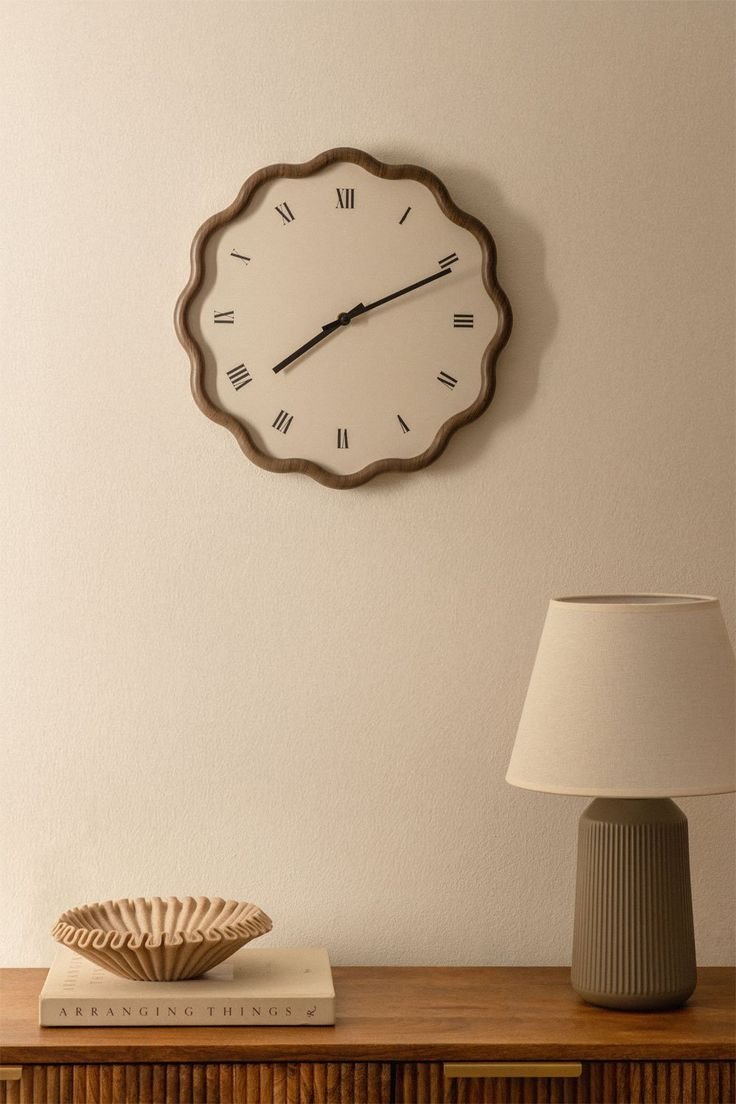
FAQs

-

Demystifying Vintage Martini Glasses

What makes a martini glass 'vintage'?

Generally, martini glasses produced before the 1980s are considered vintage. Key characteristics of these older pieces include intricate etchings, hand-blown craftsmanship, and the use of materials like lead crystal. The term "vintage" also implies a certain level of rarity and historical significance, setting these glasses apart from their modern, mass-produced counterparts.
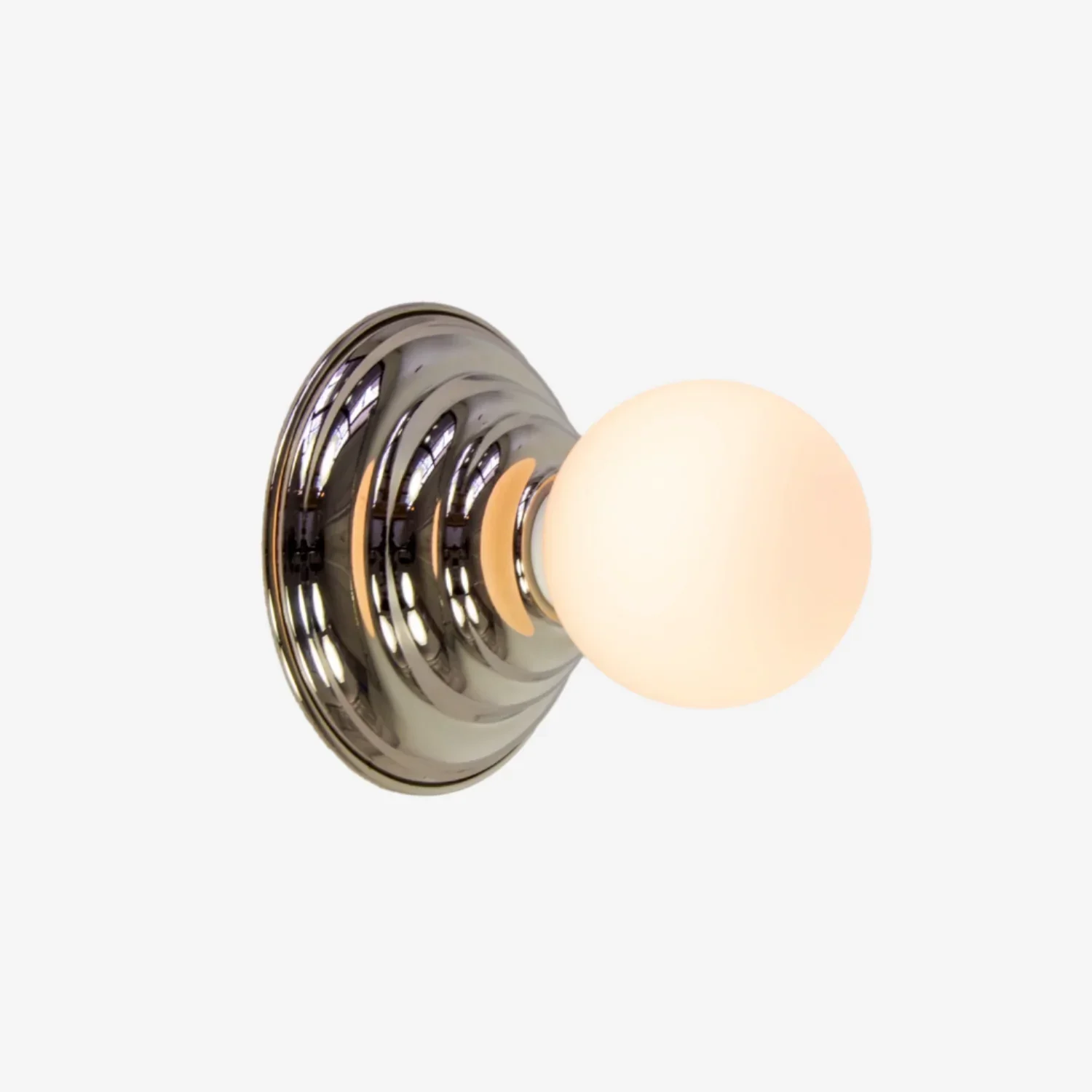
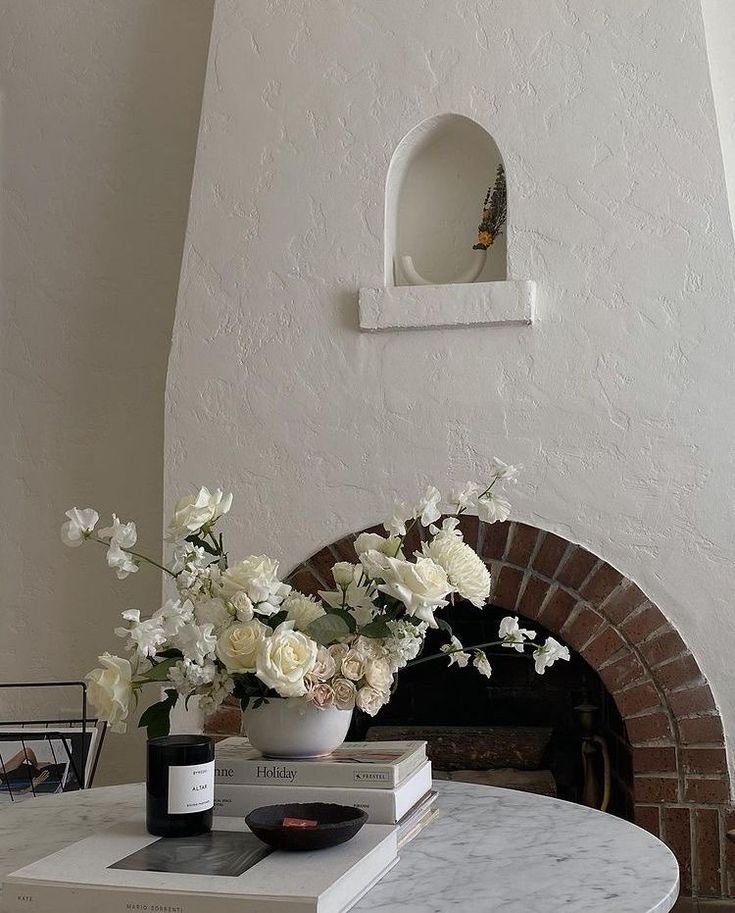

Can using vintage martini glasses affect a cocktail's taste?

Yes, vintage martini glasses can significantly affect a cocktail's taste. Their unique shapes direct aromatic compounds to the nose, heightening aroma perception. Additionally, the lead crystal construction enhances and amplifies specific flavor notes, creating a superior tasting experience compared to regular glassware.

Are vintage martini glasses safe to use regularly?

Vintage lead crystal glasses are generally safe for infrequent use, but regular use is not recommended due to potential lead-leaching risks. For everyday cocktails, it's best to use lead-free or modern glass types. When using vintage pieces, promptly hand-wash and avoid hot liquids to minimize lead exposure.

Takeaways

Whether you're a seasoned cocktail aficionado or simply appreciate the finer things in life, investing in a set of vintage martini glasses is sure to add a touch of sophistication and refinement to your at-home cocktail experiences.

Not only do these exquisite pieces serve as stunning décor elements, but they also offer a multi-sensory journey that can profoundly enhance the flavors and aromas of your favorite libations.

So why settle for ordinary when you can elevate your cocktail ritual to extraordinary heights? Start curating your collection of vintage martini glasses today and prepare to savor every sip like never before.

homeThe List Editor