What Minnesota Couples Should Know Before Booking A Wedding Venue
Booking a wedding venue in Minnesota often takes more strategy than couples expect. Between unpredictable weather, limited peak-season availability, and contracts packed with details that are easy to overlook, the venue decision can either set your planning process up for success or create avoidable stress. In this article, we will explore what truly matters when choosing and booking a Minnesota wedding venue, including timelines, seasonal risks, venue types, realistic budgeting, and contract fine print so you can make a confident decision.

Rather than focusing only on aesthetics, this guide emphasizes practical considerations that affect guest experience, vendor coordination, and total cost. If you treat your venue as the foundation of the entire wedding plan, you will make faster decisions, avoid unpleasant surprises, and enjoy the months leading up to the day itself.
No. 1
Set a Realistic Timeline for Booking Your Minnesota Venue
Most in-demand venues across the Twin Cities and greater Minnesota book 12 to 18 months ahead, particularly for weddings scheduled between June and September. If you begin touring in late winter or spring for a summer wedding the same year, you may find limited choices, higher prices, or dates that do not align with your preferences.
A strong booking timeline is not just about securing a date. It also impacts when you can hire priority vendors, send save-the-dates, plan guest travel, and lock in key logistics like ceremony timing and room blocks.
Recommended Booking Windows
Use these timeframes as a planning baseline, especially if you have a specific venue style in mind.
18 months out: premium Saturdays in June, July, August, and September
12 to 15 months out: most popular venues, including waterfront and estate properties
9 to 12 months out: Fridays, Sundays, and smaller venues with fewer restrictions
6 to 9 months out: weekday weddings, winter weddings, and venues with flexible calendars
How Off-Season and Weekday Dates Change Everything
Couples willing to consider a Friday in November or a Tuesday in January often gain major advantages.
More venue availability and more negotiating power
Lower rental rates and more package incentives
Better vendor availability, sometimes with discounted pricing
Less competition for hotel blocks and transportation
Guests may need to adjust schedules, but many couples find that the savings and reduced stress outweigh the inconvenience.
Work Backward From the Wedding Date
Once you have a target date, build a buffer so you are not racing the clock.
Schedule tours early enough to compare at least 3 to 5 venues
Leave time for follow-up questions, contract review, and a second walkthrough
Plan for permit approvals if you are using public spaces for photos or ceremonies
Allow extra weeks for vendor coordination and layout planning
Working backward also helps with personal preparation. Our source from a place specializing in PRP microneedling near Minnetonka points out that skin often needs several weeks to heal and show visible improvement after treatment, which is why scheduling beauty and skincare appointments early can make a noticeable difference before major events.
No. 2
Understand Minnesota’s Seasonal Weather Risks
Minnesota weather is not merely a background detail; it is a planning variable that can affect ceremony flow, guest comfort, photography, and transportation. Even couples who choose a primarily indoor venue should evaluate how weather could influence arrivals, outdoor portraits, cocktail hour, and transitions between spaces.
A Minneapolis wedding venue that understands Minnesota conditions typically has clear contingency plans and the infrastructure to execute them smoothly. When you tour, pay close attention to how confidently the venue explains backup options.
Summer Heat and Humidity
July and August can be hotter and more humid than couples anticipate, especially for outdoor ceremonies.
Look for shaded ceremony sites, tenting options, or quick access to indoor space
Confirm whether the venue can provide fans, water stations, or climate-controlled staging
Ask how they handle indoor-outdoor flow so guests are not standing in heat unnecessarily
Spring and Fall Temperature Swings
Late spring and early fall can deliver warm afternoons followed by surprisingly chilly evenings.
Check for outdoor heaters, blankets, or a covered patio option
Consider timing: earlier ceremonies reduce the chance of a cold reception start
Ask whether doors can remain closed during dinner to stabilize indoor temperature
Winter Logistics That Venues Must Actually Support
A winter wedding can be stunning, but only if the venue is equipped for snow and cold.
Confirm reliable snow removal and de-icing procedures
Ask about covered entryways and loading access for vendors
Check whether parking is well lit and safe after dark
Ask how the venue handles delayed arrivals due to weather
Make Sure the Backup Plan Is Real
A backup plan should not feel like a downgrade you hope you never need.
Ask how quickly they can flip an outdoor ceremony indoors
Confirm whether the indoor option is included or costs extra
Review the indoor space: sightlines, seating, acoustics, and aisle layout
Clarify the decision deadline for making the weather call
No. 3
Compare Indoor, Outdoor, and Hybrid Venue Types
Minnesota offers nearly every venue style: barns, ballrooms, lakeside properties, mansions, modern event spaces, and hybrid venues designed for weather flexibility. The right choice depends on your priorities, guest count, and how much hands-on planning you want to manage.
The key is matching venue type to your planning style. Some venues provide full-service support, while others provide a beautiful space and expect you to bring everything in.
Barn and Farm Venues
Rustic venues across greater Minnesota remain popular for their charm, space, and natural photo backdrops.
Pros: open layouts, scenic surroundings, relaxed atmosphere
Watch-outs: confirm heating and cooling, restroom capacity, and accessibility
Common add-ons: chair rentals, lighting upgrades, dance floor installation
Historic Mansions and Estates
Twin Cities estates and mansions can deliver a refined, timeless look.
Pros: architectural character, formal gardens, built-in elegance
Watch-outs: strict décor rules, candle restrictions, limited capacity, noise ordinances
Best for: couples who want elevated ambiance with less need for heavy styling
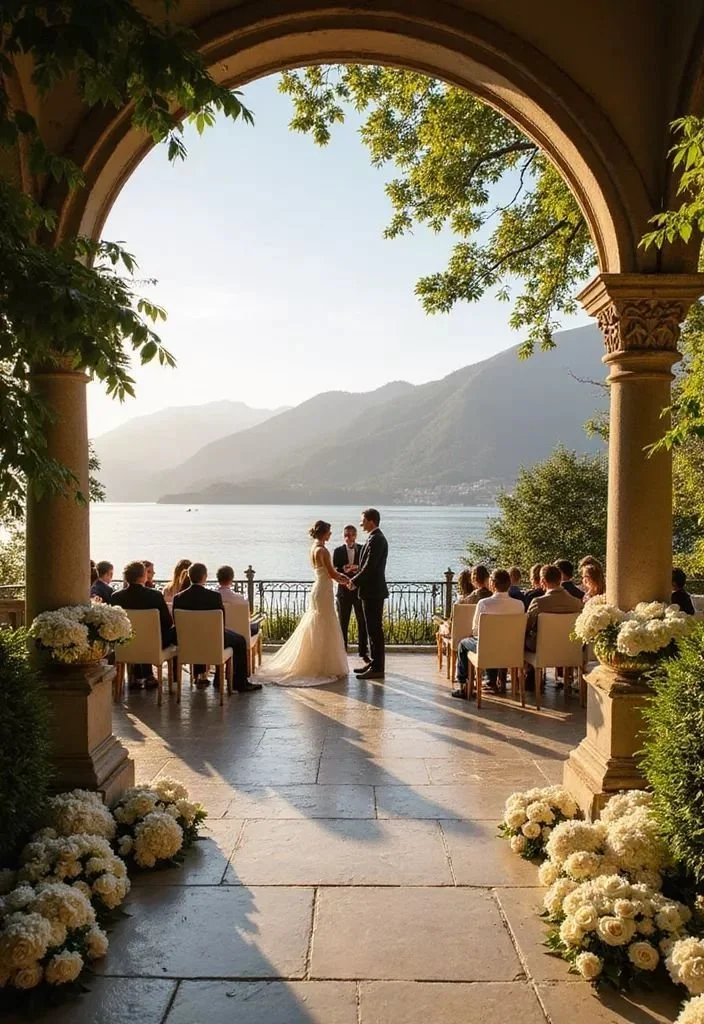
Lakeside and Waterfront Venues
Properties near Minnetonka and other lakes are often booked early because they photograph beautifully.
Pros: sunset views, dock access for portraits, strong guest experience
Watch-outs: peak-season competition, unpredictable wind, insect management
Best strategy: inquire early and ask about indoor rain options that still feel special
Hotel Ballrooms and Downtown Event Spaces
These are strong choices for couples who want an all-in-one plan.
Pros: weather-proof, bundled catering, on-site accommodations, experienced staff
Watch-outs: packages can be expensive, and upgrades add up quickly
Ideal for: large guest lists, formal weddings, and out-of-town guests
No. 4
Budget Beyond the Venue Rental Fee
Many couples compare venues by the rental fee alone, then later discover service charges, required vendors, and add-ons that change the total dramatically. A realistic venue budget considers the complete cost of using the space, not just reserving it.
When comparing venues, ask for a full estimate based on your guest count and the hours you plan to use the venue. If a venue cannot provide transparent numbers, treat that as a risk signal.
Common Hidden and Add-On Fees
These costs are common and can materially affect your total.
Cleaning or teardown fees
Overtime fees if the reception runs late
Security deposits and damage policies
Staffing fees for setup, bar service, or on-site coordination
Service charges and administrative fees
Catering Rules That Affect Total Cost
Food and beverage requirements can change your budget more than the rental itself.
Catering minimums per guest or per event
Required in-house catering or approved vendor lists
Fees for outside caterers, often called a kitchen or vendor access fee
Restrictions on late-night snacks, outside desserts, or cultural catering
Alcohol Policies You Need to Clarify Early
Bar rules vary widely and can cause big surprises if you discover them late.
Whether alcohol must be purchased through the venue
Whether you need licensed bartenders (and whether the venue provides them)
Whether liquor liability insurance is required and who purchases it
Whether there are limits on bar hours or specific brands
The True Cost of a Blank-Slate Venue
Lower base prices can be misleading if you need to rent major essentials.
Tables, chairs, linens, and dinnerware
Lighting, generators, heaters, or cooling
Staging, sound systems, and dance floors
Tent rentals and sidewalls for weather protection
A “bring everything in” venue can still be worth it, but only if you price it honestly from the start.
No. 5
Read the Fine Print in Venue Contracts
The contract is not just paperwork; it defines your financial risk, your flexibility, and your responsibilities. Before signing, read every section and ask questions about anything that feels vague. If possible, have a trusted advisor review it, especially if the cancellation language is strict or unclear.
A high-quality venue will welcome these questions and answer them directly. A venue that dismisses them or rushes you to sign may not be the right partner for a smooth wedding day.
Cancellation, Rescheduling, and Refund Terms
This section matters more than couples often expect.
Deposit refundability and timelines
Rescheduling policies and whether fees apply
Force majeure clauses for severe weather or venue closure
Deadlines for final payments and penalties for delays
Vendor Restrictions and Exclusivity Clauses
Some venues limit your vendor choices, which can impact both style and budget.
Required vendor lists for catering, bar service, or planners
Fees for bringing in outside vendors
Restrictions on entertainment, sound levels, or end times
Load-in and load-out requirements that affect vendors’ pricing
Guest Count Rules and Minimums
Capacity is non-negotiable when tied to fire code.
Maximum guest counts by room and layout
Minimum guest count requirements for certain dates
Seating and dance floor trade-offs that reduce usable capacity
Policies for children, standing cocktail formats, or partial seating
Insurance and Liability Requirements
Many venues now require event liability insurance, and it is typically affordable.
Confirm coverage limits and whether liquor liability is required
Ask whether vendors must carry separate insurance
Clarify responsibility for damage to property or rented items
Verify whether the venue needs to be listed as an additional insured
No. 6
Ask the Right Questions During Venue Tours
Venue tours can feel emotional because it is easy to picture the day. A short, structured list of questions helps you stay grounded and compare venues objectively afterward.
Practical Questions That Reveal Real Value
Use questions like these to uncover what you are actually buying.
What is included in the rental fee, item by item?
How many hours are included for setup and teardown?
Who will be on-site on the wedding day, and what is their role?
What are the noise rules and end times?
How do you handle weather changes, and what does the backup plan look like?
Logistics Questions That Protect Guest Experience
Guest comfort and flow often define how the wedding feels.
How does parking work, and is it accessible for older guests?
Are there getting-ready spaces, and when can you access them?
Are there enough restrooms for your guest count?
What is the accessibility situation for mobility devices?
Are there nearby hotels, and do they offer room blocks?
Takeaways
Choosing a wedding venue in Minnesota requires more than selecting a beautiful space, because weather, logistics, and policies shape how smoothly the day unfolds. The best outcomes come from starting early, comparing venues consistently, and planning with seasonal realities in mind.
A smart approach includes understanding total costs beyond the rental fee, especially catering rules, alcohol policies, and rental needs for blank-slate venues. Reading contracts carefully and asking direct questions protects your budget and reduces last-minute stress.
When you match the venue type to your guest list, planning style, and timeline, the entire wedding plan becomes easier to manage. With clear expectations and a realistic backup plan, you can focus less on troubleshooting and more on enjoying the celebration.
Looking for resources?
At Hello Lovely Living, we aim to empower you to earn and save money and time while benefiting from our expansive network of home, life, wellness, travel, work-from-home, career, and business resources and opportunities. Discover a wealth of tools to support your journey.