Discover How to Identify Your Favorite Perfume Notes
Having a deep understanding of the specific kinds of fragrance notes that you love can significantly assist you in choosing the best perfume for yourself. This means that instead of basing your ultimate choice on a beautiful bottle design or current popularity, you can make informed decisions. You will be able to base your selections on the underlying aromatic elements that consistently bring you joy.

Notes of delicate flowers, ripe fruits, rich woods, crisp freshness, indulgent sweetness, and soft powder can all create a completely new impression on your senses. When you learn to isolate these individual aromas, navigating the vast world of perfumery becomes an exciting adventure rather than a daunting task. In this article, we will explore the most effective methods for recognizing the perfume notes you already enjoy.
By taking the time to educate your palate, you will save both time and money on future fragrance purchases. You will no longer have to rely on guesswork or the biased recommendations of department store sales associates. Instead, you will possess the specialized knowledge required to curate a highly personal and deeply satisfying fragrance wardrobe.
No. 1
Pay Attention to Familiar Scents
One of the most effective ways of determining the type of fragrance notes you prefer is to think critically about the perfumes you have used before. You need to look closely at the specific ingredient lists of the fragrances which you used in the past or are using currently. Analyzing your historical preferences provides a wonderful baseline for understanding your unique olfactory profile.
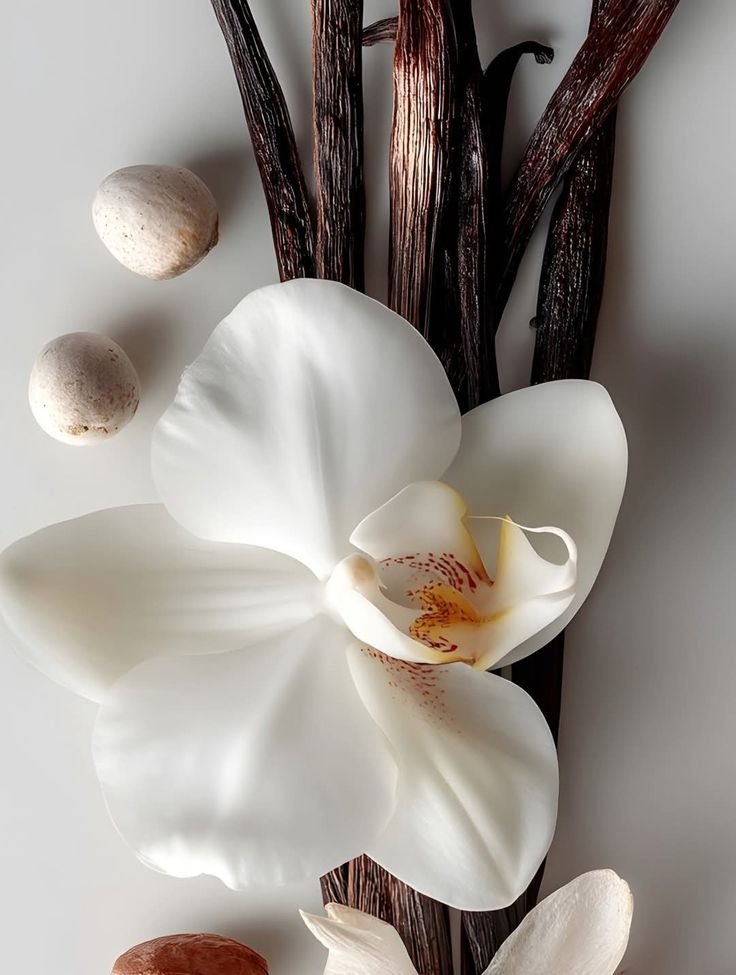
In case you find out that most of the fragrances you gravitate toward contain vanilla, then you clearly have an affinity for warm and comforting notes. This analytical approach also applies to identifying a love for rose, jasmine, bright citrus, earthy musk, and creamy sandalwood. These are some of the foundational notes which determine your overarching scent preference.
Your favorite smells apart from traditional perfume can also be incredibly useful in determining the perfume notes that you prefer. For example, you may deeply love the smell of blooming garden flowers, fresh market fruits, culinary herbs, baking spices, and chopped wood. However, you may not immediately realize that these exact same aromatic profiles exist in your favorite high-end perfumes.
It is very important to look at the scents of the daily household and personal care items you use regularly. The aromatic profiles of your preferred soaps, body lotions, and home candles offer massive clues about your subconscious preferences. Paying attention to these everyday items will seamlessly guide you toward fine fragrances that replicate those beloved aromas.
Everyday Sources of Scent Inspiration
Aromatic bath and body products that you purchase repeatedly without hesitation.
Scented candles and essential oil diffusers used to create a relaxing home environment.
Fresh ingredients in your kitchen such as citrus rinds, vanilla extract, and crushed spices.
Natural outdoor environments like pine forests, ocean breezes, and blooming spring gardens.
No. 2
Learn the Main Fragrance Families
Knowing the fundamental categories of fragrance families is incredibly helpful in understanding the complex descriptions of modern perfumes. The fragrance wheel is a standard industry tool that categorizes scents based on their dominant characteristics and shared olfactory traits. Familiarizing yourself with this system allows you to decode marketing jargon and visualize how a perfume might actually smell.
There are classic floral perfumes that may consist of romantic notes of Turkish rose, Egyptian jasmine, and heady tuberose. Alternatively, vibrant fruity perfumes may be expertly blended with juicy peach, crisp pear, green apple, or tart berry notes. Understanding these distinctions helps you narrow down your search when browsing through hundreds of different bottles at a boutique.
Woody perfumes typically feature grounding cedar, rich sandalwood, or smoky vetiver notes that provide a sense of sophisticated depth. Fresh perfumes, on the other hand, consist of zesty citrus, marine aquatic, or crisp green notes that evoke a feeling of clean vitality. There are also decadent gourmand perfumes with notes of vanilla, caramel, chocolate, and coffee for giving a much sweeter, dessert-like scent.
It is completely unnecessary to learn all the obscure chemical ingredients used in perfumes in order to make use of this helpful information. It is entirely sufficient to notice general trends and overarching themes in your choice of perfumes. People preferring sweet aromas may try to choose gourmand perfumes, whereas people enjoying clean scents may try to select fresh or citrus compositions.
The Core Fragrance Categories
Floral scents featuring bouquets of white florals, powdery violets, and romantic red roses.
Fresh fragrances highlighting sparkling lemon, bergamot, oceanic accords, and crushed green leaves.
Woody compositions utilizing dry cedar, creamy sandalwood, earthy patchouli, and resinous amber.
Gourmand blends showcasing edible notes like spun sugar, dark cocoa, honey, and toasted almonds.
No. 3
Test Individual Notes in Person
Trying new perfumes in person helps you to truly comprehend the specific notes that a composition contains. When trying a new perfume, one should read the official description of the fragrance before the olfactory test. Paying attention to particular notes that seem interesting beforehand gives your brain a helpful roadmap for the sensory experience.
Having applied the perfume to a paper blotter or your skin, one should try to find out if they are able to distinguish the mentioned notes. It can be quite difficult to find them initially, as the overall smell of the perfume will differ from the smell of an isolated individual note. There are often dozens of synthetic and natural materials included into a single formula, but regular testing helps to improve these analytical skills.
It is also incredibly important to give a certain amount of time to the perfume to open itself up completely. The fragrance can differ drastically right after the initial application compared to a few hours later. This happens because volatile top notes evaporate quickly, while heavier heart and base notes appear at different times during the dry down process.
Testing the perfume again after several hours will help to receive a much clearer and more accurate picture of its true character. Such a patient approach is especially important for trying complex perfumes from the Lattafa brand, where one can often find evolving sweet, woody, floral, and spicy notes. Never rush a perfume purchase based solely on the first five minutes of wear.
Best Practices for Testing Perfumes
Spraying the fragrance on a paper tester strip first to evaluate the initial opening notes.
Applying the scent directly to your pulse points to see how it reacts with your unique body chemistry.
Waiting at least twenty minutes before making any judgments about the core heart notes.
Smelling coffee beans or stepping outside for fresh air to reset your nose between different samples.
No. 4
Keep Track of Your Scent Preferences
Maintaining a basic written list of fragrances that you love and hate is likely to help you better understand your evolving preferences. You should just make a quick note of the name of the fragrance and some of its basic notes after having smelled it. Keeping a dedicated fragrance journal or using a digital note-taking app is a fantastic way to organize this valuable sensory data.
By doing this consistently, you will see later that certain specific ingredients keep coming back among your most loved perfumes. You might realize that every single fragrance you rate highly contains a base of white musk or a heart of orange blossom. Recognizing these undeniable patterns takes the guesswork out of future shopping trips and blind buying online.
In addition, you will inevitably notice that there are certain notes that you have thought of loving but that are simply not as good when used together with some other ingredients. For instance, you might love lavender in a fresh context but strongly dislike it when paired with heavy oriental spices. Documenting these nuanced aversions is just as important as recording your absolute favorites.
This kind of detailed note-taking is very helpful when purchasing a new perfume for your growing collection. Instead of trusting everything that glossy advertisements say about the product or relying on someone else's recommendation, you can purchase perfumes that include ingredients you already love. You become an educated consumer who understands the exact architecture of their own personal taste.
Methods for Tracking Your Fragrance Journey
Creating a dedicated spreadsheet to log perfume names, dominant notes, and personal ratings.
Using popular online fragrance encyclopedias to build virtual shelves of your favorite scents.
Writing brief sensory reviews in a physical notebook immediately after testing a new sample.
Categorizing your tested perfumes by season and occasion to build a versatile fragrance wardrobe.
No. 5
Apply Your Knowledge to Future Purchases
Identification of perfume notes which one likes is an incredibly effective method through which one could personalize their fragrance journey. Being consistent with your fragrance purchases ensures that you build a cohesive collection that truly represents your personality. You will no longer waste money on trendy releases that ultimately gather dust on your vanity.
Through such engaging activities as going through perfumes that one enjoys, you actively train your brain to recognize quality and structure. Identifying familiar notes in daily products bridges the gap between functional fragrance and fine perfumery. Learning about the different fragrance groups provides the necessary vocabulary to articulate exactly what you are looking for.
Trying out the perfumes methodically and documenting them allows you to come up with reliable, undeniable patterns. This systematic approach helps in identifying brand new fragrances that have notes one already enjoys. It transforms the overwhelming fragrance counter into a curated playground of aromatic possibilities.
Of course, this does not mean that you will automatically like all of the fragrances including those specific ingredients. The overall percentage, the quality of the raw materials, and the artistic composition of them matter immensely. However, knowing your preferred notes gives you the highest possible chance of discovering your next signature scent.
Tips for Smart Fragrance Shopping
Purchasing small discovery sets or decants before committing to a full-sized bottle of perfume.
Researching the master perfumer behind your favorite scents to explore their other creations.
Asking sales associates for recommendations based specifically on your documented favorite notes.
Avoiding impulse purchases by always wearing a new fragrance for a full day before buying.
Takeaways
Understanding your favorite perfume notes is a rewarding process that requires patience, observation, and a willingness to explore different fragrance families. By paying close attention to the scents you already enjoy in your daily life, you can easily identify your core olfactory preferences.
Testing fragrances properly on your skin and allowing them time to fully develop will give you a much more accurate representation of their true character. Keeping a detailed journal of your scent experiences helps you recognize patterns and avoid purchasing perfumes that do not align with your tastes.
Ultimately, educating yourself about fragrance notes empowers you to make confident, highly personalized choices when shopping for new perfumes. You will be able to curate a beautiful collection of scents that perfectly complement your unique personality and lifestyle.
Looking for resources?
At Hello Lovely Living, we aim to empower you to earn and save money and time while benefiting from our expansive network of home, life, wellness, travel, work-from-home, career, and business resources and opportunities. Discover a wealth of tools to support your journey.