Magnetic Wristband Benefits: What Does The Evidence Show?
Magnetic wristbands are often sold with broad promises of improved "wellbeing," better circulation, or relief from aches and stiffness. The marketing can sound convincing, especially when it uses scientific language or includes enthusiastic customer reviews. Still, one basic question often goes unanswered: what exactly is supposed to improve?
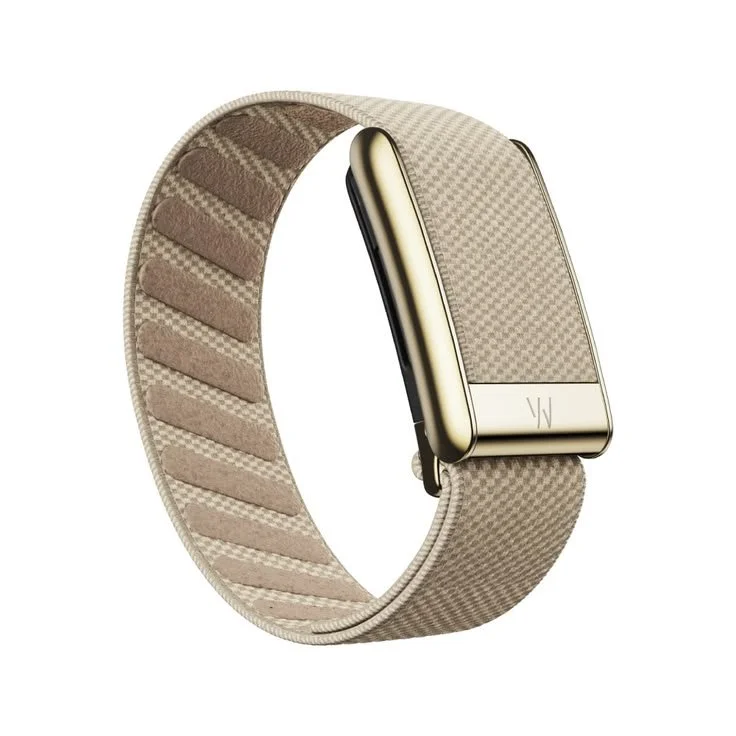
Less joint pain, easier movement, and better circulation are separate claims. Each one needs evidence about a different outcome, and a product that claims to help with all three needs research on all three. For pain relief in particular, the National Center for Complementary and Integrative Health reports no conclusive evidence that static magnets work.
In this article, we will explore how to separate a product's specifications from its health claims, what wristband research actually shows, and how to interpret personal experiences fairly. We'll also cover important safety checks and how to have a productive conversation with a healthcare professional about magnetic wristbands.
No. 1
Separate the Claim From the Specification
Product descriptions often mix practical features with health promises. Knowing which is which is the first step in judging whether a wristband can deliver what it advertises.
Construction Details vs. Health Outcomes
An adjustable fastening and a washable strap are useful details in descriptions of Magnetic Therapy wrist Bands. They tell you how the product is built and how comfortable it may be to wear every day. They don't, however, say anything about whether it improves your health.
A claim about reduced stiffness calls for a different kind of information. It needs research that measures stiffness directly, not research showing how much participants liked wearing the band.
Common product details that describe construction rather than results include:
Strap material and adjustability
Water resistance or washability
Number and placement of magnets
Weight, size, and appearance
Magnet strength measured in gauss
Understanding Gauss Ratings
Magnet specifications describe the product, not its clinical effects. Gauss is a unit of magnetic flux density, which means it measures the strength of a magnetic field.
A higher gauss rating doesn't automatically mean greater pain relief. To make that link, a manufacturer would need research connecting the specification to a meaningful health outcome. Without that evidence, a strong magnet is simply a strong magnet.
Look for a Clearly Defined Promise
"Easier movement" gives researchers something more specific to assess than a vague suggestion that magnets help the body function better. The more precise the claim, the easier it is to test and verify.
Before looking at the evidence, identify exactly what the product promises. Helpful questions include:
Which symptom or condition is the wristband supposed to help?
How much improvement is claimed, and over what period?
Is the claim about pain, function, inflammation, circulation, or general well-being?
Does the seller point to specific research for that specific outcome?
No. 2
What Does Wristband Research Show?
Research on magnetic wristbands is limited, but some studies have looked at specific conditions and outcomes. Understanding what these studies measured helps you judge how relevant their findings are to a particular product claim.
Findings on Osteoarthritis
A 2009 paper examining magnetic and copper bracelets reported that they were generally ineffective for managing pain, stiffness, and physical function in osteoarthritis. That conclusion applies to those outcomes in that condition.
Interpreting the study within its scope matters. It doesn't automatically answer questions about other conditions, but it also offers no support for broad claims that wristbands relieve joint pain.
Four Details to Check in Any Study
When reading a research summary, look for four key details. Together, they show how closely a study matches the claim you're investigating:
Who participated: their age, health condition, and symptom severity
What they wore: the type of device, magnet strength, and how long they wore it
What it was compared with: an inactive sham, no device, or another treatment
What researchers measured: pain scores, stiffness, physical function, blood flow, or another outcome
Whenever possible, follow the original research reference instead of relying only on a retailer's summary. Summaries written for marketing may leave out limitations, small sample sizes, or negative results.
Be Careful With Different Magnetic Treatments
Not all magnetic therapies are the same. Research on a different magnetic intervention, such as a device that produces a changing electromagnetic field, needs particular care before it's applied to a wrist-worn static magnet.
A finding about one type of treatment can't simply be transferred to another. Differences in field type, strength, placement, and duration may all affect the results.
Why Sham Comparisons Matter
A similar-looking sham wristband, intended as an inactive comparison, helps researchers find out whether changes go beyond those linked to expectations, attention, or simply wearing an accessory. Without that comparison, it's hard to know whether the magnet itself made a difference.
Blinding also affects how results should be read. If participants could tell which version they received, their expectations might have influenced how they reported their symptoms.
Matching the Evidence to the Outcome
Pain relief, reduced inflammation, and improved circulation are separate outcomes, and each needs its own evidence. A circulation claim, for example, needs research that actually measures blood flow.
Explanations involving iron in the blood or the movement of charged particles are proposed mechanisms, not proof. Testing still has to show whether the advertised effect actually happens in people wearing the device.
No. 3
Putting Personal Experiences in Context
Customer testimonials are a major part of how magnetic wristbands are marketed. They can be sincere and meaningful, but they can't show on their own what caused an improvement.
Why Improvement Is Hard to Explain
Someone may genuinely feel better after wearing a wristband. Working out why is harder, because many factors can change at the same time.
Common influences on how symptoms feel include:
Natural ups and downs in chronic conditions
Changes in medication or dosage
Shifts in physical activity or rest
Weather, sleep quality, and stress levels
Other treatments, such as physical therapy or heat packs
Recognizing Improvement Without Assuming the Cause
A testimonial describes an experience but leaves these influences tangled together. That's why personal stories, however convincing, can't replace controlled research.
Discussing a possible placebo effect should never suggest that someone's pain or reported improvement was imaginary. The real distinction is between recognizing that an improvement happened and identifying what caused it.
Keeping a Useful Symptom Record
If you already wear a wristband, a simple symptom record can make a conversation with a clinician more useful.
A thorough diary might include:
Your level of discomfort each day
Ordinary activities, such as walking, gardening, or typing
Any changes in medication or other treatments
Sleep quality and unusual stressors
Good, difficult, and unremarkable days alike
Recording the full pattern tells you more than collecting only the unusually positive days. Treat the diary as a record to discuss with your clinician, not as a test that proves whether the magnet works.
No. 4
Checks Before Wearing a Magnetic Wristband
Even when a product poses little risk for most people, safety deserves its own assessment. Some people face specific risks, and everyday wear raises practical questions as well.
Medical Devices and Magnets
The American Heart Association warns that magnets can interfere with pacemakers and implantable defibrillators. This is a serious consideration, because interference could affect how these devices work.
Anyone with a pacemaker, implantable defibrillator, or other implanted medical device should check with their device clinic before using a magnetic wristband. Your care team can explain the specific risks for your device.
Everyday Comfort and Skin Care
For general use, a few simple precautions can help prevent problems:
Follow the product's material and care instructions.
Avoid an uncomfortably tight fit that could restrict movement or press on the skin.
Remove the band if it irritates your skin or causes discomfort.
Check the materials if you have known metal or skin sensitivities.
Describing a product as "natural" offers little guidance on these individual safety questions. A natural label doesn't guarantee that a product suits your health needs or your skin.
Don't Replace Proven Treatment
Keep any prescribed treatment in place unless your clinician advises otherwise. Stopping or changing medication because of a wristband could lead to worsening symptoms.
Seek medical assessment for persistent or worsening symptoms rather than relying on an advertised benefit. Ongoing pain, swelling, or reduced movement may point to a condition that needs proper diagnosis.
No. 5
Talking to a Healthcare Professional
A conversation with a doctor, pharmacist, or physical therapist can help you weigh a wristband's claims against your personal health needs. Coming prepared makes that discussion more focused and productive.
What to Bring to Your Appointment
Useful materials to share include:
The product description or packaging
The specific health claim you want to check
Any research references the seller provides
Your symptom diary, if you've kept one
A list of your current medications and implanted devices
This gives the conversation a concrete starting point. Instead of asking whether magnets work in general, you can discuss whether a particular claim holds up for your situation.
Questions Worth Asking
Consider asking your clinician:
Is there reliable evidence for this claim in my condition?
Could wearing this band interfere with any of my treatments or devices?
Are there evidence-based options that might help my symptoms more?
Which changes in my symptoms should prompt a follow-up visit?
Takeaways
Magnetic wristbands are often marketed with broad health claims, but each promised benefit needs its own supporting evidence. Product specifications such as gauss ratings describe the device itself, not its effect on pain, stiffness, or circulation.
Current research, including a 2009 study on osteoarthritis, offers little support for wristbands as an effective treatment for pain. When reviewing any study, check who took part, what they wore, what it was compared with, and which outcomes were measured.
Personal experiences are real, but they can't separate a wristband's effect from other factors that change at the same time. Check with your device clinic if you have a pacemaker or defibrillator, and keep prescribed treatments in place unless your clinician advises otherwise.
Looking for wellness resources?
Are you looking to enhance your wellness routine? Explore our wellness partners who offer a wide range of resources to support your journey toward holistic living and well-being.


























In this article, we share a few timeless wedding gift ideas to consider that will document a momentous experience to cherish for a lifetime.