Posts in wellness
What No One Tells You About Watching A Parent Change

No one prepares you for the moment your parent begins to change—not just physically, but in essence. The person who once guided you, supported you, and seemed to always have the answers slowly becomes someone you must now guide yourself. It’s a shift so subtle at first that you barely notice it—until one day, you do. And from that moment on, everything feels different.


In this article, we’ll explore the deeply emotional and often unspoken experience of caring for an aging parent, especially when cognitive decline or conditions like Alzheimer’s begin to surface. From the quiet guilt that lingers in the background to the evolving definition of love and connection, this is a journey of transformation—for both them and you. We’ll also discuss how tools like an Alzheimer’s test kit can offer clarity, and how action, even in the smallest forms, can bring peace amidst uncertainty.

No. 1

You Must Be Prepared to Watch a Parent Really Change

No one tells you this in advance: that one day, the roles will reverse. The person who once stood as your rock begins to forget, falter, and fade in ways that are both subtle and shattering. You become the observer, the memory keeper, the one who notices what they forget. You hold the family together while trying not to fall apart yourself.

This isn’t something you find in a handbook. There are countless comforting phrases for grief, for heartbreak, for failure. But for this—this quiet unraveling of someone you love—there’s only raw humanity.

No. 2

The Guilt Nobody Talks About

Guilt in caregiving is not loud. It’s not a dramatic confession or a single moment of regret. It’s a constant, low hum in the background of your life.

You feel guilty for:

  • Losing your temper

  • Missing a call

  • Wishing, even briefly, for your old life

  • Mourning someone who is still physically present

You feel guilty for the relief you feel in the rare moments they seem lucid—because you know it won’t last. And guilt wears many masks: love, duty, responsibility. But the truth is, you can love them deeply and still need space. You can feel resentment and still be grateful. These contradictions don’t make you selfish—they make you human.

How do you explain the first time they don’t recognize your voice? Or when they call you by your sibling’s name and never realize the mistake? These moments chip away at your sense of normal until it collapses into something new and unfamiliar.

No. 3

The Drifting Conversation: When the Present Becomes the Past

There comes a point when conversations stop being about what’s next and start becoming about what once was. Their memories, their youth, their favorite songs—these become the new currency of connection.

Each conversation becomes a form of preservation, a way to hold onto fragments of who they were. And slowly, you begin to understand: there’s no more original time. There’s only now, and the echoes of what used to be.

 
 
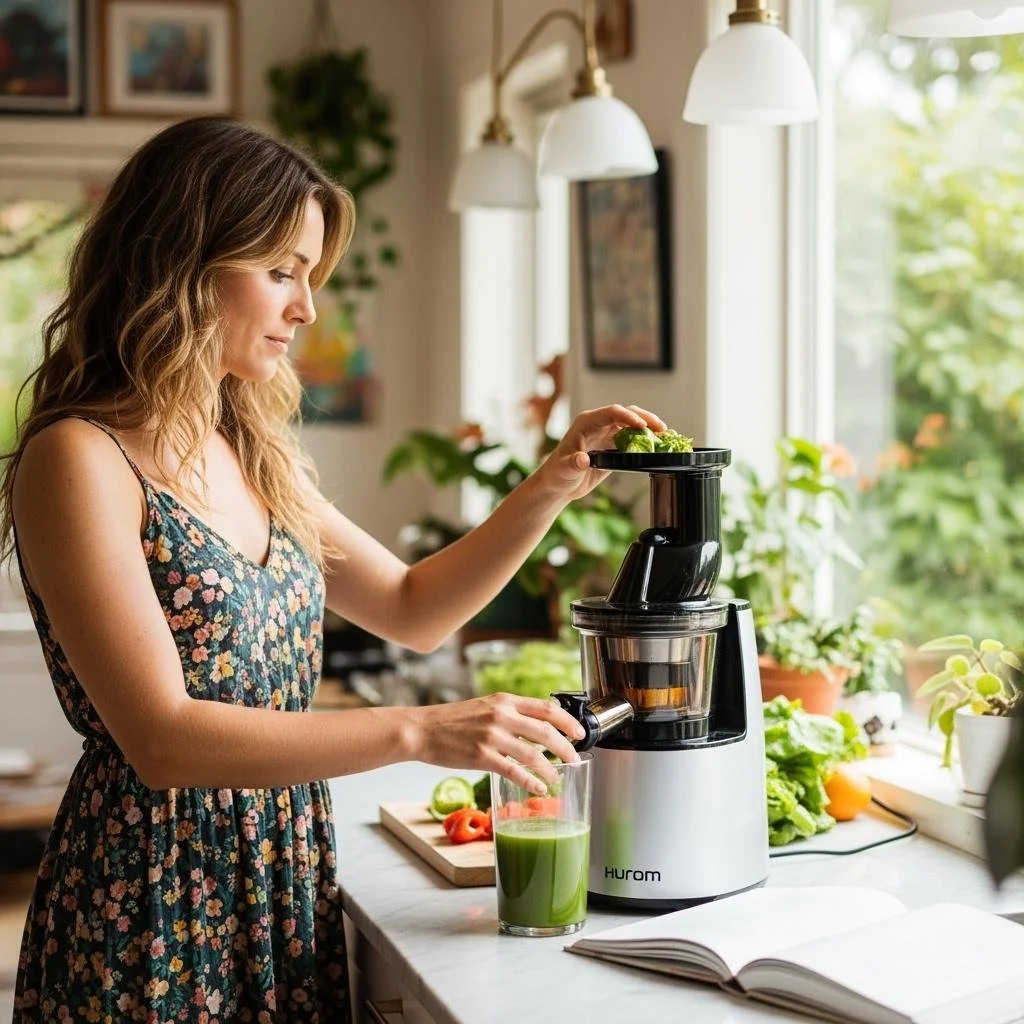
hellolovelyliving hurom

Hurom

Experience the power of slow juicing with Hurom – fresh, nutritious, and full of flavor!


No. 4

Alzheimer’s Test Kit: Turning Worry into Something You Can Do

Eventually, the uncertainty becomes too heavy to carry. You lie awake at night, wondering, worrying, replaying every small moment. And then comes the realization: you need to know.

An Alzheimer’s test kit becomes more than a tool—it becomes a lifeline. It offers clarity in the chaos, a way to move from fear to action.

Why Early Detection Matters:

  • Opens doors to treatment and support

  • Allows for emotional and logistical preparation

  • Helps you build a care plan based on facts, not fear

You may still cry when the results come in. You may still feel the sting of reality. But now, you also have direction. You’re no longer guessing—you’re acting.

No. 5

What to Do When Worry Turns Into Action

Action doesn’t erase pain, but it transforms it. Once you take that first step—whether it’s scheduling a doctor’s visit, seeking professional help, or simply talking to someone—you begin to reclaim control.

Steps Toward Empowerment:

  • Build a care team: a neurologist, a counselor, and supportive family members

  • Establish routines and track behavioral patterns

  • Focus on what’s real, not what you wish were true

Most importantly, talk. Talk to friends, to support groups, to yourself. Say the things you think you shouldn’t: that you’re scared, exhausted, that you miss who they were. Silence only deepens isolation. You deserve connection.

And in the midst of it all, you begin to notice the small joys again—the way they laugh while cooking, the way their eyes light up at old photos. These moments become anchors. Proof that love, even in its altered form, still endures.

No. 6

Learning to Find Meaning in New Ways of Connecting

As your parent changes, so must your understanding of connection. You stop chasing who they were and begin meeting them where they are.

Maybe it’s coloring together. Maybe it’s sitting in silence. You realize that presence matters more than conversation. That love isn’t about shared memories—it’s about showing up, again and again, even when they forget your name.

This is a new kind of love. One that doesn’t rely on recognition or reciprocity. It’s love that exists in:

  • A shared smile

  • A gentle touch

  • A moment of calm

You begin to understand that good days aren’t measured by memory, but by peace. And in this realization, you find something profound: love doesn’t need proof to be real.

No. 7

When You Start to Say Yes to Life Again

Eventually, you stop resisting the present and begin to live within it. Acceptance doesn’t mean giving up—it means breathing again. It means recognizing that your parent hasn’t disappeared; they’ve simply changed form.

Their essence—quirks, laughter, gestures—still surfaces. You learn to hold on without clinging. To love without controlling. To grieve and cherish at the same time.

Through This Harmony, Peace Emerges:

  • Not because it’s easy

  • But because you’ve chosen gentleness

  • Because you’ve integrated uncertainty into your life

No one tells you this, but watching a parent age doesn’t diminish your character—it reshapes it. You become softer, stronger, more alive. You become someone who loves without conditions, who stays even when the story resets.

Takeaways

As we've explored in this article, the journey of caring for a parent as they change—especially through cognitive decline—is one of the most profound transformations you’ll ever experience. It’s filled with guilt, grief, confusion, and unexpected beauty. It’s a journey that remakes not just your relationship with them, but your understanding of love, strength, and presence.

You may not have all the answers. You may not always feel strong. But in choosing to stay, to show up, to love without needing recognition—you are doing something extraordinary.

This kind of love is not fragile. It’s fierce. It’s timeless. And it’s yours.

Helpful Resources:

You are not alone. And you are doing more than enough.

Looking for Wellness resources?

Are you looking to enhance your wellness routine? Explore our wellness partners who offer a wide range of resources to support your journey toward holistic living and well-being.

Learn more


wellnessHLL x Editor


What's the Real Cost of Aging After 65?

When people imagine retirement, the vision is often idyllic—slow mornings, gardening, spontaneous travel, and a well-earned break from the hustle of working life. It’s the golden chapter where everything is supposed to slow down and feel like a long vacation. But there’s a major element that often gets left out of this rosy picture: the rising cost of healthcare.


In this article, we’ll explore the often-overlooked reality of healthcare expenses after age 65. From understanding the limitations of Medicare to preparing for unexpected medical bills, we’ll break down what you really need to know to protect your health and finances during retirement. Because while retirement can be beautiful, it’s not immune to the financial weight of medical care—and planning ahead can make all the difference.

No. 1

Healthcare Costs Hit Differently After 65

Here’s the truth that catches many retirees off guard: once you hit 65, your body starts demanding more attention. More checkups, more prescriptions, more screenings, and sometimes even long-term care. It’s not just a possibility—it’s a probability.

Think of it like maintaining an older car. The older it gets, the more tune-ups it needs. And every tune-up comes with a price tag.

Common Healthcare Costs in Retirement:

  • Primary care visits and specialist consultations

  • Prescription medications

  • Diagnostic tests and screenings

  • Mobility aids like walkers or wheelchairs

  • Dental and vision care (often not covered by Medicare)

  • Hearing aids

  • Long-term care or assisted living

  • Home healthcare services

These costs can escalate quickly, especially if you’re managing chronic conditions or require ongoing treatments. According to Fidelity Investments, the average retired couple may need over $300,000 just to cover healthcare expenses throughout retirement. That’s not including long-term care, which can cost thousands per month.

No. 2

The Medicare Misconception

Many people assume that once they turn 65, Medicare will magically cover all their medical needs. Unfortunately, that’s not how it works.

What Medicare Covers (and What It Doesn’t):

  • Part A: Hospital insurance (covers inpatient care, hospice, some home health)

  • Part B: Medical insurance (covers outpatient care, preventive services, doctor visits)

  • Part D: Prescription drug coverage (varies by plan)

But here’s what Medicare doesn’t typically cover:

  • Routine dental care

  • Vision exams and eyeglasses

  • Hearing aids

  • Long-term care (like nursing homes or assisted living)

  • Overseas medical services

This gap in coverage can lead to significant out-of-pocket expenses unless you plan ahead with supplemental insurance or a Medicare Advantage plan.

No. 3

Don’t Ignore the Money Talk

Let’s be honest—talking about money, especially health-related expenses, can feel awkward and overwhelming. But avoiding the conversation only makes things harder down the line.

Why Planning Early Matters:

  • Prevents financial surprises when medical bills arrive

  • Allows for smarter investment decisions in retirement savings

  • Reduces stress for you and your loved ones

  • Gives you control over your healthcare choices

It’s not just about saving more—it’s about saving smarter. That means factoring in healthcare costs when building your retirement plan and understanding how those costs may evolve over time.


hellolovelyliving hilu

Hilu

Ensure you and your loved ones enjoy a deeper, more restful sleep with the only blanket that actively adapts to keep your temperature perfect.


No. 4

It’s Really Up to Your Decisions

One of the biggest mistakes retirees make is assuming the first Medicare plan they choose will be enough forever. But healthcare needs change, and so do coverage options.

Steps to Take for Smarter Healthcare Planning:

  • Compare Medicare plans annually during open enrollment

  • Understand what each plan covers and what it excludes

  • Consider supplemental insurance (Medigap) to cover out-of-pocket expenses

  • Explore Health Savings Accounts (HSAs) if you’re still working and eligible

  • Review long-term care insurance options before your health declines

By taking the time to research and compare, you can find a plan that aligns with your specific health needs and financial situation—saving your future self from unnecessary stress and unexpected bills.

Takeaways

As we've explored in this article, retirement is more than just leisure and relaxation—it’s also a time when healthcare becomes a central part of life. The costs can be high, the coverage can be confusing, and the consequences of poor planning can be devastating.

But it doesn’t have to be that way.

By acknowledging the reality of healthcare after 65 and making informed decisions today, you can protect your financial future and enjoy the retirement you’ve worked so hard for. From understanding what Medicare really covers to comparing supplemental plans and preparing for long-term care, every step you take now is an investment in your future peace of mind.

So yes, retirement can absolutely include brunch at 11 a.m. on a Wednesday. But it should also include the confidence that comes from knowing your health—and your wallet—are both in good hands.

For more resources on Medicare and retirement planning, visit:

Your future self will thank you.

Looking for Wellness resources?

Are you looking to enhance your wellness routine? Explore our wellness partners who offer a wide range of resources to support your journey toward holistic living and well-being.

Learn more


wellnessHLL x Editor


Anorexia: What Causes It And How Do You Treat It?

Anorexia nervosa is a serious and often misunderstood eating disorder that affects millions of individuals across the globe. While it is frequently associated with an extreme desire to be thin, the reality is far more complex. Anorexia is a profound mental health condition rooted in deep psychological, emotional, and sometimes physical issues. It can lead to severe malnutrition, social withdrawal, and co-occurring disorders such as depression and anxiety.


In this article, we will explore the multifaceted causes of anorexia nervosa and examine the most effective treatment options available today. Whether you're seeking to understand your own struggles or support someone else, gaining insight into this condition is the first step toward healing and recovery.

No. 1

What Causes Anorexia?

There is no single cause of anorexia nervosa, making it one of the most complex mental health disorders to diagnose and treat. Instead, it typically arises from a combination of genetic, psychological, and environmental factors. What unites all cases, however, is an overwhelming fear of gaining weight, which leads individuals to engage in harmful behaviors such as extreme food restriction, excessive exercise, or purging.

Psychological and Emotional Triggers

  • Low self-esteem and feelings of inadequacy often play a central role.

  • Trauma, including emotional, physical, or sexual abuse, can be a significant contributing factor.

  • Perfectionism and obsessive tendencies may drive individuals to seek control through their eating habits.

Social and Cultural Influences

  • Bullying or negative comments about body image can act as a trigger.

  • Even a misconstrued compliment about weight loss can plant the seeds of disordered eating.

  • Societal pressure and exposure to unrealistic beauty standards—particularly through social media and advertising—can distort perceptions of body image and self-worth.

  • Fad diets and extreme health trends may start as innocent attempts at wellness but spiral into dangerous behaviors.

Biological and Genetic Factors

  • Research suggests a hereditary component, with many individuals having a family history of eating disorders.

  • Physical health conditions like IBS or difficulty swallowing can contribute to food avoidance.

  • Co-occurring mental health disorders, such as body dysmorphic disorder or phagophobia (fear of swallowing), may also play a role.

No. 2

How Can You Treat Anorexia?

The good news is that recovery from anorexia is possible, even in severe cases. Treatment must be tailored to the individual, addressing both the psychological roots and the physical consequences of the disorder.

Professional Treatment Options

Seeking help from a specialized eating disorder treatment center is often the most effective path forward. These centers offer comprehensive care plans that may include:

  • Cognitive Behavioral Therapy (CBT): This evidence-based approach helps individuals challenge and change distorted thoughts about food, weight, and self-image.

  • Family-Based Therapy (FBT): Particularly effective for adolescents, this method involves the family in the recovery process to provide structure and support.

  • Nutritional Counseling: Registered dietitians help patients develop healthy eating habits and restore a balanced relationship with food.

Step-by-Step Recovery

Recovery from anorexia is rarely linear. It often involves:

  • Gradual reintroduction of food to avoid overwhelming the individual.

  • Addressing underlying psychological trauma or co-occurring conditions.

  • Monitoring physical health to ensure safety during the recovery process.

Emergency Intervention

In extreme cases where malnutrition has led to life-threatening complications, emergency medical treatment may be required. This can include hospitalization to stabilize the patient before beginning psychological therapy.

Early Intervention

For those in the early stages of anorexia, open communication can be a powerful tool. Expressing concern to a loved one or seeking help for oneself can prevent the disorder from escalating.


hellolovelyliving hurom juicer

Hurom

Experience the power of slow juicing with Hurom – fresh, nutritious, and full of flavor!


No. 3

Understanding Anorexia

Ultimately, anorexia nervosa is a deeply personal and varied condition. No two cases are exactly alike, and treatment must be customized to the individual's unique needs and circumstances. It’s important to remember that:

  • Recovery is possible with the right support and resources.

  • Patience and persistence are key—progress may be slow, but every step counts.

  • Support from loved ones can make a significant difference in the healing process.

Whether you're navigating your own journey or helping someone else, understanding the complexity of anorexia is the first step toward meaningful recovery.

Takeaways

As we've explored in this article, anorexia nervosa is not simply about food or weight—it is a complex mental health disorder with deep-rooted causes that require compassionate, multifaceted treatment. From genetic predispositions to societal pressures, the factors contributing to anorexia are varied and often intertwined.

But there is hope. With the right combination of professional care, emotional support, and personal resilience, recovery is not only possible—it is achievable. Whether through therapy, nutritional guidance, or simply opening up to someone you trust, the path to healing begins with understanding and action.

If you or someone you know is struggling with anorexia, don’t wait. Reach out to a healthcare provider or a trusted organization like the National Eating Disorders Association (NEDA) for support. The journey may be challenging, but you are not alone—and a healthier, happier future is within reach.

Looking for Wellness resources?

Are you looking to enhance your wellness routine? Explore our wellness partners who offer a wide range of resources to support your journey toward holistic living and well-being.

Learn more


wellnessHLL x Editor


A New Kind Of Self-Care: What To Consider Before Traveling For Surgery

Undergoing surgery is a significant decision—one that should never be taken lightly or made without thorough research and preparation. Whether the procedure is medically necessary or elective, it’s essential to understand every aspect of the journey ahead. From choosing the right facility to ensuring post-operative support, being informed is the key to a safe and successful outcome.


In this article, we’ll explore the critical steps you should take before traveling for surgery. We’ll cover everything from consulting your home doctor to securing specialized insurance and planning your recovery. If you’re considering medical tourism, this guide will help you make thoughtful, empowered decisions every step of the way.

No. 1

When Self-Care Means Making a Big Change

Self-care isn’t always about small indulgences—it can also mean making bold, transformative decisions for your health and well-being. Surgery, while a major step, can be an essential part of that journey. While some procedures may be pursued for aesthetic reasons, many are deeply rooted in improving one’s quality of life.

Whether it’s to alleviate chronic pain, correct a long-standing issue, or enhance your confidence, surgery can be a powerful act of self-care. But when that surgery involves traveling to another country, preparation becomes even more essential.

No. 2

How to Prepare for Surgery in Another Country

If you’ve decided to undergo surgery abroad, there are several important steps you should take to ensure your safety, comfort, and peace of mind. Here’s what to consider before you board the plane.

Consult with Your Home Doctor

Before making any commitments, consult with your primary physician or a trusted healthcare provider. Not all procedures are suitable for surgical tourism, and your doctor can help you assess the risks and benefits based on your medical history.

They may also provide valuable insights into post-operative care, potential complications, and whether follow-up treatment will be needed once you return home.

Research the Facility

Choosing the right clinic or hospital is one of the most critical decisions you’ll make. Take the time to thoroughly research the facility’s:

  • Qualifications and certifications

  • Accreditations from international health organizations

  • Insurance policies and coverage

  • Patient testimonials and reviews

Look for transparency in their communication and a track record of successful outcomes. A reputable facility will be open about its credentials and happy to answer your questions.

Plan Your Trip and Stay

Your travel and accommodation plans should be made well in advance. Consider the following:

  • Book flights and lodging early, ideally close to the medical facility

  • Allow time for recovery before returning home

  • Avoid activities that may interfere with healing post-surgery

Having everything arranged ahead of time will reduce stress and allow you to focus on your health.

Secure Specialized Medical and Travel Insurance

Standard travel insurance often does not cover elective or planned surgeries abroad. That’s why it’s essential to obtain specialized insurance that includes:

  • Coverage for medical treatment abroad

  • Medical evacuation to your home country

  • Protection against unexpected complications

This type of insurance provides peace of mind and financial protection in case something doesn’t go as planned.

Understand the Costs and Payments Required

Transparency around pricing is crucial. Make sure you have a comprehensive understanding of:

  • Surgical fees

  • Hospital charges

  • Medication and aftercare costs

  • Any additional or hidden fees

Request a detailed breakdown of all costs in writing before committing. This will help you avoid unpleasant surprises and ensure that your budget aligns with the procedure.


hellolovelyliving tripaneer

Tripaneer

Explore Top Health & Wellness Retreats on the world’s leading marketplace to explore and book unforgettable travel experiences.


No. 3

Staying Safe, Supported, and Confident Throughout Recovery

Recovery is just as important as the surgery itself. When undergoing a procedure abroad, it’s vital to ensure you have the right support system in place—both during your stay and once you return home.

  • Bring a trusted companion if possible—they can assist during your recovery and advocate on your behalf.

  • Follow all post-operative instructions carefully, including medication schedules, wound care, and activity restrictions.

  • Schedule follow-up appointments with your home doctor to monitor your healing process.

Feeling supported and confident during recovery can significantly impact your overall experience and outcomes.

Takeaways

Traveling for surgery can be a life-changing experience—but only if approached with care, planning, and informed decision-making. From consulting your doctor and researching the right facility to securing proper insurance and planning your recovery, every step matters.

By taking the time to prepare thoroughly, you’re not only protecting your health—you’re empowering yourself to make the best possible choices for your body and well-being. Whether your goal is to improve your quality of life or embrace a new chapter of self-care, let your journey be guided by knowledge, support, and confidence.

When it comes to surgery abroad, preparation isn’t just recommended—it’s essential.

Looking for Wellness resources?

Are you looking to enhance your wellness routine? Explore our wellness partners who offer a wide range of resources to support your journey toward holistic living and well-being.

Learn more


wellness, travelHLL x Editor


Why Spa Days Are The Ultimate Form Of Graceful Aging

In a world that often idolizes youth and equates beauty with age-defying perfection, the concept of graceful aging offers a refreshing and empowering alternative. It’s not about resisting time—it’s about embracing it with softness, presence, and care. As we grow older, our relationship with ourselves deepens, and the rituals we choose to support that journey become more meaningful.


In this article, we explore how spa days are far more than a luxury—they are a powerful, holistic practice that nurtures the body, mind, and spirit. From the healing power of touch to the emotional benefits of stillness, spa experiences offer a sanctuary for self-renewal and a celebration of aging as a beautiful, natural process.

No. 1

Spa Days Offer More Than Surface-Level Indulgence

Spa days invite us into a rhythm of restoration. In these quiet, intentional spaces, the pace of life slows, the senses awaken, and we are reminded that beauty is not a race—it’s a relationship. Whether it’s a serene facial, a warm stone massage, or a moment of stillness in a tranquil room, the spa experience speaks to something deeper than aesthetics.

Even the best nail salon in San Francisco offers more than polish and precision—it offers presence, care, and the feeling of being truly seen. This is the essence of graceful aging: not found in a jar or a procedure, but in rituals that nourish the skin, soothe the nervous system, and reconnect us with our inner calm.

No. 2

The Power of Touch

One of the most profound gifts of spa therapy is the healing power of touch. As we age, physical contact often becomes less frequent, yet it remains essential to our emotional and physical well-being.

  • Massage therapy stimulates circulation, eases muscle tension, and releases stored emotional energy.

  • Reflexology supports internal balance and promotes relaxation.

  • Gentle facials offer nurturing care that goes beyond the skin.

Touch reminds us that we are not separate from the world—it grounds us in the present and affirms our worth. In the hands of a skilled therapist, we are invited to release the armor we carry and soften into ourselves. This softening is not weakness—it is wisdom. It is the body’s way of saying, “I am still here. I am still beautiful.”

No. 3

Skin as Story

Our skin tells the story of our lives. It holds the memory of laughter, sunlight, and seasons passed. Rather than chasing youth, spa treatments encourage us to honor this story.

  • Gentle exfoliation reveals fresh layers without stripping the skin.

  • Hydrating masks restore moisture and vitality.

  • Botanical oils nourish and illuminate, enhancing the skin’s natural glow.

Graceful aging means choosing products and treatments that support the skin’s rhythms, not override them. Spa professionals trained in holistic care understand this balance. They guide us toward choices that feel aligned with our body’s needs—not imposed by societal expectations.

The result is not artificial perfection—it is authentic radiance.


hellolovelyliving rejuran

Rejuran

Clinically studied and tested skin-healing and anti-aging skincare products formulated with safe, effective, and transparent ingredients


No. 4

Ritual Over Routine

In the rush of modern life, self-care often becomes another item on the to-do list. But spa days invite us into ritual—a sacred pause, a moment to receive.

From the moment we step into a spa, the environment shifts:

  • Soft lighting calms the eyes and mind.

  • Aromatic scents ground the senses.

  • Quiet spaces allow for introspection and peace.

This intentional atmosphere allows the nervous system to reset. It reminds us that care is not a luxury—it is a necessity. Graceful aging is not about doing more; it’s about doing less with more presence. Spa rituals teach us how to slow down, how to savor, and how to treat ourselves with the same tenderness we offer others.

No. 5

Emotional Wellness

Aging brings emotional shifts as well as physical ones. There may be moments of grief, transition, or quiet realizations about the passage of time. Spa days offer a gentle container for these emotions—a place to rest, to process, and to reconnect with joy.

Many spas now incorporate holistic modalities such as:

  • Aromatherapy for emotional balance

  • Sound healing to promote energetic harmony

  • Guided meditation for inner clarity

Some wellness centers even offer advanced technologies like the Energy Enhancement System (EESystem), which supports cellular regeneration and energetic alignment. When paired with traditional spa rituals, these experiences nurture both inner and outer vitality.

They remind us that beauty is not just how we look—it’s how we feel.

No. 6

Community and Connection

While spa days are often solitary, they can also be deeply communal. Sharing a spa experience with a friend, daughter, or partner can deepen bonds and create lasting memories. These shared moments of care become part of our aging journey, reminding us that we are not alone.

Many spas now offer:

  • Group treatments for shared relaxation

  • Wellness workshops that foster learning and growth

  • Seasonal gatherings that build community

These spaces become more than places of beauty—they become places of belonging. Graceful aging is not a solo endeavor. It is enriched by laughter, shared stories, and the support of others walking the same path.

No. 7

Choosing the Right Spa Experience

Not all spas are created equal. When seeking a space that supports graceful aging, look for environments that prioritize:

  • Holistic care over quick fixes

  • Natural, non-toxic products

  • Therapists with specialized training

  • A philosophy that honors aging as a deepening, not a diminishing

Whether it’s a quiet retreat nestled in the hills or an urban oasis with a calming interior, the right spa will feel like an extension of your own rhythm. It will welcome you as you are and support you in becoming more of yourself.

Takeaways

Graceful aging is not a destination—it’s a way of being. It’s found in the choices we make, the rituals we honor, and the care we allow ourselves to receive. Spa days are one of the most beautiful expressions of this journey. They offer a mirror not to youth, but to vitality, presence, and self-love.

In the stillness of a treatment room, we remember that beauty is not about turning back time—it’s about being fully present in it.

So let the warm towel rest on your shoulders. Let the scent of lavender fill your lungs. Let the quiet remind you that you are worthy of care, of softness, of celebration.

This is graceful aging. And it begins with a single moment of pause.

Looking for Wellness resources?

Are you looking to enhance your wellness routine? Explore our wellness partners who offer a wide range of resources to support your journey toward holistic living and well-being.

Learn more


wellnessHLL x Editor


You Don’t Have To Do It Alone: The Real Strength In Seeking Support

In a world that often glorifies independence and self-reliance, there’s a persistent myth that strength means doing everything on your own. That to be “strong” is to power through pain, to white-knuckle your way through life’s hardest moments, and to never ask for help. But this idea is not only misleading—it’s harmful.


True strength isn’t about isolation. It’s not about pretending you’re fine when you’re unraveling inside. It’s about recognizing when you need support and having the courage to seek it. Whether you’re facing emotional pain, burnout, grief, anxiety, trauma, or simply navigating one of those chaotic seasons when everything seems to fall apart at once, you don’t have to go it alone.

In this article, we’ll dismantle the myth that true strength means enduring life’s challenges alone. This is your reminder that needing help isn’t weakness—it’s human. And leaning on others may be the bravest thing you ever do.

No. 1

Tough Times Aren’t a Personal Failure

Life gets messy. Sometimes heartbreakingly so. Relationships evolve, health fluctuates, careers collapse, and identities shift. Kids grow. Parents age. Finances tighten. And through it all, we’re expected to stay afloat.

But here’s the truth: struggling doesn’t mean you’re failing. It means you’re alive.

The strongest people you know? They didn’t get through life’s storms by toughing it out solo. They built support systems. They asked for help. They let others in. Even superheroes have backup—Superman has the Justice League. So why should you be any different?

Strength isn’t about suffering in silence. It’s about knowing when to reach out and say, “I need a hand.”

No. 2

Talking It Out Isn’t Complaining—It’s Coping

Our culture loves the “silent warrior” trope—the stoic figure who suffers quietly and emerges stronger. But in reality, silence rarely heals. It isolates. It festers.

Talking to someone—whether it’s a trusted friend, a family member, a support group, or a licensed professional—helps your brain process stress. It turns emotional chaos into something you can understand and eventually manage.

And if what you’re facing feels too big for casual conversation? That’s okay. That’s where professionals come in. Places like the Delray Center for Healing exist for a reason. They offer compassionate, expert mental health support designed not just to help you survive, but to help you heal, grow, and thrive.

Think of therapy like hiring a personal trainer—only for your emotional well-being. No one judges someone for getting help at the gym. Why should mental health be any different?

No. 3

Community Is Medicine

A single leaf doesn’t make a tree. And a single person isn’t meant to carry the weight of the world alone.s are wired for connection. Our brains literally function better when we feel supported. Community isn’t just a luxury—it’s a necessity.

Support can look like:

  • A friend who checks in without being asked

  • A sibling who listens (even if they tease you afterward)

  • A group chat that makes you laugh when you need it most

  • A mental health program or therapist who helps you untangle the knots in your mind

  • A stranger who says, “Me too,” and suddenly, you feel less alone

Lean into the people who make you feel lighter, more grounded, more like yourself. They don’t need to fix everything. They just need to be there—with you, in the storm.

Connection doesn’t erase pain, but it makes it bearable. And eventually, it makes it transformable.


hellolovelyliving our ritual

Our Ritual

Strengthen your connection with expert-guided relationship therapy at Our Ritual – because every bond deserves care.


No. 4

Your Future Self Will Thank You

Asking for help doesn’t stop life’s storms. It builds your shelter.

And one day—maybe not today, but soon—you’ll find yourself on steadier ground. The skies will clear. The weight will lift. And you’ll look back and be grateful that you didn’t try to carry it all alone.

So here’s your gentle, heartfelt reminder:

You don’t have to prove your worth by suffering in silence. You don’t have to earn rest, or support, or kindness. You’re allowed to need help. You’re allowed to ask for it. And you’re allowed to receive it.

Let people show up for you. Let them sit with you in the hard moments. Let them remind you that you are not alone, and never have to be.

Takeaways

Strength isn’t about how much you can endure on your own. It’s about knowing when to reach out, when to lean in, and when to let others carry the weight with you. Life is hard enough without the added burden of isolation. And healing doesn’t happen in a vacuum—it happens in connection.

Whether you’re navigating grief, stress, burnout, or just one of those seasons where everything seems to fall apart, remember: you are not weak for needing support. You are wise for seeking it.

So talk. Share. Ask. Lean. Let yourself be held by the people and resources around you. You deserve support. You deserve softness. You deserve strength that doesn’t come at the cost of your well-being.

You’re not alone. And you never have to be.

Looking for Wellness resources?

Are you looking to enhance your wellness routine? Explore our wellness partners who offer a wide range of resources to support your journey toward holistic living and well-being.

Learn more


wellnessHLL x Editor


The Transformative Power Of Routine: How Daily Habits Can Elevate Your Life

In a world that often glorifies spontaneity and hustle culture, the idea of embracing a daily routine might seem dull—or even restrictive. But what if the very structure you’ve been avoiding is the key to unlocking greater health and wellness, emotional balance, and personal fulfillment? Contrary to the belief that routines are monotonous or limiting, they can actually serve as a powerful framework for freedom, creativity, and well-being.


If you’ve always been the kind of person who avoids getting into a routine at all costs, now may be the perfect time to reevaluate your life habits. Establishing consistent, intentional patterns doesn’t mean sacrificing excitement or variety—it means creating a stable foundation from which your best self can emerge. In this article, we’ll explore the profound benefits of routine, the consequences of living without one, and how even small changes can lead to lasting transformation.

No. 1

What Negative Side Effects Does a Lack of Routine Bring?

Living without a structured routine may feel liberating at first, but over time, it can lead to a cascade of negative effects on your mental, physical, and emotional health.

  • Increased stress and anxiety: Without a clear plan, your mind is constantly juggling tasks, deadlines, and decisions. This mental clutter can lead to chronic stress and a persistent sense of being overwhelmed.

  • Poor sleep patterns: When your days lack structure, your nights often follow suit. Irregular sleep schedules disrupt your circadian rhythm, making it harder to fall asleep, stay asleep, and wake up feeling rested.

  • Unhealthy eating habits: Without scheduled grocery trips or meal planning, it's easy to fall into the trap of convenience foods and takeout. Over time, this can negatively impact your energy levels, digestion, and overall health.

  • Neglected physical activity: Exercise is often the first thing to fall off the radar when your day lacks structure. Without dedicated time for movement, your physical health and mental clarity can suffer.

  • Decreased productivity: Constantly reacting to the demands of the day, rather than proactively managing your time, can leave you feeling like you're always playing catch-up.

A lack of routine doesn’t just affect your schedule—it impacts your entire lifestyle. The absence of order can create a domino effect that touches everything from your mood to your metabolism.

No. 2

Why Are Routines So Great?

Routines are not about rigidity—they’re about rhythm. When you establish a daily flow that supports your goals and values, you create space for greater ease, focus, and fulfillment.

Mental and Emotional Benefits

  • Reduced anxiety: Knowing what to expect each day can significantly lower stress levels. Predictability provides a sense of control and security, which is especially beneficial during uncertain times.

  • Improved sleep: A consistent bedtime and wake-up time help regulate your internal clock, making it easier to fall asleep and wake up refreshed.

  • Enhanced emotional resilience: When your basic needs are consistently met—like sleep, nutrition, and movement—you’re better equipped to handle life’s challenges with grace and clarity.

Physical Health Improvements

  • Better nutrition: Planning meals and grocery trips ensures you have access to nourishing food, reducing the temptation to rely on processed or fast food options.

  • Consistent exercise: Scheduling workouts into your day makes it more likely that you’ll follow through, leading to improved strength, stamina, and mood.

  • Energy regulation: A well-structured day helps you avoid energy crashes and burnout, allowing you to maintain steady focus and vitality.

Productivity and Time Management

  • Greater efficiency: When you know what needs to be done and when, you eliminate decision fatigue and reduce wasted time.

  • More free time: Ironically, routines can create more room for spontaneity. By handling your responsibilities efficiently, you free up time for hobbies, relaxation, and connection.

  • Stronger habit formation: Repetition is the foundation of habit. By embedding positive actions into your daily routine, they become second nature over time.

There are even supportive products on the market—such as Prem Inochast—designed to help regulate your internal systems and reinforce healthy routines. But even without external tools, simple changes like setting your alarm earlier can give you the time you need to exercise, prepare a nourishing breakfast, and start your day with intention.


hellolovelyliving intelligent change

Intelligent Change

Join over 2 Million people starting every day happier with products that elevate daily life.

GET 10% OFF YOUR ORDER

Use code:CRISTINAA10


No. 3

How to Build a Routine That Works for You

If you’ve never had a structured routine before, the idea of creating one might feel overwhelming. But like any meaningful change, it starts with small, consistent steps.

Start with a Daily Planner or Journal

Writing things down helps bring clarity and accountability to your intentions. Use a physical diary or digital planner to:

  • List your daily tasks and responsibilities

  • Allocate specific time blocks for each activity

  • Include breaks and downtime to avoid burnout

  • Reflect on what worked and what didn’t at the end of each day

Prioritize the Essentials

Focus first on the pillars of wellness:

  • Sleep: Establish a consistent bedtime and wake-up time.

  • Nutrition: Plan meals and grocery trips in advance.

  • Movement: Schedule time for physical activity, even if it’s just a 20-minute walk.

  • Mindfulness: Include moments of stillness, meditation, or journaling.

Be Flexible, Not Rigid

Life is unpredictable, and routines should be adaptable. If something unexpected comes up, adjust your schedule without guilt. The goal is consistency, not perfection.

Layer in Variety

Routines don’t have to be monotonous. You can add variety within structure:

  • Try new recipes during meal prep

  • Switch up your workout style each week

  • Rotate your mindfulness practices (e.g., meditation, breathwork, gratitude journaling)

  • Explore different creative outlets during your free time

The key is to maintain the rhythm while allowing space for spontaneity and growth.

Takeaways

In a culture that often equates freedom with chaos, the quiet power of routine is frequently underestimated. Yet, it is within the structure of daily habits that we find the freedom to thrive. A well-crafted routine doesn’t restrict your life—it enhances it. It provides the scaffolding for your goals, the rhythm for your creativity, and the stability for your well-being.

If you’ve been resisting routine because it feels too confining, consider this: true freedom comes from having the energy, clarity, and time to do what matters most. And that starts with honoring your body, mind, and spirit through intentional daily practices.

So whether you’re setting your alarm a bit earlier, planning your meals for the week, or simply writing down your top three priorities each morning, know that these small acts are not mundane—they are sacred. They are the building blocks of a life lived with purpose, presence, and peace.

Now is the time to embrace the power of routine—not as a limitation, but as a liberation. Your future self will thank you.

Looking for Wellness resources?

Are you looking to enhance your wellness routine? Explore our wellness partners who offer a wide range of resources to support your journey toward holistic living and well-being.

Learn more


wellnessHLL x Editor


Enhance Quality Of Life With Compassionate Assisted Living

Aging is a natural part of life, but it should never mean sacrificing dignity, joy, or connection. For many seniors, the transition to assisted living can feel uncertain—but when done with compassion, it becomes a beautiful chapter filled with support, friendship, and renewed purpose.


hellolovelyliving assisted living


Compassionate assisted living offers more than just care—it provides a nurturing environment where independence is respected, emotional well-being is prioritized, and every individual is treated with love and respect. It’s a place where seniors can thrive, not just exist.

In this article, we’ll explore how assisted living, when rooted in empathy and kindness, can enhance quality of life in ways that go far beyond the basics. From meaningful relationships to holistic care, discover how the right environment can make all the difference.

No. 1

What Compassionate Care Means

Compassionate care is not just about meeting physical needs—it’s about recognizing the person behind those needs. It’s about listening, understanding, and showing love in the smallest of gestures.

Caregivers who treat seniors with dignity and empathy transform routine tasks into moments of connection. They see the whole person—not just their limitations or medical conditions.

This approach builds deep trust and emotional safety. It turns care into comfort and makes every resident feel valued, respected, and genuinely cared for. In a compassionate assisted living setting, kindness becomes a daily language—one that heals, uplifts, and brings peace to every moment.

No. 2

Keeping Independence Alive

One of the most empowering aspects of assisted living is the balance it strikes between support and independence. Seniors are encouraged to make choices about how they spend their time—whether it’s reading a favorite book, tending to a garden, or participating in group activities.

  • Personal choice reinforces autonomy and confidence.

  • Flexible routines allow residents to maintain their individuality.

  • Supportive assistance ensures safety without sacrificing freedom.

This blend of freedom and care ensures that seniors remain active participants in their own lives. When compassion leads the way, independence doesn’t fade—it flourishes.

No. 3

Finding Friendship and Belonging

Loneliness is one of the most common challenges faced by older adults. But in a compassionate assisted living community, connection is always close at hand.

Shared meals, group games, and daily conversations create a sense of camaraderie and belonging. Residents form friendships that bring joy, laughter, and emotional support.

  • Social engagement reduces isolation and boosts mental health.

  • Community events foster a sense of family and shared purpose.

  • Meaningful relationships provide comfort and companionship.

In this environment, no one has to face the day alone. The community becomes a source of strength, and every resident knows they are seen, heard, and cherished.


hellolovelyliving hilu

Hilu

Ensure you and your loved ones enjoy a deeper, more restful sleep with the only blanket that actively adapts to keep your temperature perfect


No. 4

Caring for Mind, Body, and Spirit

True wellness goes beyond physical health—it encompasses emotional, mental, and spiritual well-being. Compassionate assisted living homes understand this and offer a holistic approach to care.

  • Nutritious meals support physical vitality.

  • Gentle exercise programs keep the body active and agile.

  • Hobbies and quiet time nurture the mind and soul.

Emotional care is just as important. A kind word, a shared memory, or a listening ear can uplift the spirit and bring comfort in difficult moments. When every aspect of a person is honored and supported, healing and happiness naturally follow.

No. 5

Choosing the Right Assisted Living Home

Selecting the right assisted living home is a deeply personal and important decision. The ideal environment should feel warm, welcoming, and safe from the very first visit. Find quality assisted living care that prioritizes compassion.

Look for signs of genuine compassion:

  • Caregivers who smile and listen attentively

  • Clean, inviting spaces that feel like home

  • Programs and activities that reflect residents’ interests and needs

For those seeking a place where compassion is at the heart of care, explore options that prioritize emotional connection as much as physical support. The best assisted living communities feel less like institutions and more like families—places where love and comfort live side by side.

No. 6

A Life That Still Shines

Aging should never dim the light within. In compassionate assisted living, seniors don’t just receive care—they experience connection, purpose, and joy.

Each day is filled with moments that matter:

  • A warm conversation over coffee

  • A walk in the garden with a friend

  • A gentle hand offering help when needed

Because true care is more than assistance—it’s love in action. And in a place where love guides every interaction, life continues to shine with hope, dignity, and grace.

This is where aging feels gentle. Where every smile tells a story. And where every heart, no matter the age, finds peace and belonging.

Takeaways

Compassionate assisted living is more than a service—it’s a philosophy of care that honors the whole person. It’s about creating a space where seniors feel empowered, supported, and truly at home.

From preserving independence and fostering friendships to nurturing the mind, body, and spirit, assisted living rooted in empathy transforms the aging experience into one of dignity, joy, and connection.

If you or a loved one are exploring assisted living options, remember: the right home isn’t just about care—it’s about compassion. And when compassion leads, life continues to bloom beautifully at every stage.

Looking for Wellness resources?

Are you looking to enhance your wellness routine? Explore our wellness partners who offer a wide range of resources to support your journey toward holistic living and well-being.

Learn more


wellnessHLL x Editor


How To Reconnect With Your Body When Life Feels Overwhelming

In the whirlwind of modern life, it's incredibly common to feel disconnected from yourself. Whether it's due to lack of sleep, poor nutrition, overstimulation, or simply the weight of endless to-do lists, this sense of disconnection can creep in quietly and settle deeply. You may feel mentally scattered, physically tense, or emotionally drained—without even realizing how you got there.


This kind of fatigue and restlessness can make even the simplest tasks feel overwhelming. Often, we don’t notice how far we’ve drifted from ourselves until we’re already deep in the fog. But the good news is: you can find your way back.

This guide offers gentle, pressure-free ways to reconnect with yourself—starting with small, meaningful actions that restore your sense of presence, ease, and self-awareness.

No. 1

Start With Simple Movement

When you're feeling overwhelmed or disconnected, there's no need to jump into a rigorous workout routine. Instead, focus on gentle movement that reminds you your body is yours and that it deserves care.

A short walk, light stretching in the morning, or a few minutes of deep breathing can make a world of difference. These small actions help release tension and reestablish a connection between your mind and body.

If your muscles feel stiff or achy—like tight hips from sitting too long or neck pain from screen time—it may be a sign that some muscles are overcompensating while others are underused. Movement helps reset these patterns.

For those who find recurring discomfort or tension, working with a professional can be incredibly beneficial. Physical therapy services aren’t just for injuries—they’re also for learning how to move more efficiently, reduce strain, and become more aware of how your body functions. A physical therapist can help you identify overworked areas and guide you toward more balanced movement patterns.

No. 2

Bring Awareness to Everyday Moments

Many people associate mindfulness with sitting cross-legged on a cushion for 30 minutes, but mindfulness is really about paying attention—without judgment—to what’s happening right now.

You can practice mindfulness in the smallest, most ordinary moments.

  • In the shower, notice the temperature of the water, the sound it makes, and the feel of the floor beneath your feet.

  • When drinking your morning coffee, focus on the warmth of the cup, the aroma, and the taste.

These small actions of awareness help you anchor yourself in the present. If formal meditation feels like too much, try simply sitting without your phone, listening to the sounds around you, or observing your breath.

These quiet check-ins help you return to yourself, gently and consistently.

No. 3

Rebuild Rest as a Daily Practice

Most people only rest once they’ve completely run out of energy—but rest isn’t something you earn after exhaustion. It’s something you should build into your day, every day.

Start by identifying what drains your energy. Is it constant noise? Multitasking? Emotional labor? Once you know your energy drains, you can begin to protect your reserves.

Rest doesn’t always mean sleep. It can be:

  • Sitting in your car for five minutes before going inside

  • Closing your eyes between meetings or calls

  • Lying on the floor with your legs elevated on a couch or cushion

  • Practicing slow breathing with one hand on your stomach

These small acts of rest help regulate your nervous system. In fact, rest is like strength training for your stress response—the more you practice it, the more resilient and calm your body becomes over time.


hellolovelyliving intelligent change

Intelligent Change

Join over 2 Million people starting every day happier with products that elevate daily life.

GET 10% OFF YOUR ORDER

Use code: CRISTINAA10


No. 4

Pay Attention to What You Consume

Wellness isn’t just about what you eat—it’s also about what you consume mentally and emotionally. This includes:

Ask yourself: What leaves you feeling drained? Maybe it’s doom-scrolling through negative news or engaging in conversations that leave you feeling depleted.

You don’t have to delete every app or isolate yourself. Instead, become more intentional about how and when you engage. Choose inputs that uplift and ground you.

  • Listen to music that soothes you

  • Read a book before bed instead of scrolling

  • Follow social media accounts that inspire rather than exhaust

Of course, food and hydration matter too—but not as a source of guilt or restriction. Choose nourishing meals that give you energy and satisfaction. Drink water before your morning coffee or tea. And most importantly, let go of pressure. Your body is already doing so much for you—it deserves kindness, not criticism.

Takeaways

Reconnecting with yourself doesn’t require a massive lifestyle overhaul. It’s not about changing everything all at once—it’s about returning to small, steady habits that gently bring you back to presence.

Move a little each day. Pay attention to what you consume—whether that’s food, media, or conversation. Build rest into your routine before burnout hits.

The more often you check in with yourself, the easier it becomes to stay grounded. And when life inevitably gets busy again, you’ll know exactly how to find your way back to yourself—with grace, gentleness, and intention.

Start small. Start now. And trust that every mindful moment brings you closer to home.

Looking for Wellness resources?

Are you looking to enhance your wellness routine? Explore our wellness partners who offer a wide range of resources to support your journey toward holistic living and well-being.

Learn more


wellnessHLL x Editor


Find True Harmony: 4 Ways To Balance Your Mind, Body, And Spirit

In today’s fast-paced world, harmony is not something that simply falls into place—it’s something you must consciously seek and cultivate. With constant demands on your time, attention, and energy, it’s easy to feel pulled in a dozen directions at once. Amid this chaos, the need to restore inner equilibrium becomes not just important, but essential.


Unfortunately, we live in a world that demands a lot from you and pulls your focus in many different directions. Because of this, we all must restore our equilibrium. If you can take control of your health, you can spark significant change in your life.

True peace doesn't come from external circumstances—it arises from within. When your mind, body, and spirit are aligned, you unlock a deeper sense of clarity, resilience, and purpose.

In this article, we’ll explore practical and soulful ways to cultivate balance in your life. From mindful stillness to emotional awareness, these strategies are designed to help you reconnect with yourself and create a life of grounded harmony.

No. 1

Use Mindful Stillness

We live in a world that moves at lightning speed. Notifications, deadlines, and distractions are constant, and many of us feel compelled to be in a perpetual state of motion or stimulation. But stillness—intentional, mindful stillness—is a powerful antidote to this noise.

Practices such as meditation, deep breathing, or simply sitting still can help you reconnect with the present moment. Even just five or ten minutes of calm can transform your day from chaotic to centered.

Benefits of Mindful Stillness:

  • Sharpened mental clarity

  • Reduced stress and anxiety

  • Increased emotional regulation

  • Greater self-awareness

By making stillness a consistent part of your routine, you train your mind to detach from external chaos and develop inner confidence. Over time, this practice becomes a sanctuary—a space where you can return to yourself, no matter what the world throws your way.

No. 2

Reviving Energy With Physical Care

Your physical health is the foundation of your emotional and mental well-being. While it’s tempting to compartmentalize these areas, they are deeply interconnected. When your body is out of sync, your mind and spirit often follow.

Prioritizing movement, rest, and body awareness in equal measure allows energy to flow freely and naturally throughout your system. Holistic practices such as chiropractic acupuncture, or massage therapy can help release tension and realign your body’s natural rhythms.

Ways to Reconnect With Your Body:

  • Gentle stretching or yoga

  • Regular physical activity that you enjoy

  • Adequate rest and quality sleep

  • Holistic treatments to relieve physical discomfort

By addressing physical discomfort early and consistently, you create a solid foundation for vitality and alignment. When your body feels supported, your mind becomes clearer, and your spirit feels more at ease.

No. 3

Emotional Awareness

Suppressing emotions is a common coping mechanism—often born from fear, shame, or the desire not to burden others. However, unacknowledged emotions don’t disappear; they linger, creating internal blockages that manifest as stress, fatigue, or even physical illness.

Developing emotional awareness means giving yourself permission to feel. Whether through therapy, journaling, or open conversations with trusted individuals, expressing your emotions in a safe, constructive way is essential for inner balance.

Practices for Emotional Clarity:

  • Daily journaling to process thoughts and feelings

  • Speaking with a therapist or counselor

  • Practicing self-compassion and non-judgment

  • Engaging in creative outlets like art or music

As you build emotional resilience, you’ll find yourself more compassionate toward your own experiences. This self-kindness not only improves your mental health but also positively impacts your physical well-being.


hellolovelyliving intelligent change

Intelligent Change

Join over 2 Million people starting every day happier with products that elevate daily life

GET 10% OFF YOUR ORDER

Use code:CRISTINAA10


No. 4

Nourishing the Spirit

The spirit is often the most overlooked aspect of well-being, yet it is the core of who you are. Without a sense of purpose, joy, and connection, the spirit cannot thrive. Nourishing your spirit means engaging in activities that make you feel alive—those that remind you of your essence beyond daily responsibilities.

Whether it’s the serenity of nature, the rhythm of music, or the quiet joy of solitude, these moments reconnect you with your inner truth. They ground you in gratitude and help you find meaning in the everyday.

Ways to Nourish Your Spirit:

  • Spend time in nature or engage in outdoor activities

  • Listen to or create music that moves you

  • Practice gratitude daily

  • Connect with spiritual or philosophical teachings that resonate with you

  • Participate in community or volunteer work that aligns with your values

When you nurture your spirit, you cultivate a broader perspective and a deeper sense of belonging. This connection becomes a wellspring of strength, especially during challenging times.

Takeaways

In this life, harmony doesn't arrive by chance—it’s something you must intentionally create. In this article, we’ve explored how aligning your mind, body, and spirit can lead to a more peaceful, empowered existence.

By embracing mindful stillness, physical care, emotional awareness, and spiritual nourishment, you lay the groundwork for a life that feels balanced, meaningful, and authentically yours. These practices aren’t about perfection—they’re about presence.

Start small. Be consistent. And most importantly, be gentle with yourself. True harmony is not a destination—it’s a daily practice, a way of being that honors every part of who you are.

Looking for Wellness resources?

Are you looking to enhance your wellness routine? Explore our wellness partners who offer a wide range of resources to support your journey toward holistic living and well-being.

Learn more


wellnessHLL x Editor


Small Adjustments That Make Daily Life Healthier And Less Stressful

When most people think about getting healthy, they often imagine dramatic transformations—strict diets, daily gym sessions, or a complete lifestyle reboot. While these changes may seem impressive, they’re rarely sustainable. The truth is, lasting health and wellness are built on small, manageable adjustments that fit into your existing life—not ones that force you to create an entirely new one.


Hurom - Slow juicing machine
 

Whether you're managing a demanding job, raising a family, or simply trying to navigate your day with less stress and more ease, small, consistent improvements can lead to significant results. In this guide, we’ll explore practical ways to enhance your well-being without the pressure of perfection.

No. 1

Rethink Your Morning Routine

How you begin your day can set the tone for everything that follows. If your mornings are rushed, chaotic, or dominated by screens, you’re likely carrying that tension into the rest of your day. The goal isn’t to craft a flawless routine—it’s to create one that works better for you.

Simple Morning Tweaks That Make a Difference:

  • Wake up 10–15 minutes earlier to give yourself time to breathe, stretch, or hydrate

  • Avoid reaching for your phone first thing—instead, enjoy a few quiet moments

  • Start with a glass of water or cold-pressed juice made at home to rehydrate and gently wake up your system

  • Incorporate light movement like stretching or yoga to ease into the day

These small acts help calm your nervous system before the demands of the day begin, creating a more grounded and focused mindset. You don’t need a perfect morning—you just need a better one.

No. 2

Make Movement More Practical

You don’t need to hit 10,000 steps a day or spend hours at the gym to stay active. The key is to incorporate movement into your daily routine in ways that feel natural and achievable.

Easy Ways to Add Movement to Your Day:

  • Walk during phone calls

  • Stretch while watching TV

  • Take the stairs instead of the elevator

  • Do light chores or gardening to stay active without overexertion

If you live with limited mobility or a chronic health condition, movement is still essential—but it must be supported. Many people don’t realize they may qualify for assistance, such as an accessible parking permit evaluation.

If mobility challenges are affecting your quality of life, speak with your healthcare provider about an accessible parking permit evaluation. It’s not just about parking closer—it’s about conserving your energy for the moments that matter most.


hellolovelyliving hurom

Hurom

Experience the power of slow juicing with Hurom – fresh, nutritious, and full of flavor!


No. 3

Lower the Mental Load

Physical wellness often begins with mental clarity. When your mind is overloaded with tasks, appointments, and background stress, it can leave you feeling drained—even before you’ve moved a muscle.

Strategies to Lighten Your Mental Load:

  • Use a digital calendar with reminders to stay organized

  • Keep a running grocery list on your phone to avoid last-minute stress

  • Designate one day a week for errands to streamline your schedule

  • Batch similar tasks together to reduce decision fatigue

Creating systems that work for you—rather than relying on memory or scattered notes—can dramatically reduce mental clutter. This frees up energy and focus for the things that truly support your well-being.

Takeaways

You don’t need a complete life overhaul to feel healthier, happier, and more in control. By making small, intentional changes to your morning routine, daily movement, and mental organization, you can create a lifestyle that supports your health in a sustainable way.

Start small. Be consistent. And most importantly, be kind to yourself. These manageable shifts—when practiced regularly—can lead to meaningful improvements in your physical and emotional well-being.

Your journey to better health doesn’t have to be overwhelming. It just has to begin.

Looking for Wellness resources?

Are you looking to enhance your wellness routine? Explore our wellness partners who offer a wide range of resources to support your journey toward holistic living and well-being.

Learn more


wellnessHLL x Editor


How To Reduce Mental Health Stigma Among Seniors

Mental health is a vital part of overall well-being at any age, yet for many older adults, it remains a topic shrouded in silence. Despite facing unique emotional and psychological challenges—such as grief, isolation, or chronic illness—many seniors avoid discussing their mental health. Why? Often, the answer lies in fear, shame, or deeply rooted stigma.


In this article, we explore the reasons behind this silence and offer practical, compassionate strategies to help break the stigma. By encouraging open dialogue, providing accurate information, and fostering supportive communities, we can empower seniors to seek the help they deserve and live fuller, healthier lives.

No. 1

Why Do Seniors Avoid Talking About Mental Health?

Many older adults grew up in a time when mental health was misunderstood or even feared. Psychological struggles were often seen as personal failings rather than medical conditions. This cultural backdrop has left lasting impressions, making it difficult for some seniors to speak openly about their emotions.

Common Barriers Include:

  • Fear of being judged or misunderstood

  • Belief that mental illness is a sign of weakness

  • Lack of awareness about mental health conditions

  • Limited access to mental health resources

  • Generational stigma and outdated stereotypes

These barriers can prevent seniors from seeking the support they need, leading to untreated depression, anxiety, and other mental health issues that significantly impact quality of life.

No. 2

Encourage Open Conversations

One of the most effective ways to combat stigma is through honest, compassionate conversations. When seniors feel safe to express their emotions without fear of judgment, they’re more likely to seek help and support.

How to Foster Open Dialogue:

  • Ask gentle, open-ended questions about how they’re feeling

  • Listen actively and without interruption

  • Validate their experiences rather than minimizing them

  • Avoid using dismissive language, such as “It’s just part of getting old”

Even small, consistent conversations can normalize mental health discussions and make seniors feel seen and heard. Over time, these interactions can reduce shame and build trust.

No. 3

Provide Accurate Information

Misconceptions about mental health are widespread, especially among older generations. Many seniors may not realize that conditions like depression or anxiety are treatable, or they may confuse symptoms with normal aging.

Ways to Share the Facts:

  • Distribute easy-to-read pamphlets or brochures at community centers

  • Recommend trusted websites or online resources with senior-friendly language

  • Host informational sessions at local libraries or senior centers

  • Encourage healthcare providers to discuss mental health during routine checkups

By replacing myths with facts, we empower seniors to make informed decisions about their mental well-being. Accurate knowledge also helps caregivers and family members respond with empathy and understanding.


hellolovelyliving hilu

Hilu

Ensure you and your loved ones enjoy a deeper, more restful sleep with the only blanket that actively adapts to keep your temperature perfect


No. 4

Promote Community Support

Isolation is a major risk factor for poor mental health in older adults. Community engagement can provide a sense of purpose, connection, and belonging—key ingredients for emotional resilience.

Community-Based Solutions:

  • Join support groups for seniors dealing with grief, illness, or loneliness

  • Participate in group activities like art classes, book clubs, or walking groups

  • Volunteer opportunities that allow seniors to give back and feel valued

  • Attend local events or workshops focused on wellness and connection

When seniors feel part of a community, they’re more likely to open up about their struggles and seek help when needed. Strong social ties can dramatically improve mental health outcomes.

No. 5

Train Caregivers and Staff

Caregivers, nurses, and senior living staff are often the first to notice changes in behavior or mood. With proper training, they can become powerful allies in reducing stigma and encouraging mental health care.

Key Training Topics:

  • Recognizing signs of depression, anxiety, or cognitive decline

  • Communicating with empathy and without judgment

  • Knowing when and how to refer seniors to mental health professionals

  • Creating a safe and supportive environment for open discussion

When caregivers are educated and compassionate, seniors feel more comfortable discussing their mental health. This trust can lead to earlier interventions and better outcomes.

No. 6

Celebrate Mental Health Awareness

Public awareness campaigns and events can help reduce senior mental health stigma. and show seniors that they are not alone.

Ideas for Raising Awareness:

  • Host Mental Health Awareness Month events tailored to older adults

  • Share stories of recovery and resilience from fellow seniors

  • Create bulletin boards or newsletters with mental health tips and resources

  • Invite guest speakers—such as therapists or peer advocates—to share insights

Celebrating mental health not only educates but also inspires. It sends a clear message: seeking help is a sign of strength, not weakness.

No. 7

Building a Kinder Community

Ultimately, reducing mental health stigma among seniors requires a collective effort. When families, caregivers, healthcare providers, and communities come together, we can create an environment where older adults feel safe, respected, and supported.

Simple Ways to Make a Difference:

  • Talk openly about mental health with the seniors in your life

  • Offer a listening ear without trying to “fix” everything

  • Encourage professional help when needed

  • Celebrate small victories in mental health awareness

A kinder community is one where no one feels ashamed to ask for help. By fostering empathy and understanding, we can help seniors live with dignity, confidence, and emotional well-being.

Takeaways

Older adults should never feel ashamed or afraid to talk about their mental health. Yet for many, stigma and outdated beliefs still stand in the way of healing. By encouraging open conversations, providing accurate information, promoting social support, and training caregivers, we can break down these barriers.

Mental health is just as important in later life as it is at any other age. Together, we can create a compassionate, informed community where seniors feel safe to speak, seek help, and thrive.

Let’s work toward a future where every older adult knows: it’s okay to not be okay—and it’s more than okay to ask for help.

Looking for Wellness resources?

Are you looking to enhance your wellness routine? Explore our wellness partners who offer a wide range of resources to support your journey toward holistic living and well-being.

Learn more


wellnessHLL x Editor


Active Living For Seniors: Tips To Stay Healthy And Engaged

Do you want to stay healthy, energized, and independent as you grow older? Embracing an active lifestyle is one of the most effective ways for seniors to enhance their physical health, mental clarity, and emotional well-being. The good news is that staying active doesn’t require intense workouts or major life changes—small, consistent actions can lead to lasting benefits.


hellolovelyliving pickleball seniors


Whether it’s a daily walk, a hobby you love, or connecting with others in your community, these simple habits can help you feel stronger, happier, and more fulfilled. In this guide, we’ll explore practical tips and ideas to help seniors stay active and fully engaged in life—physically, mentally, and socially.

No. 1

Benefits of Exercise

Regular exercise is essential for maintaining strength, mobility, and independence in older age. Exercise supports nearly every system in the body and contributes to a higher quality of life.

Key Benefits Include:

  • Improved heart and lung function

  • Increased energy levels throughout the day

  • Better balance and flexibility, reducing the risk of falls

  • Enhanced joint health and mobility

  • Boosted mood and reduced stress levels

  • Improved sleep quality and mental clarity

Staying active also helps seniors maintain confidence in their daily routines, allowing them to remain independent and engaged in the activities they enjoy.

No. 2

Daily Activity Ideas

You don’t need a gym membership to stay active. Simple, enjoyable activities can keep your body moving and your mind engaged.

Easy Ways to Stay Active Every Day:

  • Take a walk around your neighborhood

  • Practice light stretching or gentle yoga

  • Tend to a garden—a great way to enjoy nature while staying active

  • Do household chores like vacuuming, dusting, or organizing

  • Dance to your favorite music—fun and energizing

  • Swim or try water aerobics, which are gentle on the joints

  • Join a local exercise or hobby group for social and physical engagement

  • Play games or solve puzzles to keep your mind active while seated

The key is consistency. Even small bursts of movement throughout the day can significantly improve strength, flexibility, and energy.

No. 3

Eating Well

Nutrition plays a vital role in maintaining health and vitality as we age. A balanced diet supports physical activity, boosts immunity, and helps prevent chronic conditions.

Tips for Healthy Eating:

  • Include a variety of fruits and vegetables for essential vitamins and minerals

  • Choose whole grains to support digestion and provide lasting energy

  • Incorporate lean proteins like fish, poultry, beans, or tofu to maintain muscle mass

  • Drink plenty of water to stay hydrated and support overall health

  • Limit processed foods and added sugars to reduce inflammation and fatigue

  • Enjoy healthy fats from sources like nuts, seeds, and olive oil for heart health

Planning meals ahead of time can make it easier to stick to healthy choices. Pairing good nutrition with regular activity creates a strong foundation for long-term wellness.


hellovelyliving terrain

Terrain

Grow your love for nature with Terrain’s premium garden supplies! From tools to décor, they have everything you need to nurture your garden and your passion.


No. 4

Social Interaction

Staying socially connected is just as important as staying physically active. Social interaction helps prevent loneliness, boosts mood, and contributes to mental sharpness.

Ways to Stay Socially Engaged:

  • Spend time with friends and family—even a phone call can lift your spirits

  • Join clubs, hobby groups, or community classes to meet new people

  • Attend local events or workshops to stay involved in your community

  • Volunteer to give back and find a sense of purpose

  • Participate in group exercise classes for fitness and fun

  • Share meals or coffee with neighbors or loved ones

  • Use technology like video calls to stay in touch from home

Regular social interaction promotes emotional health and helps seniors feel valued and connected to the world around them.

No. 5

Keeping the Mind Sharp

Just like the body, the brain needs regular stimulation to stay strong. Mental activity helps improve memory, focus, and overall cognitive function.

Activities That Support Brain Health:

  • Read books, newspapers, or magazines

  • Solve puzzles, crosswords, or play brain games

  • Learn a new skill or hobby, such as painting or knitting

  • Write in a journal or compose letters to stimulate creativity

  • Play musical instruments or listen to music mindfully

  • Engage in meaningful conversations and discuss new ideas

Utilizing resources for understanding wellness for seniors that focus on senior health can also provide valuable insights. Staying mentally active reduces the risk of cognitive decline and supports a more independent, fulfilling life.

No. 6

Learn More About Living for Seniors

Staying active and engaged is the key to aging well. Regular movement, healthy eating, and social interaction all work together to support a vibrant lifestyle. Keeping the mind sharp through mental exercises and creative activities further enhances independence and confidence.

Small, consistent habits can lead to big improvements in how seniors feel every day. Whether it’s a walk in the park, a shared meal with friends, or a new book to enjoy, each action contributes to a healthier, happier life.

Takeaways

Aging doesn’t mean slowing down—it means embracing new ways to stay active, connected, and fulfilled. By incorporating simple daily activities, nourishing your body with healthy foods, engaging socially, and keeping your mind sharp, you can enjoy a vibrant and independent lifestyle well into your golden years.

Remember, it’s never too late to start making positive changes. Every step you take toward a healthier routine brings more energy, joy, and confidence into your life.

Looking for Wellness resources?

Are you looking to enhance your wellness routine? Explore our wellness partners who offer a wide range of resources to support your journey toward holistic living and well-being.

Learn more


wellnessHLL x Editor


The Hidden Benefits Of Acupuncture For Fertility

Infertility affects approximately 48.5 million couples worldwide, defined as the inability to conceive after 12 months of regular, unprotected intercourse. This challenge causes emotional suffering comparable to receiving a cancer diagnosis. We understand this struggle, which is why acupuncture for fertility has become increasingly popular, with at least 1 in 4 couples turning to this ancient practice when trying to conceive.


hellolovelyliving acupuncture fertility


Studies suggest acupuncture potentially improves fertility in several important ways. Research indicates it may increase live birth rates by 34% and clinical pregnancy rates by 43% compared to control groups. Additionally, acupuncture can balance hormones, increase blood flow to reproductive organs, and significantly reduce stress levels that often accompany fertility challenges. While some research shows promising results, especially for couples undergoing IVF treatments, it's worth noting that other studies have found no conclusive evidence that acupuncture directly treats infertility.

In this comprehensive guide, we'll explore how acupuncture supports reproductive health, outline its key benefits, examine the scientific evidence behind its effectiveness, and explain when and how often you should schedule treatments for optimal results. Whether you're considering natural conception or supplementing medical fertility treatments, this article will help you understand if acupuncture might be the right addition to your fertility journey.

No. 1

How acupuncture supports reproductive health

Acupuncture operates through several key mechanisms that directly influence reproductive health. In traditional Chinese medicine, this ancient practice works by balancing qi (pronounced "chi"), an energy force flowing through pathways called meridians. When fine, sterile needles are inserted at specific acupuncture points, they trigger your body's natural healing response, particularly targeting reproductive organs.

Regulating female reproductive hormones

Research demonstrates that acupuncture effectively regulates female sex hormones crucial for fertility. Studies show it increases estradiol, progesterone, and prolactin levels. This hormonal regulation helps normalize menstrual cycles and create optimal conditions for conception. Furthermore, acupuncture can significantly suppress high estradiol levels induced by fertility medications, better preparing the body for embryo implantation.

The effects on gonadotropins (FSH and LH) are particularly notable:

  • Acupuncture helps restore normal FSH/LH ratios in women with hormonal imbalances

  • It can decrease elevated LH levels that often interfere with regular ovulation

Improving blood flow to ovaries and uterus

One of acupuncture's most powerful fertility-enhancing mechanisms involves increasing blood circulation to reproductive organs. Clinical studies confirm that acupuncture reduces the pulsatility index (a measure of blood vessel resistance) in uterine arteries both immediately after treatment and 10-14 days following treatment. Consequently, improved blood flow nourishes the ovaries and uterus, enhancing egg quality and creating a more receptive endometrial lining.

Transcutaneous electrical acupoint stimulation (TEAS) specifically improves ovarian blood supply and responsiveness in women with poor ovarian reserve. This increased circulation helps deliver oxygen and nutrients essential for reproductive function.


hellolovelyliving our ritual

Our Ritual

Strengthen your connection with expert-guided relationship therapy at Our Ritual – because every bond deserves care.


Balancing the endocrine system

Acupuncture effectively regulates the hypothalamus-pituitary-ovarian axis, which controls reproductive function. It accomplishes this primarily by affecting β-endorphin levels, which in turn influence gonadotropin-releasing hormone (GnRH) secretion. This cascade effect helps normalize the release of FSH and LH from the pituitary gland, restoring proper ovulation patterns.

Moreover, by stimulating the endocrine system, acupuncture helps regulate the secretion function of both the hypothalamus-pituitary-ovarian axis and hypothalamus-pituitary-adrenal axis. This dual regulation is particularly beneficial for women with diminished ovarian reserve or hormonal imbalances that affect fertility.

No. 2

Key benefits of acupuncture for fertility

Research demonstrates that acupuncture offers substantial fertility benefits beyond its regulatory effects. Clinical studies reveal specific improvements in reproductive outcomes for both women and men seeking to conceive.

Enhancing egg quality and ovarian response

Acupuncture significantly improves ovarian function in women with poor ovarian response. Studies show it corrects serum hormone imbalances and reduces abnormal apoptosis in ovarian granulosa cells. This improvement is particularly beneficial for women over 37 and those undergoing multiple IVF cycles, as acupuncture increased the number of retrieved mature oocytes.

The benefits extend to ovarian health markers. After acupuncture treatment, researchers observed increased ovarian wet weight, improved ovarian index, and higher numbers of oocytes. Importantly, mitochondria (essential for egg quality) showed structural improvements and increased numbers following acupuncture.

Improving sperm count and motility

Men experiencing fertility challenges also benefit from acupuncture. Studies indicate acupuncture increases:

  • Percentage of sperm with rapid progression (mean difference of 6.35)

  • Sperm concentration (mean difference of 6.42)

  • Overall sperm motility and vitality

Transcutaneous electrical acupoint stimulation at specific points (BL23, ST36, CV4) improved sperm motility and the percentage of grade a+b sperm in men with asthenozoospermia. The mechanism appears related to improved testicular blood flow and reduced testicular temperature.

Supporting embryo implantation

Acupuncture enhances embryo implantation by improving endometrial receptivity. Studies found acupuncture increased clinical pregnancy rates (CPR) and biochemical pregnancy rates (BPR) compared to non-acupuncture groups. Likewise, women receiving acupuncture before embryo transfer showed higher implantation rates than control groups.

The implantation benefits stem from acupuncture's ability to decrease uterine artery resistance and enhance endometrial-subendometrial blood flow distribution. Furthermore, acupuncture reduces sympathetic nervous system activity, helping patients feel more relaxed during fertility treatments.

Reducing miscarriage risk

Perhaps most notably, acupuncture has been linked to decreased miscarriage rates. In a study of women undergoing IVF treatment, those receiving acupuncture showed significantly reduced miscarriage rates compared to control groups. Additionally, women with threatened miscarriage who received acupuncture experienced significant reductions in common miscarriage symptoms including cramping, back pain, and bleeding.

Beyond symptom relief, acupuncture treatments before conception and during the first trimester appear to stabilize pregnancies at risk. This protective effect likely relates to acupuncture's ability to modulate stress hormones such as cortisol and prolactin.

No. 3

Scientific evidence and success rates

Clinical studies examining acupuncture's impact on fertility outcomes show mixed but promising findings. Research in this area continues to evolve as scientists explore optimal protocols and applications.

What studies say about acupuncture and IVF

Research on acupuncture and IVF has yielded varied results. In some studies, acupuncture performed on embryo transfer day improved pregnancy rates compared to control groups, while others found no significant differences. Nevertheless, one published analysis revealed women who received 13-15 acupuncture sessions during their IVF cycles were twice as likely to have a baby compared to those who did IVF alone. Indeed, when treatments exceeded three sessions per cycle, acupuncture improved clinical pregnancy rates by 50-60%.

Comparing true vs. sham acupuncture

The comparison between true and sham acupuncture presents an intriguing picture. A systematic review found no statistically significant difference in clinical pregnancy rates between true and sham acupuncture groups. However, one randomized controlled trial showed positive Beta-HCG was detected in 63.9% of the acupuncture group versus 33.3% of the control group. Unexpectedly, similar effects often appear in both true and sham conditions, suggesting psychological factors may play a role.

Acupuncture for fertility success rates

Success rates vary based on several factors. Meta-analyzes indicate acupuncture increases clinical pregnancy rates by 28-32% and live birth rates by 30% compared to no treatment. Timing matters too - studies show a 17% increase in clinical pregnancy rates when acupuncture was provided before embryo transfer. Additionally, women with previously failed cycles experienced a 42% increase in live birth rates with acupuncture. Although encouraging, some large-scale studies, including one with 824 women, found no significant difference in live birth rates between acupuncture (18.3%) and control groups (17.8%).

Timing and frequency of acupuncture treatments

The optimal timing of acupuncture treatments plays a crucial role in maximizing fertility outcomes. Strategic scheduling can substantially improve your chances of conception, regardless of whether you're trying naturally or through assisted reproductive technologies.

No. 4

When to get acupuncture for fertility

For natural conception, the most beneficial times for acupuncture treatments align with key phases of your menstrual cycle:

  • During the follicular phase (days 5-8 of your cycle)

  • Around ovulation (day before, day of, or day after)

  • During implantation (6-10 days after ovulation)

If you're undergoing IVF, research indicates specific timing is vital. Acupuncture during controlled ovarian hyperstimulation significantly increases clinical pregnancy rates (33% improvement). For frozen embryo transfers, acupuncture before the procedure enhances both clinical pregnancy rates (71% improvement) and live birth rates (140% increase).

How often should you do acupuncture for fertility

Generally speaking, once weekly treatments provide optimal results, except during menstruation. Essentially, this translates to 3-4 sessions monthly for most women. In fact, research suggests 9-12 acupuncture sessions prior to IVF significantly improves live birth rates. For specific conditions like thin uterine lining, twice-weekly treatments might be recommended.

Why early treatment matters

Starting acupuncture 3-6 months before conception is ideal. This timing matters primarily because eggs begin developing three months before ovulation. Accordingly, early intervention allows time to address underlying conditions that may interfere with conception, particularly beneficial for PCOS or endometriosis.

Takeaways

Acupuncture offers a promising complementary approach for couples facing fertility challenges. Throughout this article, we've explored how this ancient practice supports reproductive health by regulating hormones, enhancing blood flow to reproductive organs, and balancing the endocrine system. Subsequently, these mechanisms contribute to improved egg quality, better sperm parameters, enhanced embryo implantation, and reduced miscarriage risk.

While scientific evidence remains mixed, numerous studies demonstrate significant benefits, especially when acupuncture sessions exceed three treatments per cycle. Most compelling evidence suggests couples who commit to consistent acupuncture treatments see substantially better outcomes, with some research showing doubled chances of successful conception compared to conventional treatments alone.

Timing and frequency certainly matter for maximizing acupuncture's effectiveness. Weekly treatments provide optimal results for most people, though specific fertility challenges might require more frequent sessions. Additionally, starting acupuncture 3-6 months before attempting conception allows sufficient time to address underlying conditions and prepare your reproductive system.

Undoubtedly, acupuncture represents just one tool among many available fertility options. Therefore, we recommend consulting with both your reproductive specialist and a qualified acupuncturist before beginning treatment. Together, they can create a personalized plan that complements any medical interventions you might be pursuing.

Fertility journeys often feel overwhelming and emotionally taxing. However, acupuncture offers not only physical benefits but also stress reduction and emotional support. After all, this holistic approach addresses the whole person, not just reproductive function. Whether you choose acupuncture as a standalone treatment or as part of a comprehensive fertility plan, this ancient practice might be the missing piece that helps complete your family-building puzzle.

Looking for Wellness resources?

Are you looking to enhance your wellness routine? Explore our wellness partners who offer a wide range of resources to support your journey toward holistic living and well-being.

Learn more


wellnessHLL x Editor


Top Med Spa Treatments To Try In Brampton For Glowing, Healthy Skin

In today’s fast-paced world, maintaining radiant and youthful skin can feel like a challenge. Between stress, pollution, and daily sun exposure, your skin often needs more than just at-home care to truly thrive. That’s where professional med spa treatments come in. These advanced therapies combine science, technology, and skincare expertise to help you achieve a glowing, healthy complexion.


If you’re in Brampton and looking to rejuvenate your skin, this article shares some of the top med spa treatments worth trying.

No. 1

HydraFacial – Deep Hydration and Instant Glow

HydraFacial is one of the most sought-after treatments for anyone looking to achieve instant radiance. This non-invasive facial deeply cleanses, exfoliates, extracts impurities, and infuses the skin with nourishing serums—all in one session.

Benefits include:

  • Deeply cleansed and hydrated skin

  • Reduction in blackheads and clogged pores

  • Improved elasticity and firmness

  • A noticeable glow immediately after treatment

HydraFacials are safe for all skin types and ideal for busy individuals who want visible results without downtime.

No. 2

IPL Photofacial – Correct Pigmentation and Sun Damage

Intense Pulsed Light (IPL) therapy is a versatile treatment for those dealing with pigmentation, redness, or sun damage. It works by delivering controlled pulses of light energy that break down melanin and boost collagen production.

Perfect for treating:

  • Uneven skin tone

  • Freckles, sunspots, and redness

  • Fine lines and mild wrinkles

After a few sessions, your skin appears noticeably clearer, brighter, and younger-looking.

No. 3

Red Light Therapy – Calm, Heal, and Restore

Red Light Therapy uses low-level wavelengths of red light to penetrate the skin, stimulating cellular repair and promoting healing from within. It’s a relaxing and effective treatment that can help manage inflammation, acne, and signs of aging.

Why it’s popular:

  • Boosts collagen and circulation

  • Reduces redness and irritation

  • Speeds up recovery after other treatments

  • Leaves the skin visibly smoother and more radiant

It’s a gentle, non-invasive option for those who prefer a natural approach to skin rejuvenation.


hellolovelyliving amiro red light therapy

Amiro

Transform your skincare routine with the Amiro LED Light Therapy Facial Mask! Experience professional-grade treatment at home for radiant, healthy skin.


No. 4

Microneedling – Stimulate Natural Collagen Production

Microneedling is a collagen induction therapy that uses fine needles to create micro-injuries on the skin’s surface. This triggers your body’s natural healing response, resulting in increased collagen and elastin production.

Ideal for:

  • Reducing acne scars

  • Minimizing fine lines and wrinkles

  • Firming sagging skin

  • Improving overall texture and tone

Over time, microneedling helps restore youthful elasticity, making your skin appear plumper and smoother.

No. 5

Laser Skin Rejuvenation – Even Out Tone and Texture

Laser treatments are among the most advanced options for rejuvenating the skin and addressing multiple concerns simultaneously. Using focused light energy, laser skin rejuvenation targets pigmentation, sunspots, redness, and uneven texture.

Key benefits:

  • Stimulates collagen production

  • Reduces discoloration and age spots

  • Tightens and smooths the skin

  • Enhances overall clarity and brightness

Most patients experience minimal discomfort and can return to their regular activities shortly after the session.

No. 6

Microdermabrasion – Smooth and Refresh Your Skin

Microdermabrasion is a classic med spa favorite that gently exfoliates the skin’s surface using fine crystals or a diamond-tipped wand. This treatment removes dead cells and stimulates cell renewal, leaving your complexion soft, fresh, and glowing.

Best for:

  • Dull and uneven skin tone

  • Mild acne scars

  • Enlarged pores

  • Fine lines and age spots

With no downtime and immediate results, microdermabrasion is perfect for anyone looking for a quick pick-me-up before a big event.

No. 7

Oxygen Facial – A Breath of Fresh Air for Your Skin

An oxygen facial infuses purified oxygen and customized serums into the skin to deeply hydrate and revitalize your complexion. The oxygen helps boost cell metabolism, resulting in a plumper, brighter, and more youthful look.

What makes it special:

  • Boosts hydration and radiance

  • Improves circulation and detoxifies skin

  • Ideal for sensitive or dry skin types

This soothing treatment is often a go-to before weddings, parties, or important occasions because it delivers instant luminosity without irritation.

No. 8

LED Light Therapy – Targeted Skin Correction

LED Light Therapy is a science-backed treatment that uses different light wavelengths to target specific skin concerns. Blue light is used for acne control, red light for anti-aging, and amber light for rejuvenation.

Benefits include:

  • Clearer, healthier skin

  • Reduced inflammation

  • Faster healing post-treatment

  • A smoother, more balanced complexion

LED therapy can be customized based on your skin needs and is often combined with other facials for enhanced results.

No. 9

Chemical Peels – Revitalize Tired, Dull Skin

Chemical peels are an excellent option for those who struggle with uneven texture, hyperpigmentation, or acne scars. Using a customized blend of exfoliating acids, this treatment removes the outer layer of dead skin cells to reveal smoother, fresher skin underneath.

What to expect:

After a peel, your skin might appear slightly red for a day or two, followed by light flaking. Within a week, you’ll notice a clearer, brighter complexion and reduced fine lines. Regular sessions can help maintain long-term radiance and even out skin tone.

No. 10

Dermaplaning – Instant Smoothness and Glow

Dermaplaning involves using a fine, sterile blade to gently remove peach fuzz and dead skin cells from the face. This simple yet effective treatment instantly brightens the complexion and allows skincare products to absorb more efficiently.

Benefits:

  • Smoother makeup application

  • Improved product absorption

  • Immediate glow with no downtime

It’s safe for most skin types and can be done regularly to maintain a luminous look.

Takeaways

Achieving glowing, healthy skin doesn’t have to be complicated—sometimes, it just requires the right professional touch. Whether you’re battling acne, dullness, or early signs of aging, med spa treatments in Brampton offer a range of solutions to help you feel confident in your skin again.

From rejuvenating facials and gentle exfoliation to collagen-boosting therapies, each treatment is designed to restore balance and bring out your natural radiance. Consult a licensed skincare specialist to create a personalized plan that suits your skin goals, and take the first step toward your most radiant complexion yet.

Looking for Wellness resources?

Are you looking to enhance your wellness routine? Explore our wellness partners who offer a wide range of resources to support your journey toward holistic living and well-being.

Learn more


wellnessHLL x Editor


Why Rest Is Just As Important As Hustle

We live in a culture that celebrates the hustle. Productivity is praised, busyness is worn like a badge of honor, and the idea of slowing down often feels like falling behind. But if we look closely at the way nature works, there is a balance between effort and rest. The seasons change, tides rise and fall, and even the sun sets each evening to give way to night. Rest is not a weakness. It is part of the rhythm of life, and our bodies are designed to honor it.


The truth is, without rest, hustle cannot be sustained. Our bodies and minds are incredible, but they are not machines. They need pauses, quiet moments, and time to recover. Ignoring that need eventually catches up to us, whether it looks like constant fatigue, loss of creativity, or physical discomfort. For many, it even shows up as back pain or other aches that remind us we cannot endlessly push forward without caring for ourselves.

When we honor rest, we discover that it is not the opposite of productivity but a partner to it. Rest restores energy, sharpens focus, and allows us to bring our best selves to the work and relationships that matter most. Far from holding us back, it can actually help us go farther with more ease.

In this article, we explore why rest is just as essential and valuable as hustle in our daily lives.

No. 1

The Cost of Constant Hustle

At first, hustle feels exciting. The late nights, early mornings, and long to-do lists can give us a sense of purpose. But over time, constant striving begins to take a toll. Sleep becomes shallow, moods dip, and health may begin to falter. Even the joy that originally fueled our goals can start to fade.

One of the most important lessons we can learn is that our worth is not tied to how much we accomplish in a day. When hustle becomes the only measure of success, we can easily lose sight of why we started in the first place. True success is not only about reaching goals but also about feeling well enough to enjoy them once we get there.

No. 2

What Rest Really Means

Rest is not simply about lying on the couch or sleeping in late, though those can be part of it. Rest is about intentionally creating space for renewal. It looks different for everyone. For some, rest is found in an afternoon nap or a quiet cup of tea. For others, it is journaling, taking a slow walk, or sitting in stillness with no agenda.

It is helpful to think of rest as nourishment. Just as food fuels our bodies, rest fuels our entire being. When we give ourselves time to pause, we are feeding our nervous system, soothing stress, and giving our minds room to process the experiences of the day.

No. 3

The Benefits of Rest

When rest becomes part of daily life, the benefits ripple outward. Here are just a few of the gifts that come with choosing to slow down:

  • Improved focus: After resting, the brain is better able to concentrate and problem-solve.

  • Stronger immunity: Adequate rest supports the body’s natural defenses.

  • More creativity: Ideas flow more freely when the mind has space to wander.

  • Emotional balance: Rest helps regulate mood and encourages patience and resilience.

  • Physical healing: Muscles recover, aches soften, and the body repairs itself during times of rest.

Each of these benefits serves as a reminder that rest is not optional. It is essential.


hellolovelyliving tripaneer

Tripaneer

Explore Top Health & Wellness Retreats on the world’s leading marketplace to explore and book unforgettable travel experiences.


No. 4

Letting Go of Guilt

One of the hardest parts about embracing rest is letting go of the guilt that comes with it. Many of us feel that if we are not constantly productive, we are somehow failing. But rest is not laziness. It is wisdom.

When we choose to step back and care for ourselves, we are actually showing respect for our future. We are saying, “I want to be well not just today, but tomorrow and the days after that.” Guilt begins to fade when we recognize that rest is not selfish, but rather an act of love toward ourselves and those we care about.

No. 5

Practical Ways to Invite Rest

Rest does not always require big changes. Often, it can be woven into the fabric of daily life in simple ways. Here are a few practices to consider:

  • Create small pauses: Take five minutes to sit quietly before starting your next task.

  • Protect sleep: Aim for a consistent bedtime and a calming evening routine.

  • Move gently: Try stretching, restorative yoga, or a slow walk instead of high-intensity workouts when you feel depleted.

  • Unplug: Step away from screens for part of the day to give your eyes and mind a break.

  • Breathe deeply: Simple breathwork can reset the nervous system in just a few minutes.

These small acts may not seem like much, but they accumulate. Over time, they build a lifestyle that feels more balanced and sustainable.

No. 6

Redefining Success

Perhaps the most powerful shift we can make is to redefine what success looks like. Instead of measuring it only by what we accomplish, we can also measure it by how we feel. Did we move through the day with kindness toward ourselves? Did we make space for joy and peace? Did we give our bodies the chance to restore?

When we begin to value rest as highly as productivity, we free ourselves from the cycle of constant striving. We learn to honor the natural ebb and flow of energy. In that rhythm, there is room for both progress and pause, for both doing and simply being.

Takeaways

Rest is not the enemy of hustle. It is its companion. Just as night supports day and silence makes music possible, rest gives meaning to our effort. By learning to slow down, we do not lose momentum. We gain clarity, resilience, and strength.

The next time you feel the pull to push harder, pause for a moment and listen. Your body may be asking for care. Your spirit may be longing for quiet. Give yourself permission to rest, knowing it is not a sign of weakness but a pathway to living well.

Because in the end, the truest form of success is not only what we achieve, but also how we feel as we walk the journey.

Looking for Wellness resources?

Are you looking to enhance your wellness routine? Explore our wellness partners who offer a wide range of resources to support your journey toward holistic living and well-being.

Learn more


wellnessHLL x Editor


How Long Do Cold Germs Live On Surfaces In Everyday Life?

As cold and flu season rolls around each year, the question on everyone’s mind becomes more urgent: how long do cold germs live on surfaces in everyday life? These invisible invaders are more than just seasonal nuisances—they can disrupt households, workplaces, and entire communities. Understanding the lifespan of cold viruses on various materials is a crucial step in protecting yourself and those around you.


In this article, we’ll explore how long cold germs can survive on different surfaces, what factors influence their longevity, and the most effective ways to prevent their spread. With practical tips and insights, you’ll be better equipped to maintain a cleaner, healthier environment—whether at home, in the office, or on the go.

No. 1

Survival on Different Surfaces

Cold germs can linger on a wide range of surfaces, but their lifespan varies greatly depending on the material.

  • Hard surfaces (such as metal, plastic, and glass) can harbor cold viruses for several hours and, in some cases, up to several days. These smooth surfaces provide a stable environment where germs can remain active longer.

  • Soft surfaces (like fabric, paper, or upholstery) typically reduce the lifespan of germs. The porous nature of these materials absorbs moisture, making it harder for viruses to survive.

Even though cold germs may not live as long on fabrics or paper, frequent contact—like touching clothes, towels, or tissues—can still facilitate their spread.

No. 2

Factors Influencing Germ Lifespan

Several environmental factors determine how long cold germs can survive on surfaces:

  • Temperature: Cooler temperatures tend to preserve viruses, allowing them to remain viable for longer periods. In contrast, warmer conditions can shorten their lifespan.

  • Humidity: Moist environments are more hospitable to germs. High humidity levels can help viruses thrive, while dry air can dehydrate and kill them more quickly.

  • Surface Type: As mentioned, smooth, non-porous surfaces support longer germ survival compared to porous materials.

Cleaning frequency also plays a major role. Surfaces that are regularly disinfected are far less likely to harbor active germs.

No. 3

Common Household Surfaces

In everyday life, certain surfaces are more prone to contamination due to frequent contact. These include:

  • Doorknobs and handles

  • Light switches

  • Remote controls

  • Kitchen counters

  • Bathroom fixtures

  • Phones and tablets

  • Computer keyboards and mice

These high-touch areas are hotspots for germ transmission. Regularly disinfecting them can significantly reduce the risk of spreading cold viruses.


hellolovelyliving vitacost

Vitacost

Save big on vitamins, supplements, and healthy essentials at Vitacost – your one-stop shop for wellness!


No. 4

Practical Cleaning Tips

Maintaining a germ-free environment doesn’t have to be overwhelming. Here are some effective cleaning strategies:

  • Disinfect high-touch surfaces daily using natural disinfectants like hydrogen peroxide, white vinegar, Kangen 2.5 pH water, hot water, certain essential oils (like tea tree or lemon oil), alcohol-based cleaners, or EPA-approved disinfectants.

  • Use disposable wipes or microfiber cloths to avoid cross-contamination.

  • Wash your hands frequently with soap and water for at least 20 seconds, especially after touching shared surfaces.

  • Encourage household members to clean personal devices like phones and tablets regularly.

According to the Centers for Disease Control and Prevention (CDC), alcohol-based solutions with at least 60% alcohol are highly effective in eliminating cold viruses from surfaces.

No. 5

Impact on Daily Life

The presence of cold germs on surfaces can influence everything from your cleaning routine to your social interactions. While frequent cleaning may seem tedious, it’s a small effort compared to the discomfort and disruption caused by illness.

By targeting the surfaces most likely to harbor germs, you can clean smarter—not harder.

For example:

  • Use tissues or your sleeve when touching elevator buttons or door handles.

  • Sanitize shared items like pens, remotes, and phones after use.

  • Encourage guests or coworkers to wash their hands upon entering shared spaces.

These small habits can make a big difference in maintaining a healthy environment.

No. 6

The Role of Personal Habits

Personal hygiene is a powerful tool in the fight against cold germs. Simple habits can significantly reduce the spread of viruses:

  • Cover your mouth and nose with a tissue or elbow when sneezing or coughing.

  • Avoid sharing personal items such as towels, utensils, or cups.

  • Teach children proper hygiene practices early on—like handwashing and using tissues.

Creating a culture of cleanliness within your household or workplace helps everyone stay healthier and more mindful of their actions.

No. 7

Prevention Strategies

Beyond cleaning and hygiene, there are additional strategies to reduce exposure to cold germs:

  • Use hand sanitizer when soap and water are not available.

  • Disinfect shared tools and electronics regularly, especially in communal areas.

  • Improve air circulation by opening windows or using air purifiers to reduce airborne particles that can settle on surfaces.

These proactive measures help break the cycle of transmission and reduce the likelihood of infection.

TAkeaways

Understanding how long cold germs live on surfaces is a critical step in protecting yourself and others from illness. These tiny but tenacious invaders can survive for hours or even days, depending on the material and environmental conditions. However, with informed cleaning practices and good personal hygiene, their impact can be significantly reduced.

By focusing on high-touch areas, adopting smart cleaning habits, and encouraging hygienic behavior within your household or workplace, you can create a safer, healthier space for everyone. While we may not be able to eliminate cold germs entirely, we can certainly outsmart them with knowledge, diligence, and a commitment to cleanliness.

Looking for Wellness resources?

Are you looking to enhance your wellness routine? Explore our wellness partners who offer a wide range of resources to support your journey toward holistic living and well-being.

Learn more


wellnessHLL x Editor


Dental CAD CAM Design: Precision And Efficiency With DentalDesigners

The field of dentistry is undergoing a digital revolution, driven by the integration of cutting-edge technologies that enhance precision, efficiency, and patient care. At the forefront of this transformation is CAD/CAM (Computer-Aided Design and Computer-Aided Manufacturing) technology—a game-changer in the way dental restorations and appliances are created.


hellolovelyliving dental cad cam design


Among the pioneers leading this innovation is DentalDesigners, a company dedicated to providing high-quality, on-demand CAD/CAM design services for dental clinics and laboratories around the world. Their mission is to empower professionals with scalable, cost-effective solutions that don’t compromise on quality or turnaround time.

Whether you're a dental lab looking to streamline operations or a clinic aiming to offer top-tier restorative and surgical solutions, understanding the role of CAD/CAM design—and how DentalDesigners can support your goals—is essential in today’s competitive landscape.

No. 1

What Is Dental CAD/CAM Design?

Dental CAD CAM design refers to the digital process of creating dental restorations and appliances using specialized software and manufacturing systems. Instead of relying on traditional, manual techniques, dental professionals can now design highly accurate 3D models that are fabricated through milling machines or 3D printers.

This digital workflow eliminates many of the inefficiencies and inconsistencies associated with conventional methods. From crowns and bridges to surgical guides and splints, CAD/CAM technology ensures a higher level of precision, consistency, and patient satisfaction.

No. 2

About DentalDesigners

DentalDesigners was founded with a clear vision: to make expert CAD/CAM design services accessible to dental professionals across the globe. Acting as a virtual lab, the company enables clinics and laboratories to outsource their digital design needs efficiently and reliably.

Their services are tailored to support professionals who require flexible, scalable solutions—especially those looking to reduce operational costs without compromising on quality. By partnering with DentalDesigners, clients gain access to a team of skilled designers, advanced technology, and a streamlined workflow that enhances productivity and results.

No. 3

Services Offered by DentalDesigners

DentalDesigners provides a comprehensive suite of CAD/CAM services designed to meet the diverse needs of restorative and surgical dentistry. Their offerings include:

  • Restorations – Full-contour crowns, bridges, veneers, pontics, and custom abutments designed with precision and esthetics in mind.

  • Digital Wax-Ups – Esthetic previews that allow patients to visualize treatment outcomes before any procedures begin.

  • Implant and Surgical Guides – Accurate planning tools that improve surgical precision and clinical outcomes.

  • Splints and Night Guards – Durable, comfortable appliances tailored to each patient’s anatomy.

  • Full and Partial Dentures – Digitally designed frameworks that ensure superior fit, function, and longevity.

This wide range of services positions DentalDesigners as a one-stop digital partner for dental professionals seeking comprehensive support.


hellolovelyliving zellies

Zellie’s

Keep your smile fresh and healthy with Zellie’s Dental Mints—deliciously crafted with 100% xylitol to protect your teeth and fight cavities, anytime, anywhere.


No. 4

Quality Control and Designer Vetting

One of the standout features of DentalDesigners is their unwavering commitment to quality. Every designer on their team undergoes a rigorous multi-step vetting process to ensure only the most qualified professionals handle client cases.

The vetting process includes:

  • Soft Skills Check – Assessing communication skills, professionalism, and fluency in English to facilitate smooth collaboration.

  • Technical Assessment – Real-case testing to evaluate design accuracy, problem-solving skills, and attention to detail.

  • Ongoing Quality Checks – Random audits of completed projects to maintain consistent standards and ensure continuous improvement.

This meticulous approach guarantees that every design delivered meets strict technical and esthetic benchmarks, giving clients peace of mind and confidence in the results.

No. 5

Workflow and Technology

DentalDesigners utilizes industry-leading software platforms such as Exocad, 3Shape, and Exoplan, ensuring compatibility with most dental labs and clinics worldwide. Their streamlined workflow is designed for simplicity and efficiency:

  1. Clients upload their digital cases.

  2. They select the desired service type.

  3. Designs are completed and delivered within the agreed timeframe.

This seamless process reduces turnaround times, minimizes errors, and ensures that designs are production-ready upon delivery. It’s an ideal solution for busy professionals who need reliable, high-quality results without delays.

No. 6

Pricing and Trial Option

Affordability and transparency are key pillars of DentalDesigners’ business model. Their pricing structure is competitive, with simple restorative designs offered at accessible rates. More complex services—such as surgical guides and splints—are priced fairly, especially when compared to the overhead costs of in-house design teams.

To help new clients experience the benefits firsthand, DentalDesigners offers a free trial project. This no-risk opportunity allows professionals to evaluate the workflow, communication, and design quality before committing to ongoing collaboration.

No. 7

Why Work with DentalDesigners?

Partnering with DentalDesigners offers a range of strategic advantages for dental clinics and laboratories:

  • Scalability – Handle high volumes of cases without the need to hire additional staff.

  • Consistency – Maintain reliable, high-quality outcomes across all projects.

  • Cost Efficiency – Reduce operational expenses by outsourcing design work.

  • Expertise – Gain access to a team of seasoned CAD/CAM professionals with extensive experience.

These benefits make DentalDesigners an ideal partner for practices looking to expand their digital capabilities while maintaining control over quality and cost.

Takeaways

As dentistry continues to embrace digital transformation, CAD/CAM design has become a cornerstone of modern practice. It enhances accuracy, streamlines workflows, and ultimately leads to better patient outcomes.

DentalDesigners stands out as a trusted partner in this space, offering expert design services that are fast, reliable, and tailored to the needs of today’s dental professionals. With a commitment to quality, transparent pricing, and a user-friendly workflow, they make it easier than ever to integrate digital solutions into your practice.

From crowns and bridges to surgical guides and dentures, DentalDesigners is redefining what it means to deliver precision in dentistry—one digital case at a time.

Looking for Wellness resources?

Are you looking to enhance your wellness routine? Explore our wellness partners who offer a wide range of resources to support your journey toward holistic living and well-being.

Learn more


wellness, businessHLL x Editor


Self-Care Tips For First-Time Moms During The Newborn Phase

Becoming a mother for the first time is a beautiful, transformative experience—but it’s also an intense physical and emotional journey. During the newborn phase, it’s all too easy for new moms to pour every ounce of energy into caring for their baby, often forgetting their own health and well-being in the process.


Yet, self-care isn’t a luxury—it’s a necessity for moms who want to show up as their best selves each day for their little one. In this article, we share how to nurture your own needs during these pivotal early weeks so that you can build a joyful, sustainable start to motherhood.

No. 1

Why Self-Care Matters for First-Time Moms

When caring for a newborn, fatigue and overwhelm can creep in quickly. Sleep deprivation, hormonal changes, and the steep learning curve of new motherhood are a powerful combination. Prioritizing self-care doesn’t mean being selfish—it’s the foundation for resilience, mental clarity, and a balanced mood. Moms who take care of themselves are better equipped to bond, breastfeed, and care for their babies—making self-care a gift to the entire family.

No. 2

Sleep: The Foundation of Recovery

One of the most common challenges for first-time moms is sleep deprivation. With round-the-clock feedings and unpredictable wake-ups, quality sleep can feel out of reach. The key is to sleep whenever your baby sleeps—forget the laundry, dishes, or social media scrolling, and focus on maximizing rest whenever you can. If possible, ask your partner or a loved one to take over a feeding or diaper change so you can get a solid stretch of shuteye.

Create a calming sleep environment by dimming lights, minimizing noise, and using a white noise app if needed. Even quick catnaps can offer significant refreshment for both body and mind.

No. 3

Nutrition and Hydration: Fueling Your Body

The postpartum period is a time of rapid healing. Nutritious meals rich in protein, fiber, and healthy fats help repair tissues, regulate hormones, and keep energy levels steady. Prepare snacks in advance or ask friends to bring nourishing meals instead of flowers.

Hydration is equally important—especially for breastfeeding moms. Keep a water bottle nearby at all times and sip throughout the day. Balanced eating reduces the risk of mood swings and fatigue, helping you feel more grounded and alert.


hellolovelyliving quince

Quince

Experience ultimate comfort with Quince's high-quality pajamas—luxury sleepwear at an unbeatable price.


No. 4

Gentle Movement: Listen to Your Body

Exercise may not be top of mind during the newborn phase, but even gentle movement can boost mood, reduce aches, and support healing. Simple activities like slow walks, stretching, or postpartum yoga gently reawaken your muscles and can ease stress. Always consult with your healthcare provider before starting exercise, especially if you had complications during birth. Listen to your body—there’s no rush, and rest is equally valid during recovery.

No. 5

Accepting Help and Setting Boundaries

New moms often feel pressure to “do it all,” but accepting help is not a sign of weakness. Say yes when friends or family offer to cook a meal, watch the baby so you can shower, or handle errands. Set boundaries with visitors—having a newborn is the perfect excuse for limiting or spacing out visits so you don’t feel overwhelmed. Even in a supportive environment, it’s normal to feel a mix of gratitude, guilt, and relief when accepting help. Remember: supported moms recover better and enjoy the newborn phase more fully.

No. 6

Mental Health Check-Ins

Postpartum hormones, physical exhaustion, and the emotional adjustment to motherhood can set the stage for mood swings. Take regular mental health check-ins—ask yourself how you’re really feeling. Journaling, talking honestly with your partner, or joining a new mom support group can provide comfort and emotional release. If sadness, anxiety, or hopelessness become persistent, don’t hesitate to talk to your doctor or a mental health professional. Postpartum depression and anxiety are common and entirely treatable with the proper support.

No. 7

Creating Small Moments of Joy

Tiny acts of self-kindness add up: a favorite scented lotion, a ten-minute meditation, or a cup of tea in the sunlight can gently boost your spirits. Permit yourself to enjoy a TV show, listen to music, or start a mini hobby if you have pockets of time. Remember, you are more than “just a mom”—embracing your own identity is vital for ongoing happiness.

No. 8

Practical Tips for On-the-Go Self-Care

Even the simplest outings require planning with a newborn. Packing this cooler backpack with healthy snacks and cool drinks helps you stay nourished and hydrated during walks or errands, while keeping baby’s bottles or pumped milk at the right temperature. These little touches make outings smoother and give you one less thing to worry about, proving that self-care is as much about preparation as it is about pampering.

The newborn phase is fleeting but demanding. By prioritizing rest, nourishment, connection, and gentle movement, first-time moms can weather the ups and downs with resilience and gratitude. Remember that self-care isn’t one big act—it’s the ongoing practice of tuning in to your body and needs. By embracing self-care, you ensure both you and your baby flourish during these precious early days—starting motherhood on a solid, joy-filled foundation.

Looking for Wellness resources?

Are you looking to enhance your wellness routine? Explore our wellness partners who offer a wide range of resources to support your journey toward holistic living and well-being.

Learn more


wellnessHLL x Editor


What Parents Can Do To Ease Baby Eczema

Watching your baby struggle with eczema can be heartbreaking. The red, itchy patches, the discomfort, and the sleepless nights can leave both baby and parents feeling overwhelmed. Eczema, or atopic dermatitis, is a common condition in infants and young children, but the good news is that with the right care, it can be managed effectively.


Parents play a vital role in soothing their baby’s sensitive skin and reducing flare-ups. While there may not be a one-size-fits-all solution, understanding the condition and implementing gentle, consistent care routines can make a significant difference. In this article, we’ll explore practical, evidence-based strategies to help ease baby eczema and create a more comfortable daily experience for your little one.

No. 1

Understanding Baby Eczema

Baby eczema, medically known as atopic dermatitis, typically presents as dry, red, and inflamed patches of skin. These areas often appear on the cheeks, arms, legs, or torso and can be rough, flaky, or intensely itchy.

The root of the condition lies in a compromised skin barrier, which makes the skin more vulnerable to irritants, allergens, and environmental changes. Because of this, babies with eczema require extra care to protect and nourish their skin.

For parents, this means paying close attention to skincare routines, clothing materials, and potential environmental triggers. By understanding what causes flare-ups, you can take proactive steps to minimize them and support your baby’s skin health.

No. 2

Gentle Bathing and Moisturizing

One of the most effective ways to manage baby eczema is through a gentle and consistent bathing and moisturizing routine.

  • Bathing Tips:

    • Use lukewarm water (not hot)

    • Limit baths to 5–10 minutes

    • Avoid harsh soaps or bubble baths

    • Choose fragrance-free, hypoallergenic cleansers

  • Moisturizing Tips:

    • Pat the skin dry gently with a soft towel

    • Apply a thick, fragrance-free emollient within 3 minutes of bathing

    • Moisturize at least twice daily, even on non-bath days

Regular moisturizing helps seal in hydration and repair the skin’s natural barrier, reducing dryness and preventing future flare-ups.

No. 3

Choosing the Right Clothing

Clothing can significantly impact eczema-prone skin. Certain fabrics and fits can aggravate symptoms, while others can soothe and protect.

  • Best Choices:

    • Soft, breathable cotton fabrics

    • Loose-fitting garments to reduce friction

    • Tagless clothing to avoid irritation

    • Specialized eczema-friendly sleepwear

  • Avoid:

    • Wool and synthetic fabrics

    • Tight clothing that traps heat

    • Rough seams or zippers near affected areas

If you’re wondering what to wear if your baby has eczema, always prioritize comfort and breathability. During warmer months, lightweight cotton outfits can help prevent overheating and sweating, both of which can worsen eczema symptoms.


hellolovelyliving albeebaby

Albeebaby

Shop the best for your little one at Albee Baby – trusted gear, top brands, and unbeatable deals!


No. 4

Managing Triggers at Home

Every baby is different, but there are common household triggers that can exacerbate eczema symptoms. Identifying and minimizing these can help reduce flare-ups.

  • Environmental Irritants:

    • Dust mites

    • Pet dander

    • Pollen

    • Mold

  • Household Products:

    • Use fragrance-free laundry detergents

    • Avoid fabric softeners and dryer sheets

    • Choose gentle, non-toxic cleaning products

  • Temperature and Humidity:

    • Maintain a consistent indoor temperature

    • Use a humidifier in dry environments

    • Dress your baby in layers to avoid overheating

By creating a clean, allergen-reduced environment, you can help protect your baby’s skin and reduce the frequency of eczema flare-ups.

No. 5

Supporting Healthy Sleep

Eczema can make it difficult for babies to sleep, especially when itching intensifies at night. Helping your baby get restful sleep is crucial for their overall well-being and skin healing.

  • Tips for Better Sleep:

    • Dress your baby in soft, breathable sleepwear

    • Use cotton mittens or specialized sleepsuits to prevent scratching

    • Keep nails trimmed short

    • Apply moisturizer before bedtime

    • Maintain a calming bedtime routine with dim lighting and gentle lullabies

Reducing nighttime itching not only helps your baby rest but also minimizes the risk of skin damage from scratching.

No. 6

When to Seek Professional Guidance

While many cases of baby eczema can be managed at home, there are times when professional help is necessary.

  • Signs to Watch For:

    • Persistent or worsening flare-ups

    • Skin that appears infected (yellow crusting, oozing, or swelling)

    • Eczema that interferes with sleep or feeding

    • Lack of improvement despite consistent care

A pediatrician or dermatologist can assess the severity of your baby’s eczema and recommend treatments such as prescription creams, antihistamines, or allergy testing. Early intervention can prevent complications and provide relief more quickly.

No. 7

Creating Comfort Through Care

Caring for a baby with eczema requires patience, consistency, and a little trial and error. But the effort is well worth it. With thoughtful skincare routines, careful clothing choices, and a focus on reducing environmental triggers, you can significantly improve your baby’s comfort and quality of life.

Many babies outgrow eczema as they get older, and in the meantime, your attentive care can make all the difference. Every small step—from choosing the right moisturizer to adjusting your laundry routine—contributes to healthier, happier skin.

Takeaways

Eczema may be a common concern, but its impact on your baby’s comfort and your peace of mind can be profound. Fortunately, there are many ways parents can help ease the symptoms and support their baby’s skin health.

By understanding the nature of baby eczema and implementing gentle, consistent care routines, you can reduce flare-ups and promote healing. From soothing baths and moisturizing to choosing the right clothing and managing environmental triggers, each decision you make has the potential to bring relief.

And remember, you’re not alone. Many parents face the same challenges, and with the right support and information, you can navigate this journey with confidence. With love, patience, and care, your baby’s skin can thrive—and so can you.

Looking for Wellness resources?

Are you looking to enhance your wellness routine? Explore our wellness partners who offer a wide range of resources to support your journey toward holistic living and well-being.

Learn more


wellnessHLL x Editor