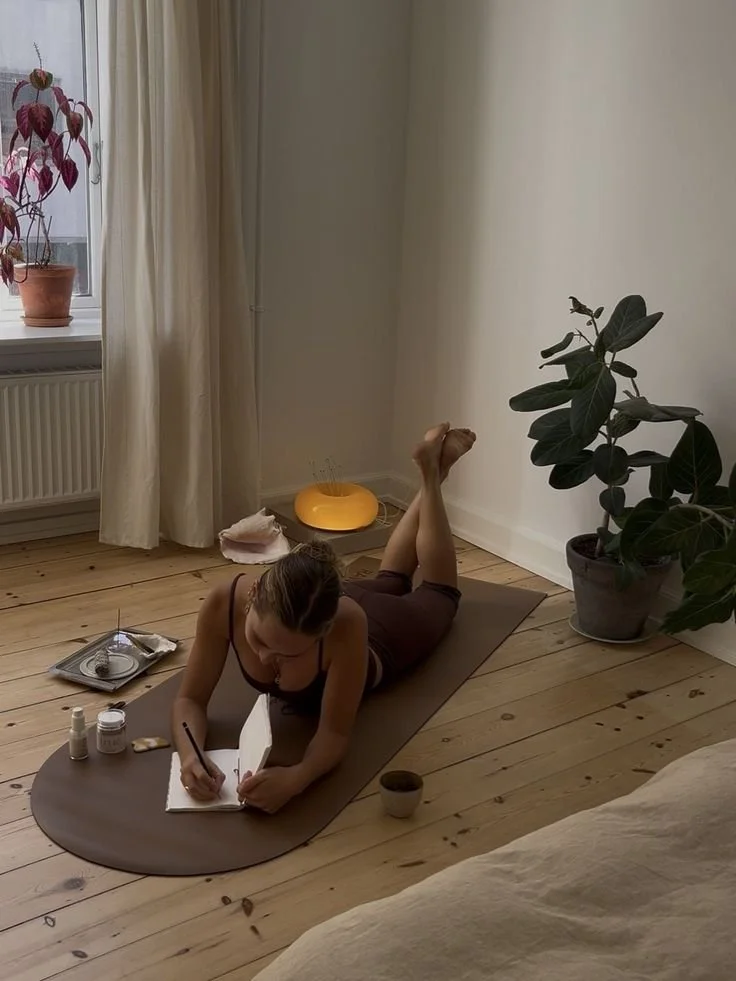
The Importance Of Rest When It Comes To Your Physical Comfort
In today’s fast-paced world, rest is often viewed as a luxury rather than a necessity. We live in a culture that glorifies hustle, productivity, and constant motion—leaving little room for stillness. But what happens when your body begins to protest? When discomfort, fatigue, or pain sets in, rest becomes not only important but essential.

In this article, we'll explore the critical role rest plays in healing, recovery, and daily comfort. From managing minor aches to supporting recovery from injury, rest is one of the most powerful tools for physical and mental well-being. Whether you're an athlete, a busy professional, or simply someone trying to feel better in your body, understanding how and when to rest can make all the difference in your long-term health.
No. 1
Rest: The Most Underrated Tool for Healing
Rest is something most people underestimate—until their body forces them to slow down. In a society where being busy is often equated with being successful, taking time to recharge can feel indulgent. However, when the body is tired, uncomfortable, or struggling to heal, rest becomes a non-negotiable part of the recovery process.
Rest is not just about sleep or inactivity; it’s about allowing your body the space it needs to repair, reset, and restore. It supports muscle recovery, reduces inflammation, replenishes energy, and improves mobility. In short, rest is a foundational pillar of physical health.
No. 2
Rest Is Essential for Healing and Recovery
If you're dealing with an injury, rest is not optional—it’s a vital component of the healing process. If you're seeking back pain relief, your body requires time to repair damaged tissues, reduce swelling, and rebuild strength. Pushing through pain or returning to activity too soon can delay recovery or even worsen the injury.
Rest allows the affected area to settle, giving your body the opportunity to focus on healing rather than managing additional strain. Even minor injuries such as sprains, muscle tightness, or overuse discomfort respond better when given proper downtime.
Benefits of Rest During Injury Recovery:
Reduces inflammation and swelling
Prevents further damage
Speeds up tissue repair
Supports mental clarity and emotional balance
Encourages better long-term outcomes
Pairing rest with professional guidance—such as physical therapy, light stretching, or gentle movement—can accelerate recovery and reduce the risk of chronic issues. It’s a small investment that leads to significant long-term benefits.
No. 3
Rest Supports the Nervous System
Beyond physical repair, rest plays a crucial role in calming the nervous system. When you're constantly stressed, overworked, or overstimulated, your body remains in a heightened state of alert. This tension often manifests as tight muscles, shallow breathing, and discomfort that builds over time.
Intentional rest helps shift the body from a state of stress (sympathetic nervous system activation) to a state of relaxation (parasympathetic nervous system activation). This shift allows muscles to release tension, breathing to deepen, and the mind to quiet.
Simple Ways to Calm the Nervous System:
Deep breathing exercises
Gentle yoga or stretching
Meditation or mindfulness practices
Warm baths or showers
Listening to calming music
These practices don’t just feel good—they actively support your body’s ability to recover and function optimally.

Flamingo Estate
Indulge in luxury with Flamingo Estate gift sets—thoughtfully crafted to bring beauty, wellness, and nature into every moment.
No. 4
Managing Everyday Aches with Rest
You don’t need to be injured to benefit from rest. Everyday aches and discomfort often stem from common habits like poor posture, prolonged sitting, or repetitive motions. Resting periodically throughout the day can prevent stiffness and reduce the cumulative strain on your muscles and joints.
For example, if you're experiencing back pain, short rest periods can help decompress the spine, relax tight muscles, and reset your posture. While extended inactivity isn’t ideal, mindful breaks can make a noticeable difference in how you feel.
Everyday Rest Strategies:
Take short breaks every 30–60 minutes if sitting for long periods
Alternate between standing and sitting throughout the day
Lie down for a few minutes to relieve spinal pressure
Stretch gently to keep muscles limber
Use ergonomic furniture to reduce strain
These small adjustments help maintain physical comfort and prevent minor discomfort from becoming chronic pain.
No. 5
Restorative Activities That Promote Recovery
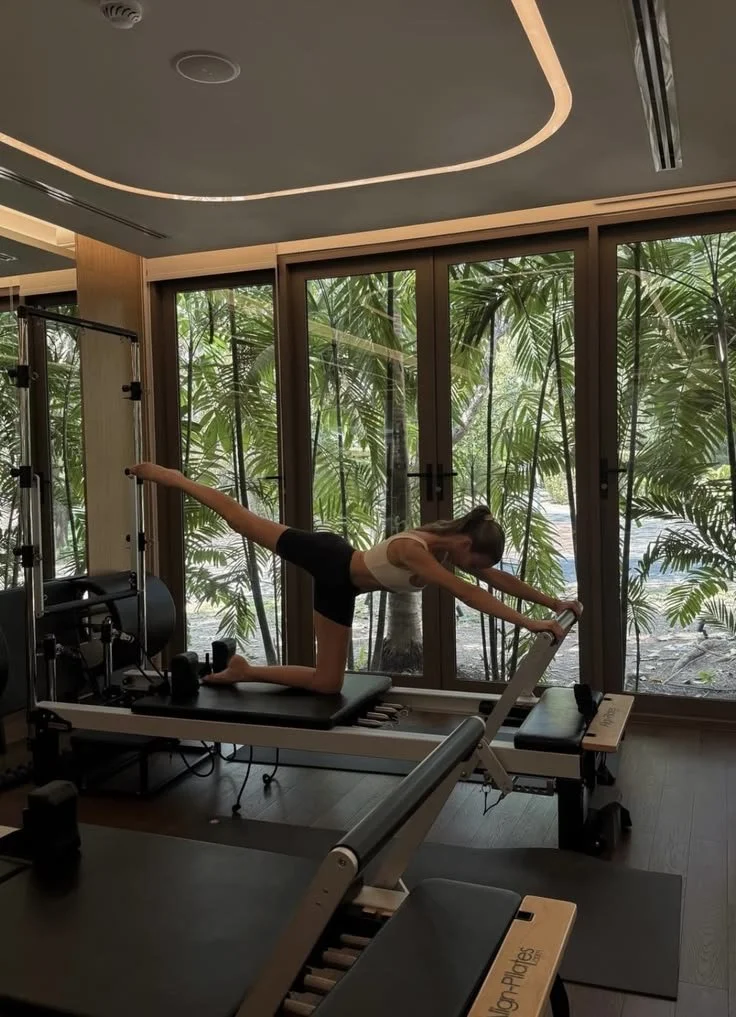
Rest doesn’t always mean complete stillness. In fact, restorative activities that promote relaxation while keeping the body gently engaged can be even more beneficial. These practices encourage circulation, reduce tension, and support mental well-being.
Examples of Restorative Activities:
Light yoga: Enhances flexibility and reduces stiffness
Walking in nature: Combines movement with mental clarity
Breathwork: Regulates the nervous system and improves focus
Warm baths: Soothes muscles and promotes relaxation
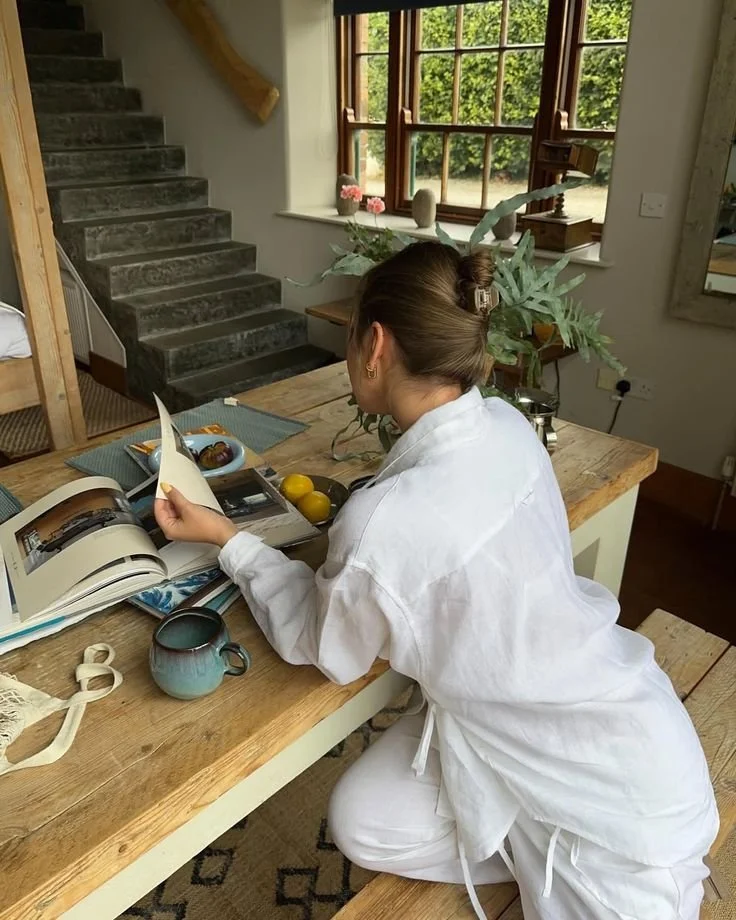
Reading or journaling: Offers mental rest and emotional processing
Incorporating these activities into your daily routine can help you feel more balanced, energized, and comfortable in your body.
No. 6
Listening to Your Body: The Key to Sustainable Health
One of the most valuable skills you can develop is learning to listen to your body. Discomfort, fatigue, and pain are not inconveniences to ignore—they are messages. When you honor those signals by resting, you create space for healing, growth, and resilience.
Ignoring the need for rest often leads to tightness, chronic fatigue, and worsening pain. On the other hand, building rest into your lifestyle helps you move more freely, feel more energized, and reduce the risk of long-term issues.
Takeaways
Rest is not a reward for hard work—it’s a requirement for well-being. In a culture that often equates value with productivity, choosing to rest is a radical act of self-care. Whether you're recovering from an injury, managing daily discomfort, or simply trying to feel better in your body, rest is one of the most effective tools you have.
In this article, we’ve explored the many ways rest supports healing, reduces pain, and enhances overall comfort. From calming the nervous system to preventing chronic strain, rest deserves a central place in your wellness routine.
So the next time your body asks for a break, listen. Give yourself permission to pause, breathe, and recover. Your body—and your future self—will thank you.
Looking for Wellness resources?
Are you looking to enhance your wellness routine? Explore our wellness partners who offer a wide range of resources to support your journey toward holistic living and well-being.