Top Tips To Reduce Alcohol Consumption
In today’s fast-paced world, many people are becoming increasingly mindful of their health and well-being—and for good reason. One area that often comes under scrutiny is alcohol consumption. Whether it's due to physical health concerns, mental clarity, or a growing awareness of dependency, reducing alcohol intake is a goal shared by many. However, making this change requires more than just good intentions—it demands a conscious, consistent effort and a clear strategy.
In this article, we’ll explore practical, actionable ways to cut back on drinking. From setting realistic goals to identifying your personal triggers, these techniques are designed to help you take control of your habits and move toward a healthier, more balanced lifestyle. And if you find that self-regulation isn’t enough, we’ll also touch on when it might be time to seek professional support.
When to Consider Professional Help
Before diving into the techniques, it's important to acknowledge that some individuals may already be at a point where cutting back on their own feels overwhelming or ineffective. If you feel like alcohol is taking a toll on your life and you’re struggling to manage it alone, consider exploring kosher rehab or other specialized treatment options that align with your personal values and needs. Seeking help is a sign of strength—not weakness—and professional support can provide the structure and guidance necessary for lasting change.
No. 1
Set a Realistic Goal
One of the most effective ways to reduce alcohol consumption is by setting a clear, measurable goal. Vague intentions like “I want to drink less” often fall flat because they lack structure. Instead, define exactly how many drinks or units of alcohol you want to consume per week.
Tips for Goal Setting:
Be specific: Write down your target number of drinks per week.
Track your intake: Use a journal or app to log every drink.
Know your measurements: Understand how much alcohol is in each beverage to avoid underestimating your consumption.
Having a tangible goal not only keeps you accountable but also gives you a sense of progress and accomplishment as you move closer to your target.
No. 2
Pace Yourself and Space Out Your Drinks
Drinking too quickly or mindlessly can lead to higher consumption without you even realizing it. Slowing down and being intentional with each drink can significantly reduce your overall intake.
Techniques to Try:
Avoid distracted drinking: Don’t drink while watching TV or scrolling on your phone. Focus on the experience.
Alternate drinks: Follow each alcoholic beverage with a glass of water or a non-alcoholic option.
Set time limits: Space your drinks out over a longer period to avoid overindulging.
Not only does this approach help you drink less, but it also minimizes the risk of hangovers and improves your awareness of how alcohol affects your body.
No. 3
Avoid Your Triggers
Everyone has certain triggers—people, places, or emotions—that can lead to drinking. Identifying and avoiding these triggers is a powerful way to regain control over your habits.
Common Triggers and How to Manage Them:
Social circles: Spend less time with friends who encourage heavy drinking.
Environments: Choose cafés, parks, or other alcohol-free venues for socializing.
Stress and emotions: Replace drinking with healthier coping mechanisms like:
Exercise or yoga
Creative hobbies (art, music, writing)
Reading or watching uplifting content
By creating a lifestyle that supports your goals, you reduce the temptation to fall back into old patterns.
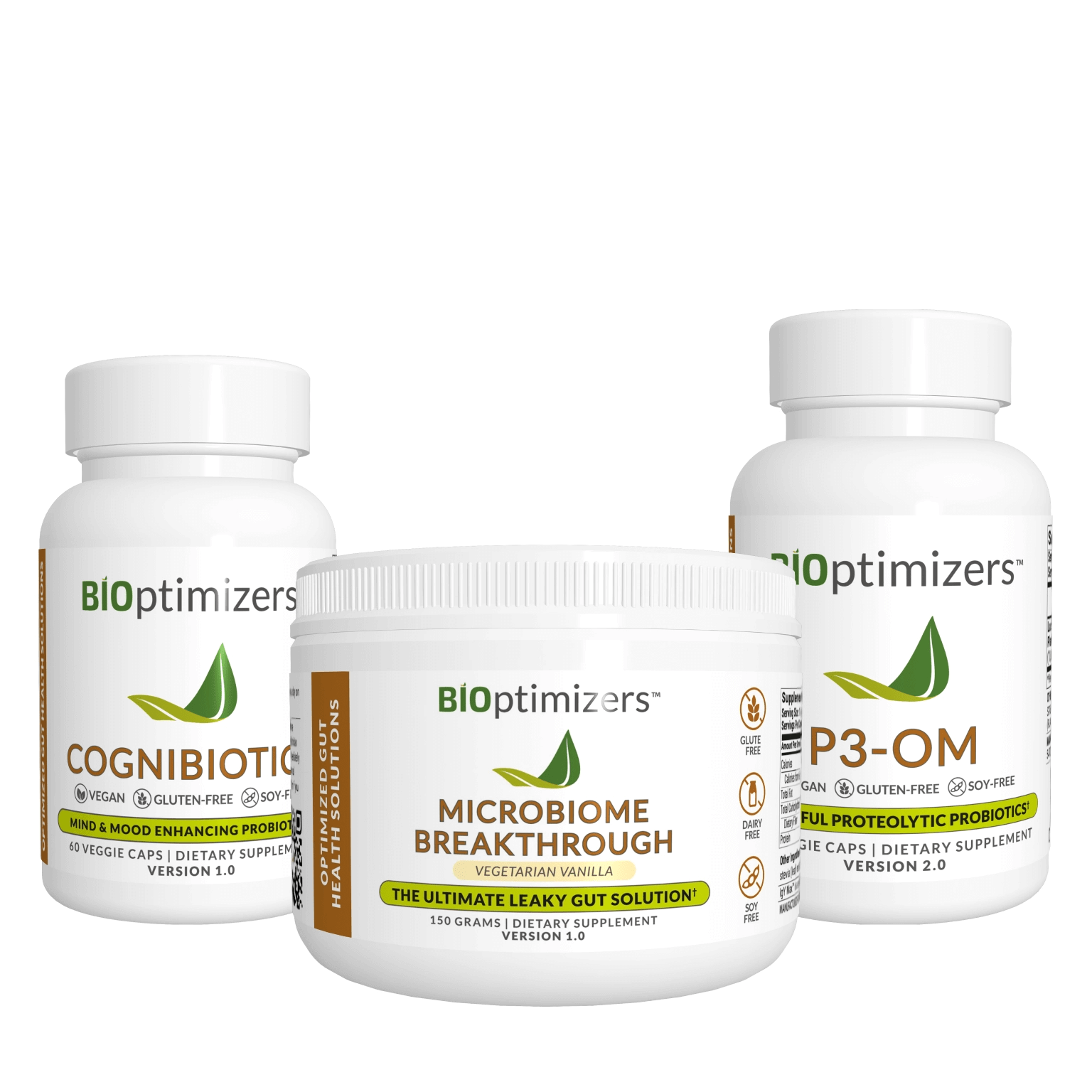
Bio Optimizers
BiOptimizers specializes in premium supplements designed to enhance digestion, nutrient absorption, and overall well-being.
No. 4
Learn How to Say ‘No’
Refusing a drink can be surprisingly difficult, especially in social settings where alcohol is the norm. However, learning to say “no” firmly and confidently is an essential skill on your journey to cutting back.
How to Say No Without the Guilt:
Be direct: A simple “No thanks, I’m cutting back” is often enough.
Have a reason ready: Whether it’s for health, fitness, or mental clarity, having a reason can help you stay firm.
Practice assertiveness: Some people may pressure you—stand your ground and don’t feel the need to justify your decision.
Over time, saying no becomes easier, and those around you will begin to respect your boundaries.
Takeaways
Cutting down on alcohol isn’t about deprivation—it’s about empowerment. It’s about making choices that align with your health, your values, and your long-term well-being. In this article, we’ve explored four key strategies to help you reduce your alcohol intake:
Setting clear, realistic goals
Pacing yourself and spacing out drinks
Avoiding personal triggers
Learning to say no with confidence
These techniques, when practiced consistently, can lead to meaningful change. And remember, you don’t have to do it alone. Whether it’s the support of friends and family or professional guidance through options like kosher rehab, help is always available.
Take the first step today. Your future self will thank you.
Looking for Wellness resources?
Are you looking to enhance your wellness routine? Explore our wellness partners who offer a wide range of resources to support your journey toward holistic living and well-being.