The Power Of Movement: How Aerial Arts And Dance Unlock Confidence
In a world that constantly demands productivity, composure, and conformity, it is easy to lose touch with your body as a source of joy rather than a project to “fix.” Many women try to reclaim confidence through traditional fitness routines, only to find that workouts built around repetition and metrics can feel sterile, pressuring, or disconnected from self-expression.

In this article, we will explore how aerial arts and dance can help unlock confidence and self-love by combining athletic challenge with creativity, community, and personal meaning. From learning to trust your grip on a hoop to embodying music through choreography, these movement practices often shift the focus away from appearance and toward capability, presence, and progress. When you experience your body as something powerful and expressive, self-respect becomes less of an idea and more of a lived reality.
No. 1
The Power of Creative Movement for Confidence and Self-Love
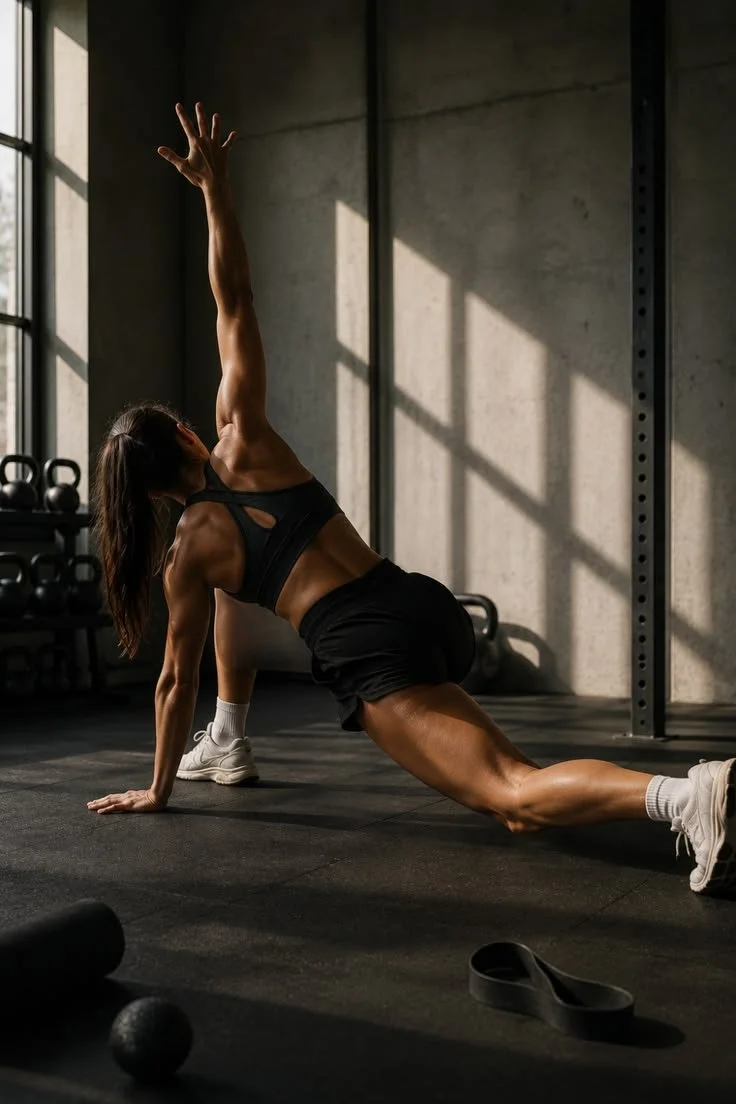
Dance, pole fitness, and aerial arts tend to feel different from conventional gym training because they give you a purpose beyond burning calories. Instead of chasing a number, you chase a skill, a sequence, a moment of flow, or a personal milestone you never thought you could reach.
These art forms can build confidence because they consistently reinforce three core messages:
Your body is allowed to take up space
Your body can learn new things at any age
Your progress counts even when it is not linear
Why these practices feel empowering instead of punishing
They reward curiosity, play, and expression
They strengthen the body while engaging the mind
They celebrate “trying” as much as “nailing it”
They create visible markers of growth (a cleaner climb, steadier balance, a smoother transition)
When you practice creative movement regularly, you start to internalize a new kind of identity: not someone trying to become worthy, but someone actively creating mastery.
No. 2
Embracing Fluidity and Inner Strength Through Skill Progression
Aerial arts and contemporary dance challenge your body in multidimensional ways. You develop core strength, mobility, coordination, endurance, and spatial awareness, often all within a single class. But the deeper shift happens psychologically: you begin to value what your body can do rather than how it compares.
Small wins matter more than people expect. The first controlled invert, the first time you hold a shape for an extra breath, or the first time choreography feels like storytelling instead of counting, can reframe your relationship with effort and self-trust.
Physical skills that translate into everyday confidence
Grip and pulling strength that improves posture and shoulder stability
Core control that supports better balance and lower-back resilience
Mobility and active flexibility that make movement feel safer and smoother
Coordination and rhythm that improve body awareness and presence
Psychological changes you may notice as you train
You become more comfortable being seen, even when learning
You tolerate imperfection without spiraling into self-criticism
You build patience through repetition and refinement
You start recognizing “strong” as a feeling, not a look
Over time, the studio becomes proof that you can meet discomfort and stay present. That is a powerful definition of confidence: not the absence of fear, but the ability to move with it.
No. 3
Overcoming Fear, Building Bravery, and Finding Community
One of the most meaningful elements of aerial arts and dance is the environment. Many studios are built on encouragement and mutual respect, because everyone remembers what it felt like to be new. You do not just train beside people; you grow with them.
Fear shows up in different ways: fear of falling, fear of failing, fear of looking awkward, fear of taking up space. These practices are structured to help you face fear gradually and safely, which makes bravery feel accessible rather than dramatic.
Common fears students experience (and why they are normal)
Fear of heights or inversion
Fear of pain, bruising, or discomfort during conditioning
Fear of judgment while performing or freestyling
Fear of being the “least experienced” person in the room
How supportive studios help you move through fear
Skill progressions that break hard moves into manageable steps
Safety coaching, spotting, and clear boundaries
Celebrating effort, not just outcomes
A shared culture of “we’ve all been there”
Vulnerability is part of the practice: trying a new drop, learning a new spin, or dancing full-out in front of others requires openness. When that openness is met with support, many women start replacing self-judgment with self-compassion, and perfectionism with pride.
No. 4
Mind-Body Connection: How Expression Builds Self-Acceptance
A key difference between creative movement and many traditional workouts is the emotional dimension. Dance and aerial arts invite you to interpret music, embody a mood, and express a story. Instead of treating your body like an object, you experience it as your instrument.
That shift can be deeply healing. When you focus on timing, breath, line, musicality, and intention, you are no longer evaluating yourself from the outside. You are living from the inside.
Ways to deepen self-love through your practice
Choose music that matches the feeling you want to cultivate
Track progress through journaling rather than the scale
Film your training occasionally to celebrate growth objectively
Practice “neutral observation” when learning: notice what happened, adjust, try again
As body awareness improves, many students report feeling more grounded, more expressive, and more at home in their own skin. The result is not only better technique, but also a quieter inner critic.
No. 5
The Role of Clothing in Confidence, Safety, and Performance
What you wear in aerial arts and dance is not just about aesthetics. It influences safety, comfort, and focus. Clothing that slips, pinches, rides up, or restricts movement can break concentration and make difficult skills feel harder than they need to be.
Because these disciplines involve dynamic motion, skin contact with apparatus, and wide ranges of movement, apparel has to perform under pressure.
What great aerial and dance clothing should do
Stay in place during inversions, spins, and drops
Stretch without becoming sheer or losing support
Provide appropriate coverage where you need it most
Reduce distractions so you can focus on technique and breath
Support the demands of training and, when needed, performance lighting and staging
If you want to feel truly secure, comfortable, and empowered during intense training sessions or upcoming professional shows, investing in high-quality gear can make a measurable difference. For garments designed to move like a second skin, you can explore the collections at AcroFlyDance. Their catalog features professional competition wear and custom-designed training pieces tailored for modern athletes who refuse to compromise on style or safety.
How the right outfit can change your mindset in class
It reduces self-consciousness so you can attempt skills more freely
It supports better alignment by allowing full range of motion
It creates a “ready to train” ritual that signals confidence to your nervous system
It helps you feel polished for showcases, filming days, and auditions
This is where keywords like professional training apparel and aerial arts clothing become practical, not promotional: the goal is to choose gear that matches the real mechanics of your discipline. If you are searching for competition wear Canada or dance outfits USA, prioritize fit, fabric resilience, and functional design so your clothing supports your movement instead of competing with it.
No. 6
Starting Your Journey: A Practical, Confidence-First Plan
Beginning is often the hardest part, especially if you feel out of shape, intimidated, or worried you will be “behind.” The truth is that beginner classes exist for a reason, and good instructors expect you to arrive without experience.
How to choose the right class format
Aerial silks for strength, endurance, and creativity
Lyra (aerial hoop) for shapes, balance, and controlled transitions
Pole fitness for power, coordination, and fluidity
Contemporary dance for musicality, expression, and artistry
Your first month checklist
Attend 1–2 classes per week to build consistency
Focus on foundational technique rather than advanced tricks
Ask questions early, especially about safety and grip care
Celebrate one improvement each week (even a small one)
Choose clothing that lets you move confidently and safely
Habits that keep motivation strong
Set skill-based goals (a clean climb, a longer hold) rather than appearance goals
Train with a friend or connect with classmates after sessions
Treat rest as training, because recovery is part of progress
Document your journey to notice growth you might otherwise miss
When you approach movement as a relationship rather than a test, confidence grows naturally. You do not have to “earn” self-love at the end of the journey; you practice it in the way you speak to yourself while you learn.
Takeaways
Creative movement practices like aerial arts, pole fitness, and dance build confidence by shifting your focus from how your body looks to what it can do. That capability-first mindset often becomes the foundation for genuine self-love.
Progress in these disciplines is both physical and psychological, because skill development trains resilience, patience, and bravery. A supportive studio community can accelerate that transformation by making vulnerability feel safe and celebrated.
What you wear can meaningfully affect comfort, safety, and confidence, so choose gear that supports your training demands. If you are investing in professional training apparel, aerial arts clothing, competition wear Canada, or dance outfits USA, prioritize fit and function so your clothing helps you move with freedom.
Looking for wellness resources?
Are you looking to enhance your wellness routine? Explore our wellness partners who offer a wide range of resources to support your journey toward holistic living and well-being.