Reflexology Benefits: Foot Care For Whole-Body Wellness
Our feet carry us through life, yet they are often ignored until discomfort forces our attention. Reflexology invites a different perspective: that caring for your feet can support not only local relief, but also a calmer nervous system, improved circulation, and a greater sense of balance throughout the body.
In this article, we will explore how reflexology works, the principles behind reflex points, the ways foot-focused care may support stress management and energy levels, and practical methods for integrating reflexology-inspired habits into everyday life.
No. 1
Understanding Reflexology Principles
Reflexology is a complementary therapy in which a practitioner applies controlled pressure to specific points on the feet, hands, and sometimes the ears. These points are commonly referred to as reflex points. The approach is based on the idea that certain areas of the feet correspond with different organs, glands, and body systems.
A typical session often includes sequences of thumb-walking, gentle rotations, sustained holds, and targeted pressure. Many people report feeling deeply relaxed during and after treatment, which is one of the most consistent reasons it is sought out.
While reflexology is not a substitute for medical diagnosis or treatment, it is widely used alongside conventional care to support comfort and relaxation. If you want a deeper overview of what current sources say, the benefits and safety of reflexology are well-documented, including how it may help with relaxation and symptom management.
What to Expect During a Reflexology Session
A professional treatment is usually structured and intentional rather than a general “foot rub.” Many sessions include:
A brief intake about stress levels, sleep, pain points, and health history
A warm-up of the feet to assess tension and sensitivity
Systematic work across the full foot, often moving from toes to heel
Time spent on areas that feel unusually tender or tight
A cool-down phase to help the body return to a rested state
Why Pressure on the Feet Can Feel So Powerful
Feet contain a high density of nerve endings and mechanoreceptors, which makes them extremely responsive to touch. When pressure is applied in a slow, attentive way, the body may shift out of a stress state and into a calmer state. For many people, this is where the value lies: reflexology can function as a structured relaxation intervention with physical and mental benefits.
No. 2
Connecting Foot Health to Body Systems
One of the central ideas in reflexology is mapping. Practitioners use charts that link sections of the feet to different areas of the body. The goal is not to “diagnose” conditions via the foot, but to use the foot as an access point for releasing tension and encouraging relaxation in patterns that may correspond to whole-body stress.
Common mapping examples include:
Toes: often associated with the head and sinuses
Ball of the foot: commonly linked with the chest and upper torso
Arch: frequently associated with digestion and mid-body systems
Heel: often connected with the lower back and pelvic region
Reflexology also emphasizes that local foot discomfort can affect the entire kinetic chain. Tight calves, limited ankle mobility, and soreness on the sole can influence gait, which can contribute to strain in the knees, hips, and lower back over time. For this reason, even people who do not fully subscribe to reflex “maps” often still find foot care helpful for posture and movement comfort.
Signs Your Feet May Be Signaling Overload
Many people notice foot tension as a secondary symptom of broader lifestyle strain.
Pay attention to patterns such as:
Persistent tightness in the arches after normal daily activity
Heel tenderness first thing in the morning
Calf tightness that returns quickly after stretching
Cramping in the toes or ball of the foot
Uneven wear on shoes, suggesting compensation patterns
These signs do not confirm a specific internal imbalance, but they do suggest your feet may need more targeted recovery, mobility work, or supportive footwear.
Where Thai Foot Massage Often Fits In
Some styles of footwork incorporate reflexology-inspired pressure techniques. For example, a traditional Thai foot massage typically blends rhythmic compression, stretching, and reflex-point stimulation. Many people choose this approach because it addresses tired feet while also delivering a whole-body relaxation response, especially after long periods of standing, travel, or desk work.
No. 3
Stress Reduction Through Dedicated Foot Care
Stress does not stay in the mind. It shows up in the body through muscle tension, shallow breathing, digestive discomfort, headaches, and disrupted sleep. Reflexology is commonly used to manage daily stress because it is inherently down-regulating: it encourages slower breathing, reduces muscle guarding, and can help people shift into a calmer state.
The effectiveness of any relaxation method depends on consistency, and foot care is one of the easiest routines to repeat. It is low-barrier, can be done seated, and requires minimal equipment.
How Reflexology May Support the Nervous System
Reflexology sessions are often associated with:
A sense of physical heaviness or “letting go”
Reduced muscle tightness in the shoulders, jaw, and lower back
A calmer emotional state and easier transition into rest
Improved body awareness, which can reduce stress reactivity
These effects are not unique to reflexology, but reflexology provides a structured approach for people who find it hard to relax without guidance.
At-Home Foot Care Routine for Stressful Weeks
If you want a simple plan, try this sequence 4–5 nights per week:
Soak feet in warm water for 5–10 minutes
Dry thoroughly, then apply lotion or oil to reduce friction
Use thumbs to press slowly across the sole from heel to toes
Hold gentle pressure on any tender spot for 10–20 seconds
Finish by stretching the toes and rotating the ankles
This routine is short, repeatable, and often enough to improve comfort and unwind before sleep.
No. 4
Improving Circulation and Supporting Energy Levels
Reflexology is often discussed in terms of circulation. When the feet are massaged, local blood flow increases, and muscles in the lower legs may relax. Many people experience warmth in the feet and a sense of lightness after a session.
Better circulation helps deliver oxygen and nutrients more efficiently, which can support recovery and reduce the heavy, fatigued feeling that builds up after long days of standing or prolonged sitting.
Habits That Undermine Foot Circulation
Even the best reflexology session may have limited impact if daily habits are consistently working against circulation.
Common culprits include:
Sitting for long periods without movement breaks
Wearing shoes that compress the forefoot or restrict toe splay
Dehydration, which can contribute to cramps and fatigue
Minimal calf and ankle mobility work
High stress loads paired with poor sleep
Reflexology and “Energy Flow” Perspectives
In traditional Eastern frameworks, reflexology is sometimes described as supporting the flow of qi or vital energy by reducing blockages in energetic pathways. Whether you interpret this metaphorically or through a relaxation-and-circulation lens, many people experience the result in the same way: less stagnation, fewer “heavy legs,” and a more restored feeling after treatment.
No. 5
Integrating Reflexology Into Your Lifestyle
Reflexology works best as a consistent wellness habit, not a one-time fix. You do not have to schedule frequent professional visits to benefit. Many of the practical advantages come from simple, repeatable foot care that improves comfort, reduces stress, and supports mobility over time.
Daily Practices That Pair Well With Reflexology
Regular self-massage
Spend five minutes each evening massaging your feet. Use your thumbs to apply firm, slow pressure across the sole, then sweep from heel to toes. Keep the pressure within a “good discomfort” range, not sharp pain.Use a foot roller or ball
Keep a wooden foot roller, lacrosse ball, or golf ball under your desk. Roll the mid-foot and arch for 1–2 minutes per side, especially after long sitting periods.Mindful walking on safe surfaces
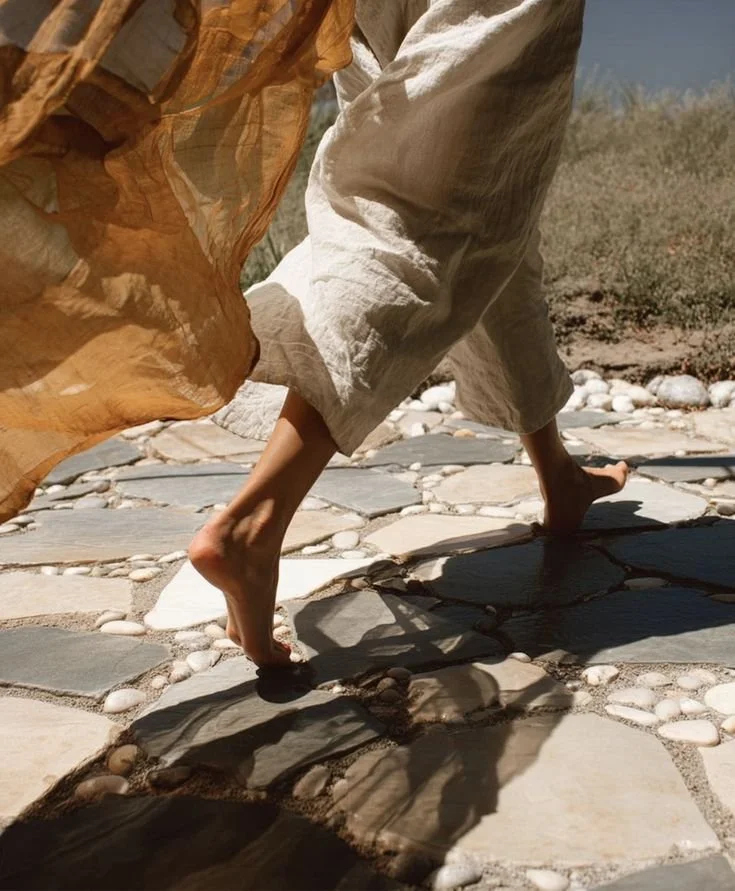
When appropriate, walk barefoot on safe natural surfaces such as grass or sand. This encourages natural foot movement and gently stimulates the sole.Calf and ankle mobility work
Add a short routine to reduce downstream strain:10 calf raises
30 seconds of calf stretching per side
10 ankle circles in each direction
Schedule professional sessions when needed
If you want deeper, more systematic work, book sessions with a qualified practitioner. A professional can apply consistent techniques, help you track patterns in foot tension, and tailor the approach to your comfort level.
When to Seek Medical Input Instead of Self-Treatment
Reflexology can be a supportive practice, but some symptoms warrant medical evaluation.
Seek professional advice if you experience:
Sudden swelling, heat, or redness in one foot or calf
Numbness, tingling, or loss of sensation that persists
Severe heel pain that worsens quickly
Open wounds or signs of infection
Pain after an acute injury or fall
Using reflexology as a complement to appropriate medical care is generally the safest, most sensible approach.
Takeaways
Foot care is not merely a comfort practice; it can be a practical foundation for better mobility, relaxation, and daily resilience. Reflexology offers a structured way to use targeted pressure and calming touch to support whole-body well-being.
The most reliable benefits tend to come from stress reduction, improved local circulation, and heightened body awareness. These outcomes are valuable because they can influence sleep quality, recovery, and how your body feels during normal movement.
A simple, consistent routine matters more than intensity, whether you choose self-massage, a foot roller, mindful walking, or periodic professional sessions. When foot symptoms are unusual or severe, reflexology should support—not replace—medical guidance.
Looking for wellness resources?
Are you looking to enhance your wellness routine? Explore our wellness partners who offer a wide range of resources to support your journey toward holistic living and well-being.