Group Fitness Classes: 5 Benefits For Beginners
Group fitness classes can feel intimidating for many people. If you are a complete beginner, you might worry you will not be able to keep up with routines that seem fast, technical, or unfamiliar. If you are going alone, you might wonder whether you will fit in with people who look confident and experienced.
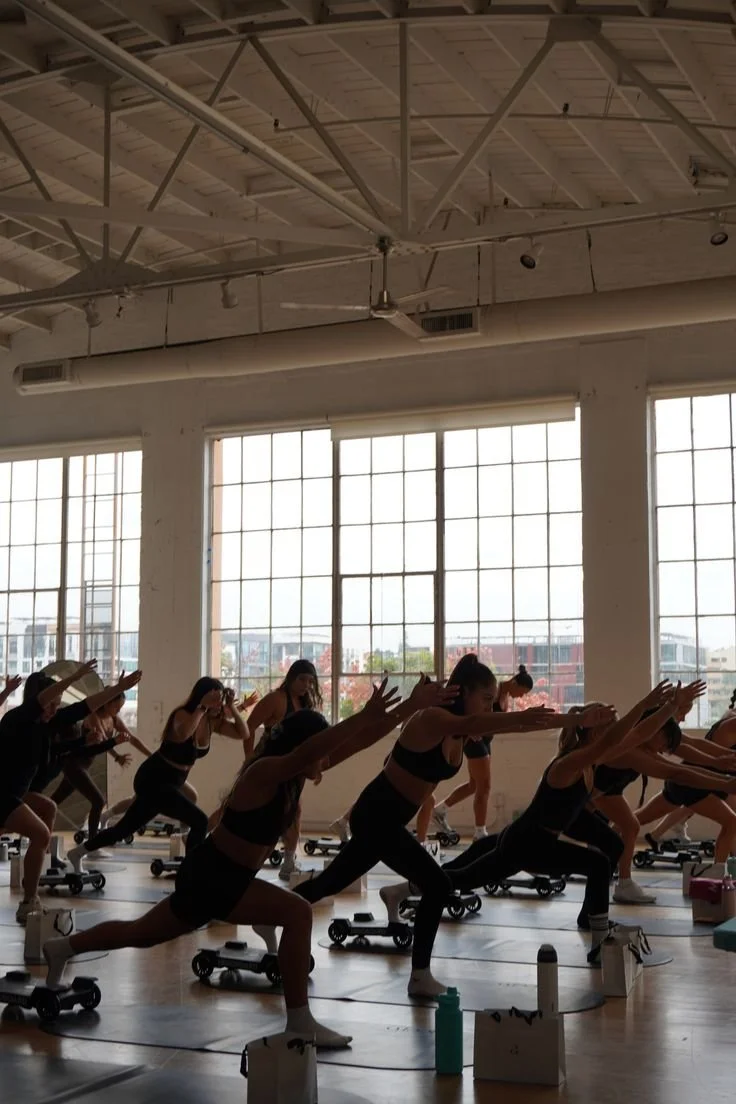
In this article, we will explore why group fitness classes are worth trying, even if you feel nervous at first. Beyond the obvious physical gains, classes offer structure, community, skill-building, stress relief, and confidence boosts that are often hard to replicate when you work out alone. With the right expectations and a few practical strategies, you can walk in as a beginner and still leave feeling capable, supported, and motivated to return.
No. 1
A Sense of Community That Keeps You Coming Back
Many people assume fitness classes are competitive environments where everyone is watching. In reality, most classes are designed to be welcoming, inclusive spaces where participants focus on their own form, breathing, and progress. Instructors typically set the tone, encouraging effort over perfection and offering modifications so everyone can participate.
Community is not just a “nice extra.” It is one of the most powerful drivers of consistency, because feeling seen and supported makes it easier to show up on days when motivation is low.
What a supportive class environment often includes
A healthy, beginner-friendly class tends to have:
An instructor who demonstrates options for different fitness levels
Clear cues that help you follow along without confusion
A culture where people celebrate effort, not just performance
Regulars who are focused on their own workout, not judging others
A predictable routine that becomes easier each time you attend
Easy ways to feel more comfortable socially
If fitting in is one of your biggest concerns, try these low-pressure approaches:
Arrive 10 minutes early so you can set up without rushing
Introduce yourself to the instructor and mention that you are new
Choose a spot where you can see the instructor clearly
Bring a friend for the first class if it helps you feel grounded
Commit to attending the same class time for a few weeks, so faces become familiar
Over time, these small choices can turn a room full of strangers into a place that feels energizing rather than intimidating.
No. 2
An Intense Workout With Built-In Motivation
If you want an intense workout that challenges you, group fitness is hard to beat. Classes are intentionally structured to push your effort safely, often using timed intervals, progressive sequences, or guided pacing that encourages you to do more than you might attempt on your own.
There is also something powerful about shared momentum. Even when you are not competing, the presence of others can help you stay focused, finish strong, and resist the temptation to quit early.
Why intensity feels different in a class setting
Group classes tend to create intensity through:
Coaching and cueing that keeps you moving efficiently
Music and energy that make hard efforts feel more doable
A planned format that reduces decision fatigue
A start and end time that encourages you to complete the session
A supportive “we are in this together” atmosphere
How to handle intensity as a beginner
You do not need to match the most experienced person in the room. Instead, aim for controlled effort and gradual progress.
Use modifications when offered, especially for jumps, plyometrics, and heavy loads
Start with lighter weights and prioritize good form
Take breaks before you are exhausted, not after
Track your effort using a simple scale from 1 to 10, aiming for moderate-to-hard rather than all-out
Tell the instructor if you have any injuries or limitations so they can suggest safer options
The goal is to leave feeling challenged and proud, not crushed and unable to recover.
No. 3
You Learn New Skills Without Having to Design a Workout
One of the most practical benefits of group classes is skill development. When you work out alone, it is easy to repeat the same familiar exercises and avoid the movements that feel awkward. In a class, you are guided through new patterns, cues, and techniques that build competence over time.
The variety is also valuable. Different formats develop different abilities, and rotating through them can prevent plateaus.
Types of skills group fitness can teach
Depending on the class style, you may develop:
Coordination and rhythm in dance-based classes
Core control and posture awareness in online pilates instructor sessions
Strength and technique in resistance or functional training classes
Endurance and pacing in cycling or cardio intervals
Mobility, balance, and body awareness in slower, form-focused formats
How to pick the right class for your current level
Beginners often do best when the class offers structure and clear coaching.
Consider starting with:
Beginner-labeled sessions or “foundations” classes
Low-impact formats that prioritize form
Smaller class sizes where instructors can offer more feedback
Styles that match your personality, whether that is high-energy or calm and methodical
As you gain confidence, you can explore more complex choreography, heavier strength work, or faster-paced intervals.
No. 4
Stress Relief That Improves Mood and Sleep
Exercise is one of the most reliable tools for managing stress, and group fitness adds another layer: it creates a mental boundary between your day and your time to reset. For 45 to 60 minutes, your focus shifts away from notifications, deadlines, and worries and toward breathing, movement, and completing the next interval.
Over time, this can influence more than your fitness. Many people notice improved mood stability, better sleep quality, and a stronger sense of emotional resilience.
Why classes can feel more stress-relieving than solo workouts
Classes often help because they:
Reduce decision-making, since the plan is provided
Create a sense of release through music, movement, and shared energy
Encourage full presence, especially during challenging sequences
Provide a “done for the day” feeling when the session ends
Tips to maximize the stress-relief effect
A few small habits can make classes feel even more restorative:
Choose a class time that transitions you out of work mode
Leave your phone in your bag to reduce distractions
Focus on breathing cues to calm your nervous system
Cool down intentionally instead of rushing out immediately
Stress relief is not only about intensity. It is also about leaving with your mind quieter than when you arrived.
No. 5
Confidence That Spills Into the Rest of Your Life
Trying something new, especially in a public setting, is a powerful confidence builder. Every time you show up, follow along, and complete a session, you are reinforcing the idea that you can handle discomfort and learn unfamiliar skills.
That confidence often extends beyond fitness. People who commit to group classes frequently report feeling more capable in other areas of life because they are practicing consistency, resilience, and self-trust.
How confidence builds gradually in group fitness
Confidence typically comes from:
Seeing measurable progress, such as better endurance or stronger form
Learning that you can modify and still get a great workout
Feeling less self-conscious as the environment becomes familiar
Getting positive reinforcement from an instructor who notices improvement
Realizing that everyone struggles sometimes, even advanced participants
Small mindset shifts that make classes feel less intimidating
If nerves are stopping you, try reframing your first few sessions:
You are not auditioning; you are participating
You are allowed to be new at something
Consistency matters more than performance
Effort and form are always more important than speed
The hardest part is often walking through the door
Confidence is built through repetition, not perfection.
No. 6
Practical First-Class Strategies to Set Yourself Up for Success
Even with the best intentions, a first class can feel overwhelming if you do not know what to expect. A bit of preparation can make the experience smoother and more enjoyable.
What to bring to most group fitness classes
The basics usually include:
A water bottle
A small towel, especially for cardio-based formats
Supportive shoes if the class involves jumping or fast movement
Comfortable clothing that allows a full range of motion
Any personal items you may need, such as a hair tie or grip socks
What to do during the class if you get lost
It is normal to lose the thread occasionally, especially in choreographed formats.
Watch the instructor’s feet and hands to re-sync quickly
Follow the easiest version until you understand the pattern
Pause briefly if you need to reset; then rejoin
Ask the instructor after class for tips on common moves
Most people improve dramatically after just two or three sessions because the structure becomes familiar.
Takeaways
Group fitness classes can be intimidating at first, but they are often more welcoming and beginner-friendly than people expect. In addition to a solid workout, they provide community and structure that make consistency easier.
Classes deliver built-in motivation, skill development, and coaching that can help you progress faster than you might on your own. They also support stress relief by giving your mind a break and your body a healthy outlet.
The new levels of confidence you build by showing up, learning, and improving tends to extend into everyday life. If you have never tried a group class, choosing a beginner-friendly format and committing to a few sessions is often enough to turn nerves into momentum.
Looking for wellness resources?
Are you looking to enhance your wellness routine? Explore our wellness partners who offer a wide range of resources to support your journey toward holistic living and well-being.