How Much To Replace Siding On A House
Replacing the siding on your home is one of the most impactful renovations you can undertake. Not only does it dramatically enhance curb appeal, but it also improves energy efficiency, protects against the elements, and can significantly increase your property’s value. However, the cost of siding replacement varies widely depending on several key factors, including the type of material, the size of the home, labor rates, and the complexity of the installation.
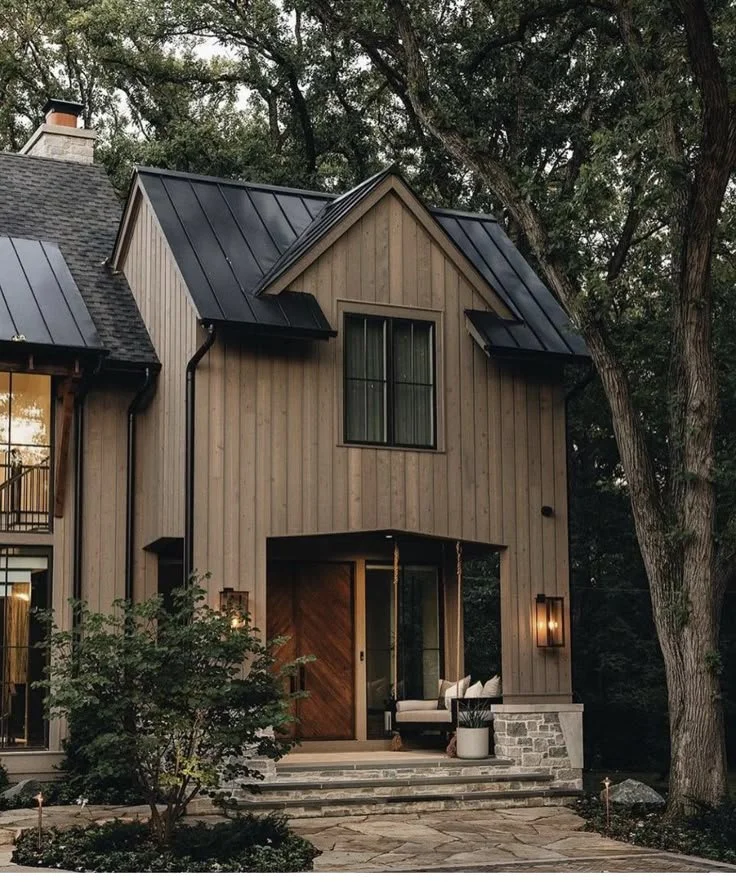
In this article, we’ll break down the average costs associated with siding replacement, explore pricing by material type, evaluate labor and removal expenses, and highlight additional cost factors that homeowners should consider. Whether you're planning a full exterior makeover or replacing worn-out siding, this guide will help you budget effectively and choose the best option for long-term performance and value.
No. 1
Why Replacing Siding Matters
Siding serves as your home’s first line of defense against moisture, pests, and fluctuating temperatures. Over time, damaged or outdated siding can compromise this protection, leading to structural issues, higher energy bills, and diminished curb appeal. Replacing it not only refreshes the appearance of your home but also strengthens its integrity and insulation.
For homeowners looking to plan accurately, many rely on professional residential takeoff services to estimate material quantities, labor costs, and waste factors. This ensures transparency and helps avoid unexpected expenses during the project.
No. 2
Average Cost to Replace Siding
The national average cost to replace siding on a typical home ranges from $6,000 to $25,000, depending on the material chosen and the size of the property. On a per-square-foot basis, most homeowners pay between $8 and $20, which includes both materials and installation.
Smaller homes or partial replacements fall on the lower end of the range.
Larger homes or premium siding materials push the cost higher.
Beyond aesthetics, new siding can improve insulation, reduce maintenance needs, and boost resale value—making it a worthwhile investment.
No. 3
Cost by Siding Material Type
Vinyl Siding
Cost: $4 to $12 per sq ft installed
Pros: Affordable, low maintenance, weather-resistant
Vinyl is the most popular siding material due to its cost-effectiveness and wide variety of styles and colors. It requires minimal upkeep and offers solid durability in most climates.
Fiber Cement (e.g., Hardie Board)
Cost: $8 to $16 per sq ft installed
Pros: Fire-resistant, durable, long lifespan
Fiber cement siding mimics the look of wood or masonry but offers superior resistance to rot, insects, and fire. It’s heavier and more labor-intensive to install, which increases the overall cost.
Wood Siding
Cost: $7 to $15 per sq ft installed
Pros: Natural beauty, customizable, timeless appeal
Wood siding offers a classic aesthetic but requires regular maintenance such as staining and sealing. Over time, this can become costly, though many homeowners value its authentic look.
Engineered Wood Siding
Cost: $6 to $12 per sq ft installed
Pros: More affordable than natural wood, lightweight, durable
Engineered wood provides the appearance of real wood with greater resistance to moisture and pests. It’s easier to install and typically more budget-friendly over time.
Metal Siding (Aluminum or Steel)
Cost: $8 to $20 per sq ft installed
Pros: Durable, fire-resistant, modern aesthetic
Metal siding is sleek and long-lasting, though costs can vary depending on the type of metal and design complexity. It’s particularly popular for contemporary or industrial-style homes.
Stucco
Cost: $7 to $17 per sq ft installed
Pros: Energy-efficient, well-insulated, ideal for hot climates
Stucco is a long-lasting option that works well in dry, warm regions. It requires professional installation and can last for decades with proper care.

Houzz
Make your home project a reality. Find inspiration, products, and the pros to make it happen - all in one place.
No. 4
Labor Costs
Labor typically accounts for 30% to 50% of the total siding replacement cost. Installers generally charge between $2 and $8 per square foot, depending on the material and project complexity.
Factors That Increase Labor Costs:
Removing old siding
Repairing structural damage
Installing house wrap or insulation
Working on multi-story homes
Navigating complex architectural features
Vinyl and engineered wood tend to be the most labor-friendly materials, while fiber cement and stucco are more labor-intensive, increasing total project costs.
No. 5
Cost to Remove Old Siding
Most siding replacement projects require the removal and disposal of existing materials.
Homeowners can expect to pay:
$1 to $3 per sq ft for tear-off
$200 to $600 for disposal fees
If underlying damage, such as rot or mold, is discovered, repair costs can range from $300 to $3,000, depending on severity.
No. 6
Cost by Home Size
Here’s a rough estimate of siding replacement costs based on home size, including materials and labor:
1,000 sq ft home: $4,000 – $12,000
1,500 sq ft home: $6,000 – $18,000
2,000 sq ft home: $8,000 – $24,000
2,500 sq ft home: $10,000 – $30,000
These figures do not include structural repairs or optional upgrades.
No. 7
Additional Cost Factors
1. Insulation Upgrades
Adding foam board or insulated siding improves energy efficiency and comfort.
Cost: $1,500 to $5,000
2. House Wrap or Vapor Barrier
Prevents moisture buildup and enhances insulation.
Cost: $1,000 to $2,500
3. Trim, Fascia, and Soffits
Replacing or upgrading these elements enhances aesthetics and protects roof edges.
Cost: $1,000 to $4,000
4. Painting or Staining
Required for wood or some fiber cement products.
Cost: $2 to $5 per sq ft
No. 8
Longevity and Maintenance by Material
The overall long-term cost of siding is directly impacted by the type of material chosen. While some options may seem more affordable upfront, their maintenance needs and lifespan can significantly affect their value over time.
Here's a breakdown of common siding materials and their expected longevity:
Vinyl Siding: Known for its affordability and low maintenance, vinyl typically lasts between 20 to 40 years, making it a popular choice for budget-conscious homeowners.
Fiber Cement: Exceptionally durable and resistant to fire, pests, and rot, fiber cement siding offers a lifespan of 40 to 50 years, with minimal upkeep required.
Wood Siding: Valued for its natural beauty and classic appeal, wood siding can last 20 to 30 years, but it demands frequent maintenance such as painting, staining, and sealing.
Engineered Wood: Designed to mimic the look of real wood while offering enhanced durability, engineered wood siding generally provides around 30 years of reliable service with less maintenance.
Metal Siding (Aluminum or Steel): Highly resistant to weather and fire, metal siding can endure for 40 to 60 years with minimal upkeep, making it a strong long-term investment.
Stucco: When properly installed and maintained, stucco siding can last an impressive 50 to 80 years, especially in dry, warm climates where it performs best.
While higher-quality materials may come with a steeper initial price, they often deliver greater long-term value through extended lifespan and reduced maintenance costs. Choosing a durable siding material is an investment not just in aesthetics, but in the future performance and cost-efficiency of your home.
No. 9
Energy Efficiency Benefits
New siding can significantly improve your home’s insulation, especially when paired with house wrap or insulated panels. Homeowners can save 10% to 20% on annual energy bills, making siding replacement not just a cosmetic upgrade but a functional one as well.
No. 10
Return on Investment (ROI)
Siding replacement consistently ranks among the top home improvement projects for return on investment:
Vinyl siding: 60%–80% ROI
Fiber cement siding: Up to 86% ROI
Engineered wood siding: 70%–80% ROI
New siding enhances curb appeal and reduces maintenance, making homes more attractive to buyers.
No. 11
When to Replace Siding
Signs that it’s time to replace your siding include:
Cracks, warping, or rotting
Frequent repainting
Rising energy bills
Mold or moisture issues
Pest damage
Faded or outdated appearance
Addressing these issues early can prevent more serious structural problems and reduce repair costs in the long run.
FAQ
What is the average cost to replace siding on a house?
Most homeowners spend between $6,000 and $25,000, depending on the siding material and the size of the home.
Which siding material is the most affordable?
Vinyl siding is the most budget-friendly option, costing $4 to $12 per square foot installed.
Does replacing siding increase home value?
Yes. New siding improves curb appeal and offers a high return on investment, especially with materials like fiber cement and vinyl.
How long does siding typically last?
Lifespan varies by material:
Vinyl: 20–40 years
Fiber cement: 40–50 years
Wood: 20–30 years
Engineered wood: ~30 years
Metal: 40–60 years
Stucco: 50–80 years
Can new siding improve energy efficiency?
Absolutely. Replacing siding—especially with insulated options—can reduce energy bills by 10% to 20% annually.
Takeaways
Replacing the siding on your home is a valuable investment that enhances appearance, improves energy efficiency, and protects your property from the elements. While costs vary based on material, home size, and labor complexity, most homeowners can expect to spend between $6,000 and $25,000.
In this article, we’ve outlined the key cost factors, from material types and labor rates to insulation upgrades and long-term maintenance. By understanding these variables, homeowners can make informed decisions that align with their budget, aesthetic preferences, and performance expectations.
Whether you're upgrading outdated siding or addressing damage, a well-planned replacement project offers lasting benefits. With thoughtful planning and accurate construction estimation, you can choose siding that delivers durability, visual appeal, and long-term value for your home.
Looking for Home resources?
Looking to enhance your living space and create a sanctuary that supports your well-being? Explore our home partners who offer a wide range of resources to elevate your home environment.