How To Design A Patio That Feels Like An Extension of Your Home
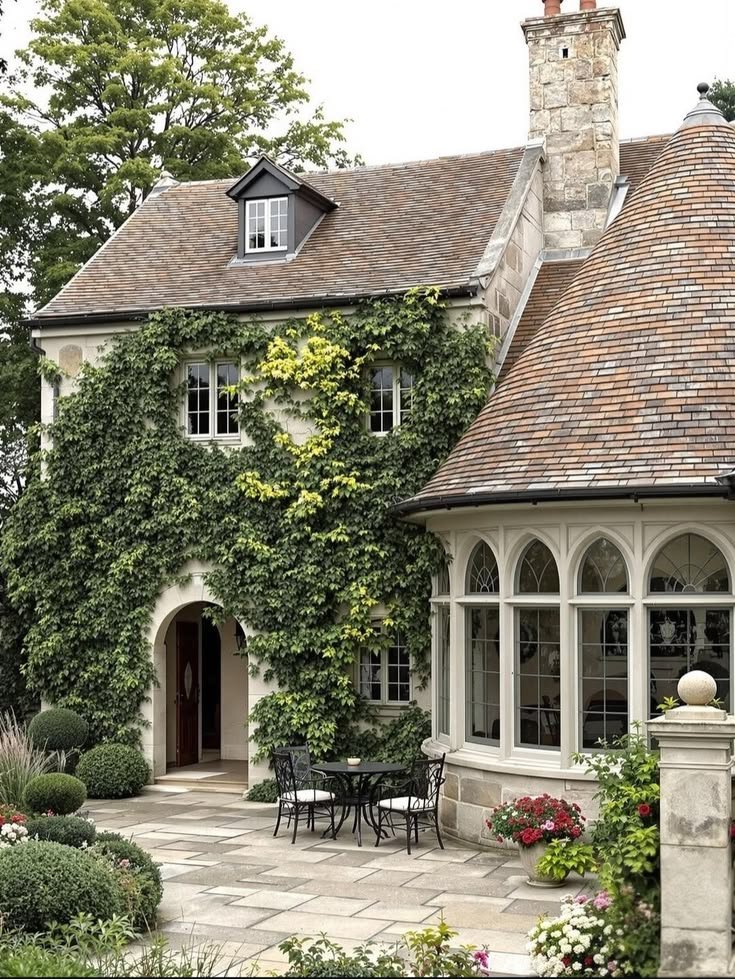
A patio should never feel like a separate add-on. When it’s designed thoughtfully, it becomes a natural continuation of your living space—a place where indoor comfort meets outdoor freedom. It’s where mornings begin with fresh air, where evenings slow down, and where everyday moments feel more connected to nature.

In this article, you’ll learn how to design a patio that blends seamlessly with your lifestyle and your interior space by focusing on flow, comfort, materials, lighting, and the small details that make outdoor living feel truly “at home.”
Here is how to create a patio that merges naturally with the way you live.
No. 1
Start With How You Live
Before choosing materials or layouts, think about how you want to use your patio. Ask yourself:
Will this be a place to relax or to entertain?
Do you want quiet mornings or social evenings?
Will you eat outside often?
Do you want space for children or pets?
Your patio should support your daily rhythm, not just look beautiful. When design reflects lifestyle, the space becomes both meaningful and functional.
No. 2
Create Visual Flow From Indoors to Outdoors
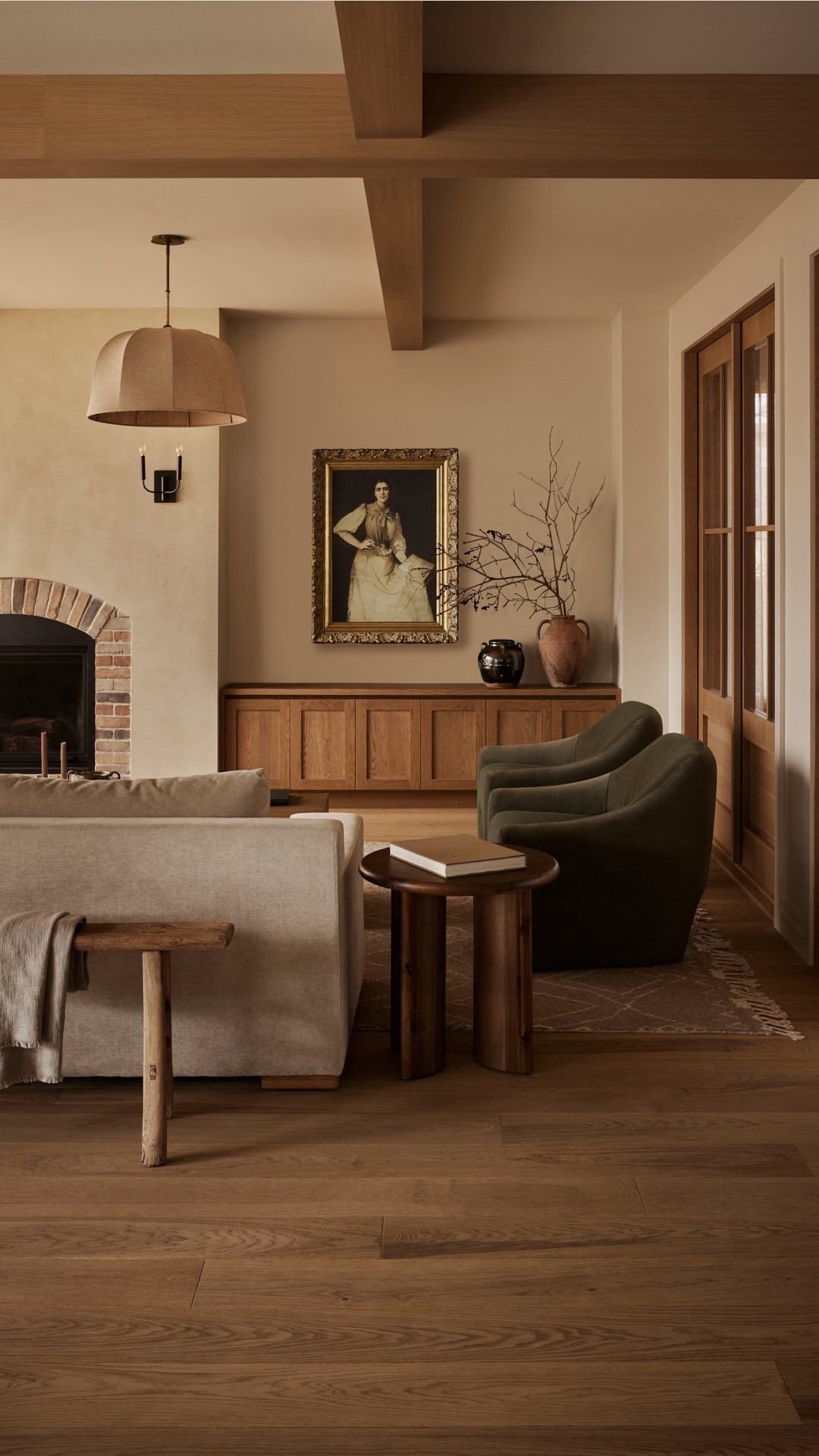
The best patios feel connected because they mirror the style and energy of the interior. Use similar colours, textures, or design themes so the transition feels natural.
For example:
If your home is modern, use clean lines and simple materials.
If your home is warm and rustic, choose stone, wood, and softer finishes.
If your interior uses neutral tones, extend that palette outdoors.
When the visual language stays consistent, your patio becomes a true extension of your home.
No. 3
Use Doors and Openings as Design Anchors
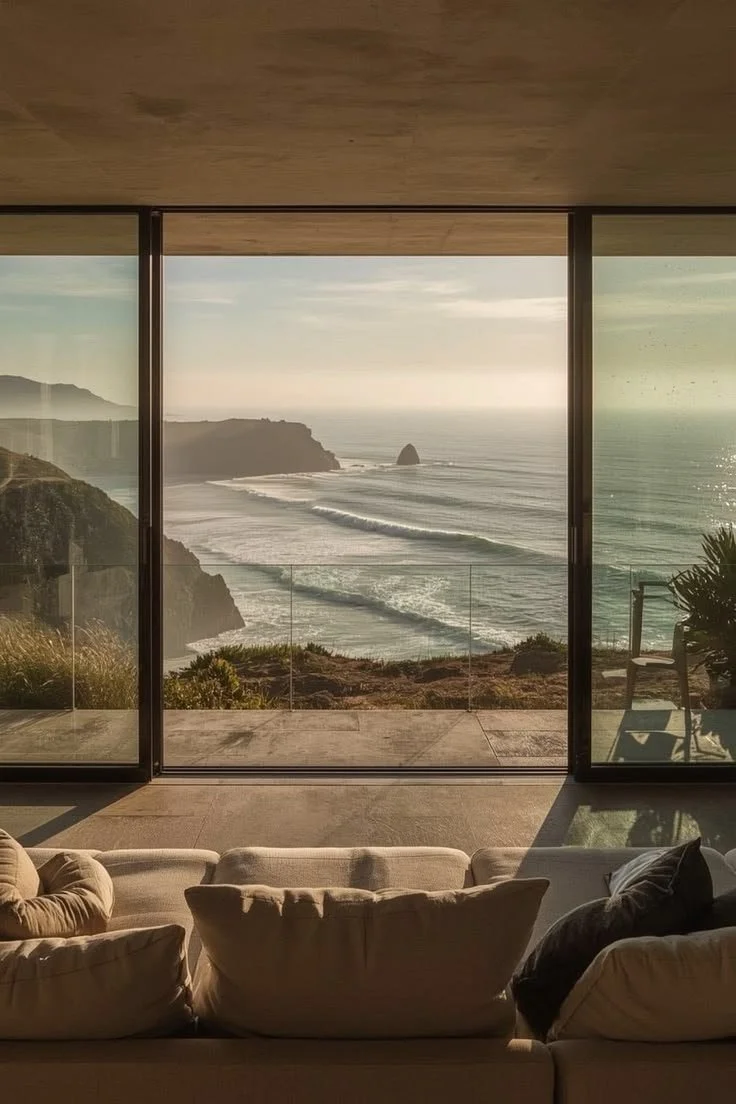
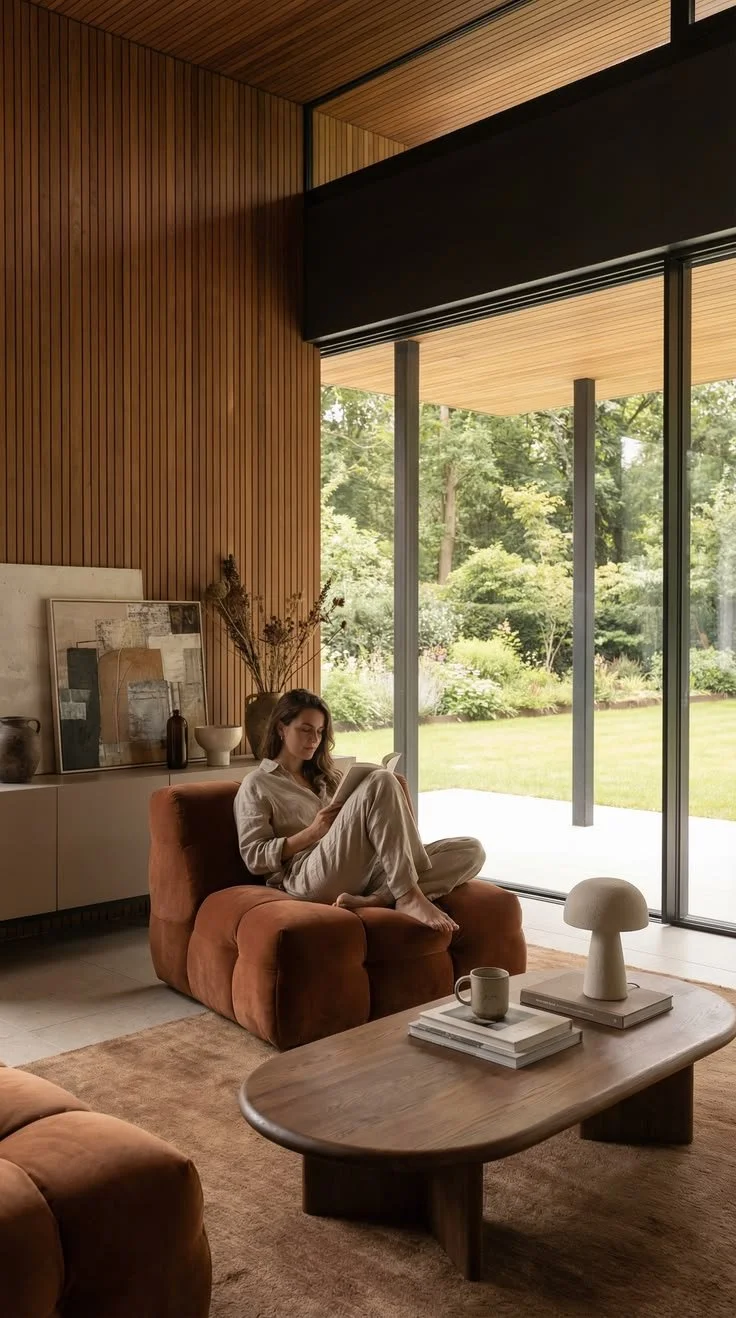
Your patio begins where your home opens. Large sliding doors, bi-fold doors, or French doors create a strong visual and physical connection.
Design your patio around these entry points so the space feels inviting the moment the doors open. This connection encourages movement between inside and outside without interruption.
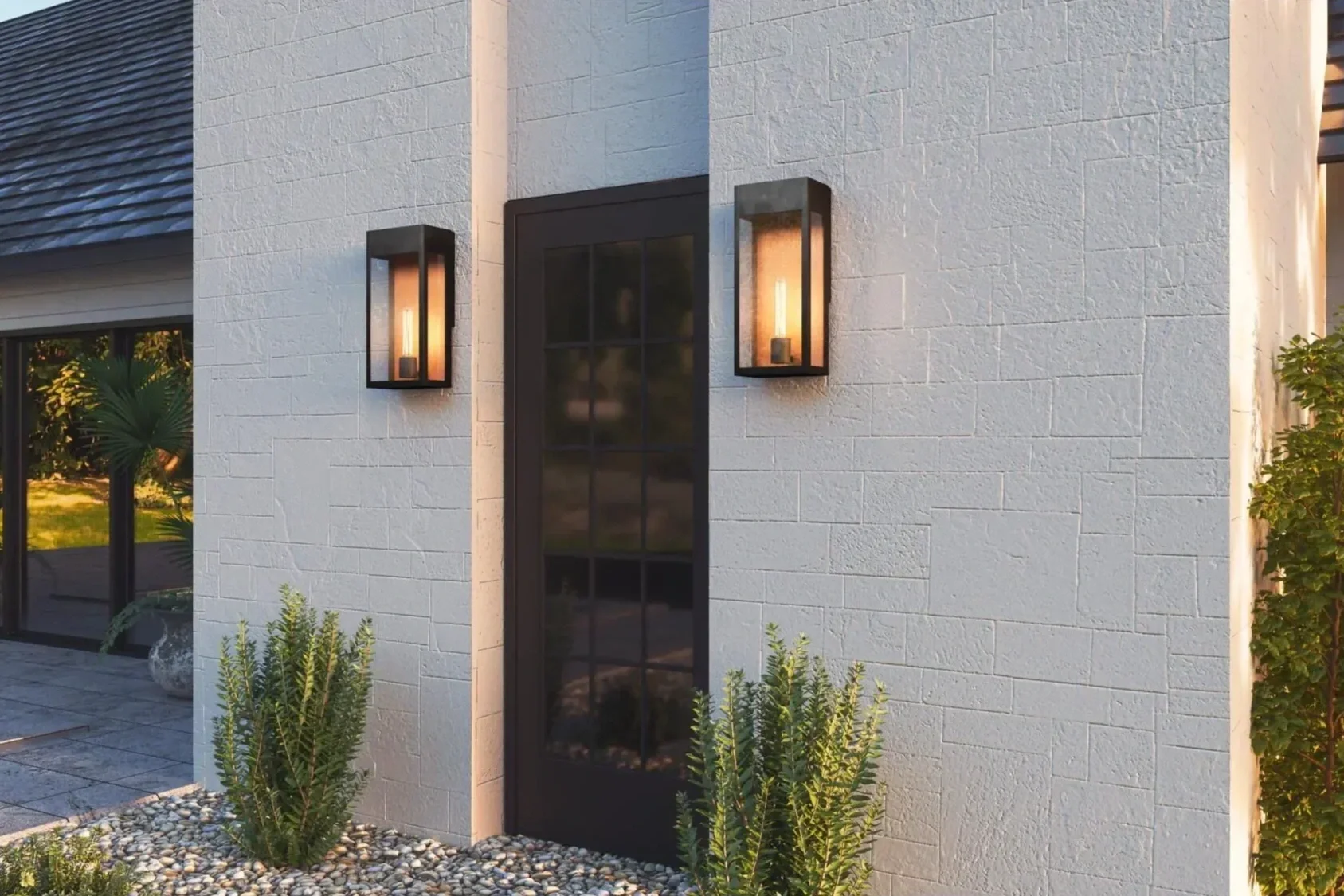
1-800 Lighting
Transform your exterior into a welcoming, well-lit oasis with stylish outdoor lighting fixtures—wall lights, post lamps, landscape, and security options for curb appeal, safety, and ambiance.
No. 4
Choose Materials That Feel Natural Underfoot
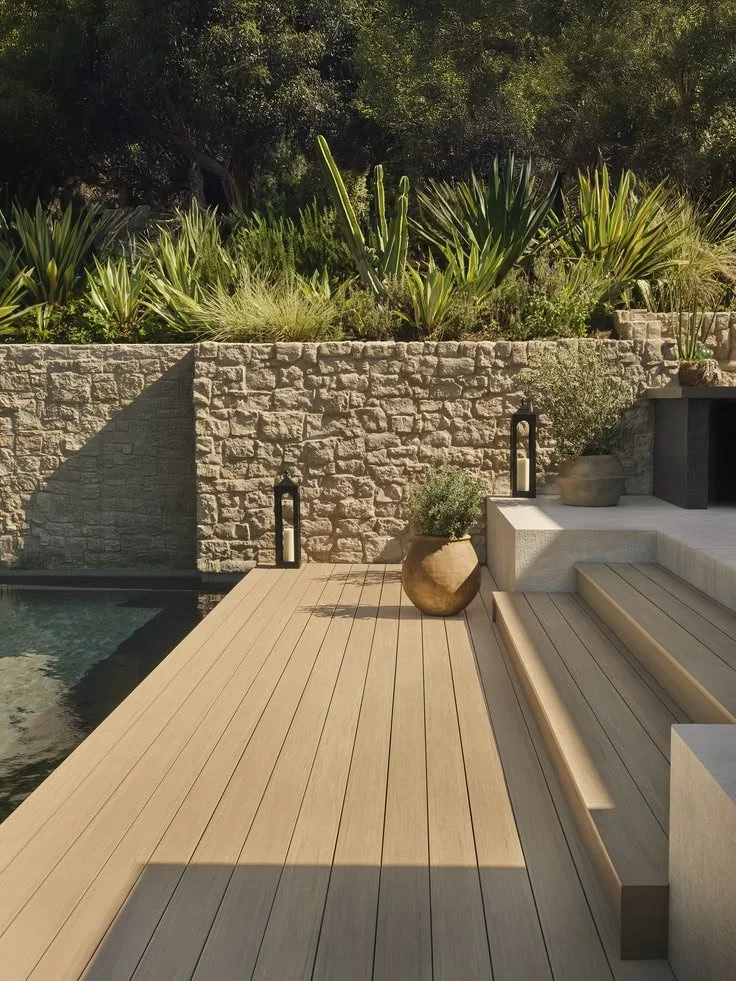
Comfort starts with what you touch. Stone, pavers, and textured surfaces should feel solid, warm, and welcoming. Materials that reflect nature make the space feel grounded and timeless.
Professional patio construction ensures that your patio is not only visually beautiful but also structurally sound and built to last. A well-built foundation supports long-term comfort and confidence in your space.
No. 5
Design for Comfort First
Just like your living room, your patio should invite people to stay. Choose seating that feels supportive and relaxed. Add cushions, throws, or outdoor rugs to soften the space.
Think about:
Comfortable chairs or loungers
Shaded areas for warm days
Space to stretch out or gather together
Comfort is what transforms a patio from a feature into a destination.
No. 6
Bring Indoor Details Outdoors
Small design details make a big difference. Adding elements that are typically found indoors creates familiarity and warmth.
Consider:
Side tables
Soft lighting
Decorative planters
Outdoor artwork
Fire features or heaters
These details blur the line between interior and exterior living.
No. 7
Use Plants as Natural Walls
Plants create privacy, softness, and structure. Instead of hard boundaries, use greenery to shape your space.
You can:
Frame the patio with shrubs
Add tall planters for intimacy
Use climbing plants for vertical interest
Plants make your patio feel enclosed without making it feel closed in.
No. 8
Think About Lighting as Mood
Lighting shapes the atmosphere. Soft lighting helps your patio feel welcoming after sunset and encourages you to use the space longer.
Use:
Warm string lights
Pathway lighting
Wall-mounted fixtures
Lanterns or solar lights
Gentle lighting keeps the space calm and inviting.
No. 9
Allow for Natural Movement
Just like inside your home, your patio should have flow. Leave enough space to walk comfortably. Create clear zones for seating, dining, and movement. Avoid overcrowding the area with too many features.
Open space allows energy to move naturally and helps the patio feel calm, functional, and easy to enjoy.
No. 10
Make It Personal
Your patio should reflect you. Add elements that carry emotional meaning:
Favourite plants
Handmade décor
Family seating zones
Colours that make you feel relaxed
Personal touches turn structure into a sanctuary.
No. 11
Let Nature Be Part of the Design
Wind, light, and seasonal change are part of the experience. Choose materials and layouts that work with nature rather than against it.
Position seating to enjoy sunsets, breezes, or garden views. Let the environment participate in the design.
Takeaways
Designing a patio that feels like an extension of your home is ultimately about connection. It’s about creating a space where indoor comfort flows naturally into outdoor calm. With thoughtful planning, quality construction, and intentional design choices, your patio becomes more than a surface—it becomes a living space filled with warmth, presence, and possibility.
When your patio reflects how you live and how you relax, it becomes a place you return to again and again—not simply because it’s outside, but because it truly feels like home.
Looking for Home resources?
Looking to enhance your living space and create a sanctuary that supports your well-being? Explore our home partners who offer a wide range of resources to elevate your home environment.