Common Mistakes People Make When Planning A Home Extension
Extending your home is one of the most exciting renovation projects you can take on. Whether it’s to create more breathing room, accommodate a growing family, or increase market value, a well-planned extension can completely transform how you live in your space.

But amid the anticipation of layout ideas and Pinterest mood boards, one critical step often gets overlooked: proper planning.
In this article, we’ll walk you through the most common mistakes people make when planning a home extension—and how to avoid them. Skipping these essential details can lead to overspending, design regrets, and even legal trouble. But with the right approach, you’ll turn your vision into reality—with fewer headaches and a much smoother experience.
No. 1
Mistake 1: Not Defining the Purpose of Your Extension
One of the most common slip-ups homeowners make is jumping into design mode without first identifying why they’re extending their home in the first place.
Simply saying, “We need more room,” isn’t enough.
Yes, additional square footage sounds like a universal fix—but if the space doesn't serve a clear function, chances are it’ll feel awkward, disconnected, or underused in the long run.
Ask yourself:
Are you extending to create a larger kitchen or open-plan family space?
Do you need a dedicated home office, extra bedroom, or a spacious playroom for the kids?
Is the goal to bring in more natural light or improve the flow between indoor and outdoor areas?
Clarity about function lays the foundation for great design. When you truly understand how the new space will fit into your everyday life, the layout will support your lifestyle—not just your square footage goals.
No. 2
Mistake 2: Skipping Professional Input
Many homeowners get caught up in inspiration and try to map out their extension plans independently, thinking they can consult a professional later. Unfortunately, that approach can lead to design flaws, inefficient layouts, and extra costs when things inevitably have to change.
Here’s what can go wrong without expert consultation:
Doorways and windows may be placed in awkward spots
Unanticipated structural limitations can derail your ideas
Space flow between rooms becomes disrupted
Budget estimates are inaccurate or incomplete
Bringing in design professionals—such as the trusted team at CBI Design Professionals—early in the process is essential. Their insight can help you:
Understand what’s structurally feasible
Maximize your available space creatively
Avoid costly alterations once building starts
Think of professional input as prevention rather than repair.
Initial consultations may cost you upfront, but they’ll likely save you from expensive changes once walls are being built. You’ll walk into the process with confidence knowing your dreams are practical—and possible.
No. 3
Mistake 3: Overlooking Planning Permissions and Building Regulations
While it’s true that not all home extensions require formal planning permission, assuming you can skip local building regulations altogether is a recipe for disaster.
Each municipality has its own [zoning laws],[height limits], setback requirements, and building codes that dictate what can and can’t be done. Failing to meet these conditions could result in:
Fines and legal penalties
Delays in your project
In extreme cases, being forced to partially or fully dismantle the extension
Always check:
Whether your extension falls under Permitted Development or requires a full planning application
Any height, boundary, or visibility restrictions specific to your property
Party wall agreements if your home shares structural boundaries with neighbors
When you work with a qualified architect or builder, you gain peace of mind knowing these issues are addressed proactively. They'll help you navigate the red tape, ensuring you secure the right approvals before any major spending or construction takes place.

Houzz
Make your home project a reality. Find inspiration, products, and the pros to make it happen - all in one place.
No. 4
Mistake 4: Designing Based on Budget Instead of Feasibility
Naturally, budget plays a big role in any renovation project. But basing your entire design on how much you think (or hope) something should cost creates risky constraints—especially before understanding feasibility.
If you try to fit ambitious ideas into a limited budget without professional input, you may face:
Multiple redesigns down the line when it becomes clear the original plan is too ambitious
Having to downgrade finishes, remove features, or reduce square footage
Frequent pauses in planning due to financial inconsistencies
A smarter approach:
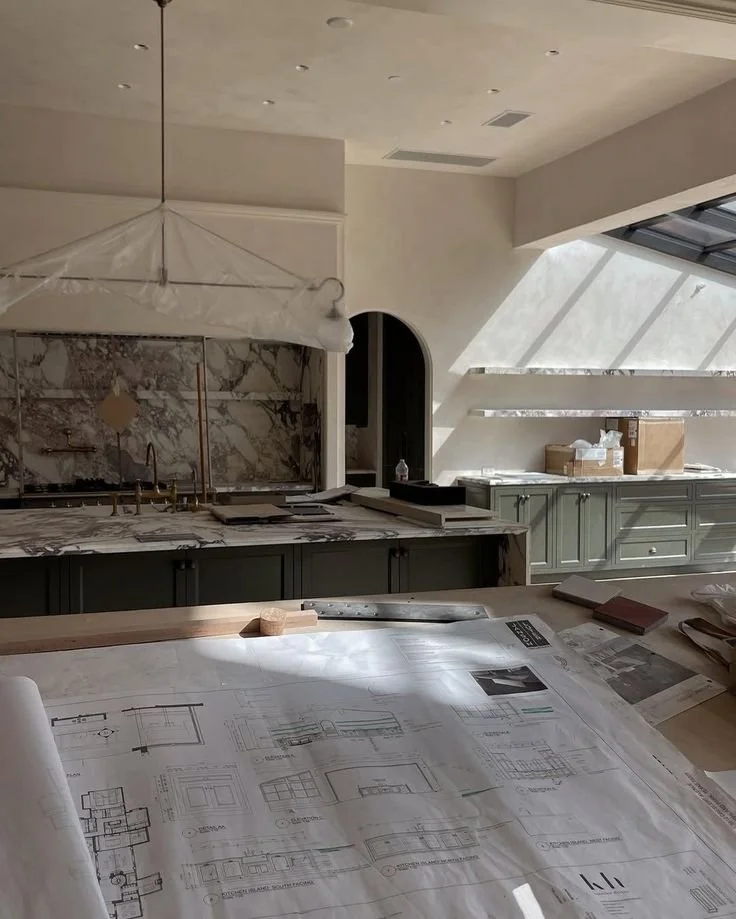
Start with feasibility, not fantasy. Consult with structural engineers or designers first.
Understand the real factors that impact costs—materials, labor, complexity, and hidden works like plumbing and foundation changes.
Build a realistic baseline budget from those insights.
Leave a contingency buffer (10–20%) for unexpected expenses.
Budgeting based on feasibility creates fewer surprises and allows your project to progress with minimal friction. Instead of designing only what you can afford, you’ll spend money where it matters most, and more efficiently.
Takeaways: Build Smarter with Planning, Not Panic
Embarking on a home extension offers an exciting opportunity to reimagine how your home works for you. But behind every successful, smooth-running renovation is a solid planning process that covers more than paint colors and furniture ideas.
In this article, we explored the four most common home extension planning mistakes—and how to avoid them:
Failing to define the purpose of the new space
Overlooking professional guidance early in the process
Ignoring local regulations and building codes
Designing according to budget instead of structural feasibility
Getting these decisions right before construction begins will save you time, money, and countless headaches. You'll enjoy a finished space that not only looks great but truly functions the way your family needs it to.
Invest in the planning now, and your extension will reward you for years to come. With the help of qualified professionals and purposeful design, you can turn your dream home into a living, breathing reality—without the common regrets that so often follow rushed decisions.
Because when it comes to home extensions, the magic is in the details.
Looking for Home resources?
Looking to enhance your living space and create a sanctuary that supports your well-being? Explore our home partners who offer a wide range of resources to elevate your home environment.