The First Five Years: What Really Happens After A Garden Build
A freshly completed garden carries a distinctive energy—clean lines, defined paths, and neatly planted beds all hint at the potential to come. Young trees stand with quiet promise, and every shrub or perennial is deliberately placed for both aesthetic and ecological harmony. For many, this is seen as the final chapter in garden creation—a beautiful conclusion after months of planning and hard work. But the truth is far more interesting.

In this article, we explore why a newly built garden is not the end, but the stirring beginning of a living, breathing journey. Over the first five years, design transforms into relationship; arrangement becomes rhythm, and space slowly evolves into place. A garden matures not through speed but through seasons, stewardship, and subtle progress.
These early years mark the most defining phase in a garden’s long life—and understanding what happens from year one to year five is key to appreciating the full value of thoughtful landscape design.
No. 1
Year One: Establishment and Adjustment
The first year is all about adjustment below the surface. While the above-ground garden design may appear modest, plant roots are hard at work anchoring into new soil, adapting to unfamiliar microclimates, and beginning the gradual process of settlement.
Gaps between plants may appear too wide or inconsistent—but this is by design. Room to grow ensures long-term health and prevents future overcrowding. A garden crowded too early may flourish in appearance only to suffer from fungal issues, stunted growth, or expensive removals down the line.
Priorities in Year One:
Focused root establishment
Gentle pruning and shaping for early form
Regular, mindful watering and mulching
Observation to identify initial adaptation issues
During this phase, the garden’s structure is on full display. Paths, terracing, retaining walls, and hard edges provide a visual framework—a kind of scaffold—onto which green life will slowly layer over time.
No. 2
Year Two: Early Growth and Emerging Character
The second year ushers in a noticeable shift—plants begin to emerge with increasing confidence. Shrubs and perennials start to take up more space, and overall texture becomes richer and more inviting. The skeletal frame begins to gain muscle and skin.
You’ll see changes between seasons more distinctly now: spring shoots burst more quickly into bloom, summer beds feel fuller, and autumn structure becomes clearer and more coherent.
Key developments:
Expanded foliage coverage and bloom cycles
Minor plant repositioning or replacements
Signs of ecological interaction—bees, butterflies, soil life
The beginning of informal maintenance routines
Not everything will go exactly as planned. A species that once looked perfect on paper may underperform, while another might surprise you with exceptional vigor. This is where thoughtful editing becomes both art and necessity.
No. 3
Year Three: Balance and Belonging
By the third growing season, something remarkable takes place: the garden starts to feel settled. Planting choices that once appeared scattered begin to knit together. Transitions between paths, seating areas, and beds soften and merge.
Hallmarks of this phase:
Stronger branching in trees and shrubs
Hedging begins to act as true structure
Ground covers suppress weed population naturally
Maintenance becomes more relaxed and refined
The experience of being in the garden changes, too. There’s less visual tension. Movement feels easier. Whether you're hosting guests or quietly walking with morning coffee, there's a lasting sense that the space has begun to find itself.
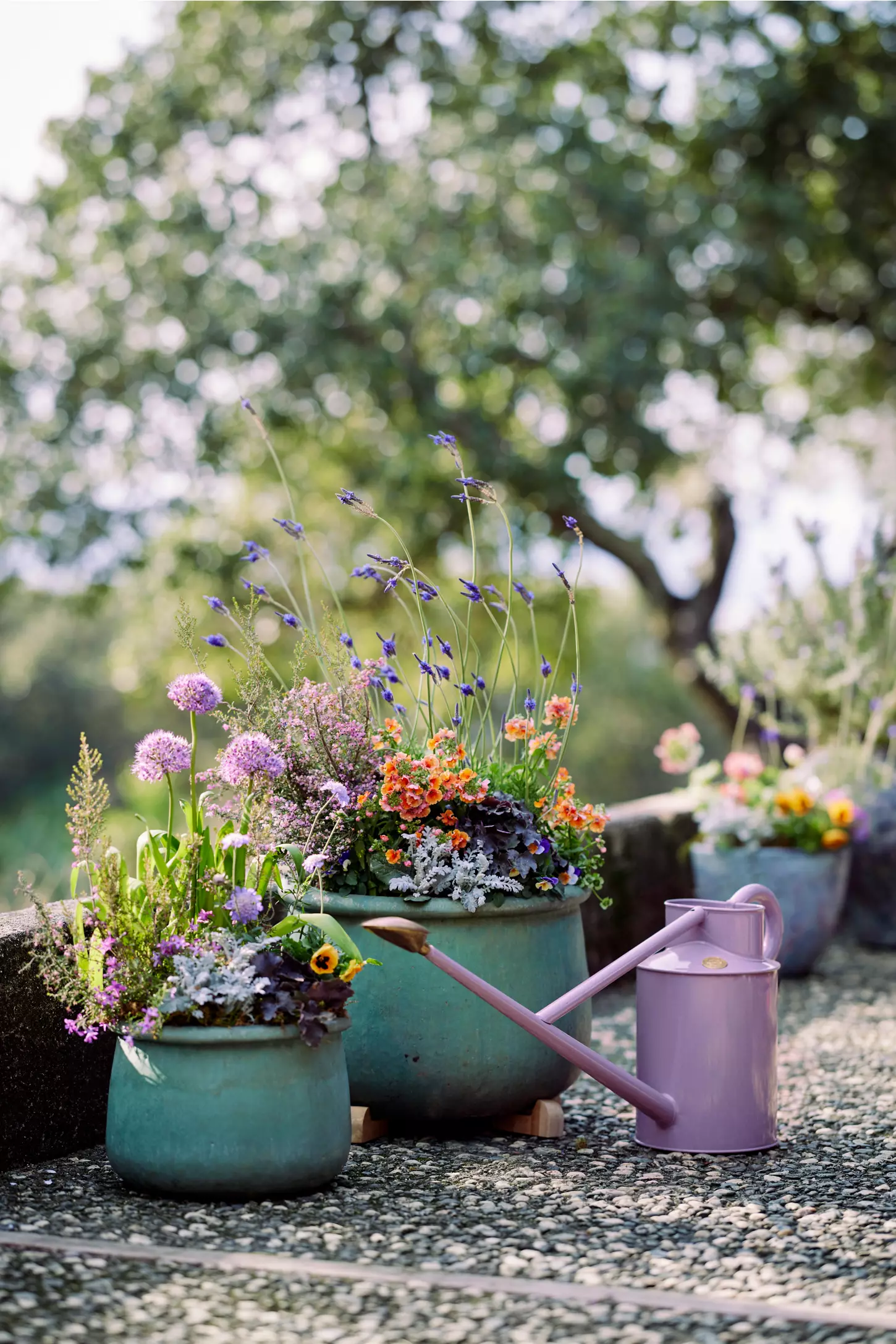
Terrain
Discover the beauty of nature with Terrain’s curated selection of plants. From lush greenery to blooming florals, find the perfect touch for your home or garden!
No. 4
Year Four: Maturity in Motion
The fourth year is where confidence turns into presence. Shrubs offer privacy. Trees form canopies. Flowering plants develop seasonal cadence, peaking and retreating with intentional elegance.
You may notice a more robust ecosystem forming. Birds visit regularly, insects have made a habitat, and the garden has become less an arrangement and more a community.
At this stage:
Maintenance is more about timing than frequency
Dividing perennials helps guide continued vigor
Selective pruning replaces formative training
Foot traffic and human interaction feel second nature
Even as it begins to look mature, the garden is still in motion. Every tweak you make—as a designer, steward, or homeowner—affects not just the coming year, but sets the trajectory for the next decade.
No. 5
Year Five: A Garden Comes Into Its Own
Five years in, a thoughtfully constructed garden no longer feels “new.” It feels inevitable—as if it has always been there. Trees are now subtle anchors in the space. Beds are full, layered, generous. There’s an overarching sense of peace.
It is at this point that the garden becomes truly responsive to its location:
It provides shade, privacy, and structure without feeling imposed.
It feels lived in, yet never overgrown.
It reflects seasonal rhythms while supporting daily life in meaningful ways.
The sensation of walking through a five-year-old garden, well-tended and wisely built, is one of quiet completeness. It doesn't shout. It whispers generously.
And yet—this is not the end of growth, only the wisdom phase of it.
No. 6
Why Patience Is Part of the Design
Too often, clients or homeowners perceive the completion of a garden build as the finish line. In reality, it's just the first step in a slow, rewarding process of becoming.
Success in a landscape doesn't depend solely on design or installation. It depends on how time is honored during those crucial first five years. Trying to rush nature—through overplanting, early reshaping, or hurried expectations—inevitably undermines both beauty and functionality.
By contrast, a garden that grows with patience, care, and curiosity becomes something far more enduring. It weaves into its place, grows in intimacy, and allows both people and plants to co-evolve across the seasons.
Takeaways: The Living Journey of Landscape Design
In this article, we've charted the profound transformation that occurs in the five years following a garden’s creation. From subtle beginnings below ground to full maturity above, a well-designed garden does more than fill space—it matures into a living companion that reflects care, discipline, and long-range thinking.
The greatest gardens aren’t installed. They’re allowed to emerge.
To take the long view in garden-making is to embrace a partnership with nature, time, and change. And in doing so, we build not just beautiful outdoor places—but spaces of resonance, rest, and renewal for years to come.
Looking for Home resources?
Looking to enhance your living space and create a sanctuary that supports your well-being? Explore our home partners who offer a wide range of resources to elevate your home environment.