How To Make Your Home More Energy Efficient Without Major Remodeling
If your home struggles to maintain a comfortable temperature year-round and your energy bills keep creeping upward, you're not alone. Many homeowners in Brampton and beyond face the same challenges—drafty rooms, uneven heating or cooling, and rising utility costs. When the topic of energy-efficient renovations comes up, it’s easy to assume it requires a complete overhaul or costly remodeling.

Here’s the good news: boosting your home’s energy efficiency doesn’t have to mean tearing down walls or embarking on a major construction project.
In this article, we’ll explore practical, budget-friendly strategies to make your home more energy efficient—without the need for extensive renovations. From upgrading windows and doors to sealing drafts and optimizing airflow, these improvements can deliver real results in comfort and cost savings.
No. 1
Upgrade Windows and Doors for Immediate Impact
Even in a well-constructed home, aging windows and doors can be a major source of energy loss. Worn-out seals, outdated materials, and small gaps allow air to escape, making it harder to keep your home warm in the winter and cool in the summer. As a result, your HVAC system works overtime, and your energy bills reflect the strain.
Benefits of Upgrading Windows and Doors:
Reduces air leakage and drafts
Improves indoor temperature consistency
Lowers heating and cooling costs
Enhances overall home comfort
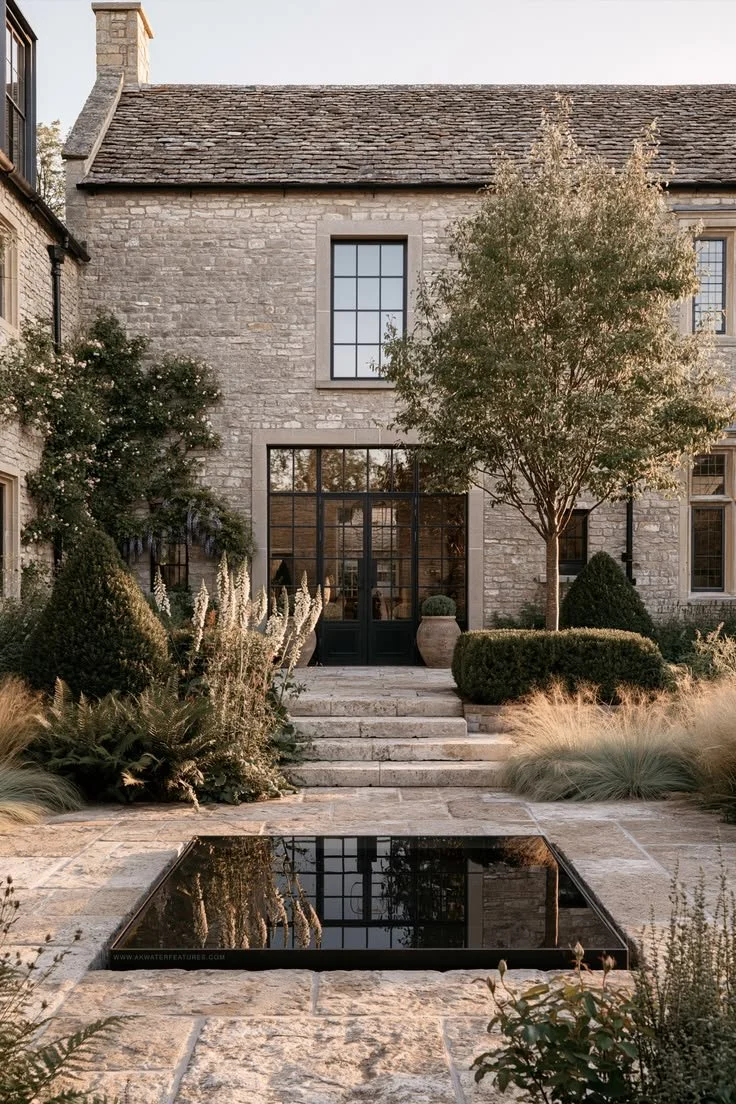
Modern window and door systems are engineered with insulated glass, durable frames, and advanced sealing technologies that significantly reduce heat transfer. Whether you prefer a traditional or contemporary style, today’s energy-efficient designs offer both performance and aesthetic appeal.
For optimal results, consider working with experienced professionals who are skilled in window and door installation in Brampton, like Premier North Windows & Doors. Their attention to detail ensures tight insulation, precise alignment, and expert installation—minimizing air gaps and maximizing energy efficiency for years to come.
No. 2
Seal Drafts and Air Leaks Around the Home
Even after upgrading your windows and doors, small gaps throughout your home can still allow energy to escape. These leaks are often found around window trim, door frames, baseboards, vents, and areas where pipes or cables enter the home. While each gap may seem insignificant, together they can have a major impact on your home’s energy performance.
Simple Draft-Sealing Solutions:
Apply caulking around window and door trim to close visible cracks
Install weatherstripping along doors to block air leaks
Add door sweeps to prevent cold air from seeping in at floor level
These affordable materials are easy to install and make a noticeable difference in reducing drafts. Once sealed, your home retains conditioned air more effectively, allowing your heating and cooling systems to operate more efficiently and maintain a more consistent indoor climate.
No. 3
Strengthen Insulation Where It Matters Most
Insulation is your home’s silent guardian against temperature fluctuations. Over time, however, insulation can settle, degrade, or become insufficient—especially in older homes. When that happens, your home loses its ability to retain heat in the winter and repel heat in the summer, forcing your HVAC system to work harder.
Key Areas to Improve Insulation:
Attics: Since heat rises, reinforcing attic insulation helps trap warmth where it’s needed most
Basements and crawl spaces: Prevent cold air from seeping upward into living areas
Exterior walls: Consider blown-in insulation if wall cavities are accessible
The best part? Many insulation upgrades can be done without opening walls or disrupting your living space. As insulation improves, you’ll notice rooms holding their temperature longer, fewer cold spots, and quieter HVAC operation—all contributing to lower monthly energy bills.
Smell Away
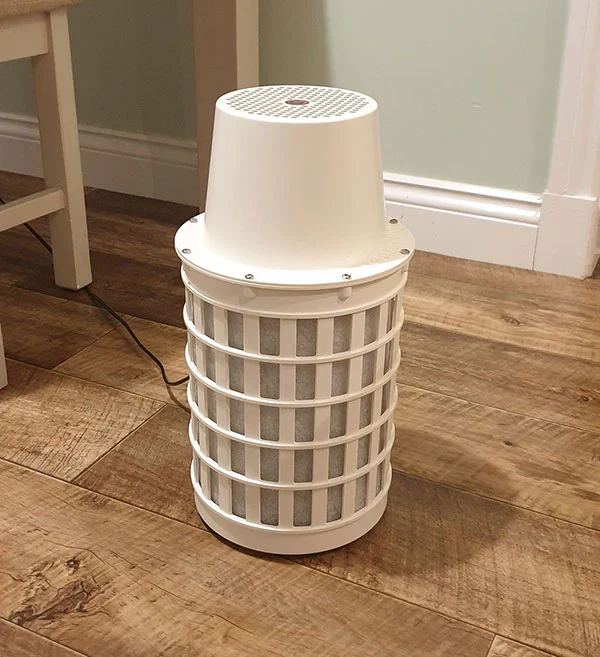
Say goodbye to stubborn odors with the Smell Away® Odor Neutralizing Machine!
Eliminate odors and create a clean, welcoming environment for your customers and employees.Shop now for cleaner, healthier air!
No. 4
Use Airflow and Home Systems Wisely
Air circulation plays a vital role in maintaining a comfortable and energy-efficient home. When air becomes trapped or unevenly distributed, it forces your HVAC system to work harder to balance temperatures across rooms.
Smart Airflow Tips:
Use ceiling fans to enhance circulation—set them counterclockwise in summer to cool, and clockwise in winter to push warm air down
Keep vents clear of furniture and obstructions to ensure proper airflow
Leave interior doors open to promote even air distribution throughout the home
These small adjustments can make a big difference in how your home feels. Balanced airflow reduces temperature swings, eases the burden on your HVAC system, and contributes to a more stable and comfortable indoor environment.
Takeaways
Creating a more energy-efficient home doesn’t have to involve major remodeling or expensive renovations. With strategic, thoughtful upgrades, you can reduce energy consumption, lower utility bills, and enjoy a more comfortable living space—all without disrupting your daily life.
In this article, we’ve covered practical steps you can take today to improve your home’s energy efficiency:
Upgrading windows and doors for better insulation
Sealing drafts and air leaks to prevent energy loss
Strengthening insulation in key areas like attics and basements
Using airflow techniques to maintain even temperatures
Each of these improvements builds toward a smarter, more sustainable home—one that’s warmer in winter, cooler in summer, and easier on your wallet. Energy efficiency doesn’t have to be a massive project. With the right approach, it becomes a manageable and rewarding lifestyle upgrade.
Looking for Home resources?
Looking to enhance your living space and create a sanctuary that supports your well-being? Explore our home partners who offer a wide range of resources to elevate your home environment.