How To Create A Healthier Home Environment For You And Your Family
When striving to live a healthier lifestyle, many people focus on diet, exercise, and mental well-being. However, one crucial area that often gets overlooked is the home itself. Your living environment plays a significant role in your overall health and the well-being of everyone who shares the space with you. From the air you breathe to the hidden hazards you may not even be aware of, your home can either support or sabotage your health goals.

In this article, we’ll explore some of the most effective ways to make your home a healthier place to live. These practical tips are designed to help you reduce health risks, improve air quality, and create a safer, more comfortable environment for your entire household.
No. 1
Improving Air Purity
One of the most overlooked aspects of a healthy home is the quality of indoor air. Poor air quality can contribute to a range of health issues, including allergies, respiratory problems, and fatigue. Fortunately, enhancing the purity of the air in your home is easier than you might think.
Simple Ways to Improve Air Quality:
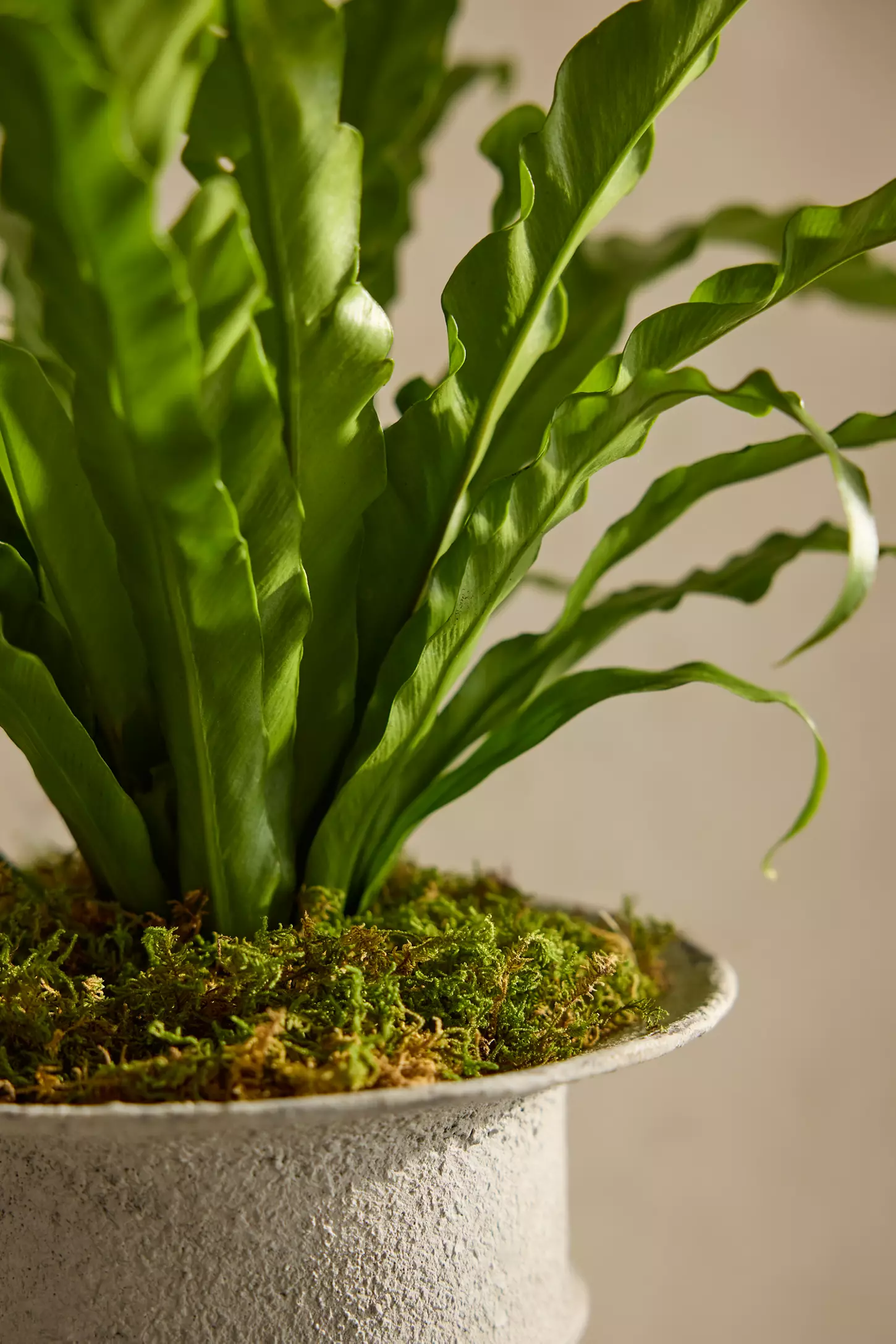
Add indoor plants: Certain houseplants, like spider plants, snake plants, and peace lilies, naturally filter toxins from the air.
Increase ventilation: Open windows regularly and use exhaust fans in kitchens and bathrooms to circulate fresh air.
Use air purifiers: HEPA-filter air purifiers can trap dust, allergens, and pollutants effectively.
Taking these steps can significantly improve the air you breathe daily, helping you feel more energized and reducing the risk of respiratory issues.
No. 2
Removing Pests
Pests are more than just a nuisance—they can pose serious health risks. Rodents, cockroaches, and other household pests can spread bacteria, contaminate food, and trigger allergic reactions. Even their droppings and shed skin can affect indoor air quality and exacerbate asthma symptoms.
Why Pest Control Matters:
Rodent droppings can carry harmful pathogens.
Insect infestations may lead to skin irritation or respiratory issues.
Unchecked pests can damage your home’s structure and insulation.
If you suspect a pest problem, it’s important to act quickly. Whether you are looking for pest control buderim or searching for the nearest Terminix near me, choosing a reputable service to assess and resolve the issue is vital. The sooner you address it, the safer your home will be.
No. 3
Dealing With Damp and Mold
Dampness is another silent threat to your home’s health. Moisture buildup can lead to mold growth, which releases spores that are harmful when inhaled. Long-term exposure to mold can cause respiratory issues, allergic reactions, and even chronic illness.
How to Prevent Damp and Mold:
Use a dehumidifier in areas prone to moisture, such as basements and bathrooms.
Ensure proper ventilation, especially in kitchens and laundry rooms.
Fix leaks immediately to prevent water damage and mold development.
Addressing dampness not only protects your home’s structure but also safeguards your family’s health. Don’t underestimate the impact mold can have—it’s more dangerous than many people realize.
Terrain
Indoor and outdoor living, garden, and entertaining essentials that are well-designed, lasting, and beautiful.
No. 4
Monitoring Carbon Monoxide (CO) Levels
Carbon monoxide (CO) is a colorless, odorless gas that can be deadly even in small amounts. It’s produced by fuel-burning appliances like gas stoves, heaters, and fireplaces. Because it’s virtually undetectable without a proper alarm, monitoring CO levels is essential for a safe home.
CO Safety Checklist:
Install a CO detector on every floor of your home, especially near sleeping areas.
Test the alarm monthly and replace batteries at least twice a year.
Have appliances inspected annually by a certified technician.
Taking these precautions could literally save your life and the lives of your loved ones. CO poisoning is preventable, but only if you remain vigilant.
Takeaways
Creating a healthier home doesn’t require a complete overhaul—it starts with small, intentional changes that add up over time. By focusing on air quality, pest control, moisture management, and carbon monoxide safety, you can significantly reduce health risks and create a safer, more comfortable living space.
In this article, we’ve outlined some of the most impactful ways to improve your home’s health profile. These strategies are simple, effective, and well worth the effort.
Your home should be a sanctuary—a place that supports your health, not compromises it. With a little attention and care, you can transform your living environment into a space that truly nurtures your well-being and that of your family. Start with one step today, and build a healthier tomorrow.
Looking for Wellness resources?
Are you looking to enhance your wellness routine? Explore our wellness partners who offer a wide range of resources to support your journey toward holistic living and well-being.