A Step-by-Step Guide To Planning Custom-Built Sheds That Last
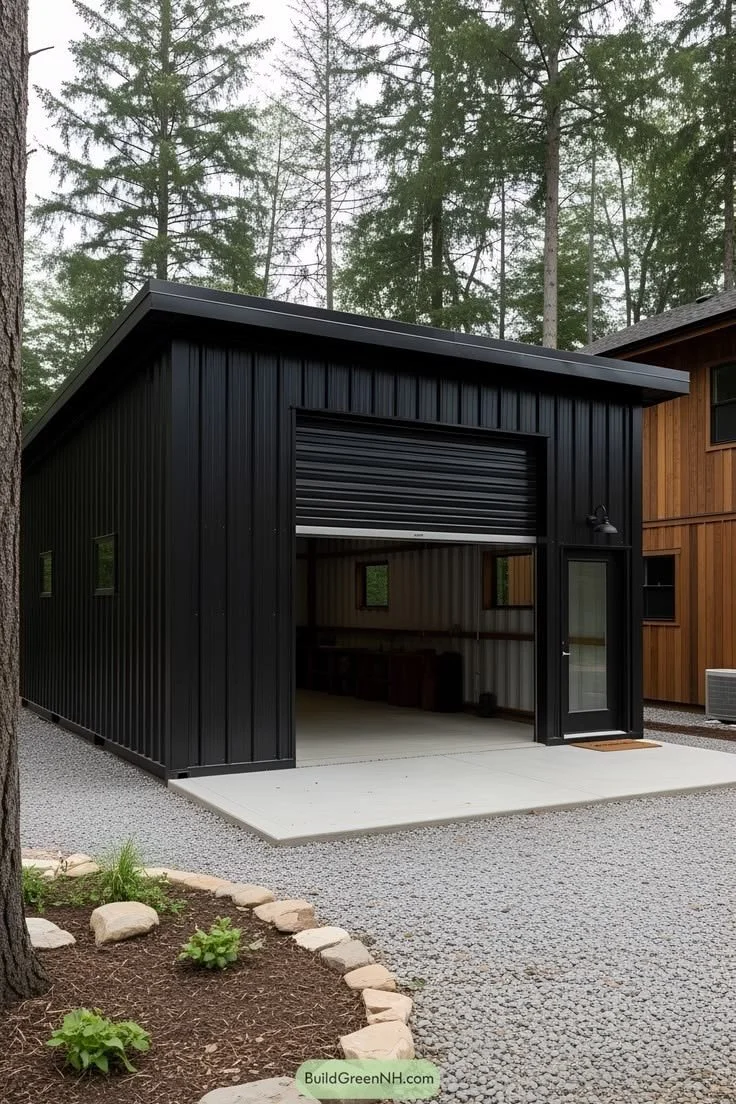
A well-built custom shed is more than just a backyard structure—it’s a personalized solution tailored to your specific needs, whether for storage, work, or leisure. Unlike pre-fabricated models, custom-built sheds offer unmatched flexibility in design, materials, and functionality. However, achieving a durable and visually appealing result requires thoughtful planning and attention to detail.

In this article, we’ll walk you through a comprehensive step-by-step guide to planning a custom-built shed that not only meets your current needs but also stands the test of time. From defining its purpose to selecting materials, choosing the right location, and preparing the foundation, each phase plays a crucial role in ensuring your shed remains a valuable asset for years to come.
No. 1
Defining the Shed’s Purpose
The first and most critical decision is determining the primary use of your shed. This will directly influence its design, layout, and size.
Some common uses include:
Storage for garden tools, bicycles, or seasonal equipment
Workshops for DIY projects or hobbies
Studios for art, writing, or remote work
Greenhouses for cultivating plants year-round
For example, a gardening shed may require potting benches, shelving, and easy-to-clean surfaces. In contrast, a workspace benefits from windows, insulation, and electrical outlets. Taking the time to clearly define your shed’s function will help you avoid costly revisions later and ensure a more efficient build.
Choosing custom-built sheds for sale allows you to tailor every detail to your needs while ensuring a reliable and long-lasting solution.
No. 2
Selecting the Ideal Location
The placement of your shed significantly affects its longevity and usability. A poor location can lead to structural issues and discomfort over time.
Key considerations include:
Level ground with proper drainage to prevent water damage
Sunlight exposure, especially for studios or greenhouses
Accessibility from your home or garden
Compliance with local zoning laws and property lines
Avoid low-lying areas prone to flooding or spots that receive full sun all day unless you plan for proper ventilation or shading. A well-chosen location enhances both the shed’s performance and its integration into your landscape.
No. 3
Choosing Durable Materials
The materials you choose will determine your shed’s durability, appearance, and maintenance requirements. Investing in high-quality materials from the outset can save you from frequent repairs and replacements.
Recommended materials include:
Treated lumber: Resists decay and insect damage, ideal for framing
Shingles or metal roofing: Offers superior weather protection
Vinyl or wood siding: Choose based on desired look and maintenance level
Insulation and sealants: Essential for workspaces or climate-sensitive storage
Avoid using low-grade plastic or untreated wood that may deteriorate quickly when exposed to the elements. A fully sealed structure with a solid roof and siding will better withstand seasonal changes and harsh weather.
Rejuvenation
Jumpstart your next home project with Rejuvenation's Home Project Guides! Expert tips, inspiration, and resources to bring your vision to life.
Start planning today!
No. 4
Designing for Functionality
A shed should be as practical as it is attractive. Thoughtful interior planning ensures the space is easy to use and organized.
Functional design features:
Shelving, hooks, and cabinets for organized storage
Wide doors for easy access to large equipment
Windows for natural light and ventilation
Insulation and airflow for temperature control and moisture prevention
If your shed will store tools, chemicals, or electronics, proper ventilation is essential. For workspaces, consider adding skylights or extra windows to create a more inviting atmosphere.
No. 5
Setting a Realistic Budget
A well-planned budget helps you stay on track and avoid unnecessary expenses. It also ensures that you don’t compromise on quality where it matters most.
Budgeting tips:
Include materials, labor, permits, and accessories
Allocate a contingency fund (10–15%) for unexpected costs
Compare prices across suppliers for better deals
Prioritize quality over cost-cutting—cheap materials often lead to expensive repairs
A realistic budget not only helps you manage your finances but also ensures that the final structure meets your expectations in terms of performance and durability.
No. 6
Obtaining Necessary Permits
Before construction begins, it’s essential to check with your local municipality about building permits and zoning regulations.
Permit essentials:
Submit site plans and construction details for approval
Ensure compliance with safety and zoning codes
Be prepared for inspections during or after construction
Keep documentation for future property sales or legal clarity
Skipping this step can lead to costly fines or even forced removal of the structure. Securing permits provides peace of mind and legal protection.
No. 7
Preparing the Foundation
A shed is only as strong as the foundation it sits on. A stable, well-drained base prevents structural issues and extends the life of your shed.
Foundation options:
Concrete slabs: Durable and long-lasting
Gravel pads: Cost-effective and great for drainage
Pressure-treated skids: Ideal for portability and uneven terrain
Make sure the ground is cleared, leveled, and free of debris. In windy areas, anchor your shed to prevent shifting or damage. A solid foundation is an investment that pays off in structural integrity and reduced maintenance.
TAkeaways
A custom-built shed is more than just a backyard addition—it’s a reflection of thoughtful planning, purposeful design, and long-term vision. From defining its purpose to laying a solid foundation, every decision plays a role in how well your shed serves you over time.
In this article, we’ve explored the essential steps to planning a shed that’s built to last:
Defining its function
Choosing the right location
Selecting durable materials
Designing for usability
Budgeting wisely
Securing permits
Preparing a solid foundation
By approaching each phase with care and intention, you’ll create a shed that’s not only functional and attractive but also resilient and adaptable to your changing needs. With the right planning, your custom shed will stand tall, serve its purpose, and enhance your outdoor space for many years to come.
Looking for Home resources?
Looking to enhance your living space and create a sanctuary that supports your well-being? Explore our home partners who offer a wide range of resources to elevate your home environment.