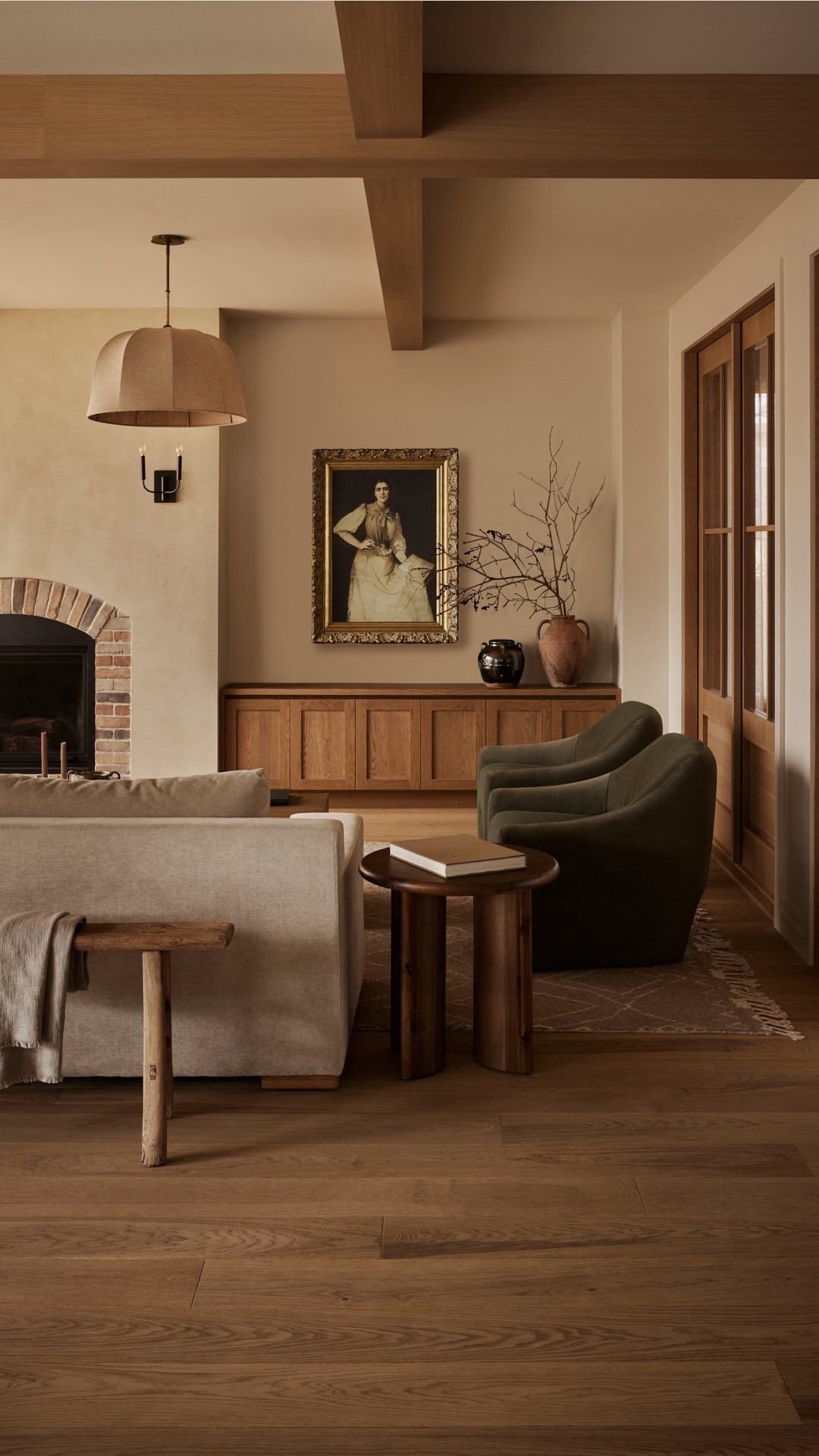
The Right Time To Schedule Floor Refinishing To Protect Hardwood
Hardwood floors are a timeless feature that bring natural warmth, elegance, and charm to any interior space. However, even the most durable wood flooring is not immune to the effects of time, wear, and environmental conditions. Over the years, foot traffic, sunlight, and moisture can dull their finish and compromise their structural integrity.

In this article, we’ll guide you through the essential considerations for determining the right time to refinish your hardwood floors. From recognizing early signs of wear and understanding how seasons affect the refinishing process to choosing the right professionals and maintaining your floors afterward, this comprehensive guide will help you protect your investment and keep your floors looking their best for decades.
No. 1
Recognizing Signs of Wear
Hardwood floors often exhibit visible signs when they’re due for refinishing. These indicators are your floor’s way of asking for attention before minor issues escalate into major damage.
Common signs include:
Scratches and scuff marks
Dull or faded areas
Worn or uneven coloration
If routine cleaning no longer restores the floor’s original shine, it’s a clear signal that a deeper treatment is necessary. Regular inspections—either by homeowners or professionals—can help detect these changes early. By acting promptly, you can prevent more extensive repairs down the line.
For those in metropolitan areas, opting for floor refinishing in Chicago ensures access to experienced professionals who understand the local climate's impact on wood flooring, delivering results that are both beautiful and long-lasting.
No. 2
Seasonal Considerations
Timing is everything when it comes to refinishing hardwood floors. The season you choose can significantly influence the quality and durability of the finish.
Ideal seasons for refinishing:
Spring and Fall: Moderate temperatures and stable humidity levels allow finishes to cure evenly and adhere properly.
Extreme weather conditions—whether hot and humid or cold and dry—can cause the finish to dry too quickly or not at all, leading to uneven surfaces or poor adhesion. Scheduling your refinishing project during mild weather ensures optimal results and a smoother application process.
No. 3
Frequency of Refinishing
How often should you refinish your hardwood floors? The answer depends on several factors, including usage, maintenance habits, and the type of finish applied.
General guidelines:
High-traffic areas (e.g., living rooms, hallways): Every 3–5 years
Low-traffic areas (e.g., guest rooms): Every 7–10 years
Preventive measures such as regular cleaning, using area rugs, and placing protective pads under furniture can significantly extend the time between refinishing sessions. The better you care for your floors, the longer they’ll maintain their beauty and integrity.
Bedrosians
Elevate your home with Bedrosians' stunning flooring materials—where function meets flawless beauty.
No. 4
Preventing Permanent Damage
Delaying refinishing can lead to irreversible damage. Once the protective seal wears off, your floors become vulnerable to moisture, stains, and structural issues.
Warning signs of deeper damage:
Gray patches or discoloration
Deep gouges or scratches
Water stains or warping
These symptoms indicate that the wood is exposed and susceptible to further deterioration. Moisture infiltration can lead to mold growth or warping, which may require full board replacement. Scheduling refinishing at the first sign of trouble preserves the floor’s condition and avoids costly repairs.
No. 5
Preparing for Refinishing
The success of a refinishing project lies in proper preparation. A clean, empty, and controlled environment ensures the finish adheres correctly and cures without interference.
Preparation checklist:
Remove all furniture and rugs from the area
Thoroughly clean the floor to eliminate dust and debris
Schedule downtime for the space to remain unused during curing
Whether you’re a homeowner or managing a commercial space, planning ahead allows the refinishing team to work efficiently and ensures a flawless final result.
No. 6
Choosing the Right Professional
Refinishing hardwood floors is a specialized task that requires skill, experience, and the right equipment. Hiring a qualified professional ensures the job is done correctly and safely.
What to look for in a refinishing expert:
Positive reviews and testimonials
Years of experience in hardwood refinishing
Use of professional-grade tools and materials
Clear communication about timelines and expectations
An experienced technician will deliver a smooth, even finish while minimizing dust and disruption. Professionalism and transparency throughout the process help build trust and ensure satisfaction.
No. 7
Benefits of Timely Care
Refinishing your floors before significant wear sets in offers numerous long-term benefits beyond aesthetics.
Advantages of prompt refinishing:
Restores natural beauty and enhances the wood’s grain
Protects against future damage from moisture and impact
Improves indoor air quality by sealing out allergens
Increases property value and appeal
Regular care and timely refinishing extend the life of your hardwood floors, making it a smart investment that pays off in both function and appearance.
No. 8
Maintaining Floors After Refinishing
Once your floors have been refinished, proper maintenance is essential to preserve their new look and protect the finish.
Maintenance tips:
Sweep or vacuum regularly to remove dirt and grit
Use entrance mats to trap debris before it reaches the floor
Avoid wet mops and harsh chemicals that can degrade the finish
Clean spills immediately to prevent staining or warping
By following these simple practices, you can prolong the life of your refinished floors and keep them looking pristine.
No. 9
Knowing When to Schedule Again
Even the best-maintained floors will eventually show signs of wear. Being proactive about monitoring their condition allows you to schedule refinishing before major issues arise.
Signs it’s time to refinish again:
Loss of shine or luster
Visible scratches or scuffs
Uneven coloration or dull patches
Quick action not only preserves the floor’s appearance but also prevents deeper damage that could require more extensive—and expensive—repairs.
Takeaways
Maintaining hardwood floors goes beyond routine cleaning—it requires strategic planning and timely refinishing to preserve their beauty and structural integrity. Understanding when and how to refinish your floors is key to extending their lifespan and enhancing your living environment.
In this article, we’ve covered the critical aspects of hardwood floor maintenance:
Recognizing early signs of wear
Choosing the right season for refinishing
Determining how often refinishing is needed
Preparing your space and selecting a qualified professional
Maintaining your floors post-refinishing
By staying informed and attentive, you can ensure your hardwood floors remain a stunning, durable feature in your home for generations to come. With the right timing and care, your investment will continue to shine—literally and figuratively—for years ahead.
Looking for Home resources?
Looking to enhance your living space and create a sanctuary that supports your well-being? Explore our home partners who offer a wide range of resources to elevate your home environment.