Sustainable Modern Furniture For A Minimalist And Stylish Home
In an era where environmental consciousness is shaping consumer behavior, interior design is no exception. The fusion of sustainability and minimalism has emerged as a defining trend in modern living spaces. Homeowners are increasingly seeking furniture that not only reflects their aesthetic preferences but also aligns with their values—particularly those centered on environmental responsibility and ethical production.

In this article, we explore how sustainable and eco-friendly furniture options can elevate minimalist interiors, offering both style and substance. From responsibly sourced materials to timeless design choices, you'll discover practical ways to create a space that’s elegant, functional, and kind to the planet.
No. 1
Embracing Minimalism with Purpose
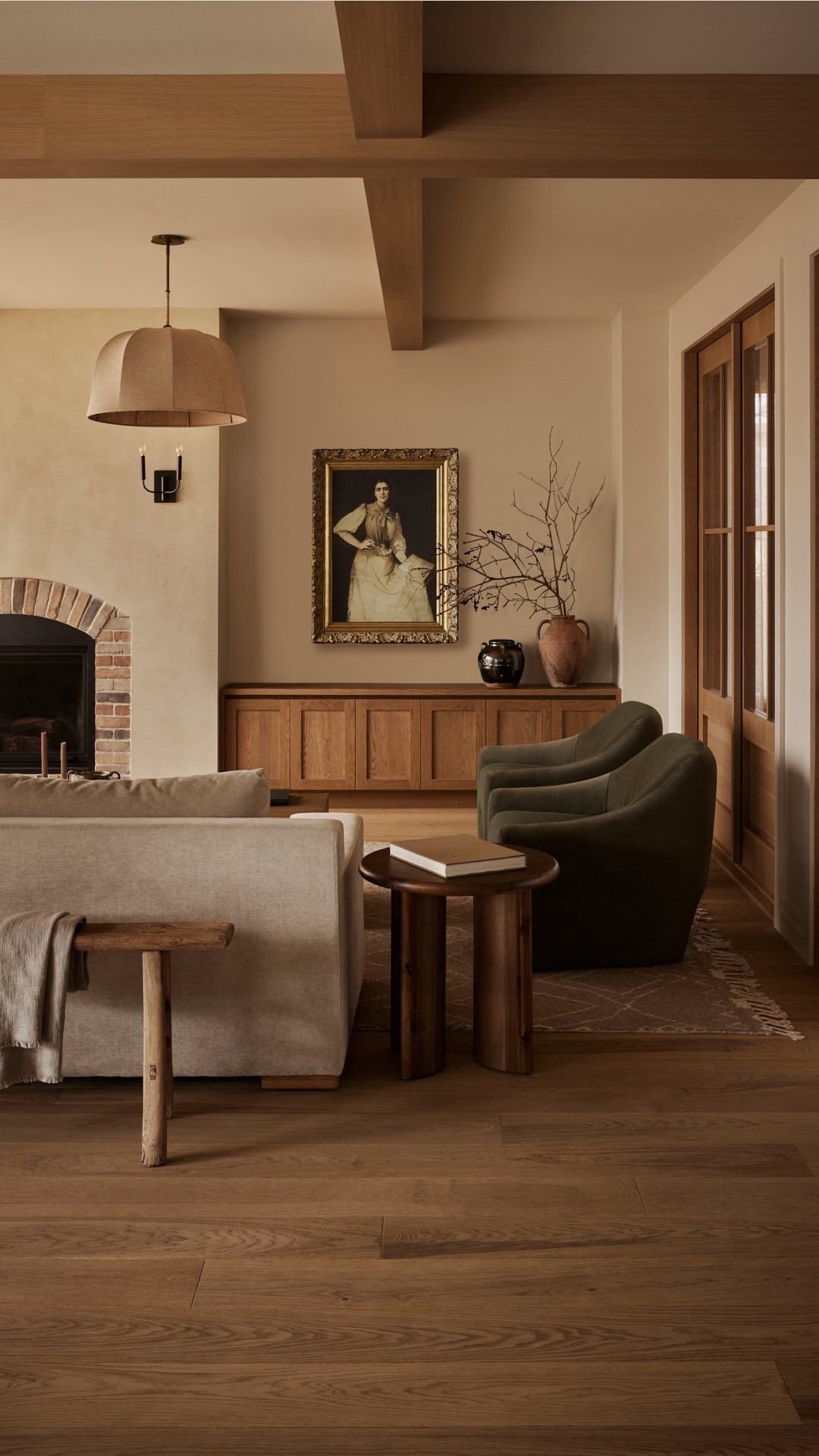
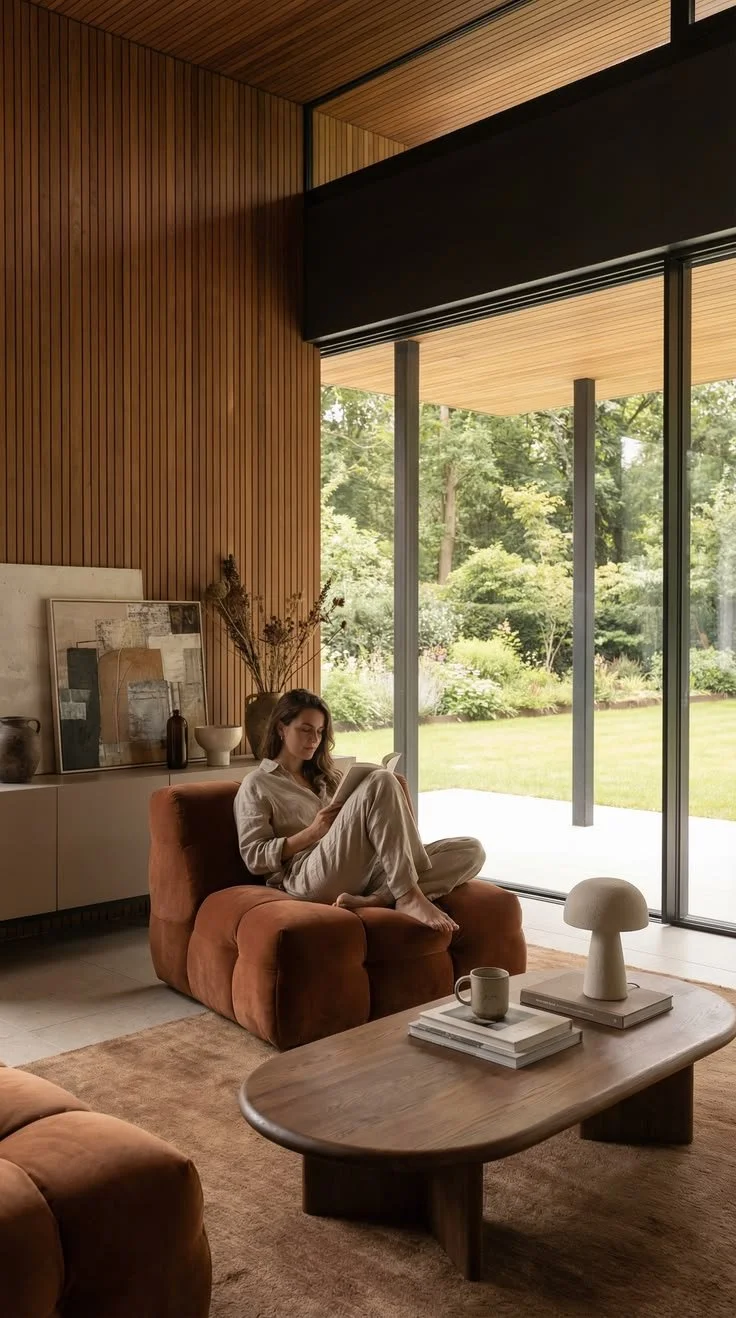
Minimalism is more than just a design trend—it’s a lifestyle rooted in intentionality. In upscale areas like Coral Gables, homeowners are furnishing their spaces with premium modern furniture in Coral Gables that emphasizes clean lines, open layouts, and purposeful design. This aesthetic doesn’t sacrifice comfort or personality; rather, it enhances both by eliminating clutter and focusing on quality.
Eco-friendly furniture fits seamlessly into this philosophy. Each piece is thoughtfully designed to serve a dual role—functional and decorative—while contributing to a calming, serene environment. The result is a home that feels open, breathable, and in harmony with nature.
No. 2
Eco-Friendly Materials for Modern Living
Sustainable furniture is defined by its use of responsibly sourced materials. This includes:
Certified wood from managed forests
Recycled metals that reduce mining impact
Bamboo, a fast-growing renewable resource
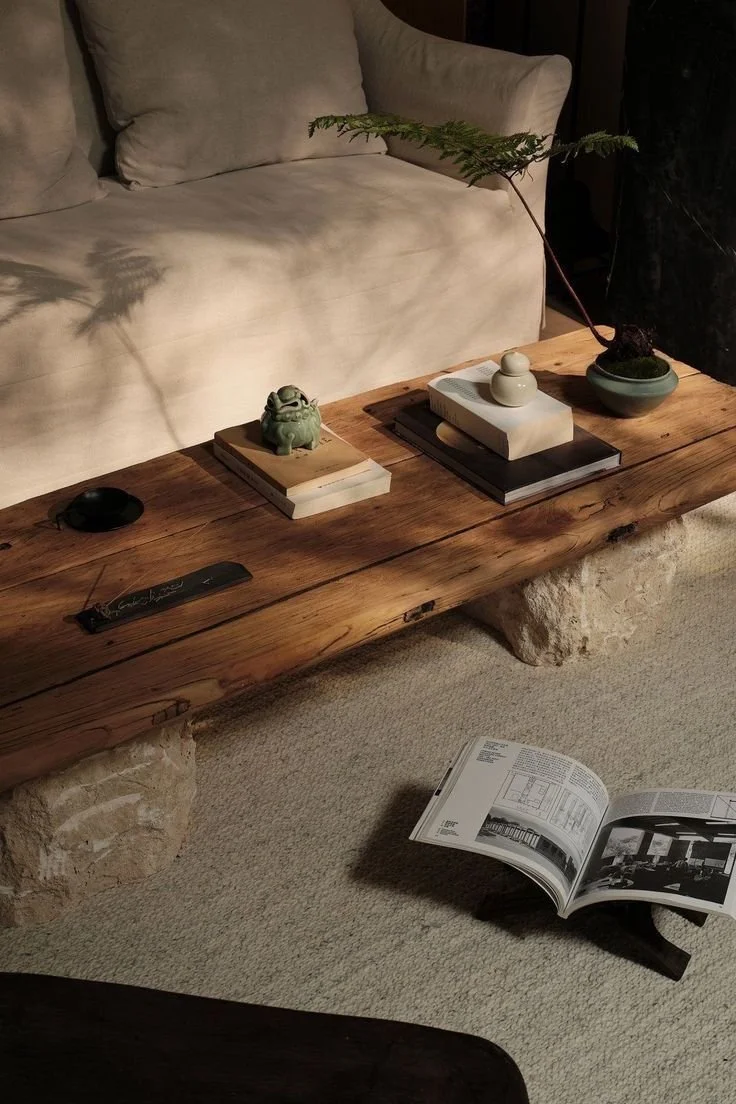
Reclaimed wood, which brings character and history
These materials are not only environmentally responsible but also offer unique textures and visual appeal. Each piece tells a story, adding depth and authenticity to your interior.
No. 3
Non-Toxic Finishes for Healthier Homes
Traditional furniture often contains harmful chemicals in paints, stains, and adhesives, which can release volatile organic compounds (VOCs) into the air. In contrast, sustainable furniture manufacturers prioritize:
Natural finishes like beeswax or linseed oil
Low-VOC or VOC-free paints and stains
Formaldehyde-free glues and adhesives
These alternatives contribute to better indoor air quality and promote a healthier living environment. Choosing non-toxic options supports a holistic approach to wellness and reinforces your commitment to sustainability.
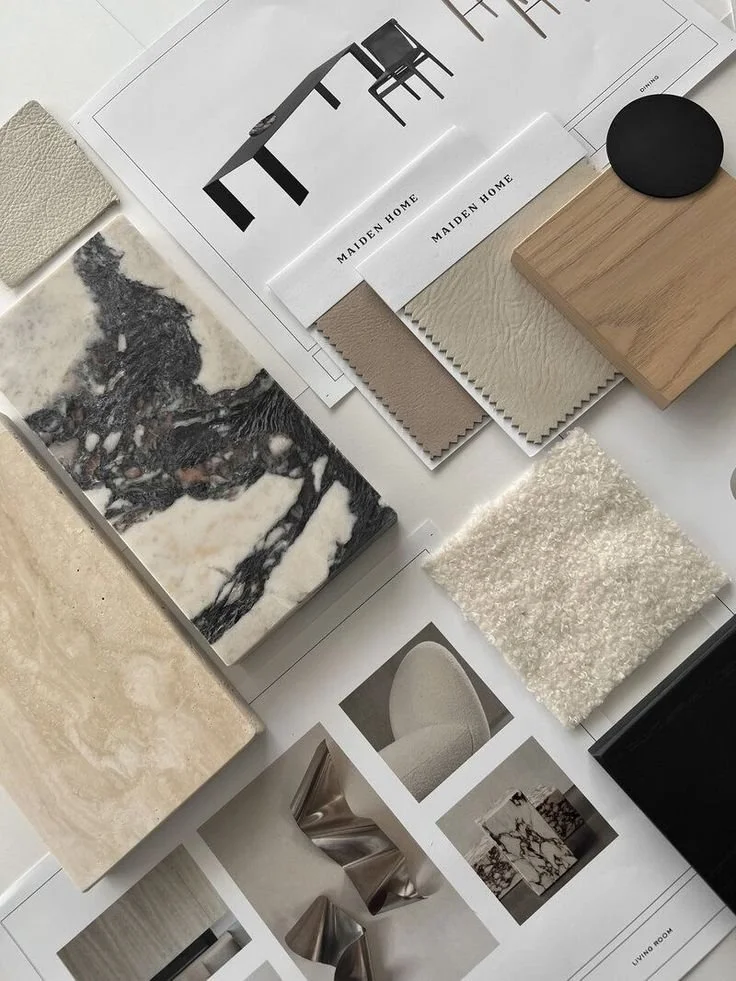
Maiden Home
Embrace simplicity with Maiden Home: Discover timeless, minimalist furniture and decor that brings effortless elegance to every space.
No. 4
Quality Over Quantity
Minimalism encourages mindful consumption. Instead of filling your home with numerous items, focus on acquiring a few high-quality pieces that are built to last. Benefits include:
Longer lifespan, reducing the need for frequent replacements
Better craftsmanship, often with attention to detail
Greater emotional value, as each piece is chosen with care
Investing in durable furniture reduces waste and supports a more sustainable, cost-effective approach to home design.
No. 5
Modular and Multi-Functional Designs
Space-saving and adaptable, modular furniture is ideal for minimalist homes. These pieces are designed to evolve with your needs, offering flexibility without sacrificing style. Examples include:
Storage beds with built-in compartments
Nesting tables that can be tucked away when not in use
Expandable dining tables for hosting without clutter
Convertible sofas that double as guest beds
Such designs reduce the need for excess furniture, helping to maintain a clean, organized, and sustainable space.
No. 6
Natural Textiles and Fabrics
Upholstery and soft furnishings are another opportunity to make eco-conscious choices. Opt for:
Organic cotton
Linen
Hemp
These natural fibers are biodegradable, require fewer pesticides, and often consume less water during production. They offer a soft, breathable alternative to synthetic materials and support sustainable agriculture.
No. 7
Supporting Ethical Production
Sustainability extends beyond materials to include ethical labor practices. Choosing furniture from brands that value:
Fair wages
Safe working conditions
Transparent supply chains
ensures that your purchases contribute to a more equitable global economy. Ethical production supports communities and reinforces the values of conscious living.
No. 8
Local Artisans and Small-Scale Producers
Buying locally made furniture not only reduces transportation emissions but also supports regional economies. Benefits of choosing local and handmade items include:
Lower carbon footprint
Unique craftsmanship
Stronger connection to the maker and story behind the piece
Handcrafted furniture often features superior quality and a distinctive aesthetic that mass-produced items can’t replicate. These pieces become focal points in minimalist interiors, adding warmth and personality.
No. 9
Timeless Aesthetics Over Trends
Minimalist design thrives on timeless appeal. Instead of chasing fleeting trends, focus on:
Neutral color palettes
Classic silhouettes
Versatile materials
This approach ensures your furniture remains stylish for years to come, reducing the need for constant updates and helping to prevent unnecessary waste. A timeless setup fosters a sense of calm and continuity in your home.
No. 10
Repurposing and Upcycling
Sustainability also means giving new life to old items. Upcycled and secondhand furniture can be transformed into stunning, functional pieces with a bit of creativity. Examples include:
Refinished vintage dressers
Reupholstered chairs
Repurposed wood pallets turned into coffee tables
These pieces not only reduce landfill waste but also bring character and charm to your space. Supporting upcycled furniture encourages a circular economy and celebrates resourcefulness.
No. 11
DIY Eco-Friendly Furniture Care
Maintaining your furniture sustainably is just as important as choosing it wisely.
Use:
Plant-based cleaning products
Soft cloths for dusting
Natural oils for conditioning wood
Regular care and timely repairs extend the life of your furniture, preserving its beauty and functionality. This practice reduces the need for replacements and keeps your home aligned with eco-conscious values.
takeaways
Concocting a minimalist space with sustainable and eco-friendly furniture is more than a design choice—it’s a lifestyle decision that benefits both people and the planet. From responsibly sourced materials to ethical production and timeless aesthetics, every decision you make contributes to a more balanced, intentional way of living.
In this article, we’ve explored how to:
Embrace minimalism with purpose
Choose sustainable materials and non-toxic finishes
Prioritize quality and multi-functional design
Support ethical and local production
Incorporate timeless, upcycled, and well-maintained pieces
By prioritizing sustainability in your furniture choices, you create a home that is not only stylish and functional but also deeply connected to nature and social responsibility. It’s a space where elegance meets ethics—where every piece tells a story of care, intention, and respect for the world we live in.
Looking for Home resources?
Looking to enhance your living space and create a sanctuary that supports your well-being? Explore our home partners who offer a wide range of resources to elevate your home environment.