Posts in wellness
The Crucial Role Of Detox Programs For Successful Addiction Recovery

Overcoming addiction is a complex and deeply personal journey—one that often begins with a critical first step: detoxification. This process, through which the body eliminates harmful substances, lays the essential groundwork for effective treatment and long-term recovery. More than just a physical cleanse, detox is a transformative phase that prepares individuals for the psychological and emotional healing ahead.



A well-structured detox program not only enhances the effectiveness of subsequent addiction treatment but also provides the safety, support, and clarity needed to begin the path toward a healthier, substance-free life. In this article, discover how detoxification serves as the foundation of successful addiction recovery.

No. 1

Understanding the Importance of Detox in Addiction Recovery

Detoxification is a vital component of addiction recovery because it directly addresses the acute physical effects of withdrawal. For many, it marks the first meaningful interaction with healthcare professionals and symbolizes the beginning of their journey toward sobriety.

Without detox, individuals may suffer intense and even dangerous withdrawal symptoms, increasing the risk of relapse. A medically supervised detox ensures these symptoms are managed safely and effectively, offering a compassionate and structured environment that instills hope and reassurance.

A well-designed detox program California, for example, is tailored to meet the unique needs of each individual. Since addiction and withdrawal experiences vary widely, personalized care is essential.

Medical professionals play a crucial role in managing serious complications such as seizures, hallucinations, or delirium, which can occur during withdrawal. Additionally, detox helps reduce cravings—an essential step in breaking the cycle of addiction.

No. 2

How Detox Programs Facilitate Physical Healing from Substance Use

Substance use can wreak havoc on the body, disrupting vital organ systems and impairing biochemical balance. Detox programs are essential for initiating physical healing, helping the body stabilize and begin functioning without the influence of drugs or alcohol.

These programs often include medical oversight and medication-assisted treatment (MAT) to alleviate withdrawal symptoms such as:

  • Nausea

  • Tremors

  • Insomnia

  • Anxiety

  • Seizures

By easing these symptoms, detox makes the recovery process more manageable and allows patients to focus on their long-term goals.

Moreover, detox programs provide continuous monitoring to address any medical emergencies or chronic conditions that may be exacerbated during withdrawal. Many individuals entering detox have neglected their physical health, making this level of care not just beneficial, but necessary.

No. 3

The Psychological Benefits of Detox for Long-Term Sobriety

While detox is primarily focused on physical stabilization, its psychological benefits are equally significant. As the body clears itself of substances, individuals often experience a newfound mental clarity—a vital state for engaging in deeper therapeutic work.

Detox offers a safe space for emotional reflection, where individuals can begin to confront their addiction and recognize the need for change.

During this phase, patients often receive:

  • Emotional support from trained counselors

  • Introduction to coping strategies for managing stress and triggers

  • Early diagnosis of co-occurring mental health disorders such as depression, anxiety, or PTSD

These early interventions are crucial, as untreated mental health issues often contribute to relapse. Furthermore, detox programs foster peer connection, allowing individuals to build a sense of community and reduce the isolation that often accompanies addiction


hellolovelyliving kindle unlimited

Kindle Unlimited

Sign up for a 3-month trial and dive into a wealth of resources on health, wellness, and self-development.


No. 4

Comparing Different Detox Methods in Addiction Treatment Centers

Addiction treatment centers offer a range of detox methods, each tailored to meet the specific needs of their clients. Understanding these options can help individuals and families make informed decisions about care.

1. Medical Detox

The most common approach, medical detox, involves 24/7 supervision and the use of medications to manage withdrawal symptoms. It emphasizes safety, comfort, and gradual stabilization.

2. Holistic Detox

Some centers offer holistic detox programs that integrate traditional medicine with alternative therapies such as:

  • Acupuncture

  • Yoga

  • Meditation

  • Nutritional support

These methods aim to heal the body, mind, and spirit, offering a more comprehensive recovery experience.

3. Rapid and Ultra-Rapid Detox

These methods aim to shorten the withdrawal period through accelerated detoxification, often under anesthesia. While they may reduce discomfort, they are controversial and come with significant safety concerns. It’s essential that treatment centers offering these methods conduct thorough evaluations and use evidence-based practices.

Regardless of the method, the goal remains the same: to help individuals safely and effectively rid their bodies of addictive substances and prepare them for the next phase of recovery.

Takeaways

Detoxification is far more than a preliminary step in addiction treatment—it is the foundation upon which recovery is built. By addressing the immediate physical and psychological challenges of withdrawal, detox sets the stage for lasting sobriety and personal transformation.

Whether through a medically supervised detox, a holistic approach, or a tailored program in California, the right detox strategy provides the safety, clarity, and support needed to begin healing. It empowers individuals to take control of their lives and move forward with confidence.

If you or someone you love is struggling with addiction, remember: recovery starts with the first step—and that step is detox. With the right guidance and care, a healthier, substance-free life is not just possible—it’s within reach.

Looking for Wellness resources?

Are you looking to enhance your wellness routine? Explore our wellness partners who offer a wide range of resources to support your journey toward holistic living and well-being.

Learn more


wellnessHLL x Editor


The Ultimate Beginner’s Guide To Getting Into Exercise

For some, exercise is a passion—a daily ritual that energizes the body and clears the mind. For others, the idea of working out feels overwhelming, unfamiliar, or even intimidating. Whether you haven’t broken a sweat since high school or you’ve simply never found a routine that sticks, the good news is this: it’s never too late to start.


With the right mindset, guidance, and a bit of curiosity, you can create the right fitness routine that aligns with your goals, suits your lifestyle, and even becomes something you look forward to. This comprehensive beginner’s guide will walk you through everything you need to know to get started—from identifying your “why” to finding the perfect workout style, gear, and motivation.

No. 1

Why Do You Want to Start Exercising?

Before you lace up your sneakers or hit the gym, it’s important to understand your motivation. Your “why” is the foundation of your fitness journey—it will guide your choices, fuel your consistency, and help you stay on track when motivation dips.

Common Reasons People Start Exercising

  • Improve overall health and reduce the risk of chronic diseases

  • Increase energy levels and reduce fatigue

  • Support weight management or body composition goals

  • Boost mental health, reduce stress, and improve mood

  • Enhance physical appearance and build confidence

  • Train for a specific event, like a 5K or a hiking trip

  • Develop a new hobby or social outlet

No reason is too big or too small. What matters is that it matters to you. Once you’ve identified your purpose, you’ll be better equipped to choose the right type of exercise and stay committed to your goals.

No. 2

Explore the Right Activities for Your Goals

There’s no one-size-fits-all approach to fitness. The best workout is the one you enjoy and can stick to consistently. Whether you’re aiming to build strength, improve endurance, or simply move more, there’s a form of exercise that fits your needs.

Popular Types of Exercise and Their Benefits

  • Walking or Running
    Great for cardiovascular health, endurance, and mental clarity. Start with brisk walks and gradually build up to jogging or running.

  • Strength Training
    Ideal for building muscle, improving metabolism, and enhancing bone density. Can be done with weights, resistance bands, or bodyweight exercises.

  • Cycling
    Low-impact cardio that’s easy on the joints. Whether on a stationary bike or outdoors, it’s a great way to burn calories and explore new places.

  • Swimming
    A full-body workout that’s gentle on the body and excellent for improving lung capacity and flexibility.

  • Yoga or Pilates
    Focuses on flexibility, core strength, and mindfulness. Perfect for reducing stress and improving posture.

  • Dance or Group Fitness Classes
    Fun, social, and high-energy. Great for those who thrive in a community setting and want to enjoy their workouts.

Pro Tip: Try a mix of activities to keep your routine fresh and prevent boredom. Cross-training also helps reduce the risk of injury by working different muscle groups.

No. 3

Invest in the Right Gear Without Breaking the Bank

You don’t need a closet full of designer activewear to get started, but having the right gear can make your workouts more comfortable, effective, and safe.

Essential Workout Gear for Beginners

  • Supportive Footwear
    The right shoes for running or walking are crucial. Choose shoes based on your activity—running shoes for cardio, cross-trainers for gym workouts, and flat-soled shoes for lifting.

  • Breathable Clothing
    Look for moisture-wicking fabrics that keep you cool and dry. Comfortable, well-fitting clothes can boost your confidence and performance.

  • Basic Equipment
    Depending on your workout, consider investing in:

    • A yoga or exercise mat

    • A set of dumbbells or resistance bands

    • A jump rope for cardio

    • A foam roller for recovery

Budget-Friendly Tips

  • Check out Facebook Marketplace, Gumtree, or local buy/sell groups for second-hand gear.

  • Many gyms and studios offer equipment rentals or provide everything you need for class.

  • Start small—you can always upgrade later as your routine evolves.


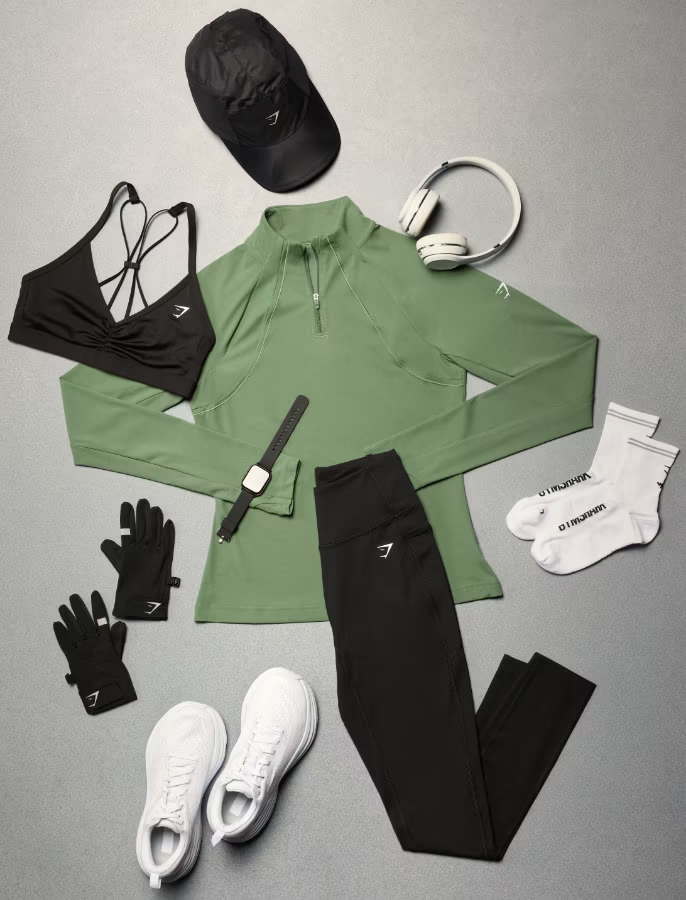
hellolovelyliving gym shark fitness activewear

Gym Shark

Unleash your potential with Gymshark!

Discover high-performance activewear designed to empower your workouts and elevate your fitness journey.

Join the community and redefine your limits!


No. 4

Try Before You Commit: Taster Sessions & Intro Deals

One of the best ways to discover what you enjoy is to sample different workouts. Many gyms, studios, and fitness apps offer free trials or discounted introductory packages.

How to Explore Your Options

  • Taster Classes
    Try yoga, spin, boxing, or HIIT classes without committing to a membership.

  • Bring-a-Friend Offers
    Ask a workout buddy to bring you along—many gyms offer guest passes or referral rewards.

  • Fitness Apps & YouTube Channels
    Platforms like Nike Training Club, FitOn, and YouTube offer free or low-cost workouts you can do at home.

  • Community Programs
    Check local councils or community centers for free outdoor classes, walking groups, or beginner programs.

Exploring different formats helps you find what feels right—and keeps your routine fun and engaging.

No. 5

Build a Routine That Works for You

Consistency is key when it comes to seeing results. But that doesn’t mean you need to work out every day or follow a rigid plan. Start with a realistic schedule that fits your lifestyle.

Tips for Creating a Sustainable Routine

  • Start Small
    Aim for 2–3 sessions per week and build from there. Even 15–20 minutes of movement counts.

  • Schedule Your Workouts
    Treat them like appointments—block out time in your calendar and stick to it.

  • Track Your Progress
    Use a journal, app, or fitness tracker to log your workouts and celebrate milestones.

  • Listen to Your Body
    Rest is just as important as activity. Allow time for recovery, especially when starting out.

  • Stay Flexible
    Life happens—missed workouts don’t mean failure. Just pick up where you left off.

No. 6

Learn How to Exercise Safely

No matter which activity you choose, proper technique and safety should always be your top priority. Injuries can derail your progress and dampen your enthusiasm, so it’s important to build a strong foundation from the start.

Tips for Exercising Safely

  • Speak up if you’re new: If you’re attending a class or using gym equipment for the first time, let the instructor or trainer know. They can guide you through the correct form and help you avoid common strength training mistakes.

  • Start with the basics: Focus on mastering fundamental movements like squats, lunges, push-ups, and planks before progressing to more advanced variations.

  • Use mirrors or video: Watching yourself in a mirror or recording your form can help you identify and correct posture issues.

  • Watch reputable tutorials: Platforms like YouTube and Fitness Blender offer free, expert-led demonstrations of proper technique.

  • Don’t rush progress: Increase intensity gradually. Pushing too hard, too soon, can lead to injury or burnout.

Remember: everyone starts somewhere. Asking for help or taking it slow isn’t a sign of weakness—it’s a smart strategy for long-term success.


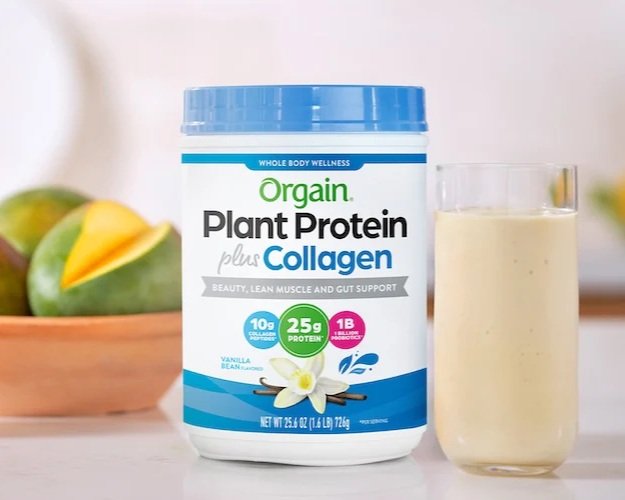
hellolovelyliving orgain protein supplement

Orgain

Fuel your fitness journey with Orgain Protein!

Clean, delicious, and packed with the nutrients you need to crush your goals.


No. 7

Stay Motivated and Make It Fun

Motivation can ebb and flow, but building habits and finding joy in the process will keep you going long-term.

Ways to Stay Inspired

  • Set SMART Goals (Specific, Measurable, Achievable, Relevant, Time-bound)

  • Join a Challenge or sign up for a charity walk/run

  • Find a Workout Buddy or accountability partner

  • Create a Killer Playlist to energize your sessions

  • Reward Yourself for reaching milestones—new gear, a massage, or a healthy treat

Remember: fitness isn’t about perfection—it’s about progress. Every step you take is a step toward a healthier, stronger, and more confident you.

Enlist a Workout Buddy for Motivation

Exercising with a friend can be one of the most powerful tools for staying consistent and accountable. Not only does it make workouts more enjoyable, but it also helps reduce the anxiety of trying something new.

Benefits of Working Out with a Friend

  • Built-in accountability: You’re less likely to skip a workout when someone else is counting on you.

  • Shared knowledge: A more experienced friend can offer tips, encouragement, and guidance.

  • Social connection: Turn workouts into catch-up sessions or friendly challenges.

  • Confidence boost: Walking into a gym or class with a buddy makes the experience less intimidating.

Instead of the usual coffee catch-up or dinner out, why not suggest a walk, a yoga class, or a weekend hike? It’s a great way to bond while prioritizing your health.

No. 8

Stick to Your Routine and Build Momentum

Consistency is the secret ingredient behind every successful fitness journey. While motivation may come and go, discipline and routine will carry you through the tough days. Finding ways to stay motivated can help you reach your goals and help ensure exercise becomes a normal part of your routine. 

How to Stay Consistent

  • Create a realistic schedule: Choose days and times that fit naturally into your lifestyle. Morning, lunch break, or evening—whatever works for you.

  • Plan ahead: Lay out your gym clothes the night before, prep your meals, and block off time in your calendar.

  • Track your workouts: Use a fitness journal or app to log your sessions. Seeing your progress on paper can be incredibly motivating.

  • Celebrate small wins: Whether it’s completing a week of workouts or hitting a personal best, take time to acknowledge your achievements.

Everyone has off days, but skipping one workout doesn’t mean you’ve failed. Get back on track the next day and keep moving forward.

No. 9

Fuel Your Body with Smart Nutrition

Exercise and nutrition go hand in hand. To get the most out of your workouts—and recover effectively—you need to nourish your body with the right fuel.

Key Nutrition Tips for Active Lifestyles

  • Balance your macros: Aim for a mix of complex carbohydrates, lean proteins, and healthy fats in every meal.

  • Stay hydrated: Water is essential for performance, recovery, and energy levels. Aim for at least 2–3 liters per day.

  • Prioritize protein: Protein supports muscle repair and growth. Try to include a source of protein in every meal and snack.

  • Supplement if needed: If you struggle to meet your protein needs, consider options like egg white protein supplement or a high-quality protein bar.

If you’re unsure where to start, consult a registered dietitian or use a tool like MyFitnessPal to track your intake and learn more about your nutritional needs.

No. 10

Set New Goals and Keep Challenging Yourself

As your fitness level improves, your goals should evolve too. Sticking with the same routine for too long can lead to plateaus, boredom, and a loss of motivation.

How to Keep Progressing

  • Revisit your goals regularly: What started as a goal to walk 30 minutes a day might evolve into running a 5K or lifting heavier weights.

  • Make your goals SMART: Specific, Measurable, Achievable, Relevant, and Time-bound.

  • Use tools and resources: Apps like Strava, Fitbod, or even AI-powered fitness planners can help you adjust your workouts based on your progress.

  • Don’t be afraid to try something new: If you’re getting bored, mix it up with a new class, sport, or challenge.

Progress doesn’t always mean doing more—it can also mean doing things better, with more control, confidence, and enjoyment.

No. 11

Track Your Progress and Celebrate Milestones

Documenting your fitness journey is a powerful way to stay motivated and reflect on how far you’ve come. Whether you share it publicly or keep it private, tracking your growth can be incredibly rewarding.

Ways to Track Your Progress

  • Take progress photos: Weekly or monthly photos can show changes that the scale might not.

  • Keep a workout journal: Note how you felt, what you did, and any improvements in strength or endurance.

  • Use fitness apps: Tools like Strong, JEFIT, or FitOn make it easy to log workouts and visualize your progress.

  • Follow fitness influencers: While you don’t need to document your journey publicly, following others can provide inspiration, tips, and a sense of community.

Looking back at where you started can be the ultimate motivation to keep going—especially on days when progress feels slow.

No. 12

Keep Going—You’re Becoming Someone Who Loves to Move

There’s something incredibly empowering about finding an activity you love and watching yourself grow stronger, more confident, and more energized over time. The key is to keep going—even when life gets busy or motivation dips.

Final Tips to Stay on Track

  • Revisit your “why” often: Remind yourself why you started and how far you’ve come.

  • Be flexible: Life happens. If you miss a workout, don’t stress—just pick it back up.

  • Plan for breaks: Rest and recovery are essential. Just make sure you have a plan to return.

  • Celebrate your identity shift: You’re not just someone who works out—you’re someone who values your health, prioritizes movement, and shows up for yourself.

Even light activity, like a daily walk or stretching session, can make a big difference in your physical and mental well-being. Whether you're just starting out or returning after a break, the tools and tips above will help you build a safe, sustainable, and fulfilling fitness journey.

FAQ

How often should a beginner work out?

Start with 2–3 sessions per week, focusing on a mix of cardio and strength. Gradually increase frequency as your fitness improves. Rest days are essential for recovery.

Do I need to join a gym to get fit?

Not at all. Many effective workouts can be done at home or outdoors with minimal equipment. Apps, YouTube videos, and bodyweight exercises are great places to start.

What if I’ve never exercised before?

That’s perfectly okay! Everyone starts somewhere. Begin with low-impact activities like walking, stretching, or beginner classes, and build up at your own pace.

How long does it take to see results?

It varies by individual, but many people notice increased energy and mood improvements within a few weeks. Physical changes typically appear after 4–8 weeks of consistent effort.

What should I eat before and after a workout?

Before: Eat a light snack with carbs and protein (e.g., a banana with peanut butter) 30–60 minutes before.
After: Refuel with a balanced meal containing protein, carbs, and healthy fats to aid recovery.

takeaways

Starting an exercise routine might feel daunting, but it’s one of the most rewarding investments you can make in yourself. Whether your goal is to feel stronger, look better, or simply move more, the journey begins with a single step—and that step can happen today.

You don’t need to be perfect. You just need to start. With the right mindset, a little planning, and a commitment to yourself, you can create a fitness routine that not only transforms your body but also your confidence, energy, and outlook on life.

So, take that first step, lace up your shoes, take a deep breath, and remind yourself: you’ve got this. Your future, fitter self is already cheering you on.

Looking for Wellness resources?

Are you looking to enhance your wellness routine? Explore our wellness partners who offer a wide range of resources to support your journey toward holistic living and well-being.

Learn more


wellnessHLL x Editor


Simple Ways To Feel Calmer And Healthier—Naturally

You know that feeling when your mind won’t slow down and your body is running on empty? It’s kind of the norm these days. Between constant notifications, packed schedules, and a world that rarely hits pause, it’s no wonder so many of us are looking for ways to feel more grounded.


The good news? You don’t need a total life overhaul or a fancy wellness retreat to start feeling better.

Sometimes, it’s the little shifts that create the most significant ripple. Starting your day with intention, setting up a cozy evening wind-down, or simply taking five minutes to breathe deeply are simple, natural ways to begin feeling more like yourself again.

In this article, we’ll explore practical strategies for feeling calmer and healthier without adding more stress to your life. Think of it as a gentle guide toward reconnecting with what already supports your well-being: your body, your breath, and nature itself.

No. 1

Why Slowing Down Matters for Your Body and Mind

Let’s be real—slowing down feels like a luxury these days. However, the truth is that your nervous system craves it. When we stay in go-go-go mode, our bodies interpret that as a signal to remain on high alert. That’s great if you’re running from danger—not so great when you’re just trying to get through your inbox or make it to dinner on time.

Chronic stress doesn’t just zap your energy. It disrupts your digestion, clouds your thinking, and even throws your sleep cycle off-kilter. Ever felt wired but tired? That’s your body struggling to downshift.

When you start to slow things down—just a little—you create space for your system to reset. Your heart rate steadies, your breath deepens, your digestion perks up, and your mind gets a moment to breathe.

This isn’t about escaping life; it’s about flowing through it in a way that doesn’t drain you. When you feel calmer, your body can begin to heal, repair, and support you in the ways it was designed to. That’s the beauty of doing less, with more intention.

No. 2

Incorporating Natural Tools Into Your Routine

Now that we’ve talked about why slowing down matters, let’s explore how to make it feel natural—literally. There’s a reason people are drawn to the warmth of candlelight, the softness of music, and grounding scents. These small sensory touches signal safety to the brain and help the body unwind.

One easy place to start is by creating a calming atmosphere in the spaces where you spend the most time. Consider dim lighting in the evening, gentle sounds like rain or ocean waves, and maybe even a designated "quiet corner" where you can retreat when things get overwhelming.

Scent, in particular, has a powerful way of shifting your mood. That’s where essential oils come in. Whether it’s a few drops of lavender before bed or the fresh hit of citrus to start your morning, aromatic tools have been used for centuries to help people reset both emotionally and physically.

There is growing interest in natural wellness across many regions, and it’s no surprise that the essential oils Australia offers are part of that conversation. From native eucalyptus to more exotic blends, there’s something about nature’s remedies that just feels right when you’re aiming for balance.

The goal here isn’t to build a whole routine around these tools but to let them support the routines you already have in place. A drop of oil on your wrist before a meeting, a diffuser while you journal, a calming scent as part of your bedtime ritual—it all adds up. Over time, those small additions can make a significant difference.


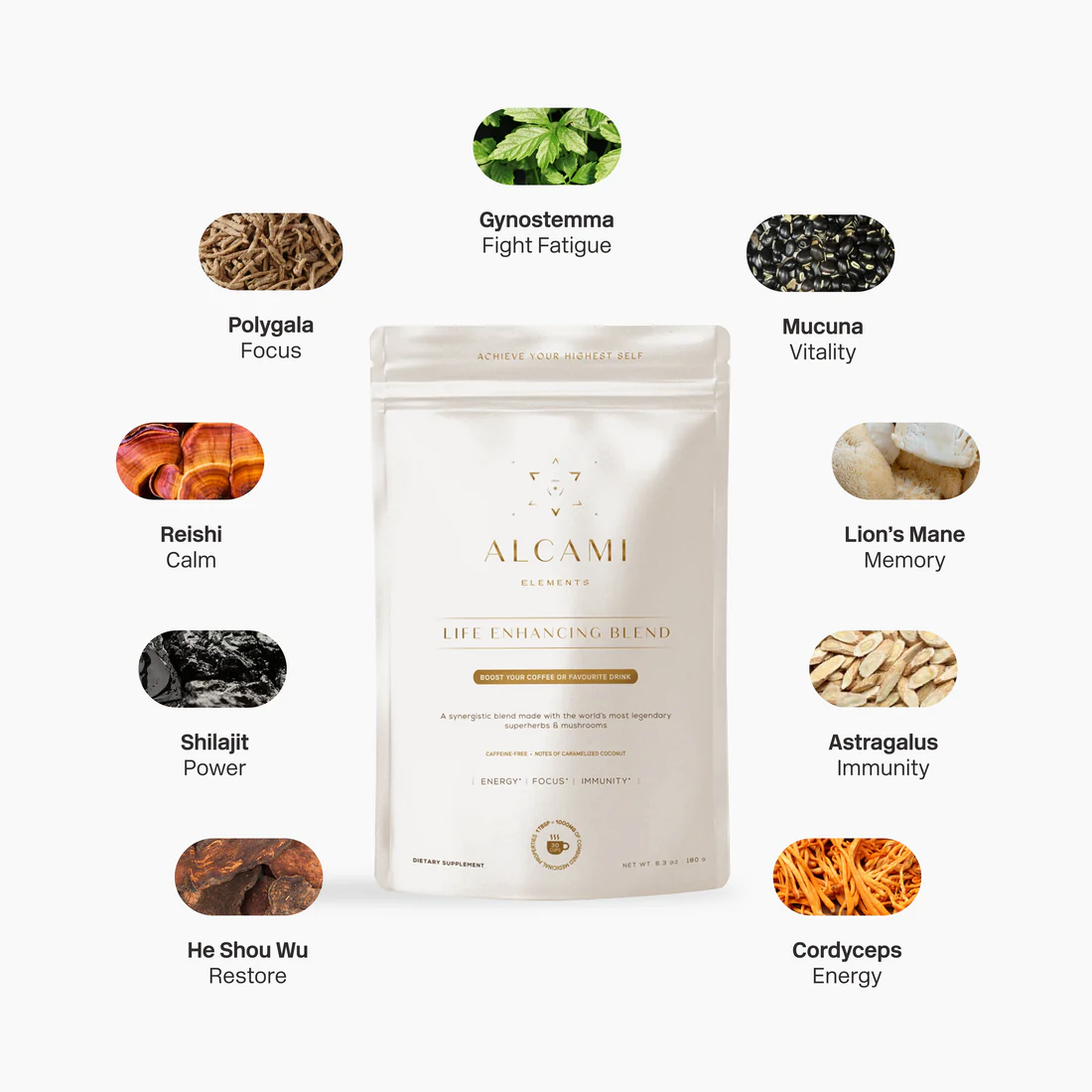
hellolovelyliving alcami elements adaptogen blend

Alcami Elements

Stay sharp and energized with Alcami Elements for focus. Boost your mental clarity and productivity with this natural formula designed to help you conquer your day.


No. 3

Daily Habits That Build a Calmer You

You don’t need to flip your whole lifestyle upside down to feel better. The simplest habits, when practiced regularly, can make the most significant impact. The trick is to find small rhythms that suit your life and help you stay grounded, even when the outside world feels chaotic.

Start with your mornings. Instead of grabbing your phone right away, try opening a window for fresh air, doing a quick stretch, or sitting quietly with your coffee. A few moments of stillness in the morning can ripple through your whole day, helping you feel more present and less reactive.

Movement is another game-changer. And no, it doesn’t have to mean a sweaty workout. A slow walk through your neighborhood, ten minutes of stretching, or even dancing around your kitchen all count. The key is to move in a way that feels good in your body and connects you to the moment.

Then there’s the evening. It might be tempting to scroll your way to sleep, but your nervous system will thank you for a gentler wind-down. Try dimming the lights an hour before bed, sipping something warm like chamomile tea, or writing out your thoughts in a journal. These tiny rituals signal to your brain that it’s safe to relax.

Consistency is where true change happens. Even if you commit to just one small habit a day, doing it with intention can significantly shift how you feel. Over time, these moments become anchors—a calm you can return to no matter what the day throws at you.

No. 4

Letting Nature Support Your Healing Process

There’s something about being outside that resets everything. Maybe it’s the sound of birds, the feel of the wind, or just being surrounded by something bigger than yourself. Whatever it may be, nature has a way of calming the chaos within.

Spending even ten minutes outdoors can lower your stress hormones, boost your mood, and help you feel more connected to your body, your breath, and the world around you. And you don’t need a forest or mountain trail to get the benefits. A quiet park, a walk by the beach, or even tending to plants on your balcony can give you that same sense of ease.

One practice that is gaining attention is grounding, which involves placing your bare feet on natural earth. Whether it’s grass, sand, or soil, there’s a growing body of research suggesting that direct contact with the ground can help regulate your nervous system. It might sound a bit out of the ordinary, but for many, it feels surprisingly comforting.

Then there’s seasonal living. Letting your habits flow with the rhythm of the seasons—lighter meals in summer, slower evenings in winter—can support your body’s natural cycles. Instead of sticking to the same routine all year long, this approach encourages you to tune into what your body truly needs at different times of the year.

At the heart of it all is a reminder that you’re part of nature, not separate from it. So when things feel off, stepping outside—even for just a few moments—can bring you back to a calmer, more centered place. Nature doesn’t rush, and it still gets everything done. We can all take a little inspiration from that.

Takeaways

Feeling calmer and healthier doesn’t have to be complicated. It’s really about tuning into yourself and making space for what nourishes you—mind, body, and soul. When you build even the smallest moments of rest and intention into your life, you give your nervous system permission to breathe. From that place of calm, healing becomes much more accessible.

Remember, there’s no one-size-fits-all formula here. Some days you’ll stretch, some days you’ll walk barefoot in the grass, and some days just remembering to take a deep breath will be enough. That’s okay. What matters most is that you’re paying attention, slowing down, and giving yourself the grace to move at a more natural pace.

So here’s your gentle nudge: choose one small habit from this guide that feels good and start there. Let it become your anchor. And trust that over time, those simple shifts will add up to something powerful.

Looking for Wellness Resources?

Are you looking to enhance your wellness routine? Explore our wellness partners who offer a wide range of resources to support your journey toward holistic living and well-being.

Learn more


wellnessHLL x Editor


4 Simple Ways To Reduce Stress And Improve Mental Health

Life can get overwhelming, and it’s easy to feel like stress is just part of the deal. However, taking care of your mental health doesn’t need to be complicated. With a few simple habits, you can create more calm in your day and feel better in the long run.


Stress can show up in many different ways. You might have trouble sleeping, experience mood swings, or even feel physical aches and pains.

The good news is that small changes can make a big impact on how you feel. In this article, let’s explore some practical ways you can reduce stress and support your mental well-being.

No. 1

Make Time for Movement

Exercise is one of the most natural and effective stress relievers. You don’t need to run a marathon or spend hours at the gym to feel the benefits. A short walk, a few stretches, or a quick home workout can help release tension and boost your mood.

Physical activity encourages your body to produce endorphins—those feel-good chemicals that help combat stress. It also gives you a mental break and helps you stay present. Just 20 minutes a day can make a noticeable difference in how you feel.

No. 2

Stick to a Simple Routine

Structure brings comfort and clarity. When your day has a steady rhythm, it becomes easier to manage responsibilities and avoid feeling overwhelmed. Try waking up and going to bed at the same time each day and notice how your energy and focus improve. Regular mealtimes can also create natural pauses for rest and reflection.

Your routine doesn’t have to be rigid. The goal is to build habits that support your well-being. Even a little planning ahead can ease mental pressure and help you feel more in control.

No. 3

Connect with Others

Social connection plays a vital role in mental health. Spending time with family, friends, or neighbors—even if it’s just a quick chat—can lift your spirits and reduce stress.

If you’re feeling isolated, don’t hesitate to reach out. Call someone you trust, join a local group, or participate in community activities. Being heard and supported can make a world of difference.

For those who need more consistent care, professional support can be life-changing. Assisted living facilities, for example, offer personalized services that help individuals manage stress, health challenges, and daily routines in a compassionate, supportive environment.


hellolovelyliving circles support group

Circles

A safe place to share
or listen anonymously.

Listen, relate and connect with others
in an audio-only setting that shows
only your first name.


No. 4

Unplug and Recharge

Screens are a big part of modern life, but too much screen time can increase anxiety and disrupt your sleep. Try setting boundaries—especially in the evening—to give your mind a chance to unwind. Take regular breaks during the day to step away from your phone or computer.

Spending intentional time offline—whether gardening, reading, listening to music, or simply sitting outside—can help your mind slow down and recharge.

Takeaways

Your mental health doesn’t have to be a mystery or a burden. By taking small, intentional steps—like moving your body, building a simple routine, connecting with others, and unplugging—you can create more balance, focus, and resilience in your life.

These habits don’t require perfection or massive effort. Just a little consistency and self-compassion can go a long way in helping you feel more grounded and better equipped to handle whatever life throws your way.

Looking for Wellness Resources?

Are you looking to enhance your wellness routine? Explore our wellness partners who offer a wide range of resources to support your journey toward holistic living and well-being.

Learn more


wellnessHLL x Editor


Strength Training At Home: Common Mistakes And How To Avoid Them

Working out at home is just so perfect. You don't have to go out, there's no traffic, and there's no stress. You exercise in your own time, in your own style. But the thing is, just because you're regular doesn't necessarily mean you're going in the right direction.


Most people get into bad habits that cut against progress or hurt without realizing it. These errors do not always make themselves known on the surface, particularly when training independently. The great news is that you can correct them. Small changes to your routine can make a gigantic difference in you, both in terms of outcome and how your body responds.

In this article, let’s go through some of the most common pitfalls of at-home strength training and learn how not to fall into the same trap.

No. 1

Skipping the Warm-Up

You may be tempted to plunge right into your exercise. It saves time, after all. But to plunge straight into presses or squats without waking up your muscles is dangerous.

Without a warm-up, your body isn't prepared for the stress. That's when sprains, pulled muscles, or joint pain creep in. A warm-up doesn't need to be lengthy; 5 to 10 minutes of light cardio, or dynamic stretching will suffice.

Try arm circles, jumping jacks, or light bodyweight lunges. Get the blood flowing before you start lifting anything.

No. 2

Using the Wrong Form

The form is everything in strength training. Even a slight misalignment in your posture can make the entire exercise less effective or dangerous.

For example, if your knees shoot too far forward during squats or if your back rounds during deadlifts, you’re putting yourself at risk. And if you’re training alone, it’s easy to miss these mistakes.

Use a mirror, record your sets, or follow trainers who explain cues clearly. And don’t rush through reps. Slow and controlled movements help you stay in proper form and build strength safely.

No. 3

Not Paying Attention to Equipment

Your home gym setup can either support your goals or quietly hold you back. Using unstable or low-quality gear might seem fine at first, but over time, it can affect your form and slow your progress.

One thing many people overlook? The type of dumbbells they use. If you're debating between adjustable dumbbells vs fixed dumbbells, it's worth taking a closer look. Adjustable dumbbells are great if you're short on space and want more weight options without the clutter. On the other hand, fixed dumbbells offer stability, and a quicker grab-and-go feel for fast-paced workouts.

If you're unsure which is the right fit for you, you can check out online guides to learn the pros and cons clearly. This can help you make a more informed decision based on your needs.


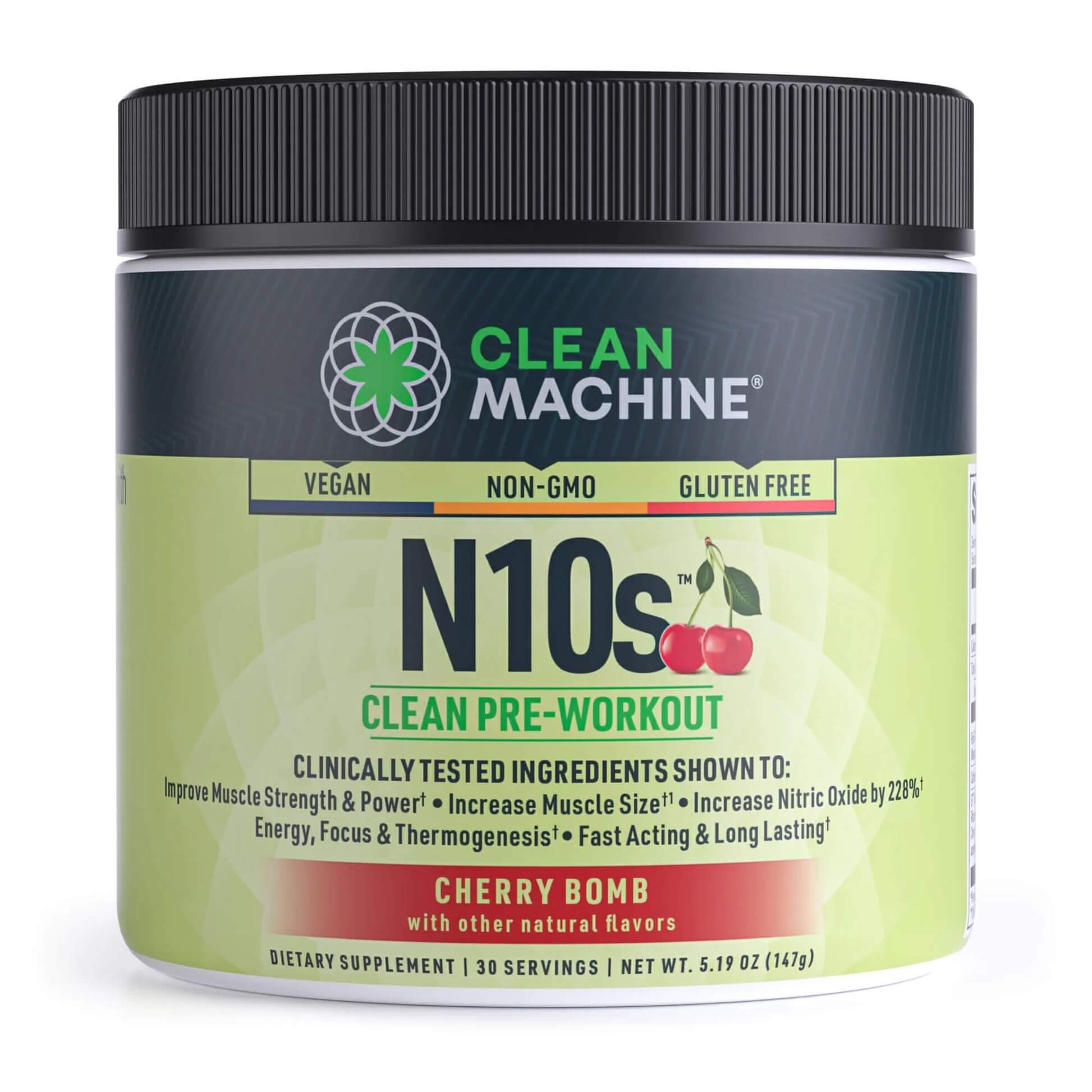
hellolovelyliving clean machine pre workout

Clean Machine

Clean Machine’s N10s Clean Preworkout is a potent supplement designed to maximize your workout potential with increased muscle size, strength, pump, and energy


No. 4

Ignoring Recovery Time

Training daily might sound impressive, but it’s not always productive. Your muscles grow during rest, not during your workout. When you skip recovery, you don’t give your body the chance to repair. That leads to plateaus, fatigue, or overuse injuries.

Plan rest days. You don’t need to sit still. Either go for a walk, stretch or do some light mobility work. It still counts as recovery and helps your body bounce back stronger.

No. 5

Doing Too Much, Too Fast

It’s easy to get excited about progress. You start lifting more, training longer, adding extra sets... until your body starts pushing back.

One of the most common mistakes is increasing weight or intensity too soon. Muscles need time to grow, and your joints need time to adjust. If you keep pushing too hard, you’ll feel it in the form of soreness, fatigue, or burnout.

Start where you are. Progress doesn’t mean going heavy every day. It means being consistent and smart with how you challenge yourself.

No. 6

Forgetting Core and Balance Work

When you’re training at home, it’s easy to focus only on what you can see: your arms, legs, and chest. But your core plays a huge role in almost every movement.

Neglecting it means weaker lifts, poor balance, and a higher chance of injury. Core work doesn’t have to mean endless crunches, either. Think planks, glute bridges, or bird dogs. They strengthen your center and help with overall stability. Make it a part of your weekly routine, even if it’s just 10 minutes.

A Few Quick Tips Before You Wrap Up

Before you finish your session, here are a few small things that make a big difference over time:

  • Don’t rush through sets; focus on control.

  • Breathe properly: exhale on effort, inhale on return.

  • Listen to your body. Some days are just off, and that’s okay.

  • Stay hydrated, eat enough protein, and sleep well.

These habits might seem basic, but they play a huge role in how you recover and grow stronger.

Takeaways

Strength training at home can be effective, convenient, and even fun. But it only works if you’re doing it right. You don’t need to be perfect. You just need to stay aware.

Catching and correcting these common mistakes helps you build real progress, reduce injury risk, and enjoy your workouts more. Keep showing up, but do it smart. Your body will thank you.


Looking for Wellness Resources?

Are you looking to enhance your wellness routine? Explore our wellness partners who offer a wide range of resources to support your journey toward holistic living and well-being.

Learn more


wellnessHLL x Editor


How To Turn Sundays Into Self-Care Days

There’s something quite magical about Sundays—they can feel like the first (and maybe only) chance to properly rest and relax after a hectic week. The problem is, for many of us, Sundays end up becoming prep days for the week ahead. It’s when we do our shopping, laundry, and general admin catch-up—plus plenty more. Then there’s the dread that Sunday can bring, simply because the next day happens to be Monday.


But what if we could change that? What if Sunday wasn’t just a buffer zone, but instead became a proper, indulgent, relaxing day that set us up for the week ahead in a healthy, enjoyable way? It’s absolutely possible—if you make Sunday a self-care day. With that in mind, keep reading to find out how.

No. 1

Wake Up Gently

One thing you really should do on a Sunday is forget the alarm. Unless you’re caring for someone (or have pets), there’s no real reason to get up early. Of course, having a consistent wake-up routine is important, but on days when you need a little extra self-care, it’s okay to make an exception—rest is important too.

Ease into the day as gently as you like. There’s no need to leap out of bed and start ticking things off your to-do list—you’ve got six other days for that. Sunday should feel different.

Stay in bed a little longer. Stretch. Let yourself wake up naturally. Be mindful—notice how it feels not to rush. It’s a surprisingly wonderful feeling.

Then, make yourself a proper breakfast. Ideally, something warm and comforting if it’s chilly outside, or fresh and light if it’s sunny. Think toast with smashed avocado, oats with cinnamon and berries, eggs and spinach, or smoked salmon. As long as it fills you up and makes you feel good, that’s what matters.

Eat slowly, perhaps with some music in the background—or in silence if you prefer. The key is not to multitask. You’ve got the whole day ahead, so there’s no need to cram everything in.

No. 2

Move and Be Mindful

This isn’t about doing a long HIIT session or pushing yourself to be as active as possible. It’s about moving your body in a way that feels good.

That could be a long walk with your favorite playlist or podcast, a gentle weight training session, or even dancing wildly around your living room—especially if you don’t get the chance to do that often.

Getting outside is a bonus. Fresh air has a way of blowing off the cobwebs and boosting your mood. Even if the weather is grey or drizzly, you can still head out if you’re dressed appropriately. If it helps you disconnect from the everyday hustle, it’s worth it.

After you’ve moved a little, try just sitting. A few quiet minutes with your eyes closed, breathing deeply, not trying to achieve anything—just being. It’s one of the best forms of self-care.

Use a Bible app if it helps, or simply focus on one thing: the birds outside, the clouds drifting by, or the sound of your breath. Giving your mind space is powerful—you’ll feel clearer and more in control when you return to your routine.

No. 3

Eat a Good Lunch

By now, you’ve moved, breathed, and maybe even had a shower (which can also be part of your self-care routine). Now it’s time for lunch.

Whenever possible, aim for something homemade. Cooking for yourself is a beautiful act of self-care. You don’t need to be fancy—just create something with colors and textures you enjoy.

While cooking or eating, light a candle, play music, and really experience the taste, smell, and feel of your food. We often rush through meals—Sunday is your chance to slow down and savor.

After lunch, take stock of what makes you feel good. Maybe it’s reading a book that’s been on your “to be read” pile for months, watching a Sunday sermon online, doing something creative, or simply lying down and doing absolutely nothing.

Whatever it is, now’s the time to do it—guilt-free. Self-care doesn’t have to be active. Stillness is just as valuable.


hellolovelyliving myfitnesspal fitness tracking app

MyFitnessPal

Your health journey starts here!

Track your meals, workouts, and progress with MyFitnessPal.


No. 4

Rejuvenate

Whatever your day looks like, you can’t enjoy it fully if you’re not feeling your best. So, if something’s off—fix it.

If you overindulged on Saturday night, a hangover banana bag IV treatment can provide fast relief and help you feel like yourself again. If your muscles ache, take a long soak in the bath. If you’re tired, take a nap.

The point is: do what it takes to rejuvenate. When you take care of your needs, Sundays become easier, the “Sunday scaries” fade, and you start the week on a much more positive note.

Takeaways

Sunday doesn’t have to be a day of dread or a mad dash to prepare for Monday. With a little intention, it can become the most nourishing day of your week.

By waking up gently, moving mindfully, eating well, and giving yourself space to breathe and rest, you’ll create a self-care ritual that not only feels good in the moment but also sets the tone for the days ahead.

So go ahead—light that candle, put on your coziest socks, and make Sunday your sacred space. You deserve it.

Looking for Wellness Resources?

Are you looking to enhance your wellness routine? Explore our wellness partners who offer a wide range of resources to support your journey toward holistic living and well-being.

Learn more
 

Hello, World!

wellnessHLL x Editor


Why Consistent Dental Care Is The Key To Long-Term Oral Health

Regular habits and proactive measures go a long way in preventing common oral health problems, ultimately ensuring a lifetime of strong, functional teeth. So, in this article, we share why building—and sticking to—a consistent dental care routine is essential for your long-term oral health.


No. 1

Establishing a Solid Foundation with Routine Habits

Creating a dental care routine that works for you is the first step in achieving lasting oral health. Beyond brushing and flossing, incorporating other healthy habits—such as using mouthwash—can significantly enhance the benefits of your routine.

Mouthwash helps reduce bacteria, fights plaque buildup, and freshens breath, supporting your efforts to maintain a clean, healthy mouth.

Making these daily habits a non-negotiable part of your lifestyle builds a strong foundation that protects your oral health and helps you notice when something’s off. By being consistent with your care, you’re more likely to detect early signs of issues like sensitive teeth or bleeding gums—allowing for quick intervention before complications arise.

No. 2

Preventing Long-Term Damage with Early Intervention

A proactive approach to oral health is essential for preventing long-term damage. Consistent dental care ensures that problems such as tooth sensitivity or small cracks are caught before they escalate.

Waiting too long to address even minor concerns can lead to the need for more invasive and costly treatments, such as crowns or root canals.

The good news? Most dental issues can be avoided—or at least minimized—through early intervention.

For example:

  • Using alkalizing mineral toothpaste regularly helps strengthen enamel and prevent cavities.

  • Applying dental sealants to vulnerable areas like molars adds an extra layer of protection against decay.

  • Incorporating xylitol into your daily routine after meals can be a beneficial practice for maintaining oral health by inhibiting the growth of harmful bacteria that can lead to tooth decay.

Building a long-term relationship with a trusted provider like Stony Plain Dental ensures continuity of care and access to personalized advice tailored to your unique oral health needs.

No. 3

Strengthening Your Teeth with Preventive Measures

In addition to daily brushing and flossing, preventive treatments offered by dental professionals can significantly impact your long-term oral health.

These include:

  • Dental sealants – Acting as a barrier, sealants protect the deep grooves of molars from bacteria and food particles.

  • Custom-fitted mouthguards – Especially helpful for individuals who grind their teeth at night (bruxism), mouthguards prevent wear and tear on tooth surfaces.

These treatments are valuable additions to your dental care routine and can help prevent issues that might otherwise go unnoticed until it’s too late.


hellolovelyliving zellies xylitol mints

Zellie’s

Keep your smile fresh and healthy with Zellie’s Dental Mints—deliciously crafted with 100% xylitol to protect your teeth and fight cavities, anytime, anywhere.


No. 4

Lifestyle Choices That Complement Consistent Dental Care

Your lifestyle choices also play a critical role in maintaining long-term oral health.

Beyond brushing and flossing, consider the following:

  • Quit smoking – This significantly reduces your risk of gum disease, tooth loss, and oral cancer.

  • Manage stress – High stress levels can lead to teeth grinding or jaw clenching, both of which can damage your teeth. Mindfulness practices, meditation, or regular exercise can help.

  • Stay hydrated and eat a balanced diet – Drinking water and eating nutrient-rich foods support saliva production and overall oral health.

By making positive lifestyle changes that align with your dental care efforts, you give your teeth a much better chance of staying healthy for the long haul.

No. 5

Building a Relationship with Your Dentist for Continued Success

A consistent relationship with your dentist is key to maintaining long-term oral health.

Regular checkups provide more than just cleanings—they’re opportunities to:

  • Build trust with a professional who understands your dental history

  • Monitor changes in your oral health over time

  • Receive personalized treatment plans based on your evolving needs

Your dentist can also recommend products tailored to your unique situation and keep you informed about new developments in dental care that can further enhance your routine.

Takeaways

Long-term oral health is the result of consistent, thoughtful care—not just daily habits, but also proactive measures, smart lifestyle choices, and strong partnerships with dental professionals.

By establishing a routine that includes regular care, preventive treatments, and wellness-focused decisions, you’re investing in the future of your smile.

Commit to your dental health now, and you’ll enjoy the rewards for years to come—stronger teeth, fewer complications, and a confident, lasting smile.

Looking for Wellness Resources?

Are you looking to enhance your wellness routine? Explore our wellness partners who offer a wide range of resources to support your journey toward holistic living and well-being.

Learn more


wellnessHLL x Editor


How To Add A Little More Intention To Your Daily Wellness Routine

Wellness isn’t just about ticking off a to-do list of green smoothies, early bedtimes, and gym sessions. It’s about feeling good in your body, mind, and spirit—and bringing a little joy and intention to your everyday routine can make all the difference.


If your wellness routine is starting to feel a little too routine, it’s time to freshen it up with intention, fun, and a few small shifts. In this article, we share a step-by-step guide to help you add that extra intention to your daily self-care routine.

Step 1

Start Your Morning with Something That’s Just for You

Before the emails, breakfast rush, or social media scrolling begins, take 5–10 minutes for something that’s completely yours.

It could be:

  • A few deep breaths and stretches

  • Writing one line in a gratitude journal

  • Listening to your favorite feel-good song

This small act sets the tone for the day, reminding you that you’re not just a list of tasks—you’re a person who deserves care and joy.

Step 2

Infuse Your Routine with Uplifting Senses

Add sensory experiences to your day by engaging with scents, textures, and sounds that make you feel grounded and refreshed.

You could try:

  • Adding a drop of essential oil to your shower

  • Swapping your regular lotion for one with a calming scent

  • Playing soft background music while making breakfast

These mini upgrades feel luxurious, but they’re easy to incorporate into what you’re already doing.

Step 3

Elevate Your Smile Care

A bright, healthy smile doesn’t just enhance your appearance—it also boosts confidence and contributes to your overall wellness. Making oral care a priority is one of those often-overlooked habits that can make a big impact.

Want to go beyond brushing and flossing? Book a check-up or explore cosmetic treatments with a trusted local provider like Quarry Park Dental. A refreshed smile can make you feel radiant on the inside and outside.


hellolovelyliving intelligent change 5 minute journal

Intelligent Change

Join over 2 Million people starting every day happier with products that elevate daily life.

GET 10% OFF YOUR ORDER

Use code:
CRISTINAA10


Step 4

Move in a Way That Makes You Feel Alive

You don’t have to do a full workout to get the benefits of movement. Just find what makes your body feel good.

Here are some suggestions:

  • A brisk walk while listening to a podcast

  • A dance break while tidying up

  • Gentle yoga or stretching before bed

When movement feels like fun instead of punishment, it becomes something to look forward to—not dread.

Step 5

Keep Hydration and Nourishment Delightful

Drinking more water and eating nourishing foods doesn’t have to be boring. Dress it up!

  • Add lemon, mint, or cucumber to your water

  • Plate your lunch like it’s a café meal—even if it’s leftovers

  • Try a colorful smoothie bowl just because it’s pretty

Turning everyday nutrition into a mini celebration encourages consistency and makes healthy choices feel more joyful.

Step 6

Build in a Wind-Down Ritual That Truly Works

Sleep is the foundation of wellness, and how you prepare for it matters.

Instead of scrolling until you pass out, create a ritual you look forward to:

  • Put your phone away 30 minutes before bed

  • Light a candle and read a few pages of a book

  • Try journaling or writing down three things you’re grateful for

Your nighttime routine doesn’t have to be elaborate—it just has to serve you.

Takeaways

The point isn’t to overhaul your life or add more pressure to be perfect. It’s about sprinkling a little joy, presence, and intention into what you already do—whether that’s upgrading your smile or dancing in the kitchen with your morning coffee.

Wellness isn’t just about getting through the day—it’s about enjoying it. And you deserve to feel your best, one intentional step at a time.

Looking for Wellness Resources?

Are you looking to enhance your wellness routine? Explore our wellness partners who offer a wide range of resources to support your journey toward holistic living and well-being.

Learn more


wellnessHLL x Editor


Is Hearing Decline Inevitable? Not If You Ask The Experts

Many people assume that hearing decline is simply a natural part of aging—an unavoidable consequence of getting older or an age-related issue. But recent insights from health experts suggest otherwise. While age does play a role, hearing loss is increasingly being recognized as a lifestyle-related issue, much like heart disease or type 2 diabetes.


hellolovelyliving woman exercising at gym with headphones


This shift in understanding has powerful implications. It means that although hearing loss may not always be preventable, its onset and severity can often be delayed or reduced through conscious lifestyle choices. In other words, hearing decline is not inevitable—and there are practical steps you can take to protect your hearing for the long haul.

In this article, we share invaluable tips and insights on how to effectively protect your ears from the risk of hearing loss. These practical strategies can help maintain your auditory health and enhance your overall well-being.

No. 1

Hearing Loss: More Than Just Aging

Hearing loss has long been associated with aging, and for good reason. As we grow older, the structures within the ear naturally begin to deteriorate. However, this process is often accelerated by external factors—many of which are within our control.

Just as poor diet and lack of exercise can increase the risk of cardiovascular disease, prolonged exposure to loud noise, poor ear hygiene, and even certain medications can contribute to hearing decline. Understanding these risk factors is the first step in taking proactive measures to protect your hearing.

No. 2

Avoid Loud Noises

One of the most effective ways to preserve your hearing is to avoid exposure to loud sounds. This includes both sudden, intense noises and prolonged exposure to moderate noise levels.

Whenever possible, avoid sitting near loudspeakers at concerts or events. If you work in a noisy environment—such as construction, manufacturing, or aviation—take steps to minimize your exposure. Even everyday activities like mowing the lawn or using power tools can contribute to hearing damage over time.

Perhaps the most insidious form of noise exposure comes from personal audio devices. Listening to music at high volumes through headphones, especially for extended periods, can cause lasting damage.

The tiny hair-like cells in the inner ear, responsible for transmitting sound signals to the brain, are delicate and irreplaceable. Once damaged, they do not regenerate.

Many people begin to experience subtle hearing loss as early as their teenage years due to unsafe listening habits. Over time, this damage accumulates, leading to noticeable hearing decline by middle age—or even earlier in extreme cases.

No. 3

Wear Hearing Protection

You can also protect your hearing by wearing hearing protection devices. These physically block incoming noise and are critical for anyone who expects to be exposed to loud noises. Hearing protection is essential in any environment where sound levels exceed safe thresholds, typically around 85 decibels.

Earplugs and earmuffs are both effective tools. For those working in noisy industries, custom-molded earplugs can offer superior protection and comfort. Musicians, frequent concert-goers, and even motorcyclists can benefit from specialized hearing protection designed to reduce harmful noise without distorting sound quality.

It’s also important to wear protection during recreational activities such as shooting, attending sporting events, or using loud machinery. Consistent use of hearing protection can significantly reduce the cumulative impact of noise exposure over time.

You can get more details from your doctor about protecting your ears with sound-reducing devices. Always ensure you use products with proven efficacy. 


hellolovelyliving myfitnesspal training app

MyFitnessPal

Your health journey starts here!

Track your meals, workouts, and progress with MyFitnessPal.


No. 4

Limit Use of Headphones and Earbuds

Personal audio devices are a major contributor to early hearing damage. While convenient and enjoyable, headphones and earbuds can deliver sound directly into the ear canal at levels that exceed safe limits.

To minimize risk:

  • Use over-ear headphones instead of earbuds, as they are generally less damaging.

  • Follow the 60/60 rule: listen at no more than 60% volume for no more than 60 minutes at a time.

  • Invest in noise-canceling headphones, which reduce the need to raise the volume in noisy environments.

Taking breaks from headphone use and giving your ears time to rest can also help reduce long-term damage.

No. 5

Maintain Good Ear Hygiene

Proper ear care is another important aspect of hearing preservation. Avoid inserting objects like cotton swabs into your ears, as this can push wax deeper and potentially damage the ear canal or eardrum.

Instead, clean your ears gently with a damp cloth or use over-the-counter ear drops if you experience wax buildup. For more stubborn or impacted earwax, professional earwax removal is recommended. Services like No More Ear Wax by Deeside Ear Care offer safe and effective microsuction treatments that remove wax under direct vision, reducing the risk of injury and improving hearing.

Ear infections, if left untreated, can lead to temporary or even permanent hearing loss. Regular checkups can help catch these issues early and prevent complications.

No. 6

Monitor Medications and Health Conditions

Certain medications—known as ototoxic drugs—can negatively impact hearing. These include some antibiotics, chemotherapy agents, and high doses of aspirin or NSAIDs. If you’re taking any of these medications, speak with your doctor about potential side effects and whether alternatives are available.

Chronic health conditions like diabetes, high blood pressure, and cardiovascular disease can also affect hearing. These conditions may reduce blood flow to the inner ear, impairing its function. Managing your overall health through proper diet, exercise, and regular medical care can indirectly support your hearing health as well.

No. 7

Schedule Regular Hearing Tests

Just as you would schedule regular eye exams or dental checkups, hearing tests should be part of your routine health care—especially if you're over 40 or have a history of noise exposure.

Early detection of hearing loss allows for timely intervention. Hearing aids and other assistive devices are more effective when introduced early, before significant hearing decline occurs. Regular testing also helps track changes over time and ensures that any issues are addressed promptly.

No. 8

Stay Physically Active

Believe it or not, physical activity plays a role in hearing health. Exercise improves blood circulation, including to the ears, which helps maintain the health of the auditory system.

Activities like walking, swimming, and yoga can all contribute to better circulation and overall well-being. Staying active also reduces the risk of chronic conditions that may affect hearing, such as hypertension and diabetes.

No. 9

Eat a Hearing-Healthy Diet

Nutrition is another factor that can influence hearing. Diets rich in antioxidants, omega-3 fatty acids, and essential vitamins and minerals support ear health.

Consider incorporating the following into your meals:

  • Leafy greens like spinach and kale (rich in folate)

  • Fatty fish such as salmon and mackerel (high in omega-3s)

  • Nuts and seeds (sources of magnesium and zinc)

  • Citrus fruits and berries (packed with vitamin C and antioxidants)

A balanced, nutrient-dense diet can help protect against age-related hearing decline and support overall auditory function.

No. 10

Avoid Trauma To The Ear

The final way to reduce the risk of hearing loss as you age is to reduce trauma to the ear. Hard knocks on the head from any direction can increase the risk of becoming hard of hearing quite dramatically. 

To reduce risk to a minimum, reconsider contact sports. Boxing and rugby can both lead to heavy knocks on the head, as can American footballs or spin-offs. 

If you do something risky, always wear head protection.

Takeaways

While hearing loss is often associated with aging, it’s far from an unavoidable fate. Like many other health conditions, it’s influenced by lifestyle choices, environmental factors, and proactive care.

By avoiding loud noises, wearing hearing protection, limiting headphone use, and maintaining overall health, you can significantly reduce your risk of hearing decline. Regular hearing checkups, good hygiene, and a healthy diet further support long-term auditory wellness.

The key takeaway? You have more control over your hearing health than you may think. Start making small changes today, and your ears will thank you for years to come.

Looking for Wellness Resources?

Are you looking to enhance your wellness routine? Explore our wellness partners who offer a wide range of resources to support your journey toward holistic living and well-being.

Learn more


wellnessHLL x Editor


Healthcare Tips For Aging Relatives

Caring for an elderly loved one is a deeply personal and often emotional journey. Whether you’ve recently taken on the role or are preparing to support a family member in the near future, knowing where to begin can feel overwhelming. From managing health needs to ensuring emotional well-being, elder care requires patience, planning, and compassion.


hellolovelyliving woman caring for aging relative


This guide offers clear, actionable steps to help you provide the best possible care for your aging relative—while also maintaining balance in your own life. With the right approach, you can create a supportive environment that promotes dignity, independence, and quality of life.

No. 1

Enlist Help

The first step in caring for an aging family member is recognizing that you don’t have to do it alone. Taking on the role of caregiver is a significant responsibility, and it’s one that often becomes more demanding over time.

As your loved one’s needs grow more complex, your role will naturally evolve. That’s why it’s crucial to assess their needs accurately and determine how frequently they require care. Making important decisions during a crisis can be overwhelming, especially when emotions are heightened.

To avoid these high-pressure situations, involve the entire family in the caregiving process. Create a schedule that assigns specific days for additional support or respite care. This not only eases your burden but ensures your loved one receives consistent attention.

No. 2

Talk with a Professional

It’s essential to consult with professionals when planning care for an elderly relative. While your family doctor can address general health concerns, don’t overlook other areas that may require expert attention.

For example, a dentist can help manage oral health, which is often neglected in older adults. A hearing specialist can assess any hearing loss that may be affecting their quality of life. You can get more details here about that. These consultations can uncover issues that might otherwise go unnoticed and help you create a more comprehensive care plan.

Seeking professional input not only improves your loved one’s well-being but also reduces stress for you and your family. It ensures that no aspect of their health is overlooked, giving everyone peace of mind.


hellolovelyliving thrive market grocery delivery

Thrive Market

Healthy living made easy!

Shop Thrive Market for organic groceries, sustainable products, and everyday essentials—all delivered to your door.

Save money, live well.


No. 3

Stay Active

Encouraging your aging loved one to stay active is one of the most beneficial things you can do. Regular movement and participation in social activities offer a wide range of health benefits, from improved physical strength to enhanced cognitive function.

Staying active also helps your loved one remain socially connected, which is vital for emotional well-being. Whether it’s joining a local club, attending community events, or simply going for daily walks, these activities can significantly improve their quality of life.

If mobility is an issue, consider investing in tools that support independence. A mobility chair, stair lift, or handrails can make everyday tasks more manageable. These small adjustments can have a major impact, allowing your loved one to move freely and maintain their autonomy.

Supporting an active lifestyle not only boosts their physical health but also empowers them to stay engaged and independent for as long as possible.

Takeaways

Caring for an elderly relative is both a privilege and a responsibility. It requires a thoughtful balance of emotional support, practical planning, and professional guidance. By enlisting help, consulting with experts, and promoting an active lifestyle, you can create a nurturing environment that allows your loved one to thrive.

Remember, you don’t have to do it all alone. With the right resources and a supportive network, you can provide meaningful care while also preserving your well-being. Ultimately, your commitment can make all the difference in helping your loved one live a longer, healthier, and more fulfilling life.

Looking for Wellness Resources?

Are you looking to enhance your wellness routine? Explore our wellness partners who offer a wide range of resources to support your journey toward holistic living and well-being.

Learn more


wellnessHLL x Editor


How To Turn Your Life Around - Simple Steps For A Fresh Start

Life is full of ups and downs, and sometimes, it can get the better of you. Life can make you feel like you’re stuck in a rut sometimes. Maybe you’ve been feeling off, perhaps things aren’t going your way, or maybe you've taken a path you never envisioned yourself taking.


Whatever it is, you’re not alone, and you can turn things around. Changing your life won’t happen overnight, but you’ve got to start somewhere. In this article, we have some ideas on how to get started on turning things around, bit by bit.

No. 1

Figure out where you are

The first thing you need to do is figure out exactly where it is you are. Then, you can decide where you want to go. So, take a moment to assess your life.

What’s working for you? What’s hindering you? It might be your job, your relationships, or maybe it’s something deeper like alcohol or drugs. Write it down if you need to. Acknowledging what the problem is is the first step to fixing it.

Once you know where you are, you can start setting some goals. Don’t worry; they don’t have to be huge, life-altering goals, but they should always be something that will move you forward, even if only slightly.

For example, you might aim to take a twenty-minute walk three times a week if you’re trying to lose weight. Make sure it’s achievable, and slowly build up momentum.

No. 2

Focus on the positive

It’s too easy to focus on what’s going wrong, but focusing on the negative will only drag you down further. While it’s important to acknowledge the negatives, you need to find the good things, even if they’re small.

It might be small things like enjoying your morning coffee in the garden or speaking to a loved one after work. Focusing on those things will add up over time and help shift your overall mindset.

If negative habits or unhealthy thinking patterns are something you’re struggling with, it might be time to consider getting some professional help. Places like Legacy Healing Center can offer support if addiction is holding you back, and your general practitioner will be able to recommend therapy or CBT for negative thought patterns. It really will make all of the difference, and you really don’t have to do it alone.

No. 3

Change your environment

Sometimes the environment you’re in can be negatively affecting your life. If you’re in a toxic environment, whether it’s your job, a relationship, or even a friendship circle, it’s time to make a change.

If there’s one thing you can control, it’s what you’re exposing yourself to. Distance yourself from the environments/people/situations that are bringing you down, and you’ll soon begin to notice how much brighter everything seems.

This doesn’t mean you need to uproot your life right away, but small changes can have a huge impact on how you think and feel. Think of it this way: if you’re always surrounded by negativity, your mindset is going to reflect that.


hellolovelyliving circles online support group

Circles

A safe place to share
or listen anonymously.

Listen, relate and connect with others
in an audio-only setting that shows
only your first name.


No. 4

Learn to say no

Sometimes people find themselves drowning and unable to turn things around because they overcommit to people. While it’s nice to help people or make plans, overcommitting can quickly affect your well-being.

Learning to say no isn’t easy, but it’s important. Put your needs first! It’s okay to turn down invitations, and you don’t need to reply to every single text. Most importantly, don’t feel guilty about it.

Sometimes, the most impactful change you can make for yourself is giving yourself space. It’s too easy to get caught up in pleasing everyone else, but you’ve got to put yourself first if you want to move forward.

No. 5

Keep moving forward, even when it’s hard

Finally, it’s going to be hard, and you’re going to hit bumps along the way — and that’s okay! Change doesn’t happen overnight, and it doesn’t happen in a straight line, either.

There’ll be moments where you feel like giving up, or you’ll hit something that sets you back, but always remember that it isn’t the end. Don’t let one bad day put all of the hard work you’ve done to waste. All you’ve got to do is reset yourself and be ready to continue moving forward the next day.

If and when you feel overwhelmed, take a deep breath and remember why you started it in the first place. Look back at your journey and celebrate how far you’ve come. Remind yourself of the bigger picture and remember that turning your life around is a journey, not a race.

Takeaways

You have the power to change your life, no matter where you are right now. It starts with self-awareness, continues with small, intentional actions, and grows through consistency and self-compassion.

You don’t have to do it all at once, and you don’t have to do it alone. Whether it’s seeking support, setting boundaries, or simply celebrating a small win, each choice you make is a step toward a better you.

So, take that first step today! Your future self will thank you.

Looking for Wellness Resources?

Are you looking to enhance your wellness routine? Explore our wellness partners who offer a wide range of resources to support your journey toward holistic living and well-being.

Learn more


wellnessHLL x Editor


How To Choose The Right Waxing Kit For Home Use

In the world of hair removal, at-home waxing kits have become true game-changers. We've all faced the dilemma of choosing the right kit while hoping for smooth, salon-like results. With so many options available, it can feel overwhelming—but the key lies in understanding your skin type and selecting the wax that suits it best.


In this article, we get straight to the facts of what to look for when choosing the right waxing kit. If you have sensitive skin, prioritize products designed for gentleness. Brands like Flamingo and Billie are known for their mild, skin-friendly formulas. Also, consider whether you prefer soft wax for larger areas like legs or hard wax for smaller, more sensitive zones like the bikini line.

No. 1

Understanding Different Types of Wax

Choosing the right type of wax is essential for a successful at-home waxing experience. Let’s break down the most common types: soft wax, hard wax, pre-made strips, and specialty waxes.

Soft Wax vs. Hard Wax

Soft wax, also called strip wax, is applied in a thin layer and removed with a cloth strip. It’s ideal for larger areas such as legs and arms because it covers more surface quickly. Since it adheres to both hair and skin, it can be slightly more uncomfortable, especially for beginners. Rosin is often included in its formula to improve grip.

Hard wax, on the other hand, is applied thickly and hardens as it cools. It’s removed without strips, making it perfect for sensitive areas like the face and bikini line. Because it sticks only to the hair and not the skin, it tends to be less painful. Hard wax typically comes in beads or tablets that need to be melted before use.

Pre-Made Strips and Specialty Waxes

Pre-made wax strips are a convenient option for quick touch-ups or travel. They come ready to use—just warm them between your hands, apply, and pull. While they’re easy and mess-free, they may not offer the same precision as soft or hard wax on delicate areas.

Specialty waxes, such as sugar wax, offer a natural alternative. Made from ingredients like sugar, lemon, and water, sugar wax is gentle and suitable for all skin types. It’s water-soluble, making cleanup easy and stress-free. These waxes are ideal for those seeking a more eco-conscious or hypoallergenic option.

No. 2

Selecting the Right Waxing Kit Components

A great waxing kit is more than just wax—it’s a complete system designed to make the process smooth and effective. From applicators to warmers, each component plays a role.

Finding the Best Applicators and Strips

Applicators come in various sizes and materials. Wooden sticks are popular for their grip and precision, especially for small or sensitive areas. Wider sticks are better for applying wax to larger body parts like the legs or back.

Waxing strips are usually either fabric or non-woven. Fabric strips are softer and more suitable for sensitive skin, while non-woven strips are sturdier and better for coarse hair. Cutting strips into smaller pieces can help with precision in areas like the bikini line or underarms.


hellolovelyliving sugar waxing kit


Sugardoh

Say hello to smooth, fuss-free skin with Sugardoh Waxing Kits.

Gentle, natural, and mess-free sugaring for salon-quality results at home.

Sweeten your self-care routine with Sugardoh!


Choosing Quality Wax Warmers and Heaters

Maintaining the correct temperature is crucial for effective waxing. Look for wax warmers with adjustable temperature settings to ensure consistent heat and avoid burns.

Electric wax warmers are standard, but rapid-heating models are great if you’re short on time. Make sure the warmer is large enough to accommodate the amount of wax needed for full-body sessions.

Additional Accessories and Post-Wax Products

Pre-wax sprays help cleanse and tone the skin, preparing it for waxing. Post-wax products like soothing wipes or serums reduce redness and irritation.

Having a post-wax spray with antibacterial properties can help prevent breakouts or ingrown hairs. These small extras enhance comfort and make the entire process more enjoyable.

No. 3

Considering Hair and Skin Types

Choosing the right waxing kit also means understanding your skin and hair type. This ensures a more comfortable and effective experience.

Identifying Your Skin and Hair Needs

Sensitive skin requires gentle formulations with natural ingredients like aloe vera or chamomile. Avoid kits with strong chemicals or artificial fragrances that may trigger irritation.

Hair type matters too. Fine hair, like peach fuzz, needs a lighter wax, while coarse or thick hair requires a stronger grip. Knowing your hair texture helps prevent incomplete removal and reduces the risk of ingrown hairs.

Wax Kits for Sensitive Skin and Coarse Hair

For sensitive skin, look for kits labeled “for sensitive skin” or “hypoallergenic.” These often contain soothing agents and are free from harsh additives.

If you have coarse hair, choose waxes designed for strong adhesion. Some kits include multiple wax types, allowing you to tailor your approach depending on the area being treated. This versatility can make your at-home waxing experience more effective and less painful.

No. 4

Achieving Professional Results at Home

With the right tools and techniques, you can enjoy salon-quality results without leaving your home. Preparation and aftercare are key.

Steps for Effective Hair Removal

Start by selecting a waxing kit that suits your skin type and the area you plan to wax. Kits with temperature-controlled warmers help avoid overheating and burns.

Exfoliate the skin 24 hours before waxing to remove dead skin cells and allow better wax adhesion. Use a pre-wax cleanser to ensure the skin is clean and oil-free.

Apply the wax evenly in the direction of hair growth. Press the strip down firmly, then pull it off quickly in the opposite direction. This method reduces pain and improves efficiency.

Precautions and Aftercare Tips

After waxing, apply a soothing product like chamomile oil or aloe vera gel to calm the skin. Avoid sun exposure, hot showers, and tight clothing for at least 24 hours to prevent irritation.

Always follow the aftercare instructions provided in your waxing kit. If you notice unusual redness, bumps, or prolonged discomfort, consult a dermatologist. Proper care ensures smoother skin and a better overall experience.

Takeaways

At-home waxing can be both effective and empowering when you choose the right products. By understanding your skin type, hair texture, and the different types of wax available, you can achieve smooth, long-lasting results with ease.

Whether you're looking for a gentle formula for sensitive skin or a powerful wax for coarse hair, there’s a kit designed for your needs. Don’t forget the importance of accessories and aftercare to complete the experience.

Ready to upgrade your hair removal routine? Click here to explore at-home waxing kits that cater to all skin and hair types—bringing salon-quality results straight to your bathroom.

Looking for Wellness Resources?

Are you looking to enhance your wellness routine? Explore our wellness partners who offer a wide range of resources to support your journey toward holistic living and well-being.
Learn more


wellnessHLL x Editor


What To Look For In A Slow Juicer: A Complete Buyer’s Guide

In the world of health and wellness, few appliances have gained as much attention as the slow juicer. Also known as a cold press or masticating juicer, this machine is celebrated for its ability to extract nutrient-rich juice while preserving flavor, enzymes, and vitamins. But with so many options on the market, how do you choose the right one?


hellolovelyliving hurom h400 slow juicer


Whether you're a seasoned juice enthusiast or a beginner ready to embrace a healthier lifestyle, selecting the right slow juicer can make all the difference. In this guide, we walk you through the key features, benefits, and considerations to help you find the perfect fit for your kitchen and lifestyle.

Why Choose a Slow Juicer Over a Centrifugal One?

Before diving into the specifics, it’s important to understand why a slow juicer is often preferred over its centrifugal counterpart.

  • Higher Juice Yield: Slow juicers extract more juice from fruits and vegetables, reducing waste.

  • Better Nutrient Retention: The slow, cold-press process minimizes heat and oxidation, preserving enzymes and vitamins.

  • Quieter Operation: These machines operate at lower speeds, making them significantly quieter.

  • Versatility: Many slow juicers can handle leafy greens, nuts, and even frozen fruits.

If you're serious about juicing for health, a slow juicer is a smart investment.

Key Features to Look For in a Slow Juicer

No. 1

Motor Power and Speed

Look for a juicer with a motor speed between 40–80 RPM (revolutions per minute). This range ensures effective juice extraction without generating heat that can degrade nutrients.

  • Low RPM = Less Oxidation

  • Quiet Operation

  • Efficient for Hard and Soft Produce

A powerful motor also means the juicer can handle tougher ingredients like carrots or beets with ease.


hellolovelyliving hurom h400 slow juicer


No. 2

Juice Yield and Pulp Dryness

A high-quality slow juicer will leave behind very dry pulp, indicating maximum juice extraction. This not only saves money on produce but ensures you’re getting the most nutrients possible.

  • Check reviews for feedback on pulp dryness

  • Look for dual-stage or triple-stage augers for better efficiency

No. 3

Ease of Cleaning

One of the biggest deterrents to regular juicing is cleanup. Choose a model with dishwasher-safe parts and a simple assembly process.

  • Fewer parts = quicker cleaning

  • Models with cleaning brushes included are a plus

  • Wide feeding chutes can reduce prep time


hellolovelyliving hurom h400 clean juicer

Hurom

Rediscover the taste of nature with Hurom Slow Juicers.

Designed to preserve nutrients and flavors, their juicers deliver the freshest, healthiest juices right to your glass.


No. 4

Durability and Build Quality

Invest in a juicer made from high-quality materials like BPA-free plastic or stainless steel. A sturdy build ensures longevity and better performance over time.

  • Look for models with a warranty of at least 5 years

  • Brands with a strong reputation often offer better customer service and replacement parts

No. 5

Size and Storage

Counter space is precious. Consider the size and design of the juicer, especially if you plan to use it daily.

  • Vertical models take up less space

  • Horizontal models are often more versatile but bulkier

  • Cord storage and compact parts help with organization

Why the Hurom H400 Easy Clean Slow Juicer Is a Top Choice

Among the many options available, the Hurom H400 Easy Clean Slow Juicer stands out as a premium, user-friendly choice for both beginners and experienced juicers.

No. 1

Revolutionary Easy Clean Technology

The H400 features Hurom’s latest Easy Clean design, which eliminates the need for traditional mesh strainers. Instead, it uses smooth, elongated grooves that rinse clean in seconds—no scrubbing required.

  • Saves time and effort after every juicing session

  • Perfect for daily use without the hassle of deep cleaning


hellolovelyliving hurom h400 slow juicer


No. 2

Self-Feeding Hopper Design

This model includes a self-feeding hopper, which allows you to load multiple ingredients at once. It automatically pulls in fruits and vegetables, reducing prep time and manual feeding.

  • Hands-free operation makes juicing more convenient

  • Ideal for busy mornings or multitasking in the kitchen


hellolovelyliving hurom h400 slow juicer


No. 3

Superior Juice Quality

With its low-speed auger and advanced extraction system, the H400 delivers high juice yield and exceptional nutrient retention. The juice is smooth, vibrant, and packed with flavor.

  • Minimal oxidation for longer-lasting juice

  • The highest yield and the least amount of pulp across any Easy Clean model

  • Excellent with leafy greens, hard veggies, and soft fruits

No. 4

Sleek, Space-Saving Design

The H400’s vertical build and modern aesthetic make it a stylish addition to any kitchen. Despite its power, it has a compact footprint and stores easily.

  • Great for small kitchens or limited counter space

  • Available in multiple colors to match your decor

No. 5

Trusted Brand and Warranty

Hurom is a pioneer in the slow juicing industry with decades of innovation. The H400 comes with a 10-year warranty on the motor and a 2-year limited warranty on the remaining parts as well as excellent customer support.

  • Reliable performance backed by a reputable brand

  • Peace of mind with durable construction and support

Additional Features Worth Considering

  • BPA-free and No Blades: 100% BPA-free and no blades or sharp parts.

  • Reverse Function: Helps prevent clogging and makes cleaning easier.

  • Quiet Motor: Works quietly and effortlessly.

  • Strainer-Free Chamber: Minimizes pulp - even without a strainer for bare minimum cleaning.

  • Juice Cap: Prevents drips and allows for better mixing inside the chamber.

  • Frozen Dessert Function: Some models can make sorbet or nut butters.

Best Produce for Slow Juicers

Slow juicers excel at handling a wide variety of ingredients.

Here’s what they do best:

  • Leafy Greens: Kale, spinach, wheatgrass

  • Hard Vegetables: Carrots, beets, celery

  • Soft Fruits: Berries, grapes, oranges

  • Nuts and Seeds: Almonds (for nut milk), flaxseeds

FAQ

What’s the difference between a slow juicer and a cold press juicer?

They are essentially the same. Both use a slow, masticating process to extract juice without heat, preserving nutrients and flavor.

Can I juice citrus fruits in a slow juicer?

Yes, but it’s best to peel them first. The bitter pith can affect the taste, and peels may clog the machine.

Are slow juicers good for leafy greens?

Absolutely. Slow juicers are ideal for greens like kale, spinach, and wheatgrass, which centrifugal juicers often struggle with.

How long does juice from a slow juicer last?

Juice can last up to 72 hours when stored in an airtight container in the fridge, thanks to the low oxidation process.

Is a slow juicer worth the investment?

If you juice regularly and value nutrient retention, a slow juicer is a worthwhile investment. It offers better yield, less waste, and higher-quality juice.

Takeaways

A slow juicer is more than just a kitchen gadget—it’s a step toward better health and mindful living. By choosing a model that fits your lifestyle, you’ll enjoy fresh, nutrient-rich juice every day without hassle.

The Hurom H400 Easy Clean Slow Juicer is an excellent choice for anyone seeking convenience, performance, and style in one sleek package. With its innovative features and easy maintenance, it makes juicing a joy—not a chore.

With the right slow juicer, you’re not just making juice—you’re making a commitment to wellness.

Looking for Wellness Resources?

Are you looking to enhance your wellness routine? Explore our wellness partners who offer a wide range of resources to support your journey toward holistic living and well-being.

Learn more


wellnessHLL x Editor


Why The Right Anxiety Treatment Matters For Lasting Recovery

Anxiety disorders affect millions of people worldwide, and they can have a significant impact on daily life. Whether it's constant worry, panic attacks, or social anxiety, these conditions can interfere with work, school, relationships, and overall well-being. 


Finding the right treatment is key to managing these disorders and achieving long-term recovery. In this article, we explore why it's essential to identify the most effective anxiety disorder treatment, and how it can lead to a healthier and more fulfilling life.

No. 1

Understanding Anxiety Disorders

Anxiety disorders are a group of mental health conditions characterized by excessive fear or worry. These feelings can become overwhelming and persistent, often interfering with everyday activities.

Common types of anxiety disorders include generalized anxiety disorder, social anxiety disorder, panic disorder, and specific phobias. While occasional anxiety is a normal part of life, when these feelings become chronic or irrational, it may signal an anxiety disorder.

The effects of anxiety disorders go beyond just mental distress. They can also cause physical symptoms, such as rapid heartbeat, fatigue, muscle tension, and difficulty concentrating.

These symptoms can make it hard to perform routine tasks or enjoy life fully. That's why it’s crucial to find the right treatment to manage symptoms effectively and prevent them from taking over.

No. 2

Medications: An Option for Severe Anxiety

For some individuals with anxiety disorders, medication may be necessary to help manage symptoms, particularly in cases where anxiety is severe or debilitating. There are various types of medications used to treat anxiety, including antidepressants, anti-anxiety medications, and beta-blockers. These medications can help control the physical symptoms of anxiety, such as rapid heartbeat or shortness of breath, and stabilize mood.

However, medication is typically used in conjunction with therapy and not as a sole treatment. Medication can provide short-term relief, but long-term success in managing anxiety generally involves addressing the underlying causes of the disorder through therapy. Consulting with a healthcare provider is essential for determining the best course of action, as they can recommend medications that suit a person's specific needs.

Generalized Anxiety Disorder Treatment is one type of care that may involve a combination of therapy and medication, especially for individuals who experience constant, excessive worry. For people with generalized anxiety disorder, tailored treatments can provide significant relief and help improve daily functioning.

If you're unsure what treatment path to take, speaking with a healthcare provider about your specific needs is a great first step.

No. 3

Why Finding the Right Treatment Matters

Not all anxiety treatments are the same, and the approach that works for one person may not be effective for another. That’s why finding the right treatment for anxiety is so important. When individuals receive care that is tailored to their specific needs, they are more likely to experience long-term relief and improvement in their quality of life.

There are many treatment options available, including cognitive-behavioral therapy (CBT), medications, and lifestyle changes. The right combination of therapies and techniques depends on the severity and type of anxiety disorder a person has.

For some, therapy alone may be enough, while others may benefit from medication alongside therapy. Finding the correct treatment can help individuals feel more in control and reduce their anxiety levels.


hellolovelyliving headspace tools for mental health

Headspace

Headspace helps you create life-changing habits through actionable tools to support your mental health and find a healthier, happier you.
Try it for free!


No. 4

Cognitive Behavioral Therapy (CBT) and Its Role in Treatment

Cognitive Behavioral Therapy (CBT) is one of the most common and effective treatments for anxiety disorders. CBT focuses on identifying and changing negative thought patterns that contribute to anxiety. Through CBT, patients learn to challenge their irrational thoughts and replace them with more balanced and realistic ones.

CBT is often preferred because it equips individuals with skills that can be used long-term to manage anxiety. The therapy focuses not just on the present feelings of anxiety but also on addressing the underlying causes.

By working with a trained therapist, individuals can develop strategies to cope with future anxiety-provoking situations. This approach provides practical, long-term solutions that help reduce anxiety over time.

No. 5

The Importance of a Personalized Treatment Plan

Each person’s experience with anxiety is unique, so a personalized treatment plan is crucial for achieving long-term recovery. A customized approach allows healthcare providers to address the specific symptoms and challenges an individual faces. By working together, a person and their healthcare provider can create a treatment plan that fits their lifestyle, preferences, and goals.

Personalized care often involves a combination of therapy, medication, and lifestyle changes. For example, some individuals may benefit from mindfulness techniques or regular physical exercise, which are known to help reduce anxiety levels. By adjusting the treatment plan as needed, individuals are more likely to experience ongoing progress and find strategies that work for them in the long run.

No. 6

Tracking Progress: Why It Matters

The monitoring of treatment progress through anxiety therapy ensures continued success because of its critical function. A patient should regularly consult with their therapist or healthcare provider to examine how well their treatment approach is working. The monitoring system creates opportunities for making adjustments to the treatment whenever necessary in order to comply with each person's evolving needs.

The monitoring of professional therapy enables patients to stay motivated in their path toward recovery. People tend to gain confidence after observing progress, no matter what size it is, because this inspires them to stay on their chosen path.

Individuals should understand that the path to anxiety treatment involves progress that sometimes evolves in unpredictable ways. Long-term results in treatment become achievable through commitment and patience.

No. 7

Types of Treatment Options for Anxiety Disorders

There are several treatment options available for individuals with anxiety disorders. These can be grouped into a few main categories:

  • Cognitive Behavioral Therapy (CBT): A type of therapy that helps individuals recognize and change negative thought patterns.

  • Medications: Prescription drugs that help manage the physical symptoms of anxiety.

  • Mindfulness and Relaxation Techniques: Techniques such as meditation, deep breathing, and yoga that help reduce stress and promote relaxation.

  • Lifestyle Changes: Incorporating regular exercise, balanced nutrition, and adequate sleep to help reduce anxiety.

The right treatment will vary depending on the individual, and sometimes a combination of methods is most effective. Consulting with a mental health professional can help determine the best approach.

No. 8

Common Myths About Anxiety Disorder Treatment

Many misconceptions about anxiety disorder treatment prevent people from getting the help they truly need. One common myth is that medication alone can cure anxiety.

While medication can ease symptoms, therapy often provides deeper, longer-lasting results. Another false belief is that therapy takes forever to work. In reality, many individuals experience significant relief after just a few sessions.

It’s also crucial to understand that anxiety treatments are not one-size-fits-all. What works well for one person may not be effective for another. That’s why finding the right treatment approach—whether it’s therapy, medication, lifestyle changes, or a combination—is key to long-term recovery.

With personalized care, individuals can successfully manage anxiety and enjoy a healthier, more fulfilling life.

FAQ

What is the best treatment for anxiety disorders?

The best treatment varies depending on the individual. Options include therapy (such as CBT), medication, and lifestyle changes.

Can anxiety be cured?

While anxiety may not be fully "cured," it can be effectively managed with the right treatment, allowing individuals to live a fulfilling life.

How long does it take to see results from anxiety treatment?

Results vary from person to person, but many individuals start seeing improvements after a few months of treatment. Tracking progress with a healthcare provider is essential for ongoing success.

Takeaways

Finding the right anxiety disorder treatment is crucial for long-term recovery. Anxiety can be overwhelming, but with the right treatment plan, it is possible to regain control and improve your quality of life.

Whether through therapy, medication, or lifestyle changes, personalized care is key to managing symptoms effectively. It's important to remember that recovery takes time, and the right support can make all the difference.

Looking for Wellness Resources?

Are you looking to enhance your wellness routine? Explore our wellness partners who offer a wide range of resources to support your journey toward holistic living and well-being.

Learn more


wellnessHLL x Editor


How To Stay Focused When You Struggle To Concentrate

Some people have an incredible ability to block out distractions and dive deep into their work. They can tune out the noise, ignore the clutter, and stay laser-focused on the task at hand. But for many others, staying focused feels like an uphill battle—especially in a world filled with constant notifications, open tabs, and mental clutter.


If you’re someone who struggles to concentrate, the good news is that focus is a skill you can develop. With the right techniques and a few lifestyle adjustments, you can train your brain to stay on task and get more done. Whether you're working from home, tackling chores, or trying to study, in this article, discover practical strategies to help you improve your focus.

No. 1

Optimize Your Environment

First and foremost, it’s useful to take a look at your environment and what you might be able to change in order to make it more efficient. Your environment plays a crucial role in your ability to concentrate. If your surroundings are chaotic, cluttered, or filled with distractions, it becomes much harder to stay focused.

Start by creating a dedicated workspace, especially if you work from home. This space should be clean, quiet, and free from unnecessary distractions like your phone or TV. Consider noise-canceling headphones, ambient music, or even a white noise machine to help you stay in the zone.

No. 2

Manage Your Time and Tasks Wisely

Time management is key to staying focused. Without a clear plan, it’s easy to jump from one task to another without making real progress.

Use tools like to-do lists, productivity apps, or digital planners to organize your day. Prioritize your tasks by importance and tackle the most challenging ones first—when your energy and focus are at their peak. Breaking large tasks into smaller, manageable steps can also reduce overwhelm and help you stay on track.

No. 3

Use Time-Blocking Techniques

Time-blocking is a powerful method for managing your schedule and improving focus. This technique involves dividing your day into blocks of time, each dedicated to a specific task or activity.

By assigning a time slot to each task, you create a structure that limits distractions and encourages deep work. For example, block out 9:00 AM to 10:30 AM for writing, 11:00 AM to 12:00 PM for emails, and so on. Stick to the schedule as closely as possible, and avoid multitasking during each block.


Alcami Elements

Stay sharp and energized with Alcami Elements for focus.

Boost your mental clarity and productivity with this natural formula designed to help you conquer your day.


No. 4

Take Regular Breaks

It may seem counterintuitive, but taking breaks can actually improve your focus. Working for long periods without rest can lead to mental fatigue, reducing your ability to concentrate.

Use techniques like the Pomodoro Technique—25 minutes of focused work followed by a 5-minute break—to keep your mind fresh. Step away from your desk, stretch, go for a walk, or simply breathe deeply to reset your brain before diving back in.

No. 5

Consider Professional Help If Needed

Sometimes, difficulty focusing may be more than just a bad habit. If you consistently struggle to concentrate, this could be due to a condition and may require an ADHD diagnosis, for example.

Many adults live with undiagnosed ADHD, mistaking their symptoms for laziness or lack of discipline. If this sounds familiar, consult a mental health professional for an evaluation. A diagnosis can open the door to effective treatment and coping strategies that can dramatically improve your focus and productivity.

Takeaways

Improving your focus doesn’t happen overnight—it’s a process that involves self-awareness, discipline, and the right tools. By optimizing your environment, managing your time, using time-blocking strategies, taking breaks, and seeking help when needed, you can train your brain to stay on task.

Remember, everyone struggles with focus from time to time. What matters most is how you respond to those struggles. With consistent effort, you’ll find it easier to concentrate, accomplish your goals, and feel more in control of your day.

Looking for Wellness Resources?

Are you looking to enhance your wellness routine? Explore our wellness partners who offer a wide range of resources to support your journey toward holistic living and well-being.

Learn more


wellnessHLL x Editor


How To Choose The Best Approach To Oral Care

Good oral care is essential for more than just a bright smile—it's a cornerstone of your overall health. With so many products, techniques, and advice available, selecting the right oral care approach can be overwhelming. Understanding your unique needs and goals will help you create a personalized routine that promotes lasting oral health.


In this article, we share valuable insights on how to choose the best approach to oral care for maintaining your dental health.

No. 1

Focus on Preventative Care, Not Just Treatment

While it's important to treat oral problems when they arise, preventative care should be your primary focus. Preventative measures such as regular brushing, flossing, and dental checkups help to stop issues like cavities, gum disease, and bad breath before they become serious problems.

Maintaining a routine that focuses on prevention reduces the need for costly and invasive dental procedures down the line. If you're looking for personalized care, consider visiting a clinic that offers tailored dental solutions in Derbyshire to address your specific needs, from cosmetic dentistry to more advanced treatments.

Consider using xylitol, a natural sugar alcohol, which effectively prevents harmful bacteria from producing acids that can damage your tooth enamel over time. Numerous studies have shown that regularly chewing xylitol gum or consuming xylitol mints and other xylitol-containing products can significantly reduce the risk of developing cavities and promote overall dental health.

Combining this with a daily brushing and flossing routine will prevent plaque buildup and ensure that you're caring for hard-to-reach areas of your mouth. Preventative care saves time, money, and discomfort, all while ensuring a healthier smile.

No. 2

Understand Your Oral Care Needs Based on Age and Lifestyle

Your oral care routine will change as you age, and it's essential to adjust your approach based on the specific demands of your lifestyle. Children and teenagers may require specific treatments for growing teeth, braces, or developing habits like thumb sucking. As you reach adulthood, a focus on maintaining the health of existing teeth and gums becomes crucial.

For older adults, the focus shifts toward managing dry mouth, tooth sensitivity, and potential tooth loss. Additionally, individuals with specific lifestyle choices, such as those who smoke or drink alcohol regularly, may need a different oral care routine to counteract the effects of these habits. 

No. 3

Make the Most of Custom Dental Solutions

While many over-the-counter products work well for most people, customized dental solutions can take your oral care to the next level. Consider visiting a dentist for tailored advice if you have specific dental issues. Custom products like mouthguards for teeth grinding, night guards, and natural whitening treatments can provide a much more effective solution than generic options.


hellolovelyliving himalaya flouride free toothepaste

Himalaya

Upgrade your oral care with Himalaya Botanique Whitening Complete Care Toothpaste

Enjoy whiter teeth, fresher breath, and a fluoride-free formula packed with natural ingredients like Neem.


No. 4

Prioritize Regular Professional Assessments

A consistent at-home routine is important, but professional dental assessments are equally crucial to your oral care plan. Dental professionals can identify early signs of issues such as cavities, gum disease, or oral cancer, which may not be visible or detectable by you. 

In addition to routine cleanings, professional checkups allow you to discuss any oral health concerns, such as sensitivity, pain, or cosmetic goals. Early intervention and expert advice can help you avoid complicated procedures and ensure that your oral health stays on track.

No. 5

Explore the Role of Oral Health in Your Overall Wellness

Oral health is more than just about preventing cavities and gum disease—it's also closely linked to your general well-being. Research has shown that poor oral hygiene can contribute to conditions such as heart disease, diabetes, and stroke. 

Focusing on oral health as part of your broader wellness plan can prevent these systemic issues. By prioritizing oral care, you're also supporting your heart, digestive system, and even mental health. Regular oral hygiene practices and keeping inflammation under control are essential for holistic health.

No. 6

Choose Products that Align with Your Sensitivities

Not all oral care products are suitable for everyone, especially if you have sensitivities or allergies. These products are formulated to reduce discomfort while still providing a thorough clean. Some toothpaste options also include ingredients that target plaque buildup, tartar control, and gum health, all while minimizing irritation.

Takeaways

Selecting the best approach to oral care requires a thoughtful balance between prevention, customization, and regular professional care. Whether you're incorporating tailored solutions for your unique needs or using technology to enhance your routine, the key is to create a plan that works for you.

Prioritize a combination of good habits, the right products, and professional assessments to maintain a healthy smile and support your overall health. Doing so will ensure that your oral health remains strong for years to come.


Looking for Wellness Resources?

Are you looking to enhance your wellness routine? Explore our wellness partners who offer a wide range of resources to support your journey toward holistic living and well-being.

Learn more


wellnessHLL x Editor


How To Make Weight Loss Work For You

It’s easy to think that weight loss is a strict regimen we have to follow if we want to achieve any results whatsoever. But the truth is a little more complex than that, as it almost always is. That’s because while weight loss does have some central tenets (like eating fewer calories than those you use for energy in a sustained manner), it’s also important to know there are ways to adjust this to your preferences.


For example, if you have a cheat day every week, that’s fine. If you enjoy parties and celebrations, that’s okay. If a friend invites you for a night out, you can still go and pick up your progress later. Long-term, generally sustained commitment is better than any hyper-discipline you could focus on right this moment.

So, with that new perspective in place, how can you make weight loss work for you? Is it possible? We think so, and in this article, we explain how to do just that.

No. 1

Consider Eating Times

Timing meals differently can often help, especially when you factor in the general thermic effect of food. You may notice you prefer to eat small amounts throughout the day, or perhaps your lifestyle is better provided for with fewer, larger meals.

There’s also intermittent fasting, where food is limited to a specific window of time. It’s not necessary, but some find it helpful because it simplifies decision-making and reduces mindless snacking you may have otherwise engaged in. For example, you may eat within a six-hour window each day and then fast for the other eighteen, though an eight/sixteen split is often much more popular.

Regardless of the approach, structure does help you stick to something, and it’ll become your generally normal routine within a few weeks. If meals are spaced too far apart, though, remember that your hunger builds and cravings become harder to control, so start slow.

No. 2

Have Simple, Delicious Meals You Rotate

Planning meals in advance makes everything easier, but that doesn’t mean spending hours in the kitchen, especially if you implement meal planning that lets you cook and freeze big batches of portion-controlled foods. 

A handful of go-to meals that are easy to prepare and enjoyable to eat take the stress out of cooking, especially if you have enough veggies, carbs, and meat or vegan substitutes. It’s the same way people have favorite outfits or routines that make mornings easier because familiarity removes the mental effort of deciding what to do. That makes following a healthy habit so much easier.

No. 3

Drink More Water & Herbal Tea

If you’re hungry, you’re hungry, but sometimes being well-hydrated can help you avoid hunger pangs that might come while you’re adjusting to a new diet or fast. Water is the easiest choice, but herbal teas are another good option and can feel restorative, such as peppermint tea or chamomile.

Green tea is good as well if you need a small touch of caffeine. This is generally a pretty good alternative to soda as well, and if you get the good stuff, it can feel like more of a ritual to enjoy as opposed to anything else.

Caffeinated options like matcha tea or yerba mate can also give you a small boost without the crash that comes with energy drinks or excessive coffee. Your energy levels will improve, and you will feel steadier if you’ve struggled with this or relied on snacks and sugar for a quick energy boost before work.


hellolovelyliving green chef meal planning subscription

Green Chef

Join Green Chef today and take a step toward enhancing your wellness journey through the joy of healthy eating.

GET 50% OFF plus YOUR FIRST BOX SHIPS FREE
+
20% OFF FOR 2 MONTHS


No. 4

Weight Loss Injections Aren’t Cheating

Some people find that no matter how carefully they eat or how much they exercise, losing weight remains an uphill battle. It’s understandable to feel irritated if your progress feels frustratingly slow.

That’s why weight loss medications and injections exist and are more and more popular. They’re not a shortcut, just another tool in the broader effort to maintain a healthier lifestyle, because after all, if you’re not going to change your habits, you’ll gain all the weight back.

Now, there is some discussion if you “should” use them. Just know that no one is going to judge you if you do.

These options help by helping to manage appetite, stabilizing blood sugar, or addressing metabolic issues. They don’t replace good habits, but they can make it easier to stick with them.

The stigma around using them is unnecessary; after all, everyone’s path looks different, and what matters is finding a sustainable way forward. So, if you think these are ideal for you, talk to your doctor first.

No. 5

Find An Exercise That Works For You

Exercise doesn’t have to mean going to the gym every day or forcing through routines that feel like a chore, but this is the impression many people have when they think about a weight loss journey. In fact, your weight loss is determined in the kitchen more than any gym visit.

Moreover, there’s a reason so many people struggle to stay consistent with workouts, as they’re trying to do something they hate. It's not particularly pleasant to embark on the journey of becoming more active right from the beginning, even though the effort you put forth ultimately gets rewarded many times over in various ways.

Remember, the initial discomfort is often eclipsed by the long-term benefits that follow, making the experience worthwhile in the end. You don’t need to exercise for weight loss, but it does make you much healthier, helps you sleep better, helps you lose weight more quickly, restructures your body to be healthier, and gives you a more focused outlook. It’s thoroughly worth it.

How do you get over that initial hump though? Well, the best exercise is the one that feels good enough to keep doing. It might be walking in nature, a dance class you go to with a friend, or strength training that builds a sense of progress over time.

If you have something you truly love, whether that’s simply attending the gym for the invigorating yoga class they offer, or perhaps engaging in another cherished activity, it’s definitely something that is more than worthwhile to pursue and enjoy.

No. 6

Fix Up Your Sleep Schedule

Believe it or not, a lack of sleep not only hurts weight loss, but it can throw all your routines off. It messes with hunger signals, which makes those cravings harder to control.

Of course, if you have less sleep, your energy levels drop, making exercise feel like a struggle. Mood swings get worse, making motivation harder to find. Moreover, you have less control over your “executive functioning,” which means you’re less likely to make long-term decisions and will be more likely to cheat on your discipline for today.

That's why having a good daily routine truly matters for overall well-being. Stopping coffee consumption by noon and consciously avoiding screens before bedtime can significantly help you enjoy better comforts and enhance your nightly rest. By nurturing these simple habits, you create a more harmonious environment for relaxation and rejuvenation.

No. 7

Enjoy The Tiny Milestones, They Count Too!

Weight loss can feel slow, but small changes add up, and they’re worth it. Before we set on the journey, we often think of hitting the goal weight as something that proves we’ve achieved it, but the truth is that step-by-step works, too.

You’ll start noticing little things like a little more energy in the morning, clothes fitting slightly better, stamina improving without realizing it, and more. You get to enjoy all of these.

These moments happen before the number on the scale moves in any significant way, and they’re worth celebrating. So, if you’re feeling a lack of motivation, remember the next thing you notice may only be a week or two away.

Takeaways

With this advice, we hope you can feel confident and make weight loss work for you. After all, this is your body and your life, and you get to determine how healthy habits work in your life. It also empowers you to feel more confident in yourself and your abilities, allowing you to take on new challenges and embrace opportunities with a sense of assurance and self-worth.

Looking for Wellness Resources?

Are you looking to enhance your wellness routine? Explore our wellness partners who offer a wide range of resources to support your journey toward holistic living and well-being.

Learn more


wellnessHLL x Editor


What To Expect From A HIDA Scan In Australia

If you've been advised to undergo a HIDA scan Australia, you might be wondering what the procedure entails and what you can expect from it. A HIDA scan (hepatobiliary iminodiacetic acid scan) is a nuclear medicine imaging test used to evaluate the health and function of the gallbladder and bile ducts.


hellolovelyliving doctor checking patient stomach


This diagnostic tool plays a crucial role in accurately identifying a variety of conditions, including gallbladder inflammation (especially important to assess before consulting a gallbladder surgeon), bile duct obstruction, and bile leakage. In this article, we’ll provide you with a detailed guide on what a HIDA scan involves, how to prepare for it, and what the results might indicate.

No. 1

Understanding a HIDA Scan

A HIDA scan is a specialized nuclear medicine test that helps doctors assess the function of your liver, gallbladder, and bile ducts. It provides detailed imaging to detect blockages, inflammation, and other abnormalities in the hepatobiliary system.

How the HIDA Scan Works

During the procedure:

  • A small amount of radioactive tracer is injected into a vein in your arm.

  • The tracer travels to your liver, where bile-producing cells absorb it.

  • The tracer then moves with the bile through your bile ducts to your gallbladder and small intestine.

  • A gamma camera captures images of the tracer as it moves through your system, allowing doctors to identify any blockages or dysfunctions.

This non-invasive imaging technique provides valuable insights into how well your gallbladder and bile ducts are functioning.

No. 2

Why You Might Need a HIDA Scan

Doctors may recommend a HIDA scan for various reasons, including:

Diagnosing Gallbladder Disease

If you experience symptoms such as severe abdominal pain, nausea, vomiting, or indigestion, a HIDA scan can help diagnose gallbladder disease or inflammation (cholecystitis).

Detecting Bile Duct Obstruction

A HIDA scan can identify blockages in the bile ducts, which may be causing jaundice, pain, or liver-related symptoms.

Post-Surgery Evaluation

After gallbladder surgery, a HIDA scan can determine if bile is flowing correctly from the liver to the small intestine.

Assessing Liver Function

The scan can also evaluate liver function and detect conditions such as bile leakage or abnormal bile flow.

If you have been experiencing digestive discomfort or unexplained abdominal pain, your doctor may recommend a HIDA scan to pinpoint the cause.

No. 3

Preparing for a HIDA Scan

Preparation for a HIDA scan is relatively straightforward, but following the correct steps ensures accurate results.

1. Fasting Before the Procedure

  • You will likely need to fast for 4-6 hours before the test.

  • Fasting ensures that your gallbladder is empty, allowing for clearer imaging.

2. Medication Considerations

  • Inform your doctor about any medications or supplements you are taking.

  • Some medications, especially those affecting the gallbladder or liver, may need to be paused before the procedure.

3. Allergy Information

  • Notify your healthcare provider if you have allergies, particularly to medications, contrast dyes, or radioactive substances.

Following these preparation steps will help ensure that your HIDA scan results are as accurate as possible.


hellolovelyliving thrive market grocery delivery

Thrive Market

Healthy living made easy!

Shop Thrive Market for organic groceries, sustainable products, and everyday essentials—all delivered to your door.

Save money, live well.


No. 4

Step-by-Step Guide to the HIDA Scan Procedure

A HIDA scan typically takes 1-2 hours and involves the following steps:

1. Tracer Injection

  • A small amount of radioactive tracer is injected into a vein in your arm.

  • This is generally painless, though you might feel a slight prick.

2. Imaging Process

  • You will lie on a table while a gamma camera captures images of the tracer as it moves through your liver, gallbladder, and bile ducts.

  • It’s crucial to remain still during this time to ensure clear images.

3. Additional Medication (If Needed)

  • In some cases, you might receive a medication called cholecystokinin (CCK).

  • This medication makes the gallbladder contract and release bile, providing doctors with more information about its function.

4. Post-Scan Observation

  • After the scan, you can usually resume normal activities.

  • You might be asked to drink plenty of fluids to help flush the tracer from your system.

The procedure is non-invasive and painless, making it a safe and effective diagnostic tool.

No. 5

Understanding Your HIDA Scan Results

The results of a HIDA scan can provide valuable insights into the functioning of your liver, gallbladder, and bile ducts.

Normal Results

  • Indicate that bile is moving freely from the liver to the gallbladder and into the small intestine.

  • Suggests that there are no blockages or abnormalities.

Abnormal Results

  • May suggest conditions such as gallbladder inflammation (cholecystitis), bile duct obstruction, or gallbladder dysfunction.

  • Your doctor will discuss any abnormal findings and suggest further diagnostic tests or treatment options if needed.

No. 6

Safety and Risks of a HIDA Scan

A HIDA scan is generally considered safe, with minimal risks.

Radiation Exposure

The amount of radioactive tracer used is very small and typically poses little risk to your health.

Special Considerations

Inform your doctor if you are pregnant, breastfeeding, or have kidney problems, as these conditions might require additional precautions.

Most patients experience no side effects, and the tracer naturally exits the body within a day.

Takeaways

Undergoing a HIDA scan in Australia is a straightforward and safe procedure that provides essential diagnostic information about your gallbladder and bile ducts. By understanding what to expect and how to prepare, you can ensure a smooth experience.

If you have any concerns or questions about the procedure, don’t hesitate to discuss them with your healthcare provider. With the right information and preparation, a HIDA scan can be a valuable step in diagnosing and treating digestive health issues.

Looking for Wellness Resources?

Are you looking to enhance your wellness routine? Explore our wellness partners who offer a wide range of resources to support your journey toward holistic living and well-being.

Learn more


wellnessHLL x Editor


12 Benefits Of Outpatient Care For Managing PTSD And Trauma

For many, Post Traumatic Stress Disorder (PTSD) and trauma have a significant effect on daily life. People who have experienced painful or frightening situations may struggle with fear, anxiety, and intrusive memories long after the event.


hellolovelyliving woman in therapy setting for trauma and ptsd


While these reactions are natural following trauma, some people require professional help to recover and take back control of their lives. Outpatient care allows for treatment while life goes on. This option enables people to access therapy, support, and coping strategies while still being able to remain in their homes and continue their regular lives.

In this article, we uncover the numerous benefits of outpatient care for effectively managing PTSD and trauma. We explore how this approach can provide vital support and resources for individuals on their journey toward healing and recovery.

No. 1

Flexibility and Convenience of Outpatient Care

Outpatient care comes with several advantages, one of which is flexibility. While inpatient programs require people to live at a facility on a full-time basis, outpatient treatment includes going to therapy sessions and returning home for the night. In San Juan, outpatient care is essential for mental health because mental illness affects people of all ages and backgrounds.

This care is important and helpful in balancing work, school, and family responsibilities because they will be able to supply patients with the emotional help they need. Outpatient Mental Health Treatment In San Juan Capistrano gives the stability of a structure while enabling people to engage in their normal routines, and allows for treatment at convenient times.

Many clinics can provide evening or weekend appointments that can more easily be worked around a busy schedule. That flexibility enables individuals to remain engaged in their treatment since they do not have to forfeit other meaningful elements of their lives.

No. 2

Staying in Control While Being Cared For

You will feel better being treated in your familiar environment. Through outpatient care, people can keep their independence and live at home while receiving care. This allows for greater comfort, enabling the individual to practice the skills they have learned in therapy more informally.

Staying at home also ensures people can access support from friends and family. A robust support system is a huge factor in recovery, and living at home makes it easier to maintain connections to family and friends. People can employ healthy coping strategies in the real world by including them in their daily lives, which may ultimately help them succeed in the long term.

No. 3

Access to a Range of Therapy Options

Outpatient treatment provides individuals with various forms of therapy that help with PTSD and trauma. Therapy sessions can be individual counseling, group therapy, or other specialized treatments, such as cognitive behavioral therapy (CBT) and eye movement desensitization and reprocessing (EMDR). 

These techniques enable individuals to make sense of their lived experiences, reorient negative modes of thinking, and build up evidence-based coping mechanisms.

Another valuable component of outpatient care is group therapy. It connects people with others who have dealt with some of the same issues. Discussing experiences in a supportive space can alleviate bitterness and bring a higher sense of community. Knowing that others understand and empathize can be immensely comforting.


hellolovelyliving circles trauma support app

Circles

A safe place to share
or listen anonymously

Listen, relate and connect with others
in an audio-only setting that shows
only your first name.


No. 4

Developing Healthy Coping Strategies

Trauma and PTSD can result in strong emotions and painful memories. Outpatient treatment emphasizes teaching people how to cope with these emotions in adaptive ways. In therapy sessions, they learn to identify their triggers and employ coping strategies that help them respond to stressful situations without becoming overwhelmed.

Outpatient programs often include mindfulness, relaxation techniques, and breathing exercises. These techniques allow individuals to take back control of their thoughts and feelings, allowing them to cope with anxiety and stress much easier. It teaches them how to manage emotions effectively instead of letting them overtake daily life.

No. 5

Creating a Strong Social Support System

When it comes to PTSD and trauma, support is paramount. Outpatient care is a chance for real-time professional treatment to take place while individuals are still linked with their support systems. Having someone to talk to, whether it’s a friend, family member, or therapist, can have a major impact on the healing process.

Therapists often ask that people consider bringing their loved ones into the recovery process. Family therapy sessions can help improve communication and provide tips on how to support the person dealing with trauma. The relationships strengthened make for a more stable, encouraging environment for healing.

No. 6

Cost vs Inpatient Treatment

Outpatient care is generally less expensive than inpatient programs. Because people do not stay overnight in a treatment center, the costs are much lower. Outpatient care is more accessible for those who want help, as most insurance plans cover these services.

Treatment should never be prohibitively expensive, and outpatient treatment is a more affordable, quality, essential care option. Being able to continue working or going to school during treatment also allows people to maintain financial security.

No. 7

Change Requires More Than Just Willpower

Long-term support is needed for healing from PTSD and trauma, and it takes time. Outpatient care entails ongoing treatment, which helps individuals develop coping mechanisms that stick. Weekly therapy sessions help people monitor their progress and work on new challenges when they come up.

Remaining actively involved in treatment helps prevent relapse. Outpatient care helps people build emotional resilience and practice all they’ve learned in therapy in their daily lives. This approach fosters true recovery for the long term and personal growth.

No. 8

Customized Treatment Plans

Every survivor processes trauma differently, and there’s no one-size-fits-all approach. Outpatient care provides individualized treatment plans to help meet each person’s needs. Therapists help individuals come up with a plan tailored to each person’s experiences, symptoms, and goals.

A personalized approach ensures treatment is effective and relevant. People can modify their treatment plans when they understand their progress, so they can receive the most effective assistance in every area of their recovery experience.

No. 9

Reducing Stigma About Treatment

Some fear seeking help based on what others might think. Outpatient care helps normalize mental health treatment by incorporating it into life. Asking for help does not mean someone is weaker than those who do not ask, but rather that they are investing in their health.

Therapy allows people to challenge misconceptions about mental health and how it impacts everyday life. The open dialogue surrounding PTSD and trauma can break barriers and create a healthier understanding of emotional well-being.

No. 10

Enhancing Emotional Resilience

Trauma can leave people feeling helpless, yet outpatient treatment is an opportunity for them to take charge. Therapy focuses on building emotional resilience, the capacity to confront life’s challenges with strength and assurance. The key is learning how to cope with stress, normalize emotions, and set healthy boundaries, helping individuals progress.

Healing from PTSD and trauma is essential, but developing resilience also impacts overall mental health. The skills learned in outpatient care can be used in many facets of life, resulting in increased stability and confidence.

Looking for Wellness Resources?

Are you looking to enhance your wellness routine? Explore our wellness partners who offer a wide range of resources to support your journey toward holistic living and well-being.

Learn more


wellnessHLL x Editor


Filtered Vs. Unfiltered Water: What’s Really In Your Glass?

Have you ever wondered what’s really in your drinking water? While it may look clear, tap water often contains unseen contaminants, ranging from harmless minerals to potentially harmful chemicals and bacteria. The debate between filtered and unfiltered water is more than just a matter of taste—it’s about health, safety, and long-term well-being.


For many, grabbing a glass straight from the tap is second nature. But is it the best choice? Understanding the differences between filtered and unfiltered water can help you decide what you put into your body. In this article, we dive into what’s in your glass and whether a filtration system is worth considering.

No. 1

The Reality of Unfiltered Water

Tap water may seem safe, but what you don’t see could surprise you. Depending on where you live, unfiltered water can contain a mix of natural and man-made substances. Municipal water supplies often undergo treatment, but that doesn’t always mean they’re free of contaminants.

Some of the most common substances found in unfiltered water include:

  • Chlorine and Chloramine: Added to disinfect water, but they can affect taste and may have health implications with prolonged exposure.

  • Heavy Metals: Lead, arsenic, and mercury can leach from old pipes and industrial runoff, posing serious health risks.

  • Bacteria and Viruses: While most city water is treated, bacteria like E. coli or harmful parasites can still be present, especially in well water.

  • Microplastics and Chemical Residues: Tiny plastic particles and chemicals from pesticides or pharmaceuticals can enter the water supply. 

Even if your water meets government safety standards, it may not be completely free of harmful substances. Water quality can fluctuate due to aging infrastructure, environmental factors, or seasonal changes. While not all contaminants pose immediate health risks, long-term exposure can be a concern.

No. 2

The Benefits of Using a Filtration System

A water filtration system is designed to remove unwanted contaminants while preserving essential minerals. This means cleaner, better-tasting water without worrying about harmful substances lurking in your glass.

One practical option is a microlene water filter, which helps reduce chlorine, heavy metals, and other impurities. These filters improve water clarity and taste while maintaining the beneficial minerals your body needs.

Different types of filtration systems offer various benefits:

  • Carbon Filters: Absorb chlorine, volatile organic compounds (VOCs), and some heavy metals.

  • Reverse Osmosis: Removes many contaminants, including fluoride, nitrates, and lead.

  • UV Purification: Kills bacteria and viruses without altering water composition.

Beyond health benefits, filtration can also be an eco-friendly choice. Instead of relying on bottled water, which contributes to plastic waste, a filtration system provides a sustainable way to enjoy clean water at home.

With so many potential contaminants in unfiltered water, a reliable filtration system can be a simple yet effective solution for ensuring safe and refreshing drinking water daily.

No. 3

Does Filtered Water Really Make a Difference?

It’s easy to assume that all water is the same, but the differences between filtered and unfiltered water can be significant. Filtration improves taste and can enhance the safety and overall quality of the water you drink daily.

One of the most noticeable changes with filtered water is the taste. Depending on the source, tap water can sometimes have a metallic, chlorine-like, or musty flavor. Filtration removes these impurities, leaving water that tastes fresh and clean. But beyond taste, what about health benefits?

Studies suggest that long-term exposure to lead, chlorine byproducts, and microplastics can have adverse health effects. Heavy metals, in particular, are linked to neurological issues, while certain chemicals in tap water may disrupt hormones over time. Filtration reduces the potential risks of drinking unfiltered water by removing these unwanted substances.

There are also environmental benefits. Many people opt for bottled water instead of tap water, which creates enormous plastic waste. Using a home filtration system, you can ensure cleaner drinking water and reduce plastic consumption and its environmental impact.

Some skeptics argue that filtration systems strip water of beneficial minerals like calcium and magnesium. While this is true for some filters, many modern systems are designed to retain essential minerals while eliminating harmful contaminants. Thus, you get the best of both worlds—clean, safe water without losing its natural health benefits.

While tap water may be safe in many areas, filtration provides an added layer of protection, peace of mind, and a better drinking experience overall.


hellolovelyliving kangen water alkaline water machine

Kangen

From cooking and cleaning to laundry and self-care, as well as gardening and caring for your pets, utilize the remarkable power of antioxidant-rich alkaline water to promote optimal health and green your home.


No. 4

Choosing the Right Water Solution for Your Home

Several factors affect the decision between filtered and unfiltered water. The right choice depends on the quality of your local water supply, your household’s specific needs, and your preferences regarding taste and safety.

The first step is understanding your water source. If you rely on municipal water, you can check annual water quality reports to see what contaminants might be present. Testing is crucial if you use well water since it isn’t regulated like city water.

Next, consider your household’s water usage. A simple under-sink or countertop filter may be sufficient if you mainly drink tap water and use it for cooking. However, if you’re concerned about the quality of your water supply, a whole-house filtration system may be a better option.

Here are a few things to keep in mind when choosing a filtration system:

  • What do you need to filter out?: Different filters target contaminants, so select one that aligns with your water quality concerns.

  • Maintenance and lifespan: Some filters require frequent replacements, while others last longer with minimal upkeep.

  • Budget and efficiency: While high-end filtration systems offer comprehensive protection, cost-effective options also provide solid results.

Regular maintenance is essential to ensure your filtration system continues to perform effectively. Over time, filters can become clogged or less efficient, so replacing them as the manufacturer recommends will keep your water clean and fresh.

Ultimately, switching to filtered water is a personal decision, but it can offer long-term health benefits, improved taste, and greater peace of mind. Investing in clean water is always wise, whether you choose a basic pitcher filter or a more advanced system.

Takeaways

The choice between filtered and unfiltered water is based on health, taste, and personal preference. While unfiltered tap water may meet safety regulations, it can still contain contaminants that affect its quality. Filtration provides an added layer of protection, ensuring cleaner, fresher-tasting water with fewer impurities.

Beyond its personal health benefits, a filtration system can also be eco-friendly, reducing reliance on bottled water and minimizing plastic waste. Whether you opt for a simple countertop filter or a more advanced system, controlling your water quality is a step toward better hydration and overall well-being.

If you’re unsure about what’s in your tap water, consider testing it to determine the best solution for your home. With the right filtration system, you can enjoy peace of mind, knowing that every glass you drink is as pure and safe as possible.

Looking for Wellness Resources?

Are you looking to enhance your wellness routine? Explore our wellness partners who offer a wide range of resources to support your journey toward holistic living and well-being.

Learn more


wellnessHLL x Editor