8 Effective Ways To Reduce Stress And Keep Yourself Well
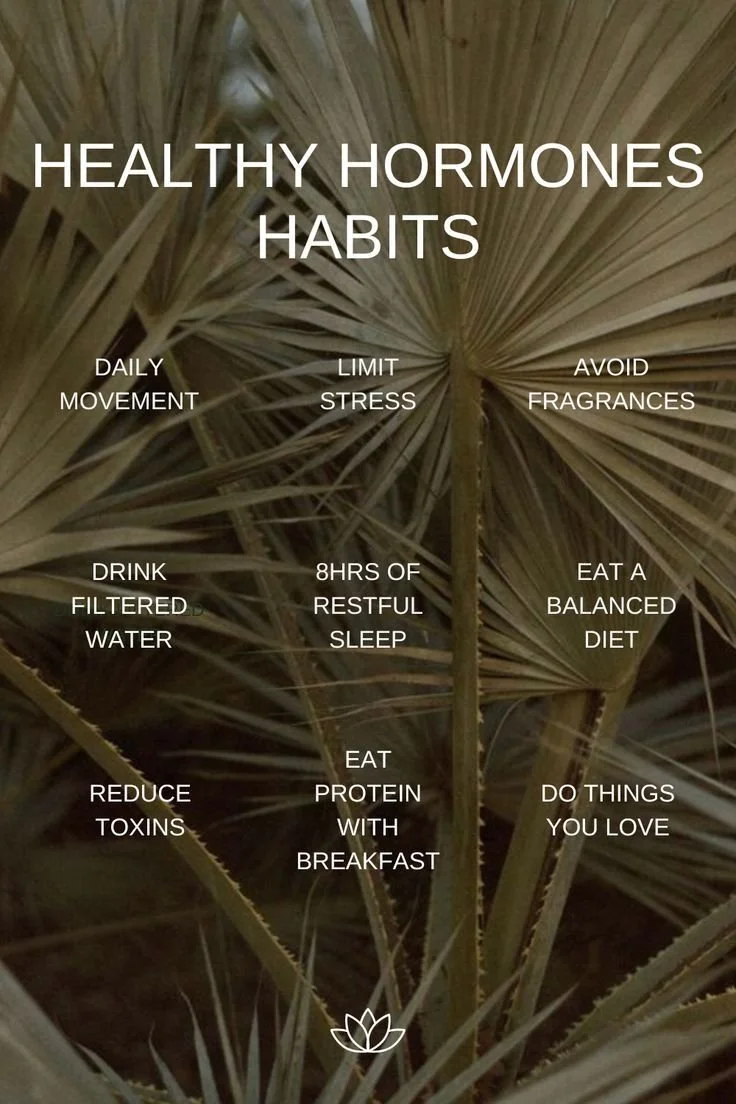
Stress is an inevitable part of life. Whether it stems from work, relationships, health concerns, or the general pace of modern living, stress can accumulate quickly and silently. If left unmanaged, it can take a toll on both your mental and physical health, leading to long-term consequences such as anxiety, burnout, and even chronic illness.

In this article, you’ll discover eight practical and effective strategies to reduce stress and support your overall well-being. These approaches are not only accessible but also empowering—designed to help you regain control, restore balance, and cultivate a healthier, more resilient mindset.
No. 1
Take a Vacation: Give Yourself Permission to Unplug
If you’ve been working long hours or juggling multiple responsibilities, a vacation might be exactly what you need. Time away from your daily routine allows you to disconnect, recharge, and indulge in experiences that bring you joy.
While travel can sometimes be stressful—especially if you’re managing a health condition like hearing loss—preparation is key. Research travel safety for hearing loss to ensure a smooth journey. With thoughtful planning, you can enjoy your trip with confidence and return home feeling refreshed, reenergized, and ready to tackle life with renewed clarity.
Benefits of taking a vacation:
Reduces cortisol levels (the stress hormone)
Enhances creativity and productivity
Improves mood and mental clarity
Strengthens relationships through shared experiences
No. 2
Hit the Gym: Move Your Body, Clear Your Mind
Exercise is one of the most powerful stress relievers available. Whether it’s a brisk walk on the treadmill, a high-intensity workout, or a relaxing yoga session, physical activity releases endorphins—your brain’s natural mood boosters.
Choose a gym close to your home or workplace to make it easier to stick to a routine. Set realistic fitness goals, track your progress, and celebrate small wins. Wearing comfortable, stylish activewear and listening to an energizing playlist can also boost motivation and make workouts more enjoyable.
Gym activities to try:
Cardio (treadmill, cycling, rowing)
Strength training (weights, resistance bands)
Group fitness classes (Zumba, HIIT, yoga)
Stretching and mobility exercises
No. 3
Meditate and Practice Deep Breathing: Calm the Chaos Within
A racing mind filled with intrusive thoughts can be a major source of stress. Meditation and deep breathing exercises are proven techniques to quiet mental noise and bring you back to the present moment.
Use apps like Headspace or Calm to access guided meditations tailored to your needs. Find a quiet, comfortable space, close your eyes, and focus on your breath. Let your thoughts drift by without judgment, like clouds passing in the sky.
Benefits of meditation and deep breathing:
Lowers blood pressure
Reduces anxiety and tension
Enhances emotional regulation
Improves focus and mindfulness

MyFitnessPal
Your health journey starts here!
Track your meals, workouts, and progress with MyFitnessPal.
No. 4
Go for a Nature Walk: Let the Outdoors Heal You
Spending time in nature has a grounding effect on the mind and body. A simple walk in the park, forest, or along a beach can significantly reduce stress and elevate your mood.
As you walk, engage your senses. Feel the sun on your skin, inhale the fresh air, and observe the colors and textures around you. Walking not only provides gentle exercise but also helps you reconnect with the present and let go of mental clutter.
Tips for a successful nature walk:
Wear supportive walking shoes
Choose a scenic, safe route
Walk at your own pace
Leave your phone behind or use it only for music or tracking steps
No. 5
Write in a Journal: Let Your Thoughts Flow Freely
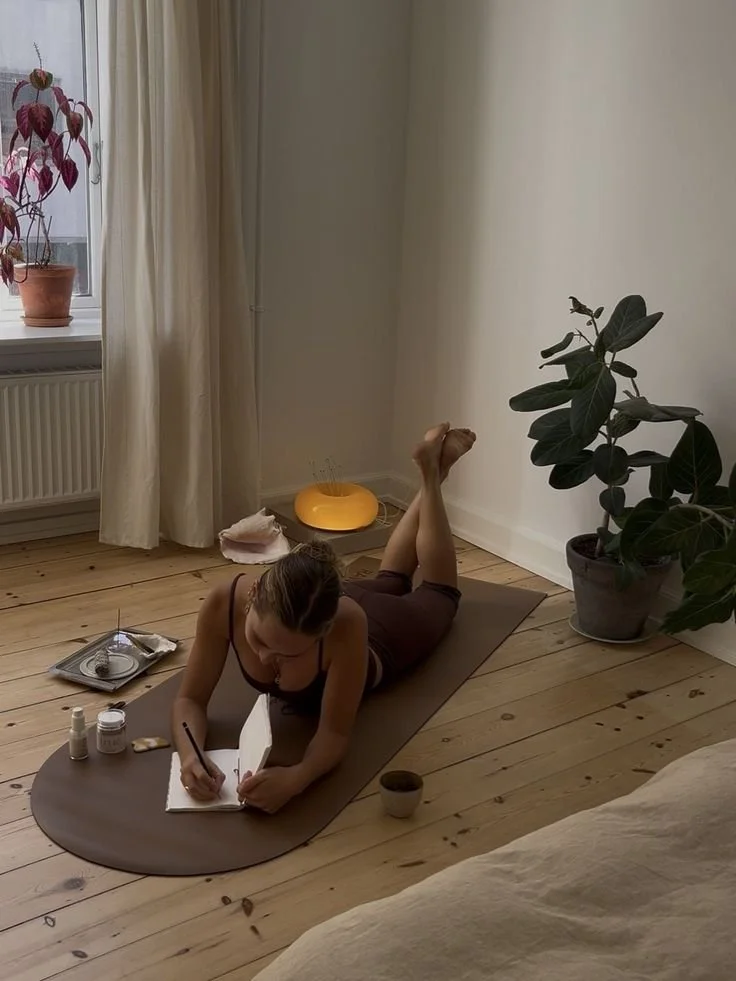
When stress clouds your thoughts, journaling can be a powerful tool for clarity and emotional release. Putting pen to paper helps you process your feelings, identify stressors, and explore potential solutions.
Don’t worry about grammar or structure—just write. You can reflect on your day, express gratitude, or brainstorm ways to overcome challenges. Over time, journaling can help you recognize patterns and develop a deeper understanding of your emotional landscape.
Journaling prompts to try:
What’s weighing on my mind today?
What am I grateful for right now?
What’s one small step I can take to feel better?
What did I learn about myself this week?
No. 6
Connect with Others: Don’t Isolate Yourself
When stress hits, the instinct to withdraw can be strong. While solitude has its place, prolonged isolation can lead to feelings of loneliness and depression. Reaching out to others can provide comfort, perspective, and a sense of belonging.
Talk to a trusted friend, family member, or therapist. Be honest about how you’re feeling. Sometimes, just being heard is enough to lighten your emotional load. Social interaction also releases oxytocin, a hormone that promotes bonding and reduces stress.
Ways to connect:
Schedule regular catch-ups with friends
Join a club or community group
Volunteer for a cause you care about
Attend support groups or therapy sessions
No. 7
Go to Bed Early: Prioritize Quality Sleep
Lack of sleep can amplify stress and impair your ability to cope with daily challenges. When you’re well-rested, your mind is sharper, your mood is more stable, and your body is better equipped to handle stress.
Establish a calming bedtime routine. Dim the lights, avoid screens an hour before bed, and engage in relaxing activities like reading or gentle stretching. Aim for 7–9 hours of quality sleep each night to support optimal mental and physical health.
Sleep hygiene tips:
Stick to a consistent sleep schedule
Keep your bedroom cool, dark, and quiet
Avoid caffeine and heavy meals before bed
Use white noise or calming music if needed
No. 8
Make Lists and Prioritize: Organize Your Mind
Feeling overwhelmed often stems from trying to juggle too many tasks at once. Writing things down can help you regain control and reduce mental clutter.
Start each day by making a to-do list. Then, prioritize your tasks based on urgency and importance. Break larger projects into smaller, manageable steps. This not only boosts productivity but also gives you a sense of accomplishment as you check items off your list.
Tips for effective list-making:
Use a planner or digital app
Focus on 3–5 key tasks per day
Set realistic expectations
Celebrate progress, not perfection
Takeaways
Stress may be an unavoidable part of life, but how you respond to it makes all the difference. By incorporating even a few of these strategies into your routine, you can begin to reduce stress, improve your mental clarity, and enhance your overall well-being.
In this article, we explored eight powerful ways to manage stress—from taking a vacation and exercising regularly to journaling your thoughts and connecting with others. These tools are simple yet transformative, helping you create a life that feels more balanced, intentional, and fulfilling.
Remember, self-care isn’t selfish—it’s essential. When you prioritize your well-being, you’re better equipped to show up for yourself and others with energy, resilience, and grace. Start small, stay consistent, and trust that every positive step you take is a powerful investment in your future.
Looking for Wellness resources?
Are you looking to enhance your wellness routine? Explore our wellness partners who offer a wide range of resources to support your journey toward holistic living and well-being.