Could Smart Fitness Tools Be The Key To A More Balanced Wellness Routine?
In a world where wellness is no longer a luxury but a daily necessity, the integration of technology into our health routines is transforming how we move, rest, and recover. The rise of smart fitness tools—from wearable trackers to AI-powered workout apps—has redefined what it means to live a balanced, health-conscious life.

In this article, we’ll explore how smart fitness tools empower you to create a more sustainable, personalized wellness routine. We’ll dive into how these technologies offer real-time feedback, track progress, and support both physical and mental wellbeing. Whether you're a fitness enthusiast or just beginning your health journey, discover how data-driven insights can help you stay consistent, avoid burnout, and make meaningful progress toward your goals.
No. 1
Smart Fitness Tools: A Gateway to Sustainable Wellness
Smart fitness tools make it easier than ever to track, adjust, and stay consistent with your wellness routine. From smartwatches that monitor sleep quality to apps that guide your workouts in real time, these tools offer more than convenience—they provide clarity.
Rather than relying on guesswork, you gain evidence-based insights about your body that can improve performance, recovery, and overall health. This shift from intuition to data-driven decision-making helps you maintain progress without overexertion or mental fatigue.
Key Takeaways
Smart tools help maintain balance in your wellness routine.
Personalized data enables more effective and sustainable habits.
Technology supports steady improvement without added complexity.
No. 2
How Smart Fitness Tools Transform Wellness Routines
Smart fitness tools are reshaping how we approach health and fitness. They offer a level of personalization and adaptability that traditional routines often lack, making wellness more accessible and sustainable.
Personalization and Real-Time Feedback
Modern fitness tools collect essential data—such as heart rate, sleep quality, and activity levels—to tailor your experience. You receive real-time metrics that help you adjust your workouts on the fly, optimizing intensity, rest intervals, and duration.
Many platforms now use AI-powered analytics to interpret your data and offer personalized recommendations. Over time, this feedback loop reveals patterns you might miss, such as energy dips or form inconsistencies that impact recovery.
For example:
Wearable sensors can alert you when your exertion exceeds safe levels.
Smart apps can recommend rest days based on your recovery metrics.
Heart rate monitors can guide you to stay within optimal zones for fat burning or endurance.
These features allow you to fine-tune your training strategy in real time, accelerating progress while reducing the risk of injury or burnout.
Integrating Technology for a Holistic Approach
When you connect your fitness tools across different areas of your routine—like nutrition apps, sleep trackers, and workout platforms—you create a unified wellness ecosystem. This integration gives you a comprehensive view of how your habits interact and influence overall balance.
For instance:
Syncing your meal logs with your energy output helps you understand how nutrition supports performance.
Linking your sleep data with your training schedule reveals how rest impacts recovery and motivation.
Using platforms like Perspire TV combines structured workouts with real-time tracking, offering flexibility without sacrificing guidance.
This holistic approach eliminates the need for manual tracking and fragmented apps. Instead, you get a centralized dashboard of accurate, actionable information that supports your wellness goals.
Tracking Progress and Setting Goals
One of the most powerful features of smart fitness tools is their ability to track progress with precision. Metrics such as:
Average pace
Active minutes
Sleep duration
Heart rate variability
…are displayed in intuitive dashboards that highlight trends and improvements over time.
You can set specific, measurable goals—like increasing your weekly running distance, improving sleep quality, or hitting a daily step count. These goals can be adjusted as your capacity grows, ensuring they remain both challenging and achievable.
By reviewing your data regularly, you can:
Identify which habits support progress.
Spot early signs of overtraining.
Adjust routines before hitting a plateau.
This evidence-based approach keeps you focused, motivated, and on track for long-term success.
No. 3
Establishing Balance with Smart Fitness Solutions
Smart fitness tools do more than track your steps—they help you understand the dynamic relationship between your physical and mental wellness. By offering measurable data and guided feedback, they promote consistency, recovery, and resilience.
Blending Physical Fitness with Mental Wellbeing
Smart wearables and connected platforms can help you balance movement with mental recovery. Devices like heart rate monitors and sleep trackers reveal how stress, rest, and exertion interact.
Understanding these metrics allows you to:
Adjust training levels before fatigue sets in.
Recognize when poor sleep is affecting performance.
Schedule rest days to prevent burnout.
Many apps now integrate mindfulness tracking alongside physical activity. You can receive reminders to:
Take short breaks.
Practice breathing exercises.
Stretch when tension builds.
Smart Tools That Support Mental Wellness
Several smart fitness tools are designed not only to enhance physical performance but also to support mental and emotional wellbeing. Below are three key tools and how they contribute to a more balanced wellness routine:
Heart Rate Variability Monitor: This tool tracks your body’s stress response by measuring the variation in time between heartbeats. By analyzing this data, it helps detect when your body needs recovery, allowing you to adjust your training intensity or take restorative breaks before burnout occurs.
Sleep Tracker: A sleep tracker measures both the quality and duration of your sleep. With this information, you can identify patterns that may be affecting your energy levels, mood, and performance. It encourages better rest balance by helping you optimize bedtime routines and recovery periods.
Mindfulness App: These apps guide you through relaxation sessions such as breathing exercises, meditation, or gentle stretching. They help reduce mental strain, improve focus, and support emotional resilience—especially when integrated into your daily routine alongside physical activity.
By incorporating these tools into your wellness strategy, you gain a clearer understanding of how your body and mind respond to stress, rest, and exertion. This awareness allows you to design a fitness routine that supports both physical strength and mental clarity.
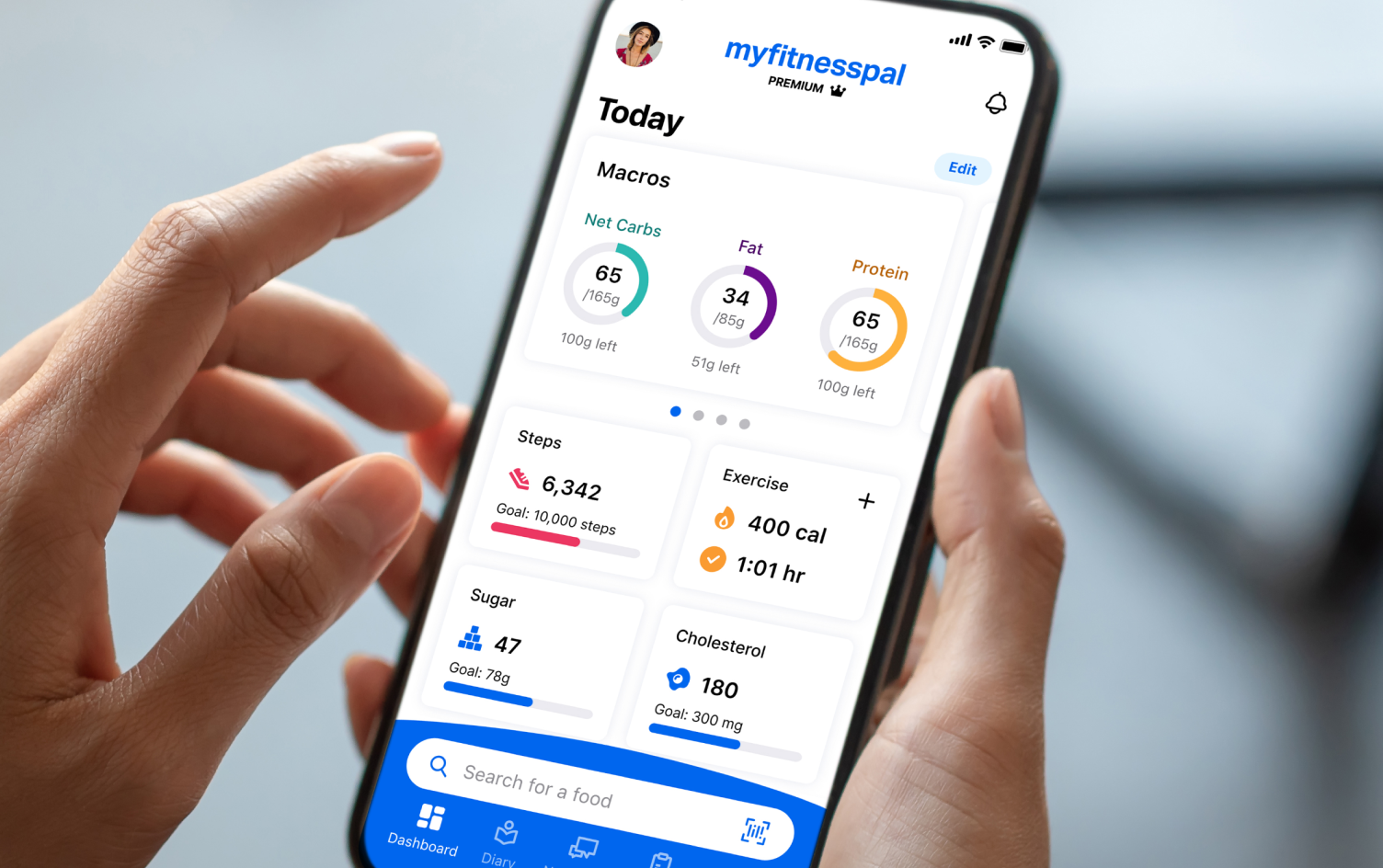
MyFitnessPal
Your health journey starts here!
Track your meals, workouts, and progress with MyFitnessPal.
No. 4
Encouraging Long-Term Healthy Habits
Smart fitness systems often use behavioral psychology to promote lasting habits.
Features like:
Activity reminders
Progress milestones
Automatic goal adjustments
…encourage daily consistency without overwhelming you.
Many platforms now include adaptive learning, analyzing your trends, and suggesting new challenges when you're ready. This prevents stagnation and keeps your routine engaging.
For example:
Increasing your step count by 5% weekly feels manageable and measurable.
Adjusting your sleep goal by 15 minutes can improve rest without disruption.
These incremental changes help transform isolated workouts into an organized, sustainable routine that fits your lifestyle.
Consistency supported by data fosters accountability. You stay focused on steady progress rather than chasing unrealistic results.
Takeaways
Smart fitness tools are more than gadgets—they’re partners in your wellness journey. They help you track performance, set realistic goals, and identify trends that inform smarter decisions. By replacing guesswork with data, you gain clarity and confidence in your routine.
In this article, we explored how integrating technology into your wellness plan can support both physical and mental balance. From real-time feedback to holistic integration, these tools empower you to create a personalized system that adapts to your needs.
But remember: even the smartest tools are only as effective as the intention behind them. Use them as guides, not replacements, for your own awareness and judgment. When you combine technology with mindfulness, consistency, and self-reflection, you unlock a path to sustainable, balanced health—one smart step at a time.
Looking for Wellness resources?
Are you looking to enhance your wellness routine? Explore our wellness partners who offer a wide range of resources to support your journey toward holistic living and well-being.