Posts in wellness
The Role Of Supplements: What You Need And What You Can Skip

The supplement aisle expands each year, and product claims can feel overwhelming. From multivitamins promising more energy to herbal mixes for relaxation, it can be hard to know which supplements you need and which you can skip. Americans spend over $60 billion annually on these products, so making informed choices about nutritional dietary supplements matters more than ever.



In this article, you will discover:

•             What dietary supplements are and how they differ from whole foods

•             Who may actually benefit from specific nutrients

•             Seven supplements everyone should take under certain conditions

•             Practical tips for choosing high-quality brands and avoiding poor-value formulas

Whether you are asking “what vitamins and supplements should I take,” “what supplements should I take,” or “what vitamin supplements should I take,” this guide will help you separate essential from optional.

Let’s begin by defining supplements and reviewing how they are regulated.

No. 1

What Are Dietary Supplements?

Definition of Supplements

Dietary supplements are products taken to add vitamins, minerals, botanicals, amino acids, or enzymes to your diet. The definition of supplements covers a range of forms, from tablets and capsules to powders, gummies, and teas. They may support general wellness, but they are not intended to replace nutrients from whole foods. Understanding what dietary supplements are helps you know when to use them.

Overview of FDA Regulation

Under the Dietary Supplement Health and Education Act, supplements are regulated as foods. Manufacturers must follow Current Good Manufacturing Practices but do not need FDA approval before marketing.

Key Label Elements

•             Supplement Facts panel listing active ingredients

•             Serving size and servings per container

•             Percent Daily Value (%DV) of nutrients

No. 2

Do You Need Supplements?

Most healthy adults meet nutrient needs through a varied diet and regular exercise. When you ask, “What supplements should I take?” remember these products are not regulated like drugs. Use supplements to fill gaps in vitamins and minerals nutrition, not to replace whole foods.

Diet vs. Supplements

Whole foods provide a complex mix of vitamins, minerals, and bioactive compounds that supplements cannot replicate. If you wonder what vitamin supplements I should take, first focus on a balanced meal plan before adding nutritional dietary supplements.

Who May Need Supplements

Pregnancy

People planning pregnancy or already pregnant can take a prenatal vitamin with 400 mcg folic acid and 27 mg iron to support fetal development.

Vegans

A vitamin B12 supplement is advisable for anyone on a strict plant-based diet to ensure proper red blood cell formation and nerve function.

Older Adults

Adults over age 70 may benefit from 800–2,000 IU of vitamin D daily plus 1,000–1,200 mg of calcium to support bone density and reduce fracture risk.

When to Consult a Health Professional

Talk with a healthcare provider before starting any supplement, especially if you have chronic conditions, take medications, or plan surgery. Keep a record of all products, doses, and reasons for use.


hellolovelyliving vitacost

Vitacost

Save big on vitamins, supplements, and healthy essentials at Vitacost – your one-stop shop for wellness!


No. 3

7 Essential Supplements to Consider

While no single product suits everyone, these seven options have strong evidence for addressing common nutrient gaps. They represent supplements everyone should take under specific circumstances. Use this list to decide what vitamins and supplements I should take for your needs.

Prenatal Vitamins

A daily prenatal vitamin supplies 400 µg folic acid to prevent neural tube defects and around 27 mg iron to reduce maternal anemia by 28%. Multiple micronutrients may also improve mean birth weight, but they do not alter neonatal mortality.

Key Components

•             Folic acid (400 µg per day)

•             Iron (27 mg per day)

Vitamin D

Vitamin D supports bone mineral density and immune function. A meta-analysis found daily supplements increased femoral neck density by 0.8%. Common recommendations range from 800 IU to 2,000 IU per day, especially for older adults and people with limited sun exposure.

Omega-3 Fatty Acids

Omega-3s, including EPA and DHA, support cardiovascular health and cognitive function. A daily intake of 250–500 mg combined EPA/DHA can help reduce inflammation and support brain health.

Vitamin B12

Vitamin B12 is essential for red blood cell formation and neurological health. People on strict plant-based diets or older adults may need 250–500 µg per day of methylcobalamin to avoid deficiency.

Iron

Iron is critical for energy production and oxygen transport. Women of reproductive age often require 18 mg per day to prevent iron-deficiency anemia, while men and postmenopausal women typically need 8 mg.

Magnesium

Magnesium supports muscle and nerve function and helps maintain sleep quality. A typical dose of 310–420 mg per day of magnesium citrate or glycinate aids normal muscle relaxation and nervous system balance.

Calcium

Calcium is a building block for bone and tooth health. Adults generally need 1,000–1,200 mg per day, divided into smaller doses and taken with meals for optimal absorption, often alongside vitamin D.

No. 4

How to Choose High-Quality Supplements

Choosing the right supplement means looking beyond marketing claims. Use these criteria to evaluate quality and ensure you get what you pay for.

Reading Supplement Labels

Begin with the Supplement Facts panel. Check serving size and the amount of each active ingredient. Note the % Daily Value to see how a serving fits your needs. Scan the full ingredient list for fillers, binders or added sugars. Always confirm the expiration date and lot number to ensure freshness. If you purchase online, reliable mail order vitamins and supplements can offer convenience and detailed product information.

Third-Party Certification Seals

Look for seals from NSF International, U.S. Pharmacopeia (USP) or ConsumerLab.com. These organizations verify purity, accurate labeling and contaminant levels under FDA Good Manufacturing Practices.

Common Certification Markers

•             USP Verified

•             NSF Certified for Sport

•             Informed-Choice

A certification seal indicates the product meets strict quality standards, but it does not guarantee benefits for every user.

Ingredient Forms and Bioavailability

The chemical form of a nutrient affects absorption. Mineral citrate or chelated forms often absorb better than oxide forms. Liposomal vitamins and phytosomes can boost uptake of compounds such as vitamin C or curcumin. Choose a form that matches your health goals and digestive tolerance.

No. 5

Safety Considerations and Potential Risks

When you add supplements to your routine, active ingredients may affect medications or body systems. Side effects can appear if you exceed recommended doses or mix products without guidance. Always discuss new supplements with your healthcare provider before starting.

Common Drug-Supplement Interactions

•             Vitamin K and warfarin: High vitamin K intake can reduce warfarin efficacy, increasing clotting risk.

•             St. John’s Wort and prescription drugs: This herb speeds breakdown of antidepressants, birth control and heart medications, lowering their blood levels.

•             Antioxidants and chemotherapy: Vitamins C and E may interfere with chemotherapy by neutralizing oxidative damage to cancer cells.

Signs of Overdose and Toxicity

Even water-soluble vitamins can cause issues at high doses. Look for these warning signs:

•             Vitamin A: Persistent headache, joint pain, elevated liver enzymes

•             Iron: Nausea, vomiting, abdominal pain, possible liver injury

•             Niacin: Flushing, itching, elevated liver enzymes, fatigue

Monitoring Responses and Reporting Issues

Keep a detailed record of all supplements and medications you take, including dose and reason for use. Watch for unexpected bleeding, allergic reactions or digestive changes. If you suspect an adverse event, tell your healthcare provider right away. You can also file a report through FDA MedWatch by calling 800-FDA-1088 or using the online form.

No. 6

Innovative Approaches: Personalization and Sustainability

New tools combine genetics, supply-chain transparency and digital tracking to improve outcomes and cut resource waste.

Genetic and Biomarker-Based Plans

Advances in nutrigenomics use DNA tests to identify variants that affect vitamin D, folate and lipid metabolism. Biomarkers such as blood nutrient levels, microbiome composition and metabolomic profiles refine dosage and timing. Periodic lab checks ensure plans evolve with your health metrics.

Sustainable and Ethical Ingredient Sourcing

Some brands source ingredients with minimal ecological impact. Fair-trade certification, organic cultivation and upcycling food byproducts reduce waste and support communities. Plant-based capsules and compostable packaging align supplements with circular economy principles.

Apps for Tracking Supplement Regimens

Digital platforms help users log doses, set reminders and track nutrient intake. Syncing with wearable devices offers real-time insights into activity and sleep that influence supplement needs.

Takeaways

Navigating the supplement aisle can feel overwhelming, but a clear strategy helps you invest wisely in your health.

Keep these points in mind:

•             Rely on whole foods first, then use supplements to fill specific gaps.

•             Essential supplements with strong evidence include prenatal vitamins, vitamin D, omega-3s, vitamin B12, iron, magnesium, and calcium.

•             Evaluate quality by reading labels carefully, looking for third-party certification seals, and choosing bioavailable ingredient forms.

•             Watch for drug and supplement interactions, track your intake, and discuss new products with your healthcare provider.

•             Explore personalized plans and sustainable formulations to align your regimen with your unique needs and environmental values.

With this guide, you can make informed decisions, avoid unnecessary costs, and support your long-term well-being with confidence.

Looking for Wellness resources?

Are you looking to enhance your wellness routine? Explore our wellness partners who offer a wide range of resources to support your journey toward holistic living and well-being.

Learn more


wellnessHLL x Editor


Supportive Assisted Living Options For Quality Elderly Care

As our loved ones age, their needs naturally evolve—often requiring more support with daily tasks while still desiring independence and dignity. For many families, finding the right balance between care and autonomy can be challenging. Fortunately, assisted living offers a compassionate and practical solution that addresses both.


hellolovelyliving assisted living


In this article, we’ll explore how assisted living communities provide personalized care, promote independence, and foster emotional and social well-being. Whether you're beginning your search or simply seeking to understand your options, this guide will help you make informed decisions that prioritize the comfort, safety, and happiness of your aging family members.

No. 1

Understanding Assisted Living

Assisted living communities are thoughtfully designed to help seniors with daily activities while preserving their independence. Services often include assistance with bathing, dressing, medication management, and mobility.

Residents typically enjoy private apartments or rooms, allowing them to maintain their personal space and routines. At the same time, they benefit from access to shared communal areas where they can socialize, participate in activities, and build meaningful relationships with other residents.

This harmonious blend of privacy and community enhances quality of life and supports emotional well-being.

No. 2

Benefits of Assisted Living

Choosing assisted living can bring numerous advantages for both seniors and their families. One of the most significant benefits is access to 24/7 support.

Trained staff members are always available to assist with needs as they arise, offering peace of mind to residents and their loved ones. This constant availability ensures that help is never far away, whether it’s for a medical concern or simply a helping hand.

Assisted living communities also provide a wide range of services, including:

  • Nutritious, chef-prepared meals

  • Housekeeping and laundry services

  • Scheduled transportation

  • On-site medical care and wellness programs

These services allow seniors to focus on enjoying life rather than managing household responsibilities. With more time and energy, residents can engage in hobbies, attend events, and build friendships—all of which contribute to a more fulfilling lifestyle.

No. 3

Finding the Right Community

Choosing the right assisted living community involves thoughtful consideration. Start by evaluating the location—proximity to family and friends can make visits more frequent and meaningful, helping maintain strong emotional bonds.

Next, assess the atmosphere of each community.

Ask yourself:

  • Is the environment warm and welcoming?

  • Are the staff friendly and attentive?

  • Do the activities align with your loved one’s interests?

Visiting multiple communities is highly recommended. This allows families to compare options and get a true feel for where their loved one might feel most at home.

It’s also important to review the range of services offered. Some communities provide specialized care, such as memory support for individuals with Alzheimer’s or dementia. Understanding these offerings ensures that the community can meet both current and future needs.


hellolovelyliving saatva

Saatva

Saatva is a leading online retailer of luxury mattresses, offering a wide range of high-quality products designed to provide an exceptional night's sleep.


No. 4

Engaging Activities and Support

Assisted living is about more than just physical care—it’s about enriching the lives of residents through engagement, connection, and emotional support.

Many communities offer a robust calendar of activities, including:

  • Arts and crafts

  • Fitness and wellness classes

  • Group outings

  • Music and entertainment nights

These activities help residents stay mentally and physically active while fostering a sense of community.

Additionally, staff are trained to support emotional well-being through regular check-ins, group discussions, and compassionate care. These efforts help reduce feelings of loneliness and promote a sense of belonging.

No. 5

A Caring Option for Families

For families navigating the complexities of elder care, assisted living often emerges as a balanced and compassionate solution. It offers the professional support seniors need while preserving the independence they value.

With trained caregivers on hand and a community designed to promote engagement and well-being, assisted living can be the ideal environment for aging loved ones to thrive.

If you're considering care options for your loved one, it's worth taking the time to explore supportive assisted living alternatives. Understanding these options can help ensure that your loved one receives the best possible care.

Takeaways

Supporting an aging loved one is a meaningful, yet sometimes overwhelming responsibility. Assisted living provides a respectful, compassionate solution that blends independence with the right level of care.

In this article, we’ve highlighted how assisted living communities offer personalized support, engaging activities, and a sense of belonging—all essential for a high quality of life.

By learning more about assisted living, families can approach this important transition with confidence and clarity.

Looking for more helpful resources? Visit our website for additional articles, tips, and guidance on elder care and senior living. Let us help you make informed, compassionate choices for those who matter most.

Looking for Wellness resources?

Are you looking to enhance your wellness routine? Explore our wellness partners who offer a wide range of resources to support your journey toward holistic living and well-being.

Learn more


wellnessHLL x Editor


How Assisted Living Fosters Independence And Community

Aging doesn’t mean sacrificing freedom—it means discovering new ways to embrace it. For many seniors, assisted living offers the perfect opportunity to maintain independence while gaining access to supportive care and meaningful social connections.


hellolovelyliving assisted living


In this article, we’ll explore how assisted living communities empower older adults to live vibrant, fulfilling lives. From personalized care plans to engaging activities and wellness programs, these communities are designed to foster autonomy, dignity, and a deep sense of belonging. If you’re curious about how assisted living can enhance both independence and community, read on to discover the possibilities.

No. 1

Personalized Care Plans

Every individual is unique, and assisted living communities understand that well. Personalized care plans ensure that each resident receives support tailored to their specific needs, preferences, and lifestyle.

These plans are flexible and adaptable, evolving as health needs or routines change. Compassionate staff take the time to listen and collaborate with residents and their families, creating care strategies that promote independence while offering help where it’s needed.

This thoughtful balance fosters trust and comfort, giving families peace of mind and helping residents feel respected and valued. With personalized care, support never feels intrusive—it feels empowering, making daily life easier and more enjoyable.

No. 2

Encouraging Social Interaction

One of the most enriching aspects of assisted living is the opportunity for daily social connection. These communities are designed to bring people together, whether through shared meals, casual conversations in common areas, or organized group activities.

Simple moments of connection can significantly reduce feelings of isolation and foster a strong sense of belonging. Friendly staff members actively encourage interaction and plan engaging events that help residents bond and build friendships.

Social engagement transforms neighbors into companions, creating a warm, welcoming environment where everyone feels seen, heard, and supported.

No. 3

Community Activities and Events

Life in assisted living is far from routine—it’s filled with dynamic events and activities that keep the mind and spirit alive. Residents can participate in:

  • Games and trivia nights

  • Live music performances

  • Art and craft sessions

  • Themed parties and holiday celebrations

These events go beyond entertainment—they stimulate cognitive function, encourage creativity, and provide opportunities for self-expression. With a wide variety of options, every resident can find something that resonates with their interests.

Whether it’s trying a new hobby or celebrating a special occasion, these shared experiences help create joyful memories and strengthen the sense of community.


hellolovelyliving hilu

Hilu

Ensure you and your loved ones enjoy a deeper, more restful sleep with the only blanket that actively adapts to keep your temperature perfect


No. 4

Opportunities for Active Living

Physical activity is essential for maintaining strength, mobility, and confidence. Assisted living communities provide numerous ways for residents to stay active and engaged, including:

  • Gentle fitness classes

  • Walking groups

  • Outdoor recreational activities

Programs are thoughtfully designed to accommodate all ability levels, ensuring everyone can participate comfortably. In addition to physical movement, residents enjoy mentally stimulating hobbies like gardening, puzzles, or book clubs.

This holistic approach to wellness is exemplified by communities like this assisted living facility in Bonita Springs, where staying active is seamlessly woven into everyday life. Residents are encouraged to engage in ways that suit their interests, making wellness both accessible and enjoyable.

No. 5

Empowering Seniors Through Assisted Living

Assisted living is not just about providing care—it’s about empowering seniors to live with purpose, joy, and autonomy. By offering personalized support, fostering social connection, and promoting active lifestyles, these communities help residents thrive.

Seniors are encouraged to make choices, pursue passions, and enjoy each day on their own terms. The result? A life filled with dignity, fulfillment, and a strong sense of community.

If you’re exploring options for yourself or a loved one, now is the time to discover how assisted living can offer the perfect blend of safety and freedom.

Takeaways

Assisted living redefines what it means to age gracefully. With the right balance of care and independence, seniors can enjoy a lifestyle that’s both secure and empowering.

In this article, we’ve highlighted how assisted living fosters independence, nurtures community, and supports a vibrant, fulfilling life. From personalized care plans to engaging social activities and wellness programs, these communities are designed to uplift and inspire.

Did you find this article helpful? Explore the rest of our blog for more insights, tips, and resources on senior living and wellness. Your next chapter—or your loved one’s—can be the most enriching yet.

Looking for Wellness resources?

Are you looking to enhance your wellness routine? Explore our wellness partners who offer a wide range of resources to support your journey toward holistic living and well-being.
Learn more


wellnessHLL x Editor


Engaging Activities To Boost Elders' Mental Health And Happiness

Have you ever wondered how older adults can stay mentally sharp, emotionally balanced, and genuinely joyful each day? As we age, maintaining mental health becomes just as important as physical well-being. For elders, staying engaged through meaningful activities can significantly enhance their quality of life, boost confidence, and foster a sense of purpose.


hellolovelyliving elder activities


In this article, we explore a variety of enriching activities that support mental wellness and emotional happiness for seniors. From gentle exercises to creative expression and social connection, these ideas are designed to uplift, energize, and inspire. Whether you're a caregiver, family member, or senior yourself, these suggestions can help bring more joy and vitality into everyday life.

No. 1

Gentle Physical Exercises

Daily movement is one of the simplest yet most effective ways to elevate mood and maintain physical health. Gentle exercises such as stretching, tai chi, or short walks can offer energy without causing strain or discomfort.

  • Outdoor activities allow elders to enjoy fresh air and connect with nature.

  • Group exercises foster a sense of community and shared motivation.

  • Consistent movement improves sleep quality, enhances alertness, and reduces stress.

Every small step contributes to long-term independence and well-being. Incorporating gentle physical activity into daily routines can brighten spirits and promote a sense of accomplishment.

No. 2

Creative Arts Projects

Artistic expression offers a powerful outlet for emotion, imagination, and self-discovery. Engaging in creative arts like painting, drawing, or crafting helps elders focus, relax, and feel a sense of achievement.

  • Working with colors and textures stimulates the senses and encourages problem-solving.

  • Group art sessions build friendships and foster community.

  • Completed projects provide pride and opportunities to share personal stories.

Creative activities not only keep the mind active but also offer moments of peace and joy. They serve as a beautiful reminder that it’s never too late to explore new talents or revisit old passions.

No. 3

Brain-Boosting Games

Cognitive games are a fun and effective way to keep the mind sharp. Whether it’s puzzles, memory games, Sudoku, or word challenges, these activities stimulate mental agility and focus.

  • Friendly competition brings laughter and social interaction.

  • Winning games boosts confidence and self-esteem.

  • Regular play helps improve memory, concentration, and problem-solving skills.

Brain games are more than just entertainment—they’re tools for mental fitness. They also provide opportunities for connection, storytelling, and shared enjoyment.


hellolovelyliving headspace

Headspace

Discover tools for peace of mind with Headspace. Tailored mindfulness and meditation tools designed to support individuals with dementia and Alzheimer’s, fostering calm, focus, and connection.


No. 4

Social Clubs and Groups

Staying socially active is essential for emotional well-being. Joining clubs or community groups gives elders a chance to meet new people, share experiences, and feel valued.

  • Regular meetings create comforting routines and a sense of belonging.

  • Group activities reduce feelings of isolation and loneliness.

  • Shared learning encourages curiosity and mutual support.

Social engagement supports senior emotional wellness awareness and helps build a strong support network. These connections can lead to lasting friendships and a deeper sense of happiness.

No. 5

Music and Dance Sessions

Music has a unique ability to uplift the spirit and evoke powerful emotions. Whether it’s listening to favorite songs, singing along, or dancing to a rhythm, music brings joy and vitality.

  • Singing and clapping encourage participation and fun.

  • Gentle dancing improves flexibility and physical coordination.

  • Group sessions foster connection and create lasting memories.

Music also soothes anxiety, reduces stress, and can even trigger positive memories, especially for those with cognitive impairments. Sharing musical experiences brings people together in harmony and happiness.

Takeaways

Keeping elders mentally and emotionally engaged can lead to a more joyful and fulfilling life. Simple, consistent activities—whether physical, creative, cognitive, or social—can make a profound difference in their daily well-being.

In this article, we’ve shared a range of ideas that support mental health and happiness in older adults. Each activity, no matter how small, contributes to a greater sense of purpose, connection, and joy.

By encouraging elders to explore new interests, stay active, and connect with others, we help them thrive—not just exist. These efforts benefit not only the individuals themselves but also the families, caregivers, and communities around them.

Looking for Wellness resources?

Are you looking to enhance your wellness routine? Explore our wellness partners who offer a wide range of resources to support your journey toward holistic living and well-being.

Learn more


wellnessHLL x Editor


Surprising Facts On How Self-love Heals Inner Wounds

In today’s wellness-driven culture, self-love is often portrayed through curated snapshots of face masks, bubble baths, and daily affirmations. While these rituals can offer temporary comfort and moments of joy, they only scratch the surface of what it truly means to love oneself.


hellolovelyliving self-love woman


Authentic self-love is not a fleeting indulgence—it is a transformative process that requires courage, introspection, and healing. It asks us to look inward, confront our emotional wounds, and cultivate a relationship with ourselves that is rooted in compassion, acceptance, and resilience.

In this article, we’ll explore the profound distinction between self-care and self-love, the hidden barriers that prevent us from embracing our worth, and the practical and therapeutic steps we can take to reconnect with our most authentic selves.

No. 1

The Difference Between Self-Care and Self-Love

Self-care is essential, but it is not the same as self-love. Self-care tends to be reactive—it meets our immediate needs. We rest when we’re exhausted, eat when we’re hungry, and seek comfort when we’re overwhelmed. These actions are necessary and helpful, but they often provide only temporary relief.

Self-love, on the other hand, is proactive and transformative. It’s not just about managing symptoms—it’s about addressing root causes.

  • Instead of only treating anxiety, self-love invites us to explore what’s fueling it.

  • Instead of navigating difficult relationships on autopilot, self-love encourages us to examine the patterns that keep us stuck.

Self-love is about creating lasting change in the way we relate to ourselves and the world around us. It’s a commitment to healing, growth, and authenticity.

No. 2

The Hidden Barriers to Self-Love

Many people struggle with self-love not because they lack willpower or desire, but because unresolved trauma and emotional wounds create internal resistance. These barriers often manifest in subtle but powerful ways:

  • The Inner Critic: That persistent voice that whispers you’re not good enough, smart enough, or lovable.

  • People-Pleasing Patterns: Prioritizing others’ needs while neglecting your own.

  • Fear of Vulnerability: Avoiding deep connection because it feels too risky.

  • Perfectionism: Setting unattainable standards that ensure disappointment.

  • Emotional Numbness: Disconnecting from feelings to avoid pain, which also blocks joy and intimacy.

These patterns are often rooted in early life experiences where expressing needs led to rejection, or mistakes were met with harsh criticism. Over time, these experiences shape our beliefs about worthiness and influence how we treat ourselves.

No. 3

Why Professional Support Makes a Difference

While self-help books and online resources can offer valuable insights, working with a qualified therapist provides something uniquely powerful: a safe, nonjudgmental space and a trained perspective to help you navigate complex emotions.

Lisa Pereversoff, a registered clinical counsellor at Lokahi Wellness Collective, emphasizes the importance of this process:

“Self-love isn’t something you can will into existence. It emerges naturally when we create safety in our inner world and heal the wounds that convince us we’re unworthy of love.”

Modern therapeutic approaches go beyond talk therapy. They integrate mind-body awareness, helping clients recognize how trauma and stress are stored in the nervous system. When both emotional and physiological aspects are addressed, healing becomes more complete and sustainable.


hellolovelyliving intelligent change

Intelligent Change

Join over 2 Million people starting every day happier with products that elevate daily life

GET 10% OFF YOUR ORDER

Use code: CRISTINAA10


No. 4

The Journey from Surviving to Thriving

For individuals who have experienced trauma, the first step toward self-love isn’t necessarily learning to love themselves—it’s learning to feel safe in their own bodies and minds. This is where trauma-informed therapy becomes essential.

Trauma doesn’t always look like what we see in movies.

It can include:

  • Chronic emotional neglect or childhood stress

  • Bullying or social exclusion

  • Medical trauma or accidents

  • Betrayals in relationships

  • Workplace harassment or discrimination

  • Exposure to violence or natural disasters

Trauma conditions the nervous system to remain in a state of hypervigilance. When we’re constantly scanning for threats, it becomes nearly impossible to access the calm, compassionate presence required for genuine self-love.

Through trauma-informed therapy, clients learn to:

  • Regulate their nervous system and return to a state of calm

  • Establish and maintain healthy boundaries

  • Process difficult emotions without becoming overwhelmed

  • Recognize their inherent worth, independent of external validation

  • Connect with others from a place of wholeness, not need

No. 5

Practical Steps Toward Authentic Self-Love

While therapy lays the groundwork, daily practices can reinforce and deepen your self-love journey.

Practice Curious Self-Observation

Instead of judging your thoughts or emotions, meet them with curiosity. When your inner critic speaks up, ask:

“What is this part of me trying to protect me from?”
This gentle inquiry fosters understanding and reduces self-attack.

Honor Your Emotional Rhythms

Self-love means honoring your natural cycles of energy, creativity, and rest. Rather than forcing constant productivity or positivity, allow yourself to ebb and flow.

Set Boundaries with Compassion

Saying no is not selfish—it’s self-respect in action. Begin by declining commitments that drain your energy or conflict with your values.

Speak to Yourself Like a Trusted Friend

Notice the tone of your inner dialogue. Would you speak to someone you love the way you speak to yourself? Practice offering yourself the same kindness and encouragement.

Seek Connection, Not Perfection

There’s no such thing as perfect self-love. The goal isn’t to eliminate all self-doubt, but to build a compassionate relationship with every part of yourself—even the parts you wish were different.

No. 6

The Ripple Effect of Self-Love

Healing your relationship with yourself naturally transforms your relationships with others. You become less reactive, more present, and more capable of offering authentic support.

You stop trying to fill internal voids with external validation, which leads to healthier, more fulfilling connections.

Self-love also unlocks your creative and emotional energy. When you’re no longer battling your inner critic or managing unhealed wounds, you can redirect that energy toward purpose, joy, and meaningful contribution.

TAKEAWAYS

True self-love is not a destination you arrive at once and for all—it’s a daily practice, a conscious choice to return to yourself with compassion, even when old patterns try to pull you back.

If you find yourself stuck in cycles of self-criticism, people-pleasing, or emotional disconnection, know that you’re not alone—and you’re not broken. Seeking support from a skilled therapist is not a sign of weakness; it’s one of the most courageous and loving choices you can make.

You don’t need to earn your worth through achievements, appearance, or approval. Your value is inherent. Self-love is the process of remembering that truth and living from it—one breath, one choice, one moment at a time.

The path to authentic self-love may not always be easy, but it is always worth it. Every step you take toward healing creates more space for joy, connection, and the full expression of who you are meant to be. And that, ultimately, is the greatest gift you can offer both yourself and the world.

Looking for Wellness resources?

Are you looking to enhance your wellness routine? Explore our wellness partners who offer a wide range of resources to support your journey toward holistic living and well-being.

Learn more


wellnessHLL x Editor


Step Aerobics And Cardio Kickboxing Certification: Teach Fitness

Are you ready to elevate your fitness career and stand out in a competitive industry? In today’s dynamic health and wellness landscape, having specialized skills is more important than ever. Step aerobics and cardio kickboxing are not only high-energy, results-driven workouts—they’re also in-demand formats that can set you apart as a group fitness instructor.


hellolovelyliving cardio kickboxing


By earning a Step Aerobics & Cardio Kickboxing Certification, you gain the knowledge, credibility, and confidence to lead engaging, effective classes. Whether you’re a seasoned trainer or just starting out, this certification opens the door to a rewarding career filled with movement, motivation, and meaningful impact. In this article, let’s explore why this path might be the perfect next step for you.

No. 1

Why Certification Matters

Getting certified in step aerobics and cardio kickboxing equips you with the essential skills to lead safe, structured, and exciting fitness classes. It’s more than just learning routines—it’s about becoming a trusted professional in the eyes of clients, gym owners, and the broader fitness community.

Certification demonstrates your commitment to excellence and professional growth. It also enhances your marketability, often leading to:

  • Higher earning potential

  • More job opportunities

  • Increased client trust and retention

In a field where credibility matters, certification is a smart and strategic investment in your future.

No. 2

Benefits of Step Aerobics and Cardio Kickboxing

Both step aerobics and cardio kickboxing offer powerful physical and mental benefits, making them ideal formats for group fitness instruction.

Step Aerobics:

  • Uses a raised platform to improve balance, coordination, and lower-body strength

  • Offers a low-impact yet effective cardiovascular workout

  • Easily modifiable for all fitness levels

Cardio Kickboxing:

  • Combines martial arts techniques with aerobic conditioning

  • Builds speed, power, and endurance

  • Enhances mental focus and stress relief through high-intensity movement

Both workouts stimulate endorphin release, which boosts mood and reduces stress, making them not only effective but also enjoyable. Their adaptability ensures inclusivity, welcoming participants from all backgrounds and fitness levels.

No. 3

Choosing the Right Certification Program

Not all fitness certifications are created equal. When selecting a program, it’s crucial to evaluate its structure, support, and credibility.

Look for a program that includes:

  • A clear and comprehensive curriculum

  • Practical teaching components

  • Post-certification support and resources

  • Recognition by reputable fitness organizations

One standout option is the Step Aerobics & Cardio Kickboxing Certification offered by the American Sports & Fitness Association (ASFA). This program is available at https://www.americansportandfitness.com/products/step-aerobics-cardio-kickboxing-certification. It is designed for flexibility and depth, offering self-paced learning and a "pay only if you pass" model. It’s ideal for both new and experienced fitness professionals looking to specialize in high-energy group formats.


hellolovelyliving clean machine preworkout

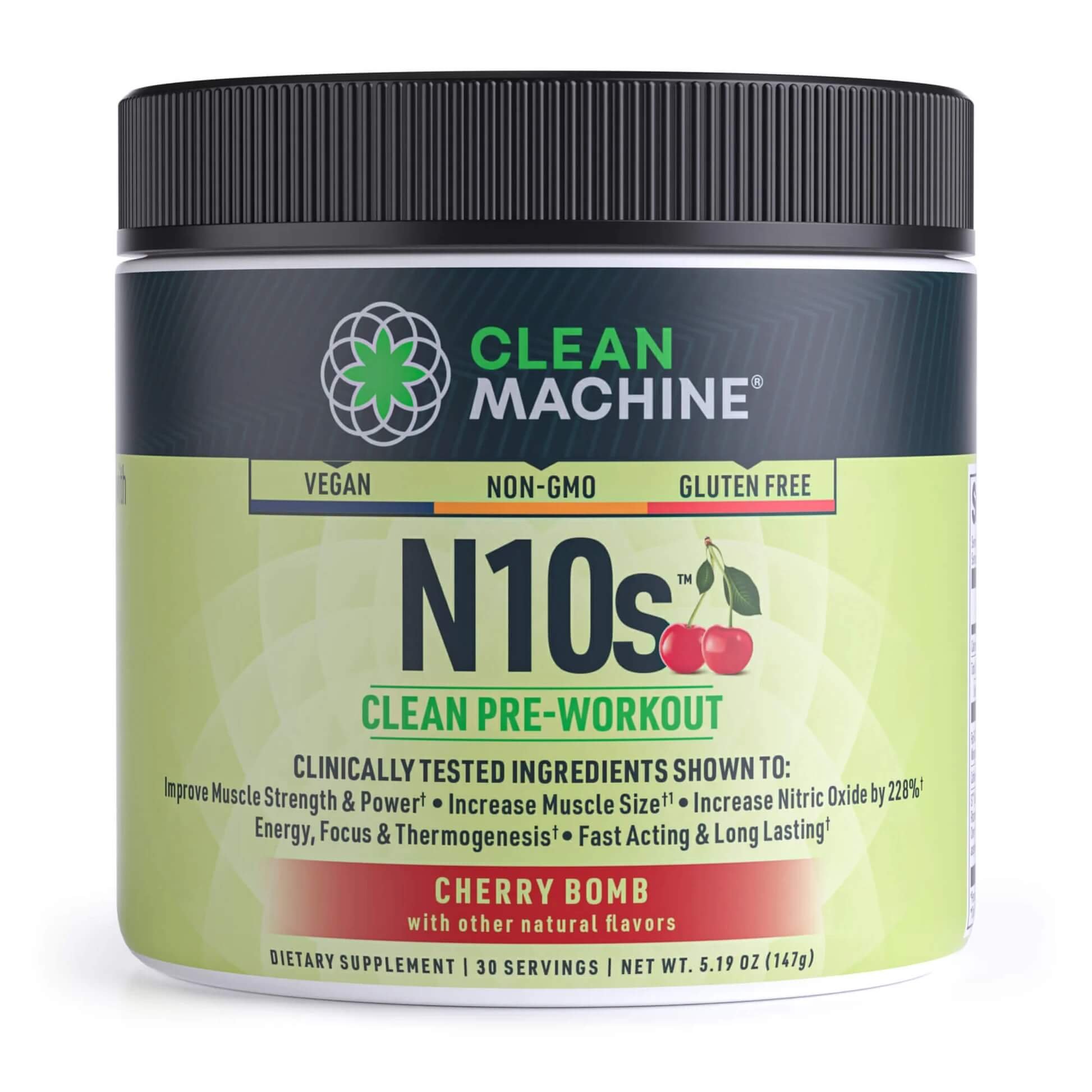
Clean Machine

Clean Machine’s N10s Clean Preworkout is a potent supplement designed to maximize your workout potential with increased muscle size, strength, pump, and energy


No. 4

Skills You Will Learn

This certification goes far beyond choreography. You’ll gain a well-rounded education that prepares you to lead with confidence and care.

Key skills include:

  • Anatomy and physiology fundamentals

  • Exercise safety and injury prevention

  • Class design and choreography techniques

  • Motivational coaching and cueing strategies

  • Real-world teaching practice

You’ll also learn how to create a supportive, inclusive environment that keeps participants coming back. The goal is not just to teach a class—but to inspire transformation.

No. 5

Career Advancement Opportunities

With your certification in hand, a wide range of career paths become available.

You can:

  • Teach at gyms, studios, and community centers

  • Offer private or small-group sessions

  • Launch your own fitness brand or online classes

  • Expand into related fields like personal training or nutrition coaching

Many instructors also pursue advanced certifications to broaden their expertise and increase their income potential. The versatility of step aerobics and cardio kickboxing ensures that your skills remain relevant and in demand across various fitness settings.

No. 6

Your Next Steps in Fitness

If your goal is to lead, inspire, and make a real difference in people’s lives through movement, then certification is your launchpad. Whether you're passionate about step aerobics, cardio kickboxing, or both, the right training will empower you to teach with confidence and creativity.

Start by choosing a reputable program like the ASFA Step Aerobics & Cardio Kickboxing Certification. With dedication, practice, and a passion for fitness, you’ll be well on your way to building a fulfilling, impactful career.

Takeaways

In the ever-evolving world of fitness, specialization is the key to standing out. A Step Aerobics & Cardio Kickboxing Certification not only equips you with the tools to lead dynamic, results-driven workouts—it also sets the foundation for a thriving career.

From enhancing your knowledge of movement science to mastering the art of motivation, this certification empowers you to become a leader in group fitness. Whether you're teaching in a studio, online, or in your local community, your impact will be felt with every class you lead.

Did you find this article helpful? Be sure to explore our website for more expert insights, resources, and certifications that can elevate your fitness journey.

Looking for Wellness resources?

Are you looking to enhance your wellness routine? Explore our wellness partners who offer a wide range of resources to support your journey toward holistic living and well-being.

Learn more


wellnessHLL x Editor


How To Provide Compassionate Care For Your Elderly Loved Ones

Caring for an aging parent, grandparent, or loved one is a profound act of love—but it can also be a complex and emotional journey. Many caregivers find themselves asking: How can I provide the support they need while preserving their dignity and independence?


hellolovelyliving compassionate care for loved ones


Balancing compassion with practicality is key. As our loved ones age, their needs evolve—physically, emotionally, and socially. Providing care that honors their autonomy while ensuring their safety and well-being requires thoughtful planning, empathy, and flexibility.

In this article, we’ll guide you through essential strategies for offering compassionate care. From exploring care options to encouraging independence, each section is designed to help you create a nurturing environment where your loved one feels respected, supported, and connected.

No. 1

Explore Your Care Options

When it comes to elder care, there’s no one-size-fits-all solution. From in-home assistance to residential care communities, families today have a wide range of options to consider. The key is to evaluate what works best for your loved one’s unique needs, preferences, and lifestyle.

Start by assessing their level of independence, medical requirements, and social needs. Would they thrive with occasional help at home, or do they need more structured, daily support?

To help navigate these choices, consider visiting Tandem.care, a platform that offers flexible home care services tailored to individual rhythms. Their model includes on-demand, targeted, and full-day companion options—without rigid schedules. This approach can inspire you to craft a care plan that respects your loved one’s autonomy while ensuring they receive the attention they need.

No. 2

Create a Safe and Comfortable Home

A safe and welcoming home environment is essential for both physical safety and emotional well-being. Small adjustments can significantly reduce the risk of injury and enhance comfort.

Safety tips to consider:

  • Ensure hallways and staircases are well-lit

  • Remove tripping hazards like loose rugs or clutter

  • Install grab bars in bathrooms and non-slip mats in tubs

  • Keep frequently used items within easy reach

Comfort enhancements:

  • Provide soft, supportive seating

  • Use warm blankets and cozy textiles

  • Decorate with familiar photos, keepsakes, and calming colors

A thoughtfully arranged space not only prevents accidents but also fosters a sense of peace and belonging.

No. 3

Listen to Them

One of the most powerful ways to show compassion is simply to listen. When your loved one speaks—whether about their fears, memories, or daily preferences—give them your full attention.

Avoid interrupting or rushing the conversation. Instead, practice active listening by making eye contact, nodding, and asking gentle follow-up questions.

By listening with empathy, you:

  • Show respect for their experiences

  • Build trust and emotional connection

  • Gain insight into their true needs and desires

Open communication also empowers them to participate in decisions about their care, reinforcing their sense of control and dignity.


hellolovelyliving hilu

Hilu

Ensure you and your loved ones enjoy a deeper, more restful sleep with the only blanket that actively adapts to keep your temperature perfect


No. 4

Encourage Independence

Maintaining a sense of independence is vital for an older adult’s self-esteem and mental health. Even small tasks can provide a sense of purpose and accomplishment.

Ways to support independence:

  • Let them choose their outfits or meals

  • Encourage participation in light chores like folding laundry or gardening

  • Offer tools that support mobility and ease of use (e.g., grabbers, easy-open containers)

By allowing them to make choices and contribute to daily life, you help preserve their autonomy and reduce feelings of helplessness.

No. 5

Support Social Connections

Social interaction is a cornerstone of emotional and cognitive health. Isolation can lead to depression, anxiety, and cognitive decline, while meaningful connections can uplift and energize.

Ideas to foster connection:

  • Schedule regular visits from friends and family

  • Encourage participation in local senior centers or community programs

  • Explore virtual meetups or hobby groups if mobility is limited

  • Celebrate birthdays, holidays, and milestones together

A strong social network not only enriches daily life but also provides emotional resilience and a sense of belonging.

No. 6

Kindness Is the Language the Heart Remembers

Caring for an elderly loved one is more than a responsibility—it’s a profound opportunity to return the love, wisdom, and support they once gave you. Compassionate care is about more than meeting physical needs; it’s about honoring their humanity, preserving their dignity, and cherishing the moments you share.

When you approach caregiving with patience, empathy, and presence, you offer more than help—you offer connection, comfort, and lasting memories.

Takeaways

Providing compassionate care for your elderly loved ones is a journey of heart and intention. By exploring flexible care options like those at Tandem.care, creating a safe and nurturing environment, listening with empathy, encouraging independence, and supporting social ties, you can offer care that is both practical and deeply meaningful.

Remember, every small act of kindness—every shared laugh, every gentle word—strengthens the bond between you and your loved one. In the end, it’s not just about caregiving; it’s about honoring a life well-lived and ensuring that their final chapters are filled with dignity, love, and grace.

Was this article helpful? If so, be sure to explore our blog for more insightful resources and compassionate caregiving tips.

Looking for Wellness resources?

Are you looking to enhance your wellness routine? Explore our wellness partners who offer a wide range of resources to support your journey toward holistic living and well-being.

Learn more


wellnessHLL x Editor


Wellness Retreats At Home: From Detoxing To Daily Comforts

Wellness retreats have become essential in today’s fast-paced world, providing a unique opportunity for individuals to reset, recharge, and reconnect with themselves. These retreats focus on holistic well-being, addressing physical, mental, and emotional health through various programs, including healing retreats.


From detoxing to emotional healing and personal growth, there are different types of wellness retreats that cater to specific needs.

The increasing popularity of wellness tourism has made these retreats more accessible and affordable globally. But why travel when you can create a similar experience at home? Choosing the right wellness retreat means considering:

  • Personal goals

  • Preferences

  • Budget

  • Whether you want to go solo or with like-minded individuals.

Whether you’re seeking detoxification, emotional healing, or simply more comfort in your daily life, this guide will walk you through how to create a personalized, rejuvenating retreat—right where you are.

No. 1

At-Home Detox: Elevated Well-Being Begins in Comfort

Detox retreats provide a peaceful retreat from the toxins of everyday life, promoting effective elimination of toxins, which is crucial for reducing chronic illnesses and improving energy levels. 

If you’re considering a more structured approach, professional programs like a Melbourne detox can provide guidance and support, while at-home methods can still offer meaningful benefits.

Detoxing at home can lead to numerous benefits like better weight loss management, improved psychological well-being, and enhanced sleep quality.

Integrating organic foods into your detox plan can support liver function by minimizing exposure to harmful pesticides and enhancing nutrient intake. Staying hydrated with adequate water intake is essential during detoxification, aiding in the elimination of toxins through the kidneys and bowels.

Avoiding caffeine and alcohol during this phase lowers the burden on the liver, allowing it to focus on processing these substances.

To support detoxification and maintain a healthy body:

  • Engage in regular physical movement to support toxin elimination and maintain a healthy lymphatic system.

  • Opt for natural skincare products to reduce the liver’s workload, as chemicals absorbed through the skin also require detoxification.

  • Limit exposure to harmful chemicals in cleaning products and food storage to contribute to a healthier home environment during detox.

A natural detox can recalibrate sleep cycles, reduce stress levels, and provide a fresh perspective on one’s lifestyle.

No. 2

Calming Daily Rituals: Build Relaxation into Every Day

Daily rituals, unlike habits performed automatically, are done with intention and mindfulness, enhancing the meaning behind each action. Incorporating a morning meditation practice can help ground oneself and set a positive tone for the day.

Ending the day with gratitude journaling can shift focus towards positivity and appreciation for life’s abundance in daily life.

Engaging in nature walks daily can enhance mood and promote physical activity while connecting with the environment. Practicing mindfulness in cooking involves appreciating the process of preparing food, enriching the dining experience.

Evening reflection allows individuals to process their daily experiences and promote a fresh perspective for the next day, contributing to healthier lifestyle habits and supporting mental health.

No. 3

The Power of Touch: Comfort Through Technology

Touch technology, such as smart home devices, can enhance comfort by allowing personalization of the living environment. Wearable technology that tracks health metrics provides immediate feedback, promoting a sense of well-being. Virtual reality experiences create immersive environments that promote relaxation and stress relief.

Massage devices that utilize heat and vibration mimic the benefits of human touch, allowing for relaxation at home. Products like ergonomically advanced massage chairs in Brisbane offer:

  • AI-driven massage programs

  • Support for post-workout recovery

  • Stress reduction

  • Fostering of body awareness.

These innovations in touch technology offer a blend of convenience and therapeutic benefits, making them a valuable addition to any home wellness retreat. Apps designed for mindfulness can enhance the experience of touch by guiding users through relaxation techniques.


hellolovelyliving tripaneer

Tripaneer

Explore Top Health & Wellness Retreats on the world’s leading marketplace to explore and book unforgettable travel experiences.


No. 4

Family Wellness: Pets Included

Well-being isn’t just for humans—our pets benefit too. Caring for a dog can elevate emotional health, providing companionship that reduces stress and promotes a sense of purpose.

Practical products like waterproof dog collars simplify outdoor bonding, making walks in all weather worry-free and enjoyable for both pet and owner.

Including pets in family wellness practices can enhance the overall health retreat experience. Whether it’s through shared activities or creating a pet-friendly environment, the wellness journey becomes more holistic, promoting health and well-being for the entire family.

No. 5

Tech That Comforts: Personal Accessories with Personality

Incorporating ergonomic accessories into your workspace can significantly enhance comfort and productivity, reducing strain during long work hours. Wireless keyboards help maintain a tidy workspace by reducing cable clutter, allowing for more flexibility in positioning devices.

Quality speakers in a home office setup improve sound clarity during calls and enhance the overall audio experience, aiding concentration.

Noise-canceling headphones are particularly beneficial for maintaining focus in environments with distractions, enhancing overall work efficiency. Investing in an ergonomic mouse designed for comfort can help prevent long-term wrist issues, making it a key accessory for frequent computer users.

A dedicated microphone improves audio quality during virtual meetings, ensuring clearer communication and reducing background noise interference.

No. 6

Setting the Mood: Ambience, Aroma, and Atmosphere

Creating a sensory-rich space primes mental rest and rejuvenation. Dimming lights, playing soft music, and using scented candles or essential oils can transform your home into a peaceful retreat. Aromatherapy with calming scents like lavender or eucalyptus enhances the relaxation experience at home.

To create a cozy and welcoming space for relaxation:

  • Establish a cozy space with cushions and blankets.

  • Declutter the area, as visual noise can elevate stress levels.

  • Incorporate soft furnishings in neutral tones to enhance comfort and emotional safety.

An electric fireplace can become a focal point—adding visual warmth, gentle light, and the feeling of a cozy hearth, crafting the ultimate atmosphere for reading, meditation, or quiet evenings. Plants like snake plants and peace lilies not only beautify a room but also purify the air, contributing to a healthier atmosphere.

Ways to enhance mood and relaxation include:

  • Using an essential oil diffuser with scents like lavender, which can rapidly shift mood by connecting directly to emotional centers in the brain.

  • Layering various textures within a room to create a more inviting and sensory-rich environment.

  • Playing ambient sounds, such as calming music or white noise, can help reduce tension and create a serene atmosphere.

  • Strategically using natural light to brighten a space, support mood regulation, and enhance overall well-being.

No. 7

Soothing Tools for Every Home

Bringing together a toolbox of practical comfort items can enhance daily wellness rituals.

These include:

  • Essential oil diffusers, which promote relaxation through soothing scents

  • Weighted blankets, which provide comforting pressure that improves sleep quality

  • Listening to music, which can elevate mood and promote relaxation, making it a simple yet effective wellness tool.

Products like luxurious massage chairs, ambient electric fireplaces, functional waterproof dog collars, and stylish Kate Spade iPhone cases each add to creating a peaceful retreat at home. Soft lighting reduces stress levels, while aromatherapy diffusers boost emotional well-being, creating a relaxed atmosphere for those who feel stressed.

Ways to enhance well-being and relaxation include:

  • Indoor plants, which improve air quality and add a sense of tranquility to your space.

  • Meditation apps, offering guided sessions that help users establish a regular mindfulness practice.

  • Creating a dedicated self-care space to encourage regular relaxation habits.

  • Taking a warm bath with added Epsom salts to relieve muscle tension and promote relaxation.

FAQ

How can I start a detox at home?

You can start a detox at home by incorporating organic foods into your diet, staying hydrated, and eliminating harmful substances like caffeine and alcohol. Remember, regular physical activity and using natural skincare products will enhance your detox journey!

What daily rituals can help with relaxation?

Incorporating daily rituals like morning meditation, gratitude journaling, and peaceful nature walks can significantly enhance your relaxation. Embrace these practices to cultivate a serene mindset each day!

How does touch technology enhance well-being?

Touch technology boosts your well-being by offering physical comfort and instant health insights through devices like massage chairs and wearables. Embrace these innovations to enhance your health and comfort!

How can I include my pet in family wellness practices?

Including your pet in family wellness practices can significantly enhance your emotional well-being and deepen your bond together. Consider taking your dog for regular walks or involving them in family yoga or outdoor activities to create joyful shared experiences.

What are some essential tools for creating a home wellness retreat?

To create your perfect home wellness retreat, essential tools like essential oil diffusers, weighted blankets, massage chairs, and calming meditation apps are must-haves for a peaceful atmosphere. Embrace these elements to transform your space into a sanctuary for relaxation and rejuvenation!

Takeaways

Your home can be your most accessible wellness retreat. Blending intentional detox practices with comforting daily elements—and selecting thoughtfully designed, eco-friendly products—creates an environment that supports long-term balance, serenity, joy, and sustainable living practices.

Embrace the life-changing experience of turning your living space into a sanctuary. Whether it’s through detoxification programs, stress management techniques, or creating a calming atmosphere with spa treatments, the benefits of such treatments are profound. This program can significantly enhance your overall well-being.

As you embark on this journey, remember that every small change contributes to a healthier, more fulfilling modern life. Create a space that nurtures your well-being and allows you to break in the comfort of your home.


Looking for Wellness resources?

Are you looking to enhance your wellness routine? Explore our wellness partners who offer a wide range of resources to support your journey toward holistic living and well-being.

Learn more


wellnessHLL x Editor


Everyday Practices For Inner Calm When Recovering From An Eating Disorder

Recovery from an eating disorder is a deeply personal and transformative journey—one that extends far beyond food and body image. It encompasses the healing of the mind, body, and spirit. While clinical treatment and professional support are essential pillars of recovery, the integration of daily self-care practices can make a profound difference in sustaining progress, building resilience, and cultivating inner peace.


hellolovelyliving woman walking in nature


Incorporating intentional habits into your everyday life can help ease anxiety, regulate emotions, and foster a sense of calm and control. These practices are not meant to replace professional care, but to complement it—offering gentle, nurturing ways to support your healing from the inside out. In this article, we’ll share several accessible and empowering strategies to help you reconnect with yourself and create a foundation for lasting recovery.

No. 1

Begin the Day with Mindful Breathing

Starting the morning with a few minutes of mindful breathing can set a calm, centered tone for the day ahead. Find a quiet, comfortable space, close your eyes, and focus on slow, steady inhales and exhales.

This simple yet powerful practice helps quiet racing thoughts, improves oxygen flow to the brain, and anchors you in the present moment. Even just five minutes of mindful breathing can shift your mindset from anxious to grounded, making it easier to approach the day with clarity and calm.

No. 2

Create Gentle Movement Rituals

Exercise can be a sensitive topic during eating disorder recovery, but gentle, intentional movement can support healing when approached with mindfulness and compassion.

Instead of high-intensity workouts, consider activities like:

  • Yoga or restorative stretching

  • Short walks in nature

  • Tai chi or slow dancing to music

These forms of movement help release physical tension, regulate mood, and rebuild a positive connection with your body. The key is to choose activities that feel nourishing rather than punishing, allowing your body to move in ways that honor its needs and limits.

No. 3

Practice Gratitude Journaling

Gratitude journaling is a deceptively simple practice with profound emotional benefits. Each day, take a few moments to write down three things you are grateful for—no matter how small.

This could include:

  • A comforting cup of tea

  • A supportive conversation

  • A moment of laughter

Over time, this habit trains your mind to focus on the positive, reducing stress and self-criticism. Gratitude reinforces a sense of self-worth and hope, both of which are essential in the recovery process.


hellolovelyliving intelligent change

Intelligent Change

Join over 2 Million people starting every day happier with products that elevate daily life

GET 10% OFF YOUR ORDER

Use code: CRISTINAA10


No. 4

Nurture Yourself with Routine

Establishing a predictable daily routine offers stability and comfort, especially during emotionally vulnerable times. By creating regular patterns for sleep, meals, and self-care, you provide your body and mind with a reliable rhythm.

Benefits of routine include:

  • Regulating your circadian rhythm

  • Reducing anxiety and decision fatigue

  • Creating a sense of safety and control

This structure doesn’t have to be rigid; rather, it should be flexible enough to adapt to your needs while still offering a comforting sense of consistency.

No. 5

Engage in Creative Expression

When words fall short, creative expression can offer a powerful outlet for emotions. Whether it’s painting, journaling, playing music, or crafting, creativity allows you to process feelings in a way that feels safe and non-judgmental.

Some ideas for creative self-expression include:

  • Art journaling or sketching

  • Writing poetry or letters to yourself

  • Playing an instrument or composing music

  • Creating vision boards or collages

These practices remind you that healing is not linear—it’s deeply personal, expressive, and ever-evolving.

No. 6

Build Supportive Connections

Isolation can amplify self-doubt and emotional distress. Staying connected with trusted friends, family members, or support groups is essential for recovery.

Supportive relationships provide:

  • Encouragement and accountability

  • A sense of belonging and understanding

  • Emotional safety during difficult moments

Professional resources, such as therapy or an eating disorder PHP (Partial Hospitalization Program), can also offer structured, intensive support that complements your daily self-care efforts. Recovery flourishes in environments of compassion and connection.

No. 7

Practice Gentle Self-Talk

The inner critic often becomes louder during recovery, making it crucial to practice gentle, affirming self-talk. Replace harsh, judgmental thoughts with kind, supportive affirmations.

Try repeating phrases like:

  • “I am worthy of rest.”

  • “My body deserves compassion.”

  • “I am doing my best, and that is enough.”

Over time, this shift in internal dialogue builds emotional resilience and reduces the weight of setbacks. Speaking to yourself with kindness fosters a more loving, accepting relationship with your body and mind.

Takeaways

Recovering from an eating disorder is a courageous and multifaceted journey—one that requires not only professional support but also daily, intentional acts of self-care. By integrating practices such as mindful breathing, gentle movement, gratitude journaling, and creative expression, individuals can cultivate a deeper sense of inner calm and emotional balance.

These everyday strategies help reinforce progress, ease stress, and nurture a compassionate connection with oneself. When paired with supportive relationships and therapeutic resources like an eating disorder PHP, they form a powerful foundation for long-term healing.

Remember, recovery is not about perfection—it’s about progress, patience, and the daily choice to care for yourself with love and intention.

Looking for Wellness resources?

Are you looking to enhance your wellness routine? Explore our wellness partners who offer a wide range of resources to support your journey toward holistic living and well-being.

Learn more


wellnessHLL x Editor


Can Your DNA Reveal The Root Cause Of Your Persistent Back Problems?

You’ve tried everything for your back pain—stretching, ergonomic chairs, new mattresses—but nothing seems to offer lasting relief. The discomfort lingers, and the frustration grows. What if the missing piece of the puzzle isn’t in your posture or your daily habits, but in your DNA?


hellolovelyliving back problems


Millions of people struggle with chronic back issues despite following all the conventional advice. You invest in high-quality furniture, maintain good posture, and stay active, yet the pain persists. The breakthrough may not lie in what you’re doing wrong, but in understanding what you’ve inherited.

Recent scientific discoveries are shedding light on the powerful role of genetics in spinal health. From degenerative disc disease to chronic inflammation, your DNA may hold the key to understanding why your back pain won’t go away—and more importantly, what you can do about it.

In this article, we’ll explore how your genetic makeup influences your spine, what specific predispositions may be at play, and how this knowledge can empower you to create a more personalized, effective approach to back care.

No. 1

Are You Hardwired for Back Pain?

It’s More Than Just Bad Luck

Think of your spine as a marvel of biological engineering—33 vertebrae stacked like architectural blocks, cushioned by discs, and supported by a complex network of muscles, ligaments, and tendons. While injuries and lifestyle choices certainly contribute to back problems, research shows that genetics also play a significant role in determining your spinal health.

Studies have found that conditions like degenerative disc disease often run in families, with genetics accounting for approximately 30–60% of the risk. That means your DNA may have already set the stage for how your spine will age and respond to stress—long before you ever sat in your first office chair.

The genetic influence extends beyond disc degeneration. Conditions such as scoliosis, spinal stenosis, and even chronic inflammatory responses to injury can be inherited. It’s not unlike inheriting your mother’s eyes or your father’s height—except in this case, you may have inherited their susceptibility to spinal wear and tear.

No. 2

What Exactly Are We Inheriting?

Understanding the specific genetic traits that influence spinal health can demystify why some people are more prone to back problems than others. Here are a few key inherited factors:

  • Collagen Production: Your genes determine how well your body produces collagen—the protein that provides structure and resilience to spinal discs. Certain genetic variants may result in weaker collagen, making discs more vulnerable to wear and injury.

  • Inflammation Response: Some individuals inherit genes that trigger a heightened inflammatory response to tissue damage. While inflammation is part of healing, an overactive response can lead to chronic pain and prolonged tissue breakdown.

  • Nutrient Pathways: Spinal discs rely on diffusion, not direct blood supply, to receive nutrients. Genetic variations can affect how efficiently nutrients reach these discs, impacting their ability to repair and maintain themselves.

These factors don’t work in isolation—they interact like instruments in an orchestra. When they’re in sync, your spine remains healthy. When they’re out of tune, persistent back problems can develop, even if you’re doing everything “right.”

No. 3

From DNA to Diagnosis

The Rise of Genetic Testing

Genetic testing has evolved rapidly in recent years. What once required expensive lab work is now accessible through at-home test kits. Today, several companies offer insights into your genetic predispositions—including those related to musculoskeletal health.

While genetic testing for spinal conditions isn’t yet as advanced as it is for heart disease or cancer, it’s quickly catching up. Current tests can identify gene variants linked to collagen production, inflammation, and bone density—all of which are crucial to spinal health.

It’s important to remember that genetic testing doesn’t predict the future with certainty. Think of it more like a weather forecast: knowing there’s a chance of rain helps you prepare. Similarly, knowing your genetic risks allows you to take proactive steps to protect your spine.

Personalizing Your Approach to Wellness

Discovering a genetic predisposition to back problems might feel daunting at first—but it’s actually empowering. It allows you to shift from a reactive mindset to a proactive one, potentially saving you years of discomfort and ineffective treatments.

Consider these two scenarios:

  • Person A learns they have genes linked to weak collagen production. Their care plan might include collagen-supporting supplements, targeted strength training, and therapies that reduce disc stress.

  • Person B discovers they’re genetically prone to excessive inflammation. They might focus on anti-inflammatory nutrition, stress reduction, and therapies that calm the immune response.

This personalized approach also enhances professional care. If your genes suggest structural vulnerabilities, treatments like non-surgical spinal decompression may be especially beneficial. This therapy gently stretches the spine, creating space between vertebrae and promoting nutrient flow—ideal for those with genetic limitations in nutrient delivery.

Understanding whether osteoporosis is genetic in your family adds another layer. If you’ve inherited genes that predispose you to bone density loss, weight-bearing exercises and calcium-rich nutrition become essential components of your long-term spinal health strategy.


hellolovelyliving koapro

Koapro

The KOAPRO Original Fascia Massage Tool delivers a full-body massage, perfect for targeting those hard-to-reach areas anytime, anywhere.


No. 4

Epigenetics: Where Lifestyle Meets Your DNA

You’re Still in the Driver’s Seat

Here’s where things get truly fascinating: your genes are not your destiny. Enter epigenetics—the study of how lifestyle and environment influence gene expression.

Think of your DNA as a house full of light switches. You inherit the wiring, but your choices determine which switches are turned on or off. What you eat, how you move, and how you manage stress—all of these influence how your genes behave.

This means that even if you’ve inherited risk factors for back problems, you’re far from powerless. In fact, knowing your risks gives you a head start in preventing or minimizing issues before they become debilitating.

Building a Resilient Spine

With genetic insights in hand, you can design a spine-care strategy tailored to your unique biology:

Movement is Medicine

If your genes suggest structural weaknesses, movement becomes essential. Focus on:

  • Core strengthening to support spinal alignment

  • Low-impact activities like swimming, walking, and yoga

  • Mobility exercises that promote disc hydration and flexibility

Anti-inflammatory Diet

For those with a genetic tendency toward inflammation, food is powerful medicine:

  • Omega-3s from fish and flaxseeds help regulate inflammation

  • Antioxidants from berries, leafy greens, and turmeric combat oxidative stress

  • Limit processed foods that can trigger inflammatory responses

Professional Care

Your genetic blueprint can also guide your choice of treatments:

  • Chiropractic adjustments help maintain alignment and prevent stress on vulnerable areas

  • Non-surgical spinal decompression can relieve pressure on discs and improve nutrient flow

  • Regular check-ins with spine specialists ensure early detection and intervention

The goal is not to fear your genes, but to use them as a guide for smarter, more effective care.

No. 5

Your Genetic Roadmap to Better Back Health

Understanding the genetic component of back pain opens the door to a new era of personalized care. It explains why some treatments work wonders for one person but fail for another. Two individuals with similar symptoms may have entirely different genetic vulnerabilities—requiring different approaches for optimal results.

This integration of genetic data with traditional spine care is the future of wellness. As research advances, we’ll see more tailored treatment plans based on individual genetic profiles—whether that means specific physical therapies, targeted nutrition, or customized recovery protocols.

Takeaways

The link between your DNA and spinal health reveals a powerful truth: while your genes provide the blueprint, you are the architect of your well-being. Understanding your genetic predispositions isn’t a life sentence—it’s a roadmap that empowers you to make smarter, more personalized decisions about your back care.

We may not be able to change the genes we inherit, but we can absolutely influence how they express themselves. Whether your DNA points to inflammation, structural weakness, or nutrient delivery challenges, there are targeted strategies that can help you build a stronger, more resilient spine.

The future of back pain treatment lies in moving beyond one-size-fits-all solutions. By combining genetic insights with proven wellness practices, we can create truly individualized care plans that address the root causes—not just the symptoms—of chronic pain.

Your DNA doesn’t determine your destiny. It simply lights the path. The real question is: now that you know, what will you do with that knowledge to build a healthier, pain-free future?

Looking for Wellness resources?

Are you looking to enhance your wellness routine? Explore our wellness partners who offer a wide range of resources to support your journey toward holistic living and well-being.

Learn more


wellnessHLL x Editor


What Questions Should Parents Ask Before Enrolling Their Teen In Treatment?

Enrolling your teenager in a treatment program is one of the most important and emotionally charged decisions a parent can make. It’s a step that requires clarity, courage, and a deep understanding of the options available. With so many programs offering different approaches, philosophies, and levels of care, asking the right questions becomes essential—not just for peace of mind, but for ensuring your teen receives the support they truly need.


hellolovelyliving teen treatment substance abuse


Whether you're considering outpatient therapy, residential treatment, or structured environments like homes for troubled young adults at Avery's House or similar facilities, knowing what to ask can make all the difference. From staff credentials to therapeutic methods and family involvement, this guide will walk you through the key questions every parent should ask before committing to a treatment program.

No. 1

Important Questions to Ask Before Enrolling in Teen Treatment

Choosing the right treatment program for your teenager requires thoughtful consideration of factors that directly impact their safety, emotional growth, and long-term success. Asking targeted, informed questions ensures the program aligns with your teen’s unique needs and your family’s values.

How Is the Treatment Program Tailored to My Teen’s Needs?

The most effective programs offer individualized treatment plans. Ask how the facility assesses and addresses challenges such as anxiety, depression, trauma, behavioral issues, or academic struggles.

  • How are treatment plans developed, and how often are they reviewed?

  • Who is responsible for updating and overseeing the plan?

  • How does the program support teens with specific identities or challenges, such as LGBTQ+ youth or trauma survivors?

  • Are educational staff involved, and is there coordination with outside healthcare providers?

  • How often will you receive progress updates?

  • What is the policy on family participation and communication?

Personalized care is critical—your teen’s treatment should never feel one-size-fits-all.

What Are the Credentials and Experience of the Therapists?

The qualifications of the professionals working with your teen are crucial.

  • Are therapists licensed and experienced in adolescent care?

  • What are their educational backgrounds and areas of specialization (e.g., trauma, substance use, crisis intervention)?

  • Are therapists available on-site daily or only during scheduled sessions?

  • What is the therapist-to-patient ratio in both group and individual settings?

  • Is there ongoing training and supervision for staff?

  • Can you review therapist bios or speak with them before enrollment?

Understanding who will guide your teen through their healing journey builds trust and transparency.

What Types of Therapy Sessions Are Offered?

A comprehensive treatment program should offer a variety of therapeutic modalities.

  • What is the breakdown of individual, group, and family therapy sessions?

  • Are evidence-based practices like CBT, DBT, or trauma-informed therapy used?

  • Who leads these sessions, and what are their qualifications?

  • How often is family therapy provided, and what goals are established for family involvement?

  • Are there additional supports such as educational therapy, recreational therapy, or life skills training?

Therapeutic diversity ensures that your teen receives holistic care that addresses emotional, behavioral, and academic needs.


hellolovelyliving energy muse

Energy Muse

In a world that’s constantly pulling us away from ourselves, the 7.83Hz Earth Frequency Generator offers a gentle invitation to return—to calm, to clarity, to the natural rhythm our bodies were designed to follow.


No. 2

Key Considerations for Evaluating Residential Treatment Options

When considering a residential treatment facility, it’s important to look beyond marketing materials and assess the program’s legitimacy, safety, and long-term effectiveness.

What Is the Accreditation and Licensing Status of the Facility?

Accreditation and licensing are non-negotiable.

  • Is the facility licensed by the state and accredited by reputable organizations?

  • Can you review up-to-date certificates?

  • How often is the facility inspected, and have there been any recent violations?

  • Are all therapists and clinical staff licensed professionals?

  • Who oversees crisis management and family therapy sessions?

Accredited programs are held to higher standards and are more likely to follow evidence-based practices, ensuring your teen receives quality care.

How Does the Program Measure Success and Ensure Ongoing Progress?

Success in treatment should be measurable and transparent.

  • What benchmarks are used to track progress (e.g., behavior, academics, emotional regulation)?

  • How frequently are assessments conducted, and how are results shared with parents?

  • Are treatment plans adjusted as your teen’s needs evolve?

  • Is there a structured aftercare plan that includes outpatient therapy, family support, or community resources?

  • How does the program support long-term reintegration into home and school life?

A strong program doesn’t end at discharge—it ensures continuity of care and supports lasting change.

No. 3

Why Asking the Right Questions Matters

Parents are their teen’s most important advocates. Asking the right questions helps you:

  • Gain clarity on the program’s philosophy and methods.

  • Understand how your teen will be supported emotionally, academically, and socially.

  • Ensure safety protocols and crisis management procedures are in place.

  • Confirm that staff are qualified and experienced in adolescent care.

  • Evaluate how well the program aligns with your family’s values and expectations.

Whether you're exploring traditional therapy or structured environments like Avery’s House, your questions help uncover the truth behind the brochures.

Takeaways

Deciding to enroll your teen in a treatment program is never easy, but asking the right questions can make the process more empowering and less overwhelming. From understanding staff credentials to evaluating therapy options and aftercare planning, each question brings you closer to a decision rooted in clarity and care.

Take the time to gather detailed information, request written materials, schedule site visits, and engage in open conversations with program staff. The more informed you are, the more confident you’ll feel in choosing a path that supports your teen’s healing and growth.

In the end, your commitment to asking thoughtful, direct questions is not just about finding the right program—it’s about advocating for your child’s future with compassion, wisdom, and intention.

Looking for Wellness resources?

Are you looking to enhance your wellness routine? Explore our wellness partners who offer a wide range of resources to support your journey toward holistic living and well-being.

Learn more


wellnessHLL x Editor


The New Luxury: Building Everyday Energy With Intent

In today’s fast-paced world, where hustle culture and constant connectivity dominate, the true luxury isn’t found in material possessions or fleeting indulgences—it’s found in sustainable energy. Not the kind that powers your devices, but the kind that powers you. The kind of energy that allows you to move through your day with clarity, resilience, and joy.


Wellness has evolved beyond fitness trends and superfood fads. It’s no longer just about green smoothies or a perfect gym routine. The new definition of health is rooted in how consistently you feel energized, grounded, and aligned with your values. In a culture that glorifies productivity, choosing to slow down and build intentional vitality is a radical act of self-care.

In this article, we’ll explore how to cultivate real, lasting energy—not through extremes, but through mindful habits, nourishing choices, and simple rituals that support your well-being from the inside out.

No. 1

Start with Simple, Consistent Habits

Wellness begins with small, repeatable actions. While it's tempting to chase dramatic transformations, the truth is that sustainable energy stems from routines that are easy to maintain.

  • Drink more water throughout the day to support hydration and brain function.

  • Take short walks to reset your nervous system and boost circulation.

  • Set aside time for deep breathing to regulate your mood and reduce stress.

These micro-practices may seem minor, but over time, they build a strong foundation for mental clarity and physical vitality.

Rather than trying to overhaul your entire lifestyle overnight, introduce one new habit each week.

For example:

  • Week 1: Go to bed 30 minutes earlier.

  • Week 2: Add a 5-minute morning stretch routine.

  • Week 3: Begin each day with a glass of lemon water.

This approach prioritizes progress over perfection and helps you build momentum that lasts—even when life gets busy.

No. 2

Nourishment That Supports Your Body

True wellness isn’t just about movement and mindfulness—it’s also about fueling your body with the nutrients it needs to thrive. Whole foods rich in vitamins, minerals, and antioxidants help your body recover from stress, support immune function, and maintain steady energy levels throughout the day.

  • Focus on colorful fruits and vegetables, lean proteins, healthy fats, and complex carbohydrates.

  • Reduce processed foods that spike energy temporarily but lead to crashes.

  • Listen to your body’s cues and eat in a way that feels balanced and satisfying.

For those looking to enhance their wellness routines, some people explore supplements to complement a healthy diet. For instance, Swiss Peak CBD is designed to support cellular energy and vitality. While no supplement can replace whole foods, thoughtful additions like these can offer an extra layer of support—especially when paired with quality sleep, regular movement, and stress management.

No. 3

Find Inspiration in Everyday Life

Wellness becomes more sustainable when it’s infused with meaning. Instead of treating self-care as a checklist, reframe it as a way to connect with what inspires you.

  • Watch a friend thrive after committing to yoga, and let that motivate your own practice.

  • Take a walk in nature and notice how it calms your mind and uplifts your spirit.

  • Surround yourself with people and environments that encourage healthy living.

Creating personal wellness rituals can transform ordinary moments into sacred ones:

  • Light a candle before evening prayer to signal a shift into rest mode.

  • Keep a gratitude journal to reflect on small wins and cultivate joy.

  • Curate a playlist that energizes your workouts or morning routine.

These intentional touches elevate your experience and make wellness feel like a celebration of life, rather than a chore.


hellolovelyliving intelligent change

Intelligent Change

Join over 2 Million people starting every day happier with products that elevate daily life


GET 10% OFF YOUR ORDER
Use code:
CRISTINAA10


No. 4

A Balanced Life Is Built, Not Bought

The pursuit of wellness is not about achieving perfection—it’s about building a life that supports your physical, emotional, and spiritual energy.

  • Choose consistency over intensity.

  • Align your routines with your personal values, not external expectations.

  • Give yourself permission to slow down, rest deeply, and live intentionally.

True vitality doesn’t come from doing more—it comes from doing what matters, with presence and purpose. When you nourish your body, calm your mind, and create space for what fuels your spirit, you generate energy that sustains you through every season of life.

Takeaways

The new luxury isn’t found in quick fixes or expensive trends—it’s found in the quiet power of everyday energy. It’s in the small, intentional choices that build resilience, clarity, and joy.

By embracing simple habits, nourishing your body, and creating rituals that inspire you, you invest in a kind of wellness that’s deeply personal and profoundly sustainable. This is the energy that doesn’t burn out—it builds up.

So take a breath. Drink some water. Stretch your body. Light a candle. And remember: the most powerful form of self-care is the one that honors your energy, your rhythm, and your truth—every single day.

Looking for Wellness resources?

Are you looking to enhance your wellness routine? Explore our wellness partners who offer a wide range of resources to support your journey toward holistic living and well-being.
Learn more


wellnessHLL x Editor


Aging Beautifully With Purpose: The Rise Of Neck And Jawline Sculpting

The narrative around aging has undergone a powerful transformation. No longer seen as a process to hide or resist, aging is now being celebrated as a journey of individuality, strength, and self-expression. Across generations and cultures, people are embracing the beauty of growing older with grace, confidence, and intention. At the forefront of this shift is a renewed focus on skincare—not as a means of denial, but as a form of self-care.


hellolovelyliving woman looking in mirror at jaw and neck


Among the most significant developments in this space is the emergence of targeted treatments for the neck, chin, and jawline—areas that often reveal the earliest signs of aging. These zones, once overlooked, are now being recognized for their role in framing the face and defining one’s overall appearance.

In this article, we’ll explore the evolution of neck and jawline care, the cultural shift toward aging beautifully, and how innovative products like the SBLA Beauty Sculpting Wand are setting a new standard in skincare rituals.

No. 1

Why the Neck and Jawline Are Essential in the Conversation

When people think of anti-aging skincare, they often picture creams for the forehead, eyes, or cheeks. Yet the neck and jawline play a crucial role in appearance. These areas are prone to sagging and fine lines because of constant motion, thinner skin, and exposure to daily stressors. They frame the face, shaping how youthful or sculpted one looks overall.

Neglecting them creates a contrast — the face may look cared for, but the neck and jawline reveal a different story. This realization has sparked a shift toward specialized treatments designed to sculpt, define, and support these key areas.

No. 2

From Traditional Creams to Sculpting Rituals

Not long ago, options for neck and jawline care were limited to basic creams offering temporary softness. They lacked the ability to target deeper concerns like firmness, contour, or structural resilience. Today, innovation has reshaped expectations. Advanced ingredients such as peptides and antioxidants are being combined with tools that deliver precision and enhance performance.

The idea is no longer simply to apply cream but to engage in a sculpting ritual. Wanding motions promote circulation, support absorption, and deliver targeted benefits that align with the broader cultural embrace of aging beautifully.

No. 3

SBLA Beauty and the New Standard

SBLA Beauty has emerged as one of the most influential players in this space, with its Neck, Chin & Jawline Sculpting Wand redefining what consumers expect from targeted skincare.

This product blends high-performance science with an innovative applicator, ensuring precise delivery and a ritualistic experience. It’s not just about using a cream; it’s about sculpting, wanding, and making daily skincare feel both effective and purposeful.

By focusing specifically on the neck and jawline, SBLA Beauty meets a need that many consumers didn’t realize was underserved. It allows individuals to wander confidently through the natural stages of life, supported by a tool designed for real, visible impact.


hellolovelyliving amiro

Amiro

Transform your skincare routine with the Amiro LED Light Therapy Facial Mask! Experience professional-grade treatment at home for radiant, healthy skin.


No. 4

The Cultural Shift: Aging as Strength

The popularity of products like the SBLA Beauty Neck, Chin & Jawline Sculpting Wand reflects broader cultural changes. Aging is no longer viewed as a problem to solve but as a journey to embrace. People are rejecting outdated notions of hiding time and instead choosing to age beautifully by investing in smart, sculpting solutions that support their well-being.

This mindset mirrors what we see across industries: fashion celebrates bold styles at any age, wellness promotes longevity through balance, and beauty highlights tools that encourage both effectiveness and self-expression. The conversation has shifted from “anti-aging” to “pro-living.”

No. 5

Why Sculpting Products Resonate Today

Several factors explain why targeted sculpting products are gaining momentum:

  • Visibility of the neck and jawline: With video calls and social media, these areas are more noticed than ever.

  • Desire for defined structure: A sculpted jawline and smooth neck contribute significantly to overall appearance.

  • Preference for rituals: Consumers value routines that combine care with mindfulness, such as wanding.

  • Alignment with new ideals: The idea of aging beautifully makes people more willing to invest in specialized tools that support long-term results.

No. 6

Wanding as a Daily Practice

What makes products like the SBLA Beauty Neck, Chin & Jawline Sculpting Wand stand out is not just the formula but the act of wanding itself. The process transforms application into an intentional ritual. Slow, sculpting movements make the product more than skincare — they make it self-care.

This ritualistic quality resonates deeply with modern consumers who value experiences as much as results. Wanding becomes a daily reminder to slow down, engage with the present moment, and celebrate the journey of aging beautifully.

No. 7

Looking Ahead: The Future of Neck and Jawline Care

The innovation we see today is just the beginning. As technology continues to influence beauty, we can expect even more personalized sculpting tools, adaptive formulations, and sustainable designs. The industry is leaning toward products that not only work but also align with values of wellness, purpose, and mindful living.

Neck and jawline care is no longer an afterthought. It is a category poised to grow as consumers continue to seek solutions that blend science, ritual, and artistry.

Takeaways

The evolution of skincare reflects a deeper cultural awakening—one that honors aging as a natural, empowering process. The neck and jawline, once overlooked, have now taken center stage in this transformation. With innovative tools like the SBLA Beauty Sculpting Wand, skincare becomes more than a routine—it becomes a celebration of self.

As we move forward, the focus will continue to shift from hiding age to highlighting individuality. Through thoughtful rituals, advanced science, and a renewed sense of purpose, we are not just redefining beauty—we are redefining how we age. And in doing so, we are creating a future where every line tells a story, and every ritual is a moment of strength.

Looking for Wellness resources?

Are you looking to enhance your wellness routine? Explore our wellness partners who offer a wide range of resources to support your journey toward holistic living and well-being.

Learn more


wellnessHLL x Editor


Substance Abuse: The Pervasive Crisis Facing Today's Youth

Substance abuse among young people is a growing concern that impacts not only their physical and mental health but also their academic performance and future opportunities. The teenage years are a critical period of development, and exposure to harmful substances during this time can have long-lasting consequences.


hellolovelyliving teen substance abuse prevention


In this article, we’ll explore the multifaceted nature of youth substance abuse—examining its prevalence, root causes, consequences, and the most effective strategies for prevention and recovery. By understanding the scope of the issue and the factors that contribute to it, families, educators, and communities can take meaningful steps to support young people. Addressing this challenge requires a unified, informed, and compassionate approach.

No. 1

The Escalating Scope of Youth Substance Abuse

The number of young individuals engaging in substance use continues to rise, making it a pressing public health concern. This section outlines the widespread nature of the problem and highlights the substances most commonly abused by youth.

Current Statistics and Trends

Recent data reveals an alarming trend: many adolescents are experimenting with substances at increasingly younger ages. Substances such as alcohol and marijuana remain prevalent, while the misuse of prescription medications and synthetic drugs is also on the rise.

Reports from the National Institute on Drug Abuse (NIDA) and the Substance Abuse and Mental Health Services Administration (SAMHSA) underscore the frequency and severity of substance use among youth. These findings confirm that substance abuse is a widespread issue affecting countless young lives.

Popularly Abused Substances Among Youth

Among the most commonly abused substances are:

  • Alcohol

  • Marijuana, including high-potency products

  • Vaping devices containing nicotine or THC

  • Prescription painkillers and stimulants

  • Over-the-counter medications

  • Hallucinogens and synthetic drugs

Each of these substances poses significant risks to the developing adolescent brain and body.

Geographical and Demographic Variations

Substance abuse rates vary by region and demographic group. Urban youth may face different pressures compared to those in rural areas. Research indicates that socioeconomic status, family income, and cultural background can influence substance use patterns. However, no group is immune—substance abuse affects young people across all communities and backgrounds.

No. 2

Underlying Factors Contributing to Youth Substance Abuse

Understanding the root causes of substance abuse is essential for effective prevention and intervention. These causes often stem from a combination of personal, social, and environmental influences.

Peer Pressure and Social Norms

The desire to fit in plays a powerful role in adolescent behavior. When young people see their peers using substances, they may feel compelled to do the same to gain acceptance. Party environments and social gatherings can amplify this pressure, making it difficult to resist. The influence of peer norms often leads to risky decisions with long-term consequences.

Mental Health and Co-Occurring Disorders

There is a strong link between mental health challenges and substance abuse. Many young people turn to drugs or alcohol to cope with anxiety, depression, trauma, or other emotional struggles. This form of self-medication can quickly spiral into dependency.

Treating both the mental health issue and the substance use disorder—often referred to as co-occurring disorders—is critical. Programs like Drug Rehab San Clemente offer comprehensive support to help young individuals achieve sobriety and mental wellness.

Family Environment and Genetics

A young person’s home life significantly influences their risk of substance abuse. Parental substance use, domestic conflict, and lack of supervision can all increase vulnerability. Additionally, genetic predispositions may make some individuals more susceptible to addiction. Conversely, a stable, nurturing home environment can serve as a protective factor.

Environmental and Societal Influences

External pressures such as academic stress, exposure to violence, and economic hardship can also contribute to substance use. Easy access to drugs and alcohol in certain communities further exacerbates the problem. These broader societal issues must be addressed to create safer environments for youth.

No. 3

The Devastating Consequences of Substance Abuse on Young Lives

Substance abuse can have immediate and long-term effects on a young person’s development, health, and relationships. This section outlines the serious consequences that often follow early drug and alcohol use.

Academic and Developmental Impacts

Substance use often leads to declining academic performance. Students may experience falling grades, increased absenteeism, and even school dropout. Additionally, drug and alcohol use can interfere with brain development, impairing cognitive functions such as memory, decision-making, and emotional regulation.

Physical and Mental Health Ramifications

The physical toll of substance abuse includes damage to vital organs, increased risk of infectious diseases, and the development of chronic health conditions. Addiction is a brain disease that alters neural pathways, making recovery more difficult. Mental health issues such as depression and anxiety are often intensified by substance use, putting the individual’s overall well-being at greater risk.

Social and Relational Deterioration

Substance abuse often leads to strained relationships with family and friends. Young people may become isolated, engage in risky behaviors, or face legal consequences. One teen recounted how their drug use fractured family bonds, making once-joyous holidays feel empty and painful.


hellolovelyliving headspace

Headspace

Headspace helps you create life-changing habits through actionable tools to support your mental health and find a healthier, happier you.
Try it for free!


No. 4

Effective Prevention Strategies for Youth

Prevention is the most effective tool in combating youth substance abuse. This section explores proactive measures that can reduce the risk of substance use before it begins.

Early Intervention and Education Programs

Educational initiatives in schools and communities play a crucial role in prevention. Programs that provide accurate information about the risks of drug use empower students to make informed decisions. Parents and educators must also be equipped to have open, honest conversations with young people about substance use. Early education lays the foundation for lifelong healthy choices.

Strengthening Family and Community Support Systems

Strong family relationships are a key protective factor. Parental involvement, consistent guidance, and emotional support create a safe environment for young people. Communities that offer positive role models, extracurricular activities, and mentorship programs further reinforce these protective factors. Open communication within families encourages trust and resilience.

Promoting Healthy Coping Mechanisms and Life Skills

Teaching young people how to manage stress and emotions is essential. Encouraging participation in sports, arts, and other hobbies provides healthy outlets for self-expression. Life skills such as problem-solving, decision-making, and emotional regulation equip youth to handle challenges without turning to substances.

No. 5

Treatment and Recovery Pathways for Young People

Recovery is possible, and there are many effective treatment options for youth struggling with substance abuse. This section outlines the most promising approaches to healing and long-term sobriety.

Evidence-Based Treatment Modalities

Evidence-based therapies such as Cognitive Behavioral Therapy (CBT) help individuals identify and change harmful thought patterns. Group therapy provides peer support, while family therapy addresses the dynamics that may contribute to substance use. In some cases, Medication-Assisted Treatment (MAT) may be appropriate. Treatment plans should be tailored to the individual’s unique needs.

Addressing Co-Occurring Mental Health Disorders

Many young people face both substance use disorders and mental health challenges. Treating both simultaneously through integrated care is essential for lasting recovery. Programs that address the whole person—mind, body, and spirit—offer the best outcomes.

Support Systems for Long-Term Recovery

Recovery is an ongoing journey. Support groups like Alcoholics Anonymous (AA) and Narcotics Anonymous (NA) provide community and accountability. Continued therapy and sober peer networks help maintain progress. Searching for “youth substance abuse treatment centers near me” can connect families with local resources. Long-term support is key to sustained recovery.

Takeaways: Building a Future Free from Substance Abuse

Recap of the Crisis and Its Impact

Youth substance abuse is a serious and far-reaching issue. It affects health, education, relationships, and future potential. The consequences ripple through families and communities, creating a cycle of harm that must be broken.

Collective Responsibility and Hope for the Future

Solving this crisis requires a collective effort. Parents, educators, healthcare providers, policymakers, and community leaders must work together. By creating supportive environments and offering early intervention, we can guide young people toward healthier paths. Recovery is possible, and every young person deserves the chance to thrive.

Key Takeaways and Call to Action

To combat youth substance abuse effectively:

  • Educate early and often about the risks of substance use

  • Foster strong family and community support systems

  • Promote healthy coping strategies and life skills

  • Provide accessible treatment and long-term recovery resources

Together, we can build a future where young people are empowered to make healthy choices and live free from the grip of substance abuse. Let’s take action now—for their sake and for the strength of our communities.

Looking for Wellness resources?

Are you looking to enhance your wellness routine? Explore our wellness partners who offer a wide range of resources to support your journey toward holistic living and well-being.
Learn more


wellnessHLL x Editor


How Elderly Assistance Programs Improve Quality Of Life

Aging brings with it a unique set of challenges—ranging from health concerns and mobility limitations to emotional struggles like isolation and loneliness. For many seniors, these difficulties can significantly impact quality of life. However, elderly assistance programs offer a lifeline, providing essential services that support independence, improve well-being, and foster a sense of community.


In this article, we share how these programs are more than just support systems—they are pathways to dignity, purpose, and enhanced daily living. From healthcare access to social engagement, they are designed to help older adults maintain autonomy while receiving the care and connection they need.

No. 1

What Are Elderly Assistance Programs?

Elderly assistance programs encompass a wide range of services designed specifically for seniors.

These can include:

  • In-home care and personal assistance

  • Meal delivery services

  • Transportation to medical appointments and community events

  • Access to healthcare and medication management

  • Social activities and community engagement

These services are thoughtfully designed to adapt to the changing needs of older adults, supporting their desire to age comfortably in their own homes while preserving a high standard of living. Additionally, numerous programs exist to assist individuals who want to become primary caregivers for family members. This comprehensive guide on how to get paid to take care of a family member will help you explore your options, which vary depending on your state.

No. 2

The Role of Elderly Assistance Programs in Promoting Independence

One of the most significant advantages of elderly assistance programs is their ability to promote and preserve independence. Seniors who are able to remain in their own homes often report greater satisfaction and improved health outcomes compared to those in institutional settings.

By encouraging an independent lifestyle for seniors, these programs empower older adults to follow their routines, stay connected with loved ones, and enjoy the comfort of familiar surroundings. This autonomy is vital for maintaining self-esteem and a sense of control over one’s life.

No. 3

Enhancing Mental and Emotional Well-Being

Maintaining emotional and mental health is just as important as physical wellness, especially in later years. Feelings of loneliness and social isolation are common among seniors and can lead to depression, anxiety, and cognitive decline.

Elderly assistance programs address these issues by offering opportunities for social interaction, community involvement, and emotional support. Seniors who participate in group activities, attend community centers, or engage with volunteers often experience:

  • Improved mood and reduced symptoms of depression

  • A stronger sense of belonging

  • Increased motivation and cognitive stimulation

  • Opportunities to form meaningful friendships

These programs not only provide companionship but also help seniors rediscover joy and purpose in their daily lives.


hellolovelyliving hilu

Hilu

Ensure you and your loved ones enjoy a deeper, more restful sleep with the only blanket that actively adapts to keep your temperature perfect


No. 4

Improving Physical Health and Safety

Ensuring safety and physical well-being is a cornerstone of effective elderly care. Many assistance programs include services that assess and improve the safety of a senior’s living environment. These may involve:

  • Home modifications such as grab bars and ramps

  • Regular safety assessments by professionals

  • Emergency response systems and monitoring devices

Falls remain the leading cause of injury among older adults, but with the right precautions and support, the risk can be significantly reduced. These proactive measures help seniors maintain mobility and confidence in their daily routines.

No. 5

Healthcare Access and Support

Navigating the healthcare system can be overwhelming, especially for seniors managing multiple conditions or medications. Elderly assistance programs play a crucial role in simplifying healthcare access by:

  • Coordinating transportation to medical appointments

  • Providing in-home nursing or caregiver support

  • Offering clear, easy-to-understand health information

  • Assisting with medication management and follow-up care

By removing barriers to care, these programs help seniors stay on top of their health and remain active participants in their communities.

No. 6

The Future of Elderly Assistance Programs

As the senior population continues to grow, the demand for innovative and accessible care solutions will increase. The future of elderly assistance lies in expanding services and embracing technology to meet the evolving needs of older adults.

Emerging trends include:

  • Telehealth services that allow virtual doctor visits

  • Smart home technology for safety and convenience

  • Online platforms for social connection and mental stimulation

  • Personalized care plans based on individual needs and preferences

These advancements will not only enhance the quality of care but also ensure that seniors can age with dignity and independence.

No. 7

Community Involvement

The success of elderly assistance programs often depends on the strength of community involvement. Local governments, nonprofits, and volunteers are increasingly recognizing the importance of supporting their aging populations.

By working together, communities can:

  • Develop inclusive programs that reflect local needs

  • Foster intergenerational connections

  • Increase awareness and accessibility of available services

  • Create a culture that values and uplifts its senior members

This collaborative approach ensures a more comprehensive and compassionate support system for older adults.

No. 8

Enhancing Quality of Life for Seniors

Ultimately, elderly assistance programs are about enriching the lives of seniors. They provide vital support in areas such as healthcare, safety, and social engagement—allowing older adults to remain active, fulfilled, and connected.

These programs empower seniors to:

  • Maintain independence and dignity

  • Participate in meaningful activities

  • Receive the care they need without sacrificing autonomy

  • Enjoy a higher quality of life in their later years

If you or someone you know could benefit from these services, explore what programs are available in your area. Local agencies, senior centers, and online resources can help you get started.'

Takeaways

Growing older doesn’t have to mean giving up independence or quality of life. With the right support, seniors can thrive—physically, emotionally, and socially. Elderly assistance programs are essential tools in making that possible.

They offer compassionate care, promote autonomy, and create opportunities for connection and joy. Whether you're a senior looking for support or a loved one seeking resources, these programs can make a meaningful difference.

Looking for Wellness resources?

Are you looking to enhance your wellness routine? Explore our wellness partners who offer a wide range of resources to support your journey toward holistic living and well-being.
Learn more


wellnessHLL x Editor


Relaxing Hobbies For Seniors To Nurture Mind And Body

Did you know that the global elderly care market is projected to reach an astounding $98.19 billion by 2032? This remarkable growth reflects a rising global emphasis on senior health, wellness, and overall quality of life. In today’s fast-paced world, carving out time to unwind and recharge is essential—especially for older adults seeking relaxation, purpose, and joy in their daily routines.


hellolovelyliving gardening for seniors


Relaxing hobbies offer more than just entertainment—they provide therapeutic benefits that nurture both the mind and body. For seniors, engaging in calming, creative, and fulfilling activities can significantly reduce stress, boost mood, and enhance mental clarity.

In this article, we’ll explore some of the most enriching and relaxing hobbies for seniors. These activities are designed to promote well-being, spark creativity, and make everyday life more enjoyable.

No. 1

Gardening

Gardening remains a beloved hobby among seniors—and for good reason. It offers a wide range of physical, mental, and emotional benefits that contribute to a healthier lifestyle.

Tending to plants is not only soothing but also deeply rewarding. The act of nurturing flowers, herbs, or vegetables provides a sense of purpose and accomplishment.

Benefits of gardening for seniors include:

  • Reduced stress and anxiety

  • Improved mood and emotional well-being

  • Gentle physical activity that enhances mobility and strength

  • A deeper connection with nature

Whether cultivating a backyard garden or caring for indoor potted plants, gardening is a fulfilling way to stay active and grounded.

No. 2

Painting and Crafting

Painting and crafting are excellent hobbies for seniors looking to relax while expressing their creativity. These artistic outlets allow individuals to channel their emotions and thoughts into something tangible and beautiful.

Engaging in art has been shown to improve cognitive function and emotional health. It encourages mindfulness, helping seniors stay present and focused.

Popular crafting activities include:

  • Knitting and crocheting

  • Scrapbooking

  • Pottery and ceramics

  • Watercolor or acrylic painting

These creative hobbies not only provide a sense of relaxation but also offer therapeutic benefits that can be both calming and empowering.

No. 3

Reading

Reading is a timeless and enriching hobby that allows seniors to escape into new worlds, explore different perspectives, and stimulate their minds.

Books offer endless possibilities—whether it’s diving into a gripping novel, revisiting a classic, or learning something new from nonfiction.

Benefits of reading for seniors include:

  • Enhanced cognitive function and memory retention

  • Reduced risk of cognitive decline

  • Improved concentration and focus

  • Emotional comfort and relaxation

Joining a book club can also add a social dimension to reading, fostering meaningful discussions and connections with others who share similar interests.


hellolovelyliving terrain

Terrain

Grow your love for nature with Terrain’s premium garden supplies! From tools to décor, they have everything you need to nurture your garden and your passion.


No. 4

Prayer

Prayer can be a powerful source of comfort and strength for seniors, offering emotional peace and spiritual grounding during the later stages of life. As individuals navigate the changes that come with aging, prayer provides a quiet space for reflection, gratitude, and inner calm. It fosters a sense of connection and helps seniors find meaning and purpose in their daily lives.

Beyond its spiritual significance, prayer also supports mental and emotional well-being. It can reduce stress, ease feelings of loneliness, and promote a more positive outlook. For many seniors, incorporating prayer into a daily routine brings structure, stability, and a renewed sense of hope.

Key benefits of prayer for seniors include:

  • A deepened sense of peace and spiritual connection

  • Reduced stress and emotional tension

  • Increased gratitude and emotional resilience

  • A comforting daily ritual that fosters stability and purpose

No. 5

Cooking

Cooking is more than just preparing meals—it’s a sensory-rich, creative activity that brings joy and satisfaction. For seniors, cooking can be both relaxing and meaningful, especially when preparing dishes for loved ones.

Experimenting with new recipes or revisiting traditional family favorites can spark creativity and evoke fond memories.

Cooking benefits include:

  • Enhanced cognitive and motor skills

  • Emotional connection through shared meals

  • Improved nutrition and wellness

  • A sense of accomplishment and purpose

Healthy cooking supports overall well-being and can be a fun way to explore new flavors and cultures.

You might also want to consider exploring this senior wellness hobby guide. It offers additional ideas for activities that promote health, happiness, and relaxation.

Takeaways

Embracing relaxing hobbies is a powerful way for seniors to enhance their quality of life. These activities not only reduce stress and promote mental clarity but also foster creativity, physical movement, and social connection.

Whether it’s the joy of gardening, the calm of painting, the escape of reading, or the nourishment of cooking, there’s a hobby out there to suit every personality and lifestyle.

Start exploring these fulfilling activities today—your mind, body, and spirit will thank you.

For more inspiring ideas and wellness tips, be sure to explore our website. Discover a world of valuable resources designed to help you live your best life, every day.

Looking for Wellness resources?

Are you looking to enhance your wellness routine? Explore our wellness partners who offer a wide range of resources to support your journey toward holistic living and well-being.

Learn more


wellnessHLL x Editor


Integrating Pets Into Beautiful Living Spaces for Seniors

Have you ever dreamed of a home where both you and your furry friend feel completely at ease? For many seniors, pets are far more than companions—they are cherished family members. Their presence brings warmth, joy, and a sense of purpose to daily life. However, blending the needs of a pet with a stylish, comfortable living space can sometimes feel like a challenge.


hellolovelyliving pet and senior woman


The good news? You don’t have to sacrifice elegance or functionality to create a pet-friendly home. With a few thoughtful adjustments, it's entirely possible to design a space that is safe, beautiful, and welcoming for both you and your four-legged companion. In this article, you’ll discover how small, intentional changes can make everyday life more joyful and balanced—for both human and pet alike.

No. 1

Emotional Well-Being

Pets offer seniors a steady and comforting presence, helping to ease feelings of sadness, isolation, or loneliness. Even the quietest moments—like a cat curled up on a lap or a dog resting nearby—can foster a deep sense of connection and emotional security.

The companionship of a pet has the power to uplift a senior’s mood. Their unconditional love, free from judgment or expectation, creates a warm and nurturing home environment. This emotional support is often what transforms a house into a true sanctuary.

No. 2

Stress Relief

Interacting with pets has been shown to calm the mind and body. Simple acts like petting a dog or cat can lower heart rate and blood pressure, offering a natural way to reduce stress.

For seniors, these peaceful moments can become a cherished part of the daily routine. Watching a pet nap, play, or simply be present can bring a sense of calm that helps break the cycle of anxiety or tension.

No. 3

Purpose and Routine

Caring for a pet introduces meaningful structure into a senior’s day. Tasks like feeding, grooming, and walking provide a sense of responsibility and routine—elements that are especially important for emotional and mental well-being.

Pets depend on their owners, and this mutual reliance fosters a strong sense of purpose. Establishing a daily schedule not only benefits the animal but also supports the senior’s own sense of balance and fulfillment.


hellolovelyliving chewy

Chewy

Discover everything your dog needs at Chewy.com – from nutritious food to fun toys, we’ve got your furry friend covered with quality products delivered right to your door!


No. 4

Physical Activity

Pets naturally encourage movement, often in gentle and manageable ways. A daily walk with a dog adds light exercise, while playing with a cat can improve flexibility and coordination.

This regular physical activity benefits both the pet and the senior, helping to maintain strength, mobility, and balance. Over time, this active lifestyle contributes to improved overall health and vitality.

No. 5

Social Connection

Pets can be wonderful social bridges, sparking conversations and interactions that might not otherwise happen. A neighbor may stop to chat during a dog walk, leading to friendly exchanges and even new friendships.

Owning a pet can also open doors to community engagement. Seniors may join pet-friendly groups, attend local events, or visit parks—all of which offer opportunities to connect with others and enrich daily life.

No. 6

Home Aesthetic and Joy

Creating a pet-friendly home doesn’t mean compromising on style. With thoughtful design, pet spaces can blend seamlessly into a home’s aesthetic. Coordinated bowls, beds, and toys can match the home’s color palette, keeping the space both cohesive and clutter-free.

Even in senior living communities, well-designed pet zones can be both functional and elegant. The sight of a resting cat or a playful dog adds warmth and gentle energy to a room. In environments that understand the unique needs of  seniors with pets in senior communities, these simple moments bring joy and life to the space.

No. 7

Where Style Meets Wagging Tails

A beautiful home is more than just what you see—it’s what you feel each time you walk through the door. For seniors with pets, that feeling is wrapped in the comfort of shared routines, the soft sound of paws on the floor, and the peace of knowing the space is safe and welcoming for all.

When thoughtful design meets compassionate care, the result is a home that truly inspires joy. It becomes a reflection of the deep bond between pet and owner—proof that style and practicality can coexist in perfect harmony.

Takeaways

Designing a pet-friendly home for seniors is not only possible—it’s deeply rewarding. From emotional support and stress relief to increased physical activity and social connection, the presence of a pet enriches daily life in countless ways. With a few intentional design choices, seniors can enjoy a living space that is both beautiful and functional, tailored to the needs of both themselves and their beloved companions.

Whether you're living independently or in a senior community, embracing pet-friendly living is a powerful way to enhance comfort, joy, and quality of life.

Did you find the information in this article helpful? If so, be sure to check out our blog for more valuable resources on senior living, pet care, and home design tips that bring harmony to every corner of your life.

Looking for Wellness resources?

Are you looking to enhance your wellness routine? Explore our wellness partners who offer a wide range of resources to support your journey toward holistic living and well-being.

Learn more


wellnessHLL x Editor


Astaxanthin For Skin Health: The Science Behind Nature’s Most Powerful Beauty Supplement

In the ever-evolving world of skincare, the focus is shifting from surface-level treatments to holistic, inside-out approaches that nourish the skin at the cellular level. Among the most exciting developments in this space is the rise of astaxanthin-based supplements—particularly in the form of delicious, easy-to-take gummies.


hellolovelyliving woman skincare


Astaxanthin, a potent antioxidant derived from microalgae, has captivated dermatologists, researchers, and beauty enthusiasts alike for its remarkable ability to protect the skin from environmental stressors, support collagen integrity, and promote a natural, youthful glow. Unlike topical solutions that only treat the outermost layer of skin, astaxanthin works from within, offering comprehensive support that enhances skin health over time.

In this article, we’ll explore the science behind astaxanthin, its wide-ranging benefits for skin health, and why incorporating it into your daily wellness routine—especially through convenient gummy supplements—may be the radiant skin solution you’ve been seeking.

No. 1

The Science of Astaxanthin and Skin Protection

Astaxanthin stands out among carotenoids for its unique molecular structure and unparalleled antioxidant capacity. Found naturally in salmon, shrimp, and flamingos, this vibrant red pigment is known for being:

  • 6,000 times more powerful than vitamin C

  • 800 times stronger than CoQ10

  • 550 times more potent than vitamin E

What sets astaxanthin apart is its ability to span the entire cell membrane, offering protection both inside and outside the cell. This dual-action capability allows it to neutralize free radicals more effectively than many other antioxidants, safeguarding skin cells from oxidative stress—a primary contributor to premature aging, fine lines, and wrinkles.

Our skin is constantly exposed to environmental aggressors like UV rays, pollution, and blue light. These stressors generate free radicals that damage cellular structures and degrade collagen and elastin. Astaxanthin’s powerful antioxidant activity helps neutralize these harmful molecules before they can cause lasting damage.

Studies have shown that when taken orally, astaxanthin accumulates in the skin tissue, providing targeted, long-lasting protection. The convenience of tanning gummies makes it easier than ever to incorporate this powerhouse nutrient into your daily routine, offering a simple yet effective way to support your skin from within.

No. 2

UV Protection and Photoaging Prevention

One of the most compelling benefits of astaxanthin is its ability to provide internal protection against UV-induced skin damage. While it should never replace sunscreen, astaxanthin offers an added layer of defense that works from the inside out.

Research indicates that astaxanthin supplementation can:

  • Reduce the formation of sunburn cells

  • Decrease UV-induced DNA damage

  • Minimize post-exposure inflammation

This internal photoprotection is especially beneficial for individuals who spend extended periods outdoors. Over time, regular use of daily tanning gummies containing astaxanthin can help fortify the skin’s natural defenses, reducing the risk of long-term photoaging and supporting a more resilient complexion.

No. 3

Collagen Protection and Anti-Aging Benefits

Collagen is the structural protein that keeps our skin firm, elastic, and youthful. As we age, collagen production naturally declines, and environmental stressors accelerate its breakdown.

Astaxanthin plays a vital role in both protecting existing collagen and encouraging new collagen synthesis. Its antioxidant properties help prevent collagen degradation caused by free radicals, while also supporting the body’s natural ability to produce and maintain this essential protein.

Clinical studies have demonstrated that consistent use of astaxanthin gummy supplementation can lead to:

  • Improved skin elasticity and firmness

  • Reduction in fine lines and wrinkles

  • Enhanced overall skin texture

These anti-aging benefits make astaxanthin a standout ingredient in the realm of ingestible skincare.


hellolovelyliving amiro

Amiro

Transform your skincare routine with the Amiro LED Light Therapy Facial Mask! Experience professional-grade treatment at home for radiant, healthy skin.


No. 4

Hydration and Moisture Retention

Well-hydrated skin is the hallmark of a healthy, radiant complexion. Astaxanthin supports the skin’s ability to retain moisture by strengthening the lipid barrier and protecting essential proteins from oxidative damage.

Supplementation has been shown to:

  • Improve skin hydration levels

  • Reduce transepidermal water loss

  • Promote a plumper, more supple appearance

Clinical studies show participants taking astaxanthin supplement formulations experienced significant improvements in skin hydration levels. By enhancing the skin’s natural moisture retention capabilities, astaxanthin helps combat dryness and dullness, leaving the skin visibly refreshed and nourished.

No. 5

Natural Glow and Complexion Enhancement

One of the most noticeable effects of astaxanthin supplementation is the development of a natural, radiant glow. As a carotenoid, astaxanthin can subtly enhance skin tone, contributing to a healthy, sun-kissed appearance without the need for tanning beds or excessive sun exposure.

Regular use of the best tanning gummies containing astaxanthin has been linked to:

  • More even skin tone

  • Enhanced radiance

  • A gradual, natural-looking glow over time

This glow-enhancing effect is a favorite among users seeking a luminous complexion without relying on makeup or artificial bronzers.

No. 6

Anti-Inflammatory Properties for Skin Conditions

Inflammation is a key factor in many common skin concerns, including acne, eczema, rosacea, and premature aging. Astaxanthin’s powerful anti-inflammatory properties make it an effective ally in managing these conditions.

By modulating inflammatory pathways and reducing the production of inflammatory mediators, astaxanthin can:

  • Calm irritated skin

  • Reduce redness and swelling

  • Support the healing process

For acne-prone individuals, astaxanthin may help reduce the severity of breakouts and accelerate recovery. Its antioxidant effects also protect against post-inflammatory hyperpigmentation.

Those with sensitive skin conditions like eczema or rosacea may find additional relief through consistent use of self tanning gummies containing astaxanthin. While not a replacement for medical treatments, astaxanthin offers supportive care that enhances comfort and skin resilience.

No. 7

Optimal Dosing and Safety

To achieve the full benefits of astaxanthin for skin health, proper dosing and consistent use are essential. Research suggests that effective daily doses range from 4–12 mg, with most studies highlighting optimal results at 6–8 mg per day.

Because astaxanthin is fat-soluble, it should be taken with meals containing dietary fat to enhance absorption. This ensures maximum delivery to the bloodstream and skin tissues.

Key tips for effective use:

  • Take daily with a meal for best absorption

  • Be consistent—effects build over time

  • Expect visible improvements within 4–6 weeks

Astaxanthin is generally well-tolerated and safe for long-term use. At high doses, some users may notice a slight pink or orange tint to the skin, which is harmless and reversible.

The gummy format enhances compliance by offering a pleasant taste and convenient delivery method, making it easier to stick to your routine and achieve consistent results.

No. 8

Combining Astaxanthin with Other Skin-Supporting Nutrients

While astaxanthin is a powerhouse on its own, its benefits can be amplified when paired with other skin-loving nutrients. Many premium formulations include synergistic ingredients that enhance overall skin support.

Common complementary nutrients include:

  • Lycopene – another carotenoid that broadens antioxidant protection

  • Vitamin C – essential for collagen synthesis and skin repair

  • Hyaluronic acid – supports hydration and plumpness

  • Vitamin E – enhances skin barrier function and antioxidant defense

These combinations create a more comprehensive approach to skin health, addressing multiple pathways for protection, repair, and rejuvenation.

Takeaways

Astaxanthin gummies represent a cutting-edge advancement in the world of ingestible skincare, offering a simple yet powerful way to support radiant, youthful skin from within. Backed by science and celebrated for its wide-ranging benefits—from UV protection and collagen support to hydration and anti-inflammatory action—astaxanthin is quickly becoming a must-have in modern wellness routines.

By choosing high-quality formulations and maintaining consistent use, you can unlock the full potential of this remarkable antioxidant. Whether you're looking to enhance your glow, reduce signs of aging, or support sensitive skin, astaxanthin offers a natural, effective solution that works harmoniously with your body’s own processes.

As the demand for clean, effective, and convenient skincare solutions grows, astaxanthin gummies stand out as a smart, science-backed choice for anyone seeking to nourish their skin from the inside out—one delicious bite at a time.

Looking for Wellness resources?

Are you looking to enhance your wellness routine? Explore our wellness partners who offer a wide range of resources to support your journey toward holistic living and well-being.

Learn more


wellnessHLL x Editor


Natural Wellness Solutions: A Holistic Approach To Digestive Health And Vitality

In an increasingly fast-paced and stress-laden world, more individuals are turning to natural, science-backed solutions to support their health and well-being. This growing shift toward holistic wellness reflects a deeper understanding that true vitality stems from working with the body’s natural rhythms, not against them. Among the many facets of health, digestive wellness stands out as a cornerstone—impacting everything from immunity and energy to mood and mental clarity.


hellolovelyliving woman making lemon water


As consumers become more informed, the demand for clean, effective, and research-supported products has surged. This evolution in wellness has led to the development of innovative natural supplements and sustainable practices that address the root causes of digestive discomfort, rather than merely masking symptoms. In this guide, we explore the essential components of natural digestive wellness and how you can integrate them into your daily life for long-term vitality.

No. 1

The Foundation of Natural Digestive Wellness

Natural digestive wellness begins with the recognition that the digestive system is far more than a mechanism for breaking down food—it is a complex, intelligent ecosystem that influences nearly every aspect of health. From immune function and nutrient absorption to energy levels and emotional well-being, the gut plays a pivotal role in maintaining balance throughout the body.

At the heart of this system is the gut microbiome—a diverse community of beneficial bacteria that supports digestion, regulates inflammation, and even contributes to the production of neurotransmitters that affect mood and cognition. Maintaining a balanced microbiome is essential for digestive comfort and overall health.

Modern research has highlighted specific strains of beneficial bacteria, such as akkermansia, that are especially important for gut health. These microbes help reinforce the intestinal lining, support healthy inflammatory responses, and optimize digestive processes. Understanding and nurturing these microbial allies is key to unlocking natural digestive wellness.

No. 2

Morning Wellness Rituals for Digestive Comfort

How you start your day can significantly influence your digestive health and overall energy. Many people experience morning bloating, sluggishness, or discomfort that can set a negative tone for the rest of the day. Establishing intentional morning wellness rituals can help address these concerns naturally and effectively.

The idea of achieving a “natural morning skinny” has gained popularity—not as a fad or restrictive diet, but as a way to feel light, energized, and comfortable by supporting the body’s natural processes.

Effective morning rituals may include:

  • Hydration with warm water and lemon to stimulate digestion

  • Gentle movement like stretching or yoga to activate circulation

  • Mindful breathing to reduce stress and support gut-brain connection

  • Targeted nutritional support such as probiotics or digestive enzymes

When paired with high-quality supplements, these habits create a strong foundation for digestive comfort and sustained vitality throughout the day.

No. 3

Addressing Bloating Through Natural Solutions

Bloating is one of the most common digestive complaints, often caused by a combination of poor digestion, imbalanced gut bacteria, and stress. While occasional bloating is normal, chronic discomfort can significantly impact quality of life.

Natural solutions aim to address the root causes of bloating rather than offering temporary relief.

This includes:

  • Supporting the gut microbiome with targeted probiotics

  • Strengthening the intestinal barrier to reduce inflammation

  • Enhancing digestive processes with enzymes and herbal blends

High-quality bloating supplements often contain a synergistic mix of beneficial bacteria, digestive enzymes, and soothing botanicals. These formulations work together to restore balance, reduce discomfort, and promote long-term digestive health.

The timeline for relief varies depending on individual factors such as symptom severity and consistency of use. Many individuals report noticeable improvements within a few weeks, with continued benefits as the microbiome rebalances and digestive function stabilizes.


hellolovelyliving hurom

Hurom

Experience the power of slow juicing with Hurom – fresh, nutritious, and full of flavor!


No. 4

The Role of Stress Management in Digestive Wellness

The gut and brain are intimately connected through the gut-brain axis, and chronic stress is a major disruptor of digestive health. Scientific studies have shown that stress can slow digestion, reduce beneficial bacteria, and increase intestinal permeability—commonly known as “leaky gut.”

When the body is in a constant state of fight-or-flight, the digestive system suffers. Natural stress management techniques are therefore essential for maintaining digestive wellness.

These include:

  • Meditation and mindfulness practices

  • Deep breathing exercises

  • Regular physical activity

  • Consistent, restorative sleep

These practices activate the parasympathetic nervous system—also known as the “rest and digest” system—helping the body return to a state of balance and supporting the growth of beneficial gut bacteria.

No. 5

Choosing Quality Natural Supplements

With the explosion of the natural supplement market, choosing the right product can be overwhelming. Not all supplements are created equal, and selecting high-quality options is essential for safety and effectiveness.

When evaluating natural supplements, look for:

  • Scientific research backing the formulation

  • Third-party testing for purity, potency, and identity

  • Transparent labeling with clearly listed ingredients

  • Manufacturing in certified facilities that meet strict quality standards

The most effective digestive wellness supplements often combine multiple complementary ingredients—such as probiotics, prebiotics, digestive enzymes, and herbal extracts—that work synergistically to support gut health.

Brands like Ellēkay stand out by prioritizing scientific rigor, clean ingredient sourcing, and ethical manufacturing practices. Choosing supplements from trusted companies ensures you’re supporting your health with products that are both safe and effective.

No. 6

Sustainable Wellness Practices for Long-Term Health

True wellness isn’t about quick fixes—it’s about cultivating sustainable habits that support long-term vitality. Natural digestive wellness thrives when supported by consistent, holistic practices that align with the body’s innate intelligence.

Key sustainable practices include:

  • Eating a balanced, fiber-rich diet

  • Staying hydrated

  • Managing stress effectively

  • Engaging in regular physical activity

  • Prioritizing quality sleep

These foundational habits create an internal environment where the digestive system can function optimally. When combined with high-quality natural supplements, they form a powerful strategy for achieving and maintaining digestive health.

Supplements should be viewed as complementary tools—not replacements—for a healthy lifestyle. When used mindfully, they can enhance the body’s natural processes and help you reach your wellness goals more effectively.

Takeaways

Natural wellness offers a holistic, sustainable path to achieving optimal digestive health and overall well-being. By understanding how the gut functions, supporting the microbiome, managing stress, and choosing high-quality supplements, you can take proactive steps toward lasting vitality.

The journey to wellness is deeply personal. What works for one person may not work for another, which is why it’s important to listen to your body and adapt your approach as needed. The key lies in consistency, mindfulness, and a willingness to work in harmony with your body’s natural rhythms.

Brands like Ellēkay are at the forefront of this movement, offering science-backed natural solutions that honor the body’s wisdom while delivering targeted support. By integrating these tools into your wellness routine, you can feel confident that you're nurturing your health in a way that promotes long-term balance, comfort, and vitality.

Looking for Wellness resources?

Are you looking to enhance your wellness routine? Explore our wellness partners who offer a wide range of resources to support your journey toward holistic living and well-being.

Learn more


wellnessHLL x Editor


Navigating The Road To Independence: Resources For Seniors Aging In Place

As individuals grow older, the desire to remain in the comfort and familiarity of their own homes becomes increasingly significant. Aging in place—choosing to live independently in one’s residence rather than moving to assisted living or nursing facilities—honors this desire by promoting autonomy, emotional well-being, and quality of life.


hellolovelyliving home caregiver


However, successfully aging in place requires more than just staying put. It involves thoughtful planning, home modifications, access to community resources, and financial preparedness. Whether you're a senior, a caregiver, or a concerned family member, understanding the essentials of aging in place can make a profound difference in ensuring safety, dignity, and long-term comfort.

This comprehensive guide explores the key components of aging in place, from home safety and community services to technology and financial strategies.

No. 1

Understanding Aging in Place: A Comprehensive Overview

Aging in place refers to the ability of seniors to live in their own homes safely, independently, and comfortably, regardless of age or ability level. This option fosters emotional stability by preserving daily routines, maintaining social connections, and reducing the stress often associated with relocation.

In addition to its emotional benefits, aging in place can also be more cost-effective than institutional care. However, it does come with its own set of challenges. Homes may need to be adapted to accommodate mobility changes, and seniors often require dependable support systems, including:

With the right blend of planning and resources, aging in place becomes a viable and enriching lifestyle choice for many older adults.

No. 2

Essential Home Modifications for Safe Senior Living

Creating a safe and accessible home environment is fundamental to aging in place. Even small changes can significantly reduce the risk of falls and accidents, which are among the leading causes of injury in older adults.

Simple Yet Effective Modifications

  • Grab bars in bathrooms and near stairways

  • Improved lighting in hallways, entryways, and staircases

  • Clear, clutter-free pathways throughout the home

  • Non-slip flooring in kitchens and bathrooms

  • Lever-style door handles for easier grip

Advanced Accessibility Upgrades

  • Wheelchair-accessible bathrooms with roll-in showers

  • Stairlifts or home elevators

  • Lowered countertops and cabinets in kitchens

  • Widened doorways to accommodate mobility aids

Smart Home Technology for Safety

  • Voice-activated assistants for controlling lights and appliances

  • Smart thermostats to regulate indoor temperatures

  • Emergency response systems for instant help during emergencies

Financial assistance for these upgrades may be available through local government programs, grants, or low-interest loans. Planning ahead ensures that the home remains a secure and comfortable space for years to come.

No. 3

Community Support and Services Tailored for Seniors

A strong support network is essential for seniors who choose to age in place. Many communities offer a variety of services designed to meet the unique needs of older adults and reduce the risk of isolation.

Key Community Services

  • Meal delivery programs such as Meals on Wheels

  • Wellness checks by local volunteers or health workers

  • In-home medical care including chronic disease management and medication oversight

  • Nutrition counseling and health education

Transportation Services

Reliable transportation is critical for maintaining independence. In cities like Philadelphia, senior transportation programs provide safe and affordable rides to:

  • Medical appointments

  • Grocery stores

  • Community events

Senior Centers and Social Engagement

Local senior centers serve as hubs for socialization, education, and fitness.

They offer:

  • Group exercise classes

  • Arts and crafts workshops

  • Technology training sessions

  • Support groups and counseling

These services not only enhance physical health but also nurture emotional well-being by fostering a sense of belonging and purpose.


hellolovelyliving hilu

Hilu

Ensure you and your loved ones enjoy a deeper, more restful sleep with the only blanket that actively adapts to keep your temperature perfect


No. 4

Leveraging Technology for Health and Communication

Technology has become a powerful ally in helping seniors live independently while staying connected and cared for.

Health Monitoring and Telehealth

  • Telehealth services allow virtual consultations with doctors, reducing the need for travel

  • Wearable devices monitor vital signs and alert caregivers to potential health issues

  • Home monitoring systems track movement and detect falls, providing peace of mind for families

Staying Connected

  • Smartphones and tablets enable video calls, messaging, and access to social media

  • Online platforms offer entertainment, news, and educational content

  • Tech training programs help seniors learn to use digital tools safely and confidently

By embracing technology, seniors can maintain their independence, stay socially engaged, and manage their health more effectively from the comfort of home.

No. 5

Financial Planning Strategies for Long-Term Independence

Aging in place is not just a lifestyle choice—it’s a financial commitment. Planning ahead ensures that seniors can afford the services and modifications necessary to live safely and comfortably.

Key Financial Considerations

  • Home modification costs for accessibility upgrades

  • In-home care services such as nursing, housekeeping, or meal prep

  • Medical expenses including prescriptions, therapies, and equipment

Financial Planning Tips

  • Consult a financial advisor who specializes in senior care

  • Create a sustainable budget that accounts for long-term needs

  • Explore public benefits such as:

    • Medicare and Medicaid

    • Veterans’ assistance programs

    • State and local senior benefit programs

  • Take advantage of tax deductions for medical and home improvement expenses

  • Consider long-term care insurance to cover services not included in traditional health plans

With a solid financial strategy, seniors can confidently navigate the costs of aging in place while preserving their independence and reducing financial pressure.

Takeaways

Aging in place is more than a trend—it’s a deeply personal choice that empowers seniors to maintain control over their lives while enjoying the comfort of familiar surroundings. By addressing safety, community support, technology, and financial planning, older adults can create a living environment that supports both their physical and emotional well-being.

Whether you're planning for yourself or supporting a loved one, taking the time to understand and implement the essentials of aging in place can make all the difference. With the right approach and resources, seniors can age with confidence, dignity, and grace—right where they feel most at home.

Looking for Wellness resources?

Are you looking to enhance your wellness routine? Explore our wellness partners who offer a wide range of resources to support your journey toward holistic living and well-being.

Learn more


wellnessHLL x Editor