Modern Hair Restoration With Minimal Downtime
Thinking about improving your hairline can be genuinely exciting, but for many people, one concern tends to override the rest: recovery time. The idea of taking weeks off work, skipping social plans, or dealing with visible healing can make even the most motivated person delay treatment. In this article, we will explore how modern hair restoration has evolved to prioritize natural-looking results alongside a faster, more comfortable recovery that better fits real life.
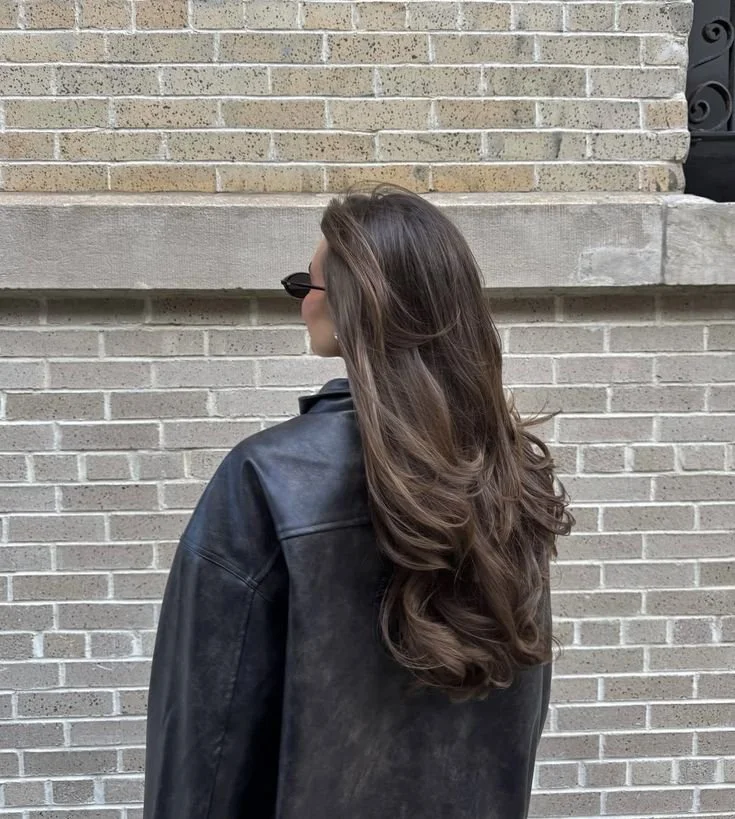
Today’s leading options are designed for people with demanding schedules, public-facing roles, and day-to-day responsibilities that cannot be paused. While every medical procedure involves some degree of healing, the biggest shift in the industry is clear: newer techniques aim to reduce trauma to the scalp, minimize visible after-effects, and get you back to routine activities sooner, without compromising long-term outcomes.
No. 1
Why Quick Recovery Matters More Than Ever
Wanting minimal downtime is not superficial or impatient. It is practical. Hair loss can affect confidence, but the recovery process can also feel like an emotional hurdle, especially if it requires extended time away from normal life.
For many patients, downtime is a deciding factor because it impacts:
Professional commitments, including meetings, travel, and client-facing work
Family responsibilities, such as childcare, errands, and daily schedules
Fitness routines and mental health habits that help manage stress
Social plans, events, and photos where you want to feel like yourself
Older hair restoration procedures often involved more noticeable signs of treatment, including extended redness, swelling, bandaging, and restrictions that could last weeks. Those realities made people postpone the decision, even if they were ready for the result.
What “Minimal Downtime” Typically Means Today
Modern approaches have changed expectations. While healing varies by individual and procedure type, minimal downtime often involves:
Fewer visible signs after the first several days
Less discomfort compared with older, more invasive methods
A faster return to desk work and everyday errands
Reduced need to “hide” during recovery
The emphasis is not on rushing healing. It is on using techniques that are gentler from the start, so your body has less to recover from.
No. 2
Advancements in Hair Restoration Technology
Hair restoration has moved steadily away from highly invasive approaches and toward methods that emphasize precision, consistency, and scalp preservation. Many of the best cutting-edge hair restoration techniques now focus on reducing unnecessary disruption to surrounding tissue, which directly influences comfort and recovery time.
Technology has also changed the patient experience. Clinics can now plan procedures more accurately, select grafts more consistently, and create refined hairline designs with tools that support repeatable results.
A major example is robotic assistance. A robotic ARTAS transplant uses smart algorithms and precise robotics to identify and harvest follicles with impressive accuracy, yielding long-term benefits. Because the harvesting process is highly controlled, it can reduce variability and limit trauma to neighboring tissue, which may contribute to smoother healing for some patients.
Innovation is also expanding beyond traditional surgical techniques. Many clinics now offer a new non-invasive solution that can address certain hair concerns without the same type of procedural recovery, which can be appealing for individuals in earlier stages of thinning or those exploring alternatives.
How Technology Supports Faster, Cleaner Healing
Modern tools and methods may improve recovery by supporting:
Smaller, more consistent extraction sites
Reduced accidental damage to surrounding follicles
More predictable graft handling and placement
Better planning around density and donor area management
The main takeaway is that technology is not just about convenience for the provider. It can translate into a more controlled experience for the patient, which often means fewer surprises during recovery.
No. 3
Precision in Follicular Unit Extraction (FUE)
One of the most important changes in hair restoration is the refinement of Follicular Unit Extraction, commonly called FUE. Instead of removing a strip of scalp, FUE focuses on extracting small follicular units, typically containing one to four hairs, and relocating them to thinning or balding areas.
This difference in approach is a big reason downtime has decreased. Because FUE uses tiny punches rather than a long incision, the scalp generally heals with small dot-like sites that become difficult to detect as they recover.
Key Differences Between FUE and Older Strip Methods
FUE is often preferred by patients who prioritize flexibility and a lower-profile recovery.
No long linear incision across the donor area
No large suture line that requires extended healing
Reduced risk of a noticeable linear scar
Often easier to wear shorter hairstyles later
That said, FUE is still a medical procedure and should be approached with realistic expectations. The quality of the outcome depends heavily on proper technique, graft survival, and post-procedure care.
Why Smaller Incisions Usually Mean Less Downtime
FUE is designed to reduce recovery burden by minimizing the size of each extraction site.
Smaller sites typically close faster
Less tissue disruption can mean less swelling and soreness
Many people find the recovery easier to manage alongside daily obligations
The donor area often looks socially acceptable sooner than with older methods
For patients balancing a busy calendar, this style of procedure often feels more compatible with modern life.
No. 4
What Recovery Looks Like in the First 10 Days
One of the most common questions people ask is what “minimal downtime” actually looks like on a calendar. While the exact timeline varies based on the individual, the size of the procedure, and the clinic’s methods, many patients find the first week and a half to be the most noticeable phase.
In many modern FUE cases, it is common to see mild redness and small scabs at the recipient area, along with subtle dotting in the donor area. These visible signs generally fade significantly within about a week to ten days.
A Practical, General Timeline Many Patients Experience
This is a broad overview rather than a promise, but it can help you plan realistically.
Days 1–3: mild tenderness, visible scabbing, and a focus on careful aftercare
Days 4–7: scabs begin to shed naturally; redness starts to soften
Days 7–10: many visible signs continue to fade; social comfort improves for many patients
Most people can return to desk work and light daily activities within a few days, depending on comfort and the nature of their job. More strenuous activity is often restricted longer, as increased sweating and friction can interfere with healing.
Planning Tips for a Low-Stress Recovery
A smoother recovery is often about preparation.
Schedule your procedure when you can keep your calendar lighter for several days
Arrange a low-key work-from-home option if possible
Avoid buying hats or coverings that rub the graft area unless approved
Stock up on gentle shampoo or aftercare products recommended by your clinic
Plan to sleep in a position that protects the treated area, if advised
The better prepared you are, the easier it is to follow aftercare instructions without feeling like your life is on pause.
No. 5
Returning to Work, Social Life, and Exercise Sooner
The practical benefit of modern hair restoration is that many patients do not have to “disappear” for weeks. While you still need to respect the healing process, modern techniques often make it possible to resume normal life more quickly and with less visibility.
Getting Back to Work
Many patients return to office or remote work within days, especially if their role is not physically demanding.
Desk work is often easier to resume quickly
Video calls may feel manageable sooner as redness improves
Planning around important presentations can reduce stress
If you work in a highly public-facing role, you may prefer a slightly longer buffer so you feel confident in your appearance.
Social Plans and Public Visibility
Social comfort varies, but many people appreciate that modern recovery does not always require obvious bandages or extended concealment.
Some redness can be present early on
Small scabs are typical and should be left alone to fall off naturally
A planned “quiet weekend” can help you avoid unnecessary attention
Fitness and Physical Activity
Exercise is usually one of the last things to reintroduce, mainly due to sweat, friction, and blood pressure changes.
Light walking is often easier to resume earlier
Weightlifting, running, and high-sweat workouts may be restricted longer
Swimming is commonly delayed to protect healing sites
Your clinic’s guidance matters here because returning too fast can compromise comfort and results.
No. 6
How to Choose an Option That Matches Your Lifestyle Goals
Minimal downtime is not only about the technique. It is also about choosing the right plan for your hair type, pattern of loss, and lifestyle expectations. A thorough consultation should clarify what results are realistic, what recovery will actually involve, and how to protect your investment.
Questions Worth Asking During a Consultation
Use these questions to compare options and feel more confident in your decision.
What technique do you recommend for my hair loss pattern, and why?
What should I expect to look like on day 3, day 7, and day 10?
How many grafts do you anticipate, and how does that affect recovery?
What are the biggest aftercare mistakes that slow healing?
Do you offer supportive options, such as a new non-invasive solution, alongside transplant approaches?
Signs You Are Getting Clear, Professional Guidance
A strong provider will focus on education, not pressure.
They set realistic expectations rather than promising instant transformation
They give specific aftercare instructions and recovery milestones
They explain tradeoffs, including density limits and donor area management
They discuss both short-term healing and long-term growth timelines
Hair restoration is not just a cosmetic decision. It is a long-term plan, and the best outcomes usually come from aligning the procedure with your lifestyle and your future hair goals.
Takeaways
Modern hair restoration is increasingly designed around minimal downtime, making it more realistic for people with demanding schedules and active lives. In this article, we explored how newer techniques aim to reduce scalp trauma so recovery is typically faster and more manageable than older approaches.
Advancements such as refined FUE methods and options like a robotic ARTAS transplant have helped improve precision, which can support a smoother healing experience for many patients. For some individuals, a new non-invasive solution may also be an appealing path, depending on their hair concerns and goals.
The best next step is to match the method to your lifestyle, comfort preferences, and long-term expectations. With the right plan and proper aftercare, it is often possible to pursue meaningful hair restoration results without stepping away from daily life for weeks.
Looking for wellness resources?
Are you looking to enhance your wellness routine? Explore our wellness partners who offer a wide range of resources to support your journey toward holistic living and well-being.